
-
-
Phone
+86-13623462298



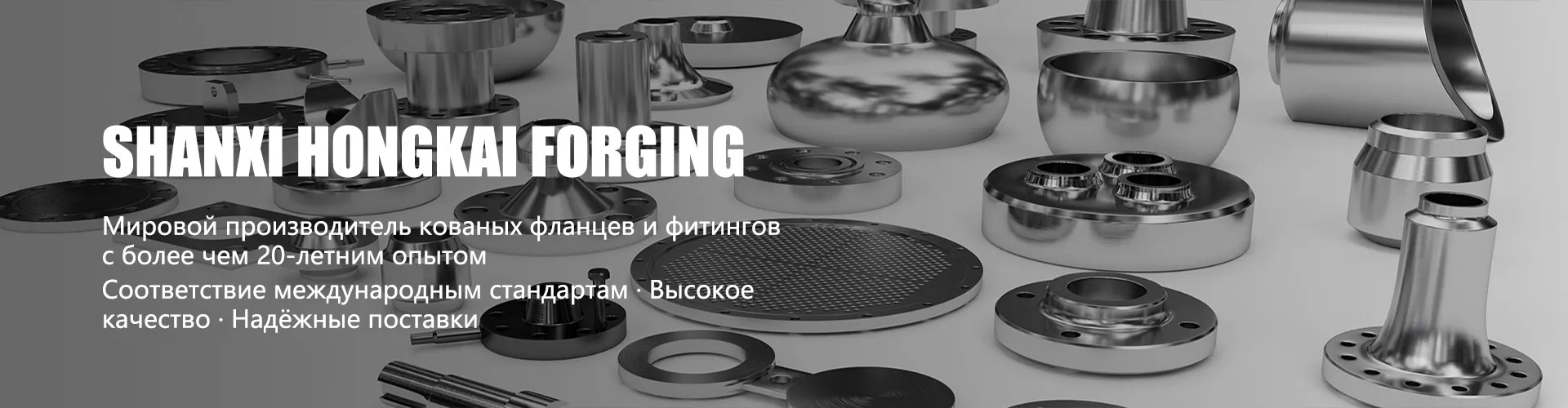
steel flange bushings
When you hear “steel flange bushings?”, many people immediately think of a simple threaded or weld adapter to connect pipes of different diameters. In fact, it is a much more complex element. The flange itself is one thing, but when it is inextricably linked to the bushing, especially in critical components, this is already a story about calculations for pressure, vibration, and thermal expansion. A common mistake is to consider them universal. I selected it according to diameter and pressure - and okay. But here the material of the bushing, the method of connecting it to the flange (hot stamping, welding), and the processing of the seating surfaces matter. At one time, we also got burned by this, trying to save money on a non-standard size.
Where are they really needed and why the standard is not always a panacea
The main application is, of course, pipeline fittings and pressure vessels. But not only that. For example, in the designs of supports for rotating units - where it is necessary to ensure alignment and at the same time rigidly fasten the unit to the frame. The flange provides a plane for bolting, and the bushing provides an exact hole for a shaft or other part. Here we are talking not so much about the pressure of the environment, but about the perception of mechanical loads, often dynamic.
As for standards... GOST, ASME, DIN are good, they give basic dimensions and tolerances. But in real projects, nuances constantly emerge. Let's say a standard bushing with a flange according to GOST 12820-80 for pressure Ru16. But if the environment is aggressive and the temperature changes cyclically, a different steel strength class and different heat treatment after manufacturing may be required. Or special cleanliness of the surface inside the bushing if the rod moves along it. The standard does not provide for this.
This is where the area of non-standard solutions begins. We once made a unit to replace imported equipment at a thermal power plant. The drawing was old, the dimensions were inch, plus a specific requirement for the hardness of the bushing surface. Standard products from the shelf did not fit. We had to look for a manufacturer who would undertake forging and machining according to our technical specifications. It is in such cases that you pay attention to companies that specialize in forging. For example, on the siteShanxi Hongkai Forging Co.,Ltd (https://www.hkflange.ru) it is clear that they work with a range up to DN4000 and make forgings according to customer drawings. This is already a serious argument when you need to not just buy, but design and manufacture a unit for a specific task.
Material and manufacturing technology: what determines reliability
?Steel? is too general a word. Steel is different. For ordinary water or steam at low temperatures, St20 will do. For aggressive environments, you already need steels with alloying additives, such as 09G2S, 12Х18Н10Т or even duplex steels. The choice of sleeve and flange material must be consistent, especially if they are welded. Different coefficients of thermal expansion can lead to stress in the weld area after thermal cycling.
Technology is key. The worst option is when the flange and bushing are made separately and simply welded to each other. Residual stresses always remain in the welding zone, and microdefects are possible. For critical applications, a one-piece forging or stamping, where the flange and bushing are one part, is much better. The mechanical properties of such a part are more uniform over the entire cross-section. As I understand it, this is the approach the manufacturer of forged flanges and forgings mentioned above is relying on. Forging allows you to form a workpiece that is close in shape to the final product, which improves the structure of the metal.
Personal experience: I once bought a supposedly solid forged bushing with a flange from an unverified supplier. After six months of work, a leak appeared in the unit along the body of the bushing, not along the weld! An autopsy revealed a shell inside the wall. Probably, the workpiece was cast and not forged, or the technology was violated. Since then, I have always requested, if not certificates, then at least a manufacturing process sheet, especially for non-standard parts.
Installation and operation: subtleties that are not written about in the instructions
It would seem that it would be so complicated: weld the bushing to the pipe or body, tighten the flange with bolts to the mating part - and you’re done. But installation is where 80% of future problems lie. The first is alignment. If the bushing is to serve as a guide, its axis must be strictly perpendicular to the plane of the flange. When welding by eye? or with misalignment, additional loads, wear, and vibration occur.
The second is welding. A thin-walled bushing can easily be damaged. from overheating. You need the correct cutting of edges, welding modes, and often preliminary and accompanying heating. And subsequent heat treatment to relieve stress, if required by the project. For such operations, we usually involve highly qualified welders with NAKS approvals.
And the third thing is compaction. A flange is a flange. Gaskets, studs, tightening torque... All according to standard procedure. But when you have a flange - part of a single part with a bushing, it happens that, due to errors in calculation or manufacturing, the plane of the flange turns out to be not completely flat, and has a casting or stamping slope. Then a standard gasket may not save you. You have to either grind the plane or order a specially shaped gasket. A trifle, but it can stop the whole unit for a week.
Case: replacing a worn bushing in a rotary kiln support
We had a project at a cement plant. In the support unit of the rotary kiln, the seating sleeve on which the band rests has worn out. The unit is massive, with a large flange for fastening to the foundation slab. The temperature is high, the load is colossal, plus constant vibration. The old product was cast, and cracks appeared in the transition area from the bushing to the flange.
The task was not just to do something similar, but to improve the design. Together with the designers, we decided to switch to forged billets made of heat-resistant steel. There were two main difficulties: 1) to ensure high hardness and wear resistance of the inner surface of the bushing (it was necessary to carry out cementation and subsequent grinding), 2) to maintain the geometry - coaxiality and parallelism of the planes - after all the heat treatments, because the part could “fail”.
Manufacturing was entrusted to a third-party plant, which claimed competence in the field of forged flanges and forgings according to drawings. During the process, questions constantly arose regarding tolerances and shrinkage after heat treatment. I had to make intermediate control measurements and correct the drawing. In the end, the part was completed, but the deadlines were delayed by a month. But after installation, the unit has been working for several years without any complaints. This experience has shown that for complexbushings with steel flangedialogue with the manufacturer at the design and technical preparation stage is critical.
Choosing a supplier: what to look for besides price
Price is, of course, important. But with such products it often turns out to be the last criterion. The first is technological capabilities. Can the plant make forgings rather than castings? What kind of forging equipment does he have (presses, hammers)? What are the maximum workpiece sizes? The second is quality control. Do they have ultrasonic inspection of forgings, hardness control, chemical composition control? Are you ready to provide protocols?
Third, experience in related industries. If a company likeShanxi Hongkai Forging Co.,Ltd, produces flanges according to many standards (GOST, ASME, EN, DIN) and makes non-standard forgings, this indicates a wide range and, probably, an accumulated knowledge base. This means that they have encountered different problems and can give good advice on material or design.
And the last thing is flexibility. Are they ready to make changes to the technical process to meet specific requirements? How is communication based on drawings structured? In our furnace story, it was the willingness of the manufacturing plant engineers to discuss each step and make adjustments that saved the project. Therefore, now when evaluating, I always look not only at the catalog, but also at the readiness for dialogue. The flange bushing is often a one-piece, project-specific product. It cannot simply be “taken out of storage”. It needs to be designed in conjunction with real operating conditions. And here a partner who understands this difference is worth a lot.
Correspondingproducts
Related Products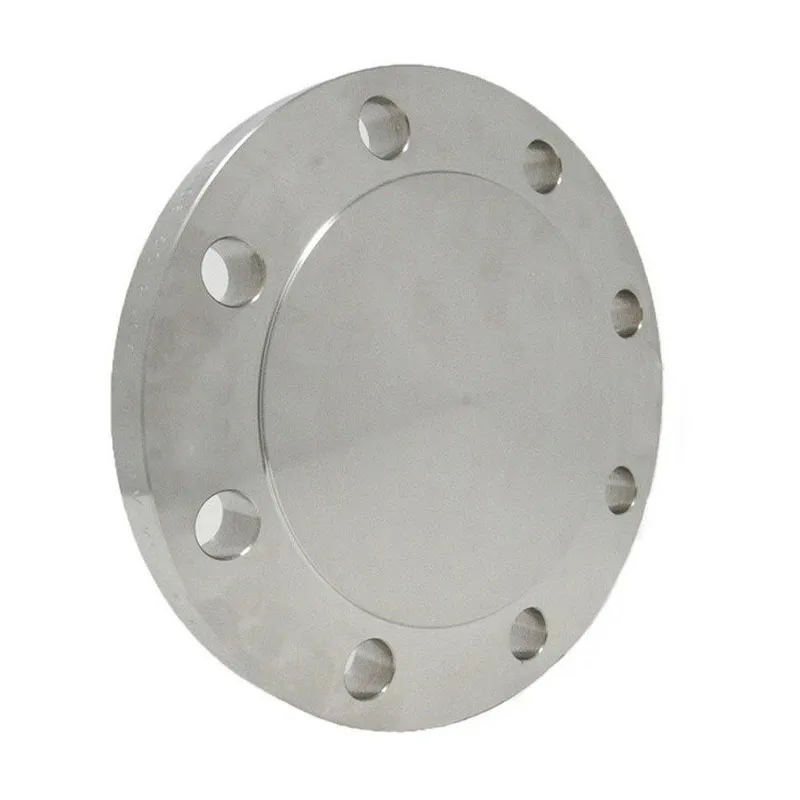
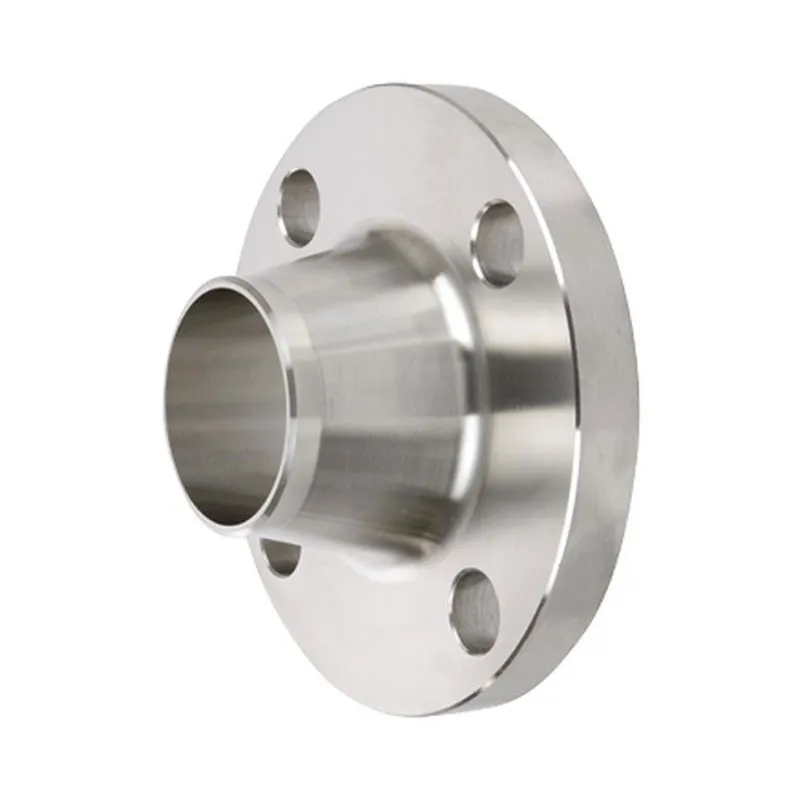
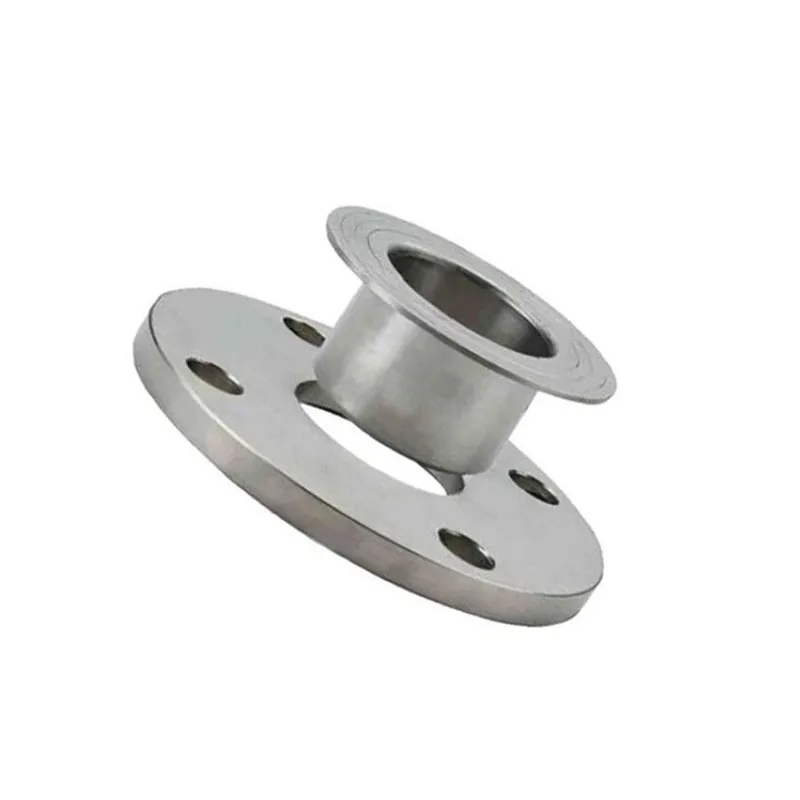
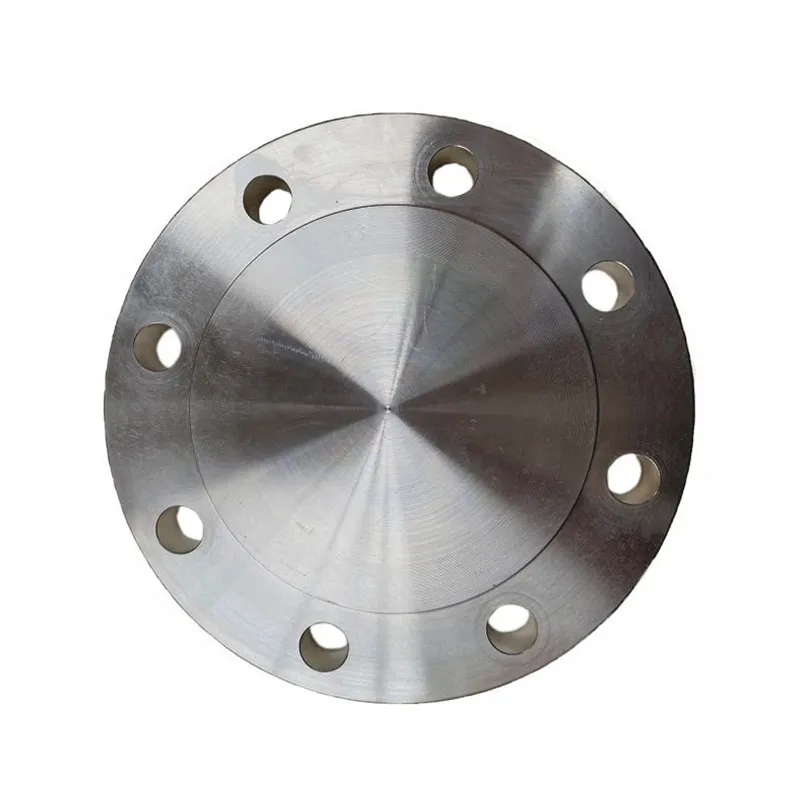
Best Sellingproducts
Best Selling Products-
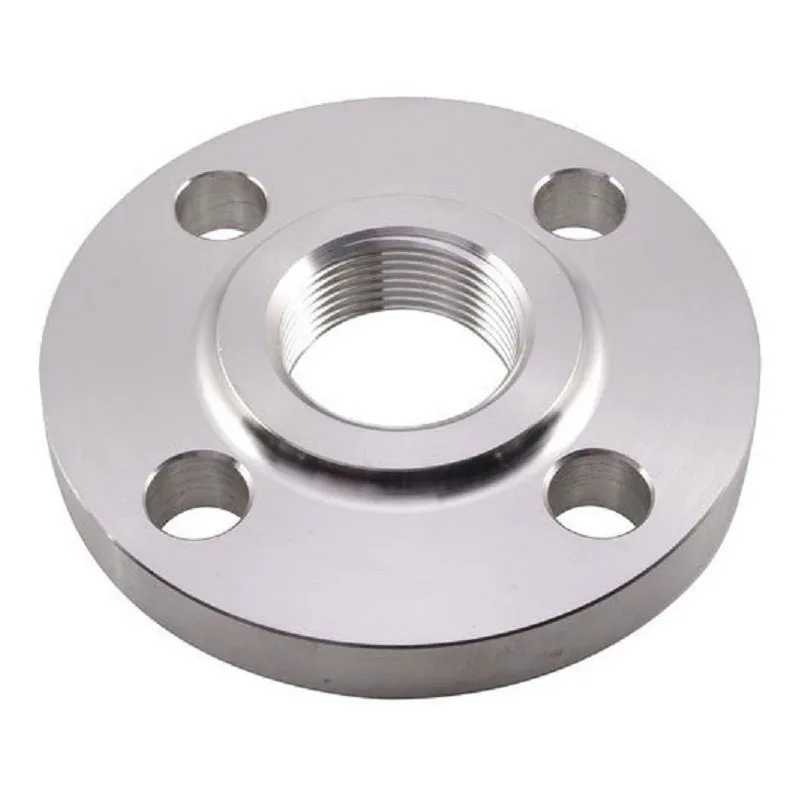 ANSI B16.5 Threaded Flanges Class 600
 -
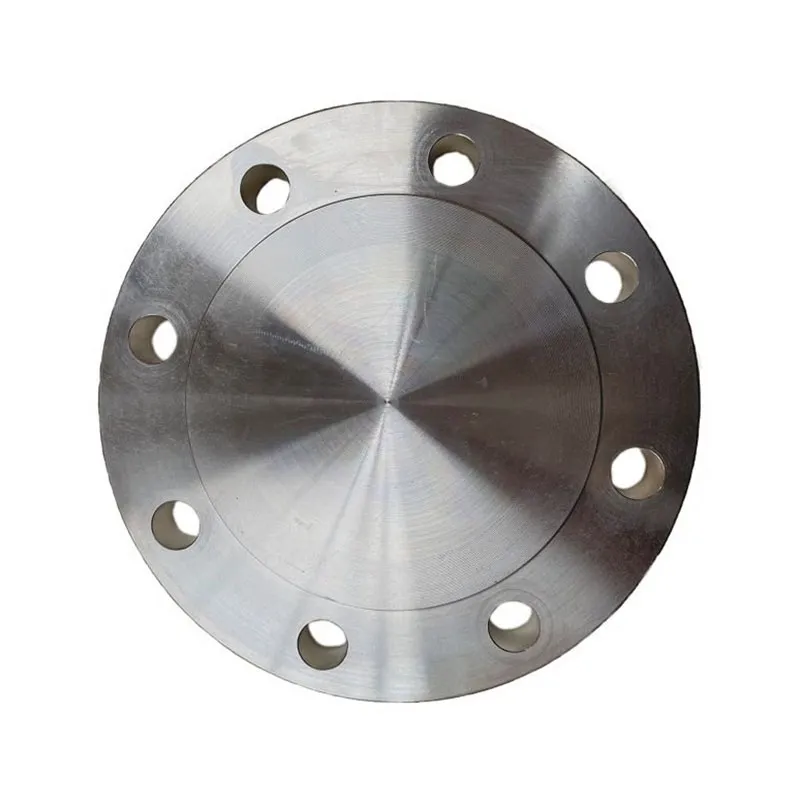 ASME B16.47 Ser.A Blind Flanges Class 400
 -
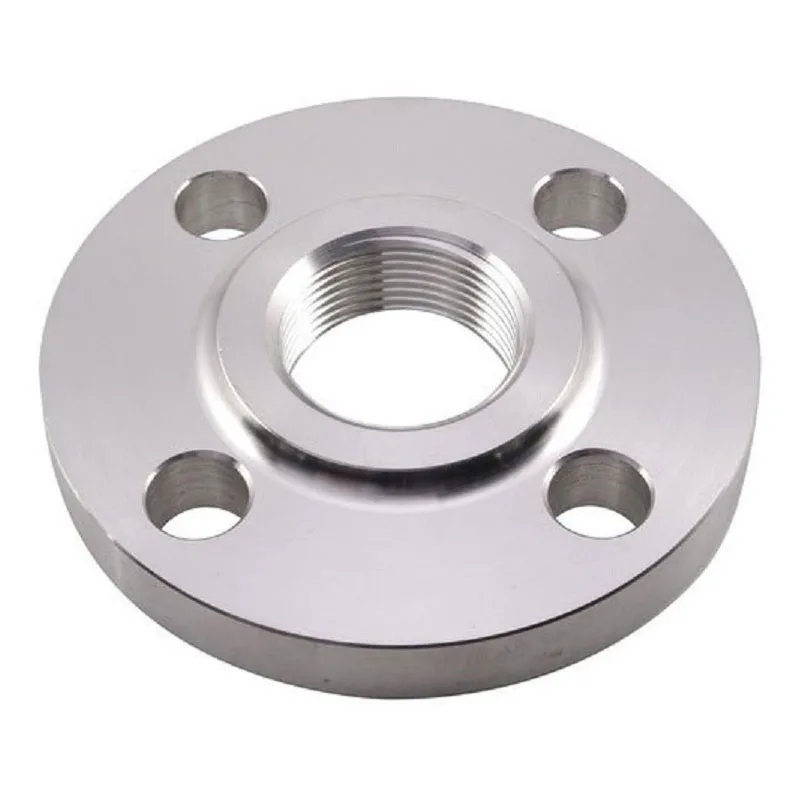 JIS 10K Threaded Flanges
 -
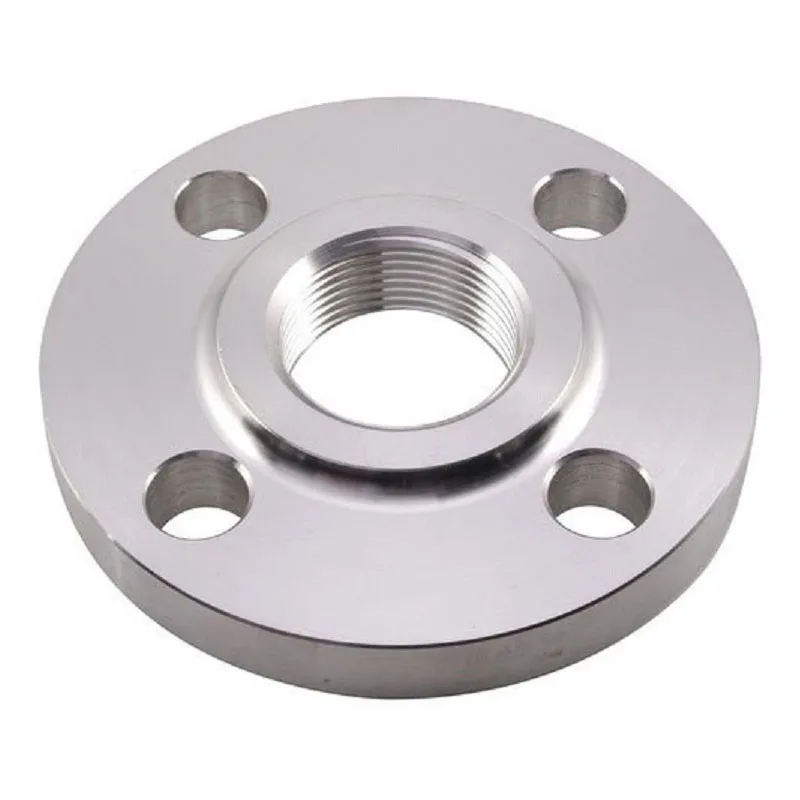 DIN 2566 Threaded flanges PN16
 -
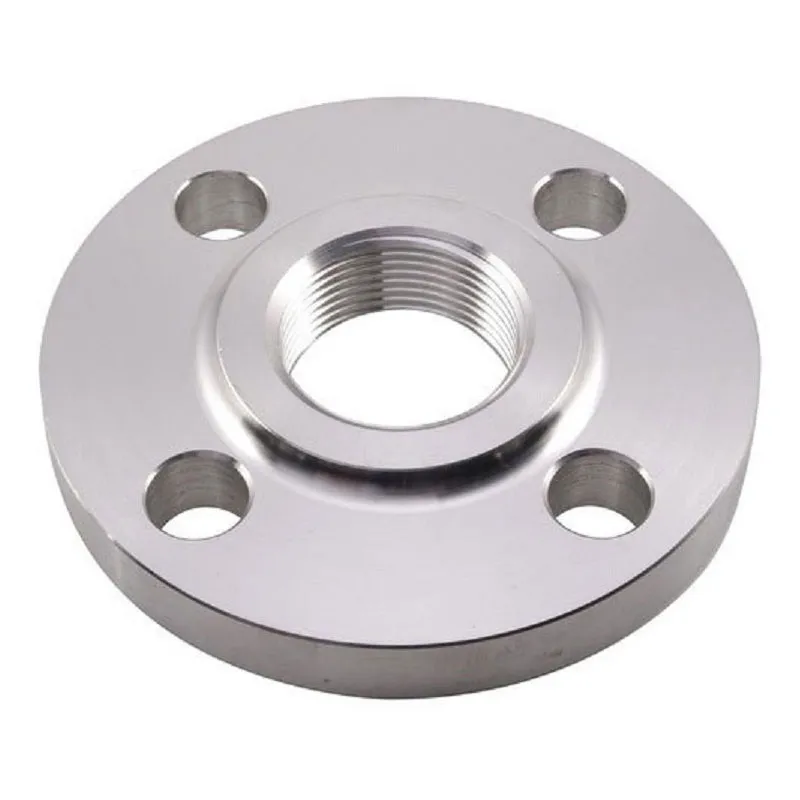 DIN 2565 Threaded flanges PN6
 -
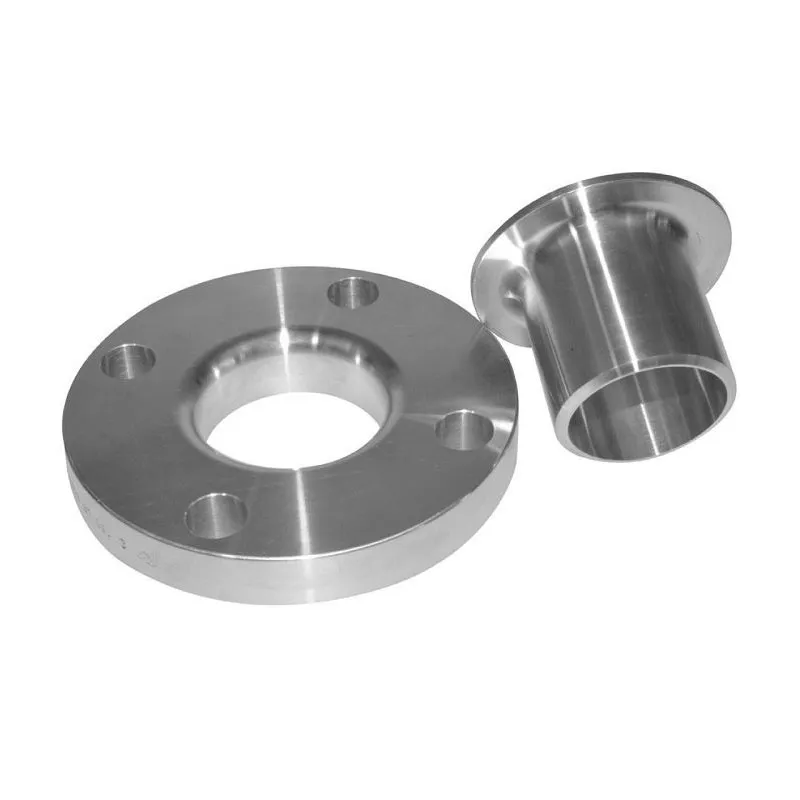 ANSI B16.5 Loose Ring Flanges Class 2500
 -
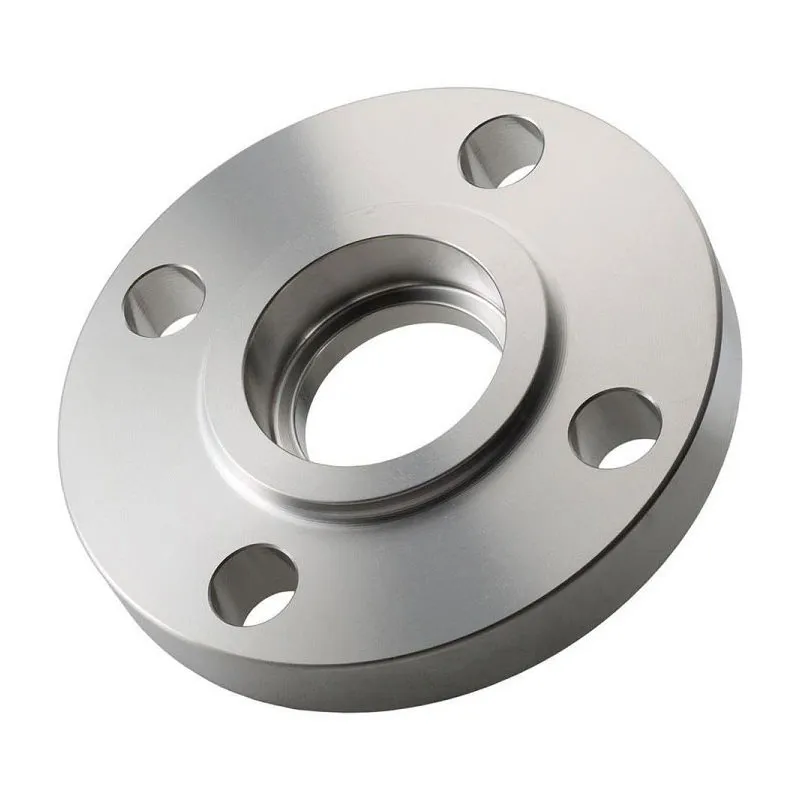 Flanges for socket welding
 -
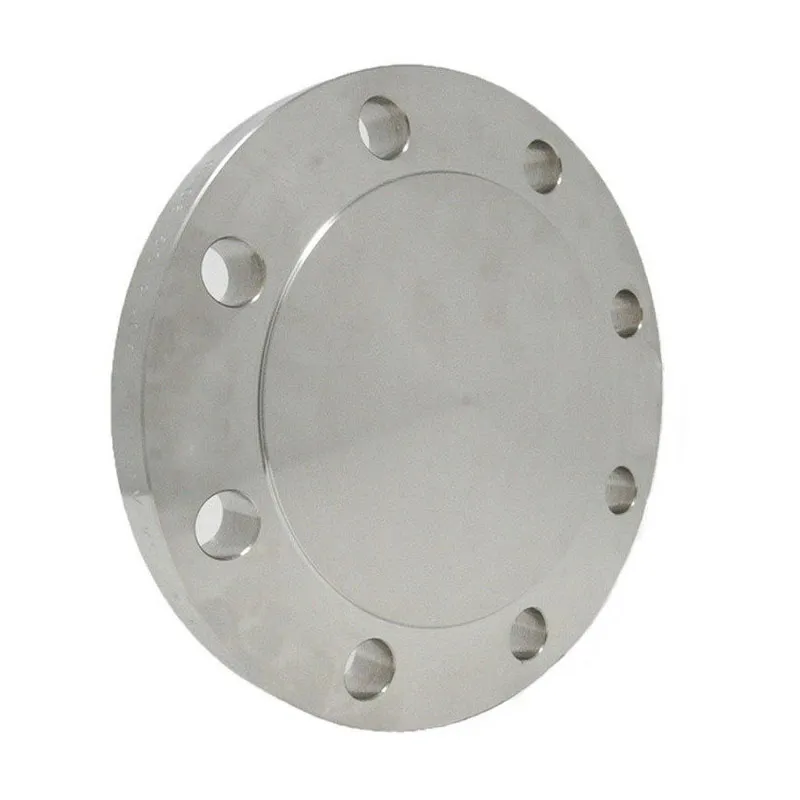 Blind flanges Class 150
 -
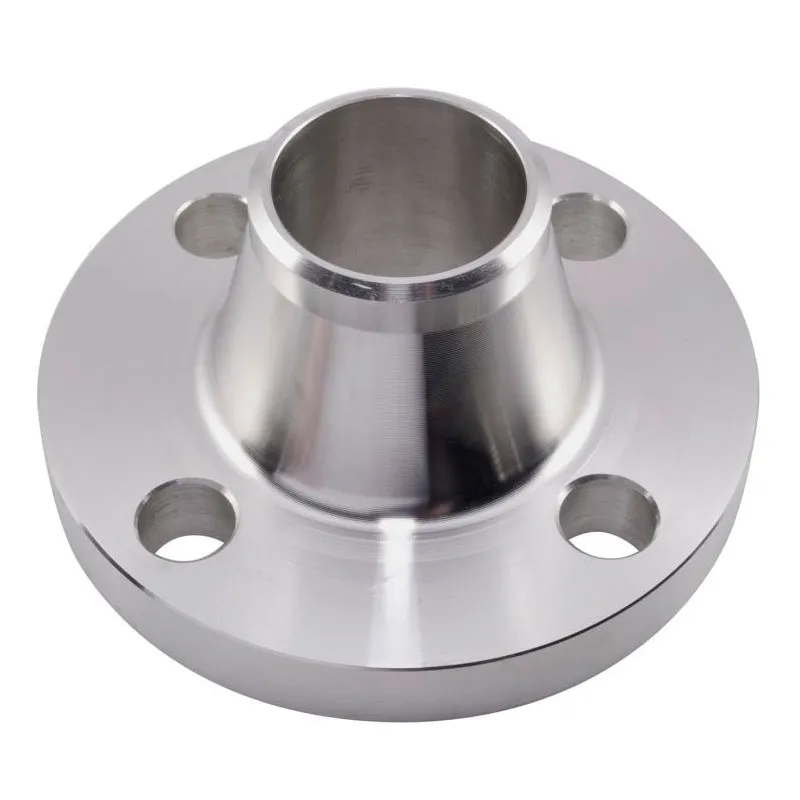 UNI 2281 Butt weld flanges PN10
 -
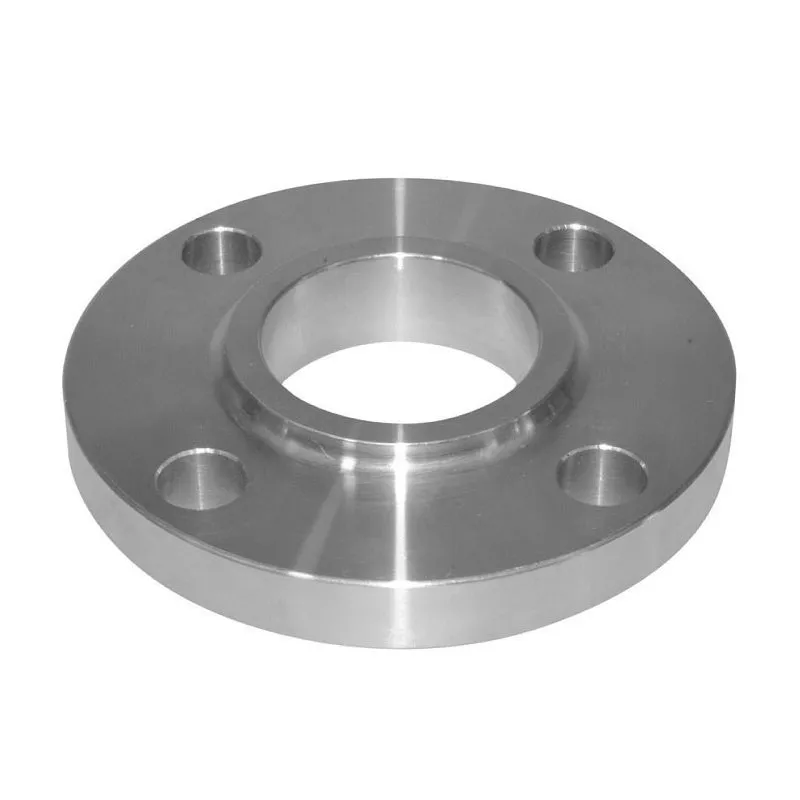 ANSI B16.5 Lap-on flanges Class 1500
 -
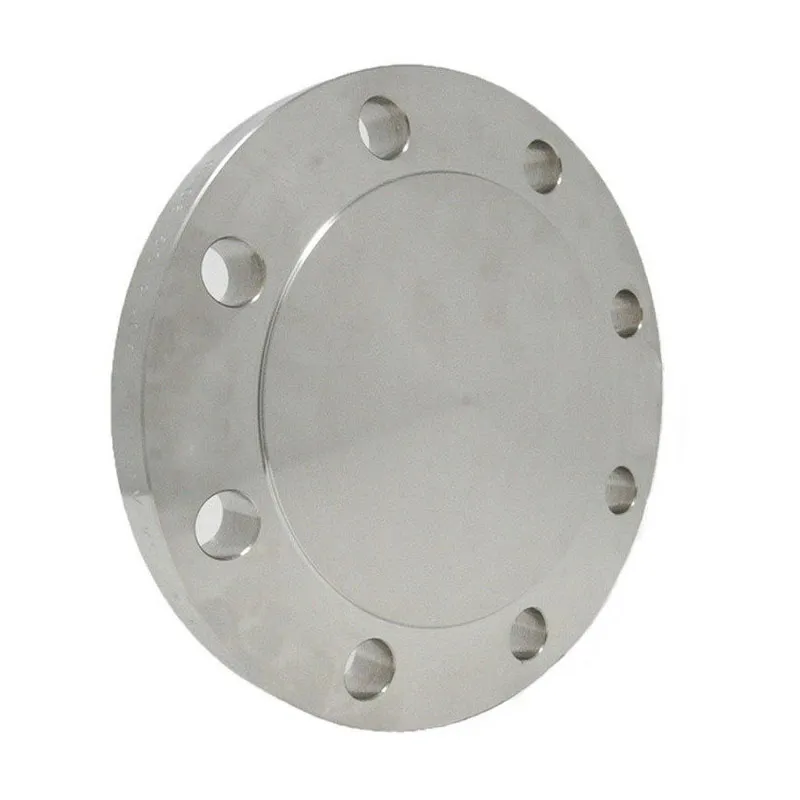 AWWA Blind Flanges Class D (Tables 1, 2, 3)
 -
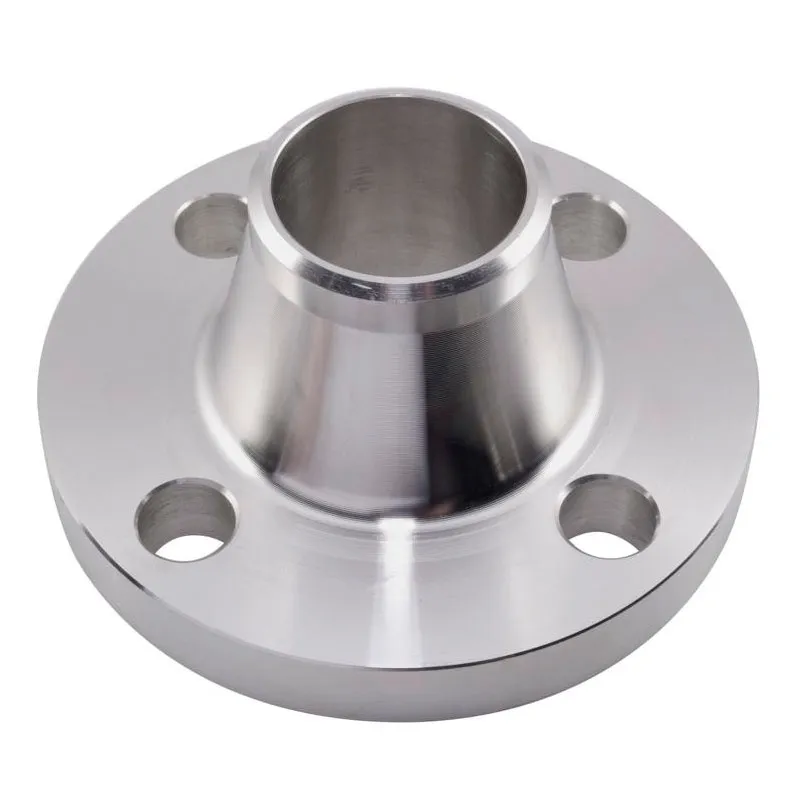 Butt weld flanges Class 900
Relatedsearch
Related Search- flange connections provide
- stainless steel flange with thread
- flange st20 gost 12820 80
- flange with internal thread 50
- steel rotating plugs for flanges
- flange connection mirror
- 12x18n10t GOST 33259 2015 iv flange
- steel straight console with flange
- flange connection hardware
- insulating flange connection for gas pipeline