
-
-
Phone
+86-13623462298



flange sheets
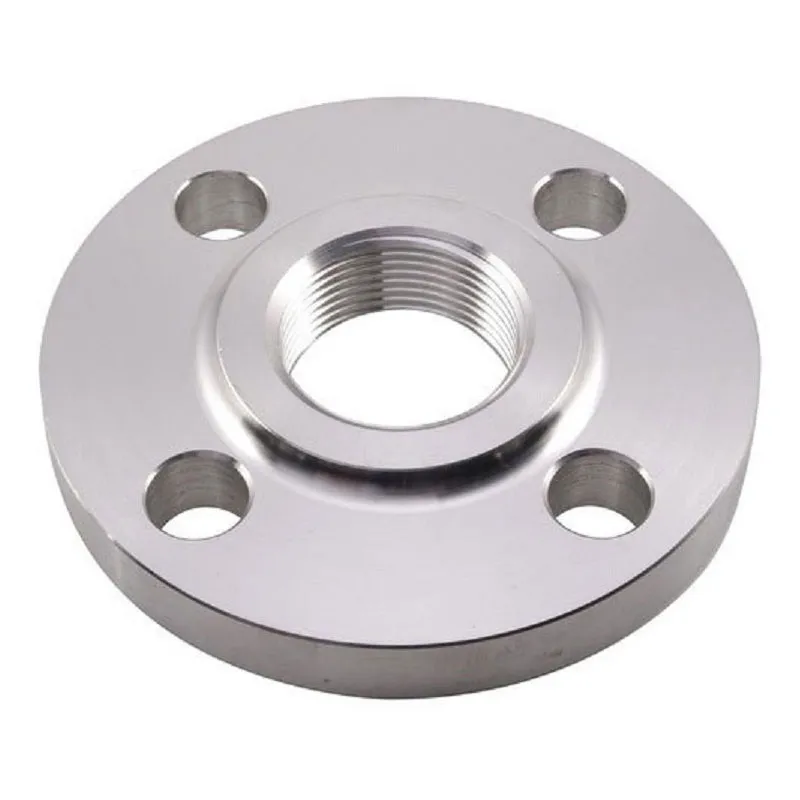
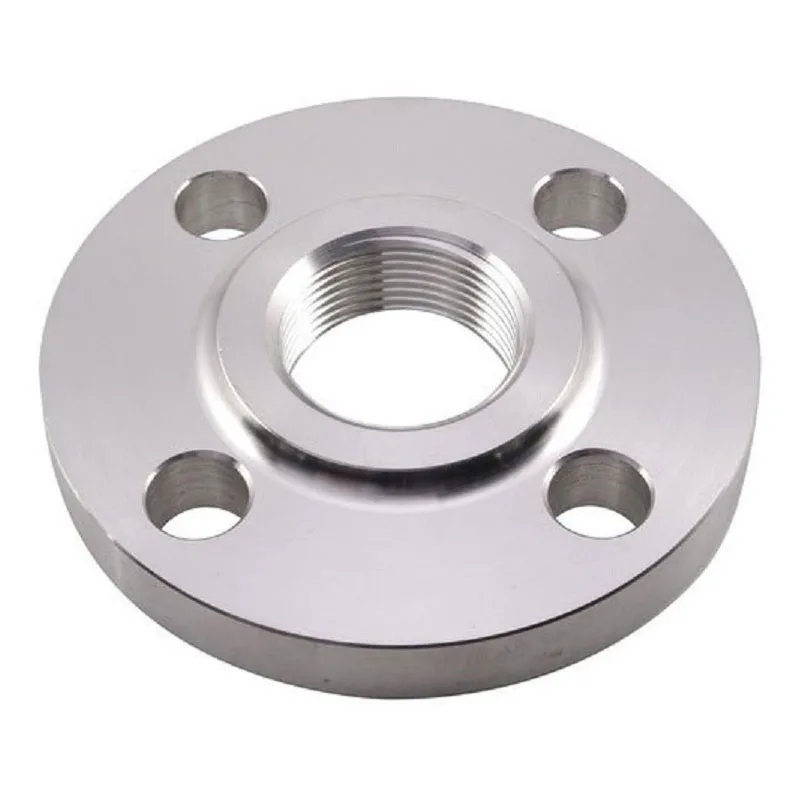
When they talk aboutflange sheets, many immediately imagine the finished product - a steel disk with holes. But here lies the first pitfall: the sheet itself is not a flange. This is a semi-finished product, and everything depends on how it is further processed. Often customers, especially those who do not delve into the technology, demand “just flanges according to GOST”, not realizing that even within the same standard there can be nuances in the material, method of cutting the workpiece and subsequent machining, which directly affect the price and, most importantly, the behavior of the assembly under pressure. Actually, this is what I want to speculate on, based on what I saw both in production and at sites.
What actually lies behind the term ?flange sheet?
So, let's take sheet metal. It would seem that what is so difficult here? But choosing a steel grade is a whole story. For a conventional flange for a cold water pipeline and for a flange for a high pressure steam line in a boiler room, these will be fundamentally different steels, even if the geometry is identical according to the drawing. A common mistake is to try to save on workpiece material. I remember a case when for an irresponsible pipeline they took St3 instead of 09G2S, because “it will do anyway?” It worked, yes. But during installation in winter, at subzero temperatures, when the bolts were tightened, a crack appeared in one of the flanges along the body, not along the weld. We sorted it out - the material did not have the required cold resistance. The workpiece was made from the wrong sheet.
The second point is cutting. In large productions, like the sameShanxi Hongkai Forging Co.,Ltd, this is usually plasma or gas cutting with CNC, which gives good contour accuracy and minimizes allowance. But I also saw handicraft workshops where they cut by eye? autogenous As a result, the allowance is uneven, and extra millimeters have to be removed on the lathe, wasting time and tools. And this, again, is money. Or worse, there is not enough allowance, and the workpiece goes to waste. Therefore, when you see “blank - sheet” in the specification, you always specify how exactly it is obtained.
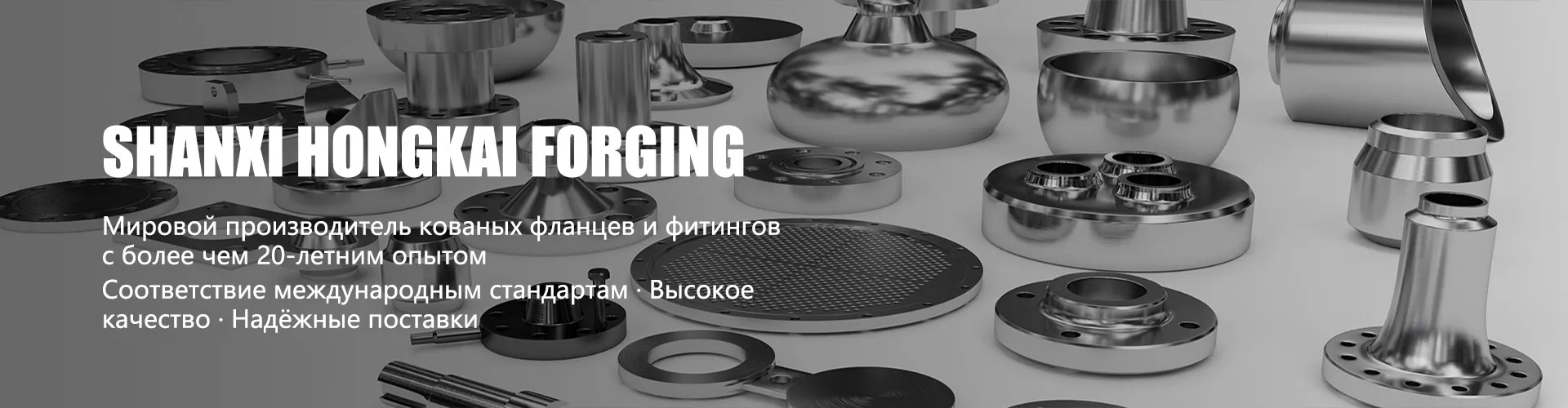
And here we smoothly move on to the key: a sheet is a blank forforged flangesor for flanges that will simply be cut and machined? These are fundamentally different paths. Forging (stamping) compacts the metal structure, makes it fibrous and oriented to the shape of the product, which dramatically increases the mechanical characteristics, especially impact strength and resistance to cyclic loads. For critical applications this is often a mandatory requirement. A flange simply cut from a sheet and machined will not give such an effect. On the websitehkflange.ruIt is directly stated that the company is a manufacturer of forged flanges and forgings. This is an important marker indicating that they are working with hardened workpieces, and not just cutting a sheet.
From sheet to forging: why isn't it just ?cut and bend?
Let's say we decide that we need a forged flange. The sheet here is the original blank. It is heated to forging temperatures. There is a subtlety here: the temperature and heating time must be strictly maintained so that there is no overburning or underheating. Overburning is an irreversible damage to the structure; the metal becomes brittle. Underheating leads to increased resistance to deformation and can cause internal ruptures. At the same production in Shanxi, judging by the description of the nomenclature (sizes up to DN4000), there should be serious furnaces with precise control of thermocouples. For large thicknesses this is critical.
The forging (stamping) operation itself is an art. The press forms the future flange, creating thickenings in the hub area and evenly distributing the metal. After this - annealing to relieve stress. And only now this forging goes for machining. And here we return to the sheet again, but in a different context: often in the documentation they require to indicate not only the steel grade of the finished flange, but also the steel grade of the original workpiece - that same sheet or slab. This is for traceability. This is especially important for ASME and EN standards, where certificates are required for each heat.
Practical conclusion: when ordering flanges, especially for projects where there is inspection supervision, you need to request not only a certificate for the finished product, but also for the workpiece material. Companies that operate transparently, like Hunkai Forging, indicate in their materials compliance with international standards (GOST, ASME, EN), which implies the presence of this entire chain of documents. This is not just a “piece of paper”, it is a guarantee that the sheet from which it all began was correct.
Standards and reality: where the geometry from the drawing collides with the physics of the sheet
All work according to standards: GOST, DIN, ANSI B16.5. In the drawings everything is beautiful and even. But when you start cutting and bending real metal, questions arise that are not in the standard. For example, shrinkage after forging and heat treatment. The geometric dimensions of the forging may “go away” a little. relative to face value. Therefore, a competent technologist always provides sufficient allowance for machining, based on the behavior of a particular steel grade. If you take a thinner sheet or save on allowance, there is a risk that after finishing machining, traces of the original surface of the sheet or forging will remain on the flange surface, especially in the area where the hub transitions to the disk. This may not be acceptable for ASME Visual Inspection (VT).
Another nuance is the direction of rolling in the original sheet. When cutting a flange blank, it is important how the metal fibers are oriented. Ideally, in the finished flange they should run along the circumference and not radially. This increases strength. When stamping, this is taken into account automatically, but if the flange is simply cut out of a thick sheet (for flat flanges of large diameter, for example), then it is worth paying attention to. Not all manufacturers think about this, but there is a difference in resource.
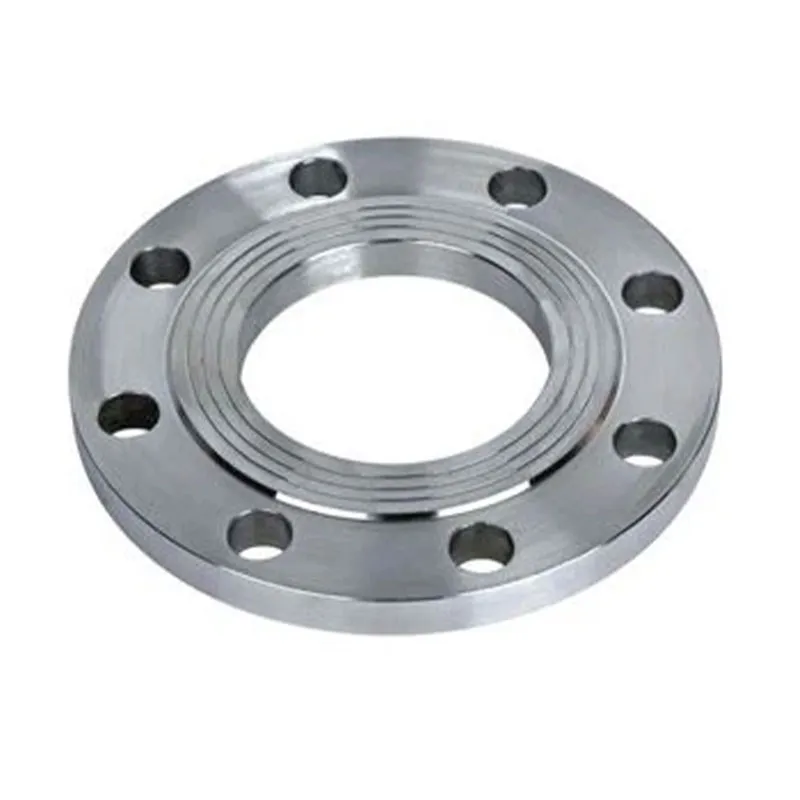
From my own experience: there was a project where flat flanges DN800 made of 20 steel were required. We ordered them from a contractor who made them simply from 50mm sheet. Everything seems to be in accordance with GOST 12820-80. But during installation, when tightening the bolts, several flanges gave a noticeable “propeller” — the plane of contact is no longer flat. The reason is the residual stresses after cutting the sheet, which were not removed by annealing. I had to urgently look for a replacement. Since then, for diameters from DN600 and above, I insist either on forged blanks (even for flat flanges) or on mandatory heat treatment after cutting. It's more expensive, but more reliable.
Non-standard situations: when a flange sheet becomes a headache
Often everything goes well until you encounter something unusual. The customer sends a drawing of a flange with some unusual arrangement of holes, additional grooves or non-standard thickness. And this is where the fun begins. The first question is: what sheet should I make this from? If the thickness is large and the circulation is small, then finding a suitable sheet in stock can be problematic. Manufacturers focused on mass standard items often refuse such orders or raise prices.
In the descriptionShanxi Hongkai Forging Co.,LtdIt is expressly stated that they make non-standard products according to customer drawings. This indicates production flexibility. For them, most likely, it is not a problem to forge a workpiece for a non-standard flange, because they have forging equipment that allows them to form forgings of different configurations. This is a completely different level than simply finding a sheet of the required thickness in a metal warehouse and cutting it out. Although, of course, the cost will be different.
When working with such orders, you always need to conduct a technological analysis of the drawing. Sometimes designers, not knowing the intricacies of production, draw something that is physically difficult or very expensive to make from sheet metal. For example, a sharp transition in thickness. This can be cut out in a sheet, but huge stress concentrators will arise. In a forged forging, such a transition can be made smoother by placing it in the die form. Therefore, dialogue between the designer and the manufacturer’s technologist is half the success. Just sending the drawing and waiting is a recipe for trouble.
Bottom line: the sheet is the beginning of a journey, not just a material
In general, to summarize all these scattered thoughts.Flange Sheetsis a topic that seems simple only on the surface. In fact, there is a whole layer of technological decisions behind this: from the choice of steel grade and the method of obtaining the workpiece to taking into account the intricacies of subsequent processing and standard requirements. The key is to understand what purpose the flange is needed for. For an irresponsible plumbing system, perhaps a simple one cut from a sheet will do. For the process pipeline of a nuclear power plant or thermal power plant - only forging with a full set of documents.
When choosing a supplier, you should look not only at the catalog, but also at its production capabilities. The mention in the company description that it is located in one of the centers of the forging industry in China and manufactures products to international standards is not just words for SEO. This is a hint of serious equipment, an established technological process and, what is important, experience in working with various requirements, including Russian GOSTs. This gives some confidence that they understand the difference between ?leaf as a raw material? and “sheet as a future critical detail?”.
After all, the flange is a connecting element on which the tightness and safety of the entire system depends. And it all starts with that same steel sheet. There are no trifles here. Each, even seemingly insignificant, detail at the procurement stage can later come back to haunt the object. That’s why I’m writing about this in such detail - so that this combination of sheet - processing - finished product? was clear not only to engineers, but also to those who make purchasing decisions.
Correspondingproducts
Related Products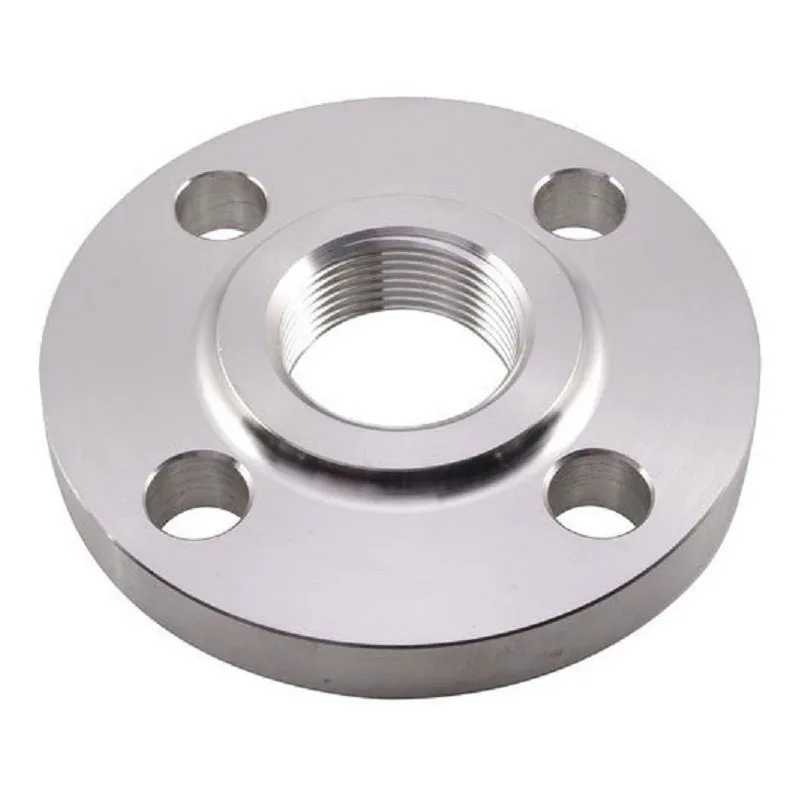
Best Sellingproducts
Best Selling Products-
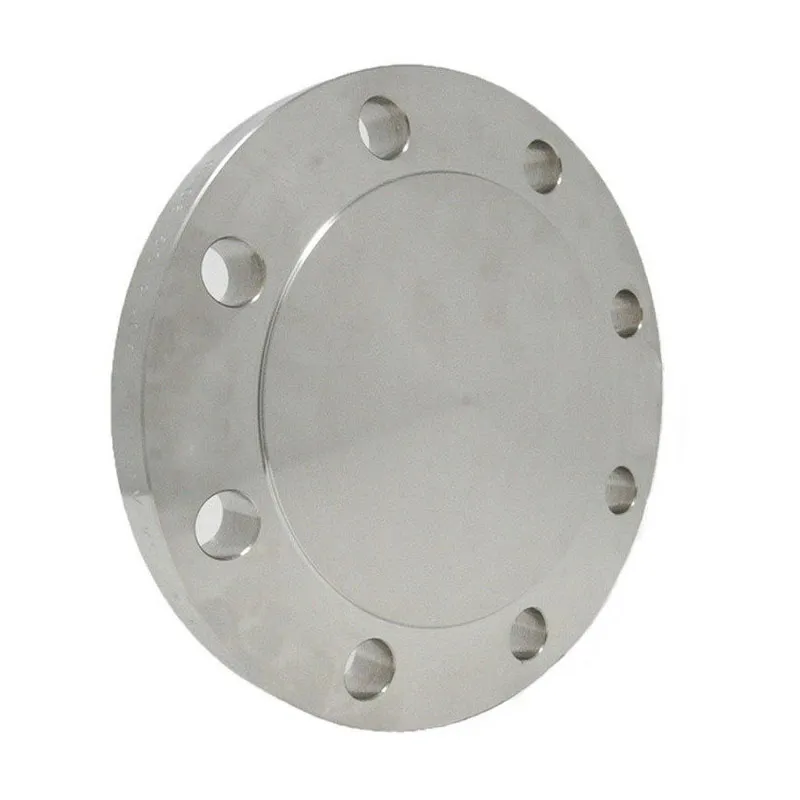 AWWA Blind Flanges Class D (Tables 1, 2, 3)
 -
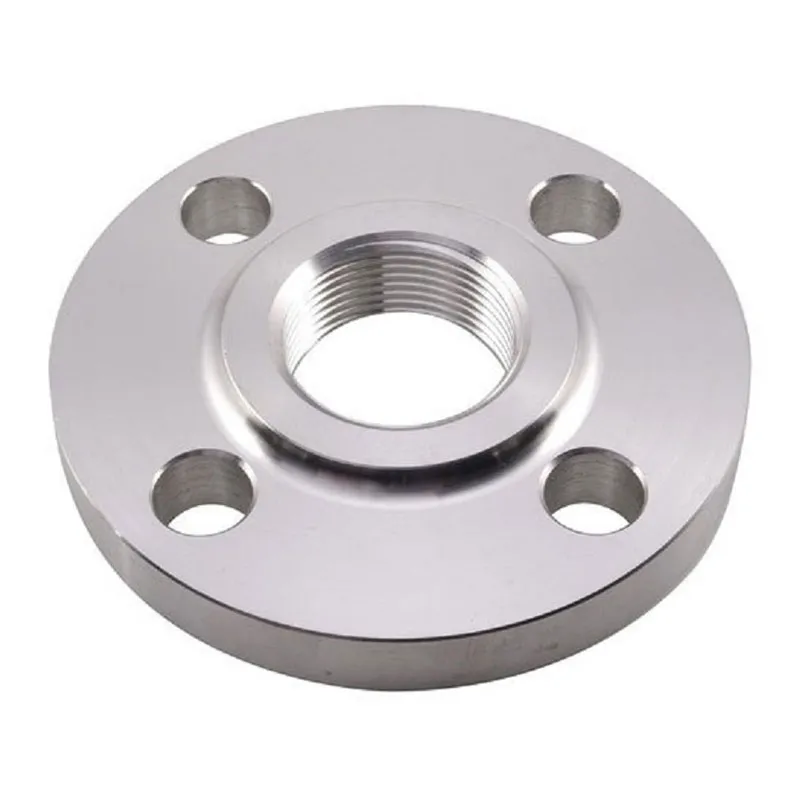 JIS 10K Overlay flanges
 -
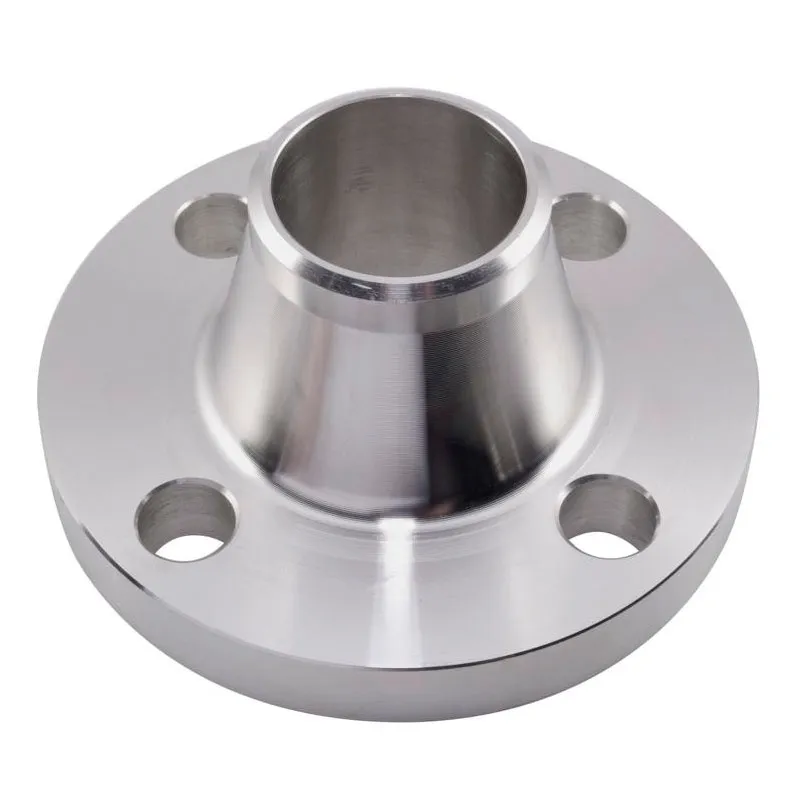 Butt weld flanges Class 900
 -
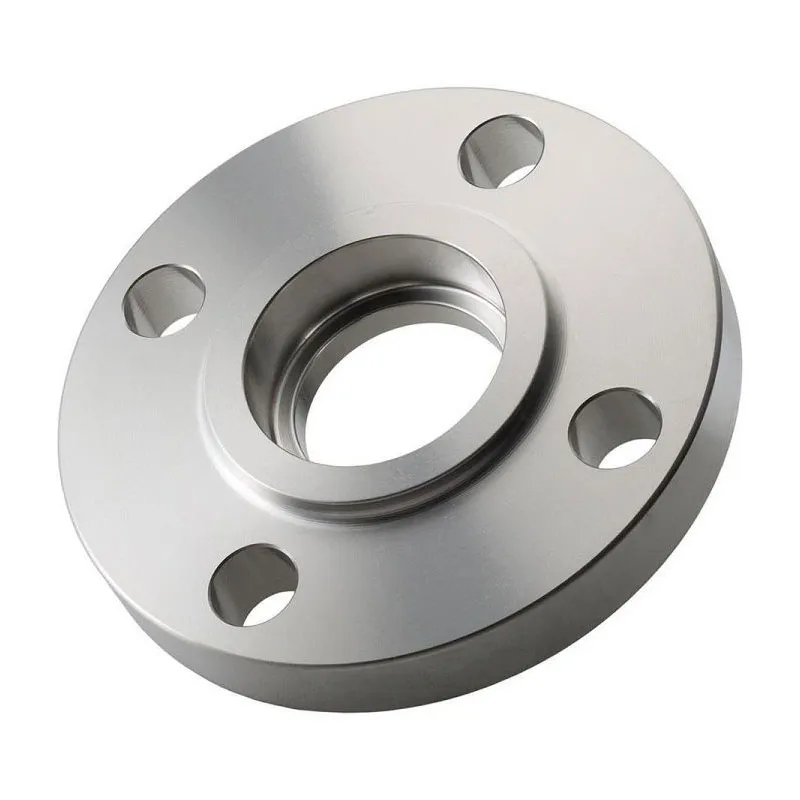 ANSI B16.5 Socket Weld Flanges Class 1500
 -
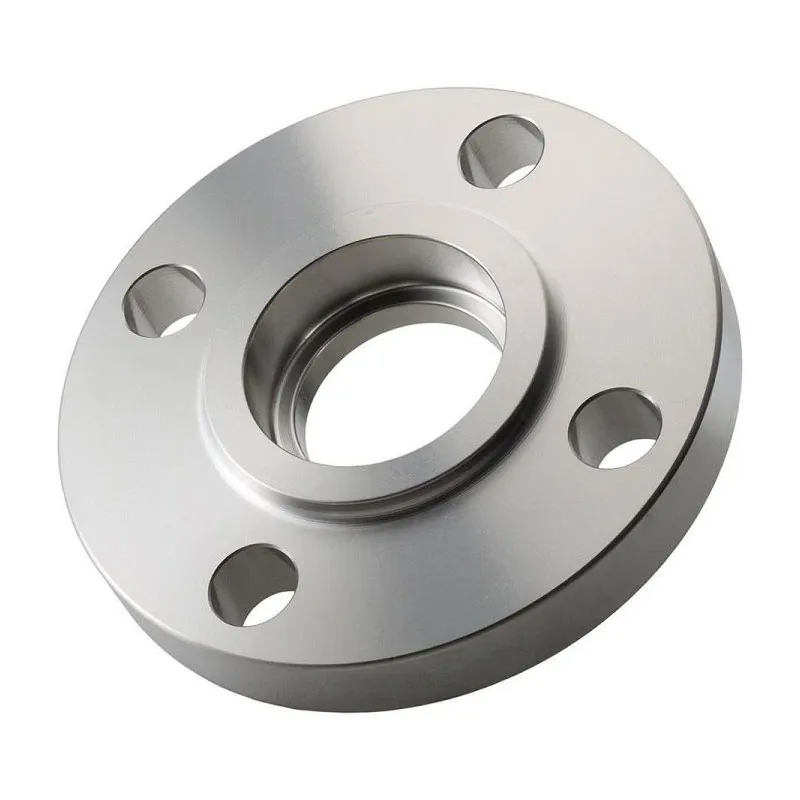 ANSI B16.5 Socket Weld Flanges Class 150
 -
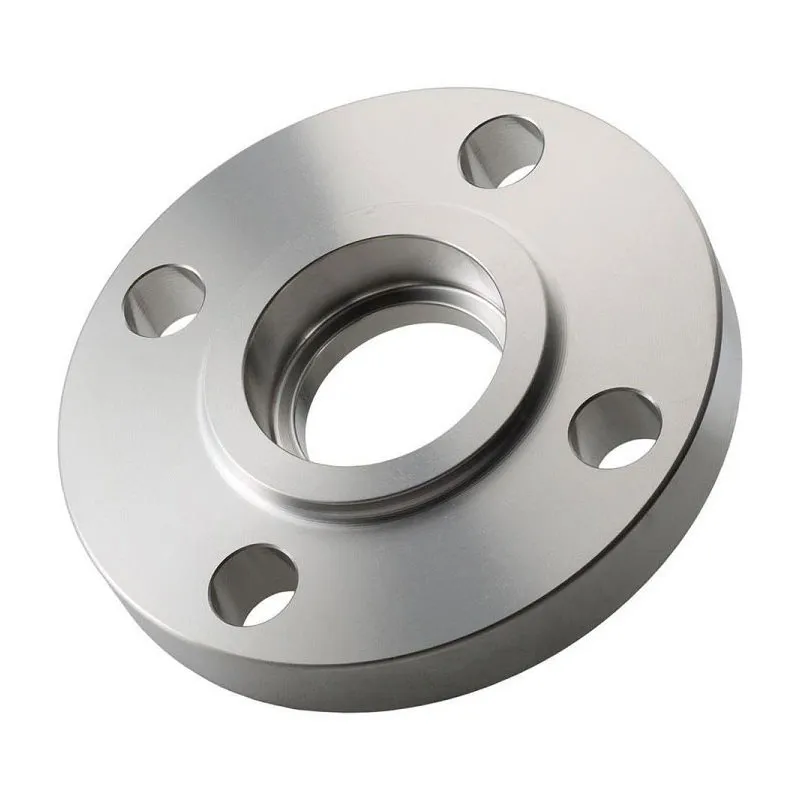 Flanges for socket welding
 -
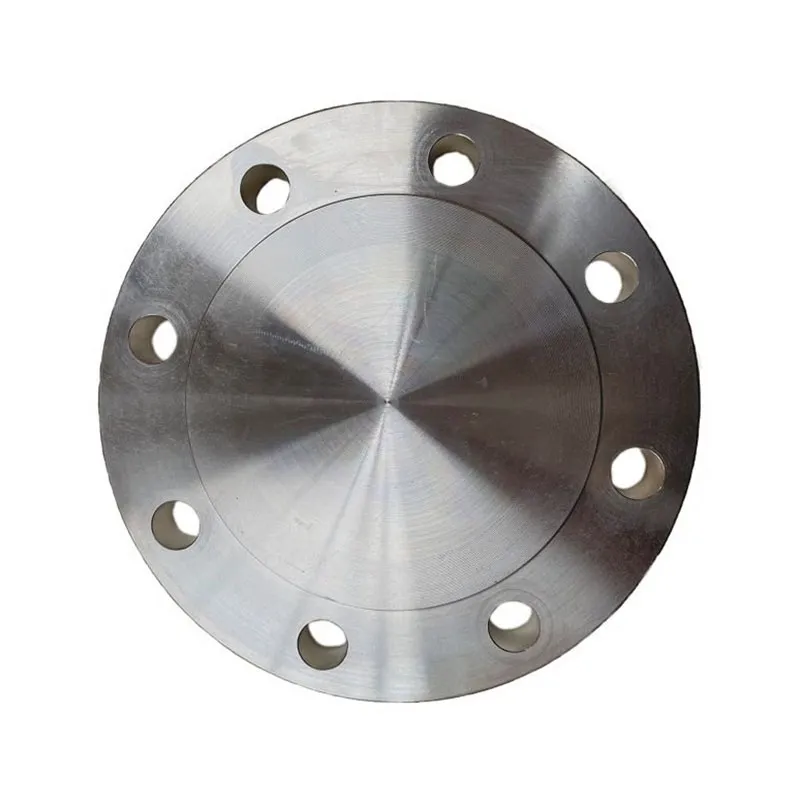 UNI 6092 Blind flanges PN10
 -
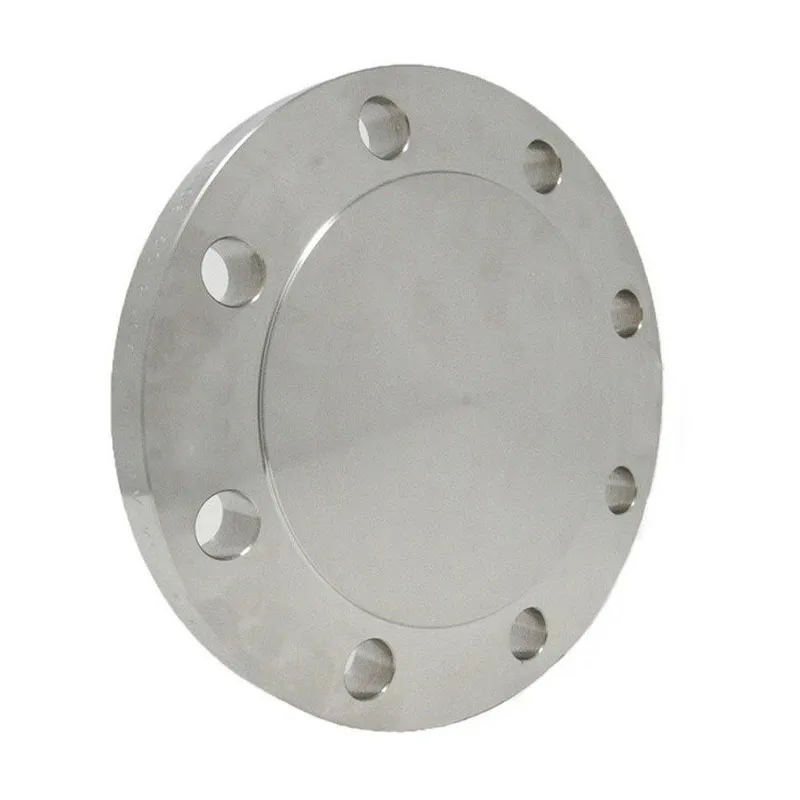 EN 1092-1 Blind flanges Type 05, PN10
 -
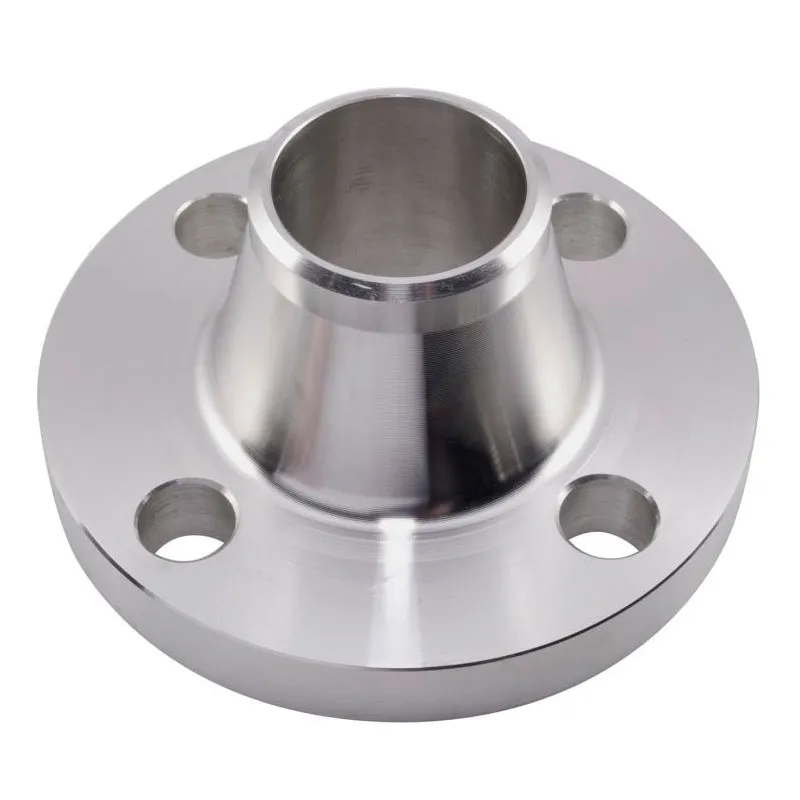 UNI 2281 Butt weld flanges PN10
 -
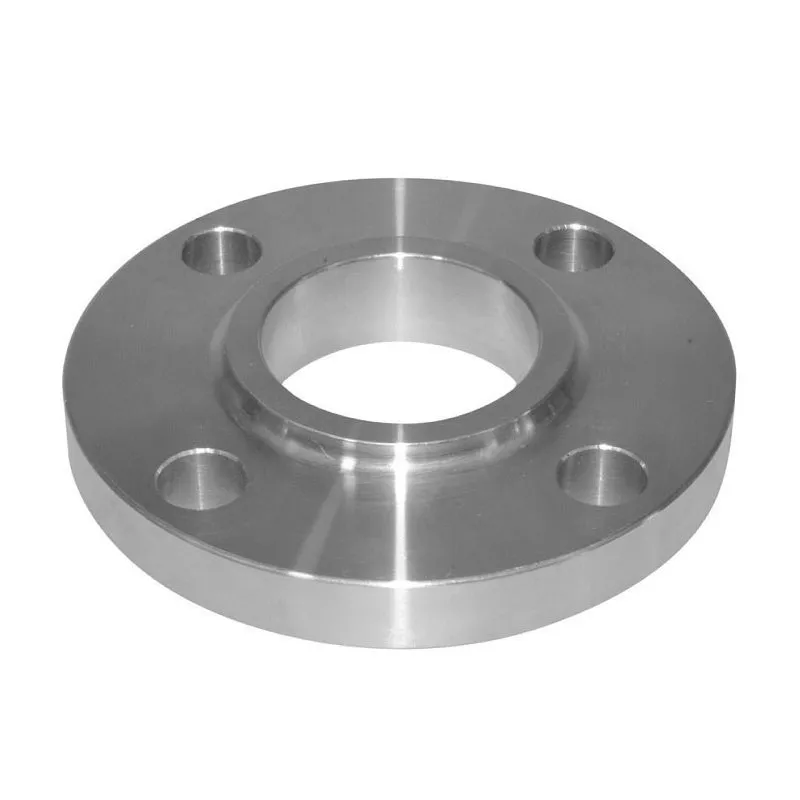 ANSI B16.5 Lap-on flanges Class 1500
 -
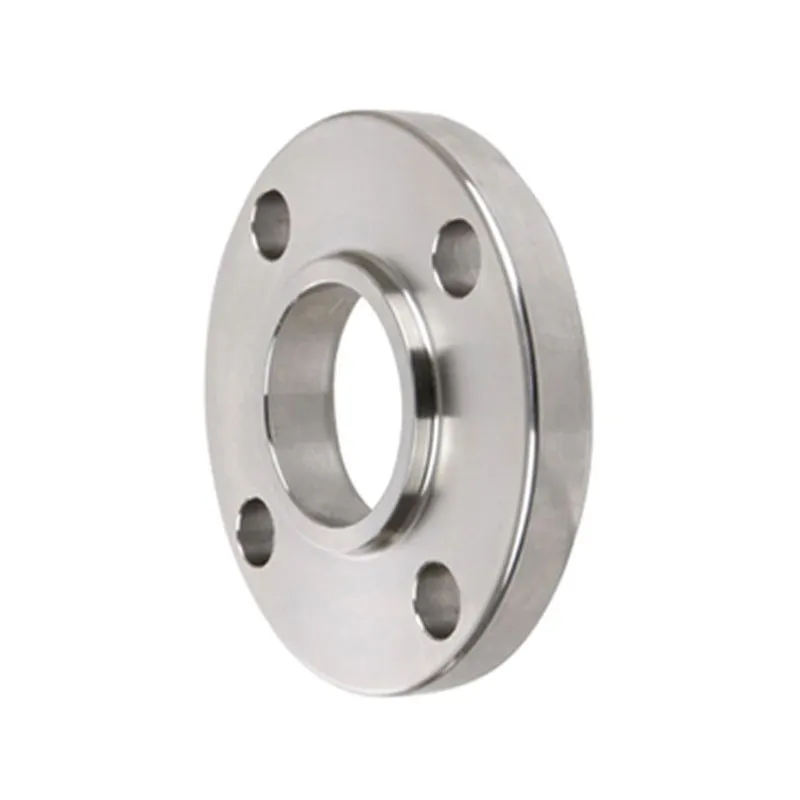 ANSI B16.5 Lap-on flanges Class 300
 -
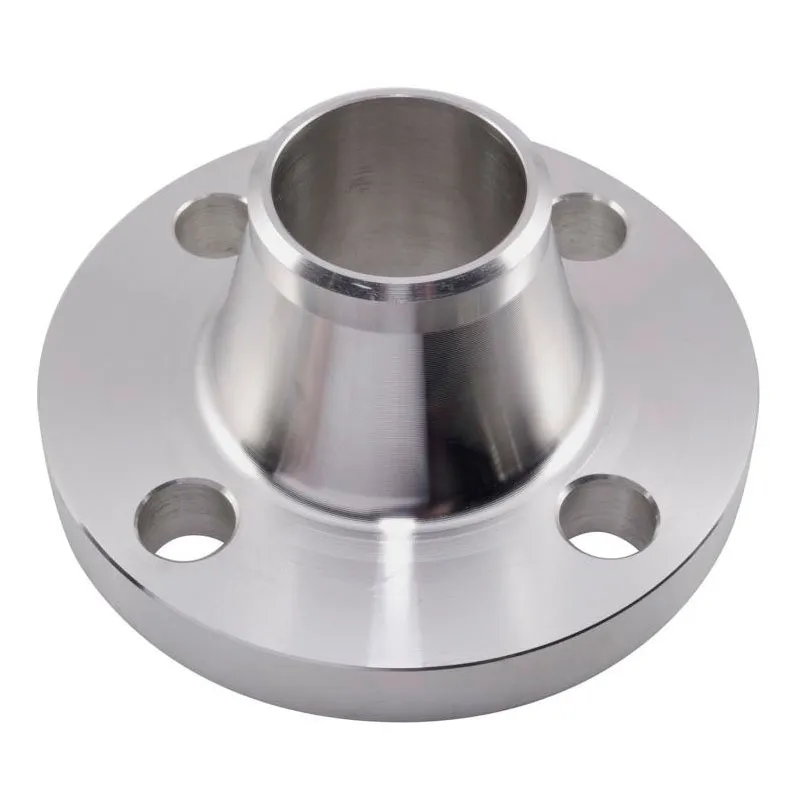 DIN Butt weld flanges PN10