
-
-
Phone
+86-13623462298



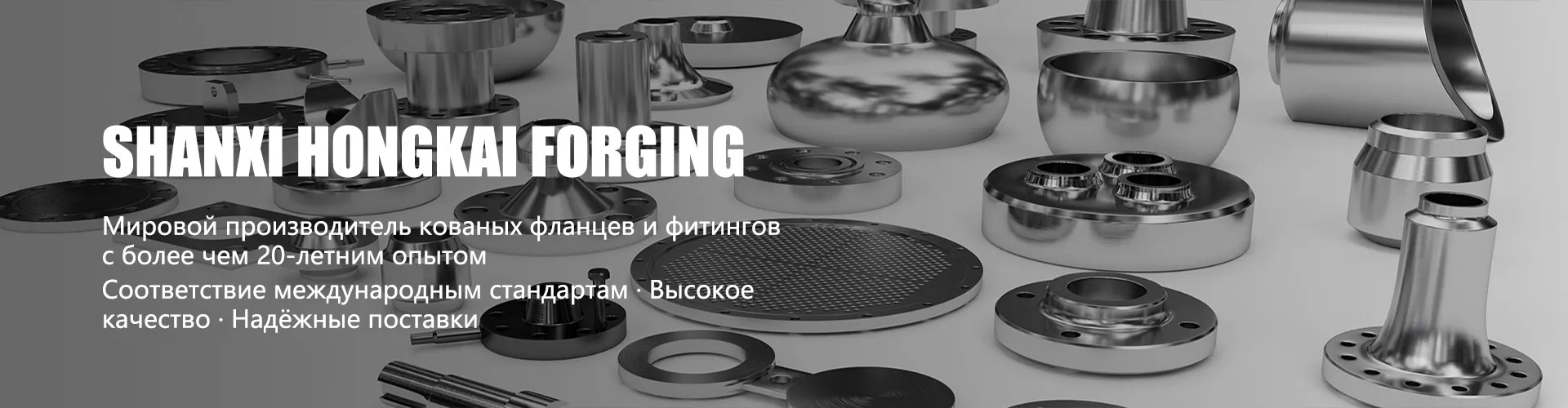
use of steel flanges
When they talk aboutuse of steel flanges, many immediately imagine just two disks with bolts connecting pipes. But in practice, this is often the point where calculations end and real problems begin. The most common mistake is to assume that a flange according to the ASME B16.5 standard will automatically fit our GOST for the geometry of the connecting surfaces. Trifle? Until you come across the fact that the gasket does not fit, and the bolts fit with tension, because the distance between the holes differs by a couple of millimeters. This is where the real application begins - not by catalog, but by location.
Choice: not only steel grade
Of course, everyone looks at the brand: 20, 09G2S, 12Х18Н10Т. But the application begins earlier - with an understanding of what will happen around the flange. I remember a project for the northern thermal power plant, where according to the specification flanges were made of 09G2S steel. In chemistry and mechanics everything matched. But they forgot that there will be shut-off valves with heating on the street. Thermal expansion worked differently at the flange and at the pipe welded to it; as a result, microcracks appeared on the threaded rods due to constant cyclic heating. I had to change it to more ductile steel with a different expansion coefficient. The conclusion is simple: an application is a system, not a node.
Manufacturers often come to the rescue here because they can offer not just metal, but consultation. For example, on the websiteShanxi Hongkai Forging Co.,Ltd (https://www.hkflange.ru) it is clear that they work according to GOST, ASME, and EN. This is not just a list of standards for show. When a manufacturer of forged flanges and forgings from a major forging center in China keeps in mind the differences in tolerances between, say, DIN 2633 and GOST 33259, that's half the battle. Because the use of a steel flange often runs into this very “incompatibility of standards”, which is discovered already during installation.
Another nuance is the type of flange. Butt weld (WN) is a classic for high pressures. But I have seen cases where it was placed on line with frequent dismantling for cleaning. Each time a gas cutter, then stripping, welding... It would be easier to initially lay a free flange on the welded ring. More expensive? At the time of purchase - yes. But within two years of operation it paid for itself tenfold due to reduced downtime. Application is always about the full life cycle, and not about the price in the catalogue.
Montage: Where theory meets reality
The fun begins on the site. You can have a flange that perfectly matches the drawing, but... Here's a classic: multi-angle tightening. Everyone in theory knows about the cross pattern for tightening nuts. In practice, especially in hard-to-reach places, installers often pull in a circle. The result is misalignment, uneven pressure on the gasket, and already during the first hydrotests - a leak. And then they blame it on the “crooked flange”. And this is not curvature, these are crooked hands.
I had an illustrative case with large diameter flanges - DN1200. The order was for flat flanges in accordance with GOST 12820-80. They delivered it, everything seems to be fine. But when docking, it turned out that the holes for the studs did not match the mating part from another manufacturer. Both are within the GOST tolerance, but one manufacturer took the tolerance as a plus, the other - as a minus. As a result, we had to drill it out on site. Now when ordering onShanxi Hongkai Forging Co.,Ltdor others, I always stipulate in a separate clause in the technical specification: “the component flanges for the assembly must be manufactured by one manufacturer?” Their profile allows us to make complete sets, including non-standard products according to drawings, which eliminates a lot of headaches.
More about installation: temperature. Editing in negative conditions is a separate art. The steel becomes brittle, the gaskets (especially paronite ones) become tanned. One day at -25°C they decided to “quickly?” assemble the unit on flanges from 12Х18Н10Т. They overtightened the gasket made of graphite-filled paronite, it burst, but they did not see the crack. We started it up and it began to leak. I had to bleed it off, heat it with burners, and dismantle it. Simple line for three days. Now in the PPR we always write the installation temperature conditions for each type of flange connection. It seems like a small thing, but the application is made up of such little things.
Operation and common errors
In operation, the main enemy of a flange connection is not pressure, but vibration and thermal cycles. Especially on pumping units. Bolts may loosen spontaneously. We once installed tongue-and-groove flanges (Tongue & Groove) on the discharge line of a centrifugal pump. We thought that the flange type was reliable and could not be checked so often. In six months there will be a leak around the perimeter. It turned out that vibration still did its job, plus temperature jumps from the pumped medium. We had to implement a periodic tightening schedule using the torque method.
Corrosion is a different matter. Especially the leaky one. Moisture accumulates in the gap between the bolts and holes, under the nut. For stainless flanges this is often not critical, but for carbon steel 20 or 09G2S in a damp atmosphere it is a scourge. I saw how at a chemical plant it was “eaten up” in two years. the shoulder of the flat flange on the sewer is simply from condensation and vapors. Since then, for such conditions, I insist either on a more durable brand, or on a mandatory protective coating - not even paint, but at least some kind of primer. Manufacturers likeShanxi Hongkai Forging Co.,LtdThose who make forgings to order usually meet halfway and can offer an option with additional anti-corrosion treatment, which significantly extends the life of the unit.
A common mistake is replacing the gasket with an inappropriate one. Instead of a metal spiral-wound gasket, they installed an ordinary rubber gasket, because it was “at hand”, and it was also thicker. As a result, during tightening, excess stress was created in the flange body. A flange designed for 40 bar started leaking at 25 bar. And it’s good if it’s just a leak and not a crack. Therefore, now in the passport for each unit we must indicate the marking and type of standard gasket. The use of a flange is inextricably linked to what is in between.
Non-standard situations and custom forgings
The standard assortment is good, but life is richer. When you need a DN800 flange, but with a non-standard arrangement of holes for fastening to an old imported turbine, or an adapter flange from DN300 to DN250 with offset axes - this is where the aerobatics begin. Drawing, strength calculations (especially for bending moment for adapters), choice of technology - forging or welded assembly.
I worked with a situation where a blind flange (Blind Flange) for a pressure of 160 atm was needed, but with two holes for pressure sensors on the sides. The thickness was calculated not according to the standard, but separately, taking into account the weakening of the section. We ordered it from a manufacturer of forged flanges, which takes on non-standard products. It is important that they do the forging, and not cut it from a sheet. For such critical parts, forging provides better direction of metal fibers and the absence of internal stresses. On the same sitehkflange.ruit is clear that they are positioned as a manufacturer of forged flanges and forgings - this is the right approach for non-standard, highly loaded units.
Another example: flanges for vacuum installations. This is a different story - not tensile strength, but rigidity so that there is no deflection under atmospheric pressure, and ideal cleanliness of the sealing surface. Standard flanges are often not suitable; grinding of the contact surfaces is required. And again, when the manufacturer has experience working with different standards (GOST, ASME, EN), it is easier for him to understand the specifics of the technical specifications and offer an adequate solution, be it a flange for a welded ring or a threaded one.
Instead of a conclusion: a thought afterward
So to summarize my experience,use of steel flanges- this is not about choosing an item from a catalog with the desired DN and PN. This is an entire discipline at the intersection of materials science, installation and operation. This is about thinking at the design stage about how it will be installed and maintained. This is about a dialogue with the manufacturer, who can make from a forging exactly what is needed, and not what is in the standard line.
That is why I now always first study the capabilities of the manufacturer: can he make forgings according to my drawings, does he work with the entire range of standards from GOST to JIS, what is his range of sizes (for the sameShanxi Hongkai Forging Co.,Ltddeclared DN15–DN4000, which covers almost all conceivable needs). Because next time the problem may not be in steel, but in geometry, and you will need someone who understands the problem, and not just sells hardware.
In general, a flange is like a screw in a mechanism. It seems like a small thing, but the operation of the entire system depends on it. And it must be applied wisely, with calculation and, what is important, with the experience of past mistakes. Without this, there will only be accidents and downtime.
Correspondingproducts
Related Products
Best Sellingproducts
Best Selling Products-
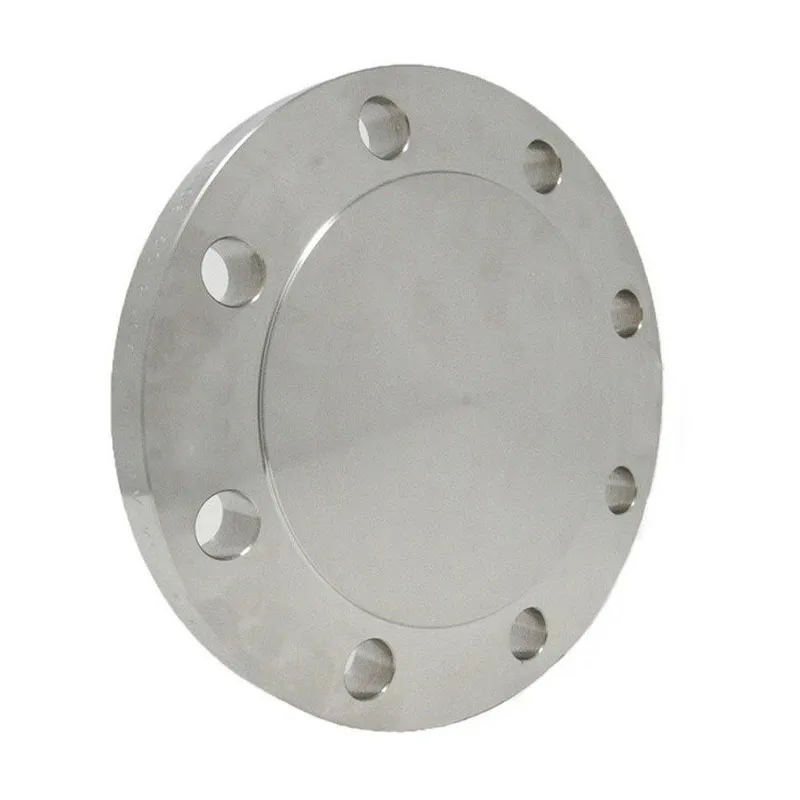 EN 1092-1 Blind flanges Type 05, PN10
 -
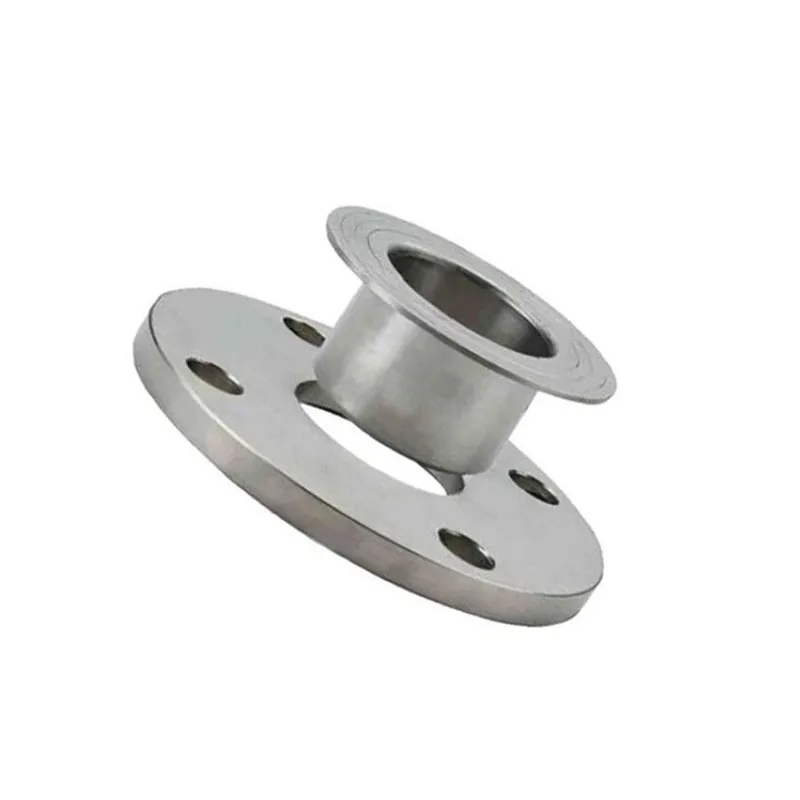 Free ring flanges Class 400
 -
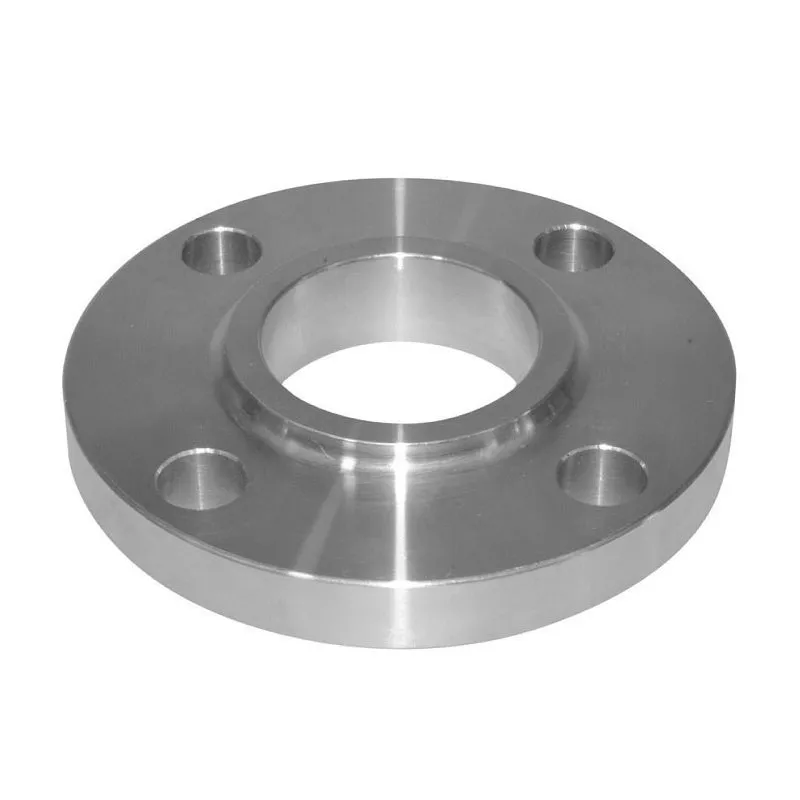 ANSI B16.5 Lap-on flanges Class 1500
 -
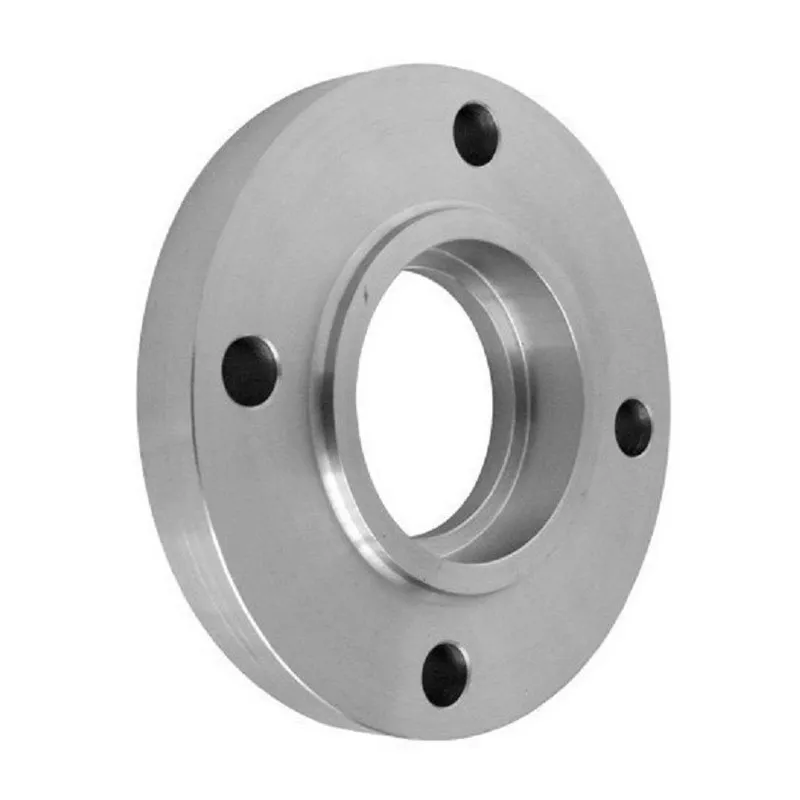 JIS 5K Socket Weld Flanges
 -
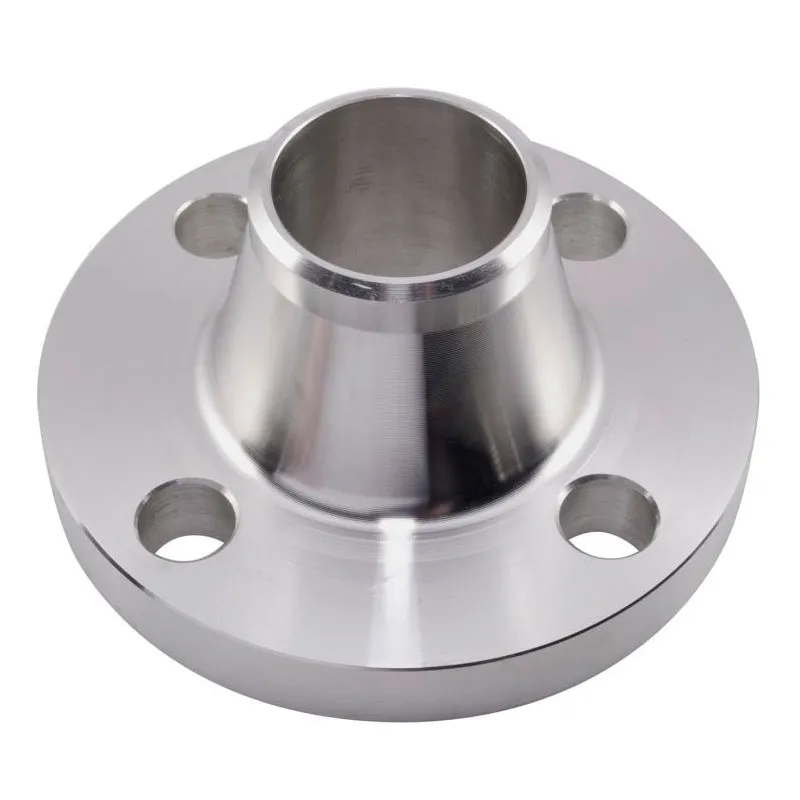 UNI 2281 Butt weld flanges PN10
 -
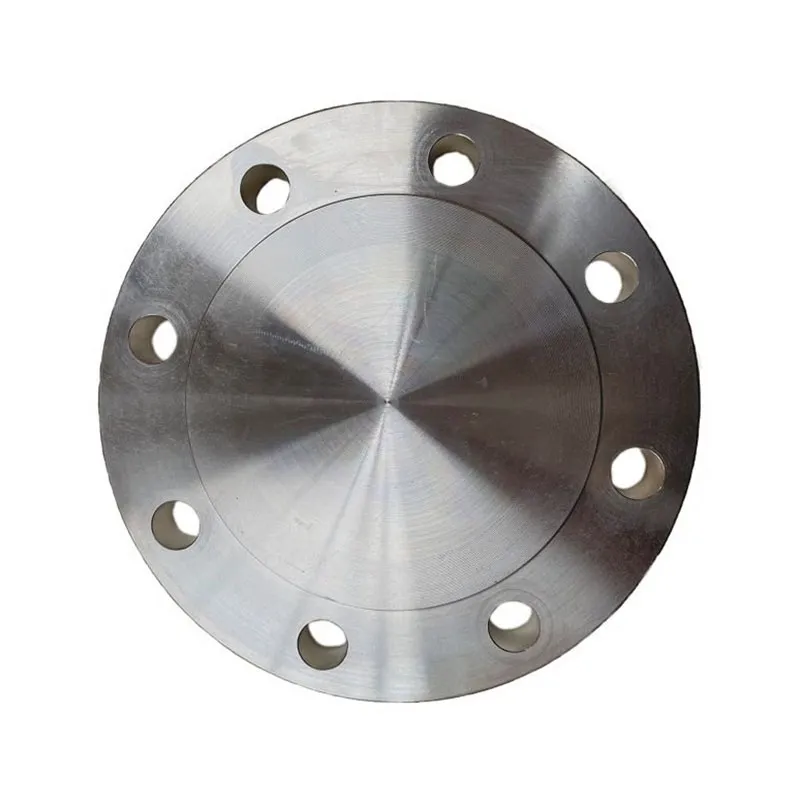 UNI 6092 Blind flanges PN10
 -
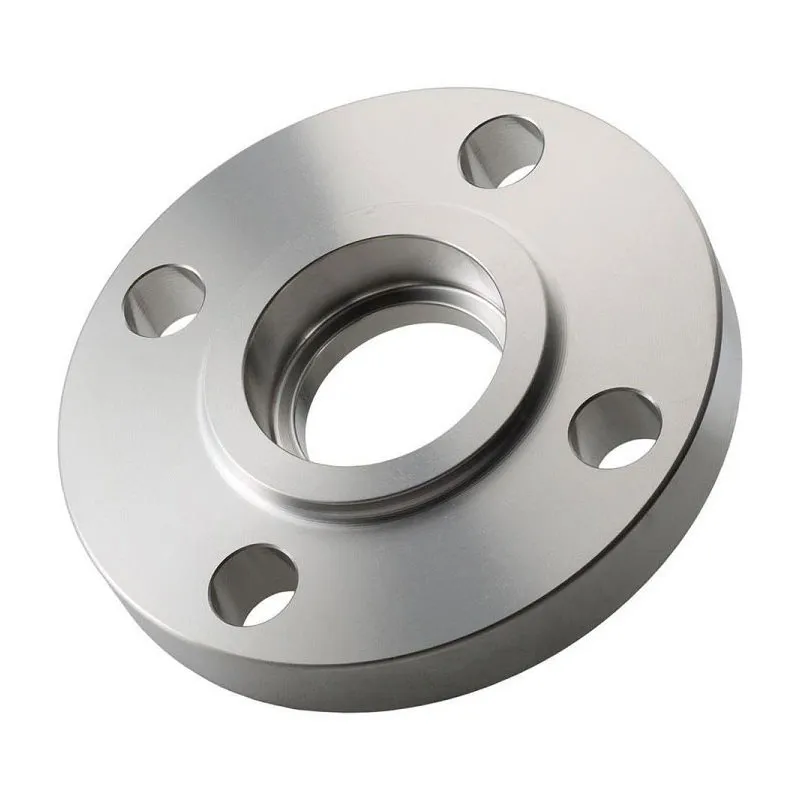 Flanges for socket welding
 -
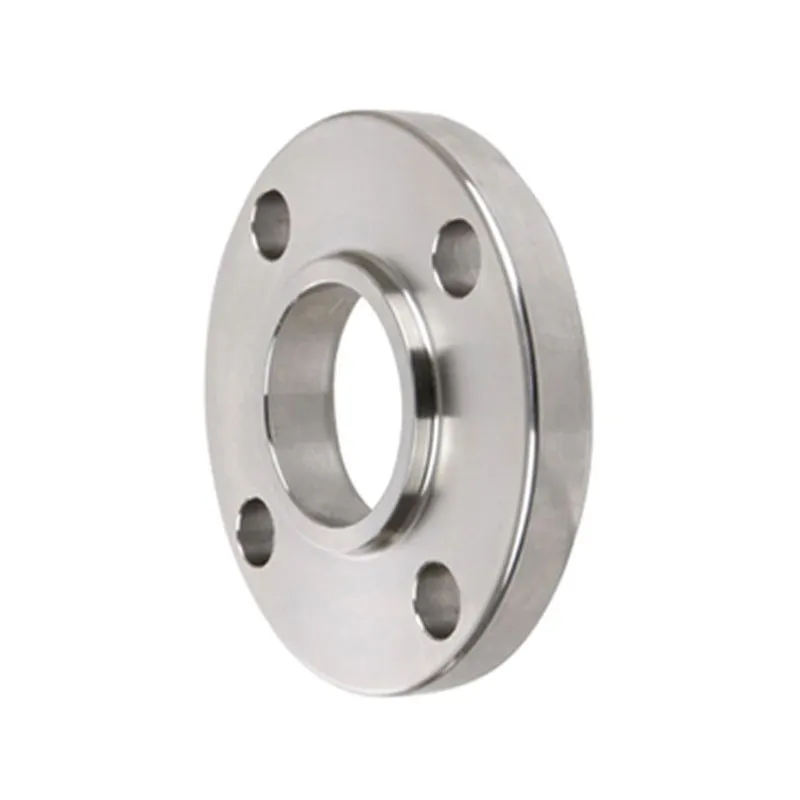 ANSI B16.5 Lap-on flanges Class 300
 -
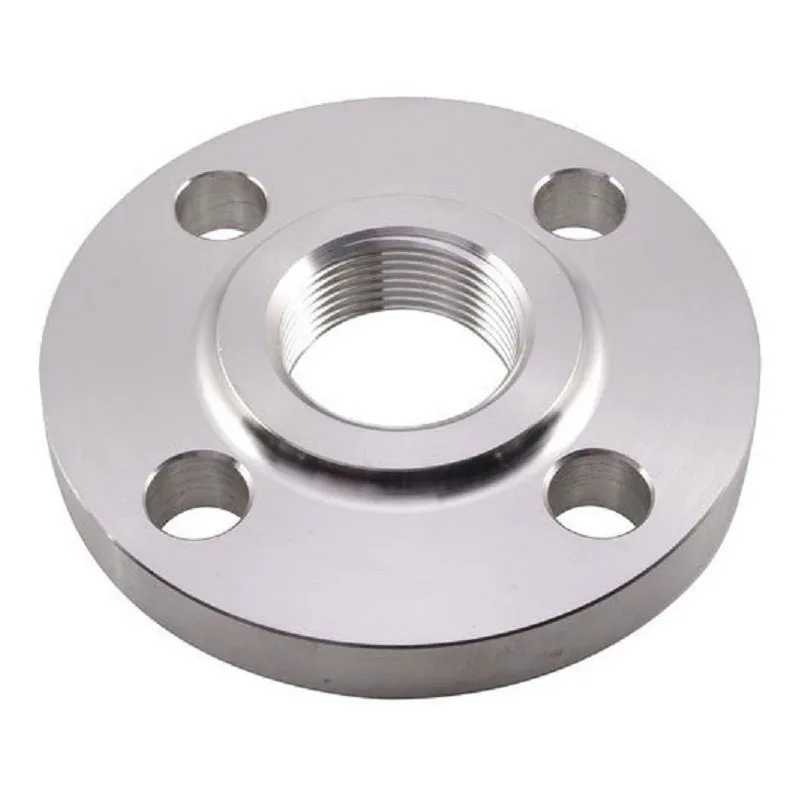 ANSI B16.5 Threaded Flanges Class 600
 -
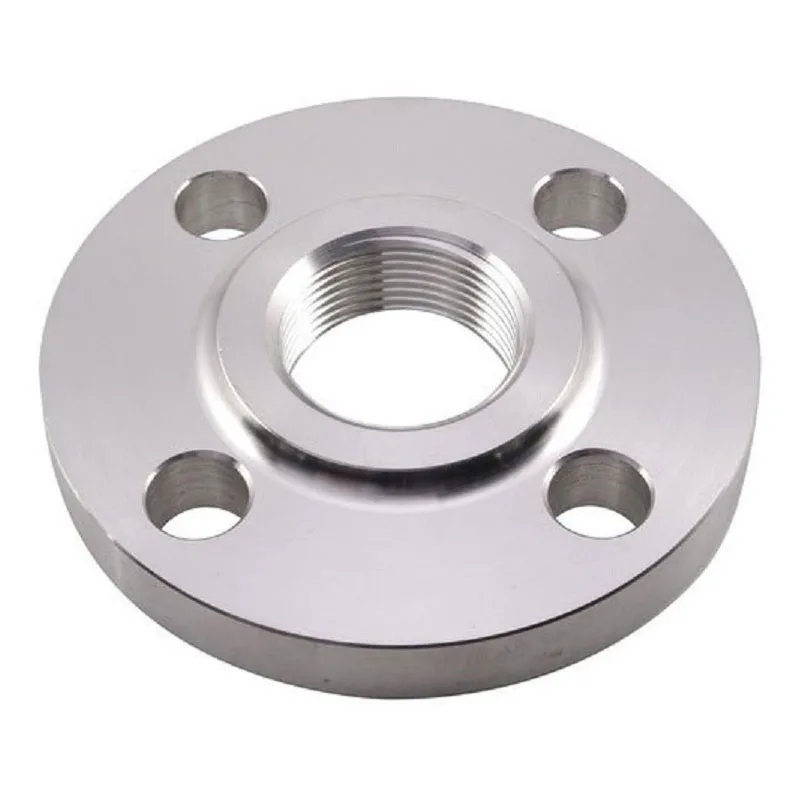 JIS 10K Threaded Flanges
 -
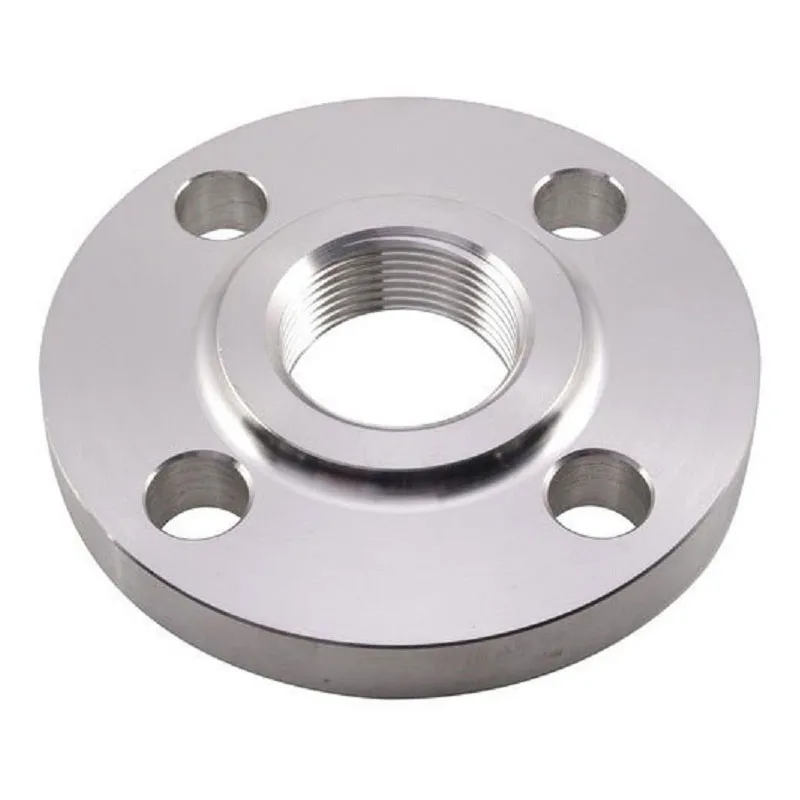 EN 1092-1 Threaded flanges Type 15, PN16
 -
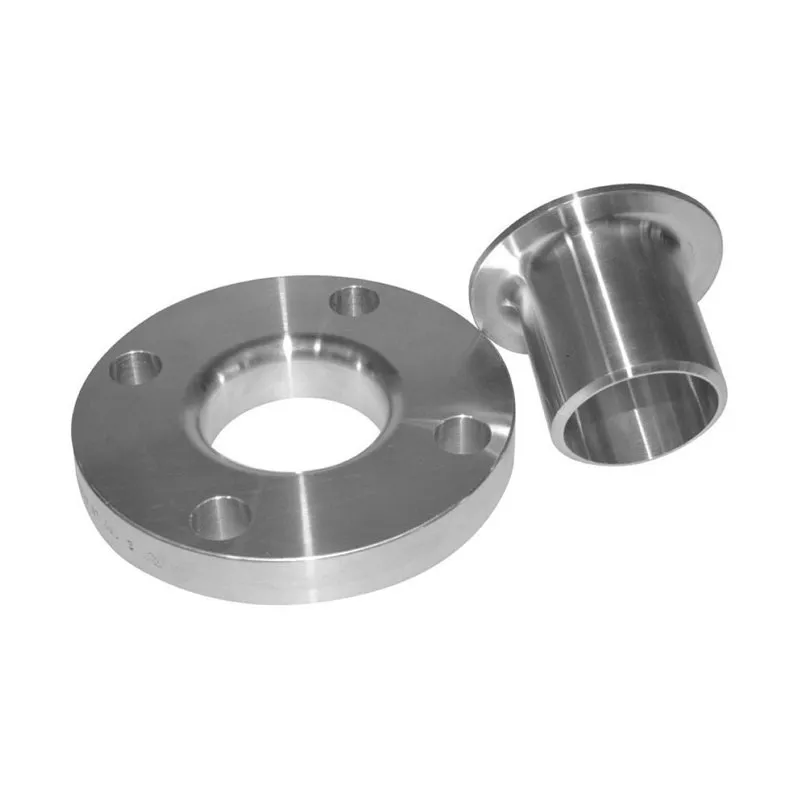 Free ring flanges Class 150