
-
-
Phone
+86-13623462298



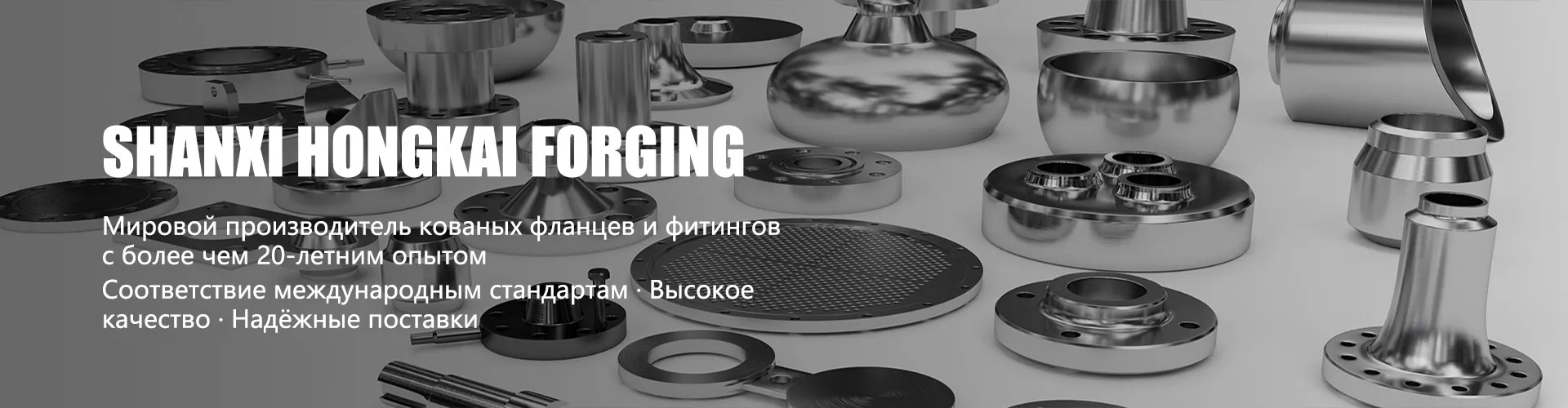
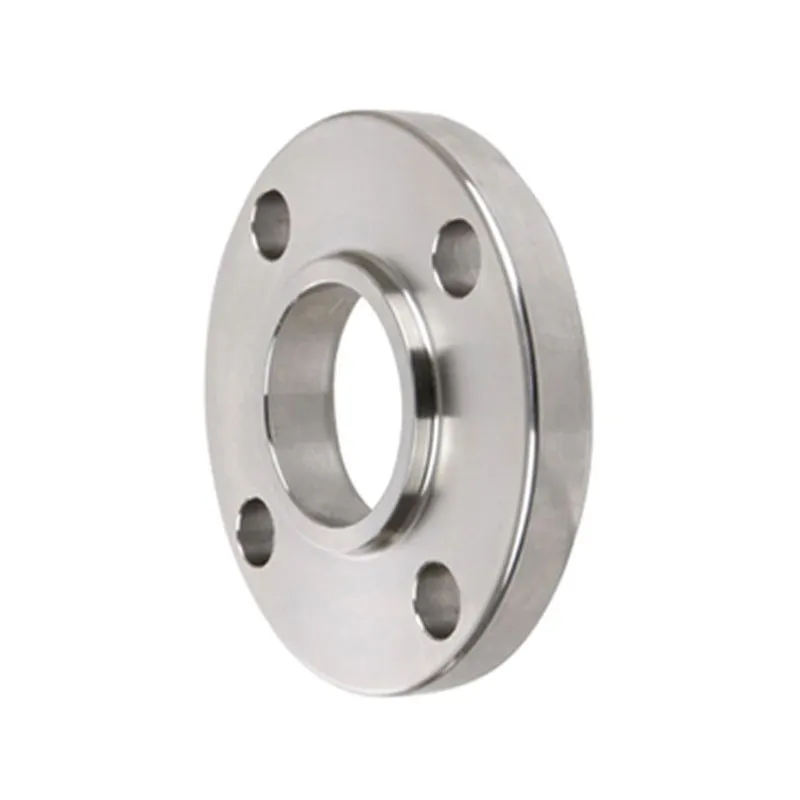
frame with flange
When they talk aboutframe with flange, many people immediately imagine a standard assembly unit, like those depicted in catalogs. But in practice, especially during installation or when ordering for specific conditions, nuances emerge due to which a standard solution may not work. A common mistake is to assume that a flange on a frame is primarily a matter of fastening. In reality, it is often a matter of load distribution, stress compensation and alignment. Especially when it comes to heavy equipment or structures operating under vibration.
From drawing to metal: where the gap lies
We had a story with an order for a frame for a pumping unit. The terms of reference clearly stated: the frame is welded, with mounting flanges in accordance with GOST 12820-80. It would seem, take it and do it. But when we started getting attached to a specific pump, it turned out that the mounting holes on its base did not match the row of holes on our standard flange. A standard is a standard, and the pump manufacturer has its own tolerances and its own design school. I had to switch to manufacturing according to an individual drawing. This is where you understand the value of a supplier who can flexibly work with non-standard solutions.
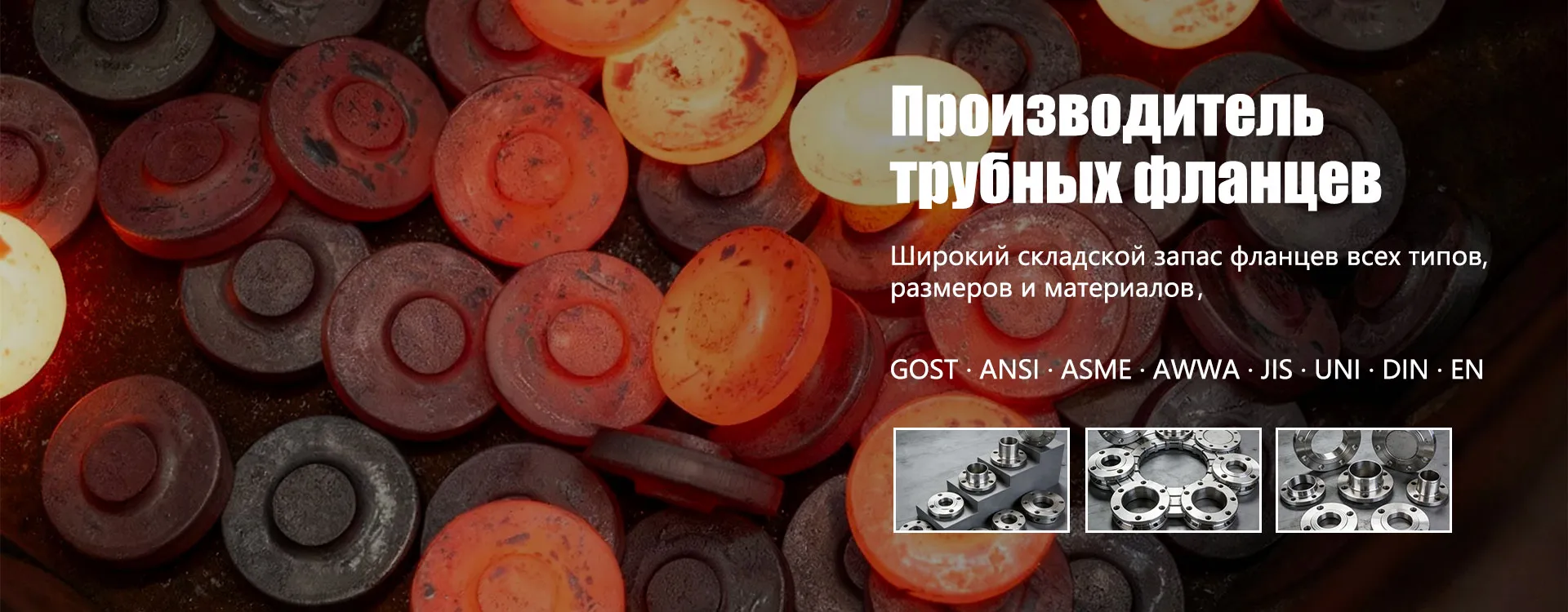
By the way, about suppliers. When I need high-quality forgings for critical flanges on such frames, and not just blanks cut from sheets, I look towards specialized manufacturers. For example,Shanxi Hongkai Forging Co.,Ltd(websitehttps://www.hkflange.ru). They are from a region with a strong blacksmith tradition in China. Their profile is forged flanges and forgings according to a wide range of standards: ASME, DIN, GOST, EN. For a frame that will be subject to dynamic loading, a forged flange is often a necessity rather than a luxury. The mechanical properties of a forging are better than those of a welded or cast part.
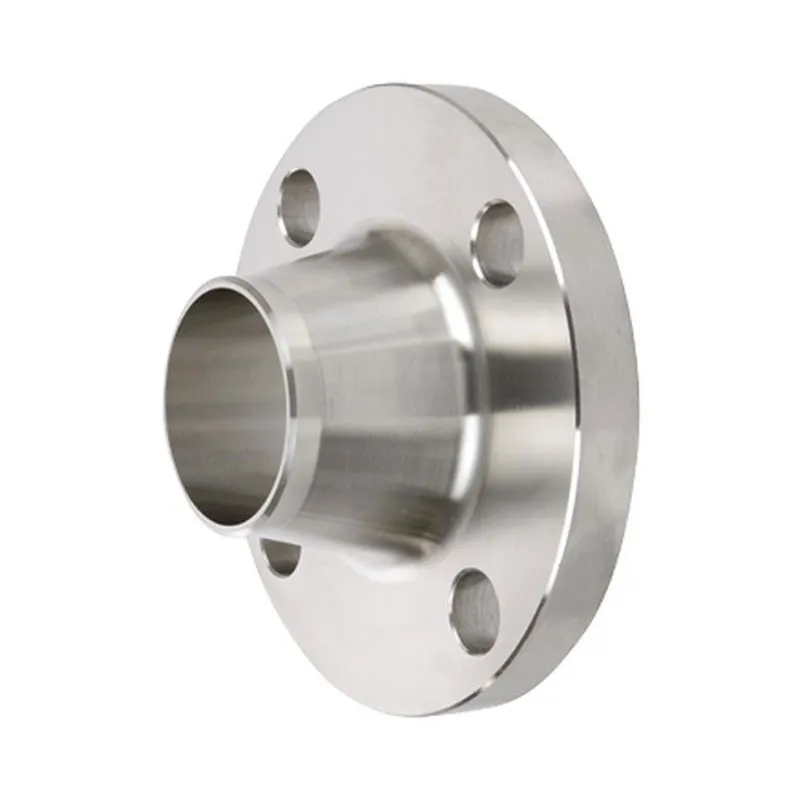
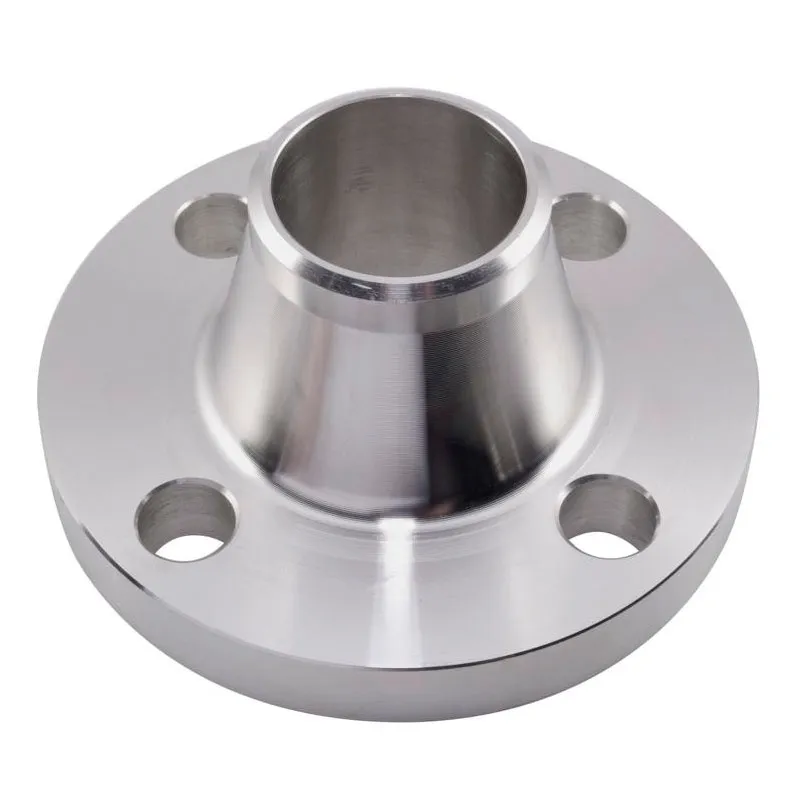
Their approach to standards is impressive. They don’t just declare, but actually do it to a specific standard, be it Russian GOST or German DIN. This is important because, say, the thickness of the welded flange or the radius of the fillet according to GOST and ASME may differ. And if the frame is designed for imported equipment, then the flanges on it must be compatible. Their product range includes butt-welded flanges, flat flanges, and loose flanges - which is what is most often required for frame structures. The range of sizes from DN15 to DN4000 also indicates possibilities, suitable for both compact and large-sized installations.
Installation and pitfalls
Let's say the flanges on the frame arrived perfect, according to the drawing. The fun begins on the installation site. A classic of the genre is the problem with the parallelism of flange surfaces on different frame struts. If the frame is long, the welding may remove the metal. Therefore, it is often recommended to first assemble the frame on tacks, set everything to the level and alignment, and only then weld it completely. But there is a nuance here: if the flange is already welded to the rack, and then this rack is welded to the longitudinal beam, the heating from the second welding can deform the already installed flange.
We once encountered a situation where vibration from the engine on the frame eventually led to loosening of the bolted connections on the mounting flanges. They began to look for the reason. It turned out that the flanges were flat, and the surface of the frame at the attachment point had a slight slope due to deformation. The contact area was incomplete, the pressure was distributed unevenly. I had to install spacer washers or redo the units using flanges with a slight adjustable slope. It’s a small matter, but they stopped the line for a day.
Hence the conclusion: when designingframes with flangeyou need to think in advance not only about the strength of the welds of the frame itself, but also about how tight pressure of the flange to the mating part will be ensured. Sometimes it makes sense to lay the flange not with a direct weld, but on a weld ring, especially for thick-walled structures. This gives better voltage compensation.
Material and processing: what affects service life
The choice of material for a flange on a frame is often dictated by the material of the frame itself. But not always. The frame can be made of ordinary structural steel St3, and the flange, especially if it is in contact with an aggressive environment or operates at high temperatures, is better made of alloy steel, for example, 09G2S or even stainless steel. Here is the opportunity to order a non-standard product from the sameShanxi Hongkai Forging Co.,Ltdhelps out. You can send your drawing and indicate the steel grade.
An important point is the processing of the flange seating surface. Roughness matters. A surface that is too rough will not adhere well; a surface that is too smooth (for example, after grinding) can reduce friction in the joint, which is also not good for vibration. Usually adjusted to Ra 3.2 - 6.3, this is optimal for most installation connections. And it is imperative to provide corrosion protection on these surfaces before installation. It’s trivial, but often forgotten: they brought a frame with flanges, painted, and the mounting surfaces of the flanges were also filled with paint. Then they urgently scrape and scratch the surface.
More from practice: for heavy frames, where the flange is sheared, the accuracy of the location of the holes for fasteners is critical. Marking and drilling manually in place is a guaranteed misalignment. It is better when the holes are processed on a CNC machine after welding the flange to the frame (or together with the frame, if dimensions allow). This is more expensive, but eliminates many problems when connecting equipment.
Non-standard solutions and economics of the issue
Sometimes a standard flange does not fit in size or configuration. For example, you need a frame with a flange that is not round, but rectangular, for attaching a casing or air duct. Or a flange with a non-standard arrangement of holes is required, say, in a checkerboard pattern for a more compact placement. Here you can’t do without individual production. The question is price and timing.
When dealing with such requests, we sometimes turned to forging manufacturers. Why forging? Because for a critical non-standard flange, cutting it out of a solid plate is expensive and may be unjustified in terms of metal consumption. And casting a single product is even more expensive. Forging here is a reasonable compromise. On the same website hkflange.ru it is directly stated that they make products according to customer drawings. This means that you can work out the design of the flange specifically for your frame, optimizing it for specific loads, and get it forged, and therefore more reliable.
Savings often lie not in the price of the flange itself, but in a reduction in installation time and an increase in the overhaul period. A cheap, cut-out flange on the frame of a powerful compressor can crack within a year. Stopping, dismantling, making a new one, re-installing - all this will significantly cover the initial savings. Therefore, for critical components, we always use forging flanges, even if according to calculations, “it seems that the sheet will pull.”
Instead of a conclusion: thinking out loud
So,frame with flange- this is far from a trivial knot. This is a joining point that must be thought out taking into account mechanics, manufacturing technology, and future operating conditions. You can do everything strictly according to the textbook, but end up with a problem during installation. Or, having experience and understanding of “where it can bend,” you can lay down the right solution in advance - be it a specific type of flange, material, or method of attaching it to the frame.
Now, when looking at new projects, we always try to involve designers, future installers, and, if possible, representatives of the flange manufacturer in the discussion of this unit. Because a nuance known to the manufacturer (for example, about the shrinkage of metal after forging during heat treatment) may be unknown to the designer, and he will set the wrong allowances. And vice versa.
In fact, the reliability of the entire structure often depends on such seemingly minor details. And choosing a proven supplier of specialized products, the same manufacturer of forged flanges, is not just a line in the specification, but insurance against future downtime. The main thing is not to be afraid to discuss details and demand exactly what is needed according to the working conditions, and not what is in the standard catalogue. Because the frame lasts for decades, and the flange on it should last just as long.
Correspondingproducts
Related Products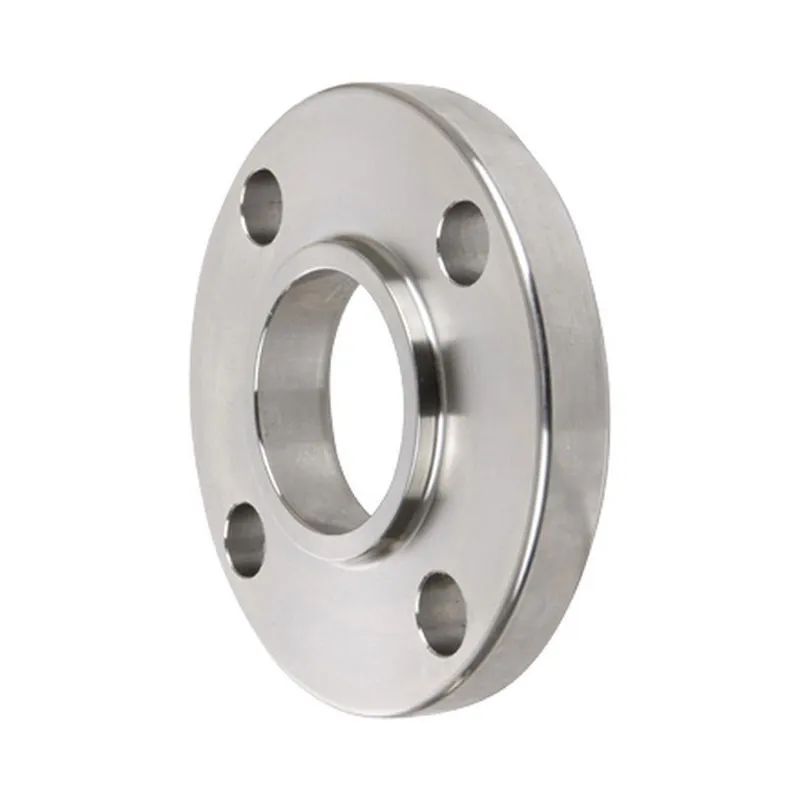
Best Sellingproducts
Best Selling Products-
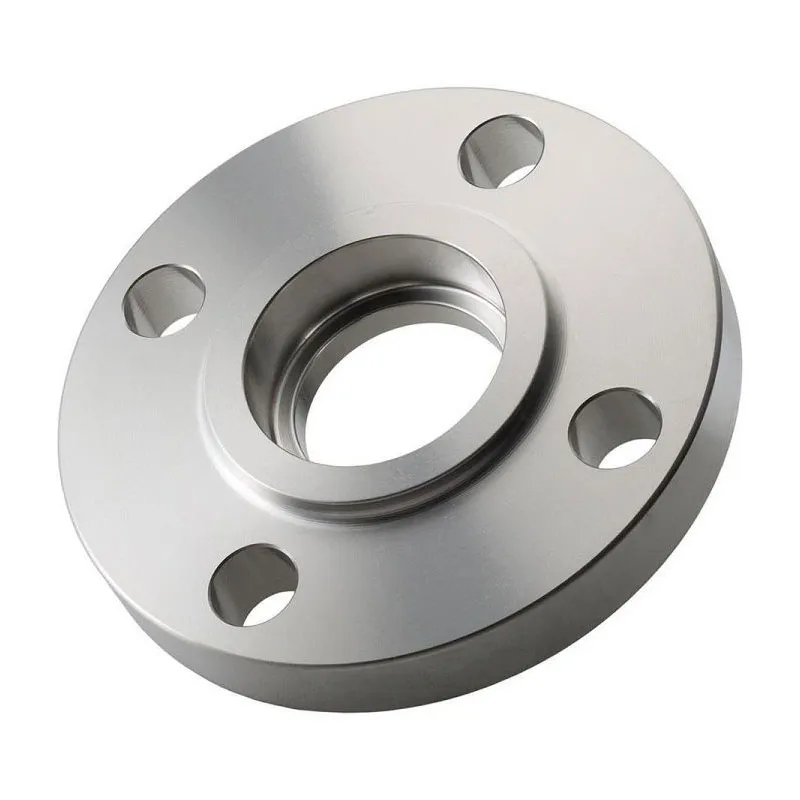 ANSI B16.5 Socket Weld Flanges Class 1500
 -
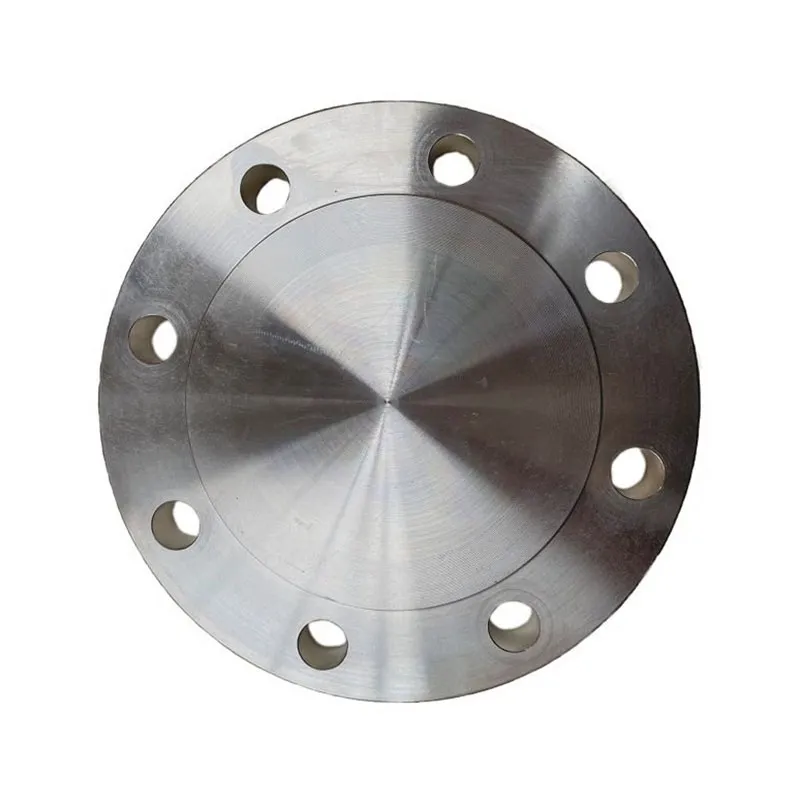 UNI 6092 Blind flanges PN10
 -
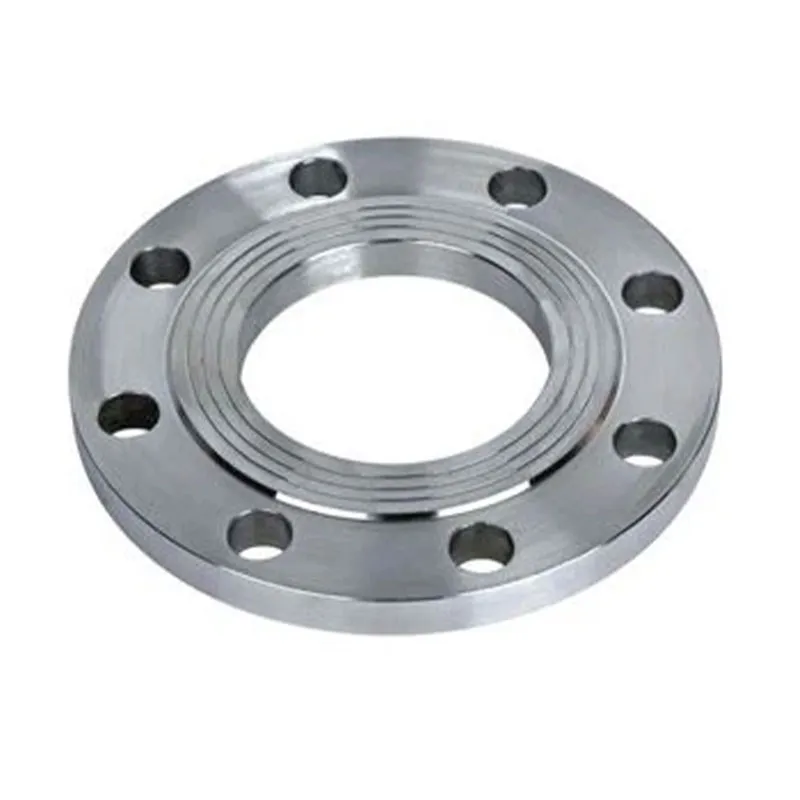 Butt weld flanges Class 150
 -
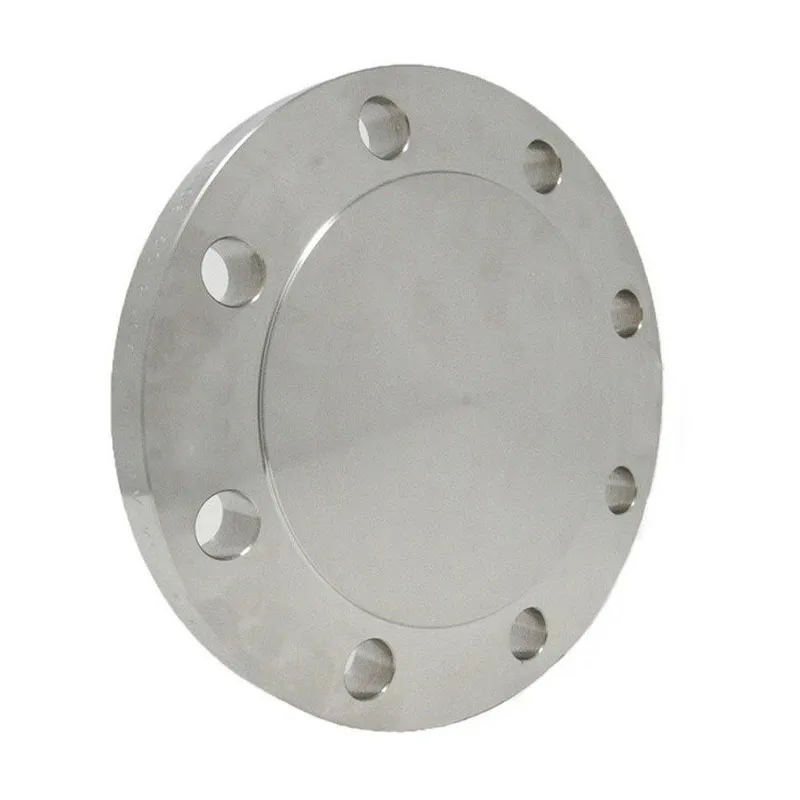 EN 1092-1 Blind flanges Type 05, PN10
 -
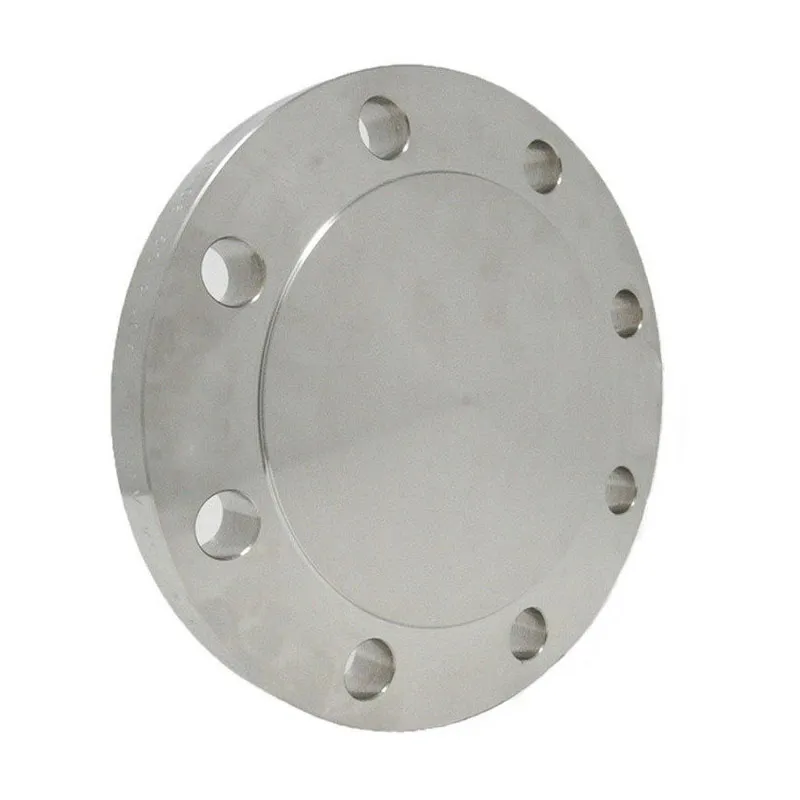 AWWA Blind Flanges Class D (Tables 1, 2, 3)
 -
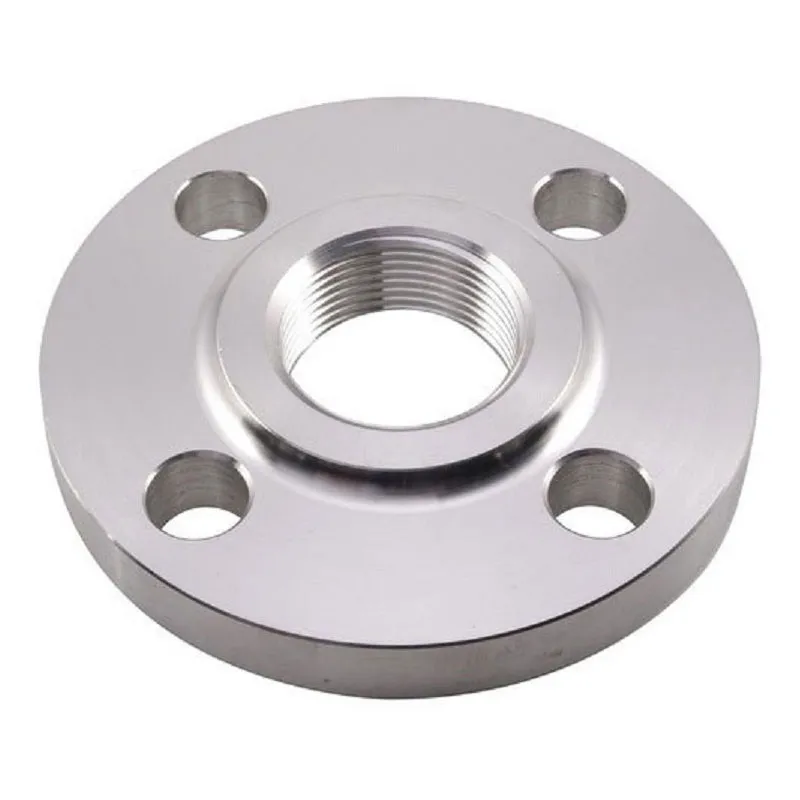 DIN 2565 Threaded flanges PN6
 -
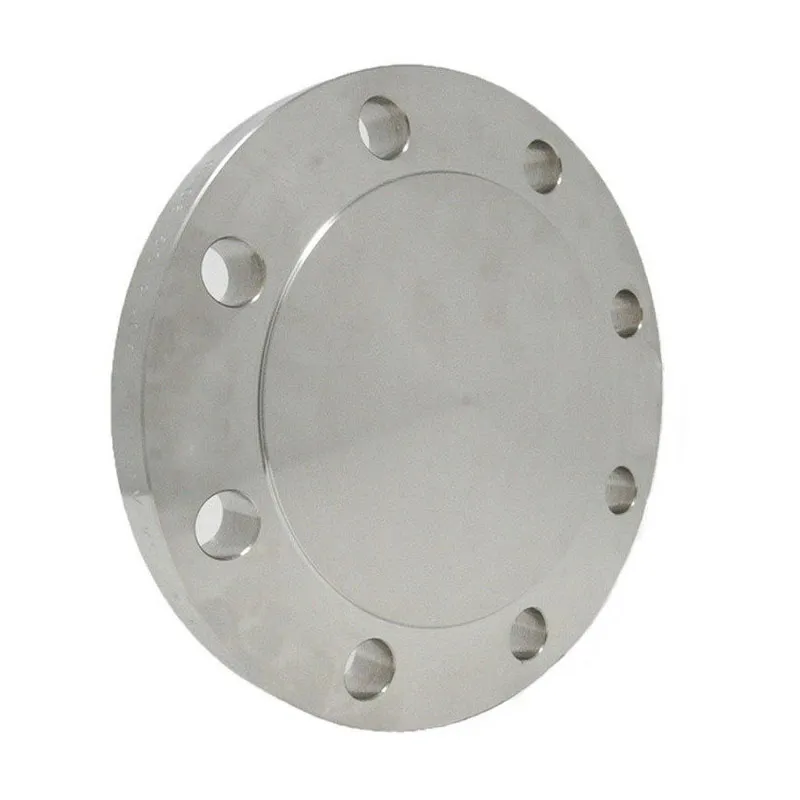 Blind flanges Class 150
 -
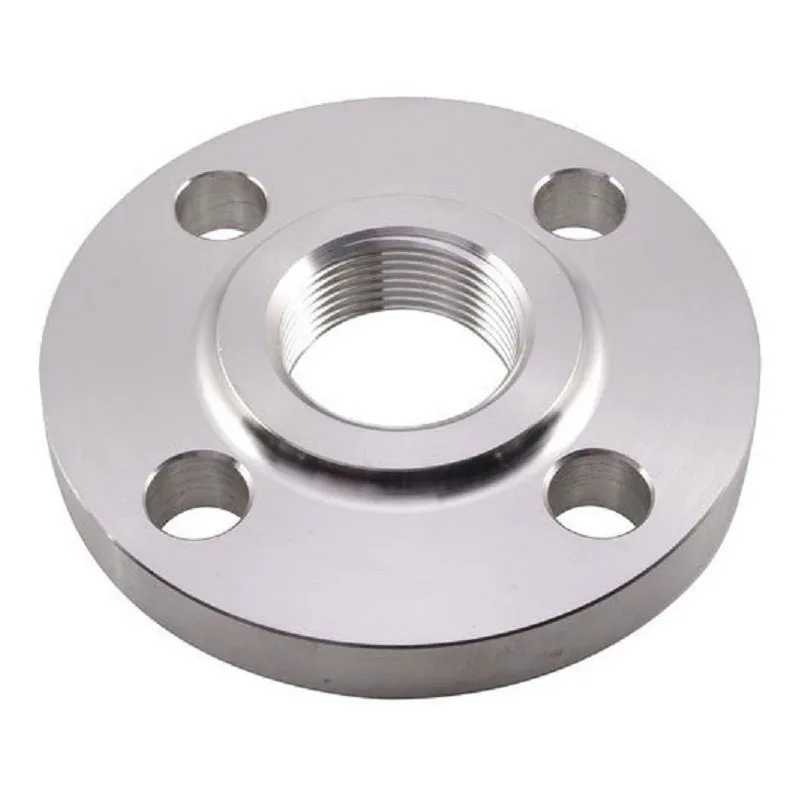 ANSI B16.5 Threaded Flanges Class 600
 -
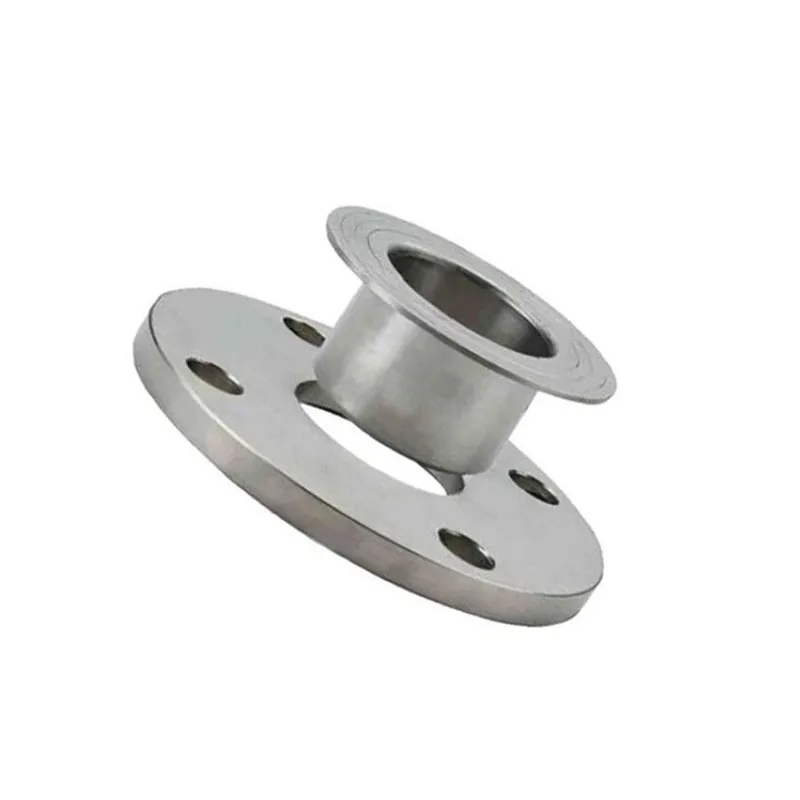 Free ring flanges Class 400
 -
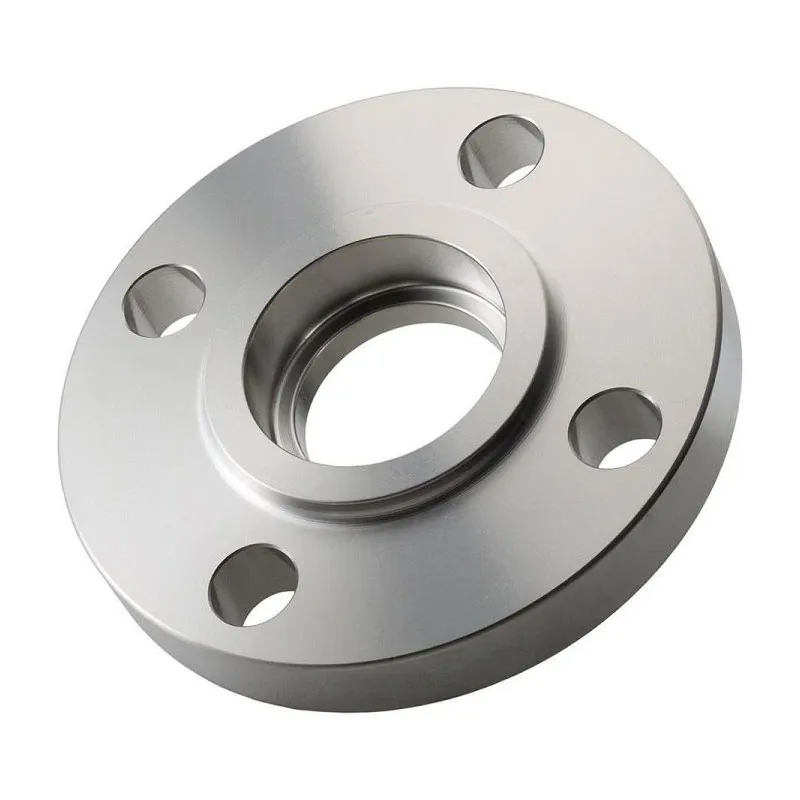 ANSI B16.5 Socket Weld Flanges Class 150
 -
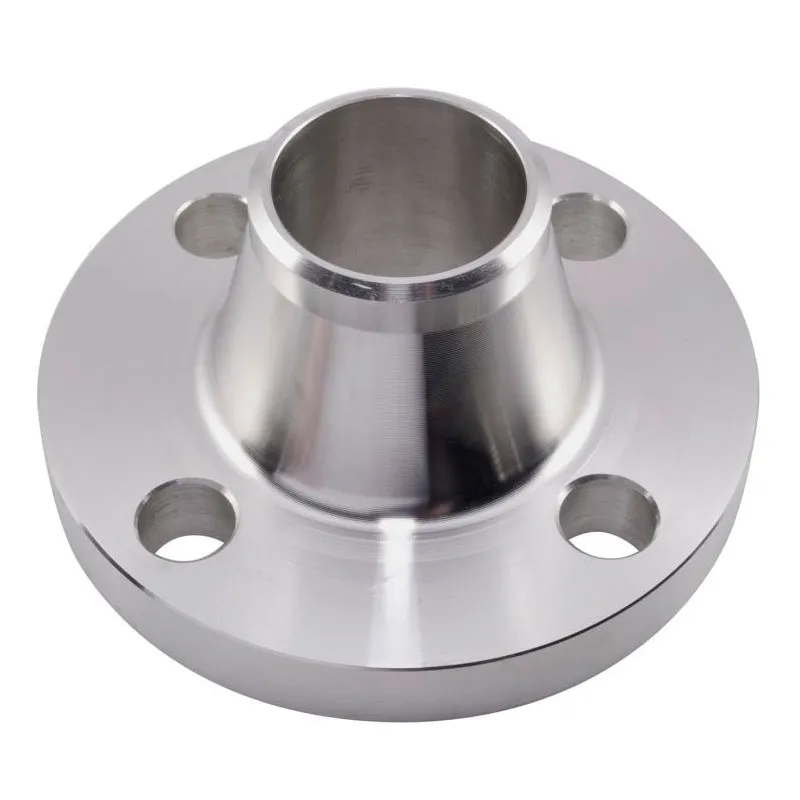 UNI 2281 Butt weld flanges PN10
 -
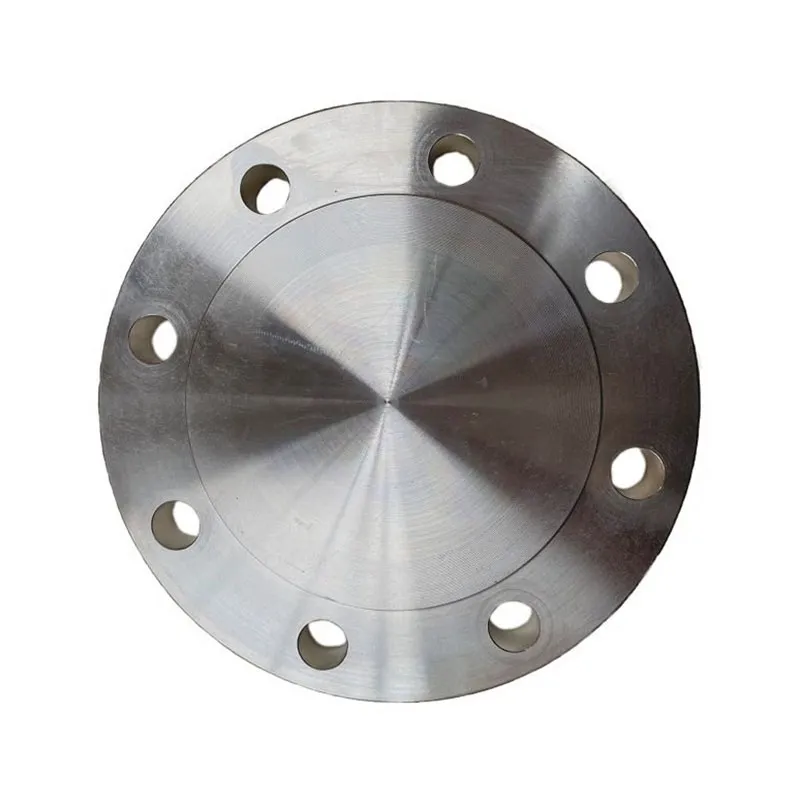 ASME B16.47 Ser.A Blind Flanges Class 400