
-
-
Phone
+86-13623462298



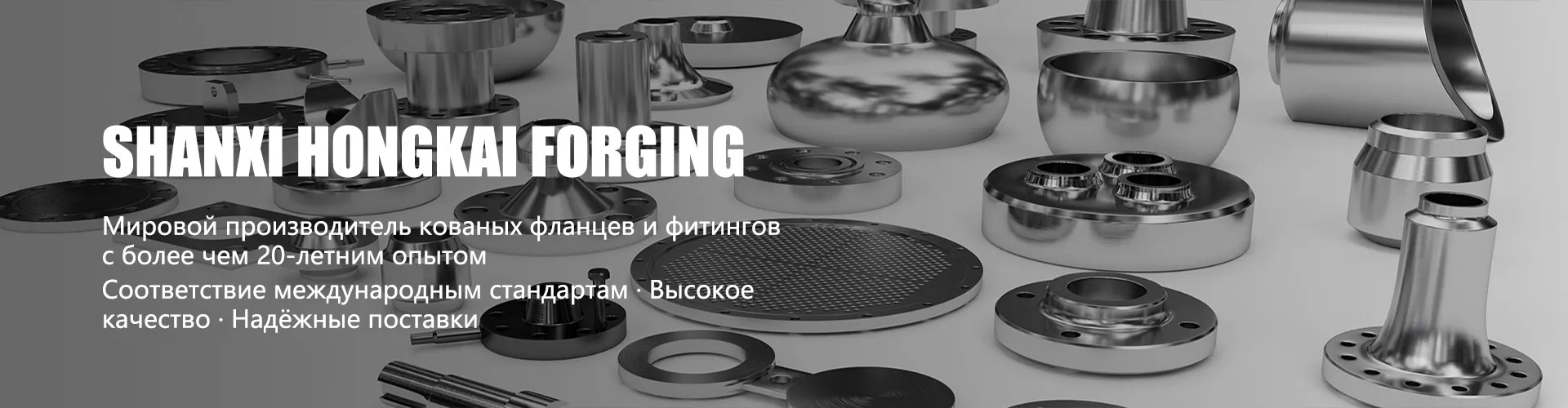
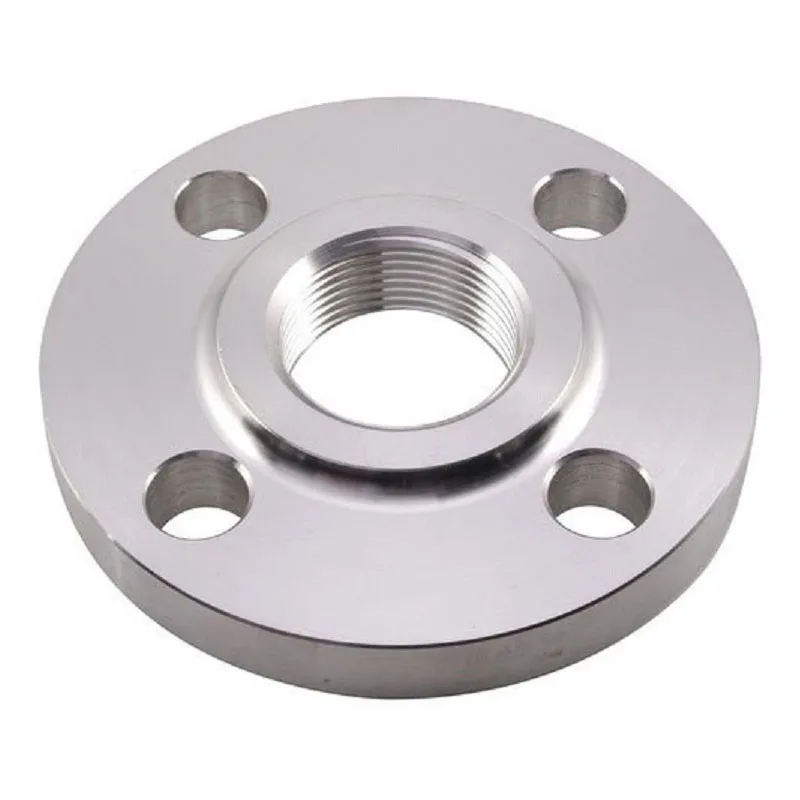
flange 150 16 01
When you see “flange” in a specification or request, the first thought is some kind of standard collar flange for DN150. But here lies the first pitfall. Digit ?01? at the end - this is not just a serial number, but, as a rule, an indication of a specific design or material according to the manufacturer’s internal standard. Many, especially those who are just starting to work with metal, think that this is a universal code, and then they receive flanges from St20 at the site, when in fact the pressure and medium were needed 09G2S. I myself got burned by this about seven years ago, when I ordered a batch for one of the petrochemical projects near Ufa - I had to urgently look for a replacement, fortunately, they found a normal supplier who understands the details.
Let's analyze the markings by bone: pressure, size and "secret" code 01
So, 150 is the nominal diameter, DN150. Everything seems simple. 16 is the reference pressure, PN16. But here it is important to remember about the temperature safety margin. For PN16 at 200 degrees the operating pressure will already be lower; this must be kept in mind when designing a line, especially for coolants. But ?01? - this is the most interesting thing. For one manufacturer this may mean version 1 according to GOST 12821-80, that is, with a connecting protrusion. The other has a specific grade of steel, for example, the same 20th steel. And for the third, as I saw in catalogs of Chinese factories, this may be a code for a flange with a polymer coating. Therefore, just going and ordering using this encryption is a game of roulette.
For example, when we worked withShanxi Hongkai Forging Co.,Ltd(their website ishkflange.ru), I immediately checked with their technical department for the decoding of their internal codes. They have items in their nomenclature with similar markings. It turned out that in their system ?01? often refers to the basic design made of carbon steel according to GOST, but they always request the customer’s technical specifications to avoid inconsistencies. This is the right approach. The company positions itself as a manufacturer of forged flanges and forgings in one of the key industrial regions of China, and they really focus on compliance with standards - from GOST and ASME to EN and DIN. This is evident from their website and, more importantly, from the documentation they provide.
This leads to practical advice: never limit your application to just such a brief marking. Be sure to indicate the full standard (for example, GOST 12821-80), type of execution, material, heat treatment requirements, if necessary. Otherwise, you will get “as usual?”, and “as usual?” may not fit. I once accepted a batch of flanges where the chamfer on the welding neck was cut too sharply, almost to zero. Microcracks appeared during welding. We had to modify it ourselves with an angle grinder. A trifle, but I spent a lot of time and nerves.
Forging vs casting: why is this still critical for PN16
Many people believe that cast flanges can be installed for PN16, they say, the pressure is not the highest. Formally, yes. But if we are talking about vibration loads, cyclic temperature expansions, or simply the desire to have a margin of reliability for the entire service life of the pipeline, then forging is the clear choice. The microstructure of the metal after forging is more uniform, the fibers are directed along the contour of the product, which increases resistance to fatigue. For the sameflange, which can operate at a pumping station with constant vibration, this is fundamental.
Shanxi Hongkai Forging Co.,Ltdspecializes in forged flanges, as can be seen from their name and description of their activities. Their assortment includes the entire spectrum, from collar and flat to free and non-standard according to drawings, and this is logical, because forging and pressing production allows flexible work with individual orders. When we ordered a batch of adapter flanges from them for a non-standard diameter for reconstruction, they sent a sketch of the forging for approval before starting production. This saves time and reduces the risks of marriage.
I had a negative experience with another supplier, who, under the guise of a forged one, issued a flange made from a hot-rolled circle with a groove. Externally, it is almost indistinguishable. But ultrasound testing revealed inhomogeneities. Since then, for critical components, I have always requested test reports of mechanical properties from the forging body, and not from the witness sample. Reliable manufacturers, such as the mentioned company, usually provide such documents without problems, as they work according to international quality standards.
Polar moments and roughness: what else to look for when receiving
Let's say the material and type are verified. The flange arrived at the warehouse. What is often overlooked? Stud hole alignment and seal surface quality. It happens that the holes are shifted by half a millimeter. During assembly, the pin is pressed into place, creating additional stress. And then they wonder why the gasket breaks. I always ask craftsmen to check this with a template or, at worst, with a caliper.
The second point is the roughness of the sealing surface. For different types of gaskets (paronite, spiral-wound, copper-plated) it should be different. If the surface is too rough, the soft gasket will not fill all the grooves and will leak. If it is polished to a mirror, this is also not always good - there may be insufficient adhesion. In the specifications forflangeThis parameter is rarely prescribed, but a good manufacturer will adhere to standard Ra values for a given type of pressure and medium. On the websitehkflange.ruin the product description it is clear that the company focuses on compliance with standards, and this implies control of such parameters. In their case, as a full-service manufacturer, quality control at the forging site is usually stricter than that of resellers.
And one more thing that comes to mind: the coating. A regular primer for a warehouse and galvanizing for an aggressive atmosphere are two very different things. Code ?01? may not contain this. We once installed flanges with a conventional coating in a workshop with constant humidity and acid vapors - six months later we had to replace them. Now we always discuss operating conditions.
Non-standard situations and working with drawings
Often the request is marked ?flange? comes as part of a request for something non-standard. For example, you need a flange of the same rating, but with an additional fitting for drainage or with a non-standard arrangement of mounting holes (say, to avoid matching the design). Here the brief label is just a starting point.
In the descriptionShanxi Hongkai Forging Co.,LtdIt is expressly stated that they manufacture non-standard products according to customer drawings. This is a very useful option. In my practice, when a blank flange (blind flange) on DN150 with a tube welded from the inside was required for a pressure sensor, we simply sent them a sketch. They worked it out, suggested a forging option taking into account the shrinkage of the metal and the arrangement of the fibers, and manufactured it. The key thing is that they did not try to make it from a standard blank, but rather designed a forging, which guaranteed strength in the welding zone of the fitting.
Working with such manufacturers saves a lot of time. There is no need to look for a mechanical plant for modification and bear additional risks of compromising the integrity of the product. Everything is done in one place, with a single responsibility. And yes, their range up to DN4000 allows you to cover almost any need, from main pipelines to equipment.
Final considerations: ordering and receiving
So, what do we have as a bottom line aboutflange? This is not a magical abbreviation, but rather a hint that requires decoding. The first step is to turn it into a full technical specification. The second is to choose a supplier who works with the raw material and controls the process, rather than just selling metal. This is a good place to remember about specialized manufacturers likeShanxi Hongkai Forging Co.,Ltd, whose profile is precisely forged flanges and forgings.
When ordering, you must request: a certificate for the material (with chemistry and mechanics), a certificate of compliance with the standard, if required - an ultrasonic inspection or x-ray protocol, as well as a drawing or sketch of the product to verify the geometry. Feel free to ask their technologists questions. A normal plant always makes contact, because it is also unprofitable for them to redo it.
Upon acceptance - visual inspection, checking geometry (especially neck thickness and alignment), checking the markings on the product with documents. If possible, do a spot check with a hardness tester. It seems like little things, but they are what distinguish a problematic delivery from a high-quality one. In the end, a flange is not just a piece of hardware, it is an element on which the tightness and safety of the entire system depends. And the approach to it should be appropriate, without the hope that “code 01?” everything will be decided for you.
Correspondingproducts
Related Products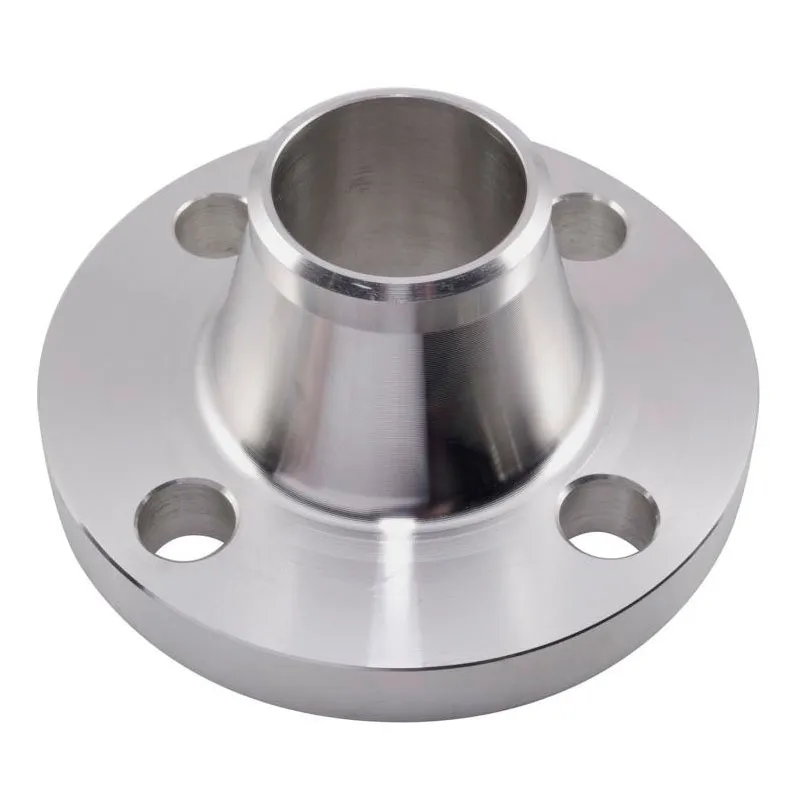
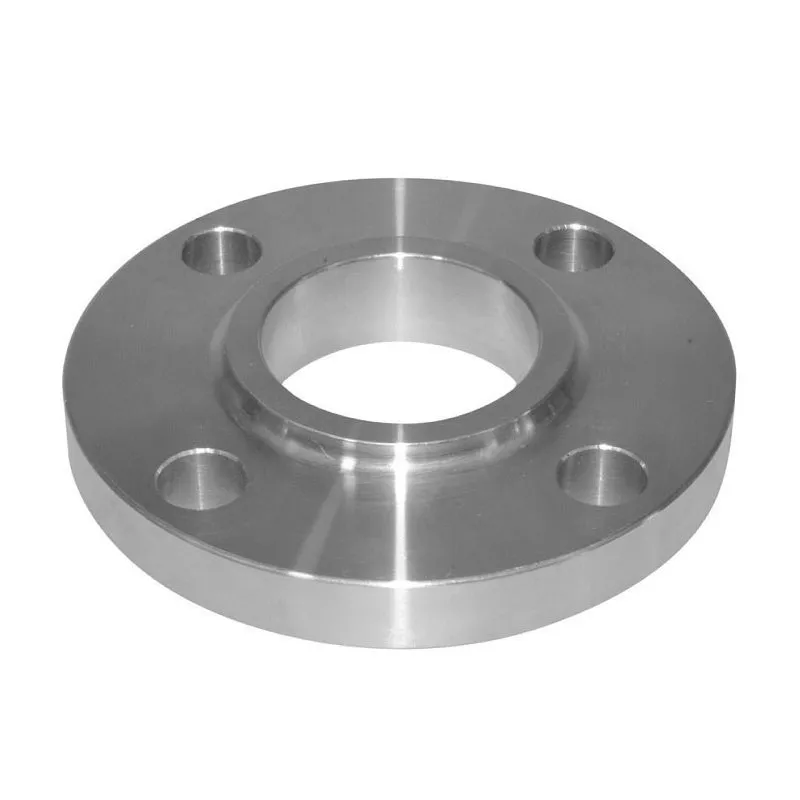
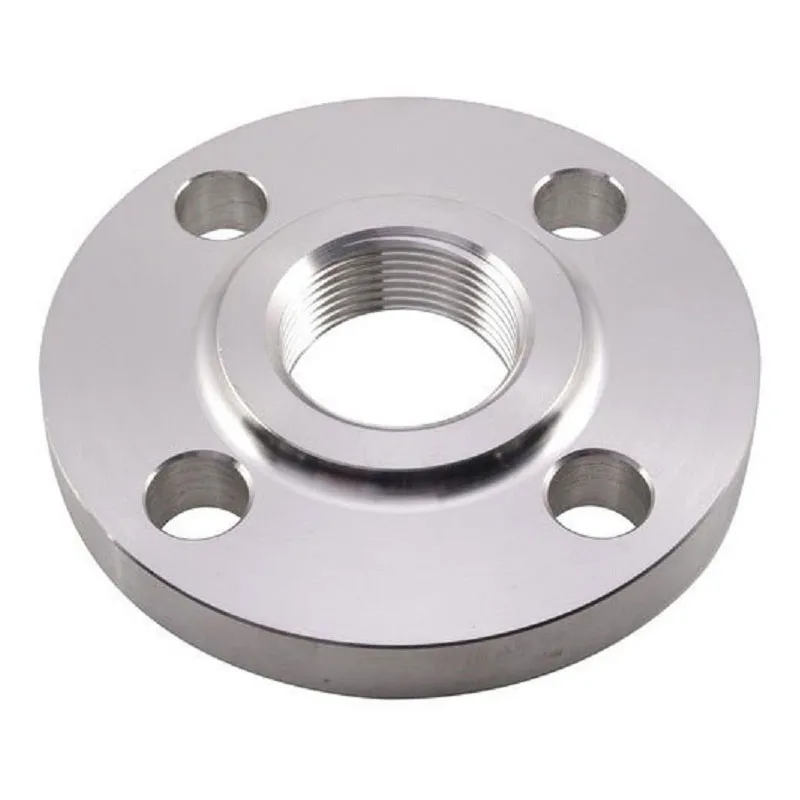
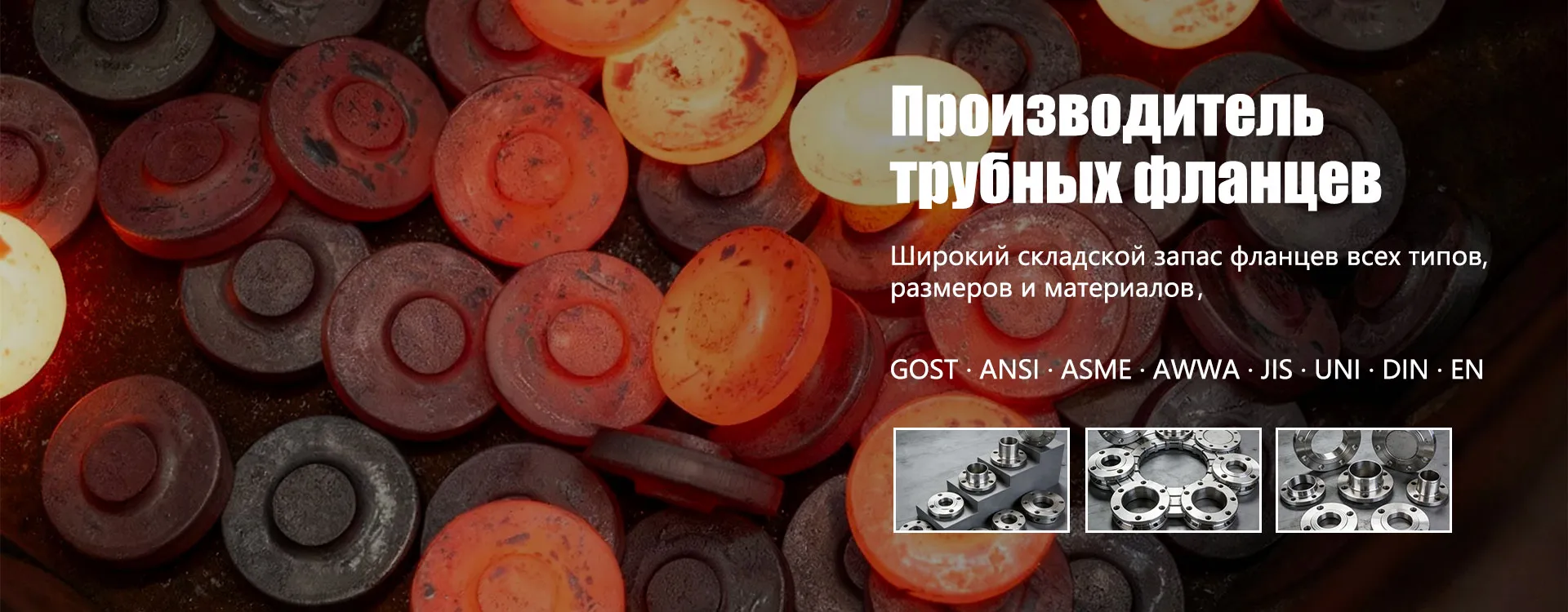
Best Sellingproducts
Best Selling Products-
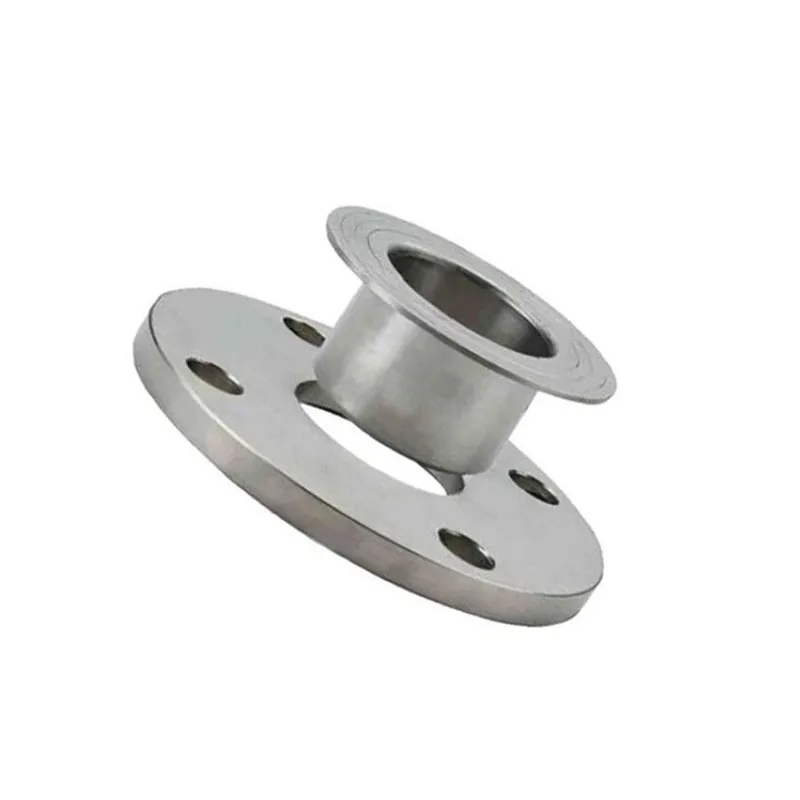 Free ring flanges Class 400
 -
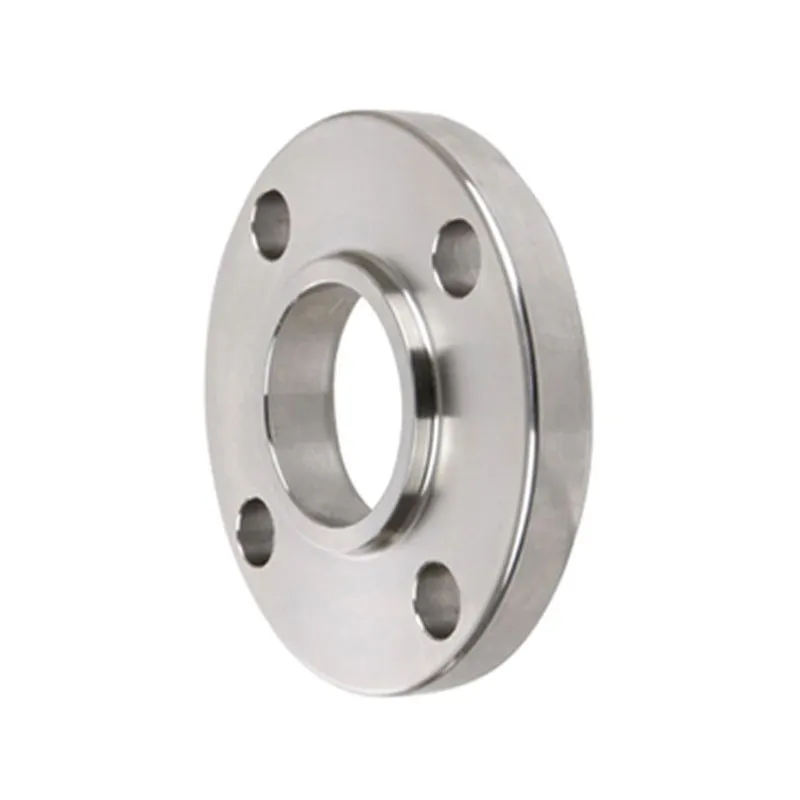 ANSI B16.5 Lap-on flanges Class 300
 -
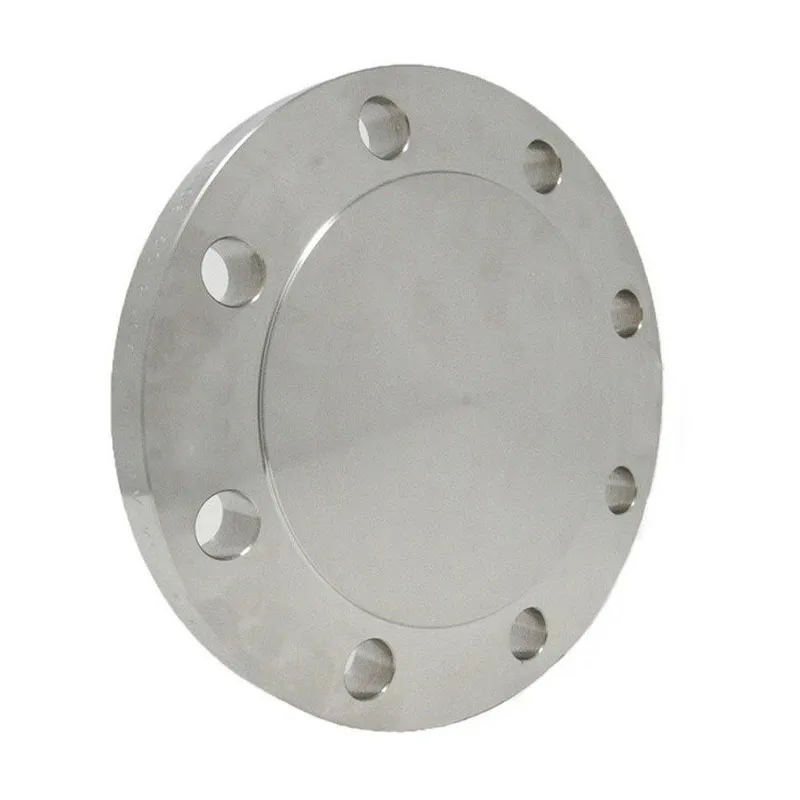 EN 1092-1 Blind flanges Type 05, PN10
 -
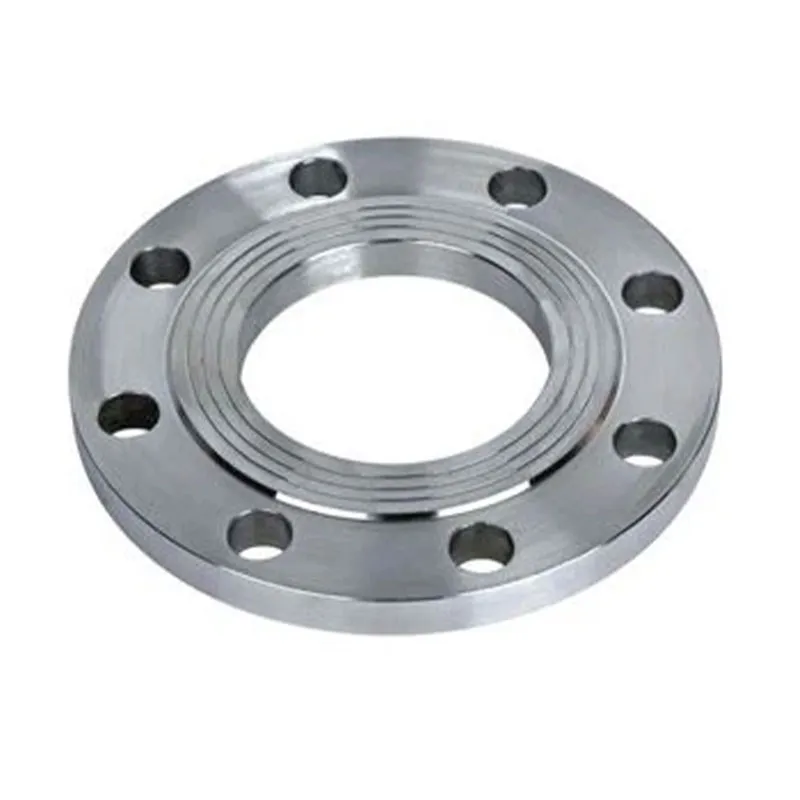 Butt weld flanges Class 150
 -
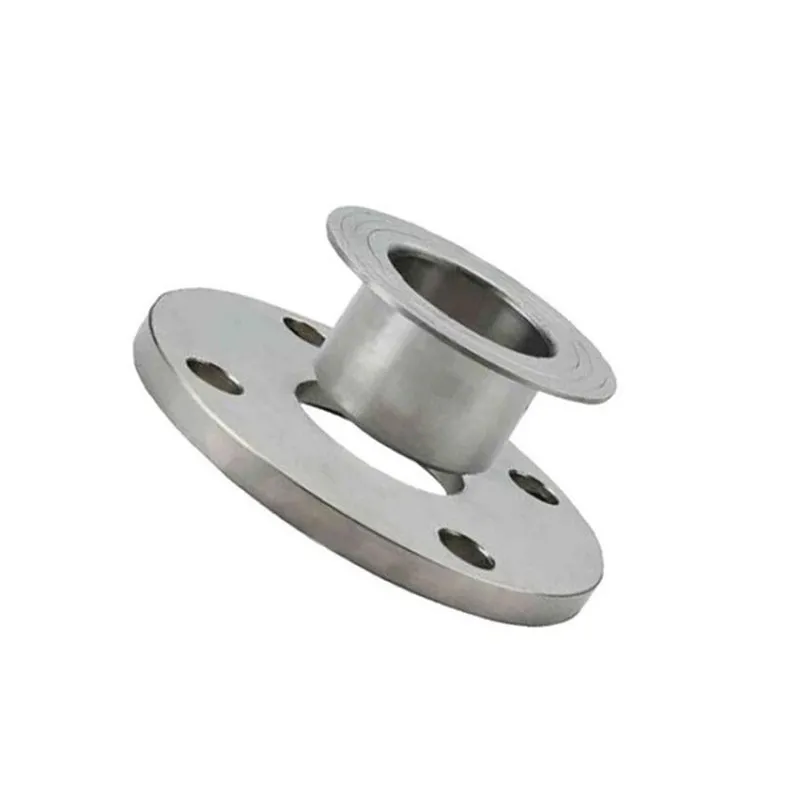 JIS 10K Loose Ring Flanges
 -
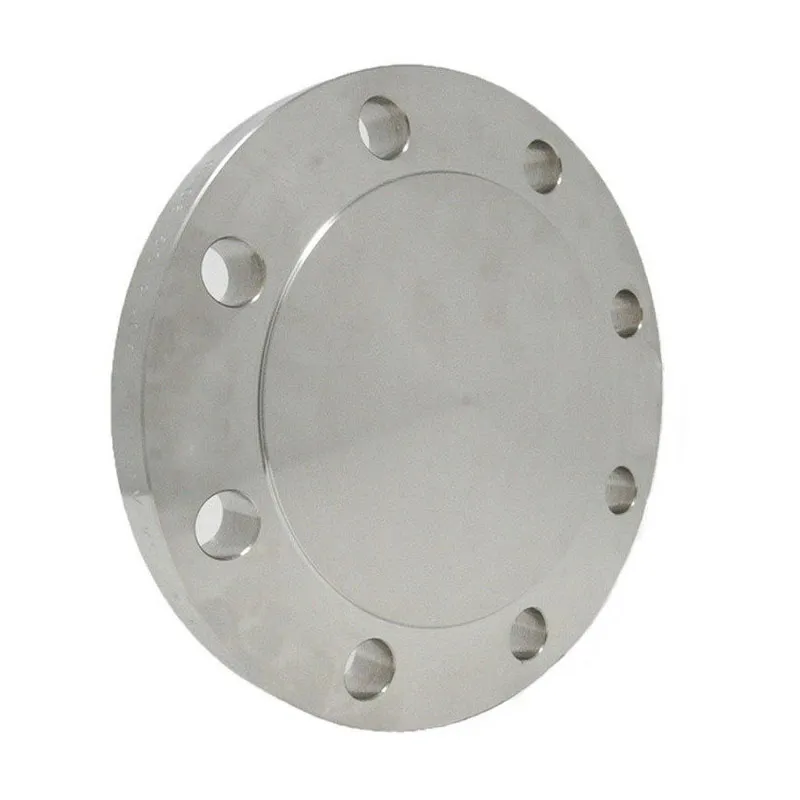 Blind flanges Class 150
 -
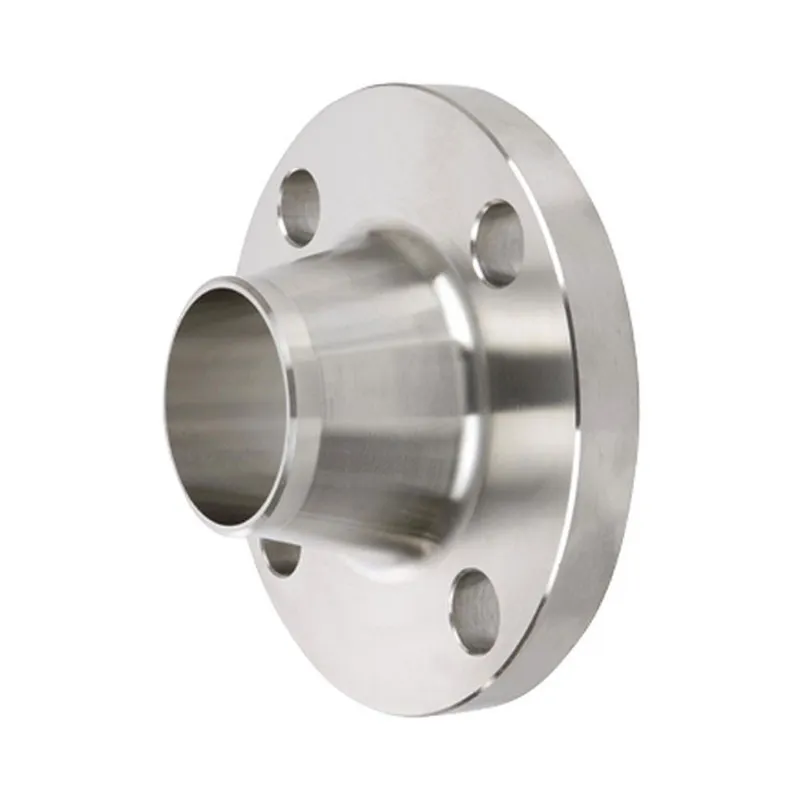 EN 1092-1 Butt weld flanges Type 11, PN25
 -
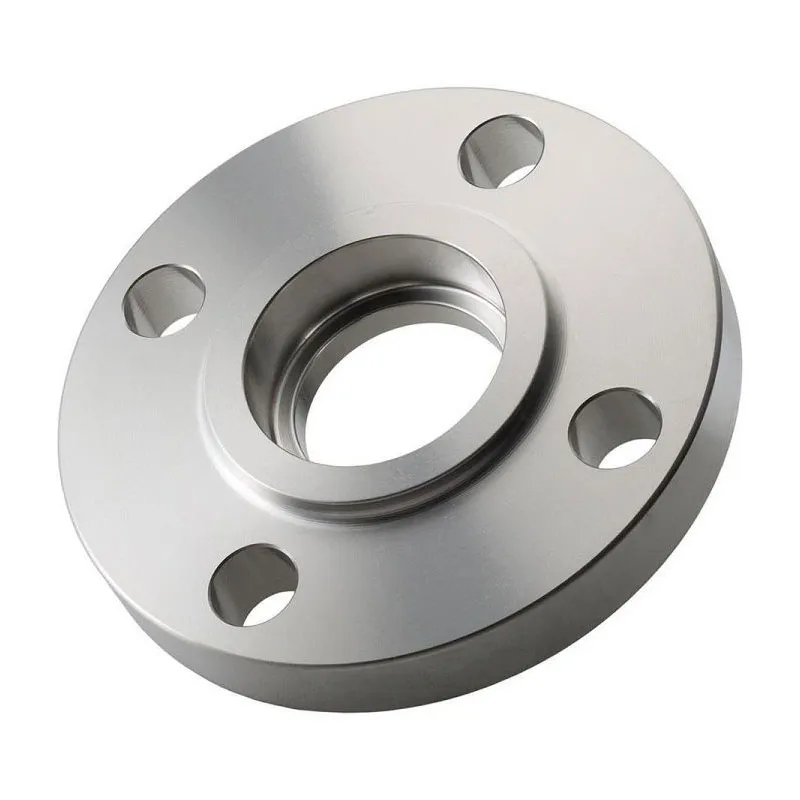 ANSI B16.5 Socket Weld Flanges Class 1500
 -
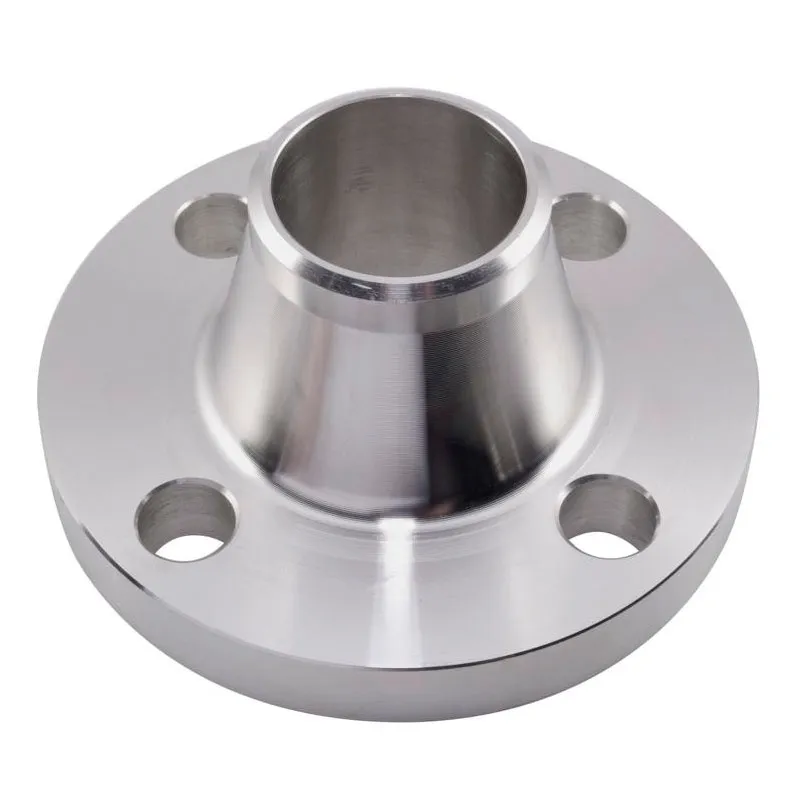 Butt weld flanges Class 900
 -
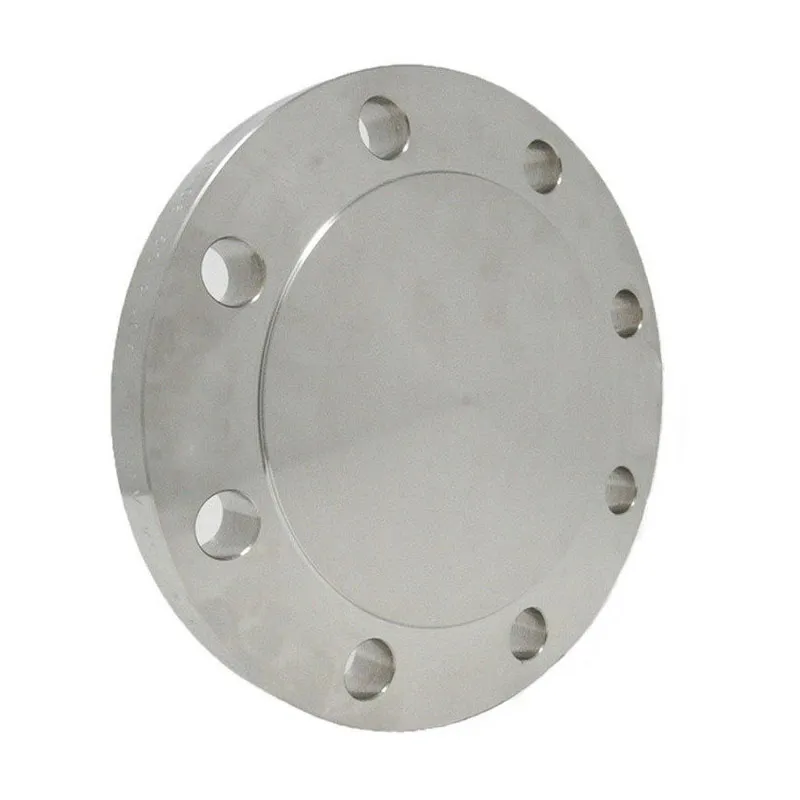 AWWA Blind Flanges Class D (Tables 1, 2, 3)
 -
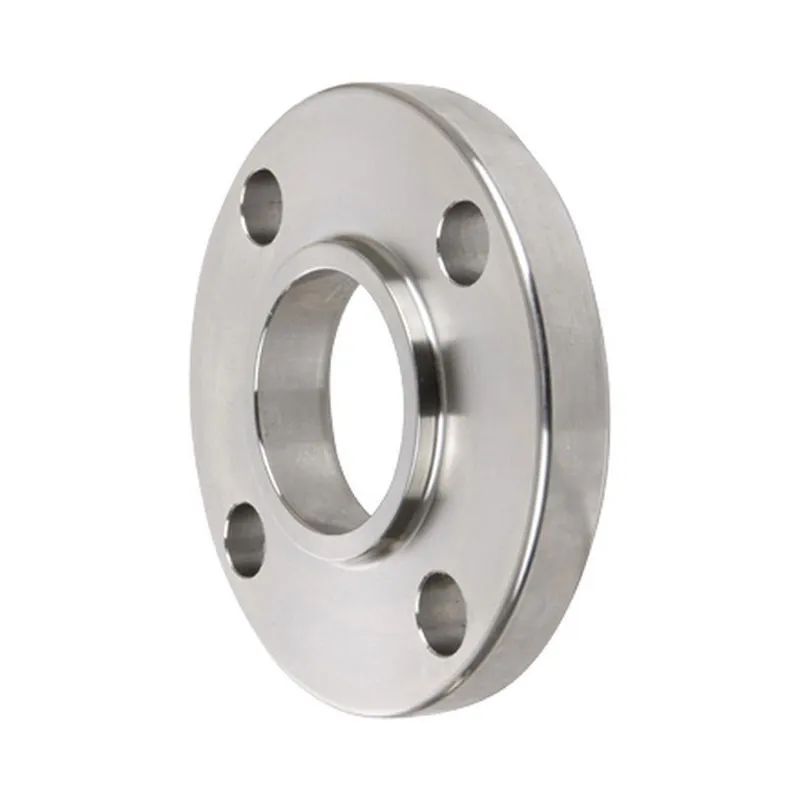 DIN 2501 Overlay flanges PN16
 -
 DIN 2566 Threaded flanges PN16