
-
-
Phone
+86-13623462298



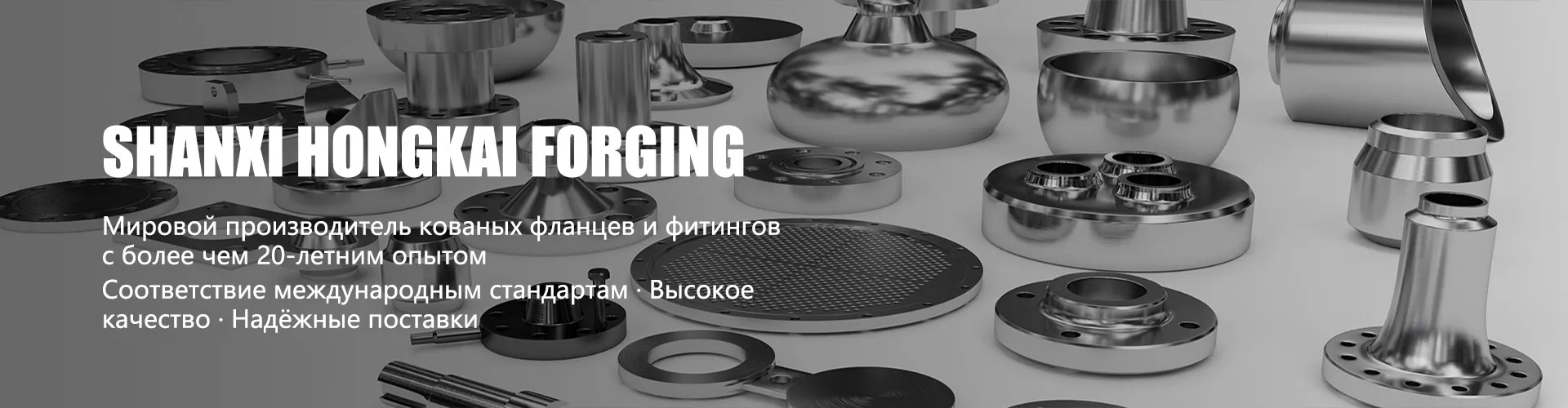
flange 40 sizes
When they say “flange sizes 40?”, many people immediately think about DN40 and that’s it. But this is exactly the error that you constantly encounter in practice. Size is not just a conditional passage. This is the thickness, the diameter of the bolt circle, the type of sealing surface, and if you miss one thing, the installation will be a complete failure. I got burned by this myself when, in my youth, I ordered a batch according to an old drawing, but then the standard was changed, and all the holes for the studs did not line up.
DN40 is just a starting point
Here we take the standard oneflange 40according to GOST 33259. Conditional diameter - 40 mm, yes. But then the fun begins. For pressure, say, Ru16 and Ru25, there will already be different disk thicknesses. And if it is a butt weld flange, then there is also the length of the hub and the bevel angle for welding. In specifications they often write simply “Flange 40-16?”, but this is catastrophically insufficient for purchasing and testing.
Old pipelines, where there may be products according to outdated specifications or even handicraft production, can be a particular headache. When replacing or expanding a section, you have to not just order DN40, but take the actual dimensions with a caliper: by outer diameter, by thickness, by bore diameter. Otherwise, the new flange simply will not fit tightly.
By the way, about boring. For a 40 flange, the internal hole size is a different story. It can be for the outer diameter of the pipe 45 mm, or it can be 48 mm, depending on the thickness of the pipe wall. If you order blindly, without specifying this parameter, during installation you will either have to modify the boring (which is not always possible) or select a pipe. It's a small thing, but it stops all the work.
Material and design of the seal - where the nuances lie
Dimensions are geometry. But no less important is the “filling”. Flange 40 from St20 will easily go on water, but if we are talking about steam with a temperature of over 300°C, you need 09G2S or 12Х18Н10Т. And here the dimensions can float. Carbon steel and alloy steel behave differently when forged and heat treated. We had a case when the customer sent a drawing according to AISI 304, but with dimensions according to GOST. During manufacturing, it turned out that the shrinkage during cooling of stainless steel is different, and several millimeters along the diameter of the bolt circumference went into minus. I had to redo the equipment.
What about the surface design for the seal? This is a separate world. For Ru10 a smooth surface may be enough, but for Ru64 a tongue-and-groove or protrusion-groove is already required. And if the specification simply states “steel 40 flange”, without indicating the version (A, B, D, E, F, etc.), then there is a high risk of getting a part that is completely unsuitable for the required pressure. This is especially critical when working with foreign standards, such as ASME B16.5, where these designations are different.
I often remember one project to modernize a boiler room. They neededflanges 40 sizesaccording to DIN EN 1092-1, type 01, with seal D. Our technologist first wanted to make it similar to GOST, they say, the pressure is similar. But when checking the calculations for tightness, it turned out that the groove depth according to DIN differs by half a millimeter. It would seem nonsense. But it’s precisely this “nonsense?” ensures correct deformation of the gasket and absence of leaks during hydrotesting. I had to strictly follow the original.
Delivery experience and non-standard situations
In our practice, in productionforged flangesat Shanxi Hongkai Forging LLC, orders for DN40 are one of the most frequent, but also the most diverse. Standard batches according to GOST, ASME are a proven process. It’s more difficult when a request comes for something exotic. For example, a DN40 flange, but with a non-standard bolt hole spacing because it needs to fit into an existing French installation with metric threads instead of imperial threads.
Or there was an order for flanges for chemical production: the same size 40, but the material is Hastelloy C-276, plus the requirement for surface cleanliness after machining is not lower than Ra 1.6. Here we are talking not only about dimensions in the classical sense, but about full compliance with the drawing, including tolerances for runout and roughness. We made it, but we had to reconfigure the entire finishing area.
Websitehttps://www.hkflange.ru- this is essentially our showcase, where you can see that our size range really is from small to large, from DN15 to DN4000. But when a client calls or writes with a request “flange 40 dimensions drawing?”, we always clarify the context. Will this connection be for a pump, for a heat exchanger, for a high pressure pipeline? This determines what type of flange (flat, end-to-end, loose) and in what design we will offer. Ready-made solutions from the catalog are sometimes not enough; dialogue is needed.
Practical advice on measuring and ordering
Based on bitter experience, I will give simple advice. If you need to select or order a DN 40 flange, do not limit yourself to the phrase “I need a DN 40 flange.” Collect as much data as possible: 1) Working environment and parameters (pressure, temperature) - this will determine the material and type. 2) The standard by which your equipment operates (GOST, ASME, DIN). 3) If replacing, take measurements from the old model, especially the bolt circle diameter (PCD) and bolt/stud size. 4) Type of sealing surface. It is best to provide a drawing or sketch.
Problems often arise when moving from one standard to another. Let's say you're changing a 1 1/2-inch flange (roughly equivalent to DN40) to a metric DN40. The nominal bore is similar, but the connecting dimensions - diameters, number of holes - can differ dramatically. You cannot do without checking standards tables or consulting with the manufacturer.
Our production, as one of the centers of the forging and pressing industry, often acts as such a consulting authority. I personally have been approached more than once by technologists from factories with the question: “We have this old flange, can you make the same one?” And we do it because our equipment fleet and experience allow us to work both according to international standards and according to individual drawings. The main thing is that the initial information is complete.
Instead of a conclusion: a thought afterward
So, going back toflange 40 sizes. The key idea I want to convey is that this is not just a number in the name. This is a set of parameters that ensures the tightness, strength and durability of the connection. Saving time on clarifying details at the order stage almost always results in multiple losses of time and money at the installation and commissioning stage.
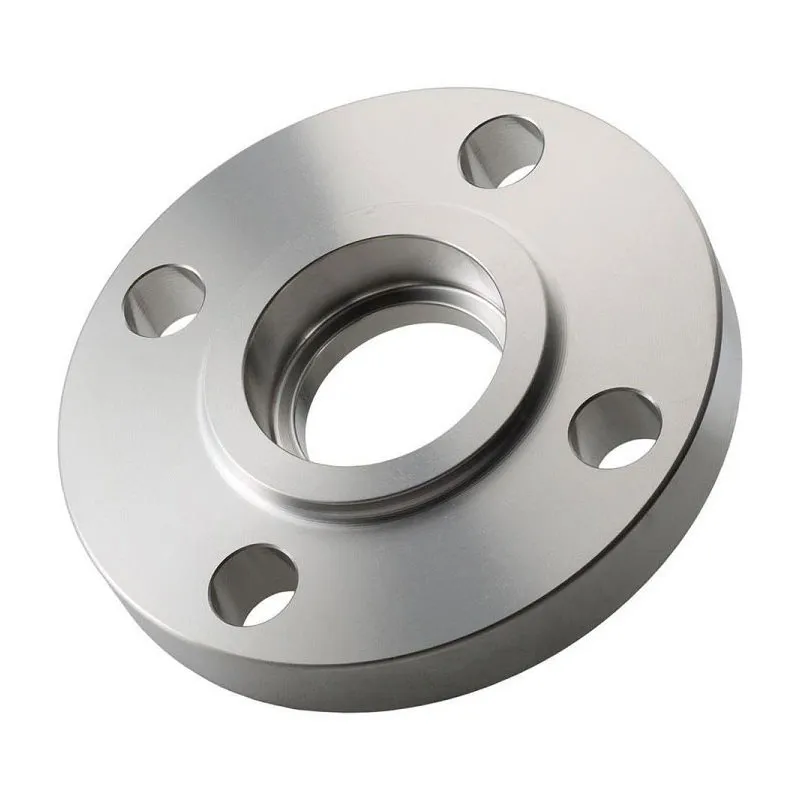
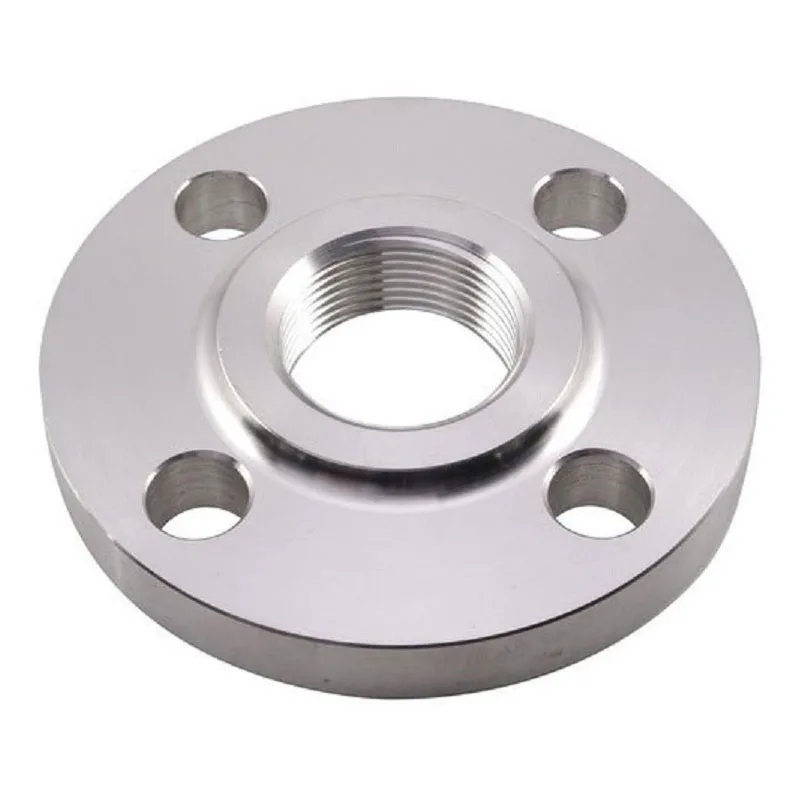
Now, looking at the warehouse of finished products, where they lie in neat rowsforged flangesdifferent standard sizes, including numerous “magpies”, you understand that behind each such product there is more than just a completed order. This is a solved engineering problem, sometimes routine, sometimes non-trivial. And this is precisely the essence of the work of a manufacturer of forgings and flanges.
Therefore, if your search on the Internet for “flange 40 GOST sizes?” or ?flange dn40 asme? brought you to a site like ourshkflange.ru, do not hesitate to call and ask clarifying questions. Because the right flange is the one that suits exactly your task, and not just the one that has the right number in its name. Tested in practice, and more than once.
Correspondingproducts
Related Products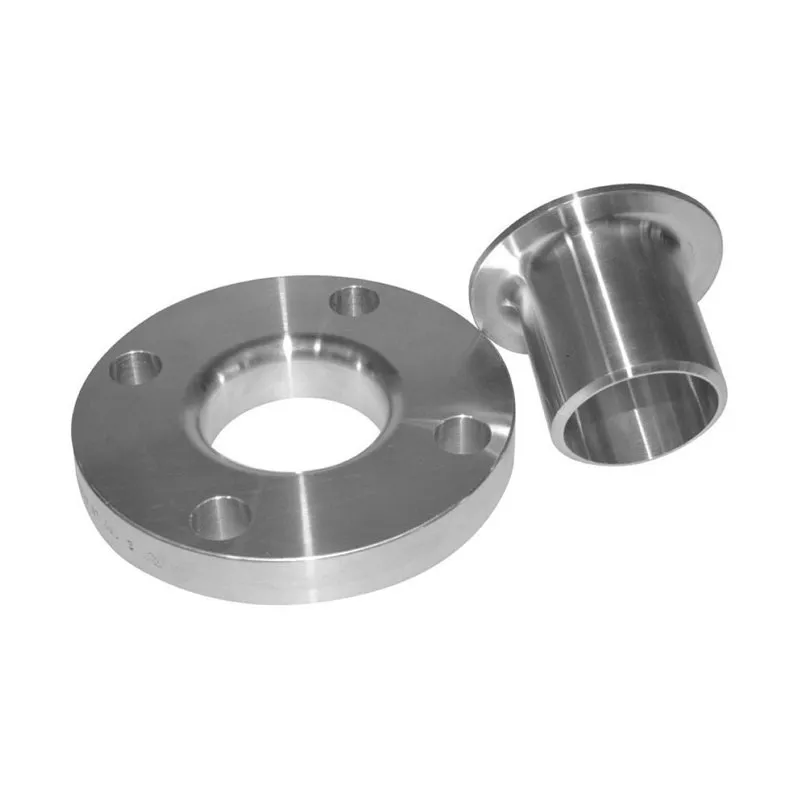
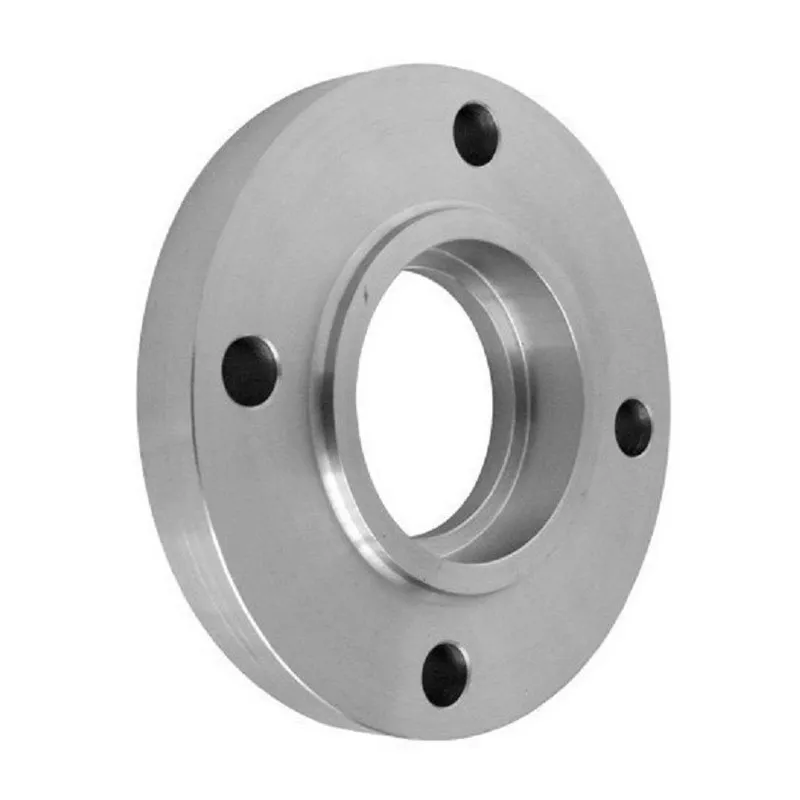
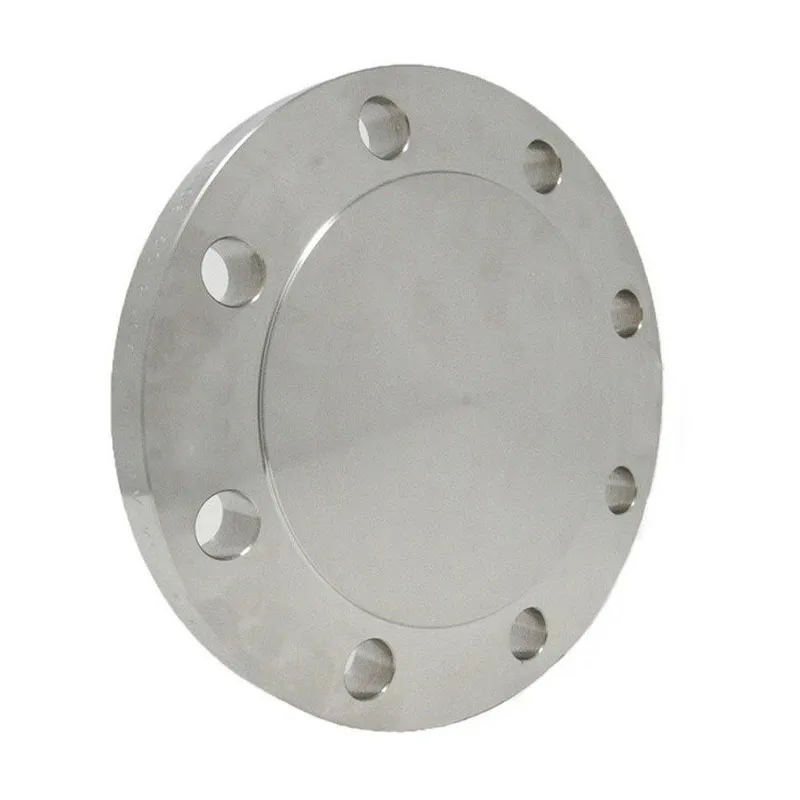
Best Sellingproducts
Best Selling Products-
 Butt weld flanges Class 150
 -
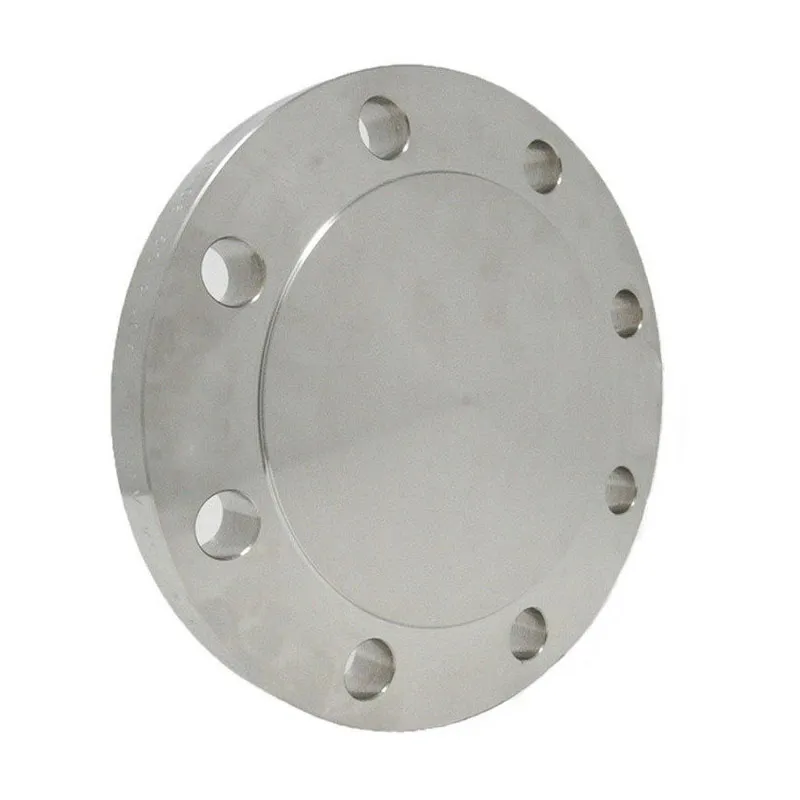 Blind flanges Class 150
 -
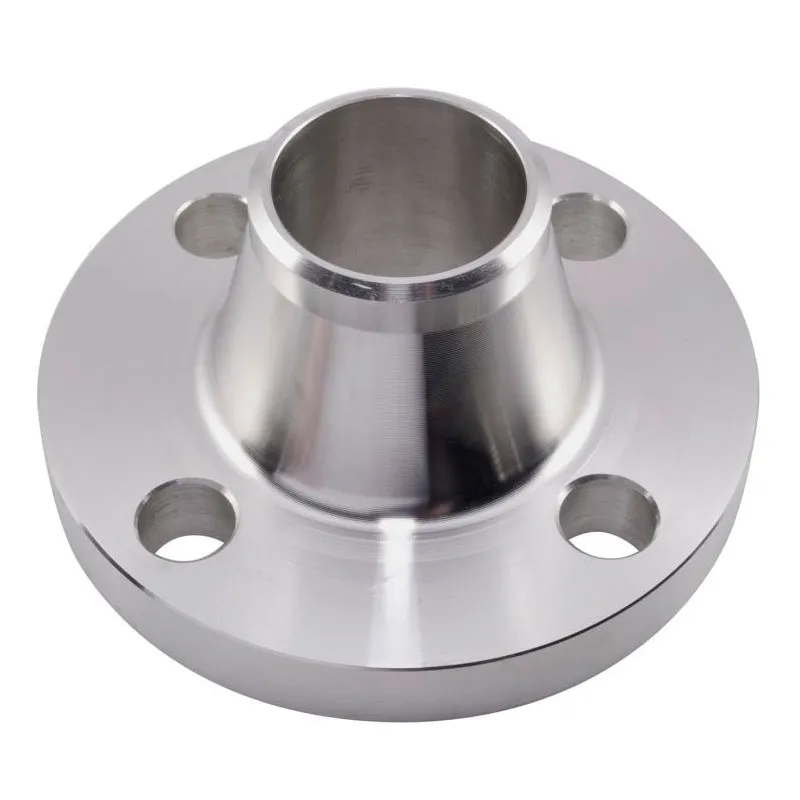 UNI 2281 Butt weld flanges PN10
 -
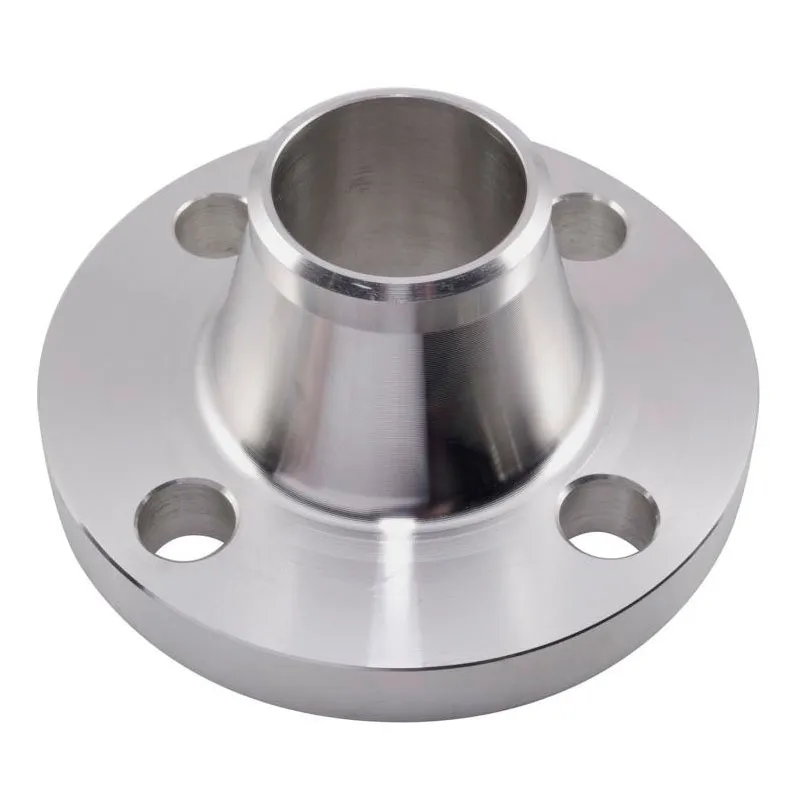 DIN Butt weld flanges PN10
 -
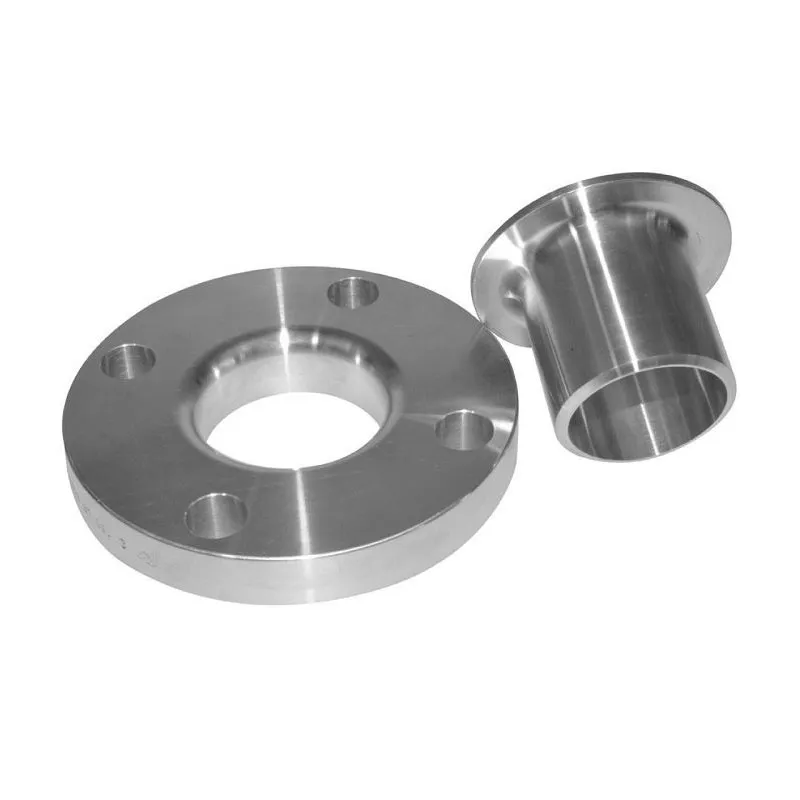 ANSI B16.5 Loose Ring Flanges Class 2500
 -
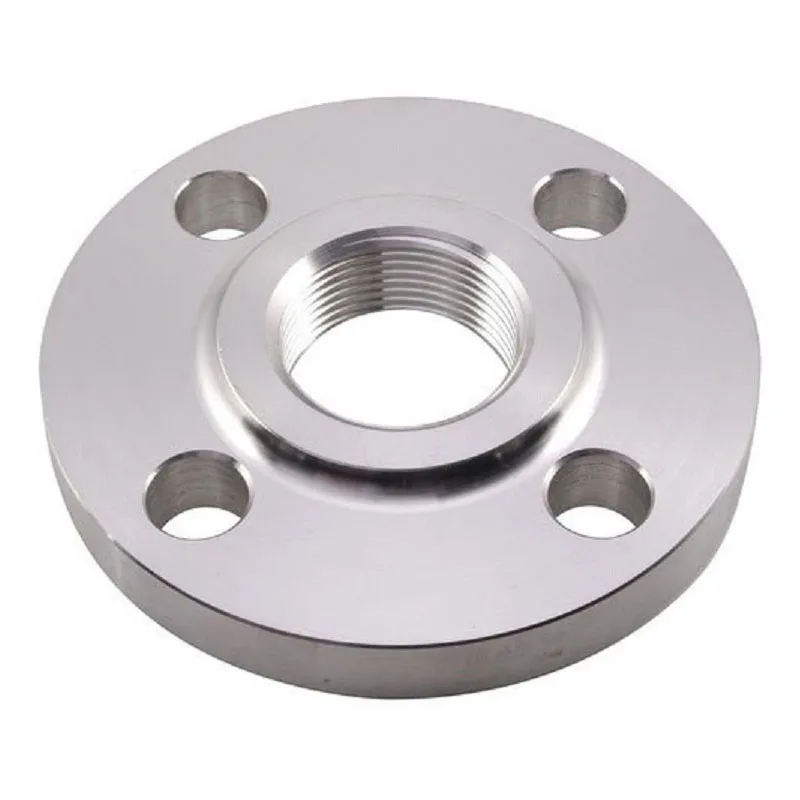 DIN 2566 Threaded flanges PN16
 -
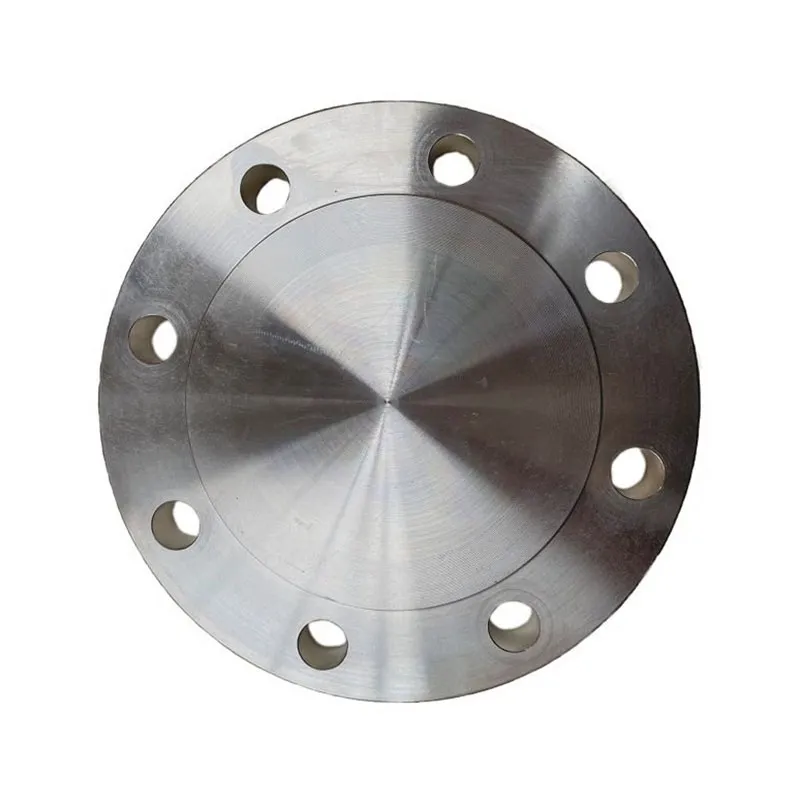 UNI 6092 Blind flanges PN10
 -
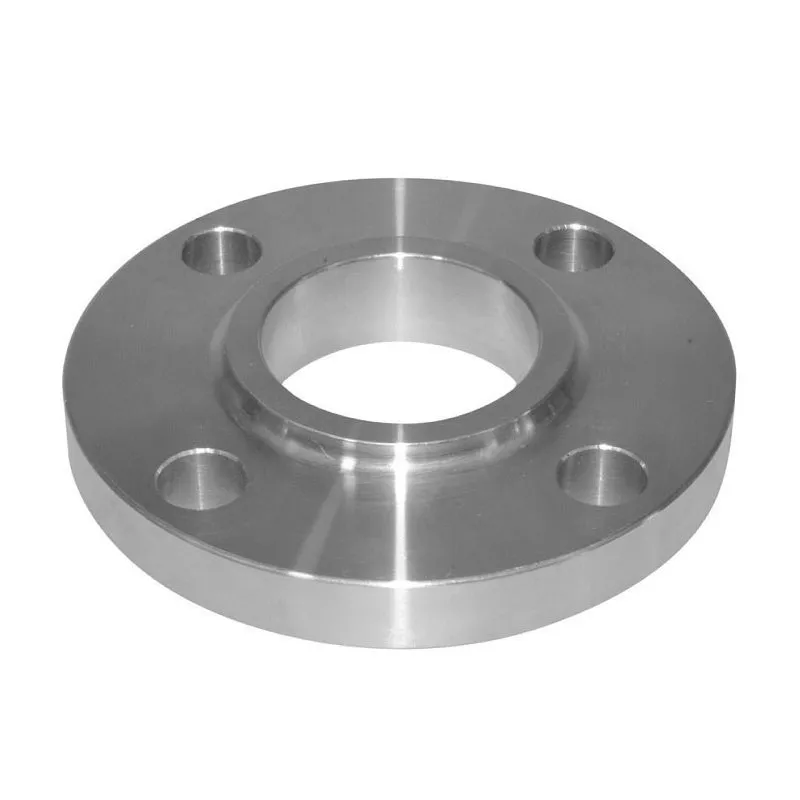 ANSI B16.5 Lap-on flanges Class 1500
 -
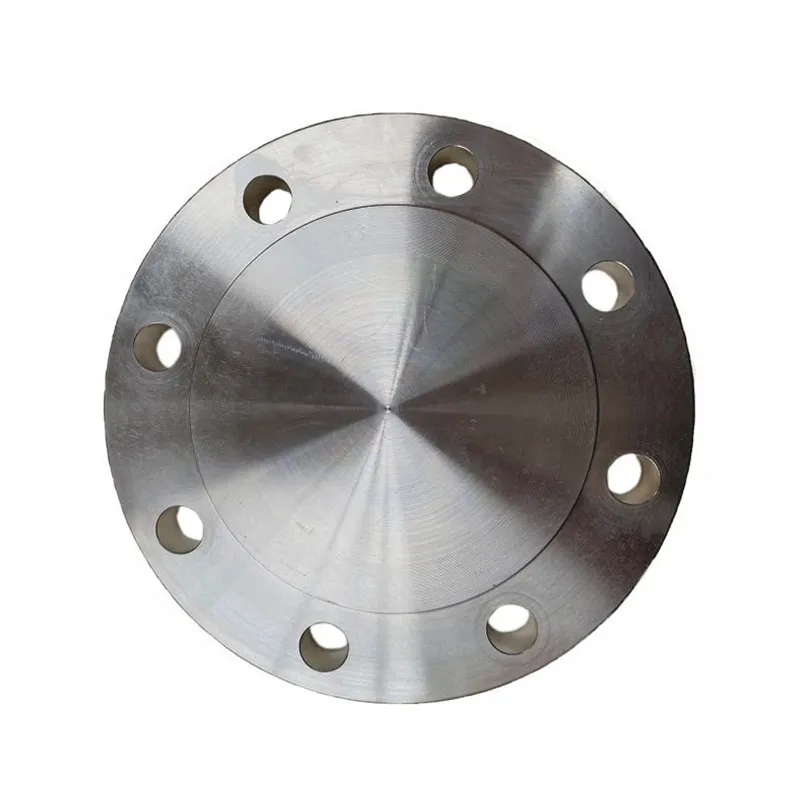 DIN 2527 Blind flanges PN10
 -
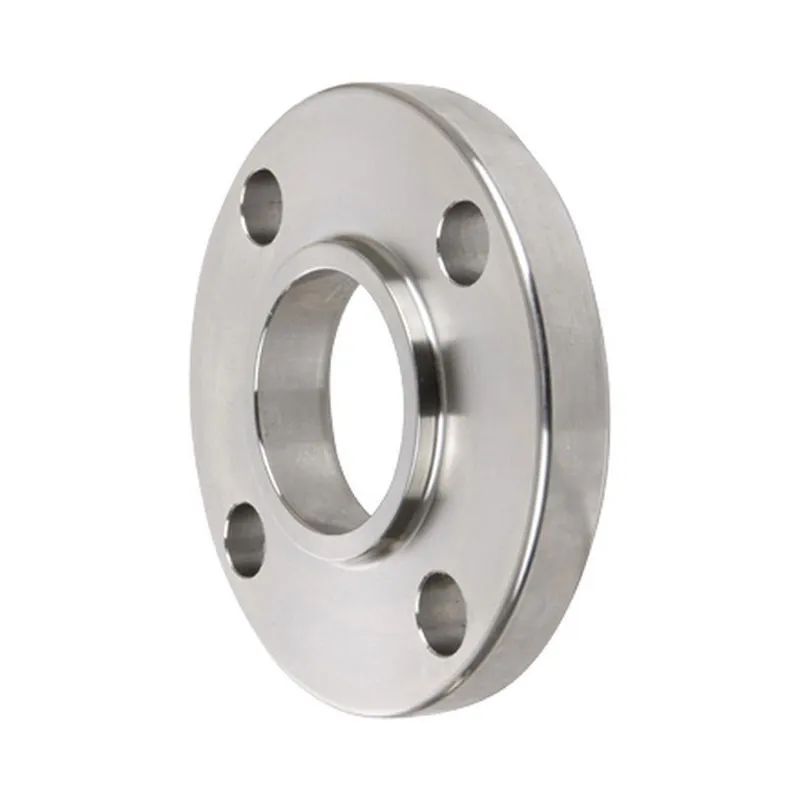 DIN 2501 Overlay flanges PN16
 -
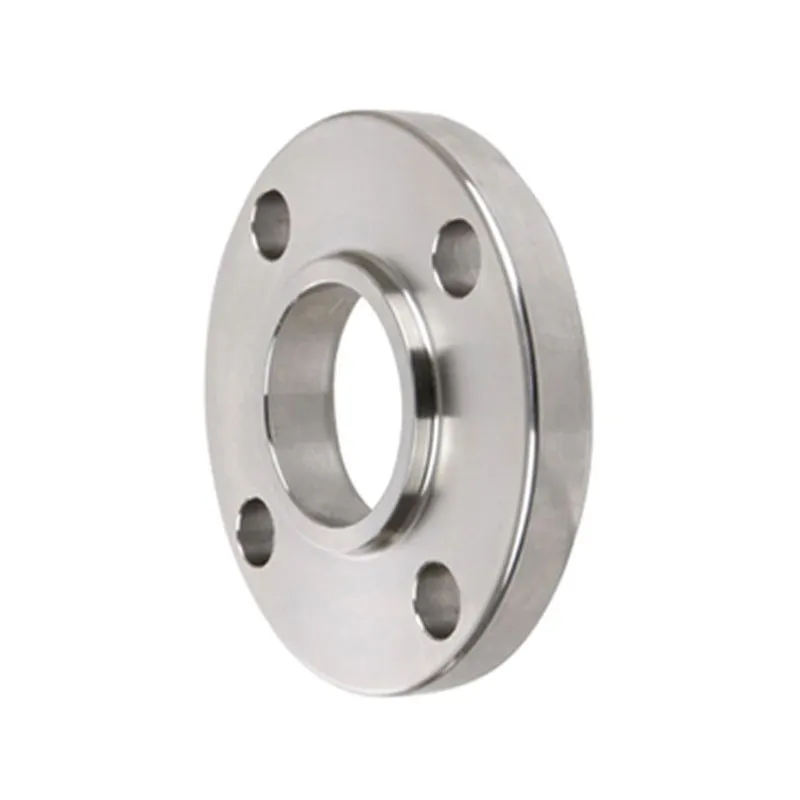 ANSI B16.5 Lap-on flanges Class 300
 -
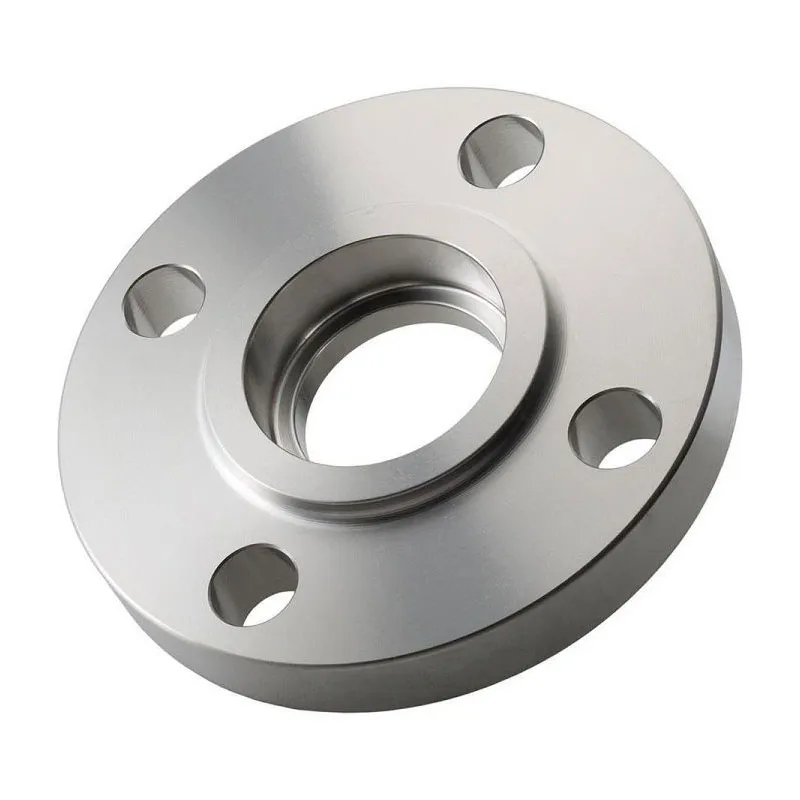 ANSI B16.5 Socket Weld Flanges Class 1500