
-
-
Phone
+86-13623462298




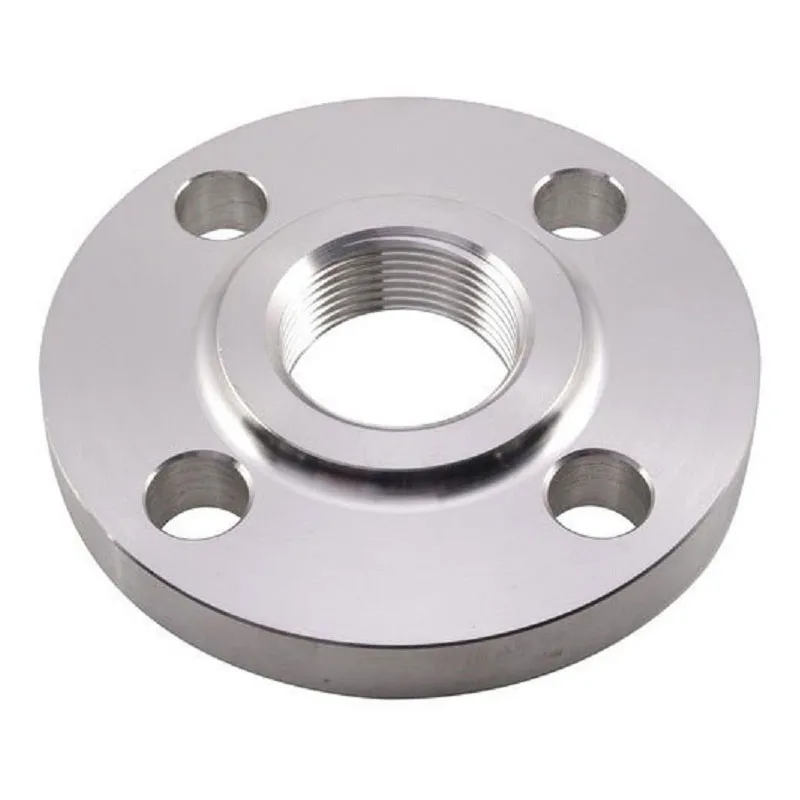
flanges DN15
When you hear “DN15 flanges”, it seems that we are talking about the simplest and most understandable thing in pipeline fittings. Many people think: “DN15, it’s only half an inch, what could be so complicated about it?” This is the first and main mistake. In practice, it is with these seemingly small dimensions that a lot of nuances arise that are not always obvious from the specifications. I myself got burned by this about ten years ago, when I ordered a batch according to GOST, and during installation it turned out that the holes for the bolts did not match the imported fittings, although the nominal diameter was the same. Since then, I treat any flange, even the smallest one, with suspicion and double check.
Standards and pitfalls of Du15
The main confusion begins with standards. DN15 is a nominal diameter, but the geometry, thickness, bolt circle diameter (PCD) - all this floats. Let's take, for example, GOST 12820-80 for flat flanges. There, for DN15, the pressure can be different: row 1 (0.1-2.5 MPa) and row 2 (0.1-1.6 MPa). The difference is in thickness and diameter Df. If you don't pay attention, you can easily make a mistake in ordering. What if the project involves ASME B16.5 Class 150? There are completely different numbers in terms of thickness and PCD. I saw how completely correct, high-quality DN15 flanges lay in a warehouse for months, which simply did not fit a specific American valve. Money is frozen, deadlines are missed.
Or another point - the design of the surface for the gasket. Du15 often requires smooth surfaces (version 1 according to GOST 12815), but in the chemical or food industry they may require a tongue-and-groove or protrusion-groove (versions 4-6). In words, the customer may say “standard flange?”, but in reality he needs a design for an oval gasket. If you don’t clarify it to the smallest detail, the wrong thing will come. This is especially critical when working with manufacturers such asShanxi Hongkai Forging Co.,Ltd. They have a large assortment; they make according to GOST, ASME, and DIN. But in order to get exactly what you need, the application must indicate everything to the last letter in the standard. Their websitehttps://www.hkflange.ruis a good reference book, where you can clarify the parameters, but live communication with a technologist is still irreplaceable.
Another nuance is the material. For Du15, steel 20 or 09G2S is often used, if we are talking about our market. But if the pipeline will operate, say, with ammonia water, 12Х18Н10Т steel is needed. And here the size DN15 plays a cruel joke: due to the small dimensions and, accordingly, the small volume of metal, the requirements for the quality of forging or stamping become even higher. Any internal heterogeneity that might be considered acceptable on a large flange can lead to a crack here. Therefore, the selection of a supplier of forgings for such small but critical parts must be approached especially carefully.
Installation practice and common mistakes
During installation, DN15 flanges seem easy. They weigh little, M10 or M12 bolts. It seems that I tightened it by hand, then with a torque wrench - and it's done. In fact, there is a trap here. Due to the small contact surface area and low torque, it is very easy to distort the flange when tightening. Uneven tightening - and a leak is guaranteed, especially during thermal cycling. We once collected a section of steam condensate at Du15. The pressure is low, the temperature is up to 150°C. We assembled it, carried out hydrotests - everything was dry. They put it into operation, and a week later - nothing happened. It turned out that one of the flanges slightly “wobbled” when tightened, and the gasket (paronite) began to slowly crumble. I had to stop it, cut the tube and install a new unit.
Another common problem is accessibility. A DN15 flange, butt-welded (for example, according to GOST 12821-80), after welding ends up in such places that it is impossible to get to the nuts from the back side. When designing, they often draw beautiful diagrams, forgetting that the installer needs a place for the key. As a result, you have to either tighten the tension, or, even worse, put the flange in a slip-on weld, although according to the pressure calculations, it was a butt weld that was needed. This is a compromise that is made, but it is not always worth it in terms of the longevity of the connection.
What did I learn for myself? For critical lines on DN15, I now prefer, if the standard allows, free flanges on a welded ring (GOST 12822-80). Yes, more expensive. But installation is much simpler: the ring is welded to the pipe, the flange rotates freely, and you can easily align the holes for the bolts with the mating part. Especially useful when repairing or replacing fittings. There is no need to hang the pipe to turn the entire assembly. For such decisions, by the way, the quality of the ring itself and the accuracy of its groove are important. At the sameShanxi Hongkai Forging Co.,LtdThere are such products in the range, and from experience, their forgings for rings have good geometry, which minimizes the risk of misalignment.
Issues of supplier selection and quality control
Who should make DN15 flanges? It would seem like any workshop. But in reality, as I already said, small sizes mean increased demands on technology. A forging shop that is used to forgings per ton may not pay enough attention to small forgings for Du15. This is where specialization is important. CompanyShanxi Hongkai Forging Co.,Ltd, as a manufacturer declared to be one of the main centers of the forging industry, is interesting in this regard. They work with a range from DN15 right up to DN4000. This means that they most likely have separate lines or equipment for small sizes. It is important that they make forgings and not just cut from sheets. For flanges operating under pressure, this is fundamental: the metal fibers follow the contour and are not cut, which increases strength.
When accepting a batch of DN15 flanges, I always look at two things, in addition to standard certificates. The first is the surface quality in the hub area of the butt weld flanges and inner edge. There should be no burrs or sharp transitions. These are places where stress is concentrated. The second is the accuracy of the bolt holes. You take two flanges from the batch, fold them in mirror image and check with a pin whether all the holes match. It happens that due to wear of the equipment or an error during drilling, a displacement of even half a millimeter occurs. For DN15 this is already critical; the M12 bolt may not fit. Chinese manufacturers, including the one mentioned, usually keep this parameter normal, since they work for export and are under strict control.
Another practical tip: always ask a manufacturer such asShanxi Hongkai Forging Co.,Ltd, not only a certificate of conformity, but also reports on tests of mechanical properties specifically for the steel grade and the standard size that you order. Especially when it comes to special steels. Their description says that they work according to international standards (GOST, ASME, EN, DIN, etc.), and this implies just such documentary traceability. For Du15, which often goes to auxiliary but important lines (instrumental air, measurement, instrumentation impulse lines), this is not bureaucracy, but insurance against future problems.
Non-standard situations and adaptation
Sometimes you have to deal with problems that are not in textbooks. For example, you need a DN15 flange, but with a non-standard pressure, intermediate between the rows. Or a combined unit is required: a DN15 flange, but with a welding outlet for a fitting of a different diameter. In such cases, manufacturers who are ready to work according to the customer’s drawings come to the rescue. From the descriptionShanxi Hongkai Forging Co.,Ltdit is clear that non-standard products are a common practice for them. But here it is important to understand: developing a drawing and technology for such a small but complex assembly can cost almost as much as the flange itself. Economically, this is only justified for a series or for a critical component that cannot be assembled otherwise.
I had a case: I needed to cut into an existing high-pressure pipeline Du15 made of stainless steel. Standard overhead clamps did not fit in dimensions. I had to order a special adapter flange-tee, which could be welded under pressure using a special technology. The drawing was made by our own engineers, and the manufacturing was outsourced. We were just looking for a manufacturer who would take on small-scale stainless steel forgings. I didn’t know about it thenHongkai Forging, in the end they found another one, but with large hemorrhoids. Now, looking at their website, I think that we could go there - their assortment directly includes non-standard products based on drawings, and, apparently, they work with different materials.
In such non-standard stories from Du15, the main lesson is communication. You don't just need to send a drawing by email. You need to get on the phone and discuss each radius, each tolerance zone, manufacturing technology (whether it will be a solid forging or a welded assembly of several forgings). For Du15, a solid forging is always preferable. And this is where the supplier’s professionalism comes into play: are its technologists ready to delve into the problem, ask clarifying questions, and not just take the drawing to work? In my opinion, this is even more important than the price.
Results and subjective conclusions
So what are DN15 flanges in the end? This is not a “simple little thing”, but a full-fledged element that requires the same, and sometimes more, attention than large components. The error here is less noticeable materially (there is not enough metal), but the consequences of failure can be catastrophic if the line is responsible. The key is a clear understanding of the standard, working conditions and a competent choice of a manufacturer who specializes not in “hardware”, but in the production of pipeline fittings parts with a full cycle from forging.
For regular purchases, I would look towards manufacturers with a wide standard assortment, but at the same time with flexibility for non-standard ones. Justhttps://www.hkflange.ruin this context looks like an option worth considering for project bundling. They have GOST, ASME, and a range with DN15, which is important for small auxiliary lines, which often follow American standards even at our facilities. But, I repeat, any order, even for such a small thing, must be accompanied by the most detailed technical documentation in the application.
In the end, the reliability of a pipeline, even the smallest one, always depends on the quality of each link. And the DN15 flange is as important a link as any other. Treating it carelessly means introducing risk into the project in advance. And we, practitioners, usually have to deal with this risk.
Correspondingproducts
Related Products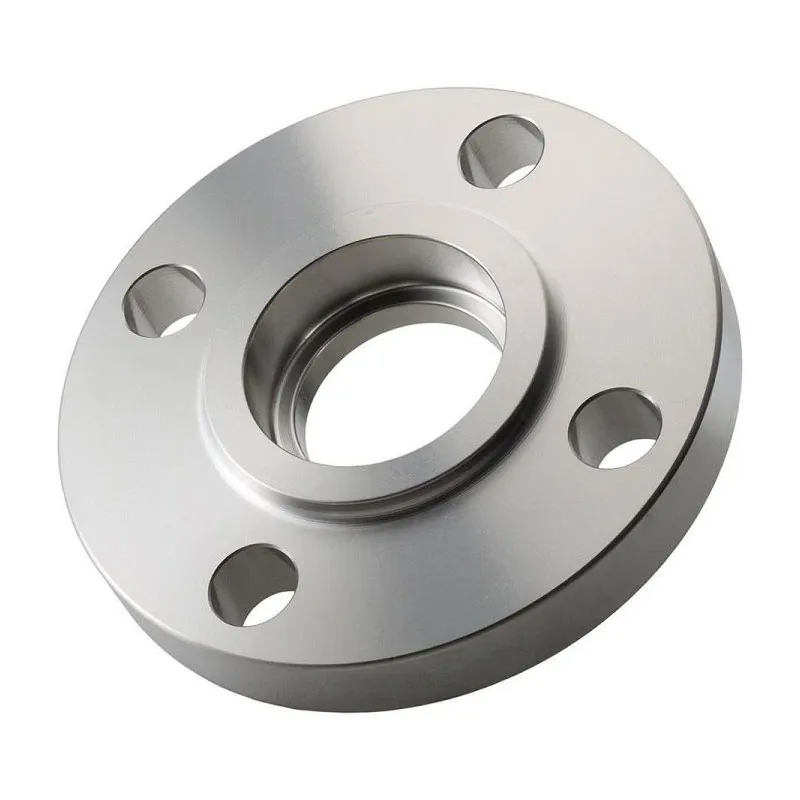
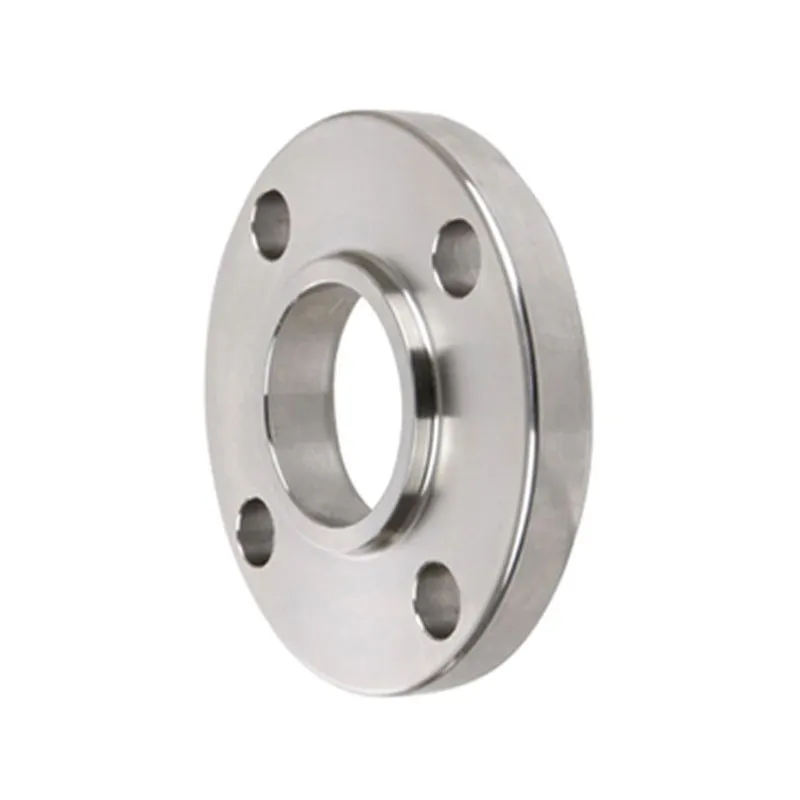
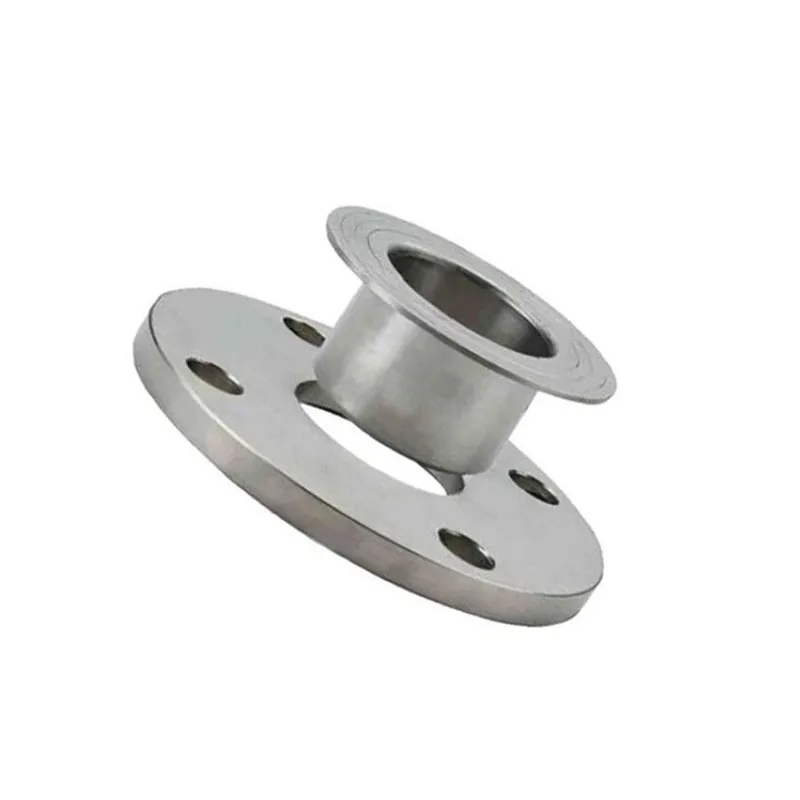
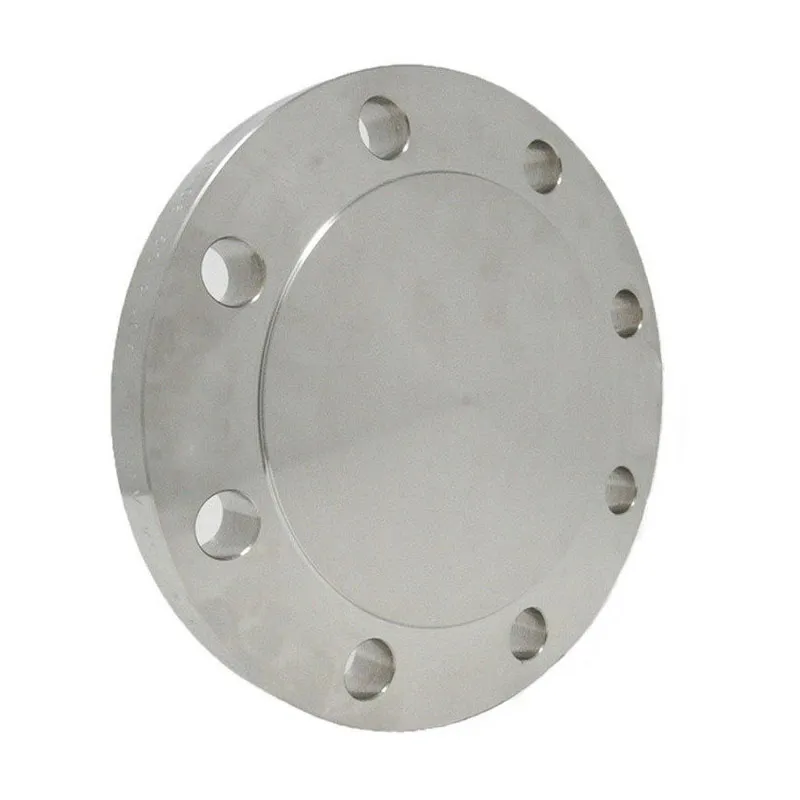
Best Sellingproducts
Best Selling Products-
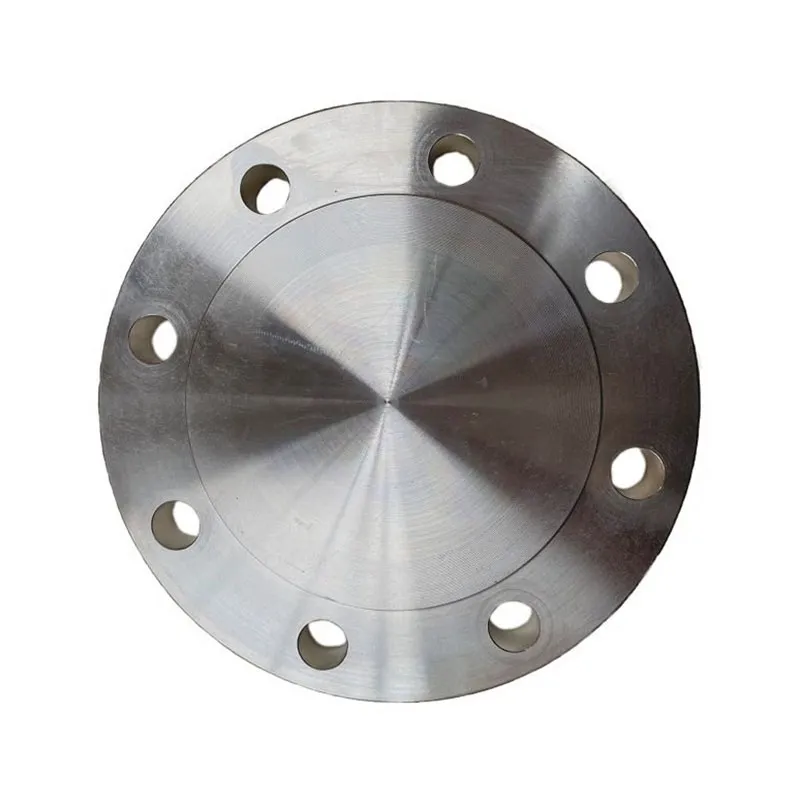 ASME B16.47 Ser.A Blind Flanges Class 400
 -
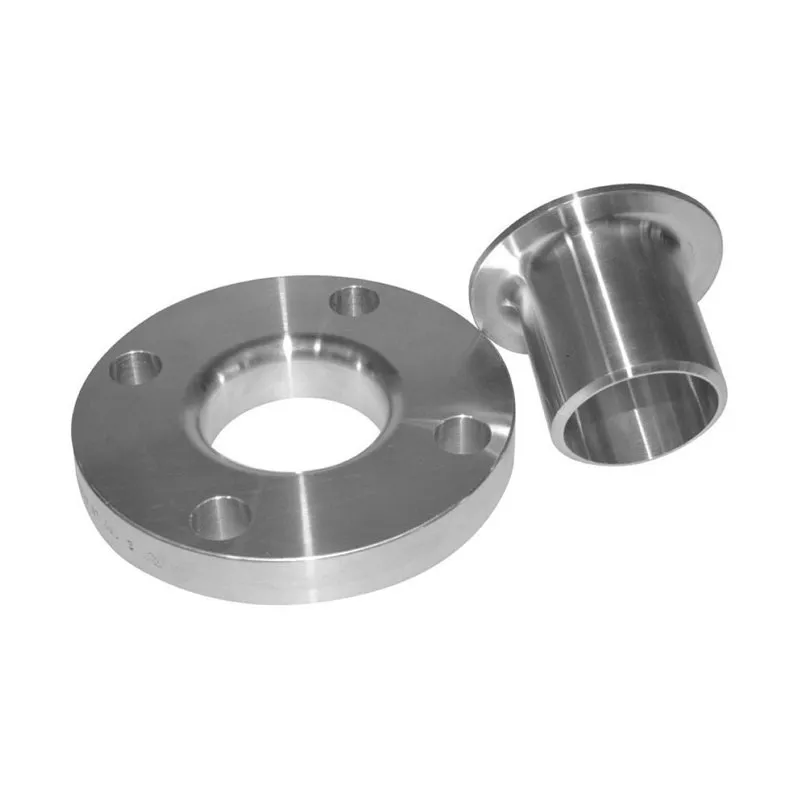 Free ring flanges Class 150
 -
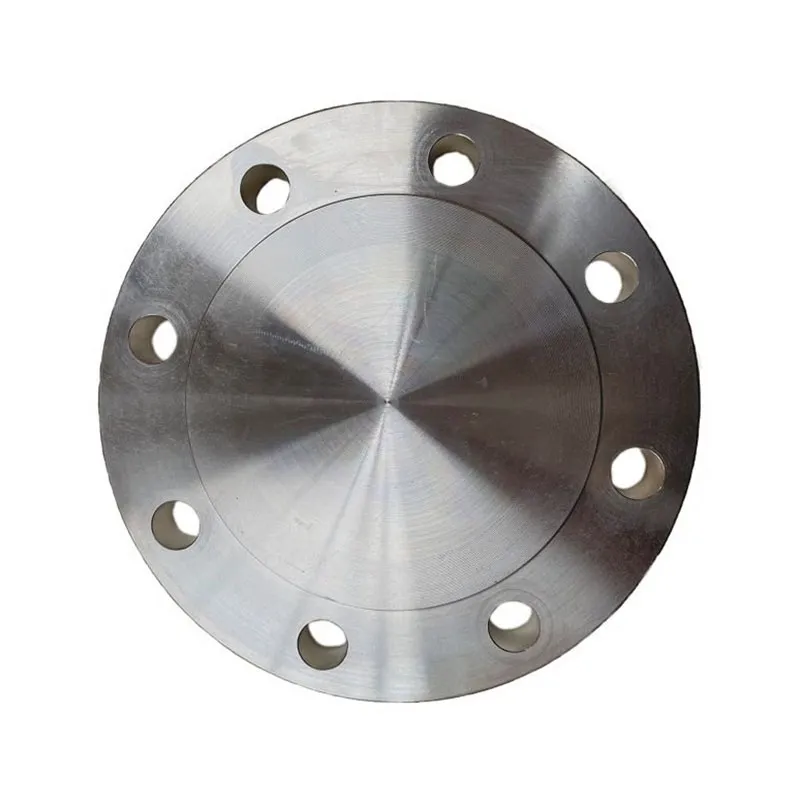 UNI 6092 Blind flanges PN10
 -
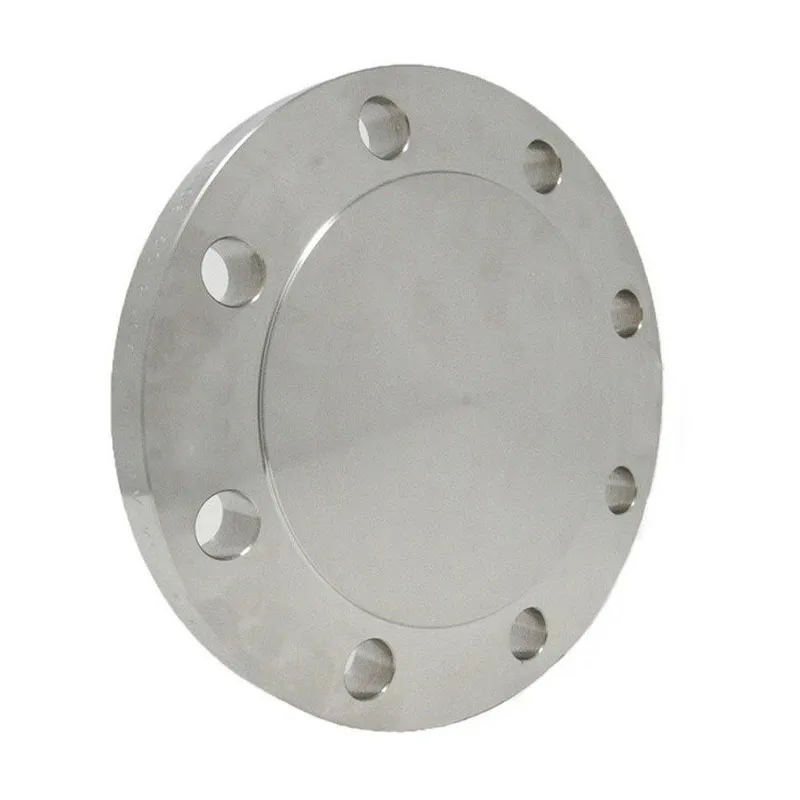 EN 1092-1 Blind flanges Type 05, PN10
 -
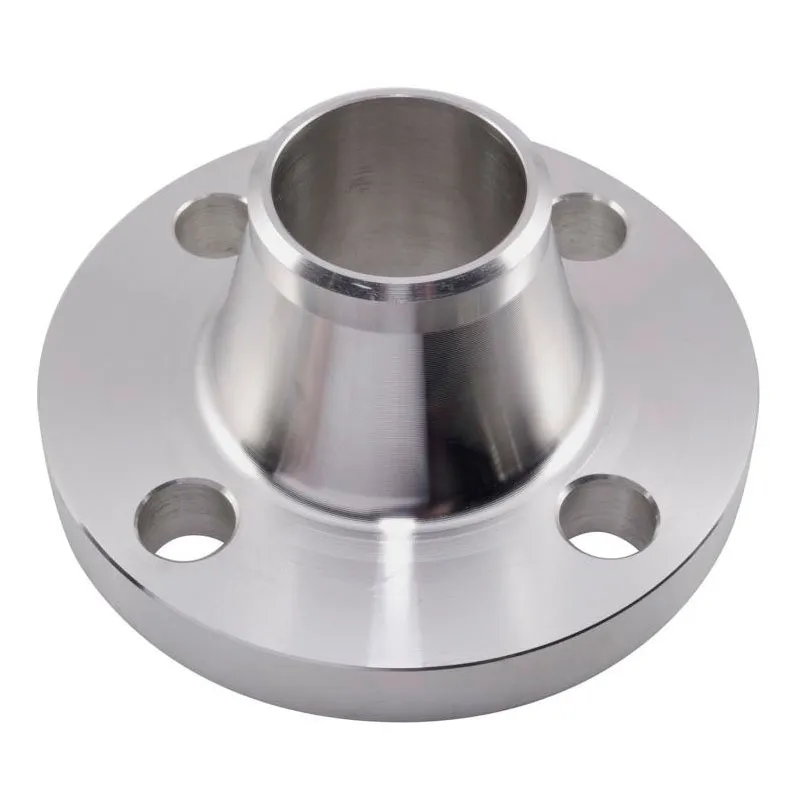 DIN Butt weld flanges PN10
 -
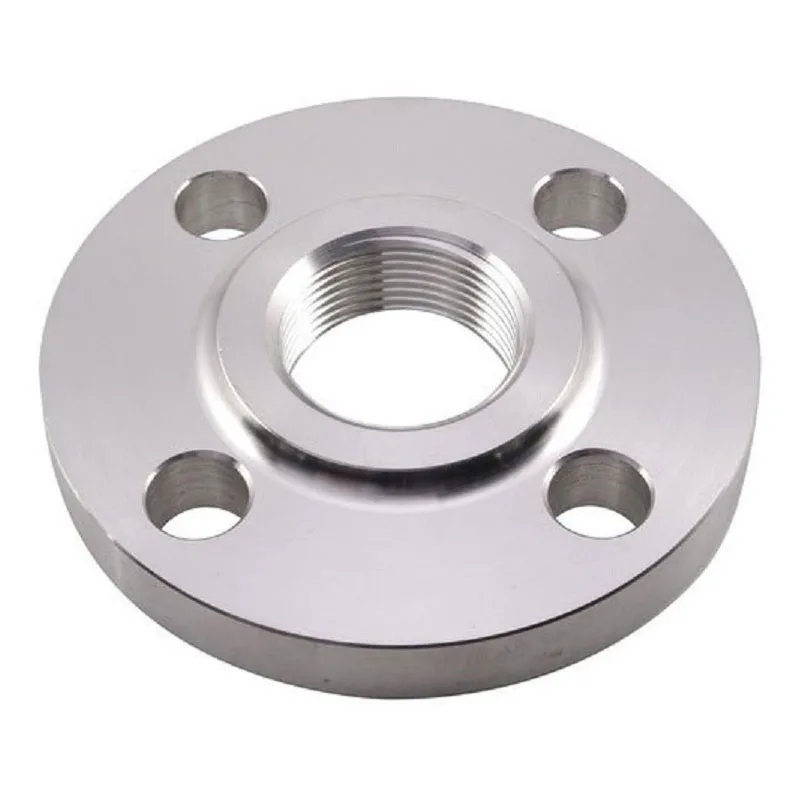 JIS 10K Threaded Flanges
 -
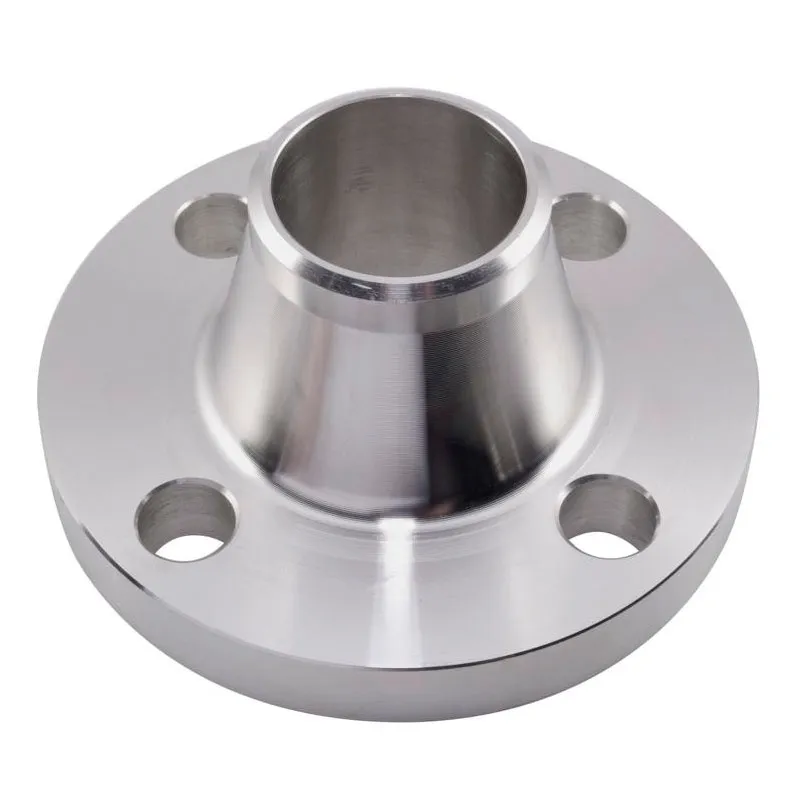 Butt weld flanges Class 900
 -
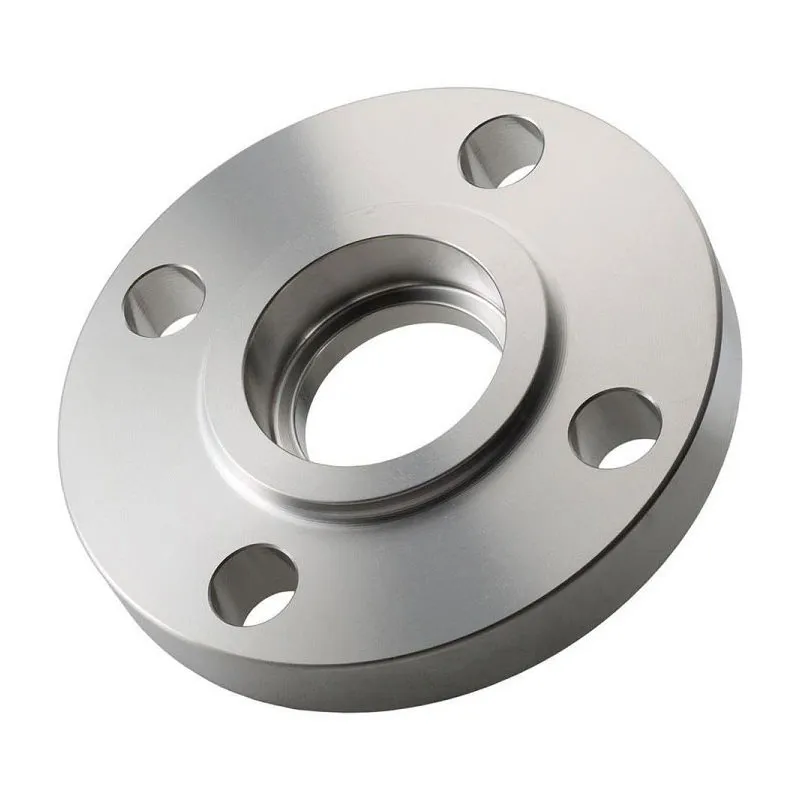 Flanges for socket welding
 -
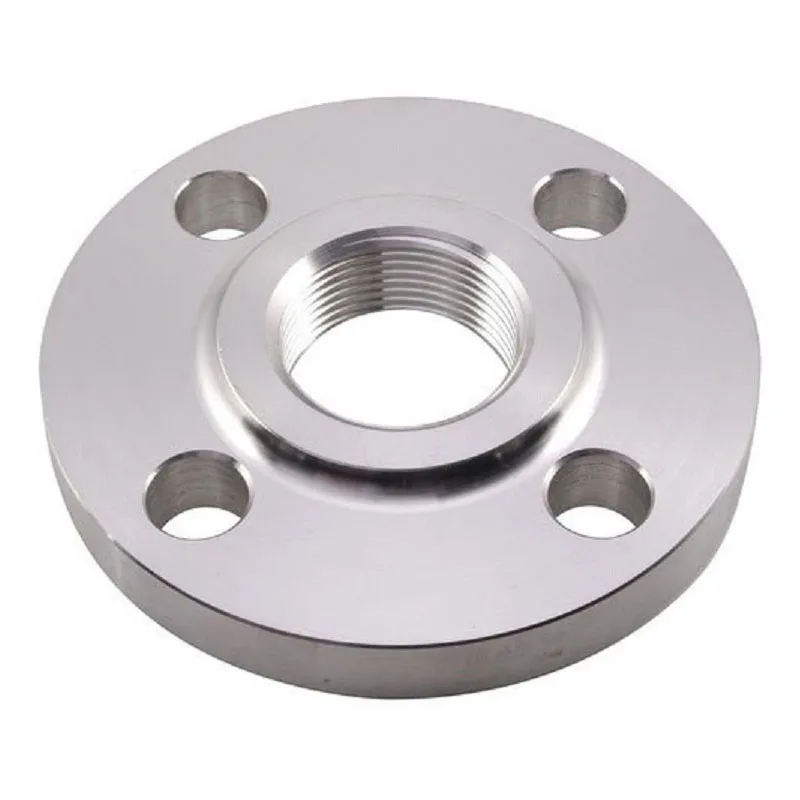 DIN 2566 Threaded flanges PN16
 -
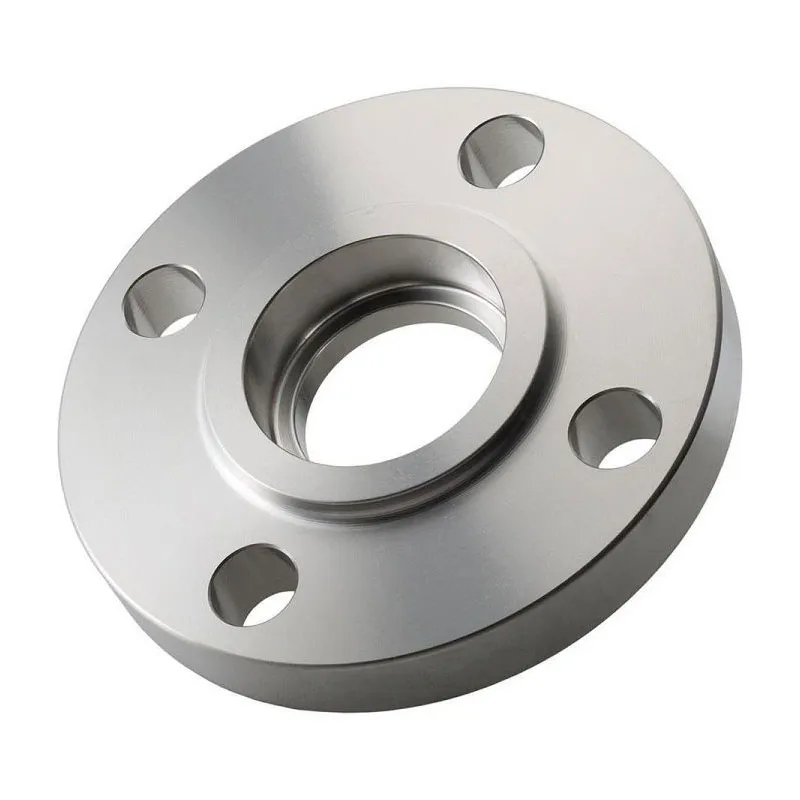 ANSI B16.5 Socket Weld Flanges Class 1500
 -
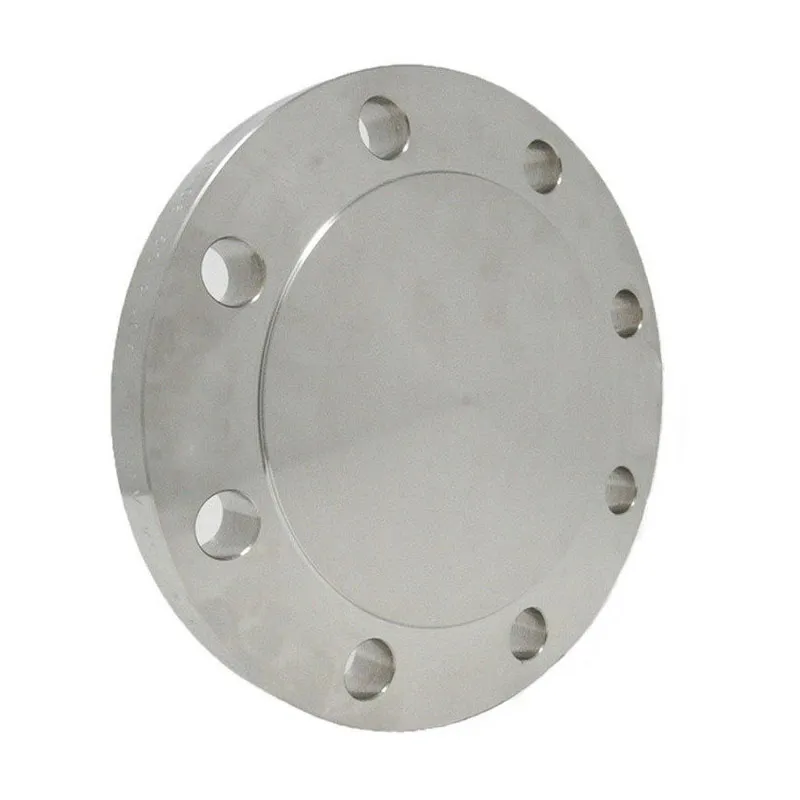 AWWA Blind Flanges Class D (Tables 1, 2, 3)
 -
 EN 1092-1 Threaded flanges Type 15, PN16