
-
-
Phone
+86-13623462298



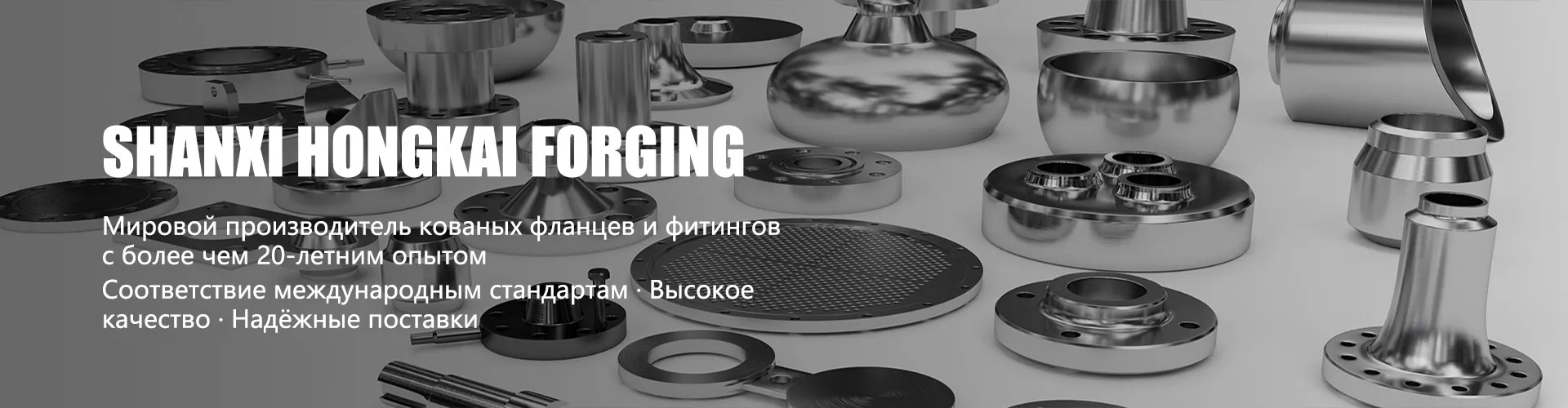
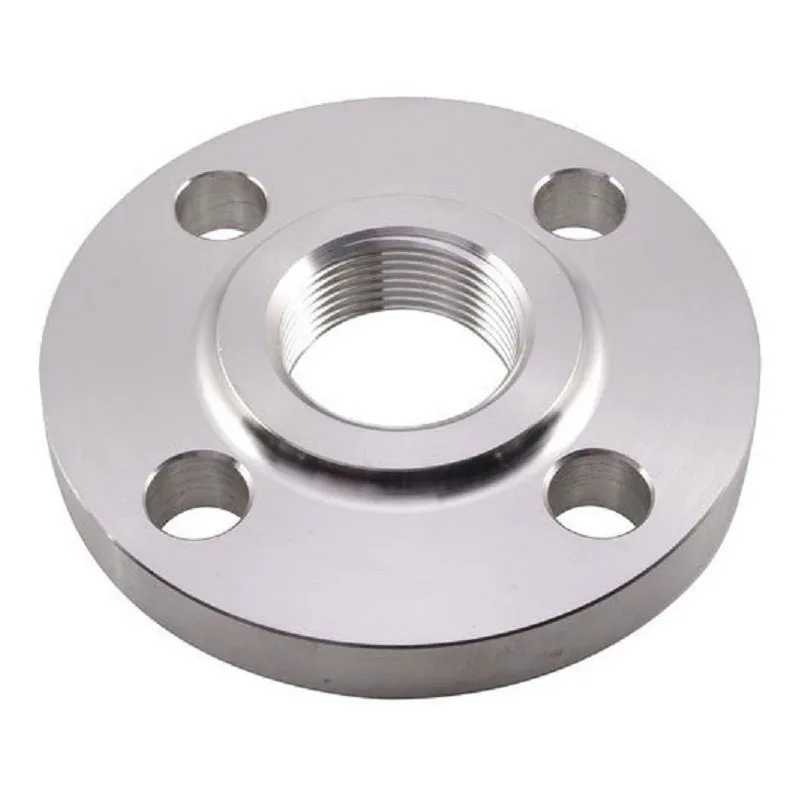
steel flanges DN80
When they talk about steel flanges DN80, many people immediately think - well, it’s a standard thing, what could be complicated about it. But in practice, with this size, subtleties constantly arise that are not spelled out in catalogs. Especially when we are talking about pressure above the conditional PN16 or specific environments. In itself, the nominal diameter of 80 mm is a common size, but the selection of material, type of seal, method of fastening - this is where the margin for error begins.
Why Du80? Practical context
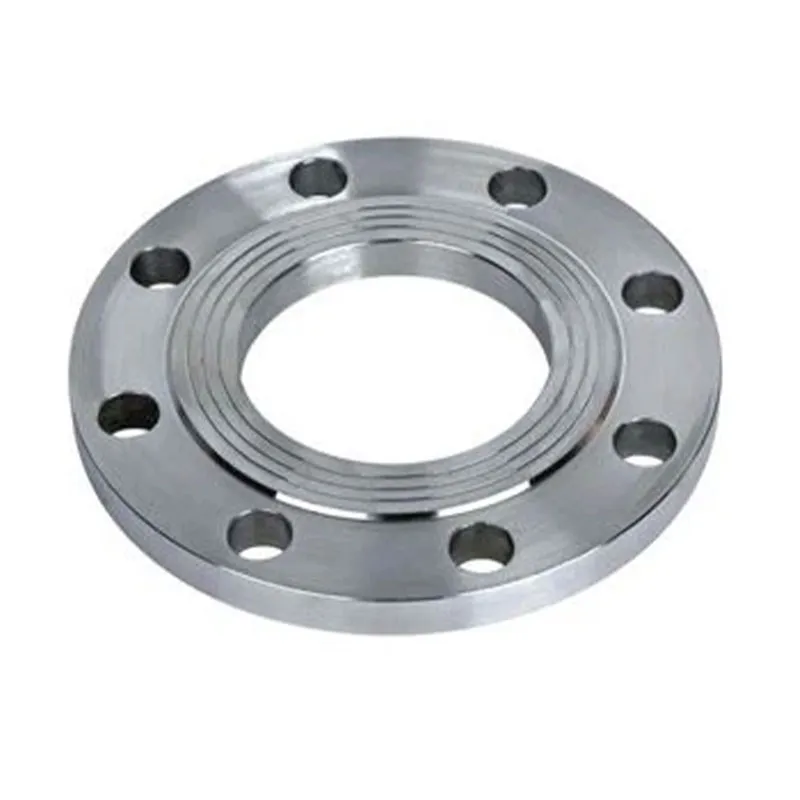
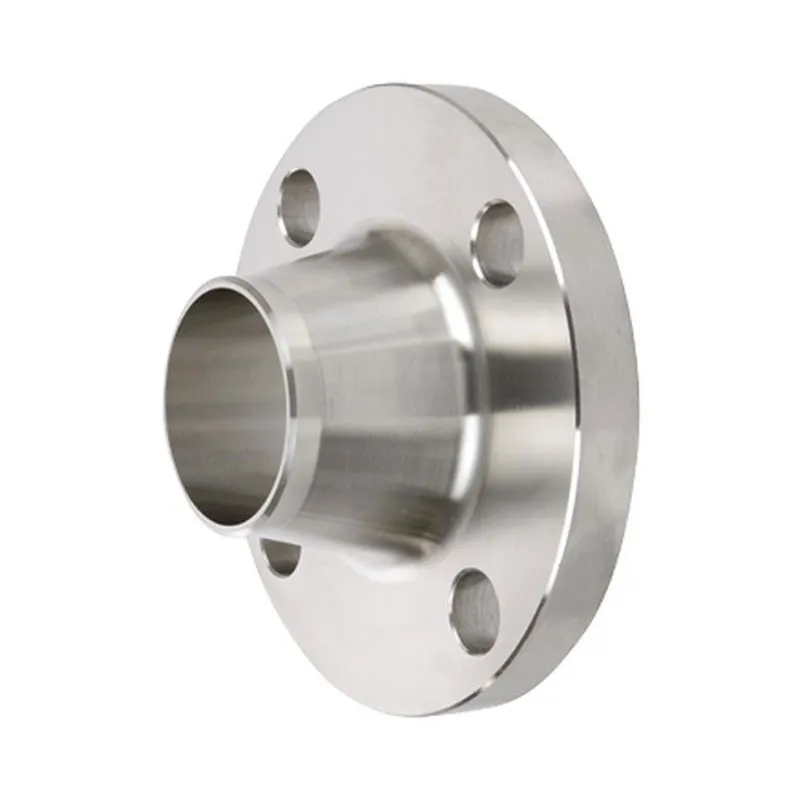
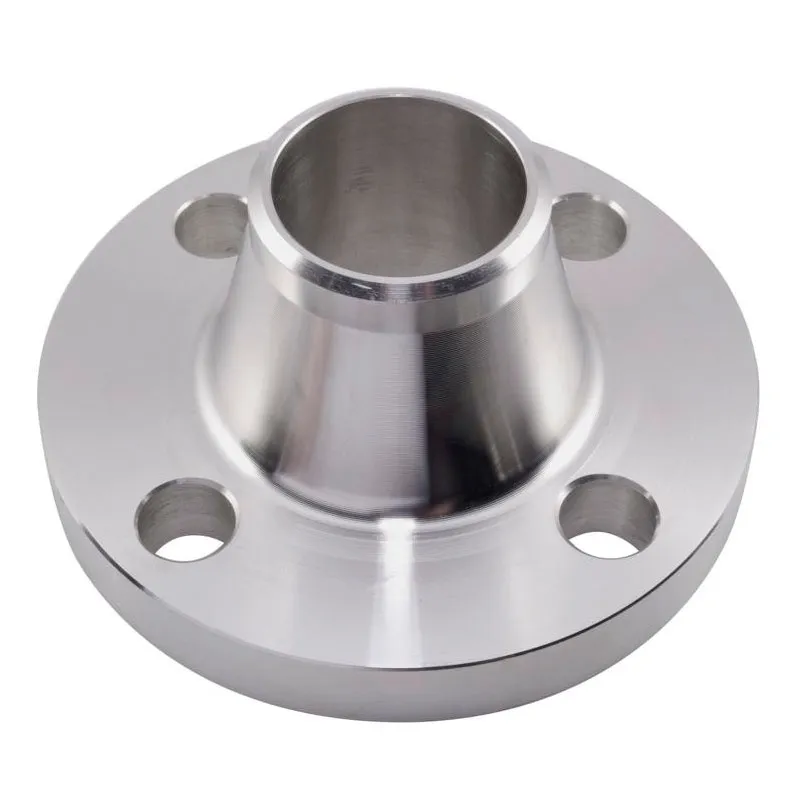
This size is a frequently encountered limit. On medium-pressure pipelines, say, in the same heating plants or at industrial sites of chemical production, up to DN80 they are often installed on threaded or flat flanges, and after that, butt welds are definitely required. But it is on Du80 that they sometimes try to save money by installing a flat flange exactly where it was neededsteel butt weld flange. The difference in installation and, most importantly, in behavior under load is colossal.
I remember an incident during the installation of a pump station piping unit. The customer brought flat flanges to Ru25, arguing that “the pressure in the system will not exceed.” But during hydraulic tests and subsequent thermal expansion, microleaks appeared at the joints. I had to stop, cut, redo. It turned out that vibration from the pump and temperature cycles created variable loads that the flat flange and gasket could handle less well. We switched to end-to-end - the problem went away.
Therefore, for Du80 I always look not only at the pressure according to the passport, but also at the dynamics of the system. If there is vibration, pulsation, frequent heating-cooling cycles, a flat flange, even a steel one, can become a weak link. It's better not to save money here.
Material and standards: not all steel is the same
The standard brand is St20, also known as 20G2S according to our specifications. Fits most general industrial flanges. But if the environment is at least a little aggressive - condensate with sulfur, weak alkalis - then it is better to look towards 09G2S or even 12Х18Н10Т. For Du80 there will be a difference in price, but not catastrophic, and the corrosion resistance margin increases significantly.
I often come across the fact that designers, especially those working on old albums, simply indicate “steel”. And then at the site it turns out that the flanges are made of “black” metal, which after a couple of years in a damp workshop becomes covered with red spots. Now, by the way, many responsible suppliers, like the sameShanxi Hongkai Forging Co.,Ltd(their website ishkflange.ru), they immediately clarify: for what environment? As a manufacturer of forged flanges and forgings, they offer a choice according to GOST, ASME, EN. And these are not just words - I saw their certificates for chemical analysis. For Du80, by the way, they often recommend forging rather than casting, especially for critical components. The argument is compelling: the fibrous structure of the forging provides better mechanical resistance to cyclic loads.
Another point is compliance with standards. The DN80 flange according to GOST 12820-80 and according to ASME B16.5 Class 150 are, in fact, close, but not interchangeable things. Holes for studs, thickness, chamfer radius - little things that can lead to the fact that the assembled unit will not pass acceptance. Therefore, I always require a clear indication of the standard in the specification. The mentioned manufacturer, by the way, makes according to both standards, which is convenient for projects with imported equipment.
Installation and pitfalls
It would seem that it was welded and bolted together - what could go wrong? In practice - a lot. Let's start with welding. Forsteel butt weld flangeDu80, correct cutting of edges and compliance with thermal conditions are critical. Overheating - and residual stress arises, which then, when the medium cools, can lead to a crack in the heat-affected zone. I saw this on a steam pipeline.
The second is centering. Even a slight displacement of the axes of two mating DN80 flanges leads to the gasket working unevenly. At first there is no leak, but after several cycles it appears. This is especially true when installing devices where the flanges are already welded to the pipes at the factory. Then connecting them perfectly is another task.
And the third thing is the puff. Here many people sin 'from the heart', tightening bolts with a powerful impact wrench. And for flange connections DN80, especially for high pressure, controlled torque is needed. Better - with a torque wrench in a 'criss-cross' pattern. Otherwise, distortion is guaranteed. Recently we installed a unit with flanges fromShanxi Hongkai Forging Co.,Ltdon Ru40. So in the product passport there was even a recommended tightening pattern and torque for different brands of bolts. It's a small thing, but it's nice - you can feel that the manufacturer is thinking about the installation.
Non-standard situations and forging
It happens that you need not just a DN80 flange according to GOST, but one with a non-standard thickness, additional holes for impulse lines, or made of a special grade of steel. Here, casting or processing from rolled products is often not suitable. The best option is a forged flange. This is exactly Hunkai Forging’s profile - manufacturing forgings according to customer drawings.
Worked with their custom products for a pilot plant. What was needed was a DN80 flange, but with a mounting diameter increased to 95 mm for a special seal and made of 13HFA steel. Made to order. The quality of the forging was at the level - the macrosection showed a uniform structure without cavities. This is important, because when machining a non-standard profile, internal defects can then “come out” from a low-quality workpiece.
Therefore, for critical applications, even for such a seemingly simple size as DN80, I now always consider forging as an option. Yes, it takes longer and perhaps more expensive, but connection reliability is not something you should skimp on. Especially when you consider the possible costs of downtime and repairs in the event of a failure of the standard connection.
Instead of a conclusion: simple advice on choosing
So, to summarize my experiencesteel flanges DN80. First, don't focus only on diameter and pressure. Assess the environment, dynamic loads, temperature graph. Second, require the supplier to clearly indicate the material and standard. And third, for non-standard conditions, do not be afraid to order products according to drawings from trusted manufacturers who work with forgings.
I myself often look towards specialized factories, such as the one mentionedShanxi Hongkai Forging Co.,Ltd. Their profile is forged flanges, and this already indicates a potentially higher class of products for critical components. On their website you can see that they have a wide range of sizes - from DN15 right up to 4000, but this does not mean that they take a careless approach to small sizes. For the same DN80, judging by the description, they have all the main types: butt welded, flat, free. This is convenient when you need to assemble a kit for one system from one supplier.
In general, it’s a flange and a flange in Africa, but the little things matter. Especially in our work.
Correspondingproducts
Related Products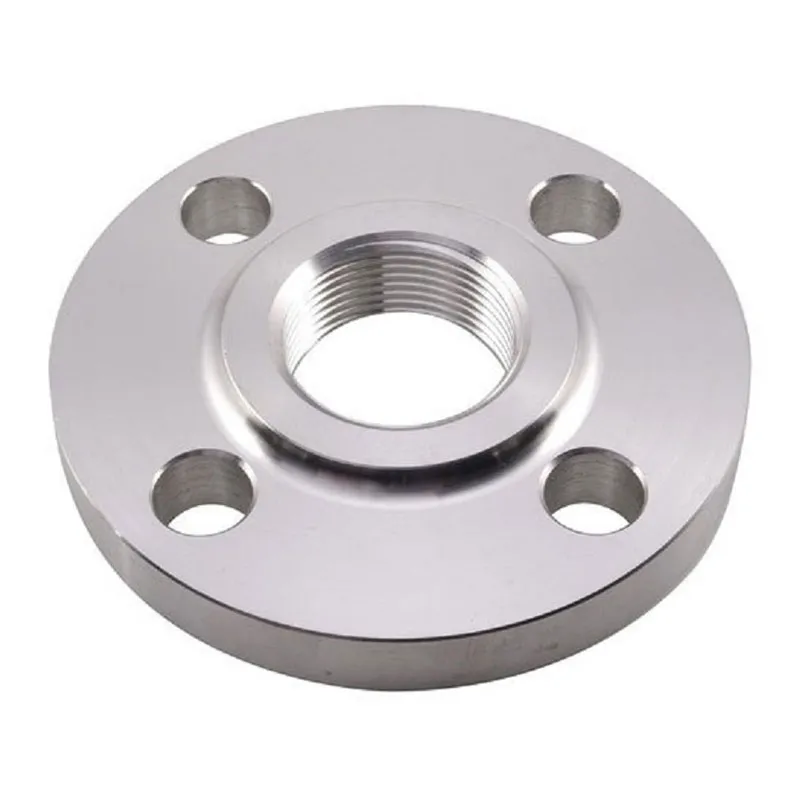
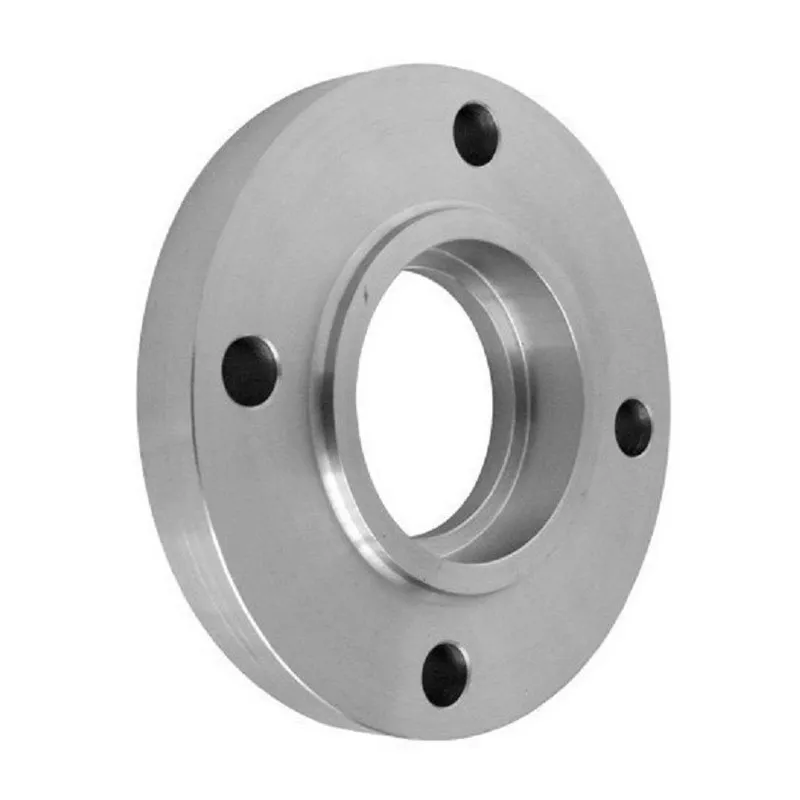
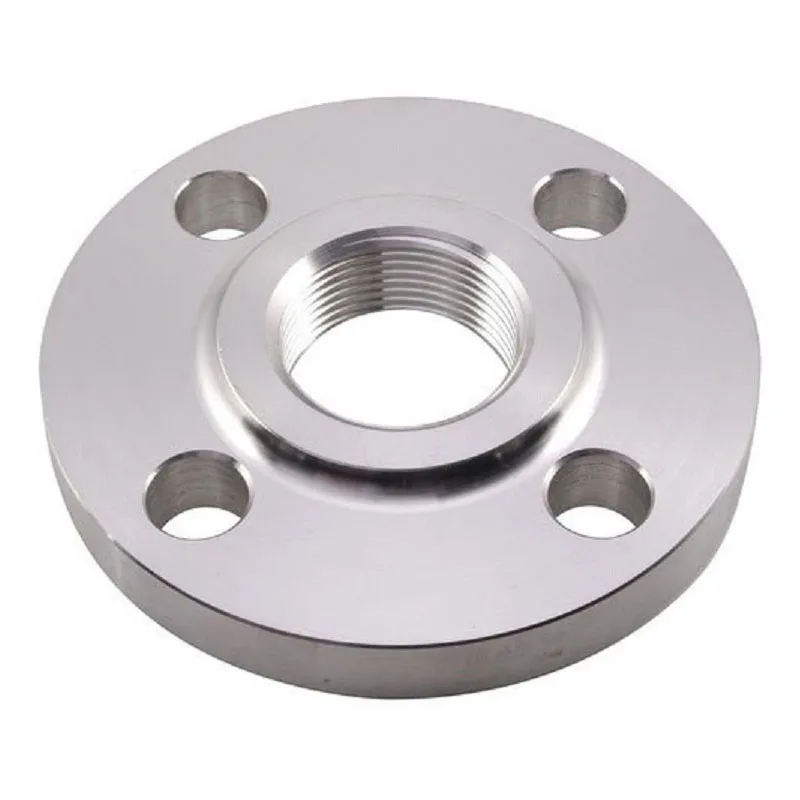
Best Sellingproducts
Best Selling Products-
 Butt weld flanges Class 150
 -
 Ser.A Butt Weld Flanges Class 400
 -
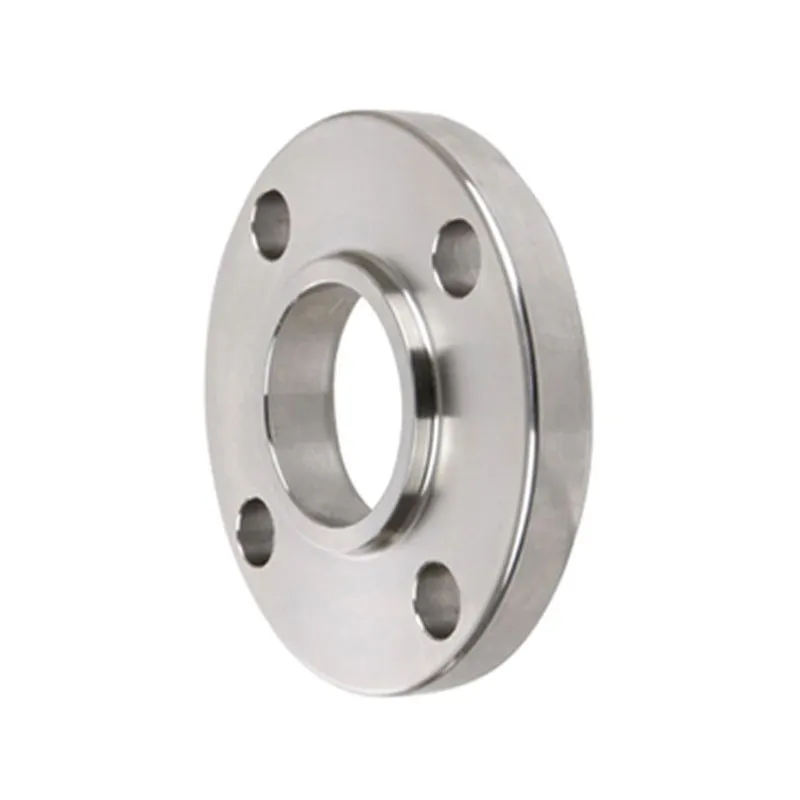 ANSI B16.5 Lap-on flanges Class 300
 -
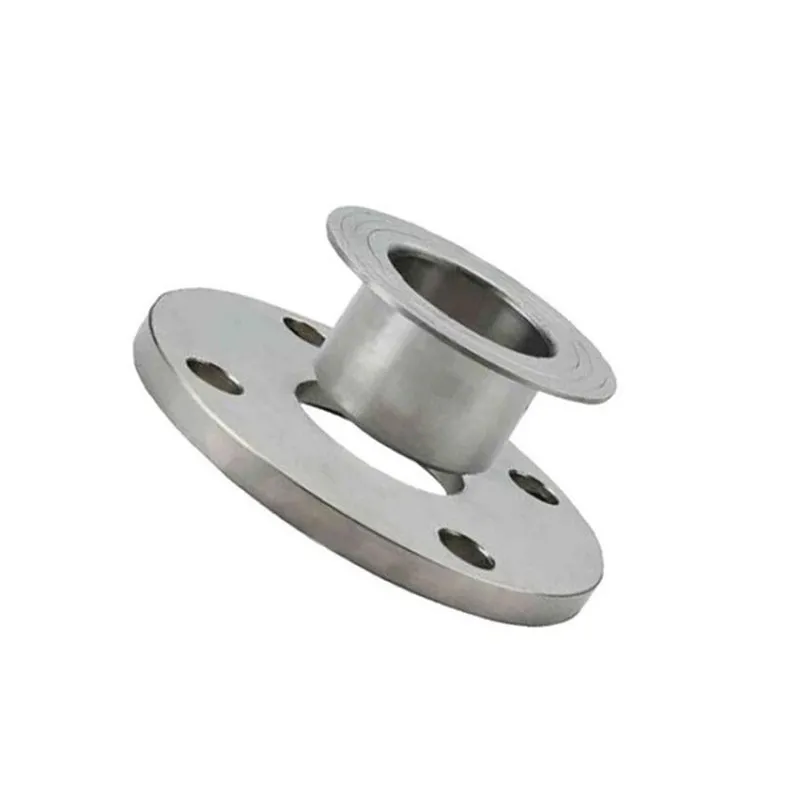 JIS 10K Loose Ring Flanges
 -
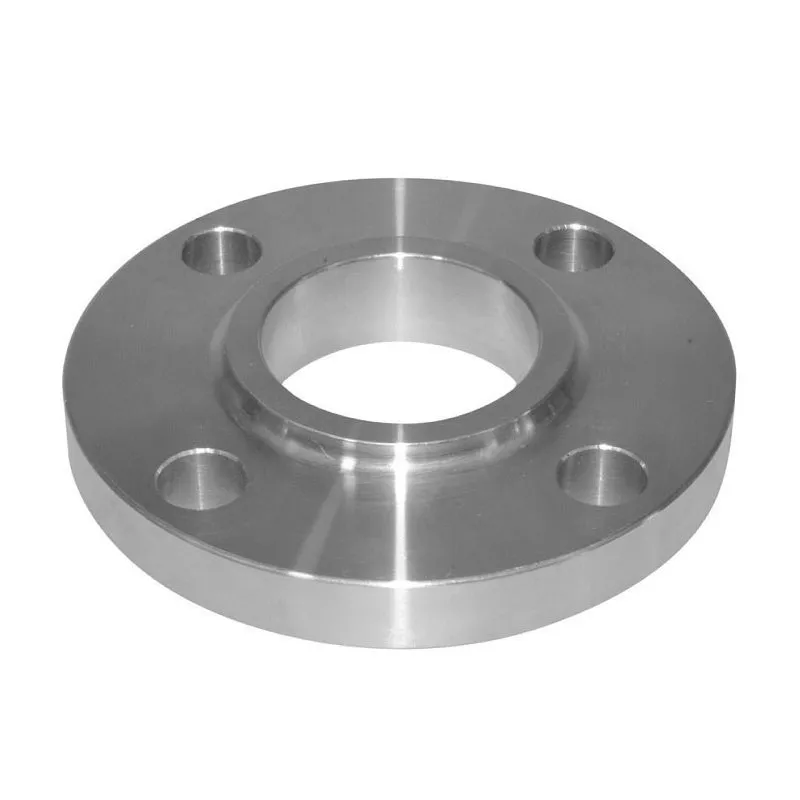 ANSI B16.5 Lap-on flanges Class 1500
 -
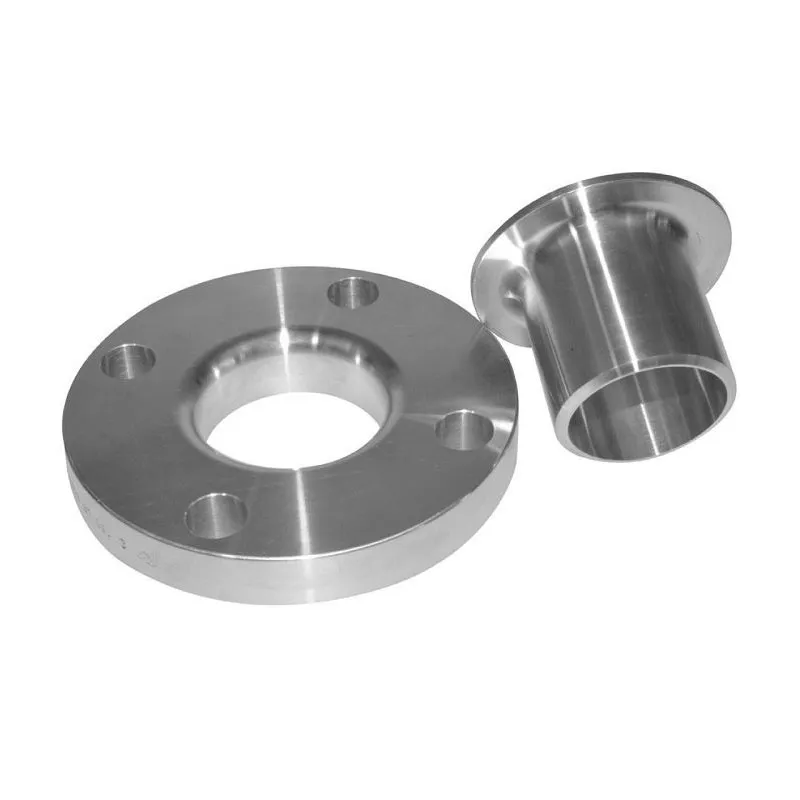 ANSI B16.5 Loose Ring Flanges Class 2500
 -
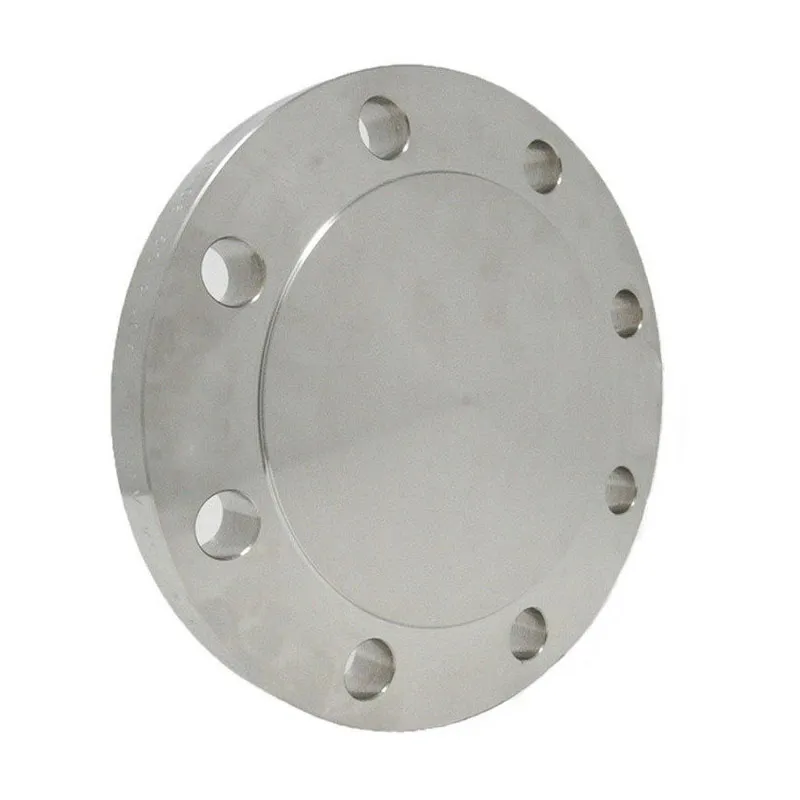 Blind flanges Class 150
 -
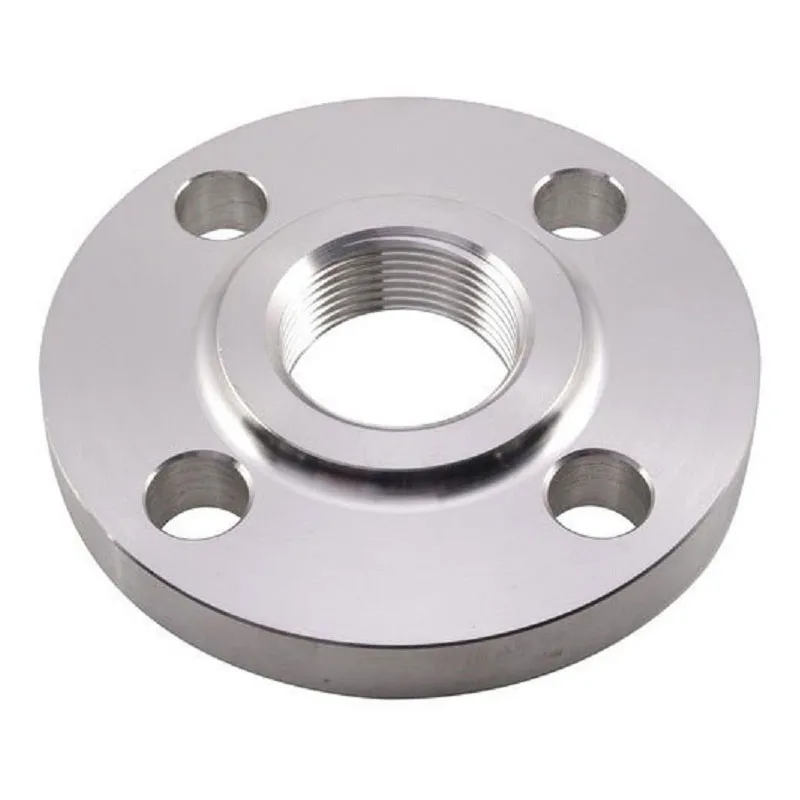 EN 1092-1 Threaded flanges Type 15, PN16
 -
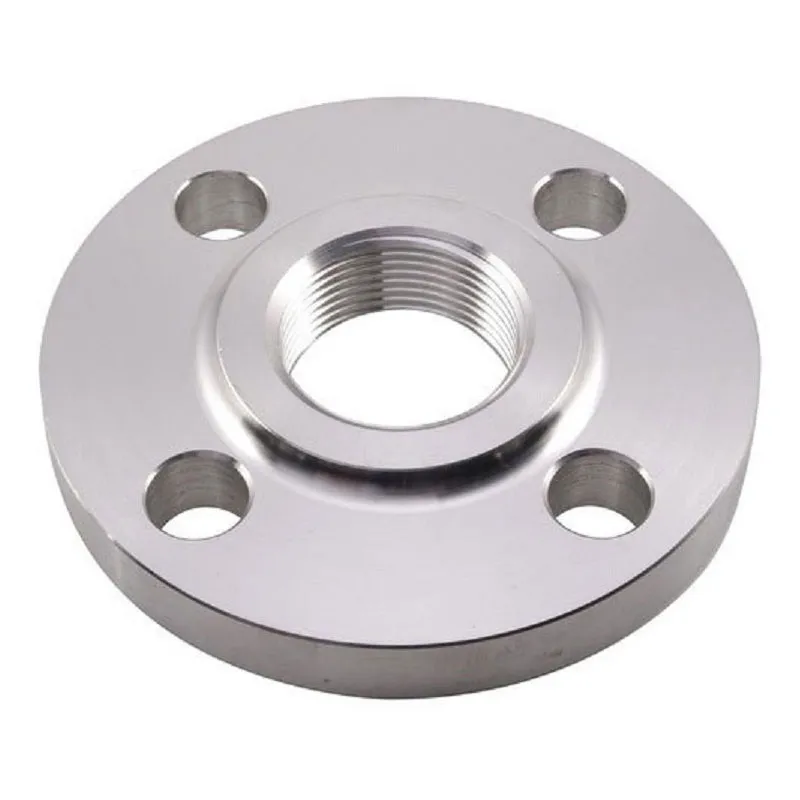 DIN 2565 Threaded flanges PN6
 -
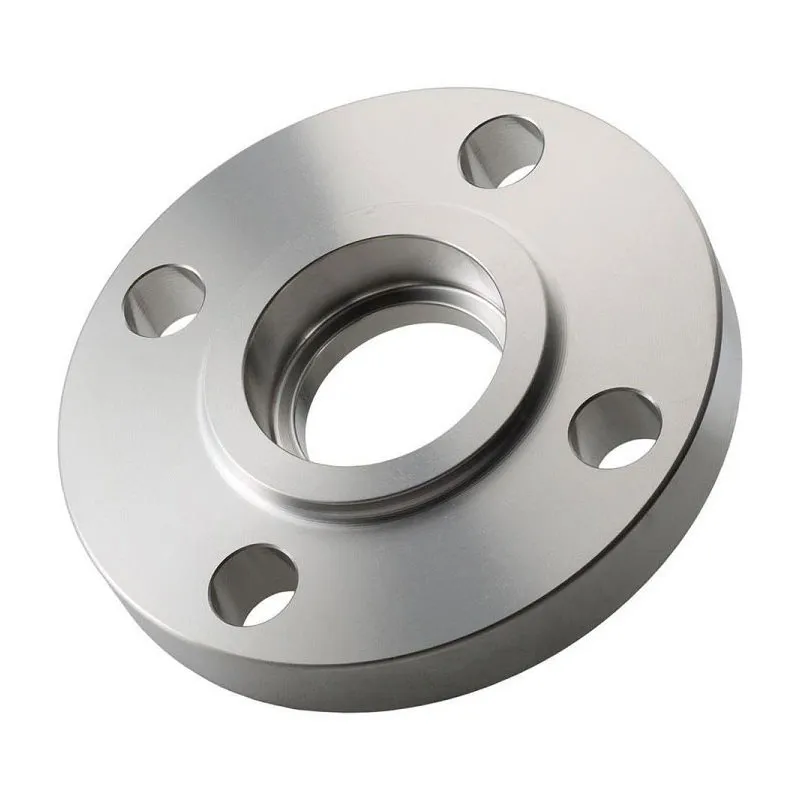 Flanges for socket welding
 -
 Butt weld flanges Class 900
 -
 ANSI B16.5 Socket Weld Flanges Class 150