
-
-
Phone
+86-13623462298



GOST 12815 steel flange
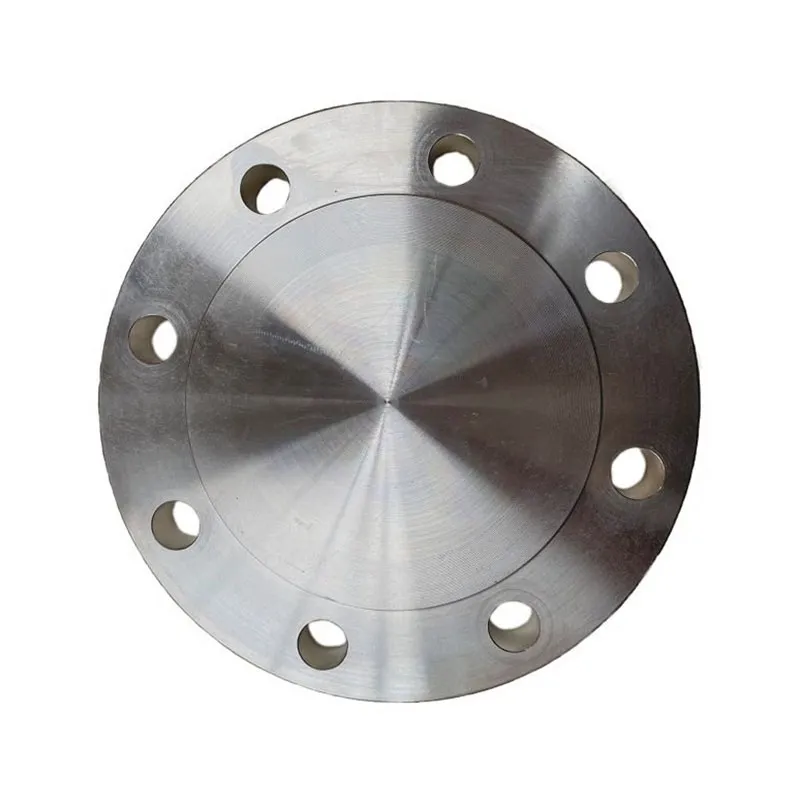
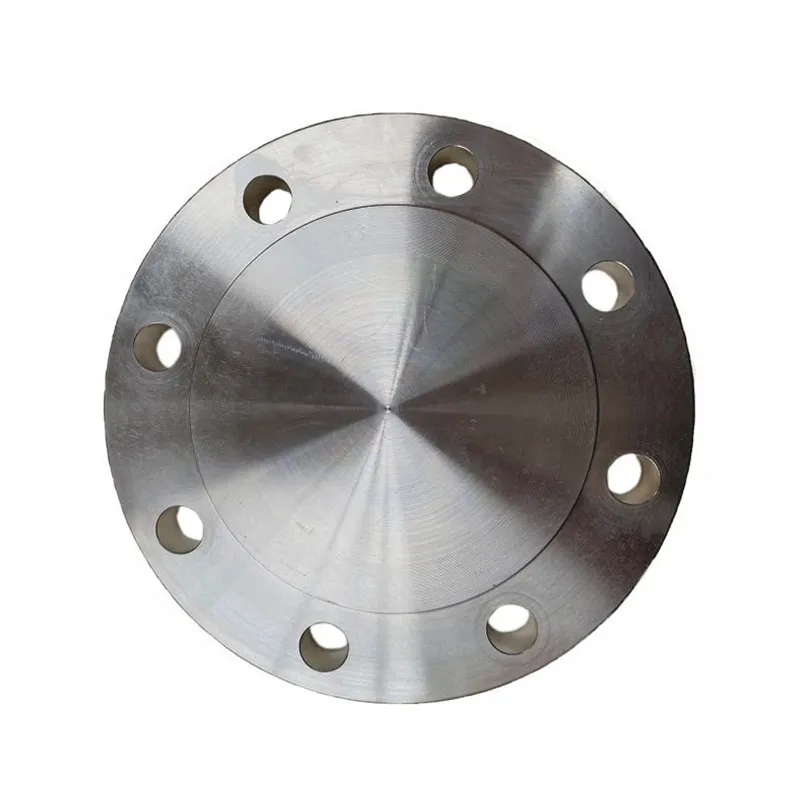
When you hear “GOST 12815 steel flange,” the first thing that comes to mind is, of course, a flat flange. But here lies the first pitfall, which many people forget about. The standard contains types 01 and 02 for a reason - for Ru 0.1-2.5 MPa and for Ru 0.1-1.6 MPa. The difference is in the thickness and design of the collar for the gasket. How many times have I seen how in a warehouse or, worse, during installation, these designs were confused, trying to tighten a connection designed for lower pressure. The result is leakage or even damage to the gasket already at the tightening stage. It would seem like a small thing, but it is precisely these little things that make up the reliability of the unit.
Not just numbers in a table: geometry and material
The main misconception is to believe that if the drawing indicatesGOST 12815, then any steel flange suitable in diameter and pressure will do. In fact, the key thing is the material of execution. Steel St20, 09G2S, 12Х18Н10Т is not just a marking, it is different weldability, resistance to temperature and aggressive environments. I remember an incident at one thermal power plant, where out of habit they used St20 flanges for a low-pressure steam pipeline. And the environment turned out to be with periodic condensation emissions, in fact, weakly acidic. After a year and a half - corrosion pits along the perimeter of the joint. We switched to 09G2S - the problem went away. Conclusion: the standard sets the form, but the choice of steel grade is the responsibility of the engineer, based on actual working conditions.
Another nuance is the quality of the surface for the gasket. GOST has roughness parameters, but how is this controlled in production? At the samesteel flangebutt-welded (which is also in the product range of many, for example, the manufacturer Shanxi Hongkai Forging LLC), the working surface must be processed without scoring or marks. You can't always tell by eye. We once received a batch where some of the flanges had barely noticeable concentric marks from processing. Accepted and installed. And during pressure testing in cold water, they leaked precisely because of these micro-risks. I had to dismantle everything and finish the surfaces manually. Now we always look through a magnifying glass.
And the sizes... It seems that table values are sacred. But there is such a moment as a “plus” moment. thickness tolerance. The manufacturer, saving metal, often works at the lower limit. This is legal, but for a designer who has calculated the rigidity of a flange pair with a margin, it may come as a surprise. Especially under high loads. Therefore, at responsible sites we always request an actual certificate with dimensions, and not just a passport of compliance with the standard.
From drawing to warehouse: logistics and compatibility
When working with different equipment, you are often faced with the need to join flanges according toGOST 12815with fittings for other standards - DIN, EN. The main headache here is matching the mounting diameter, number and diameter of holes for the studs. The Russian standard and the European standard may have a slight difference in bolt pattern, a couple of millimeters. And it may not be noticed in the specification. The result is that the studs do not fit, or they fit with tension, distorting the flange. You have to either drill out (which weakens the structure) or order adapter flanges. Some suppliers, like Shanxi Hongkai Forging LLC, which work according to both GOST and international standards, often offer to immediately check compatibility using their catalogs - a very useful practice that saves time on site.
Regarding logistics. Steel flanges, especially large diameters (DN500 and above), are not a box of bolts. Their geometry poses a risk of deformation during transportation. A perfectly straight flange can come with a “figure eight”. Checking for flatness is required upon acceptance. A simple method is a metal ruler and a feeler gauge. If the gap is visible, it’s immediately defective. You shouldn’t hope that he will be “pressed” during installation. This is a guaranteed leak.
Storage on a construction site is a different story. You can't just throw them in a stack. We need gaskets between the products, protection of the threads of the studs (if they are already screwed in) and protection of the sealing surfaces from dirt and impacts. I saw how new flanges, after lying in the open air for the winter, became covered with a layer of scale on these most critical surfaces. It was almost impossible to clean it to the desired roughness afterwards.
Welding and installation: where theory diverges from practice
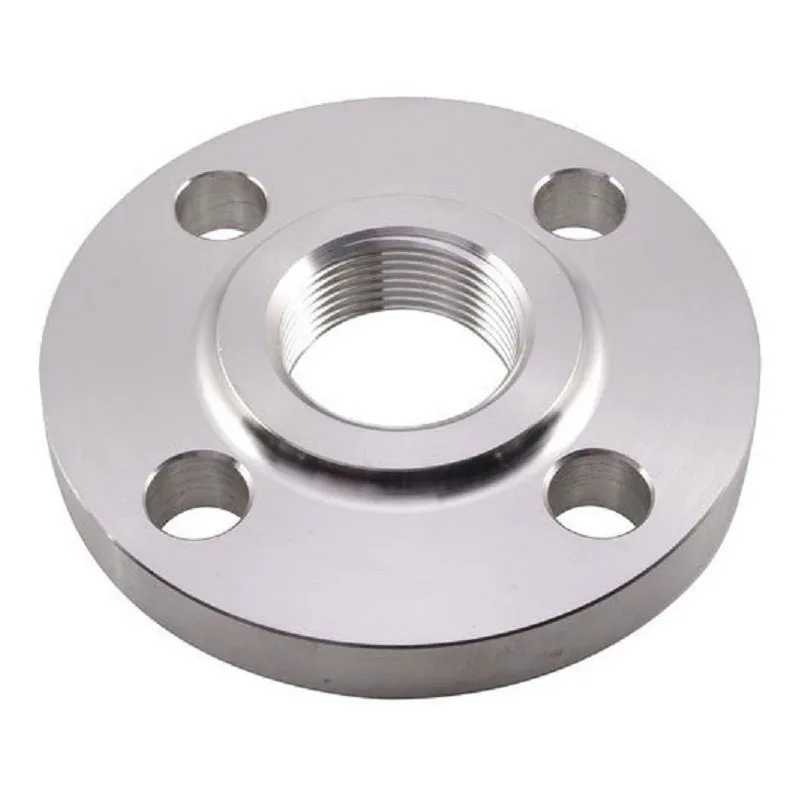
Welding flatsteel flangeto the pipe - it seems to be one of the simplest operations. But this is where hidden defects most often lie. The main mistake is incorrect clearance between the pipe and the internal hole of the flange. If the gap is too small, lack of fusion may occur when the root of the weld is welded. Too large - there is a high risk of burnout and increased internal stress. GOST gives tolerances, but the welder on site must see and control them. Best practice is to use jigs or centering jigs, especially for larger diameter flanges.
Heat input during welding is something that is rarely written about in flange instructions, but which any experienced craftsman shouts about. Excessive heating can lead to flange, violating the flatness. This is especially critical for thin flanges for low pressure. Therefore, you need to cook with intermittent seams, with cooling, and ideally with rigid fastening of the product. After welding, a runout check is required.
What is the sequence for tightening the studs? Crosswise, from the center to the edges, in several passes with a gradual increase in torque. Everyone knows this axiom. But in practice, when you need to tighten a couple of dozen flange connections at a height, in cramped spaces, they often start pulling “in a circle?” or immediately with a torque wrench at full torque. The result is misalignment, uneven pressure on the gasket and, as a result, potential leakage during startup. Controlling the tightening torque is not a whim, but a necessity.
Non-standard situations and working with the manufacturer
It happens that the typicalGOST 12815 steel flangedoesn't fit. Unusual pressure, extreme temperature, unusual environment. Then the solution is manufacturing according to the drawings. It is important to understand that not every plant will undertake this. You need to look for manufacturers with developed forging and pressing production, who can work with forgings, and not just cut from sheets. Just companies like the mentioned Shanxi Hongkai Forging LLC. with their basic forged profile, they are often more flexible in this regard. They can forge the workpiece to specific parameters, providing better direction of the metal fibers and, as a result, higher strength than a flange cut from rolled stock.
When ordering a non-standard product, detailed development of the technical specifications is critical. It is not enough to say “you need a DN600 flange, but thicker?”. It is necessary to indicate the exact grade of steel, operating and design temperature, the nature of the environment, the type of welded joint with which it will be joined, requirements for heat treatment after welding (if necessary). Once we missed the point about the need for subsequent normalization after welding the flange to a thick-walled manifold. As a result, high residual stresses remained in the heat-affected zone, which led to a crack after a year of operation in cyclic mode.
Working with a manufacturer is a dialogue. A good supplier will not just sell you a product according to the drawing, but will ask clarifying questions about the application. Can advise on a more suitable steel grade or optimal collar design. This is more valuable than a 5% discount. The manufacturer’s website, for example, https://www.hkflange.ru, in this case becomes not just a showcase, but a source of technical information on production standards and capabilities, which is extremely useful for an engineer.
Instead of a conclusion: a thought on the results of the day
So what is itGOST 12815for a practitioner? This is not a dogma, but a good, time-tested framework. But its filling - with material, workmanship, installation accuracy - is already the responsibility of everyone involved in the process: from the designer and production technologist to the supplier, site engineer and installer. The most perfect standard will not save you from manufacturing defects or negligence during installation. Conversely, understanding the spirit of the standard, its strengths and weaknesses, allows you to apply it flexibly and effectively, and, if necessary, to intelligently deviate from it towards special solutions. The main thing is to remember that behind the abbreviation and numbers there is a real unit that should work flawlessly for years.
Correspondingproducts
Related Products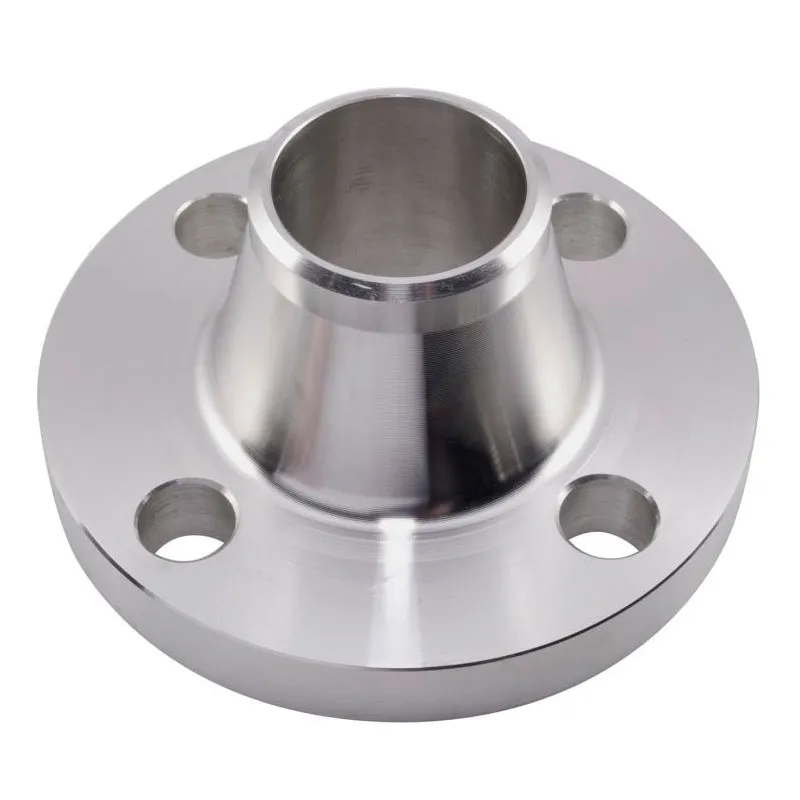
Best Sellingproducts
Best Selling Products-
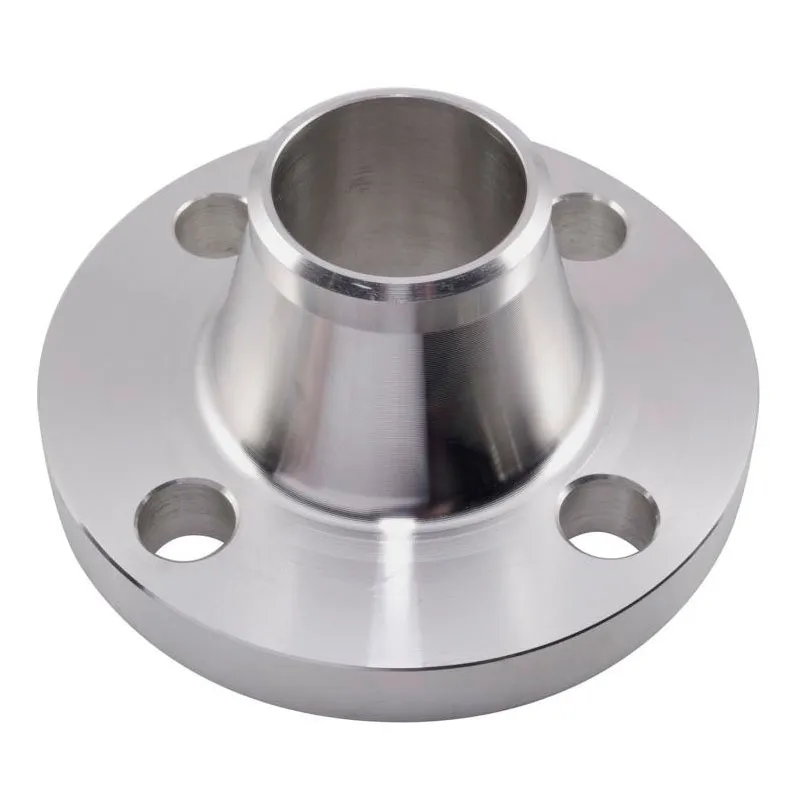 DIN Butt weld flanges PN10
 -
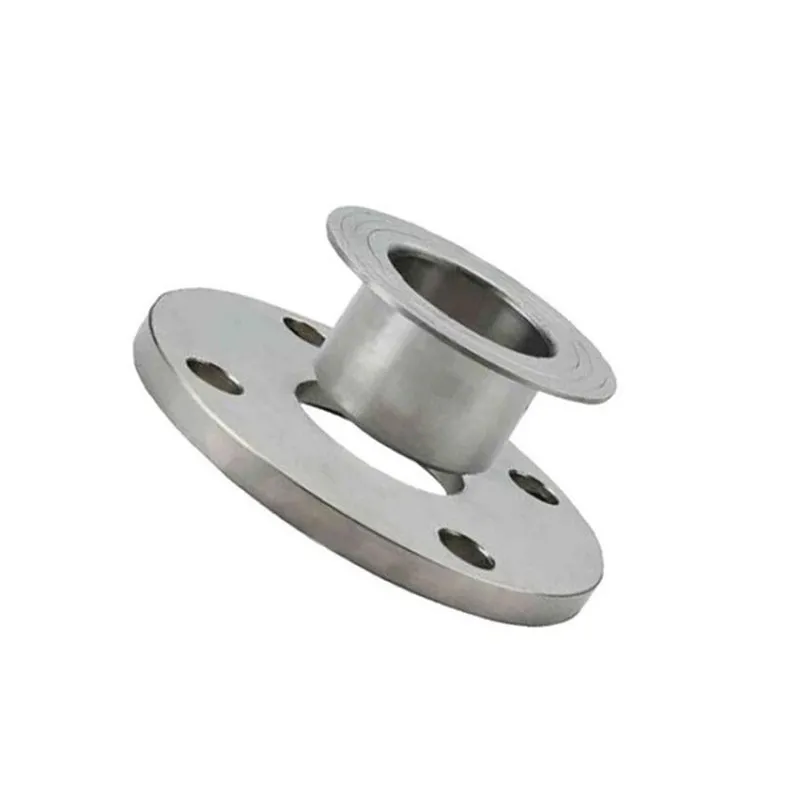 JIS 10K Loose Ring Flanges
 -
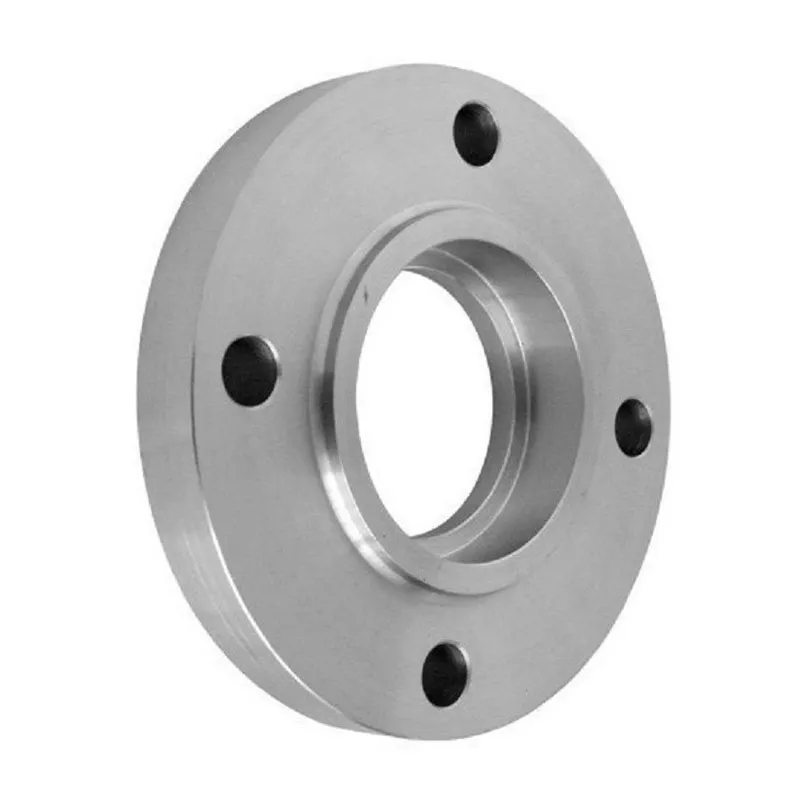 Socket Weld Flanges Class 300
 -
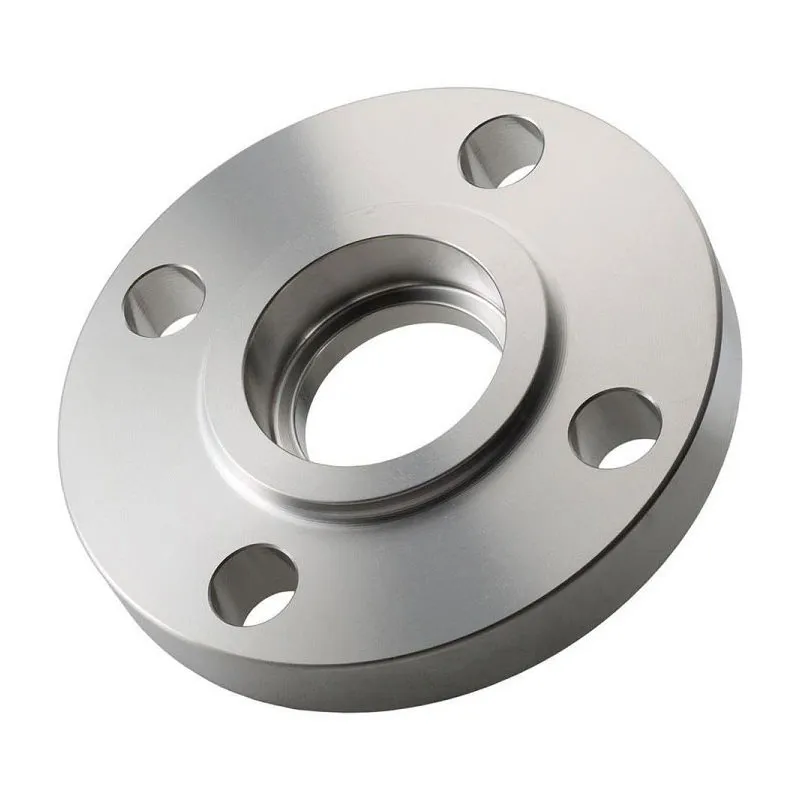 Flanges for socket welding
 -
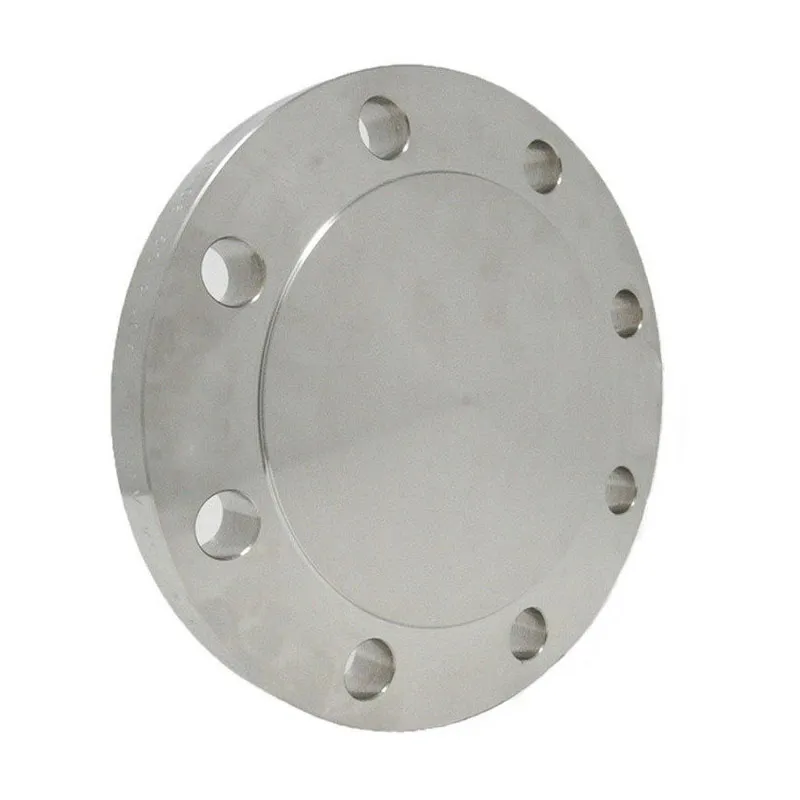 AWWA Blind Flanges Class D (Tables 1, 2, 3)
 -
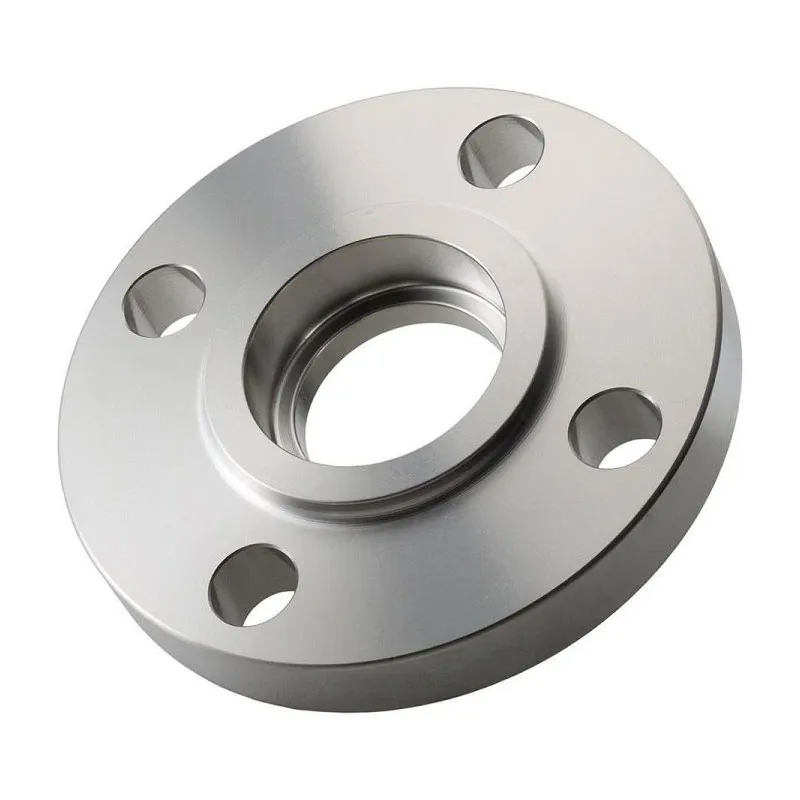 ANSI B16.5 Socket Weld Flanges Class 150
 -
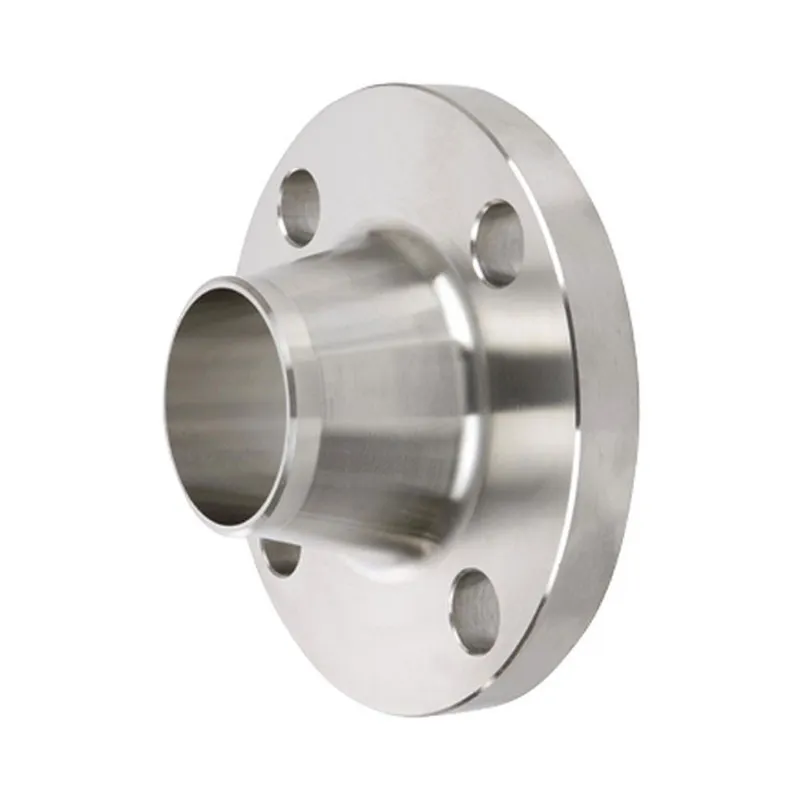 EN 1092-1 Butt weld flanges Type 11, PN25
 -
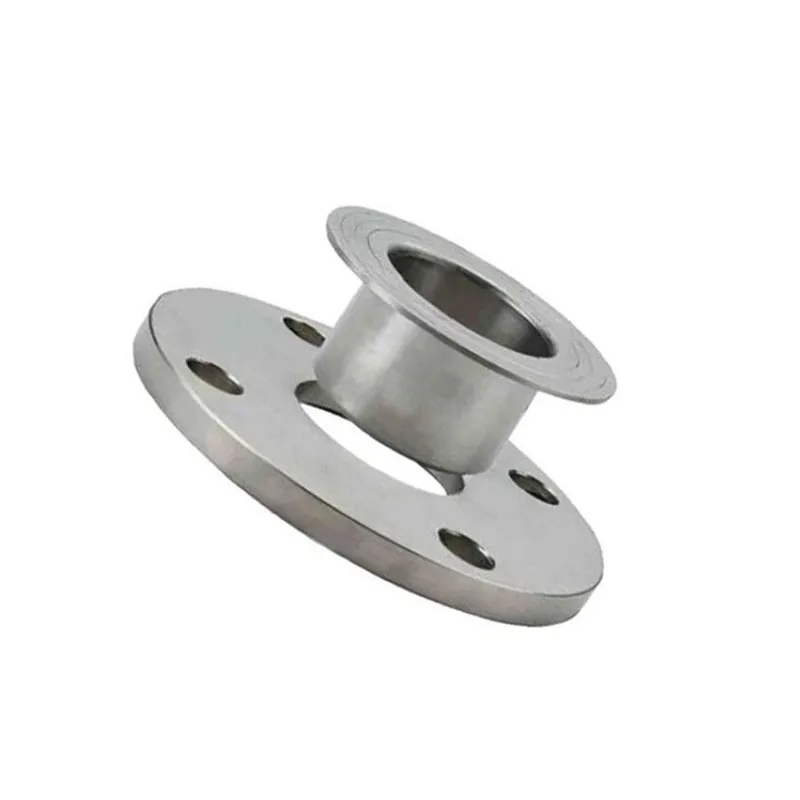 Free ring flanges Class 400
 -
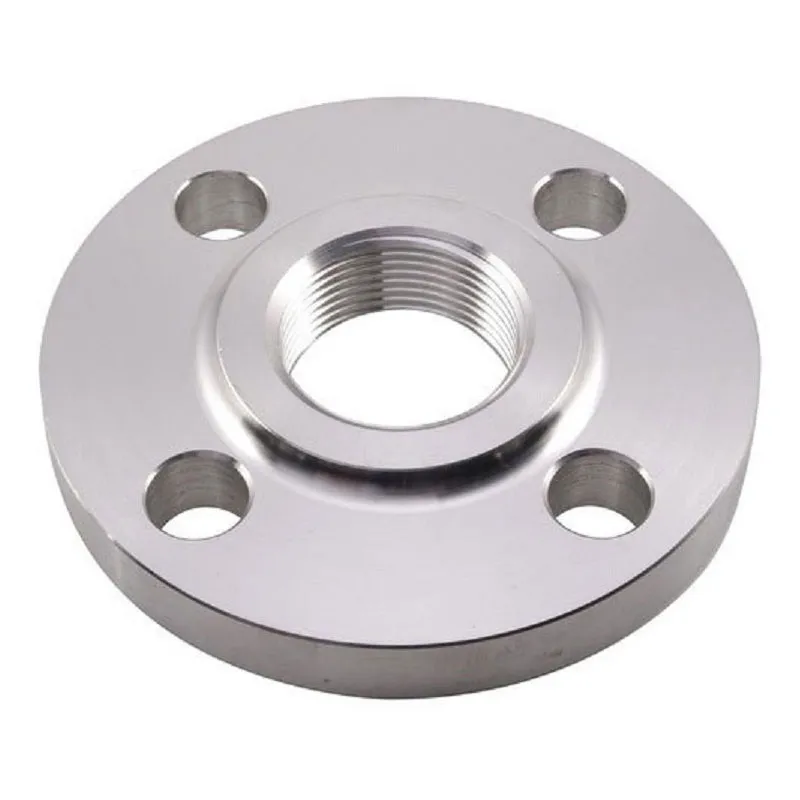 DIN 2565 Threaded flanges PN6
 -
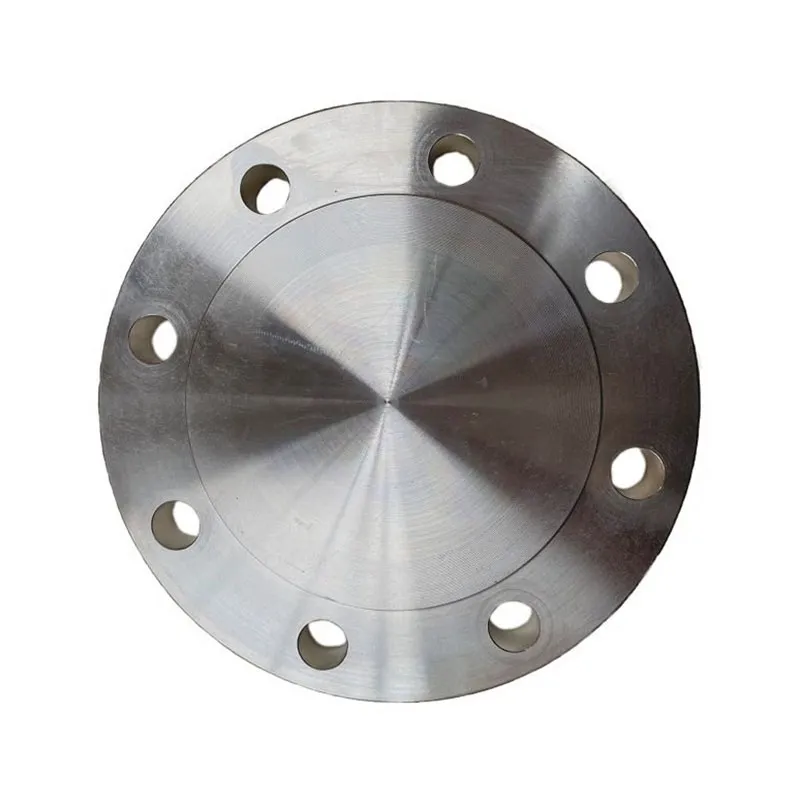 ASME B16.47 Ser.A Blind Flanges Class 400
 -
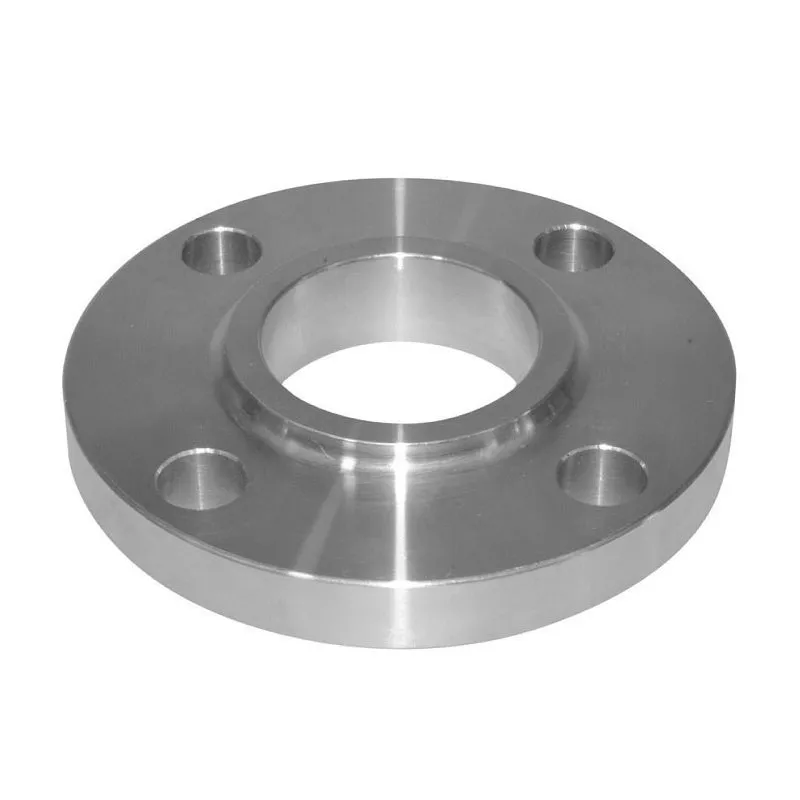 ANSI B16.5 Lap-on flanges Class 1500
 -
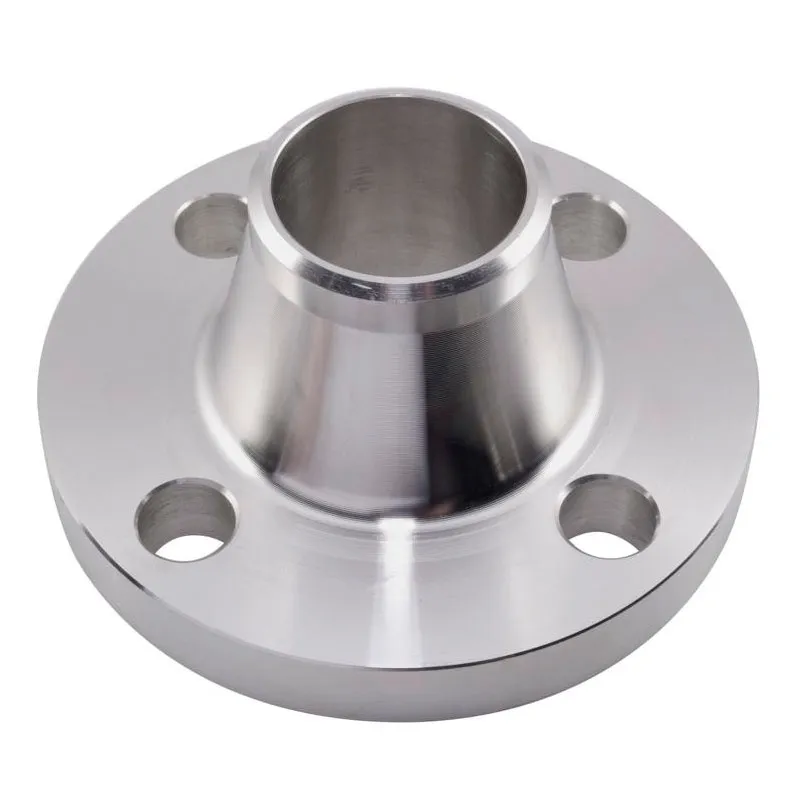 Butt weld flanges Class 900