
-
-
Phone
+86-13623462298




Products
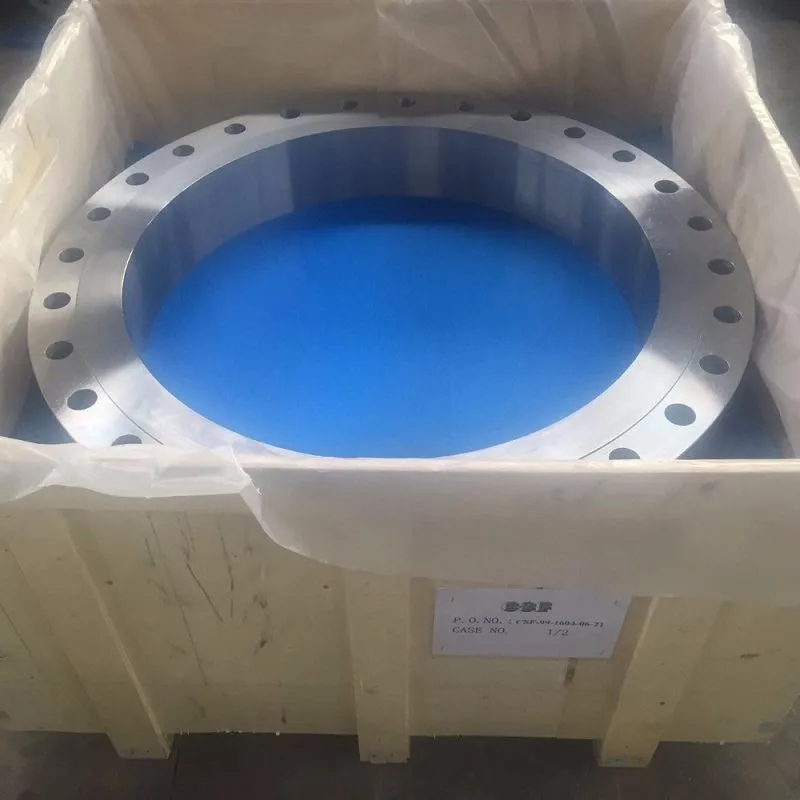
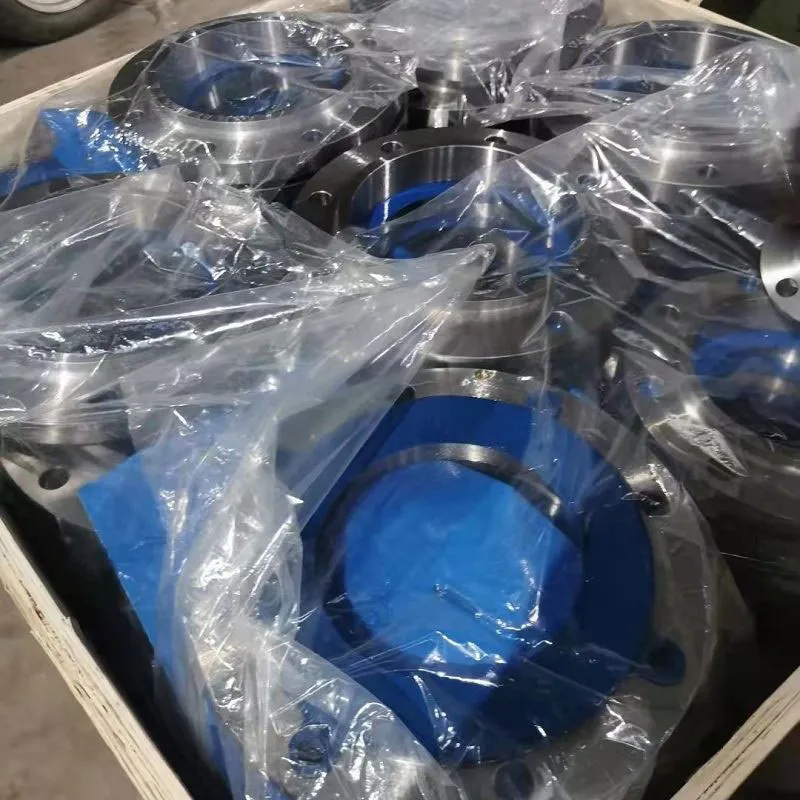
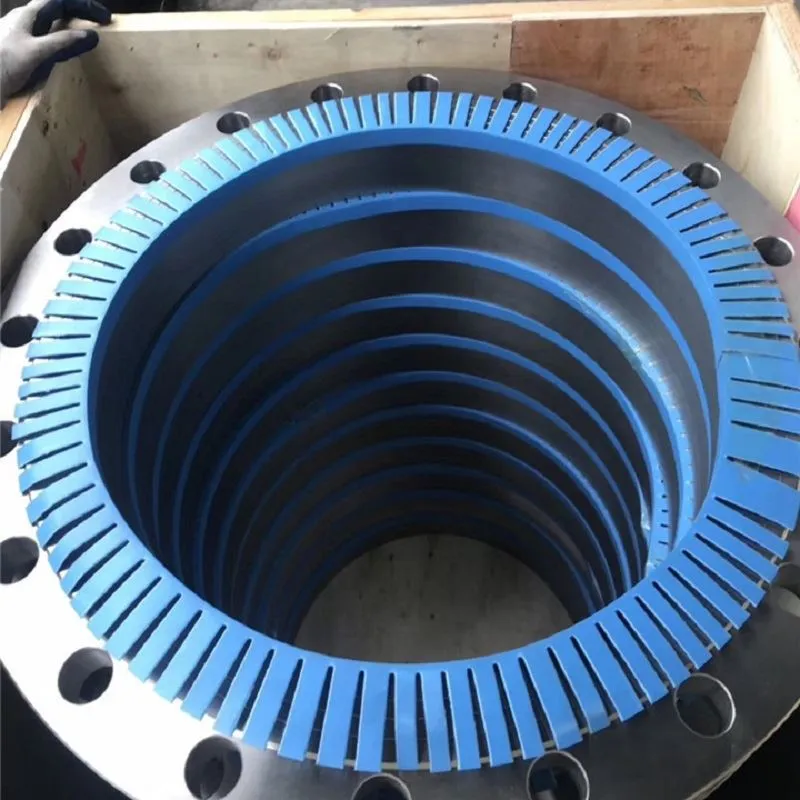
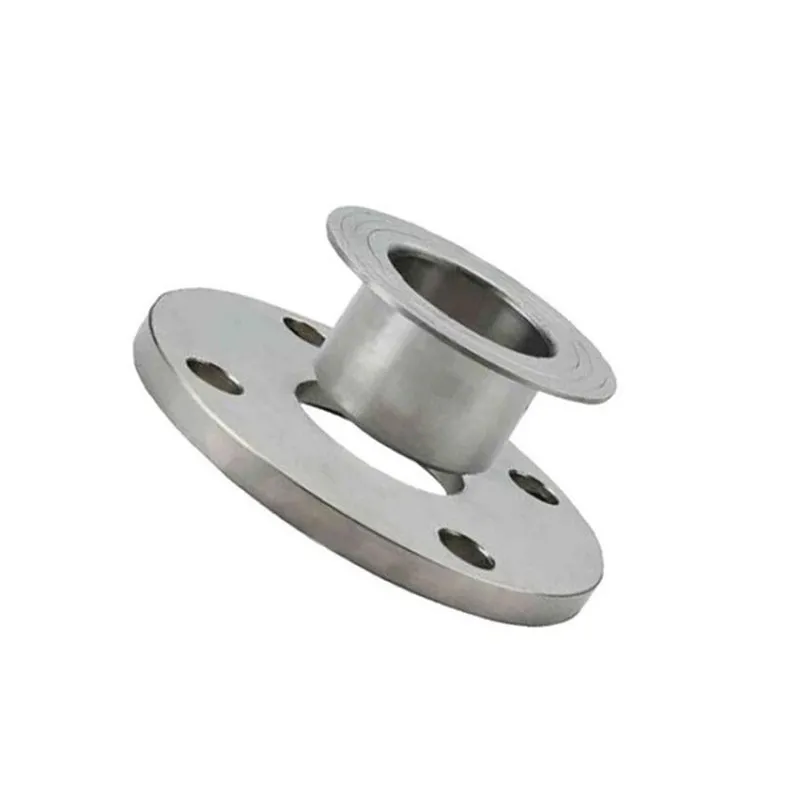
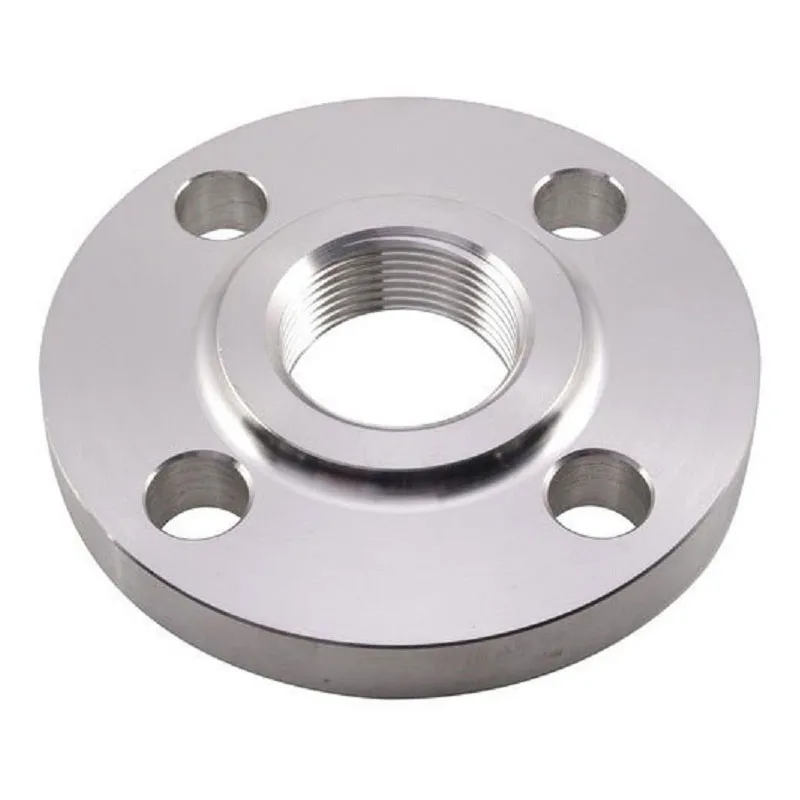
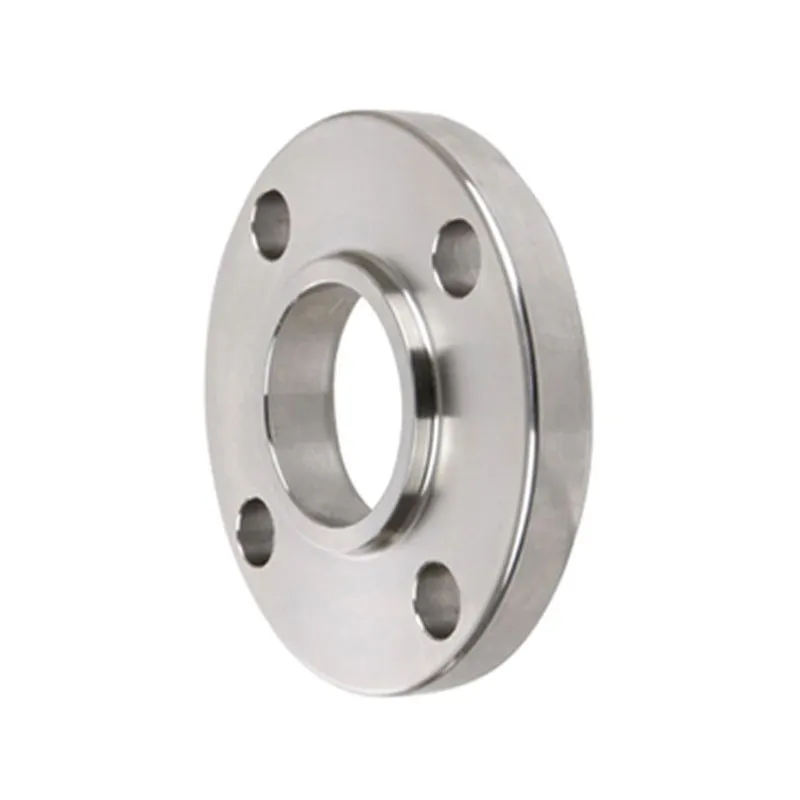
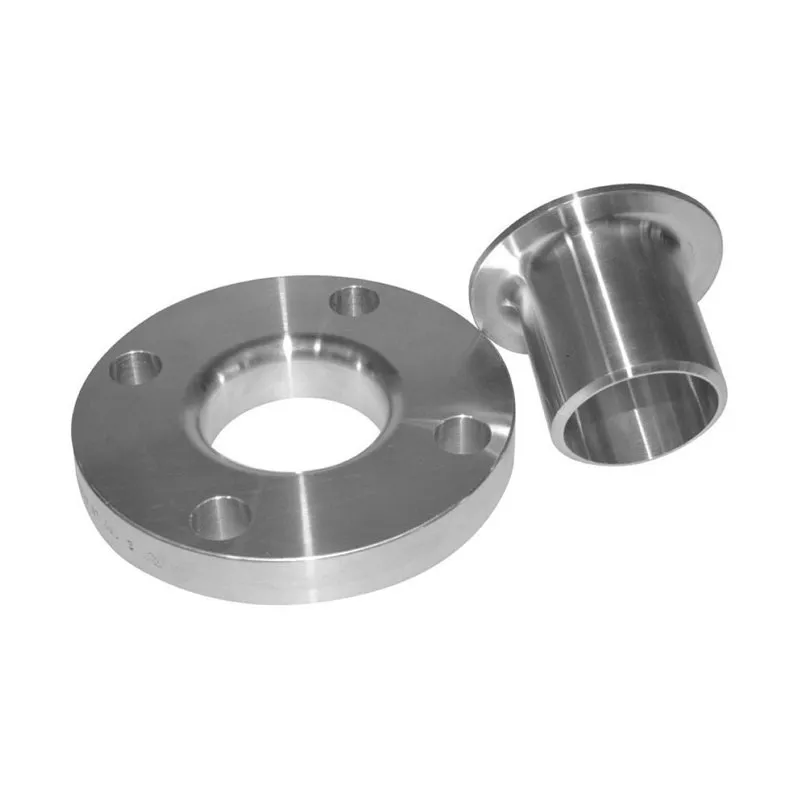
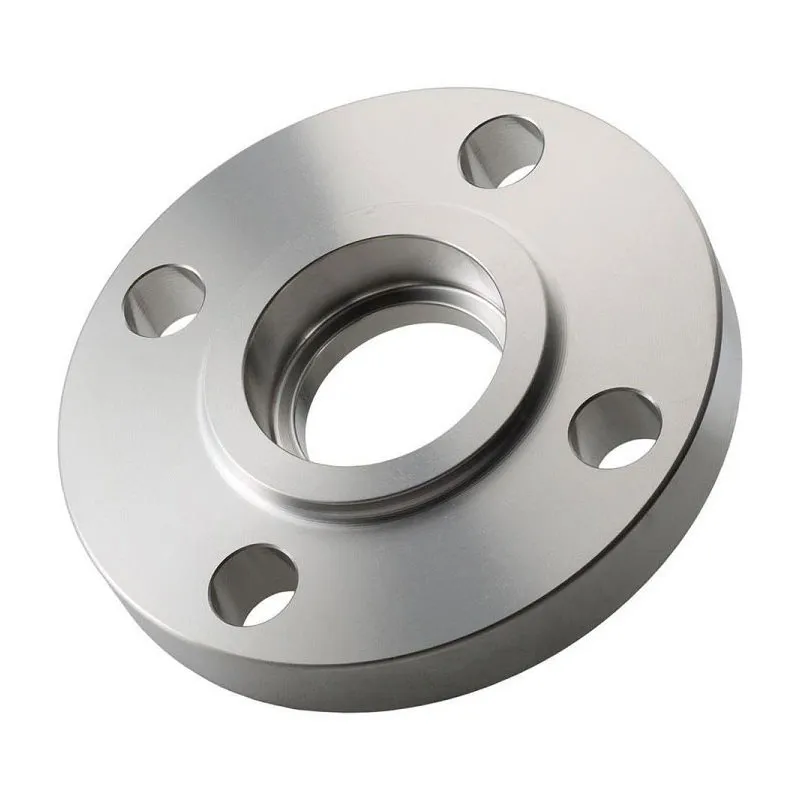
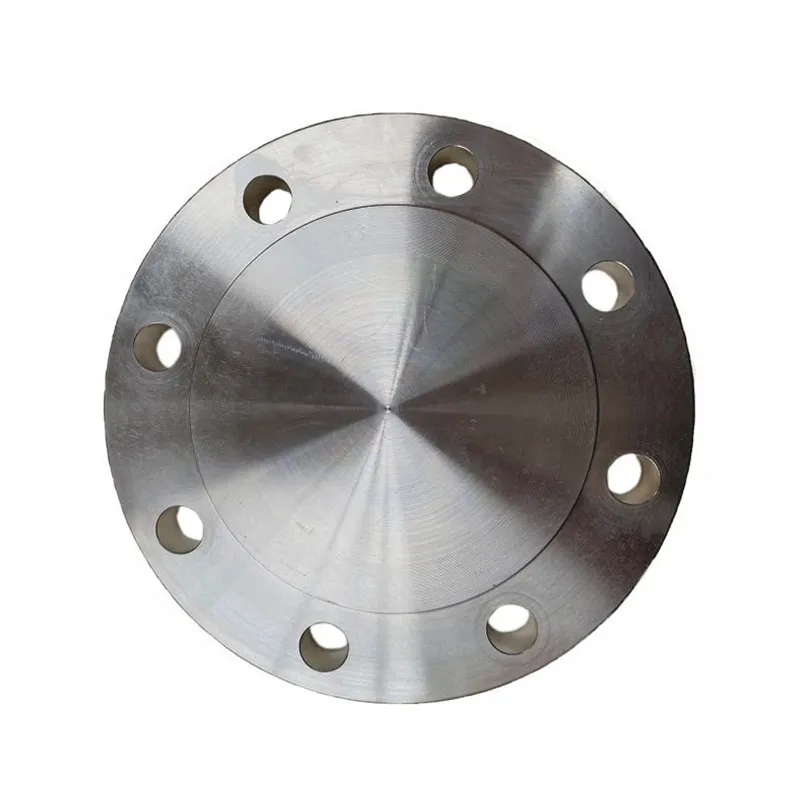
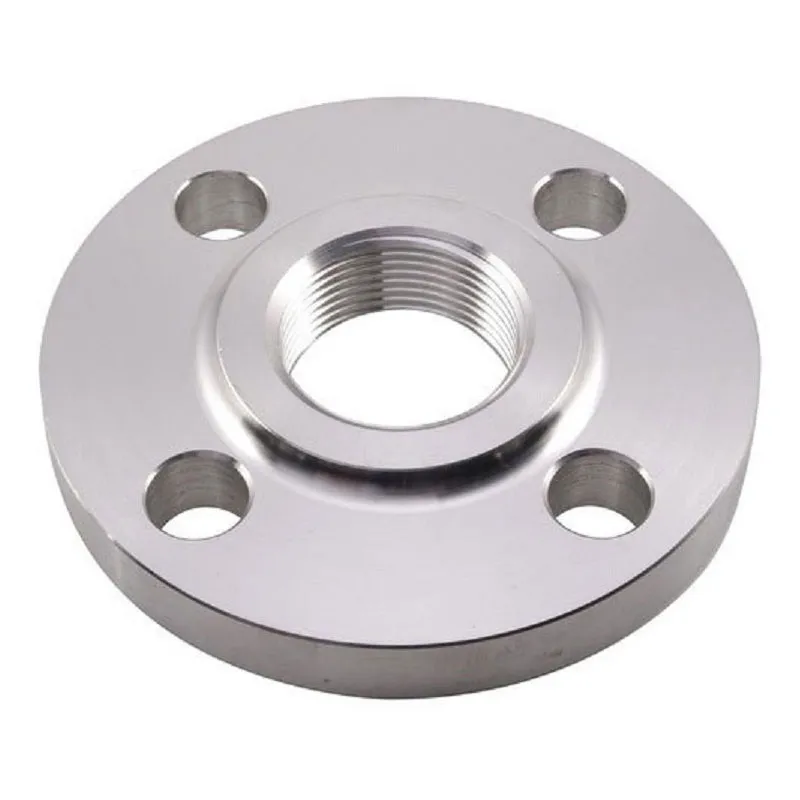
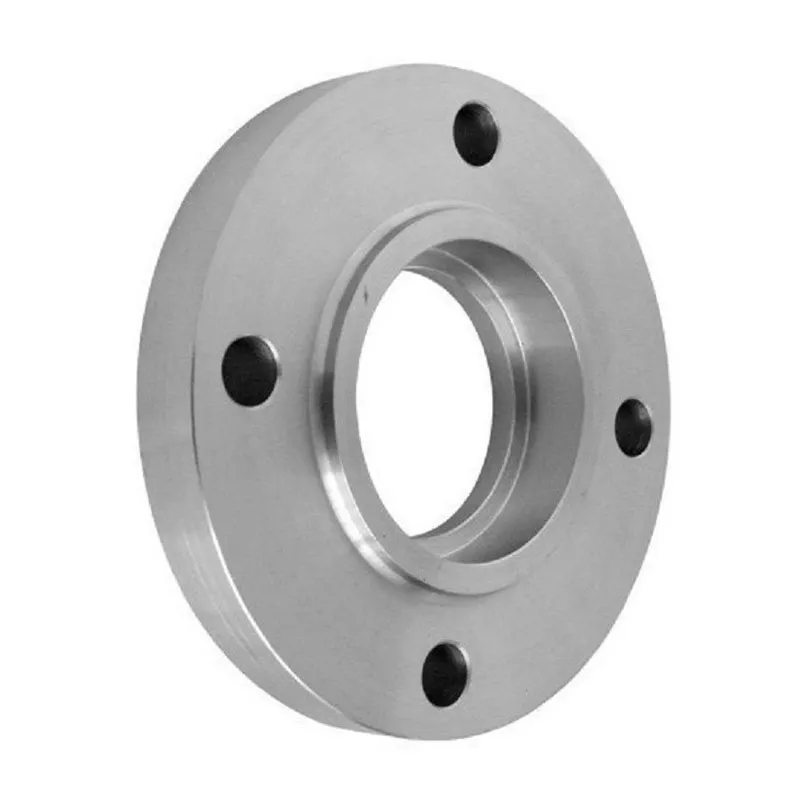
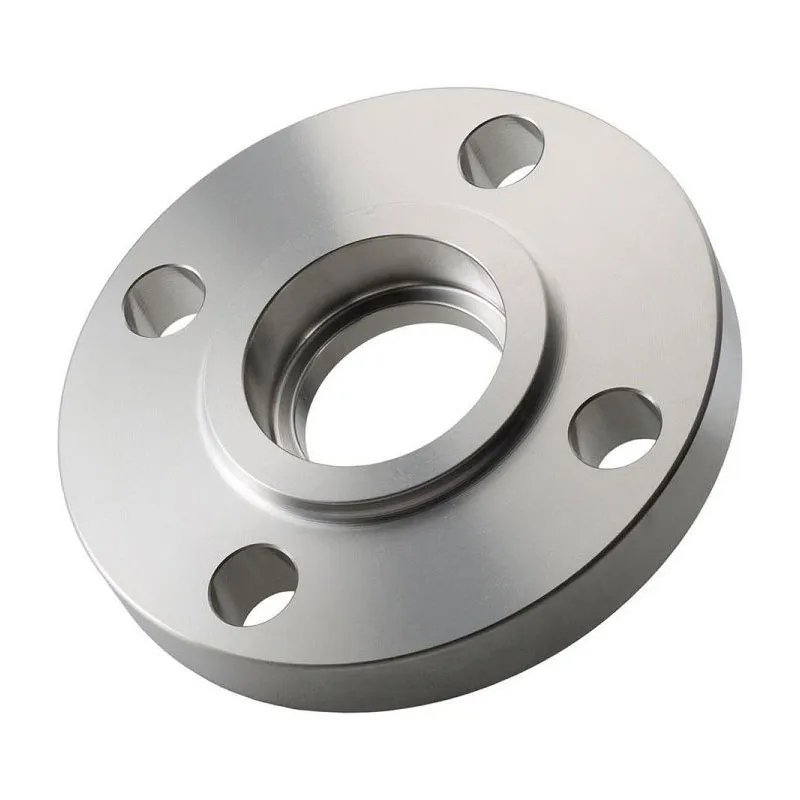
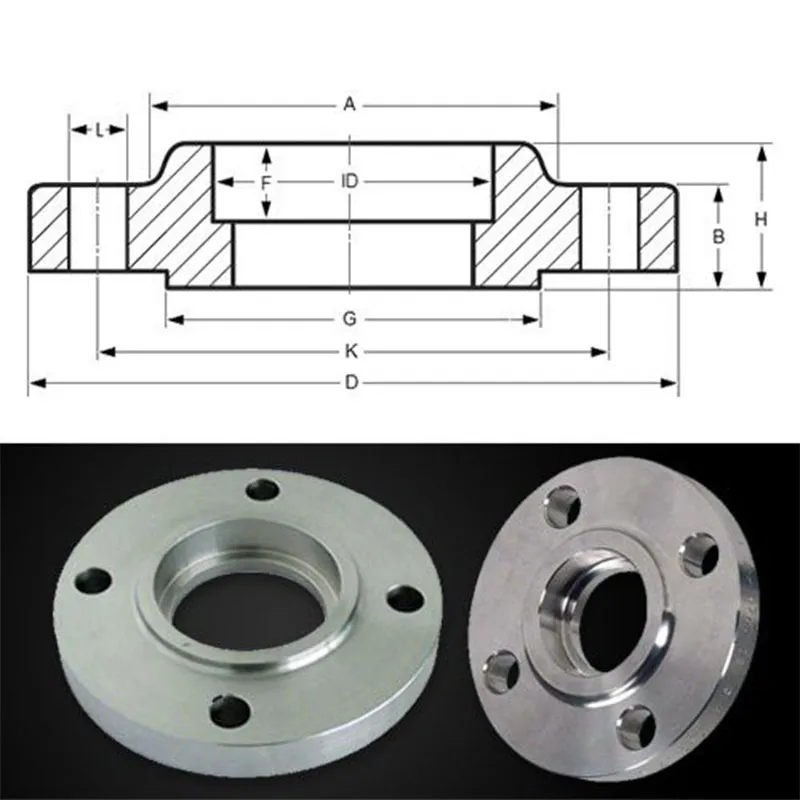
Socket Weld Flanges Class 300
A butt weld flange is similar to an overlay flange - the design is an overlay flange with a projection (called a bell) in the internal hole. The thickness of this socket usually corresponds to the wall thickness of the connected pipe.
Our ANSI B16.5 Class 300 Butt Weld Flanges are designed by our experts using advanced technology and the highest quality materials.
Description
marker
ANSI B16.5 Class 300 Butt Weld Flanges
A butt weld flange is similar to an overlay flange - the design is an overlay flange with a projection (called a bell) in the internal hole. The thickness of this socket usually corresponds to the wall thickness of the connected pipe.
Introduction
Are you looking for high quality, reliable and efficient butt weld flanges for your manufacturing needs? Check out our ANSI B16.5 Class 300 Butt Weld Flanges. As a leading manufacturer from China, we are proud to offer world-class products to our customers around the world.
Our ANSI B16.5 Class 300 Butt Weld Flanges are designed by our experts using advanced technology and the highest quality materials. Thanks to strict quality control measures, each flange is thoroughly tested and certified before delivery, ensuring maximum durability, efficiency and reliability.
Key Features
1. High Quality:Our ANSI B16.5 Class 300 Butt Weld Flanges are made from high-grade materials to ensure maximum strength, durability and corrosion resistance.
2. Precise Dimensions:Each flange is manufactured to precise dimensions and thickness, which simplifies installation and maintenance, and improves overall system performance.
3. Easy to Install:Our flanges are designed for perfect fit, allowing for quick and easy installation, reducing downtime and improving overall operational efficiency.
4. High Performance:ANSI B16.5 Class 300 Butt Weld Flanges are designed to provide maximum efficiency with minimal fluid leakage, greatly improving overall system performance.
Benefits
1. Wide Range of Applications:Our ANSI B16.5 Class 300 butt weld flanges are suitable for a variety of applications, including oil refineries, chemical plants, water treatment plants and other facilities.
2. Cost effective:The products are reasonably priced, allowing you to obtain high quality flanges without exorbitant costs.
3. On-Time Delivery:We are fully aware of the delivery time requirements of the industrial sector and make every effort to ensure timely delivery of orders, helping to reduce downtime and improve overall production efficiency.
4. Excellent customer support:Our professional customer support team is always ready to answer questions and provide comprehensive support for orders at all stages.
Conclusion
Our company is proud to provide high quality and reliable solutions to customers around the world. Our ANSI B16.5 Class 300 butt weld flanges are engineered to meet the most stringent industry standards, delivering increased productivity and maximum cost savings. With on-time deliveries, competitive prices and superior customer support, our flanges are the ideal choice for your business needs. Contact us today for more information about our products and services.
Introduction
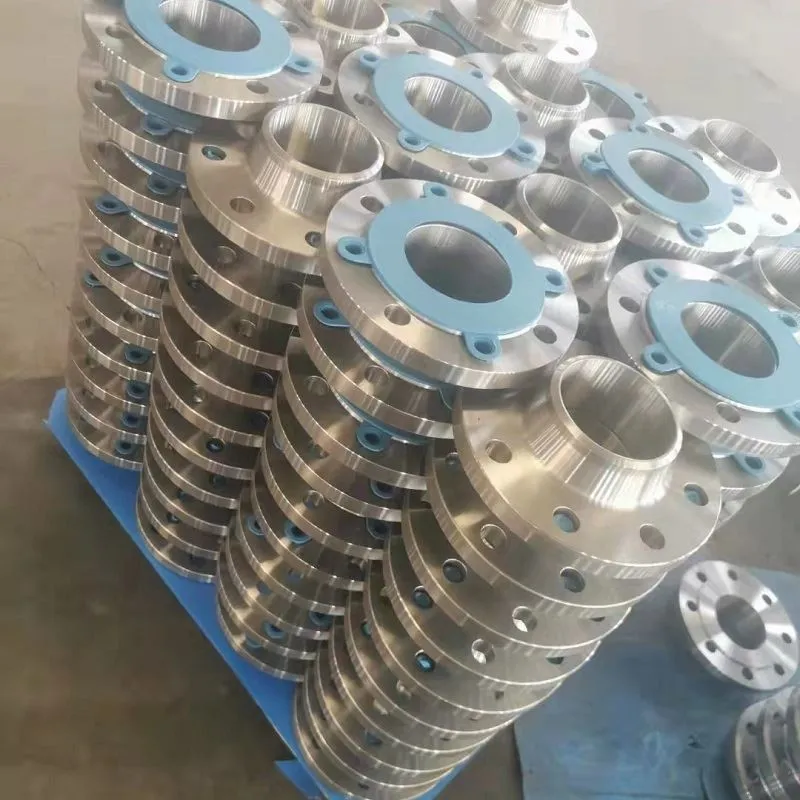
Our ANSI B16.5 Class 300 Butt Weld Flanges are similar in appearance to slip-on flanges, but are backbored to connect to the pipe, with the remaining hole matching the inside diameter of the pipe. Fastening to the pipe is carried out using a fillet weld along the hub, and the possibility of an additional internal weld allows them to be used in highly loaded conditions. After installation, they form an expansion gap with the pipe or fitting, which allows replacement of threaded flanges and reduces the risk of leaks during operation.
Features
Originally used for stainless steel supergrazers, these ANSI B16.5 Class 300 butt weld flanges offer excellent serviceability and avoid cracking defects caused by thermal stresses during the heating process. They also do not require bevels before welding and can be used in place of threaded flanges to minimize the risk of leaks.
In addition, they are welded to the outside of the pipe without penetrating its internal diameter. This welded design eliminates the formation of internal cavities while preventing damage to the flange sealing surface due to thermal deformation during welding and weld spatter, resulting in increased fatigue life.
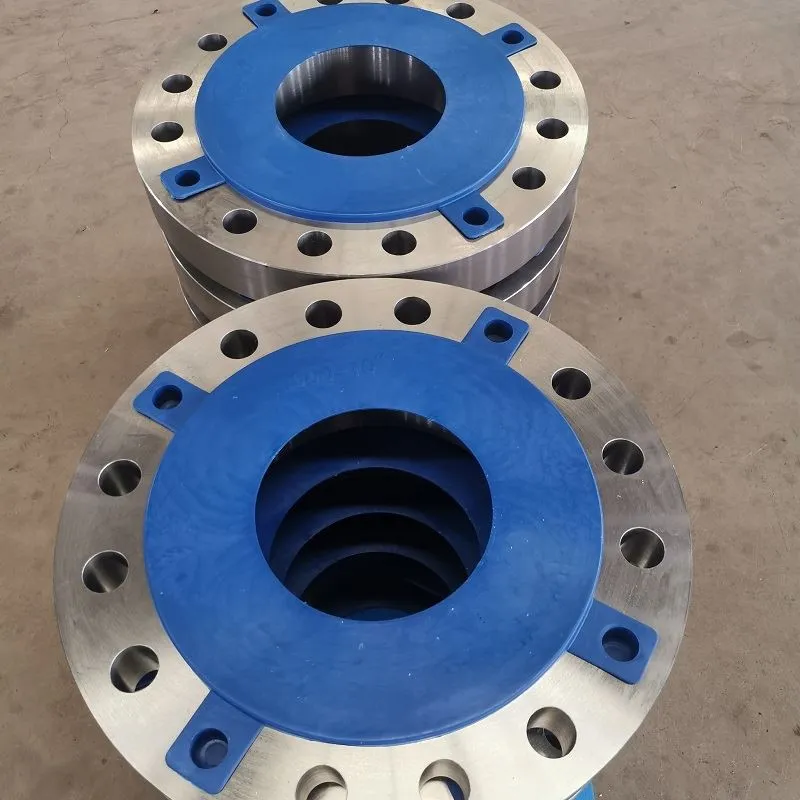
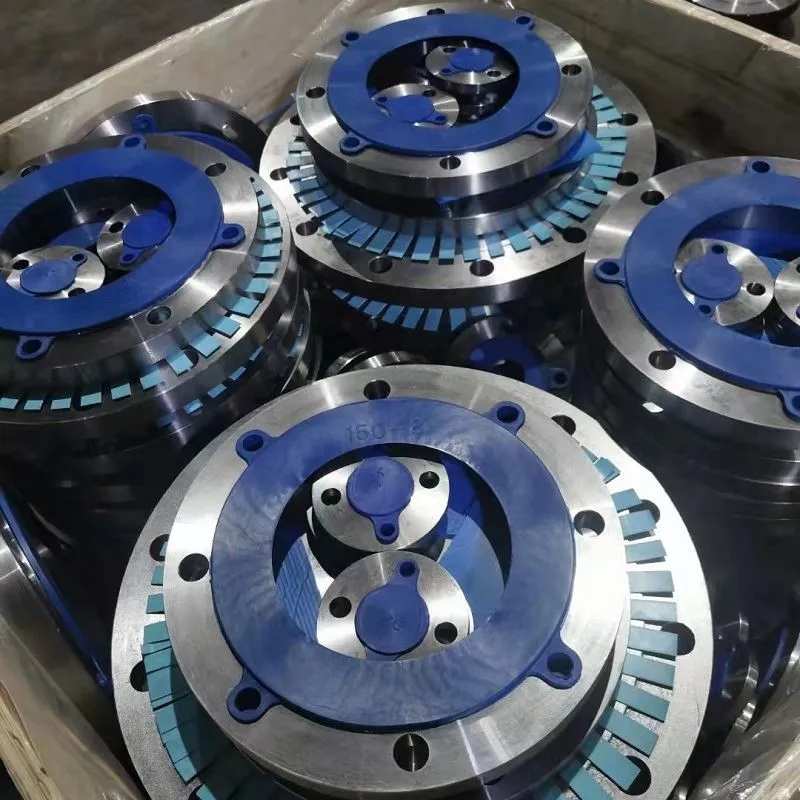
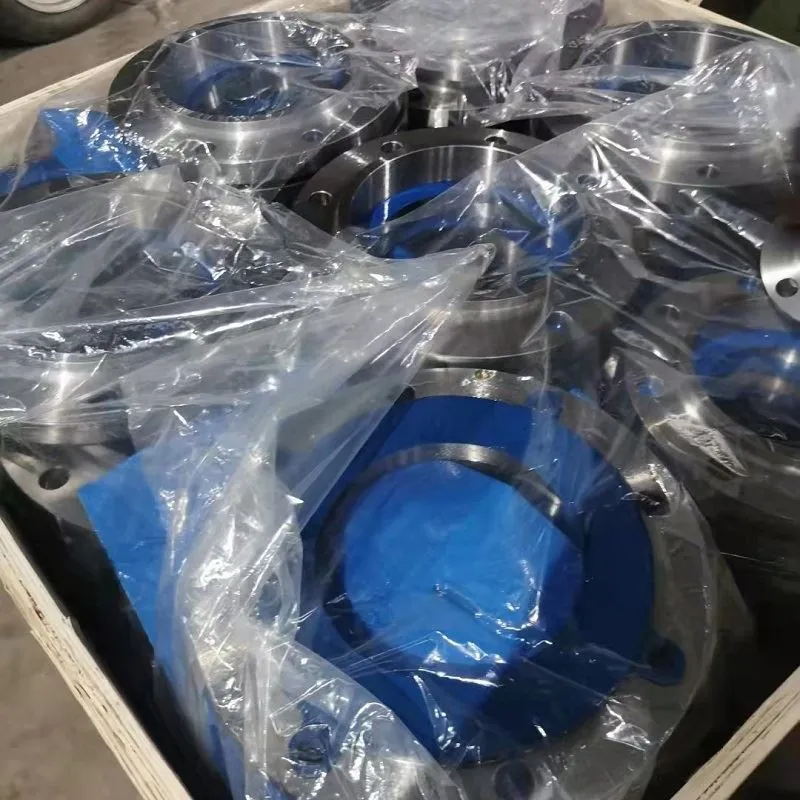
Packaging
contact us
Related Popular Products
UNI 6092 Blind flanges PN10
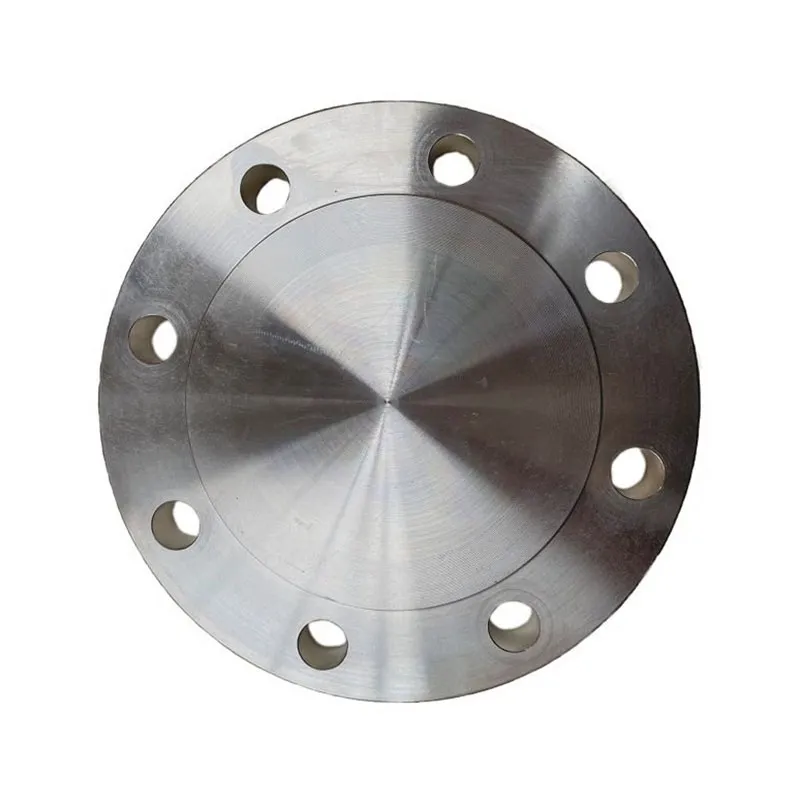
Unlike other flanges, the main purpose of a blind flange is to be installed at the ends of a pipeline section to completely shut off the flow. Our UNI 6092 PN10 blind flanges are some of the most reliable and durable flanges on the market today. As a leading manufacturer and exporter of industrial flanges, we have designed and manufactured these blind flanges with precision and professionalism to cater to the varied needs of our clients across the globe.
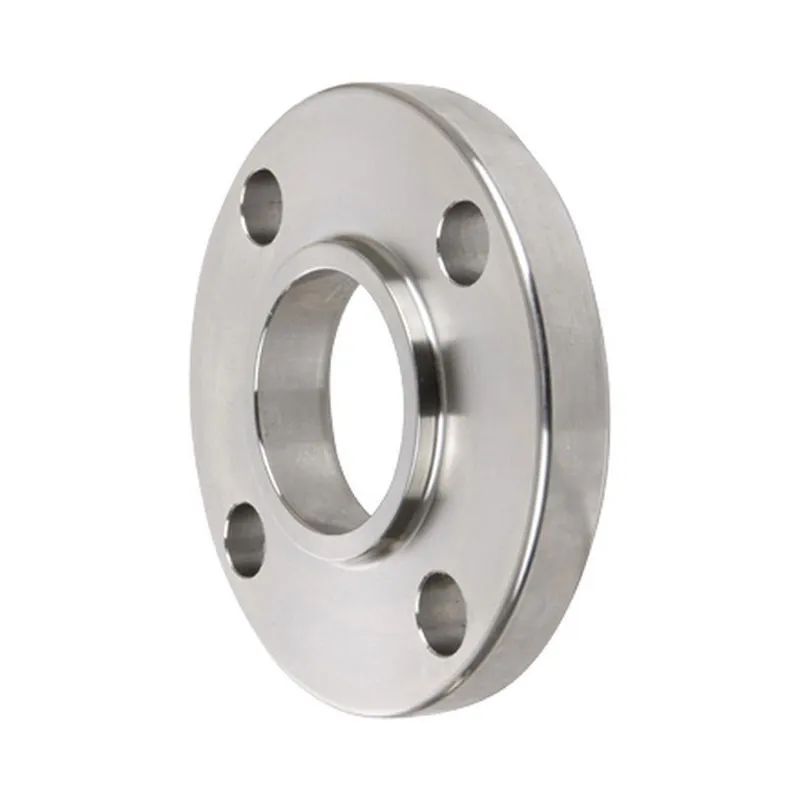
DIN 2501 Overlay flanges PN16
A loose flange is a type of flange that fits onto a pipe. These flanges have an internal diameter slightly larger than the outer diameter of the pipe. Loose flanges DIN 2501 PN16 are important piping and equipment components used to connect two separate sections or elements. They provide a tight and reliable connection, preventing the transfer of liquids, gases or other materials between connected areas.
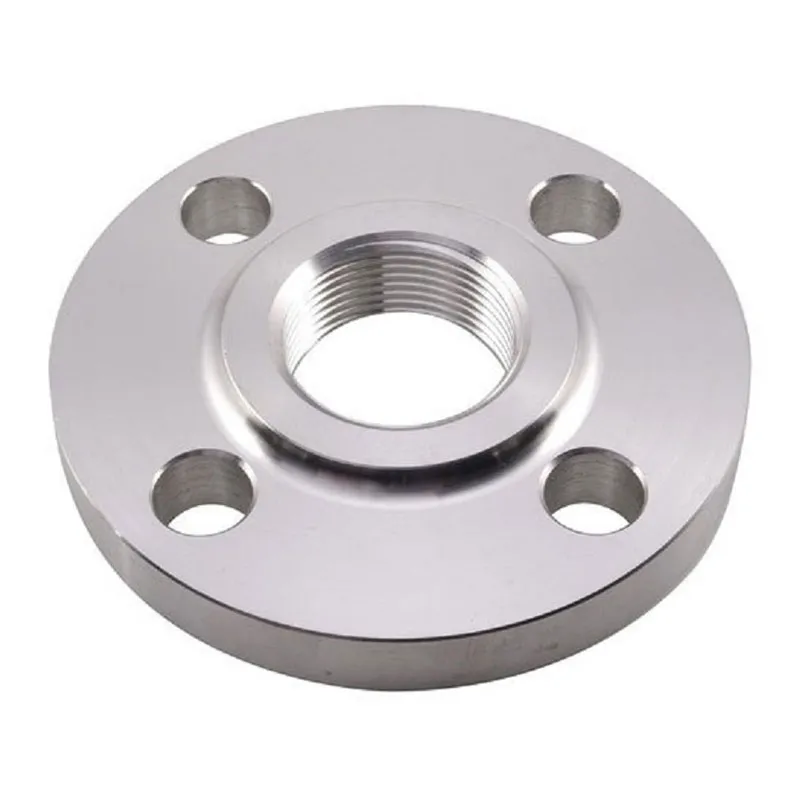
JIS 10K Overlay flanges
An overlay flange gets its name because the surface of the gasket is raised above the plane of the bolt circle. These raised flanges are very easy to recognize and are used in many different processes. These flanges are manufactured to the highest standards of quality and precision and are sure to satisfy the needs of any customer looking for a reliable and efficient solution for their piping systems.
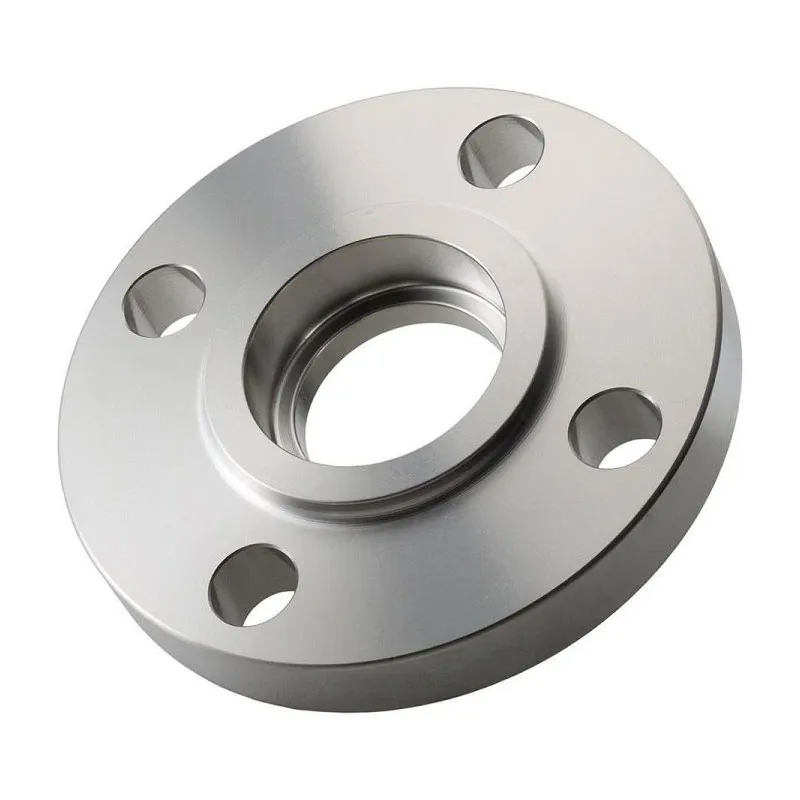
ANSI B16.5 Socket Weld Flanges Class 150
A butt weld flange (abbreviated as SW flange) has a recessed area (like a shoulder) in the internal hole. This collar serves as a guide to fix the depth of insertion of the pipe into the flange. As a manufacturer located in China, we are proud to present our high-quality products to trading partners around the world.
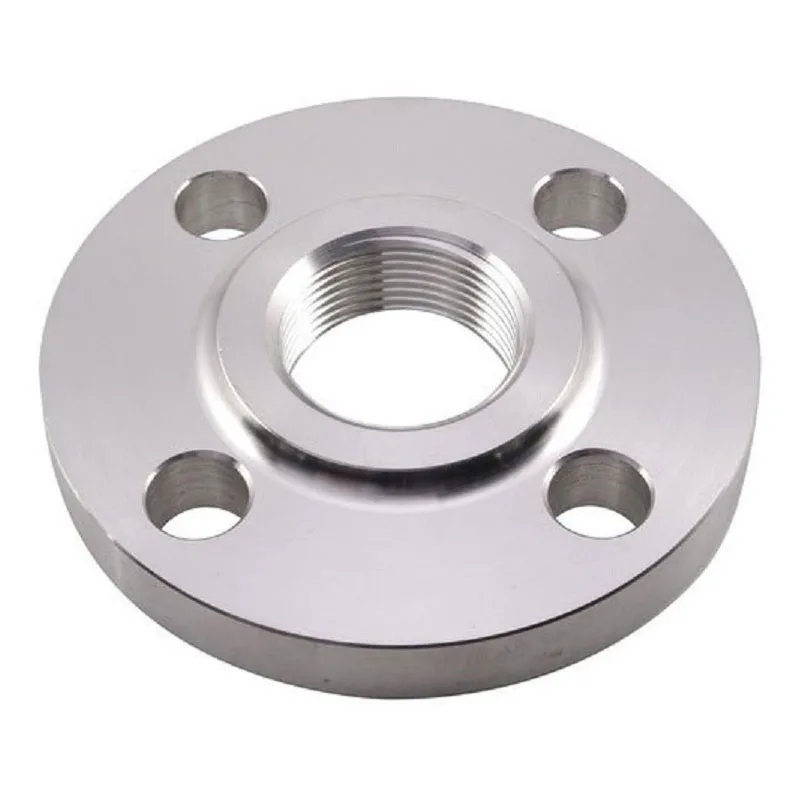
JIS 10K Threaded Flanges
Threaded flanges are used with pipes that have external threads. The advantage of these flanges is that they can be mounted without welding. JIS 10K threaded flanges are a high quality, reliable and cost effective solution for connecting pipes or valves to other equipment using threaded connections.
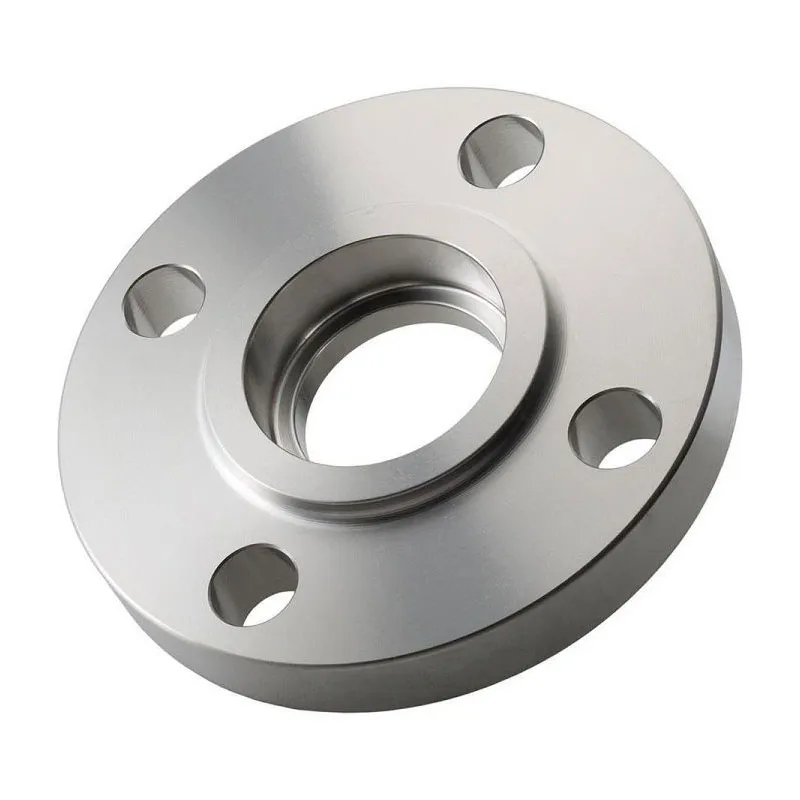
ANSI B16.5 Socket Weld Flanges Class 1500
Butt weld flanges were originally developed for use in small diameter, high pressure pipelines. Their static strength is comparable to slip-on flanges, but the fatigue strength is 50% higher than double-sided welded slip-on flanges. As a manufacturer based in China, we specialize in supplying high-quality industrial products to overseas partners. We are proud to present our products - ANSI B16.5 class 1500 butt weld flanges, which we recommend to the attention of our valued partners.
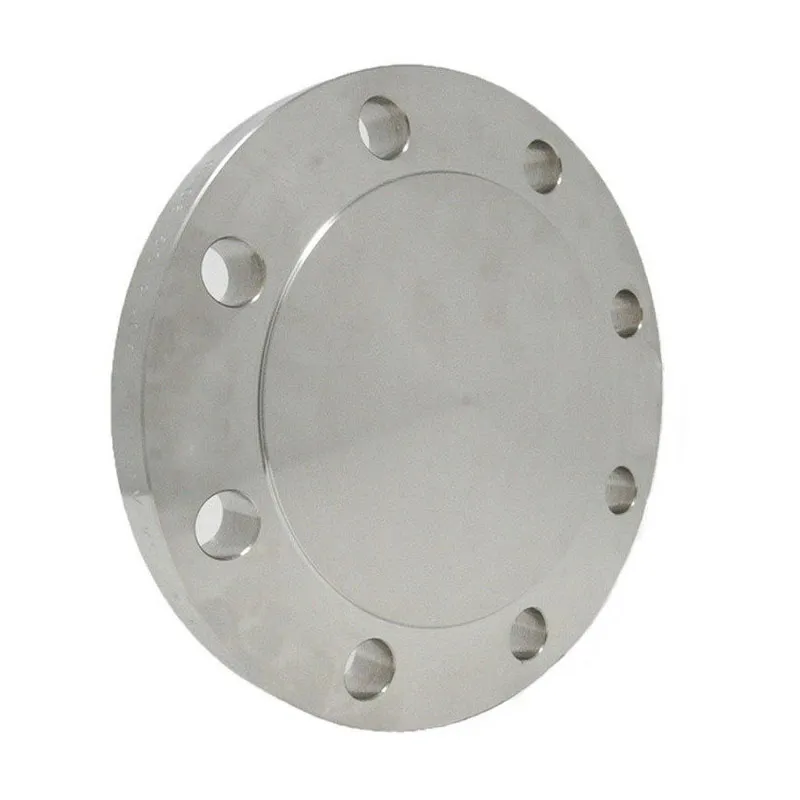
Blind flanges Class 150
Blind flanges are manufactured to the same sizing standards as all flanges, but do not have a center hole or connection point for piping components. ANSI B16.5 Class 150 Blind Flanges are a key component in the construction of pipelines and other equipment requiring tight sealing. As a manufacturer based in China, we offer high quality blind flanges, ideal for wholesalers and dealers looking for reliable and affordable products.
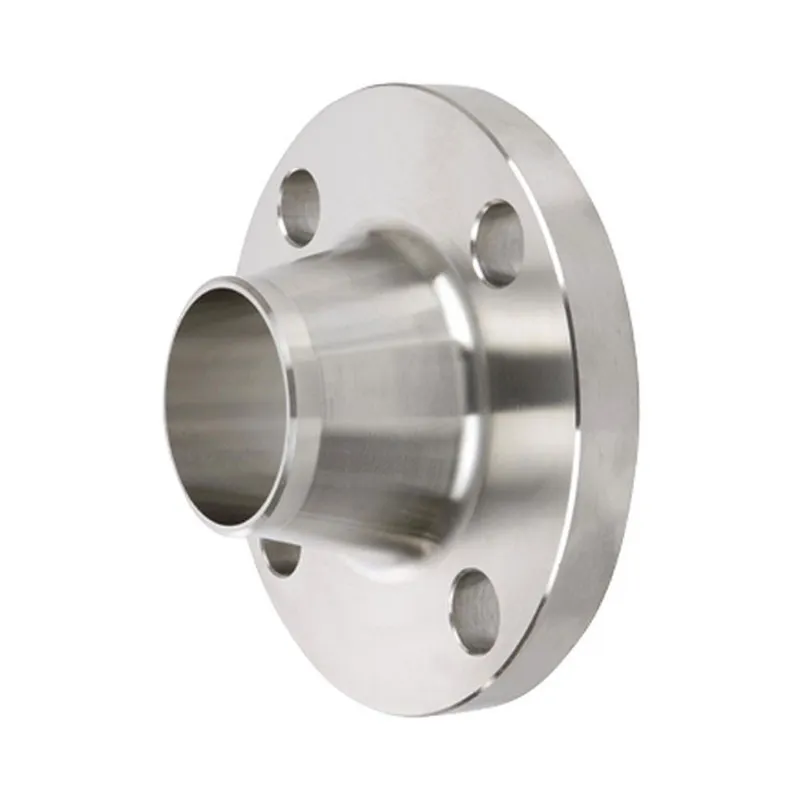
EN 1092-1 Butt weld flanges Type 11, PN25
A butt weld flange is a type of steel flange designed to transfer stresses to the pipe to reduce high stress concentrations at the base of the flange. Welcome to our product review of EN 1092-1 Type11 PN25 Butt Weld Flanges, a high quality and reliable product manufactured by our experienced team in China.
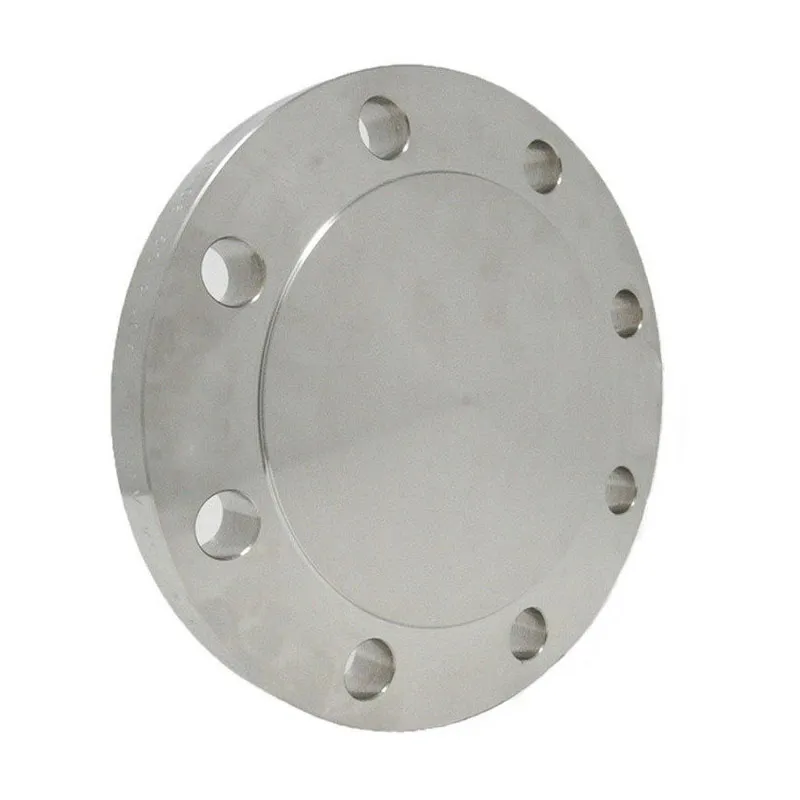
AWWA Blind Flanges Class D (Tables 1, 2, 3)
A blind flange is a solid disk used to shut off a pipeline or create a plug. Like a regular flange, a blind flange has mounting holes around the perimeter, and the sealing surfaces for the gasket are machined on the connecting plane.
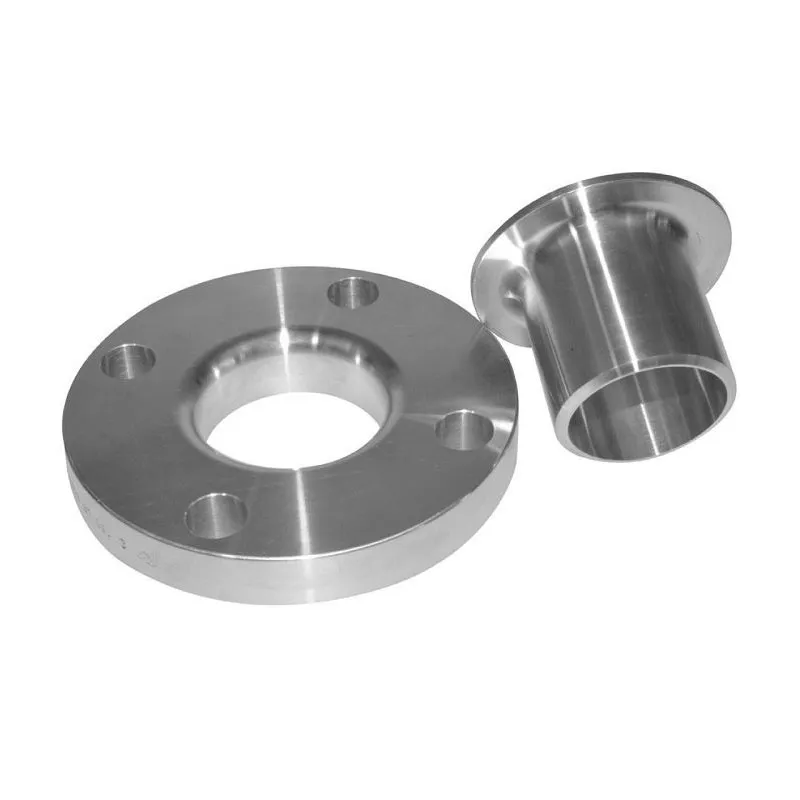
ANSI B16.5 Loose Ring Flanges Class 2500
Slip-on flanges have the same standard dimensions as other flanges, but they do not have a raised face. They are used in combination with a short pipe under the cap flange (Lap Joint Stub End). Are you looking for high quality slip-on flanges that are durable and reliable? Look no further to introduce ANSI B16.5 Class 2500 Slip-on Flanges, the ideal product for channel partners outside of China. Our slip-on flanges are reliable, efficient and the ultimate solution for all your flange needs.
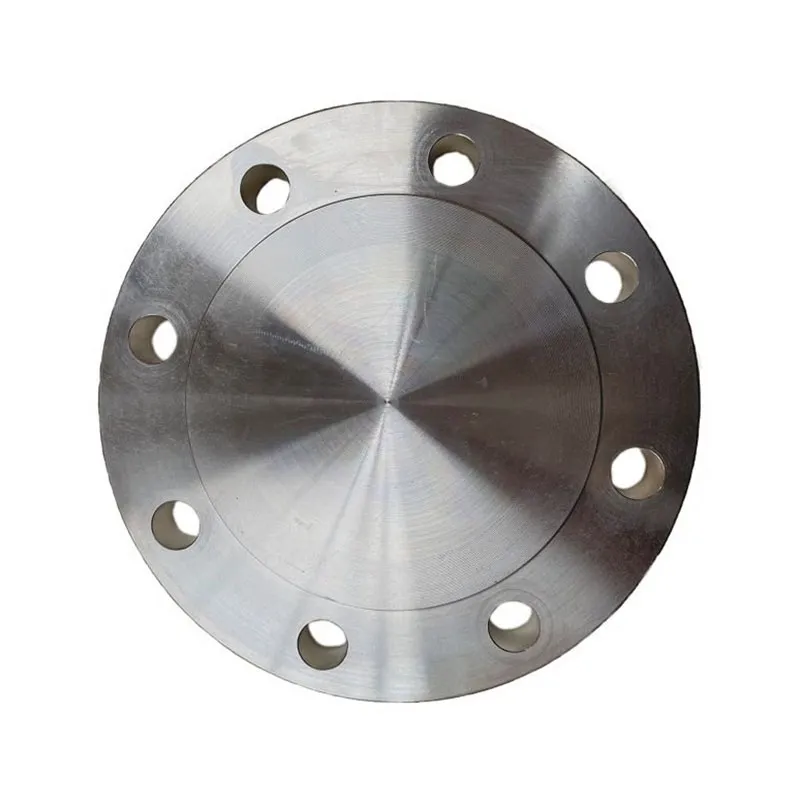
ASME B16.47 Ser.A Blind Flanges Class 400
A plug (blind flange) is installed at the end of a pipeline system - on a manifold, branch or valve - and serves to reliably isolate a section of the pipeline. As a leading manufacturer of industrial products from China, we are proud to introduce our new ASME B16.47 Ser.A Class 400 Blind Flanges. Our blind flanges are the most sought after product for high pressure applications ranging from -29°C to 370°C.
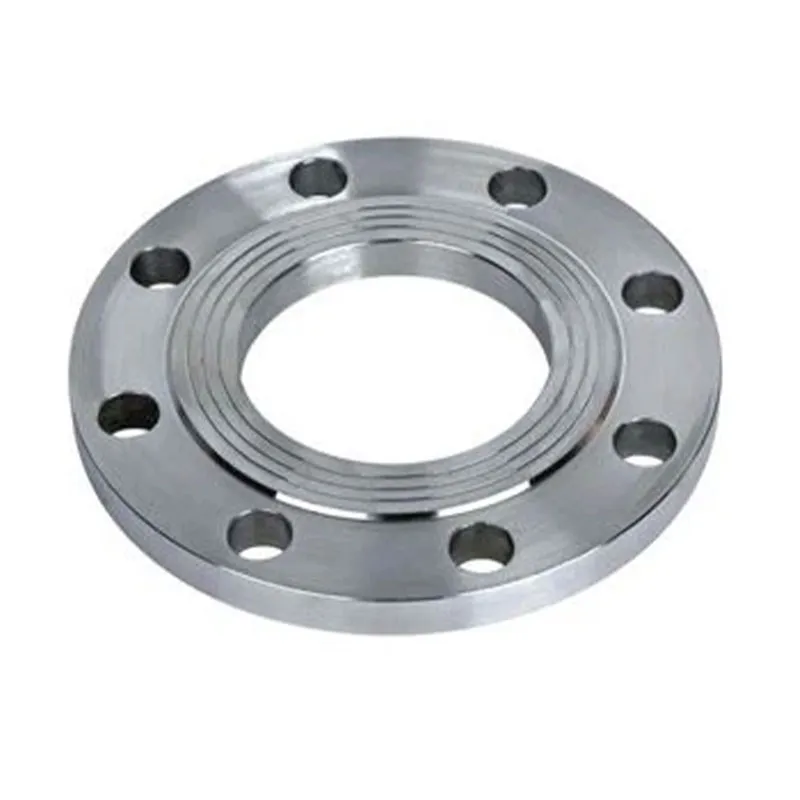
Butt weld flanges Class 150
ANSI B16.5 Class 150 Butt Weld Flange consists of a ring piece with a raised edge around the circumference. Typically made from a machined forging and butt welded to the pipe. When selecting flanges for pipes and other equipment, there is no better option than ANSI B16.5 Class 150 Butt Weld Flanges.
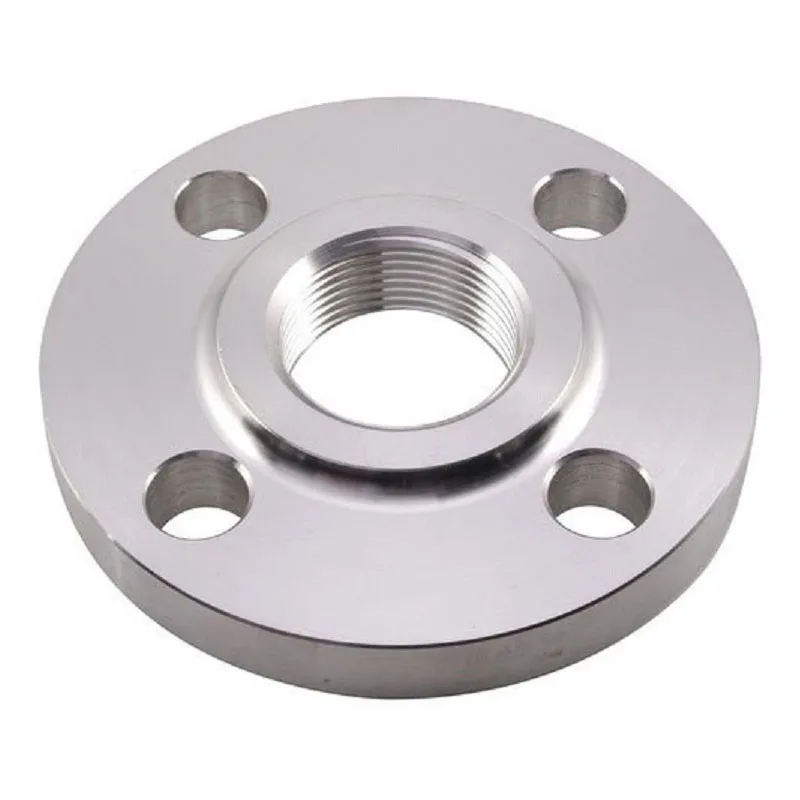
DIN 2566 Threaded flanges PN16
Threaded flanges, also known as screw-in flanges, have internal threads in the flange bore that match the corresponding pitch male threads on the pipe. Welcome to the overview of our product – threaded flanges DIN 2566 PN16. As a leading manufacturer in China, we are proud to offer high quality products to customers around the world.
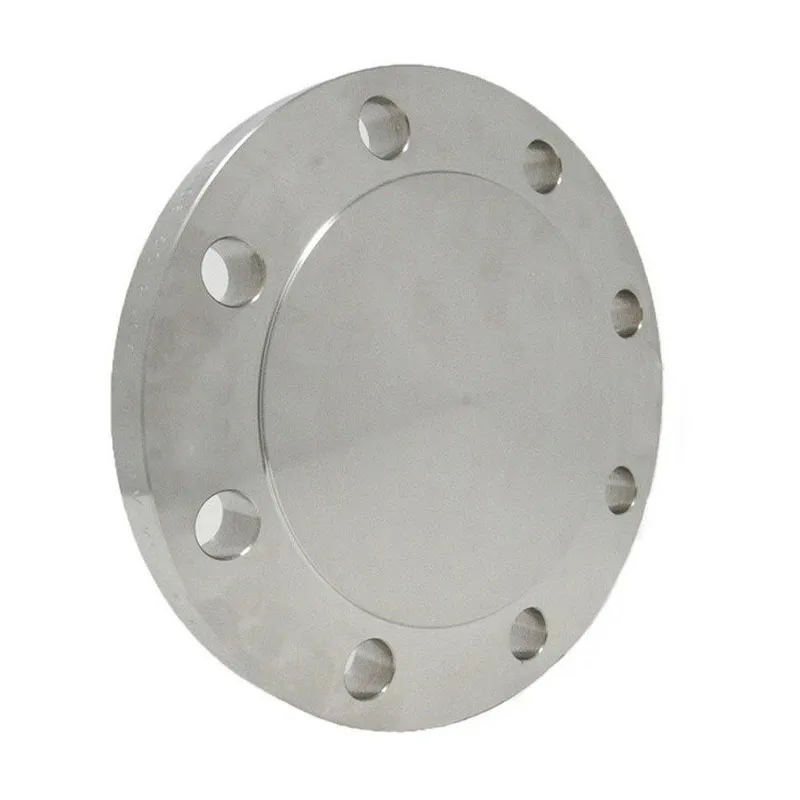
EN 1092-1 Blind flanges Type 05, PN10
A plug may be installed between two flanges to block flow, which is a common practice in most piping systems. When it comes to the oil and gas industry, strong and reliable connections are everything. This is where our EN 1092-1 PN10 Type 05 blind flanges come in. Thanks to our extensive manufacturing experience, we have been able to create high quality, durable flanges designed to meet the needs of industries around the world.
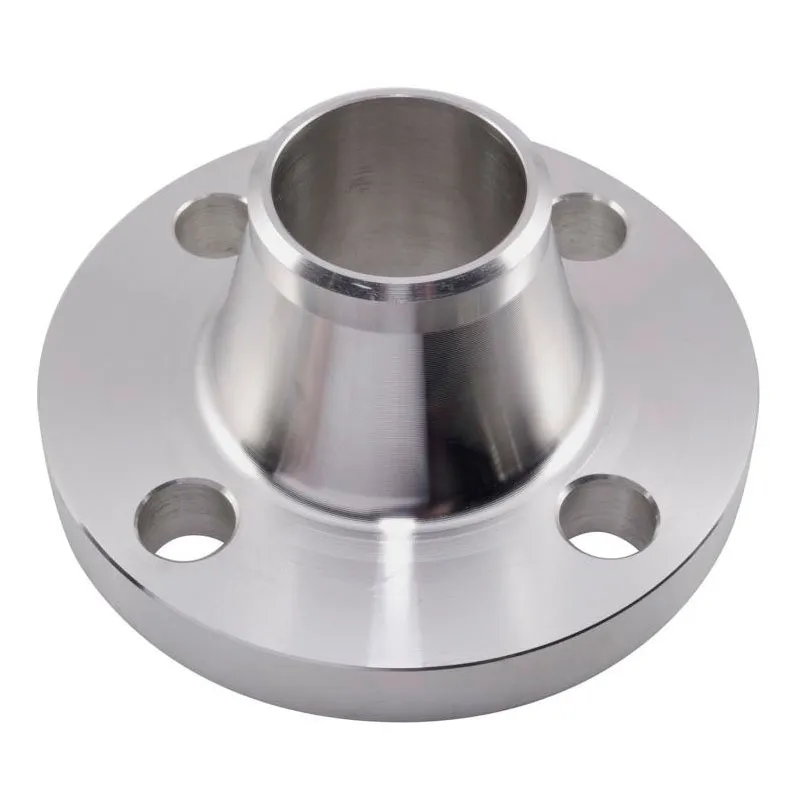
DIN Butt weld flanges PN10
A butt weld flange (WN flange) is a flange that has a neck for welding to a pipe and is easily recognized by its long, tapered neck on the flange. DIN PN10 Butt Weld Flanges are one of the most popular products in the market and are widely used in various industries such as oil and gas, power generation, chemical and petrochemical industries and many more.
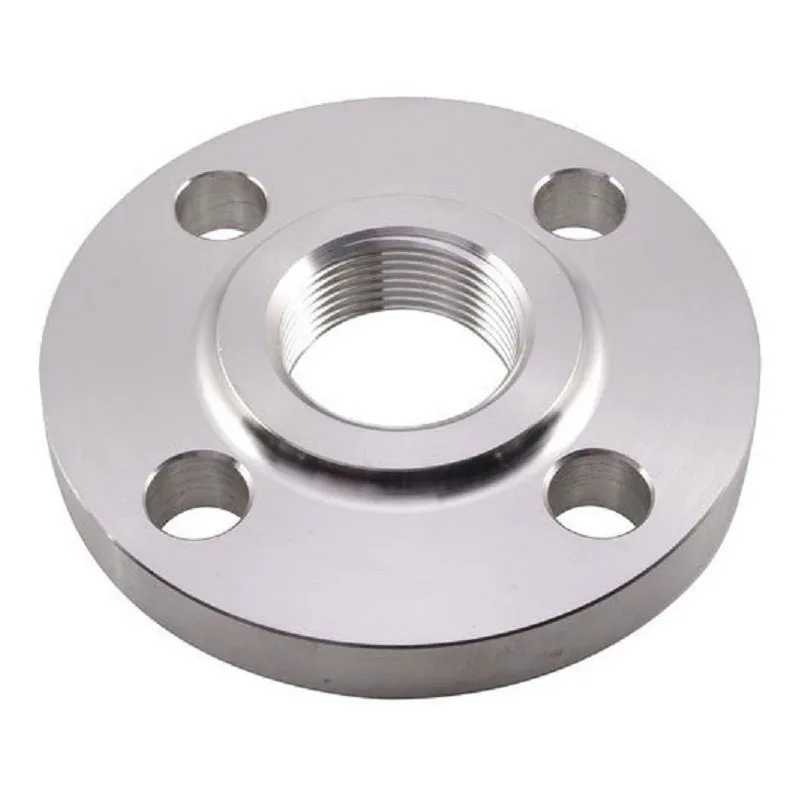
ANSI B16.5 Threaded Flanges Class 600
Threaded flanges are similar in contour to overhead flanges, but the internal hole is threaded, allowing assembly without welding. In industrial production, the use of reliable and durable components is critical to ensure the safety and long life of machines and equipment. One such component that plays a significant role in industrial operations is the flange.