
-
-
Phone
+86-13623462298



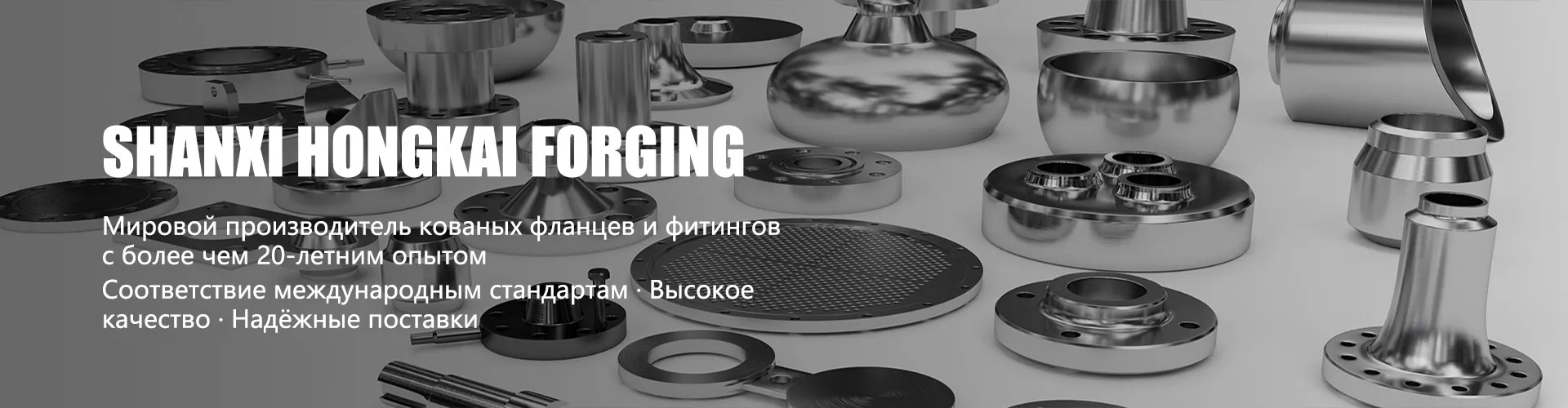
steel flange versions
When they talk aboutsteel flange versions, many people immediately think about GOST 12820 or 12821, about wall thickness and diameter. But in reality, in practice, this often turns out to be just the tip of the iceberg. The main confusion that I have encountered more than once is the confusion of the very concept of “design”: some mean by it exclusively the design (type of flange), others mean a series of pressures (PN/RU), and still others mean both, coupled with the material and type of sealing surface. This is where you should start.
What's really behind the ?performance??
In the documentation, especially when working with customers from the CIS, you constantly see the requirement: “flanges according to GOST 12821-80, version 1?”. It would seem that everything is clear. But then a request comes for the same flange, but for an environment with increased cyclic load, and it turns out that the customer expected under “execution 1?” not only butt-welded type 11, but also a certain type of surface for the gasket - say, protrusion-groove (tenon-groove). But this was not in the terms of reference. This is a classic story that leads to delays.
Therefore, now we always clarify: performance according to what parameter? Structural - flat, butt, free. The design of the sealing surface is a separate big topic: smooth, for a lens gasket, tongue-and-groove, tenon-tenon connection. For arctic projects or aggressive environments this is critical. Once we supplied a batch of flanges with a smooth surface for a gasket (version 1 according to GOST 12815), and on site it turned out that the technological scheme required a tenon and groove to reliably hold the fluoroplastic gasket. I had to urgently redo it.
And here it is important who the manufacturer is and how he approaches the issue. We work a lot with forging fromShanxi Hongkai Forging Co.,Ltd(their website ishkflange.ru). They are just one of those who, from the first request, begin to detail: “Please specify the design of the surface for the gasket?” For them, as a manufacturer of forged flanges and forgings in one of the key industrial centers of China, this is not just a formality, but a necessity for precise compliance with standards - be it GOST, ASME or EN.
Material and forging: why this is the basis of execution
Speaking ofsteel flange versions, you can’t just take a drawing and make it “out of steel?”. Steel is different. The design of the flange for high-pressure steam and for a slightly aggressive chemical environment are two different products, even if geometrically they are identical. Often customers save money and ask for Art. 20 instead of 09G2S for moderate temperatures, but with fluctuations below -30 this can backfire.
Our experience shows that the key is the forged blank. Cast flanges, especially for critical pipelines, are a risk. In forging, the metal structure is denser and there are no internal cavities. UShanxi Hongkai Forging Co.,Ltdin this regard, the approach is correct: they make forgings, and then mechanically process them to the desiredexecution. This provides a guarantee for the macrostructure. I remember an incident during the installation of a gas pipeline: a DN300 cast flange developed a microcrack along the body when tightened. Replaced it with a forged analogue - the problem went away.
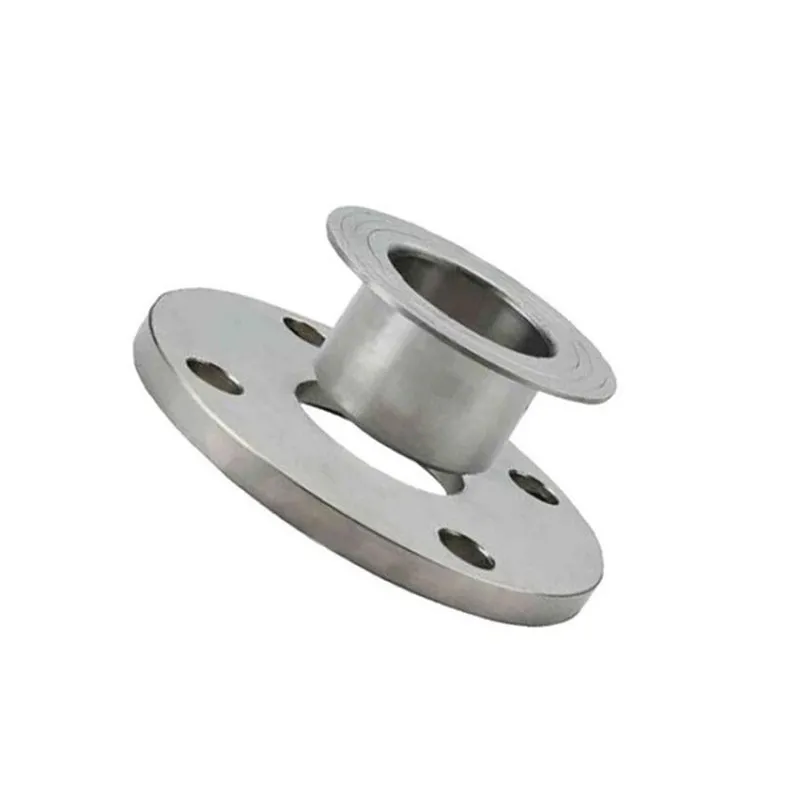
Their range just covers the main types: butt welded, flat, free, which allows you to selectexecutionfor a specific mounting unit. For example, a loose flange on a welded ring (loose flange) is an excellent solution for hard-to-reach places, but its execution requires pinpoint precision in matching the holes for the studs of the ring and the flange itself.
Non-standard designs: where the pitfalls lie
The fun begins when the standard DN and PN rows don't fit. Request for DN2400 flange for air cooler or custom adapter flange from ASME B16.5 to GOST is a field for engineering work. Here the conceptexecutionexpands to the entire documentation package.
When working with a manufacturer, it is important that he can not just grind according to the drawing, but carry out force calculations, especially for non-standard pressures or temperatures. The mentioned company, judging by the description, offers non-standard products according to customer drawings. It's valuable. But from practice: you should always require strength calculations and material recommendations from the manufacturer itself. One day we received a drawing from a client for a flange made of 12Х18Н10Т, but for a temperature of 550°C. The manufacturer (not Hunkai) made it “as depicted”. The result is material creep and leakage after six months. It was necessary to use 10Х17Н13М2Т.
The size range they claim up to DN4000 speaks volumes about the capabilities of the equipment. But for such sizes it is criticalexecutionon heat treatment (normalization after forging to relieve stress) and ultrasonic testing. These are the details that are often missed in technical specifications.
Transition between standards as part of performance
A common task is docking equipment of different origins. Let's say a pump according to DIN with a PN16 flange, and a pipeline according to GOST RU16. Geometrically, they are close, but not identical: the number of holes for the studs and sometimes the diameter of the bore differ.Steel flange versionin this case, it is, in fact, an adapter that should compensate for these differences without losing tightness.
It helps here when the manufacturer, likeShanxi Hongkai Forging Co.,Ltd, works with a wide range of standards: GOST, ASME, EN, DIN. They can produce an adapter flange, which will, conditionally, be designed according to GOST on one side and according to ASME on the other. But the key point is the calculation of the gasket and bolted connection. The tightening force for different standards may differ, and this must be taken into account in the design.
As a practical note, when ordering these adapter flanges, always specify not only the standards, but also the media type. Because for water and for, say, ammonia, even at the same pressure, there may be different requirements for the cleanliness of the seal surface and the hardness of the material.
Editing and Feedback: The Finishing Touch of Performance
Anything, even perfectly madesteel flange version, may be ruined during installation. Therefore, recently we have begun to more often include simple tightening instructions in our supplies - a diagram of the tightening torque depending on the type of lubricant on the thread. It seems like a small thing, but it's part of the overall ?performance? product as a ready-to-use unit.
A positive experience is when the manufacturer does not just sell, but is interested in where the products go. This allows feedback to accumulate. For example, for flanges operating in a marine atmosphere, after several cases we began to recommend an additional sealing coating on the gasket surface, even if the standard does not require it. A good supplier will take this information into account for future orders under similar conditions.
As a result,steel flange version- this is not a code in a catalog, but a complex characteristic: design, material, standard, surface treatment, applicability. And understanding this comes only with experience, often bitter, when something went wrong. The main thing is to work with those who understand this at the production level and are ready to go into detail, and not just sell the closest analogue from the warehouse. This approach appears to be what allows companies likeShanxi Hongkai Forging Co.,Ltdto remain in the market for responsible products.
Correspondingproducts
Related Products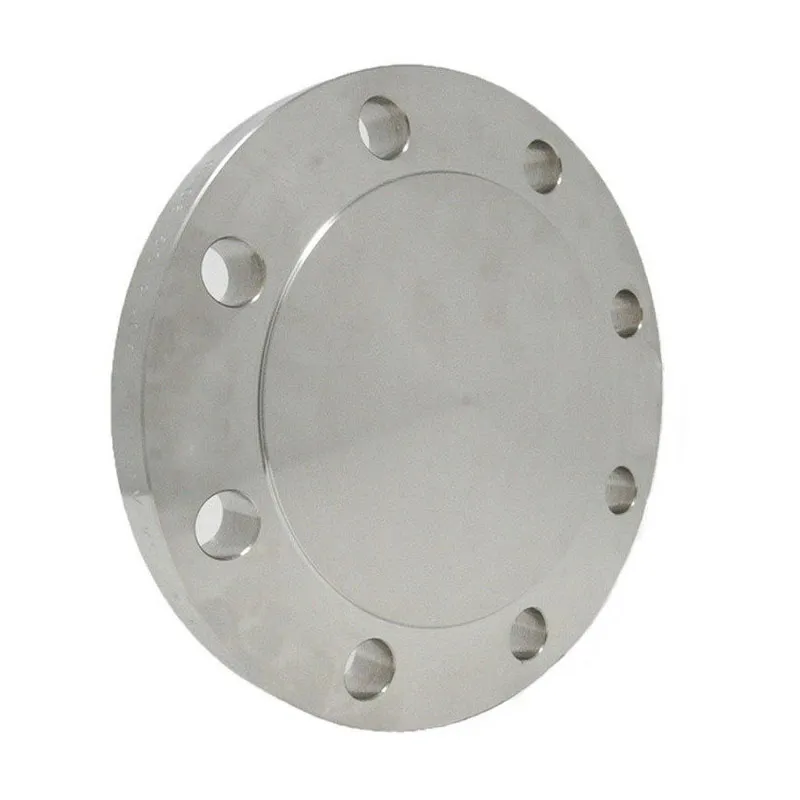
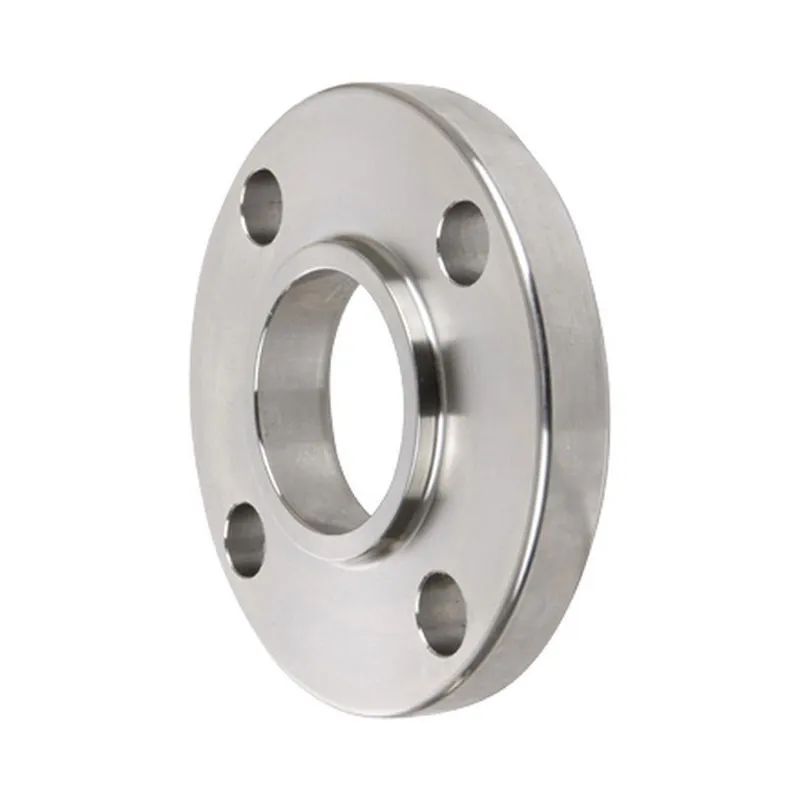
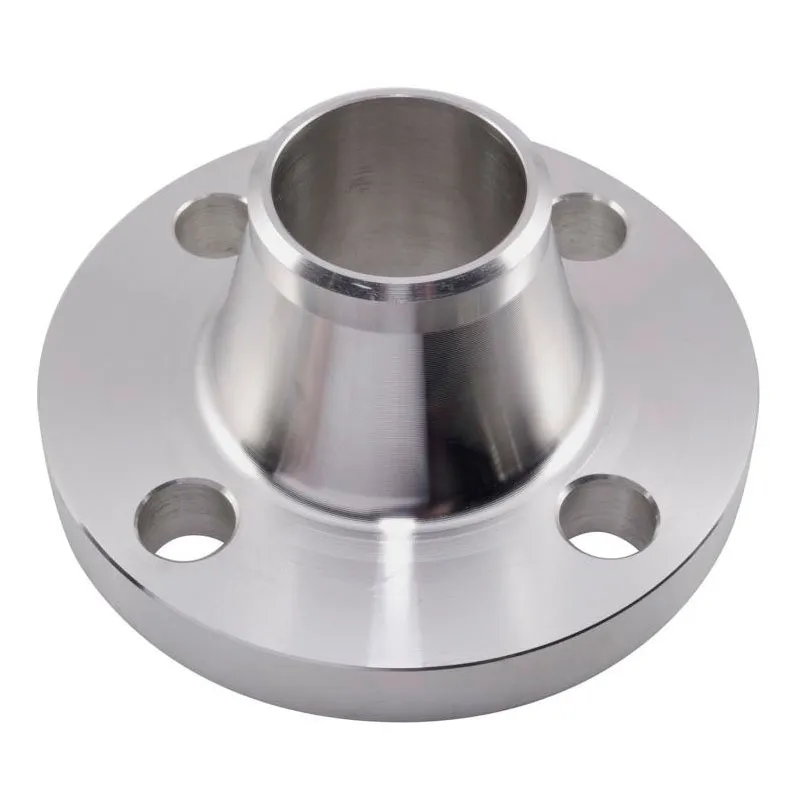
Best Sellingproducts
Best Selling Products-
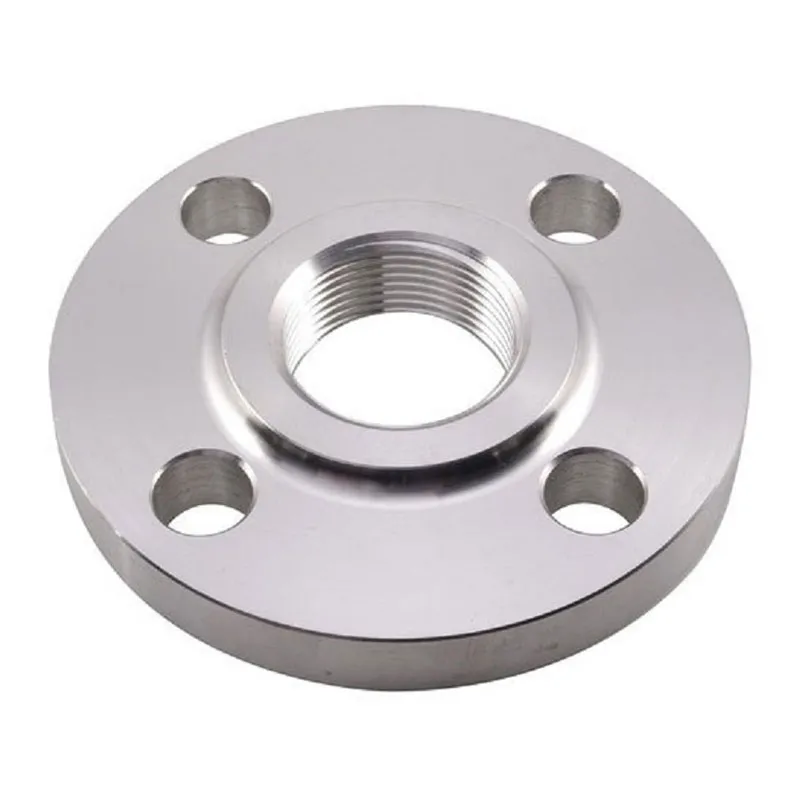 JIS 10K Overlay flanges
 -
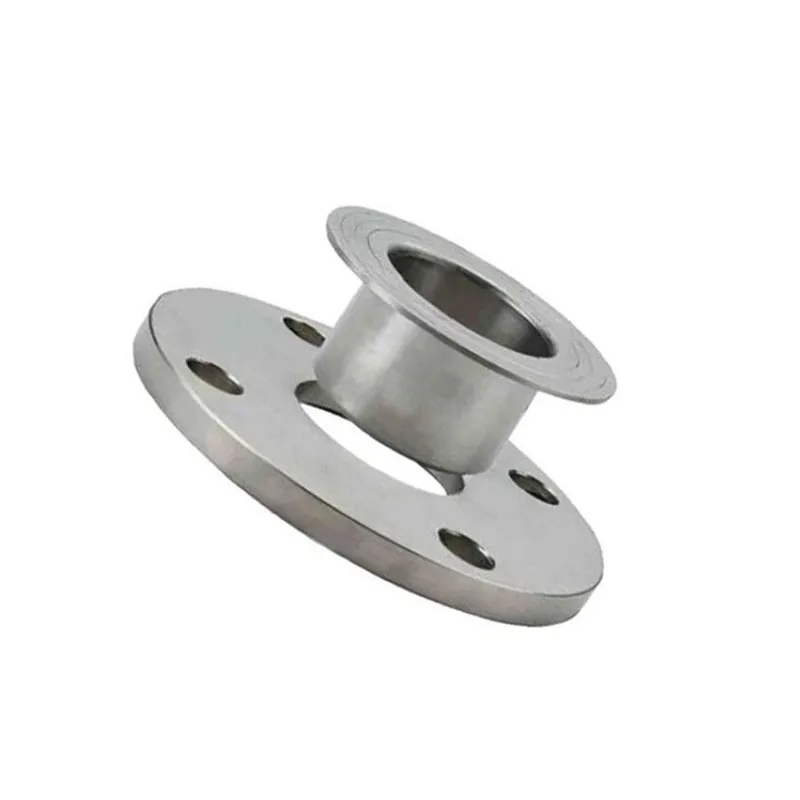 Free ring flanges Class 400
 -
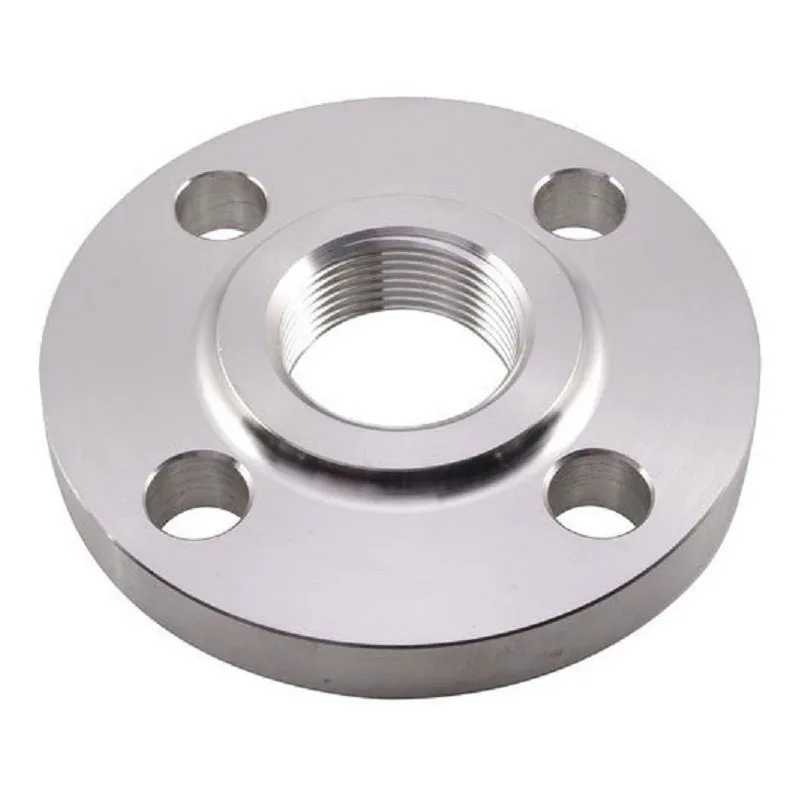 ANSI B16.5 Threaded Flanges Class 600
 -
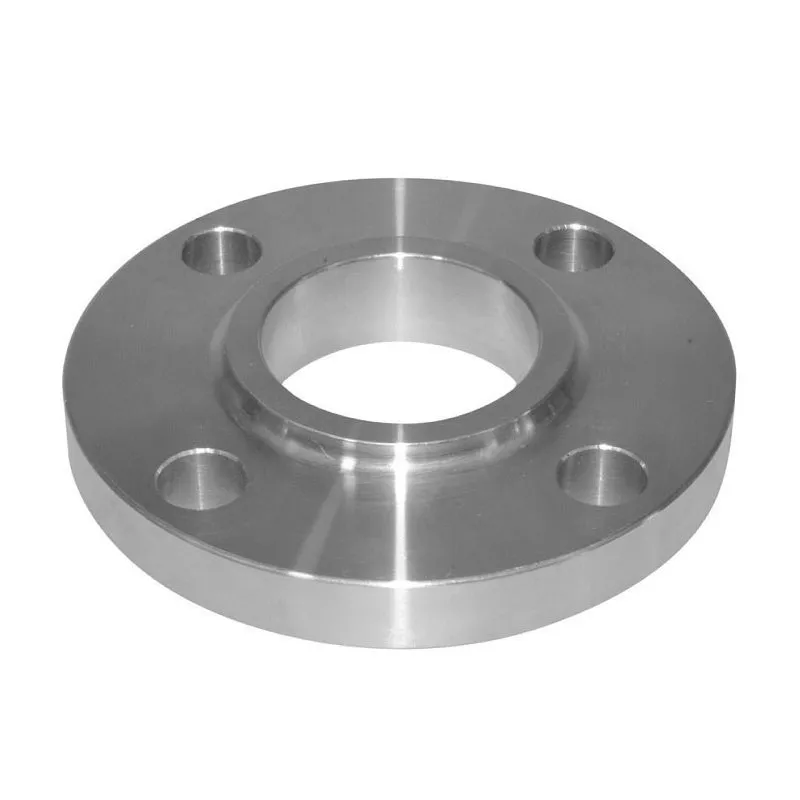 ANSI B16.5 Lap-on flanges Class 1500
 -
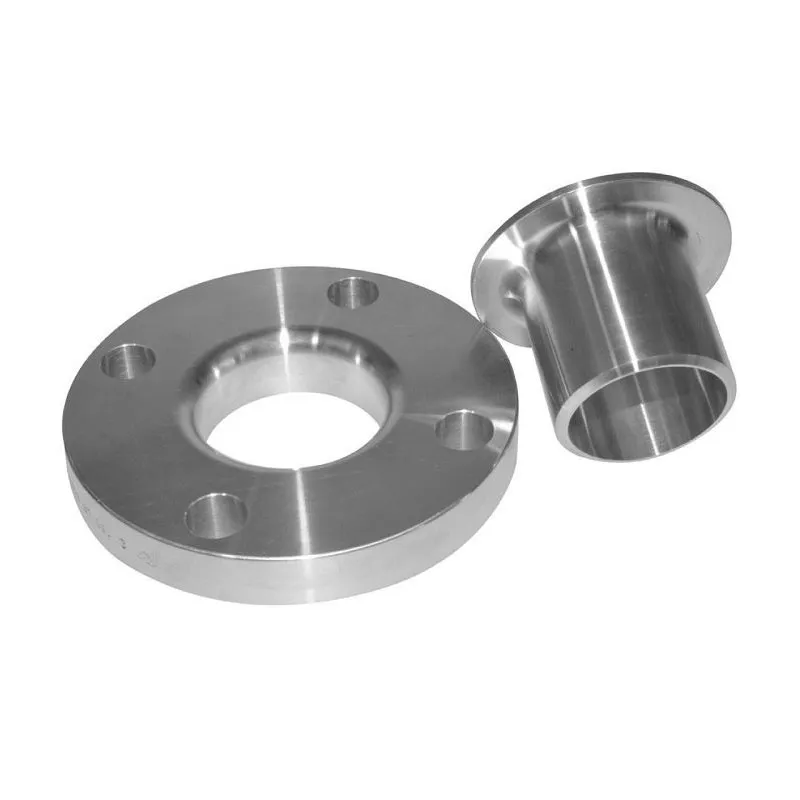 ANSI B16.5 Loose Ring Flanges Class 2500
 -
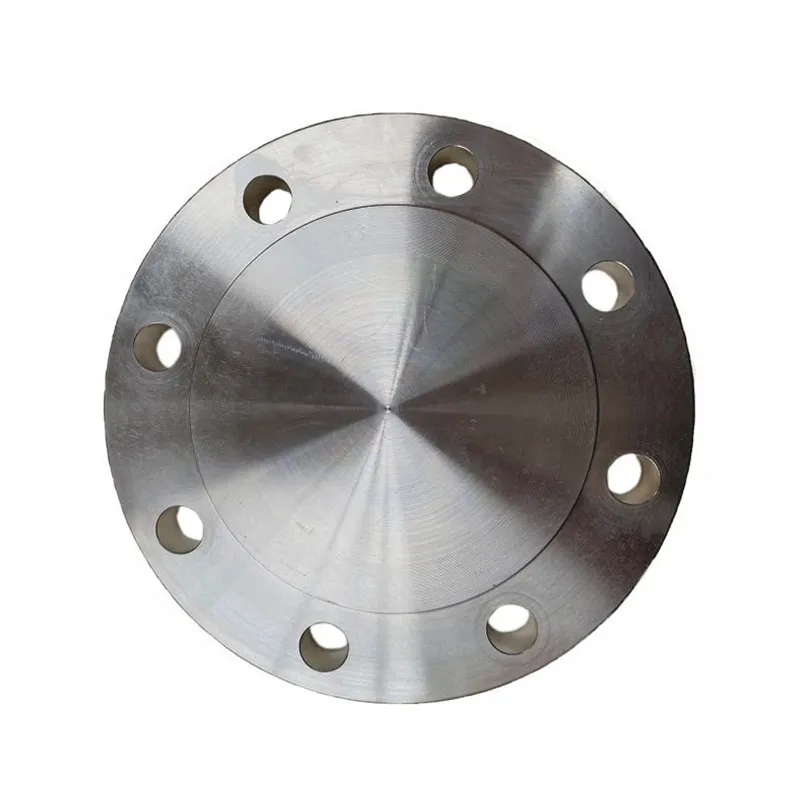 DIN 2527 Blind flanges PN10
 -
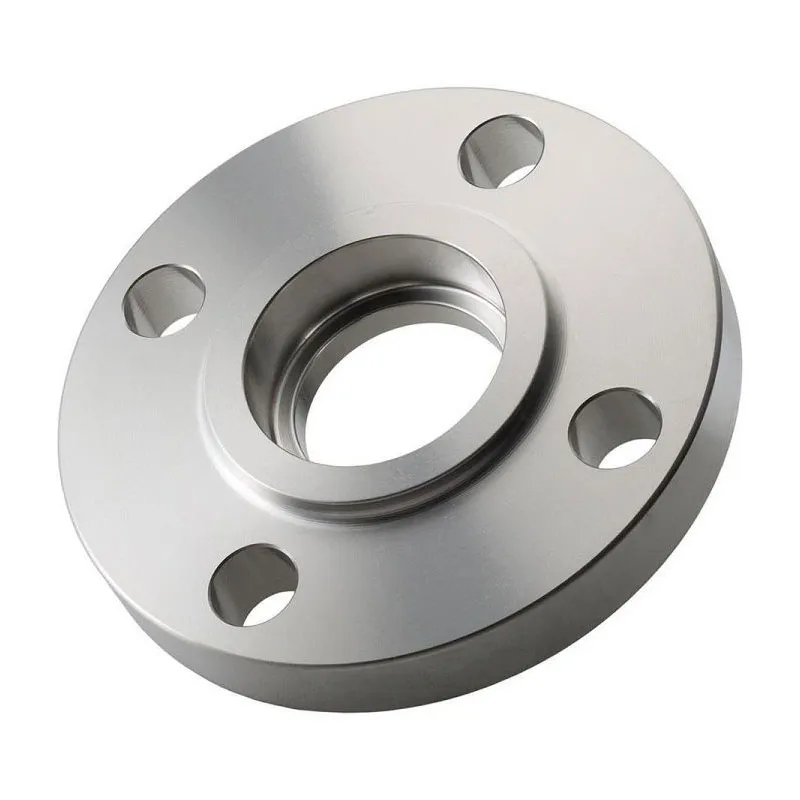 ANSI B16.5 Socket Weld Flanges Class 1500
 -
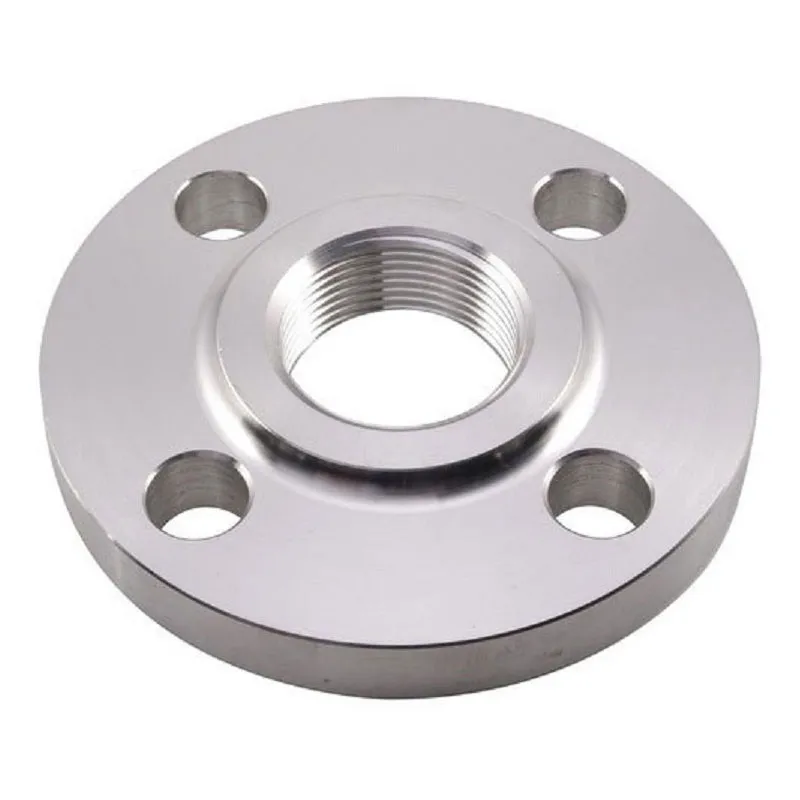 DIN 2565 Threaded flanges PN6
 -
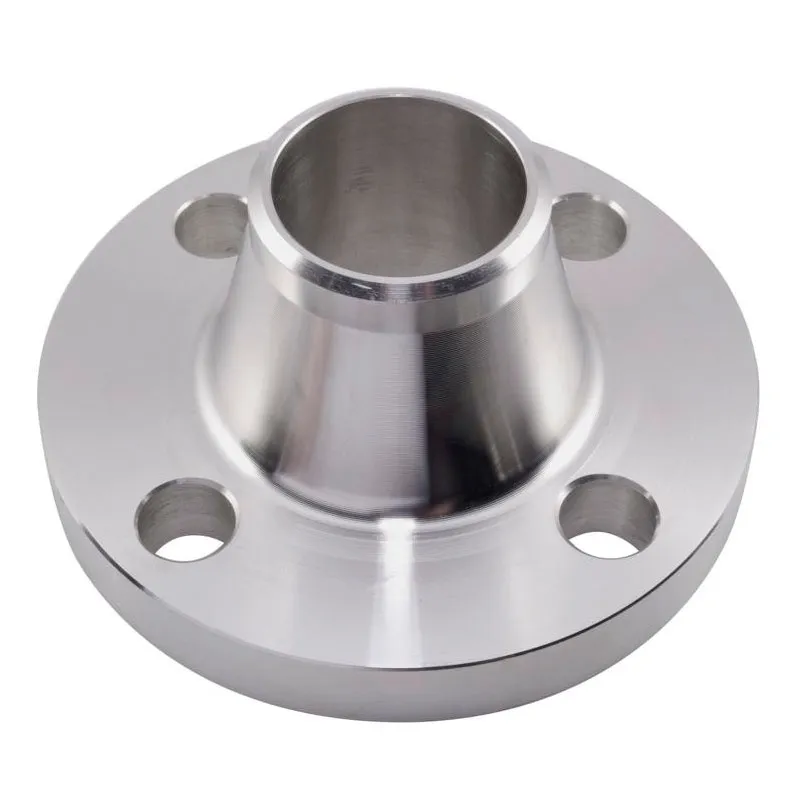 Butt weld flanges Class 900
 -
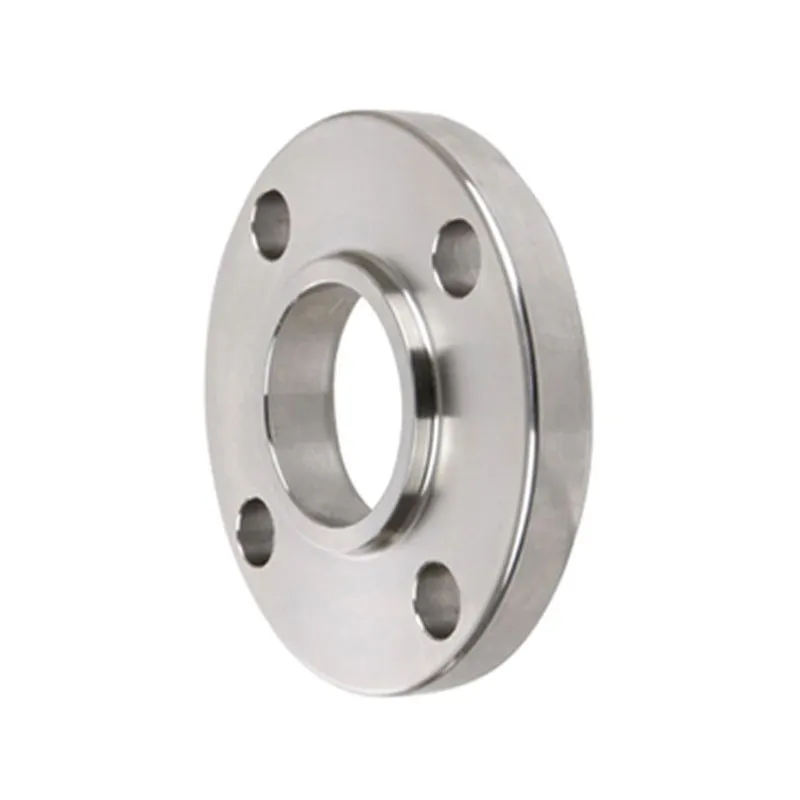 ANSI B16.5 Lap-on flanges Class 300
 -
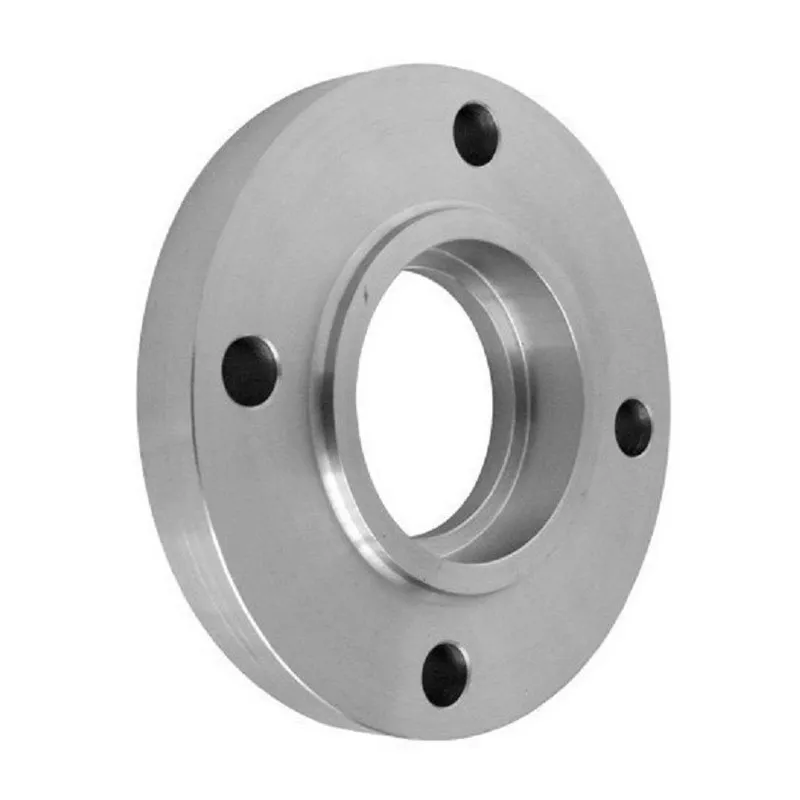 JIS 5K Socket Weld Flanges
 -
 JIS 10K Loose Ring Flanges