
-
-
Phone
+86-13623462298



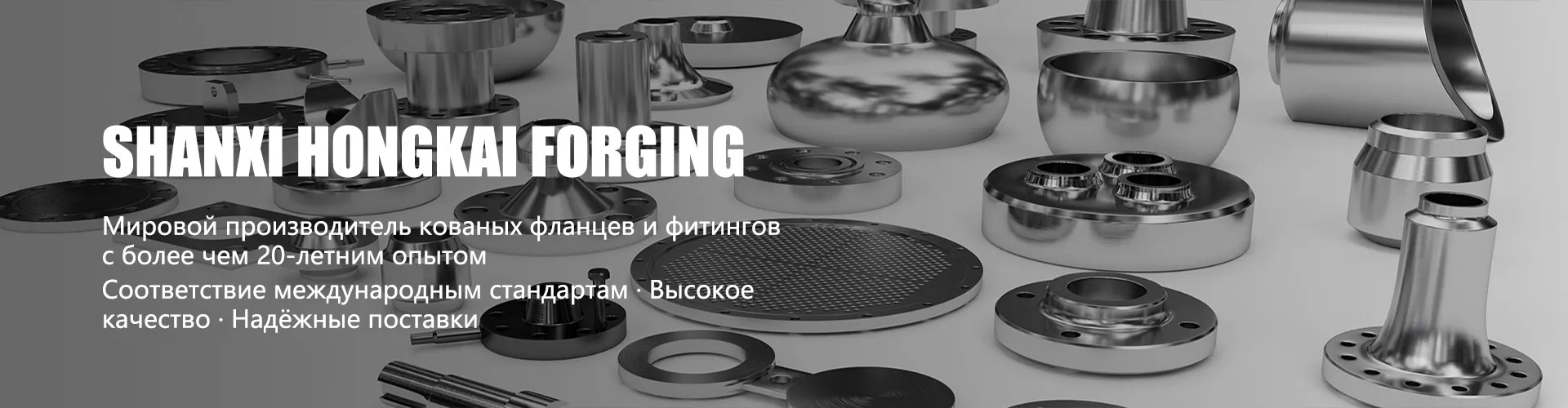
flange DN125
When they say “Du125 flange”, many, especially those who are just starting to work with pipeline fittings, think that this is some kind of standard, simple part. Well, the nominal bore is 125 mm, what’s so complicated about that? In practice, this particular standard size is associated with many subtleties and pitfalls that emerge during installation or, worse, during operation. The most common mistake is to assume that all DN125 flanges are interchangeable if the outer diameter and number of holes are the same. This is a deep misconception that can be costly.
The key thing is not Du, but conditional pressure
Look, let's take the same oneflange DN125. Without indicating the conditional pressure (Py) it’s just a number. In practice, executions on Ru16 or Ru25 are most often required. And this is where the fun begins. Geometry, thickness of the connecting protrusion, diameters and number of holes for the studs - all this changes. For Ru25, the butt-welded flange will be more massive, and the mating pair will also be more massive. If, by mistake or because of a desire to save money, you put 16-bar flanges on a line designed for 25 atmospheres, expect trouble. The joint may not withstand, especially with water hammer.
The experience was bitter, but instructive: we had a facility, the contractor purchased supposedly suitableflange DN125Ru16 according to the old, cheap specification. They placed it in an area with coolant pumping. It worked for six months, but in the winter, when the pressure surged, it began to leak around the perimeter of the joint. We took it apart and the flange was deformed and the gasket was cut in half. The reason is a mismatch with actual workloads. We saved pennies, lost thousands on downtime and repairs.
Therefore, now I have clearly understood for myself: I start any order or specification by clarifying “DN125 is good, but at what pressure?” And I demand full labeling in the documentation. By the way, many Russian projects are still guided by GOST (this is end-to-end) or GOST 12820-80 (flat). They have this bunch of ?Doo-Ru? clearly stated.
Material: from St20 to 12Х18Н10Т and beyond
The second layer of problems is the material.Flange DN125made from carbon steel St20 is one thing, but from stainless steel 12Х18Н10Т or even alloyed steel 09G2S - completely different stories in terms of price, weldability and behavior in an aggressive environment. I often see how in commercial proposals they simply write “steel”, and that’s it. Which one?
We worked with supplies for a chemical plant. There, according to technical conditions for acidic environments, flanges made of steel 10Х17Н13М2Т were required. The order was placed with one trusted manufacturer, it seems even withShanxi Hongkai Forging Co.,Ltd— they just declare a wide range of materials according to international standards. So, the shipment arrived, everything seems to be ok, there are markings. But during a random check by spectral analysis (an important matter), a discrepancy in molybdenum content was revealed. Not critical, but not according to the specifications. I had to return it. Moral: even with large manufacturers who, likeShanxi Hongkai Forging Co.,Ltd, are positioned as a manufacturer of forged flanges in one of the centers of the forging industry in China, the material must be controlled. Their advantage is precisely the possibility of forging, which for critical parts often gives a better metal structure compared to casting or cutting from rolled metal.
And another nuance regarding materials: for DN125, which is often used in highways, the issue of impact strength at low temperatures is important. If the object is in the North, then 09G2S steel is a must have. Sometimes they forget about this, they take the usual St20sp, and then they are surprised at the cracks.
Flange type: butt, flat, loose
Almost all main types are used with standard size DN125. But the choice depends on the installation and maintenance technology. Butt welding (GOST 33259) is the most common and reliable, but requires high-quality fitting and welding. Flat welded (GOST 12820) is easier to install, but holds less pressure, and is not always good for systems with high temperatures due to different thermal expansion of the pipe and the flange itself.
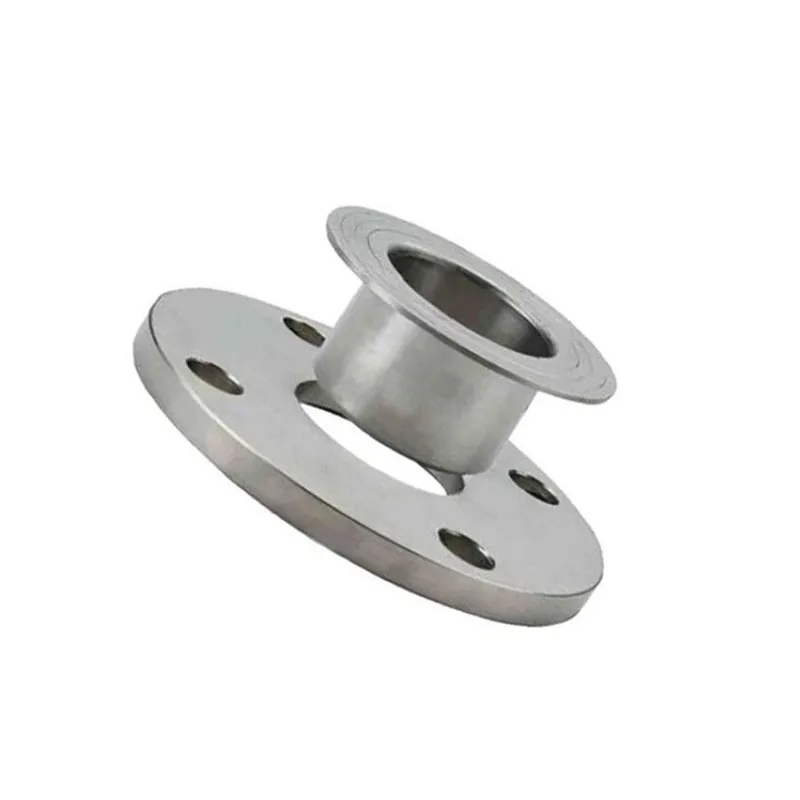
But the free flange on the welded ring (GOST 12822) is a separate matter for DN125. Its indispensability in hard-to-reach places is difficult to overestimate. I remember they were redoing the pipeline in a cramped tunnel. It was physically impossible to weld a classic butt weld - there was no access to the apparatus. We escaped with loose flanges. We welded the rings to the pipes in a convenient area, brought them in, and assembled them with a bolted connection. The work took much less time.
But even the free ones have a weak point - the accuracy of the coincidence of the holes in the ring and the flange itself. If the manufacturer has skimped on processing, there will be skew and even pressure on the gasket will not be achieved. Here it is just important that the supplier, be itShanxi Hongkai Forging Co.,Ltdor another, had good precision machining equipment. By the way, this type is indicated in their assortment, and the range up to DN4000 allows you to make such products for large diameters.
Gaskets and seals are the finishing touch
You can have the perfectflange DN125made of the right steel, but put in the wrong gasket - and it’s all down the drain. For Ru16, paronite is often enough. But if the medium is high-temperature steam, then the paronite will “float”. Requires graphite or metal edged gasket. For aggressive environments - fluoroplastic.
There was a situation in the food industry where frequent disassembly of the line for washing was required. We installed standard DN125 flanges with rubber gaskets. Due to frequent dismantling and exposure to detergents, the rubber quickly became tanned and lost its tightness. We switched to fluoroplastic (FUM) gaskets - the problem went away, although the cost increased. But cheaper than permanent stops.
An important point is the condition of the sealing surfaces. They can be smooth, with a protrusion-recess, for a lens gasket, etc. The same butt flange according to GOST 33259 usually has a tongue-and-groove design. or “protrusion-recess?”. When ordering, you must make sure that both flanges in a pair have mating surfaces. It's a shame to end up with a flange with a protrusion in one place and a smooth surface in another.
Non-standard situations and working with the manufacturer
Standardflange DN125- this is good, but life is richer. Often adapter flanges are needed (say, from DN125 to DN100), or with a non-standard arrangement of holes in order to dock with imported equipment (for example, a pump with a DIN flange). Or increased thickness is required to compensate for high bending moments.
In such cases, working directly with the manufacturer, who takes on non-standard products according to drawings, is the only way out. The sameShanxi Hongkai Forging Co.,Ltdin its information directly indicates this possibility. This saves time. Instead of looking for something ready-made (which may not exist), you send a drawing and get what you need. The key here is to provide as detailed a sketch as possible with tolerances, especially on the holes and sealing surface.
One of our successful cases is the order of an adapter flange Du125/100 to Ru40 made of 13HFA steel for a thermal power plant. It was expensive to do it on your own, but they had similar forgings in their product range. Made by forging and processed. It turned out reliably, the joint has been working for several years without any complaints. The main thing was to clearly discuss all stages of control and acceptance.
In the end, what I want to say.Flange DN125- this is not just a piece of hardware. This is the node on which the integrity of the entire system depends. The approach to it must be comprehensive: pressure, material, type, accompanying fittings and, what is very important, a trusted supplier who not only sells metal, but understands what it is used for and how it will work. There are no trifles here.
Correspondingproducts
Related Products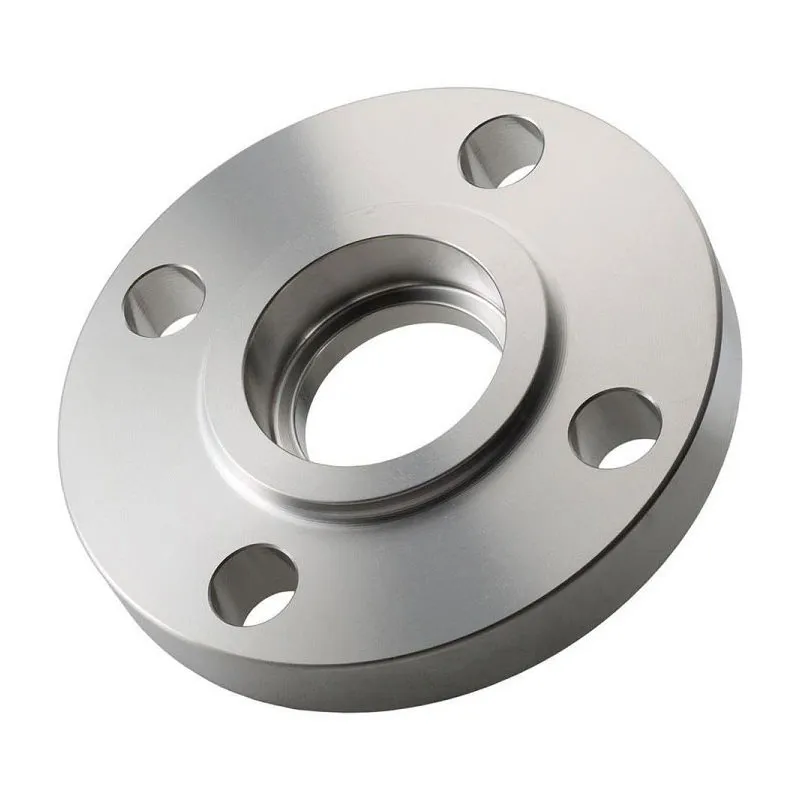
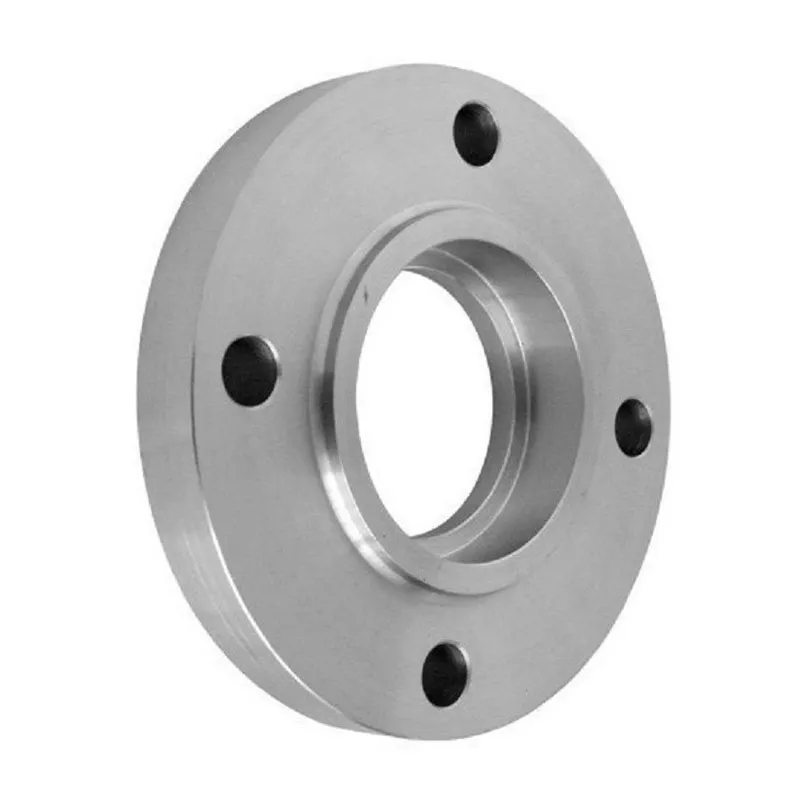
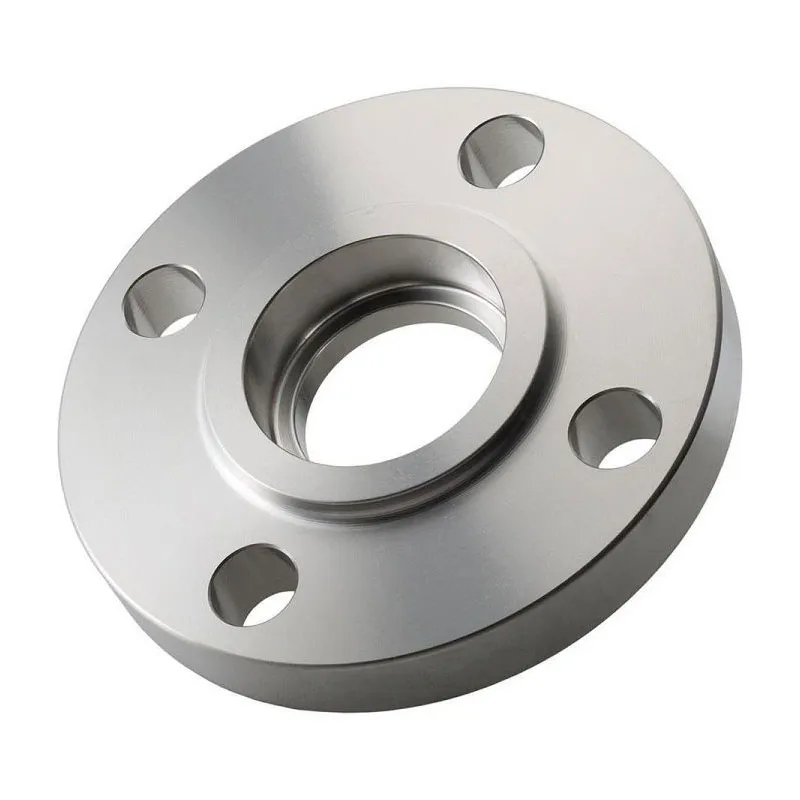
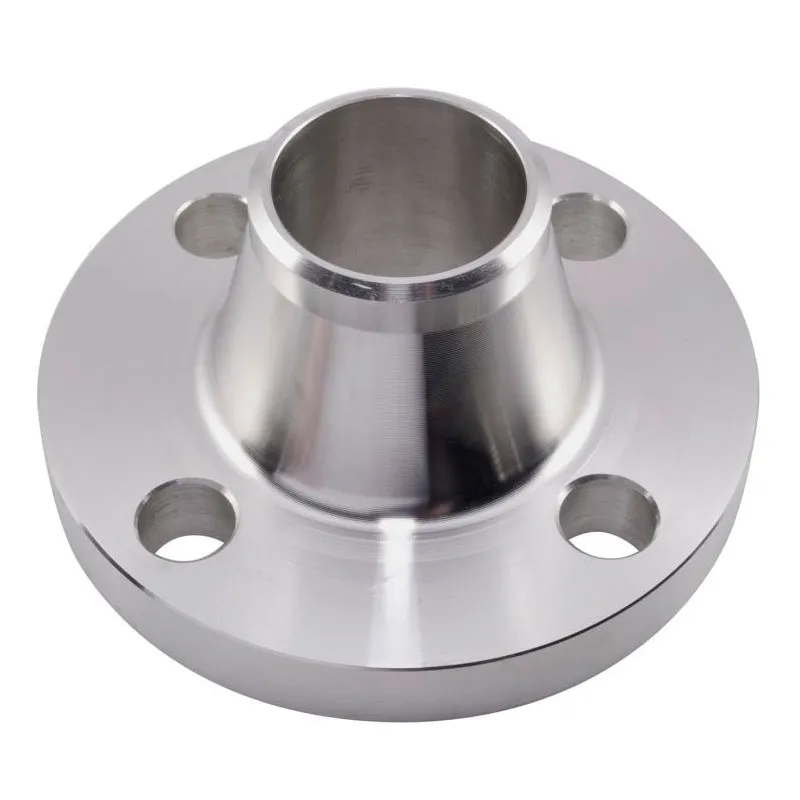
Best Sellingproducts
Best Selling Products-
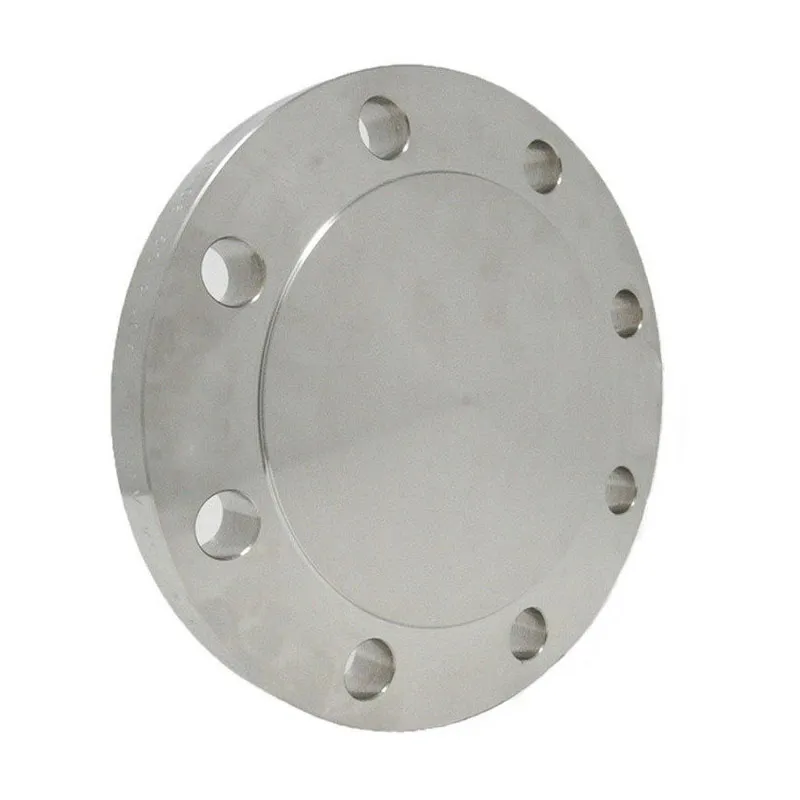 AWWA Blind Flanges Class D (Tables 1, 2, 3)
 -
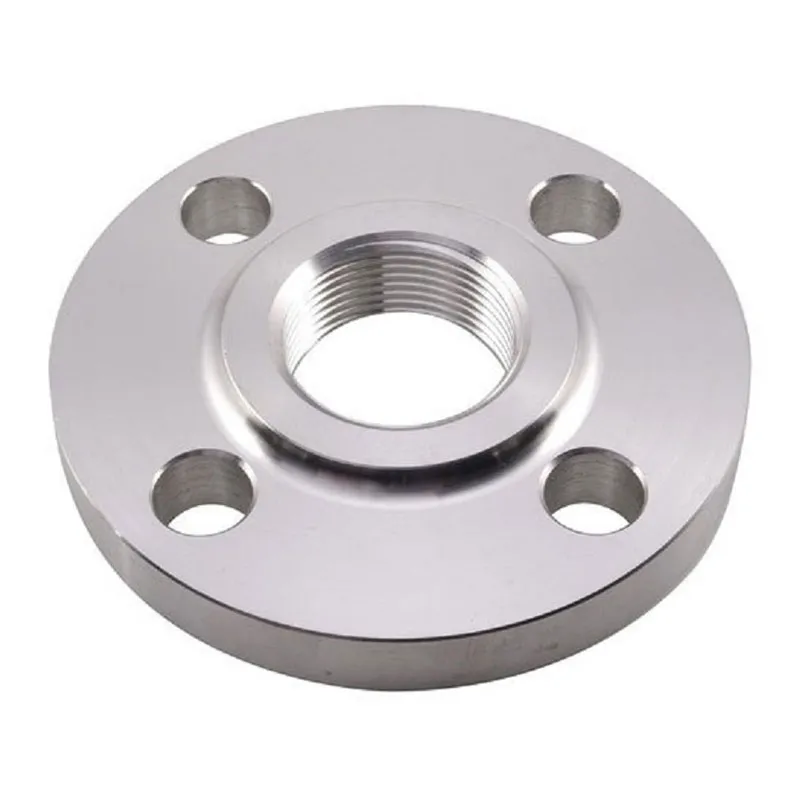 JIS 10K Overlay flanges
 -
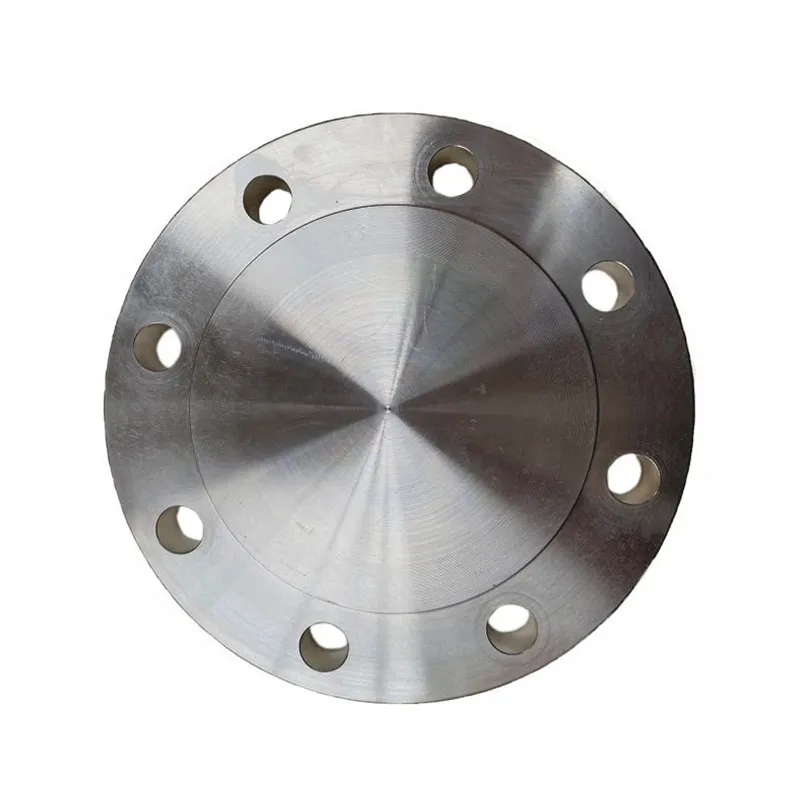 DIN 2527 Blind flanges PN10
 -
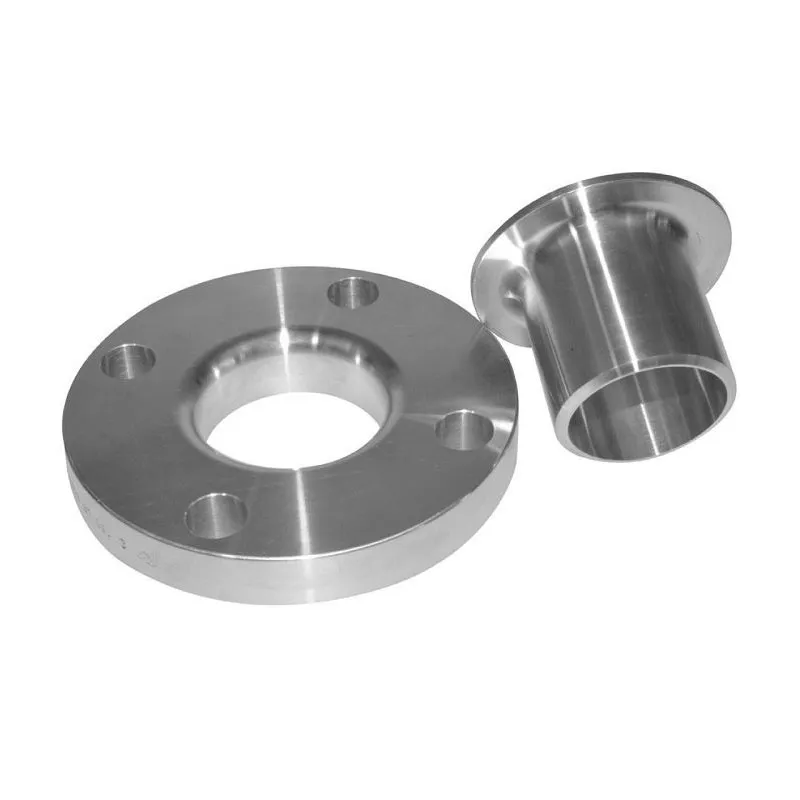 ANSI B16.5 Loose Ring Flanges Class 2500
 -
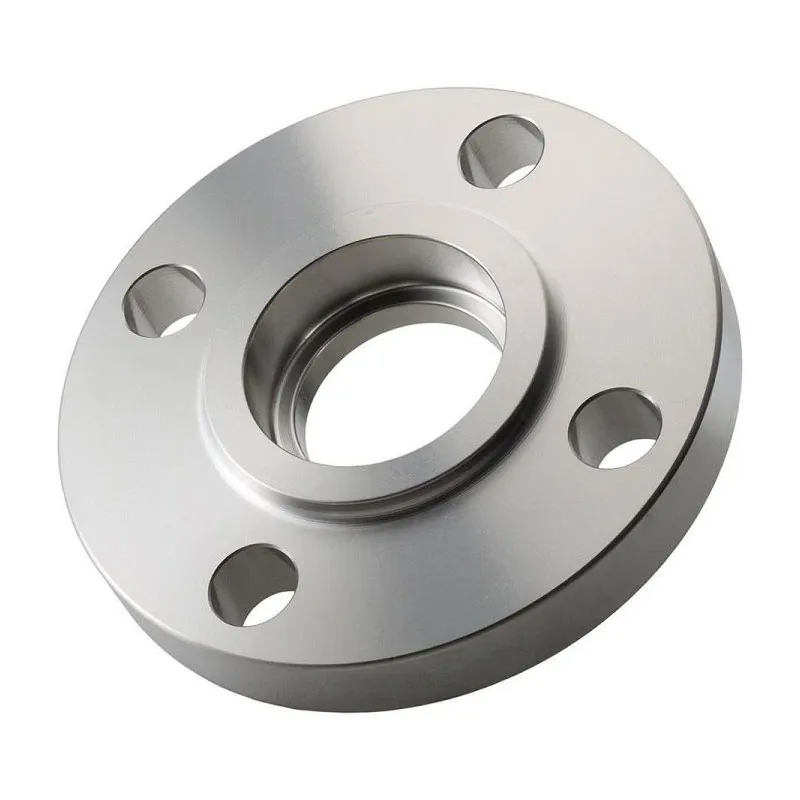 ANSI B16.5 Socket Weld Flanges Class 150
 -
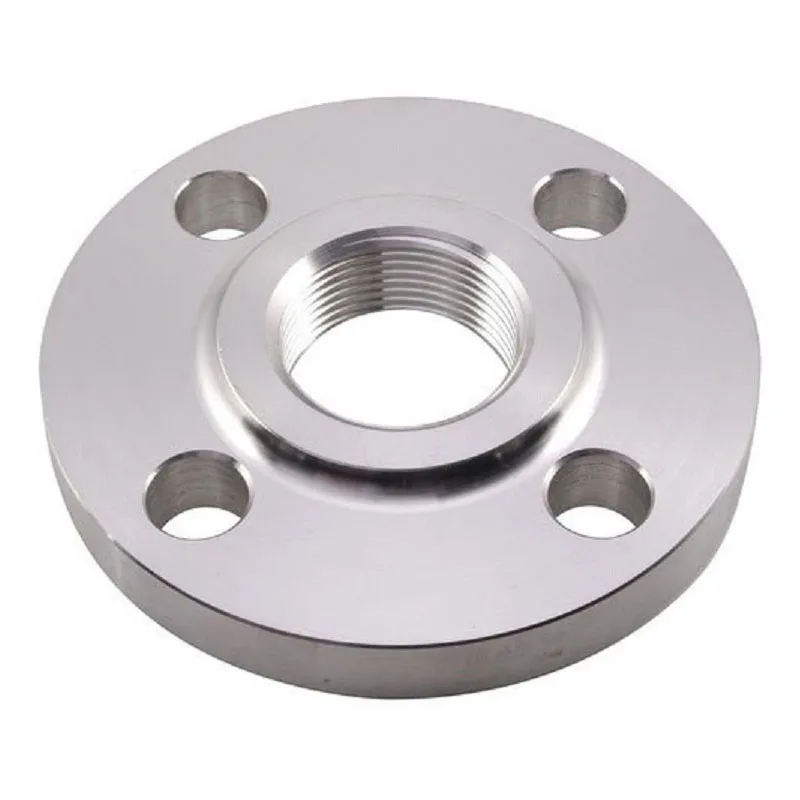 DIN 2566 Threaded flanges PN16
 -
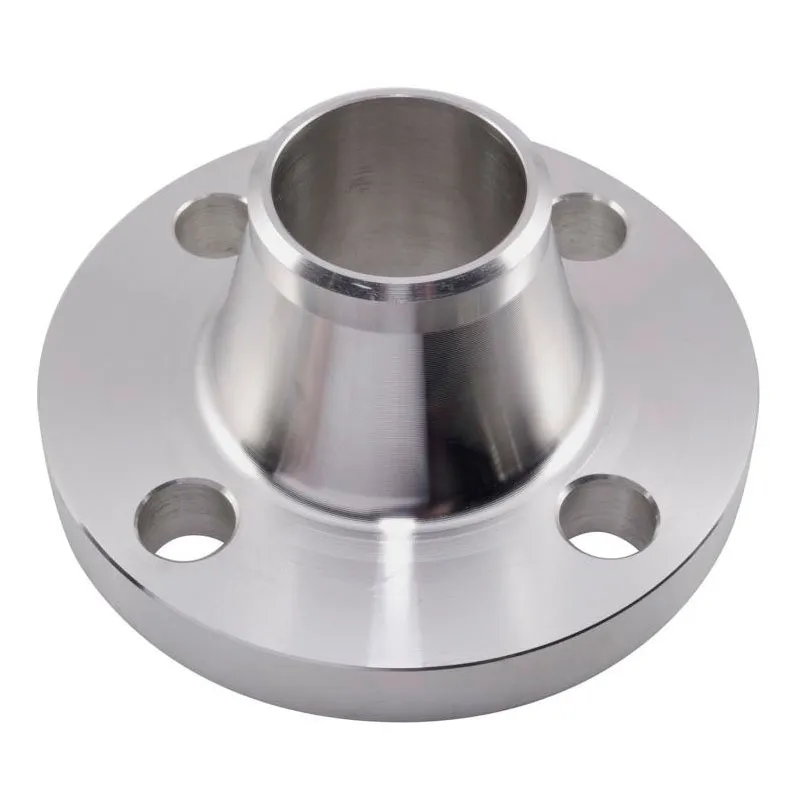 DIN Butt weld flanges PN10
 -
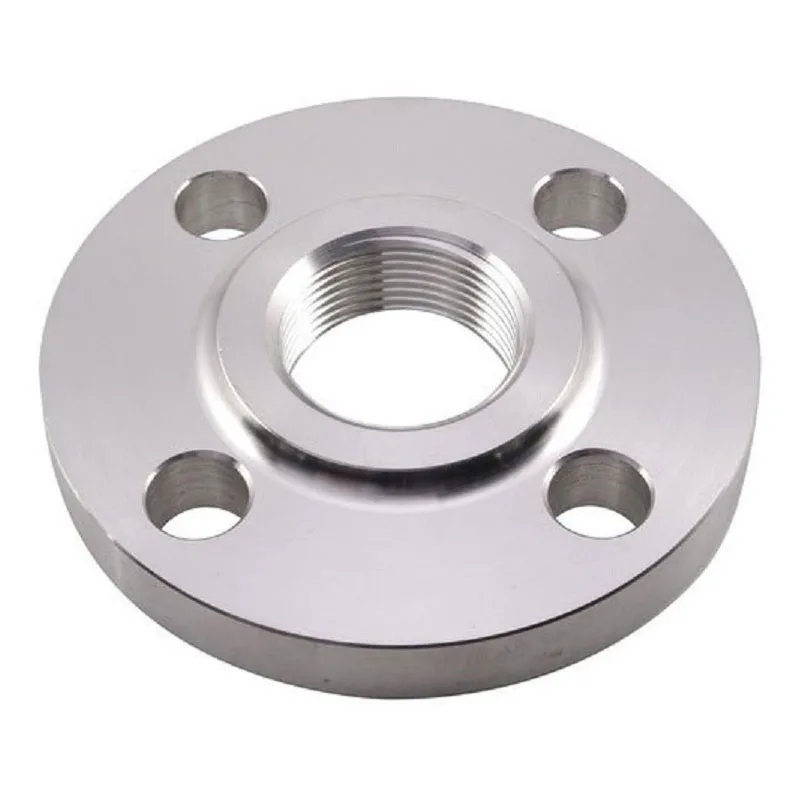 JIS 10K Threaded Flanges
 -
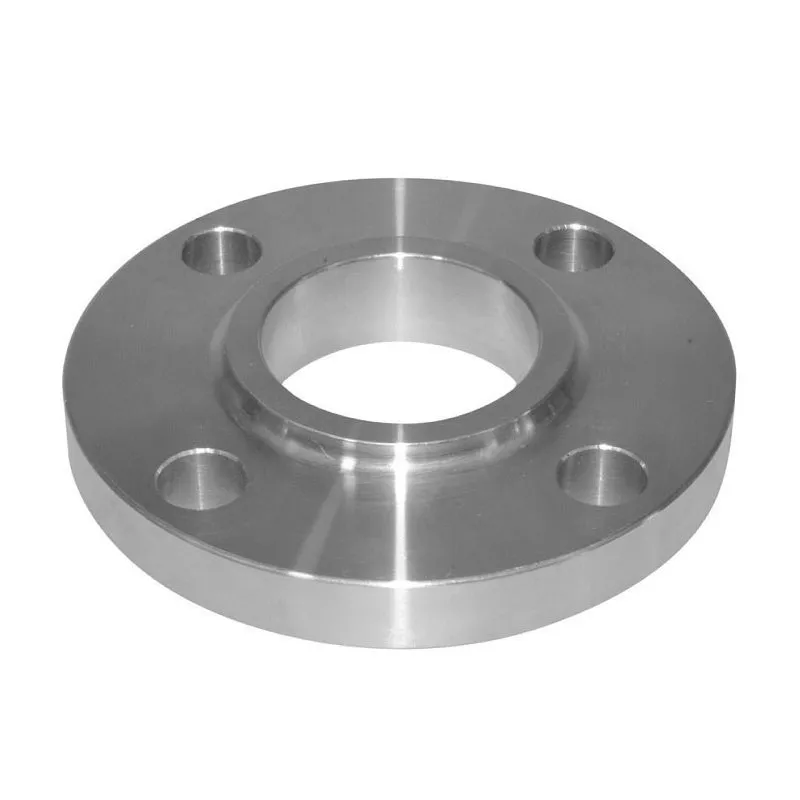 ANSI B16.5 Lap-on flanges Class 1500
 -
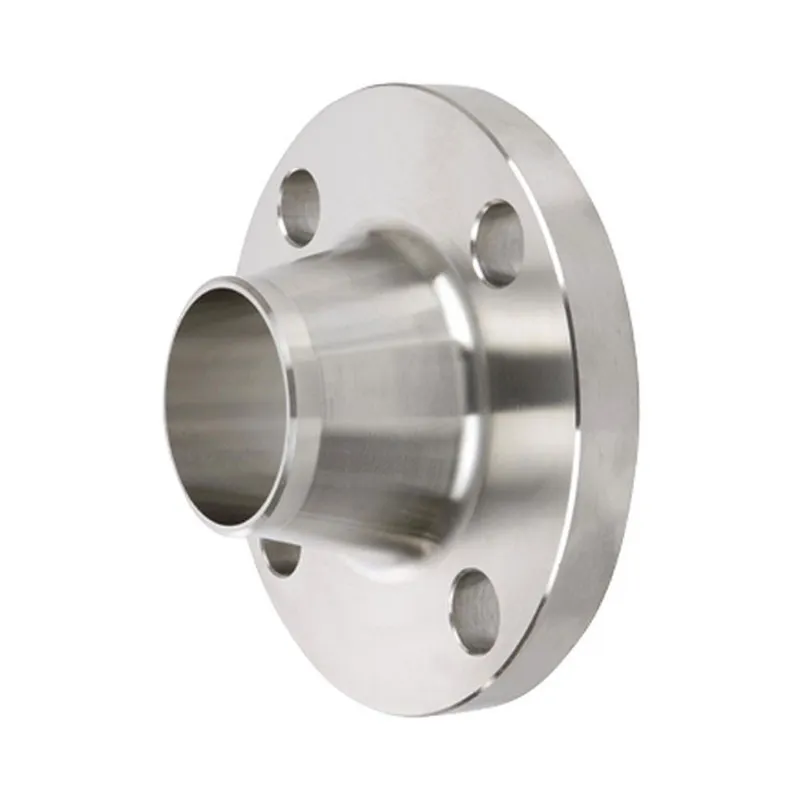 EN 1092-1 Butt weld flanges Type 11, PN25
 -
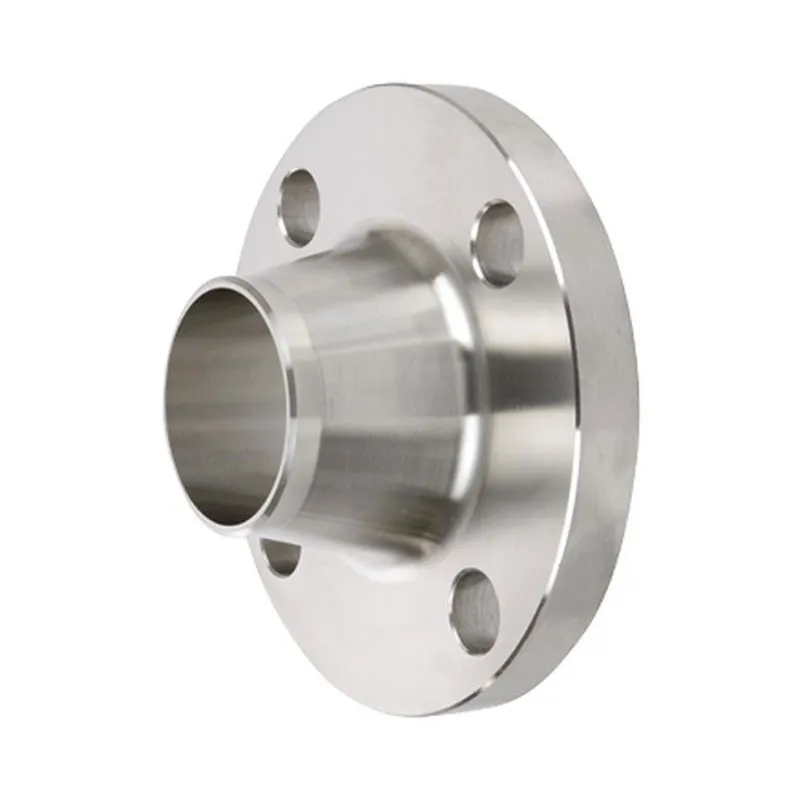 Ser.A Butt Weld Flanges Class 400
 -
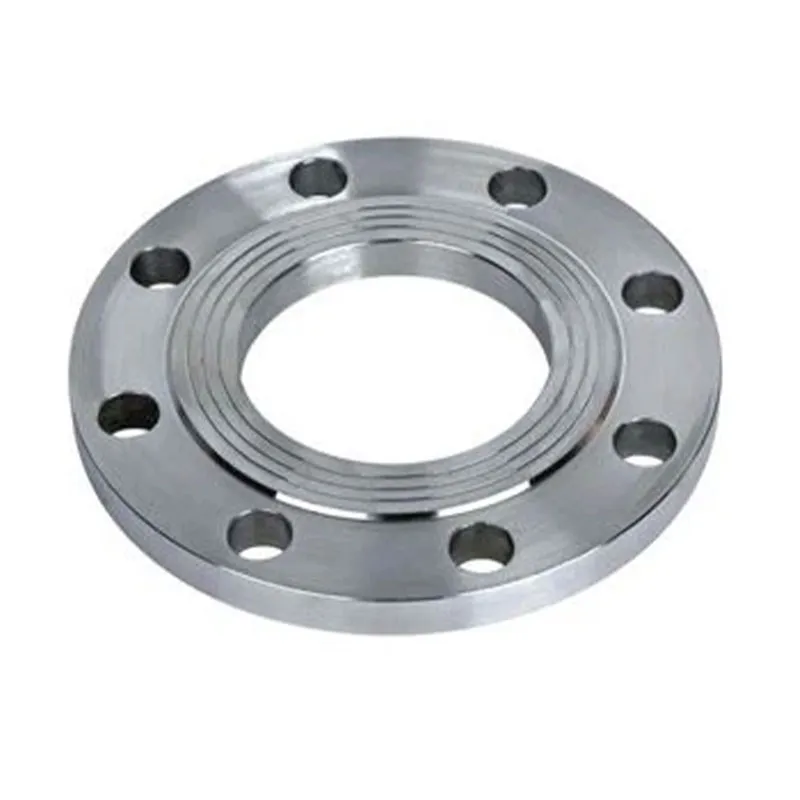 Butt weld flanges Class 150