
-
-
Phone
+86-13623462298



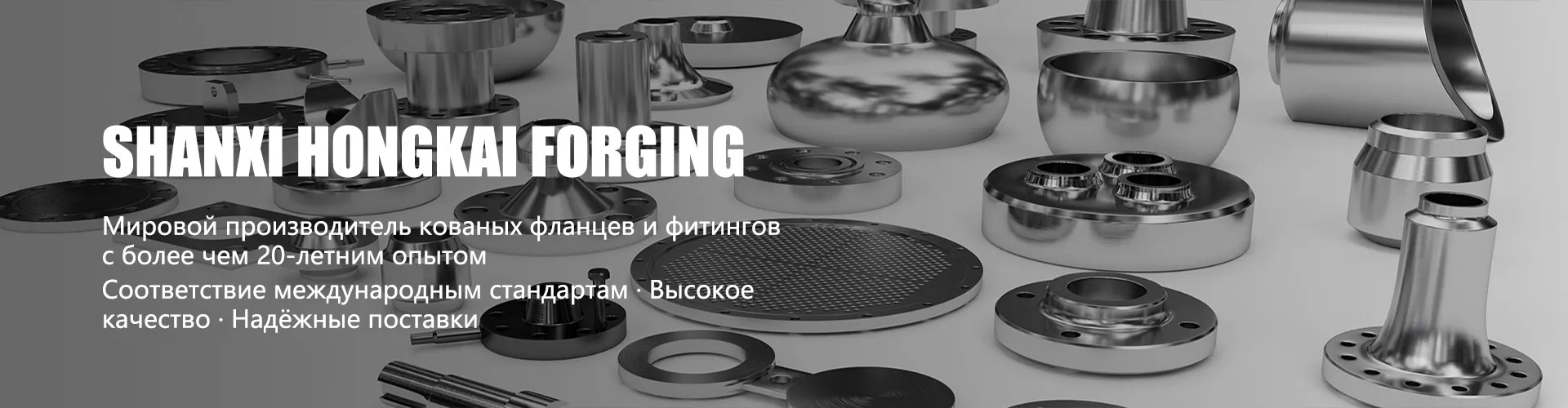
flange shop
When they say “flange store,” many people imagine a warehouse with shelves where they simply sell parts according to a catalog. This is the biggest misconception. In fact, this should be a center where you will not only buy the required flange, but also receive advice that will save the project from a costly mistake. This is especially true for forged products - here the price of the issue is not just in rubles, but in the reliability of the entire system for years to come.
What is the difference between a real supplier and a “transshipment point”?
I have been working with pipeline fittings for many years and have seen different formats. There are companies that simply resell what they ordered from a large factory. They have a beautiful catalog in their office, but when asked about the details of the technology or the possibility of making changes to a standard product, there is complete stupor. Their ?store? - This is a showcase, nothing more.
It’s a completely different matter when the word ?shop? own production costs. Here, for example,Shanxi Hongkai Forging Co.,Ltd. Their websitehkflange.rupositions them as a manufacturer of forged flanges and forgings. This is the key point. When you communicate with the manager of such a company, you feel that the person can contact the workshop directly, clarify the nuances of the workpiece, and discuss heat treatment. This is not a salesman, this is a supply engineer.
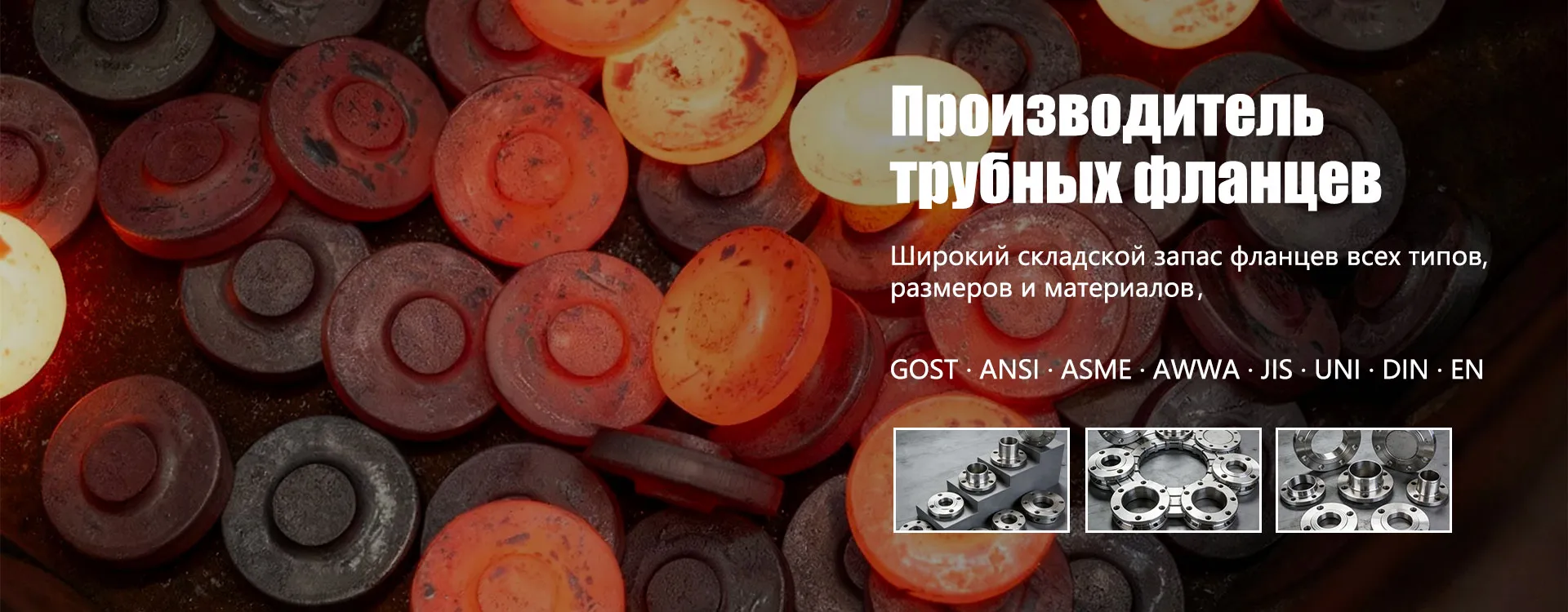
Their range is a reflection of their deep understanding of the market. They work according to GOST, ASME, EN, DIN - this is a standard set for a serious player. But the important thing is that they emphasize forged flanges. Forging is not just a shape, it is a certain structure of the metal, increased strength and resistance to impact loads. For critical sections of pipelines, this is often not just a recommendation, but a mandatory condition of technical regulations.
Standards and “non-standard”: where real value is born
Working according to standards is the basis. Anyone who respects himselfflange shopmust guarantee compliance. The mentioned company, for example, claims to work in accordance with GOST, ASME, EN and others. But there is a subtlety here: just having a certificate is not enough. It is important that the production cycle is structured so that each batch, even the smallest one, corresponds to the declared one. I have encountered situations where an ASME B16.5 flange purchased from a reseller did not fit the stud holes. It turned out that the batch had been “relabeled?” to standard. We lost a week at a construction site.
You really check the supplier when you need a non-standard product. Let's say you need a flange with an unusual hole pattern, transient pressure, or a specific grade of steel. Here you can see the ?shop? whether it is a manufacturing company or a production company. On the websiteShanxi Hongkai Forging Co.,Ltdit is expressly stated: “non-standard products according to customer drawings?”. This is not just a line. This means that they have a design department that will read your drawing, ask clarifying questions (sometimes their questions will help you find an error in the design itself), and calculate the manufacturing technology.
The size range DN15–DN4000 is a serious statement. Working with flanges under DN1000 is no longer a “release from stock” story. These are logistics, special loading conditions, and often the need for phased shipment. If a company is ready for this, it means it has experience and proven processes.
Failures that teach: why more than just the flange matters
I'll tell you about one of our old failures. We ordered a batch of welding necks for the facility. Everything is standard, everything is beautiful. But one factor was not taken into account - the climatic conditions of the installation site and the nature of the working environment. The specification was for standard steel. But in reality, it was needed with a reduced carbon content and a special type of heat treatment for operation at subzero temperatures. The flanges arrived, passed geometry acceptance, but later, during the operation stage, they cracked in the body.
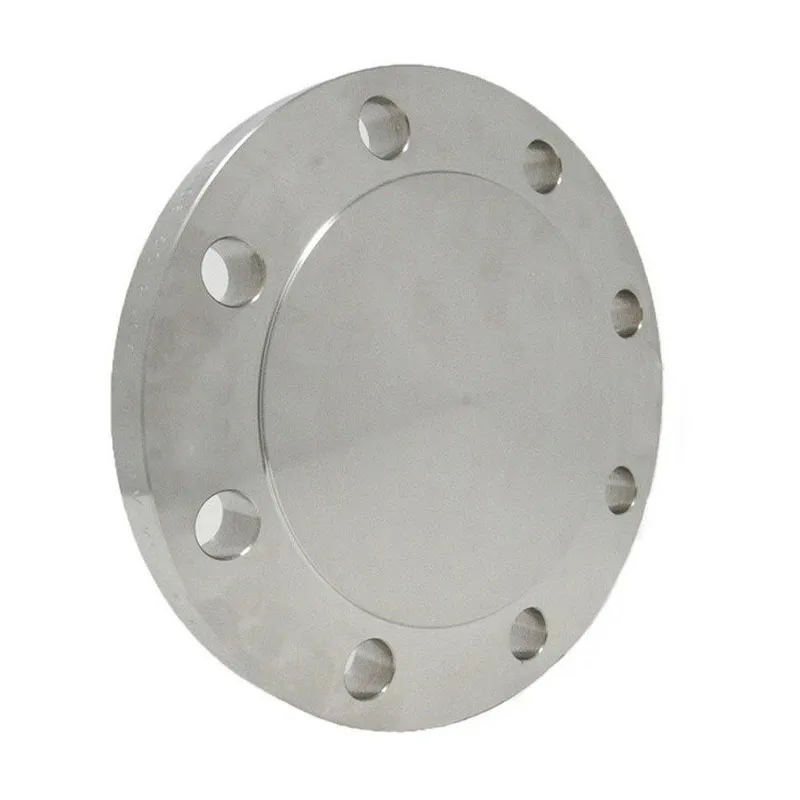
After that, I realized: a good supplier is one who will not just sell you a part from a catalog, but will delve into the technical specifications. Now, discussing an order, for example, forblind flanges(blind flanges), I always describe the environment in detail: temperature, pressure, presence of aggressive substances. A real specialist from the manufacturer’s side must use these data to either confirm the choice of material or suggest an alternative.
That's why I paid attention to the profileShanxi Hongkai Forging Co.,Ltd. Being a manufacturer located in one of the forging centers of China, they most likely have a complete cycle from blank to finishing. This is critical for quality control at all stages. Forging and pressing production is not stamping; every stage is important here: heating, deformation, cooling.
Loose flanges and threaded connections: subtleties of choice
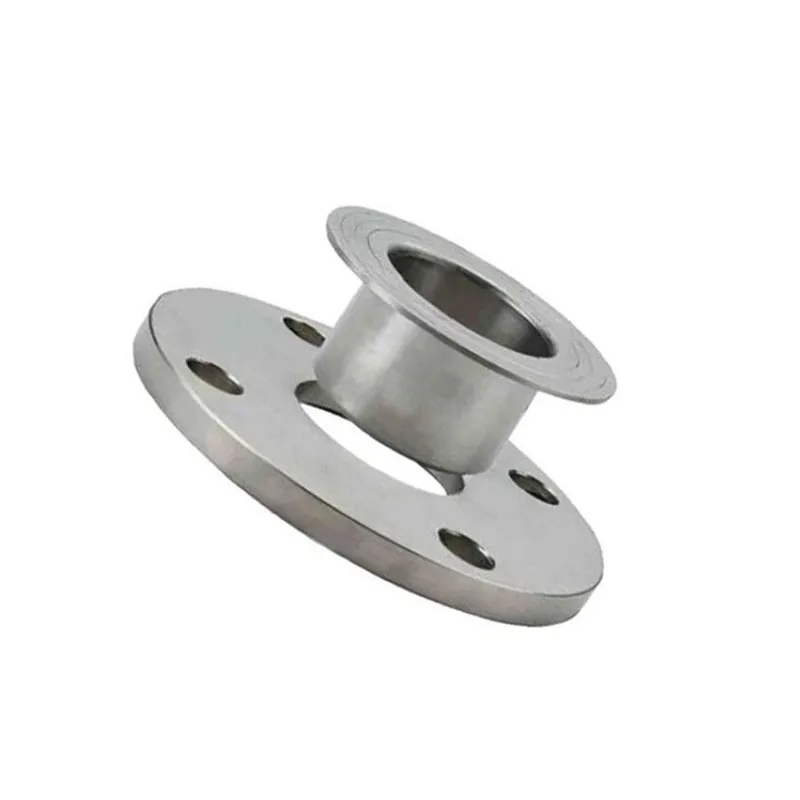
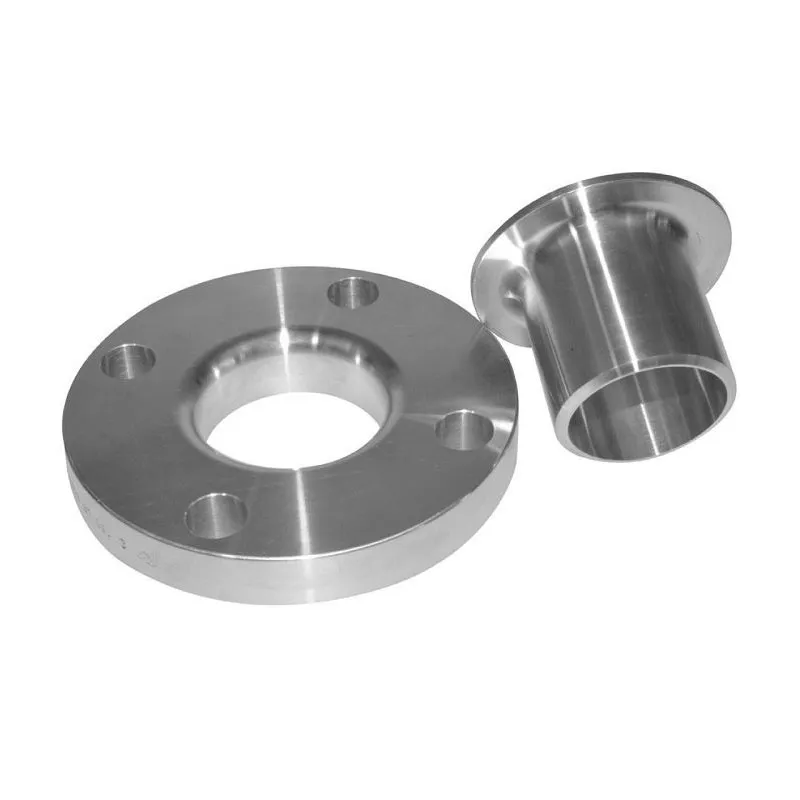
Let's take for exampleloose flanges(loose flanges). They are often used for ease of installation, especially in hard-to-reach places or when frequent disassembly of the connection is required. It would seem like a simple detail. But the key element here is the welded ring that comes with the kit. The quality of its surface for welding, the accuracy of its curvature matching with the flange - this is where the problems lie. If the ring ?leads? after welding, the flange will not sit straight, there will be a skew, which guarantees leakage.
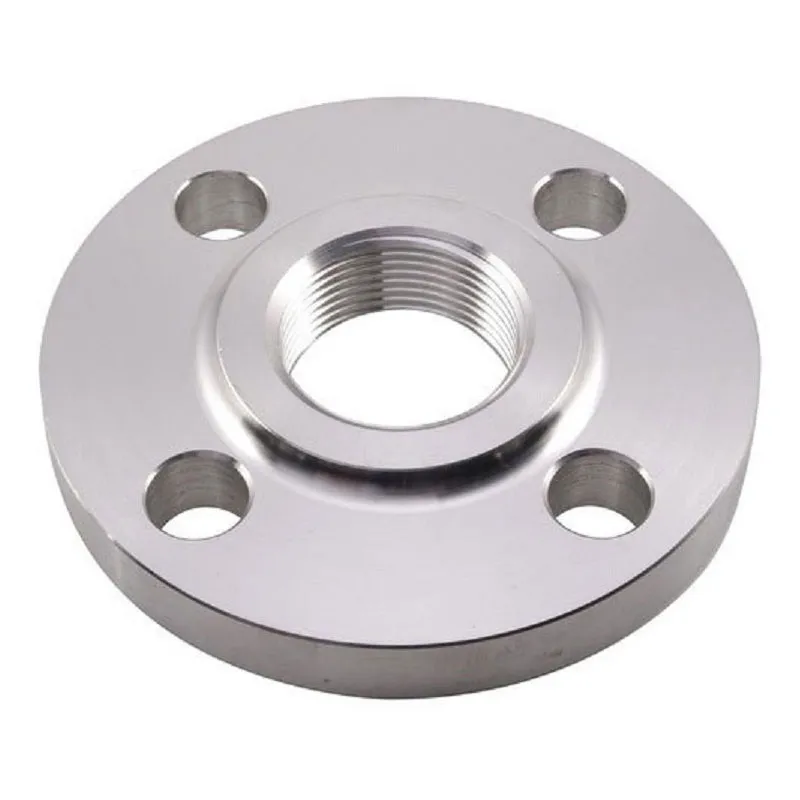
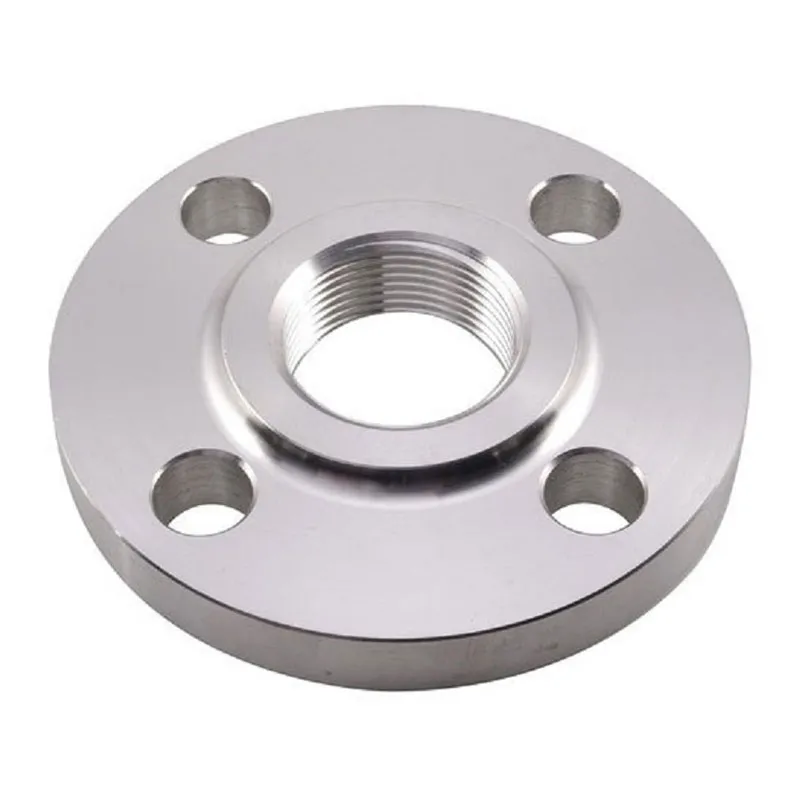
Orthreaded flanges. The story is as old as time: the carving must be clean, without burrs, and with the correct pitch. But the main thing is the material. Not all steel is suitable for threaded connections; some grades are prone to “sticking.” threads. A good manufacturer knows this and will offer either a special coating or a different grade of steel that is more suitable for such connections.
In the range of the mentioned manufacturer, I see both loose flanges with a welded ring and threaded ones. This suggests that they cover different technological installation needs, and do not just make the most popular items.
Final Considerations: What to Look for When Choosing
So what is itflange shopin my understanding today? This, ideally, is a “window?” into serious production. You come there not for hardware, but for a solution to your engineering problem. The first thing I look at is whether there is a store behind the ?store? factory. A business card website with contacts is good, but is there information about workshops, equipment, and technologies? On the website hkflange.ru, in the description of the company, the emphasis is on production and standards, which is correct.
The second is the depth of expertise. The manager must ask questions. If he simply asks for an article from the catalog, this is a bad sign. If he asks about the environment, pressure, type of welding, he is a professional.
Third, readiness for non-standard dialogue. This is the best test. Send them a drawing with a small complicated part and see the speed and quality of feedback. The answer is in the spirit of “this is not according to the standard, we don’t do that?” closes the question. An answer with questions and options opens the way to long-term cooperation.
Ultimately, choosing a flange supplier is insurance against future problems on site. If you save a penny on “just a store,” you can lose thousands on downtime and repairs. Therefore, I am increasingly inclined to work directly with manufacturers who understand the essence of the product, and not just its presentation.
Correspondingproducts
Related Products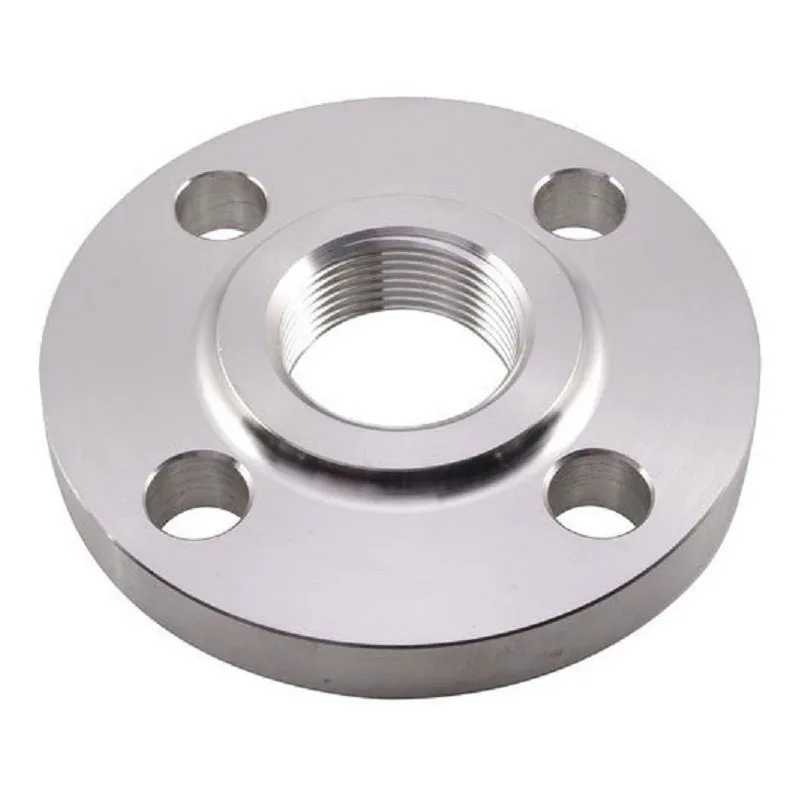
Best Sellingproducts
Best Selling Products-
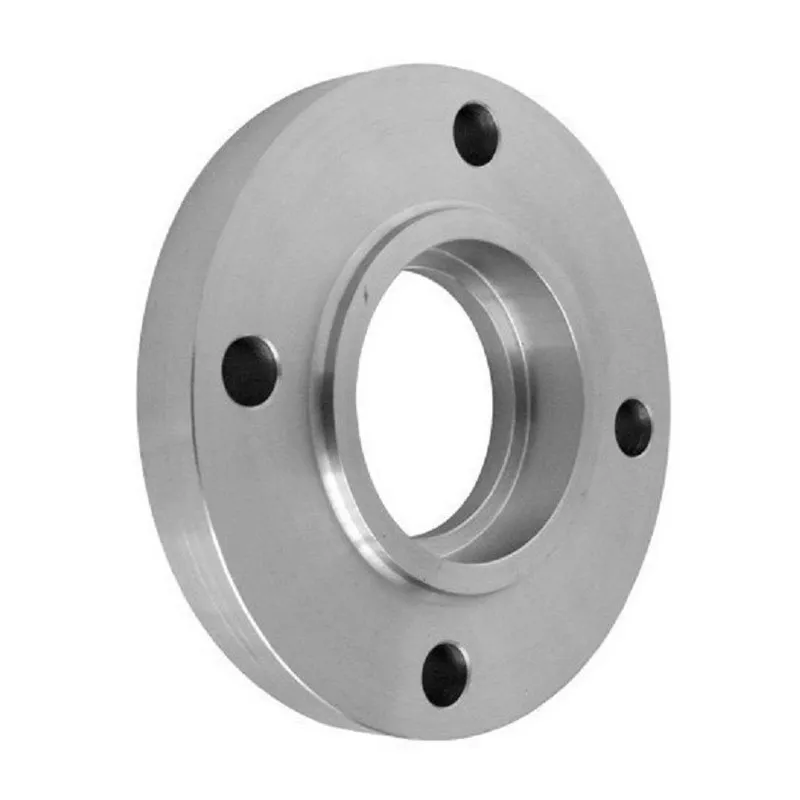 JIS 5K Socket Weld Flanges
 -
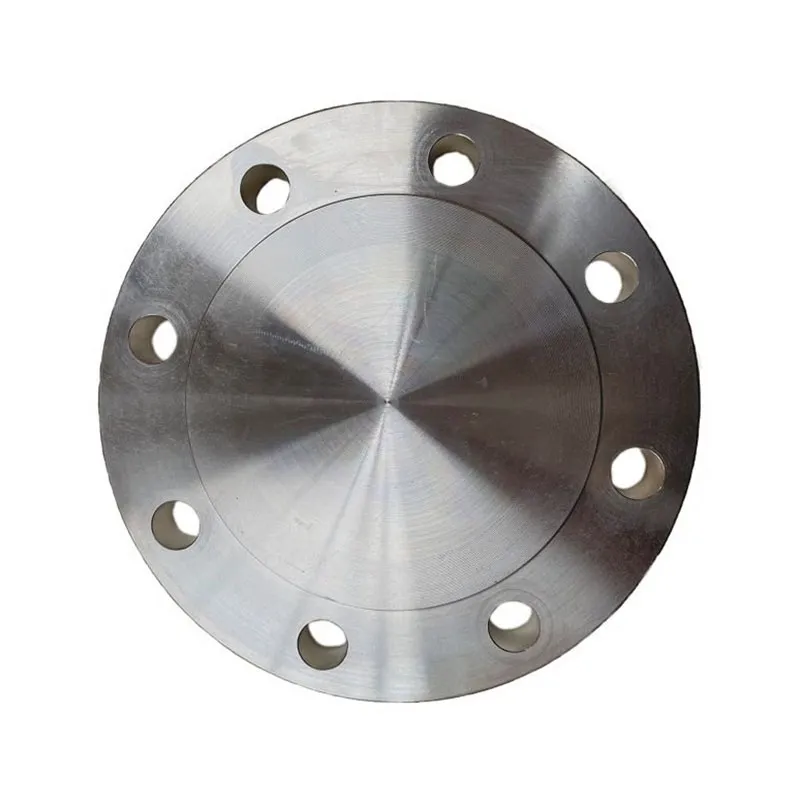 UNI 6092 Blind flanges PN10
 -
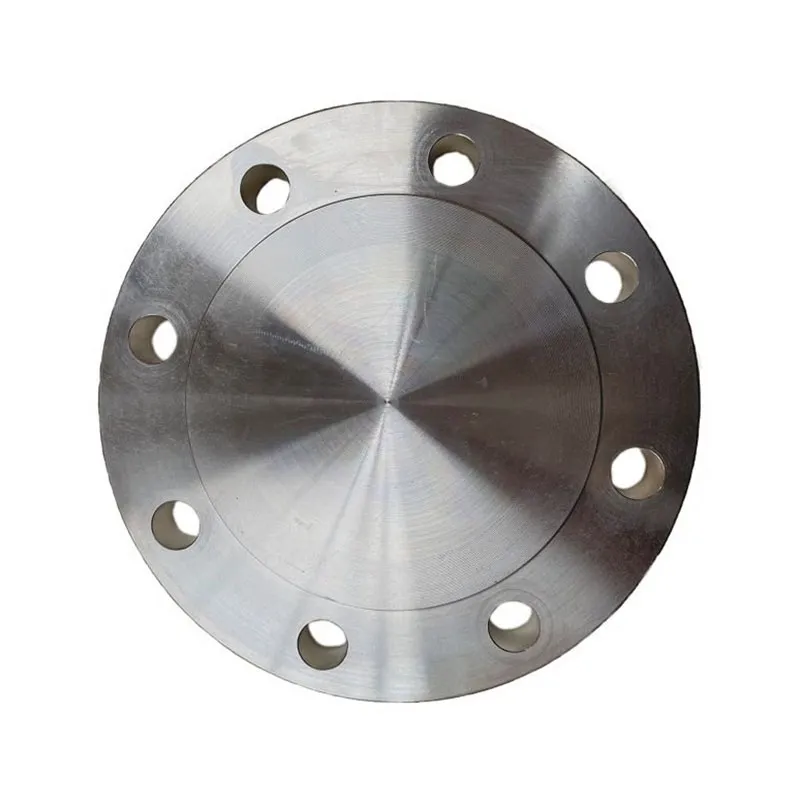 ASME B16.47 Ser.A Blind Flanges Class 400
 -
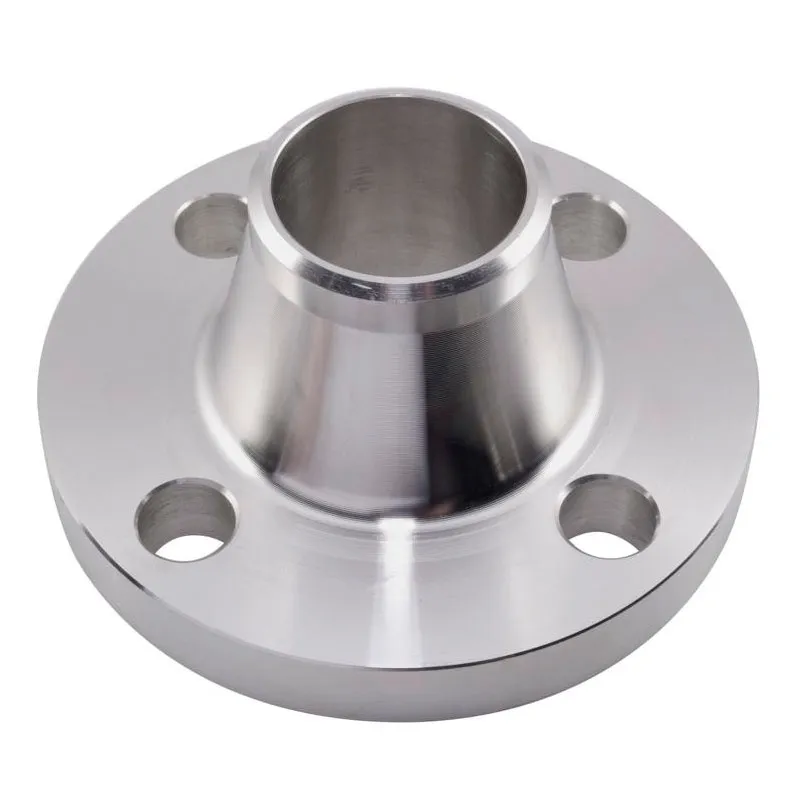 Butt weld flanges Class 900
 -
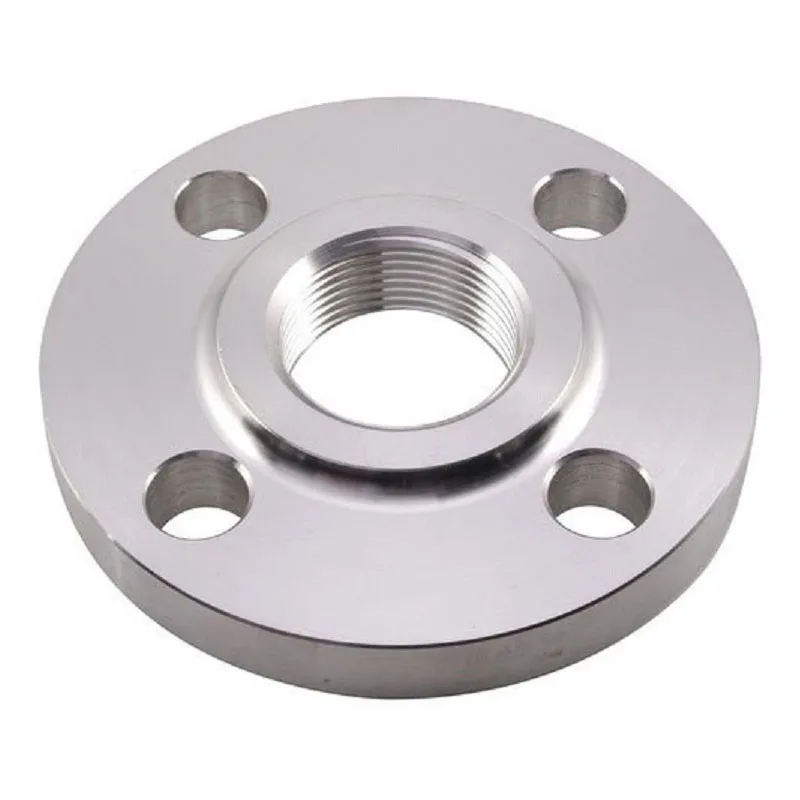 DIN 2566 Threaded flanges PN16
 -
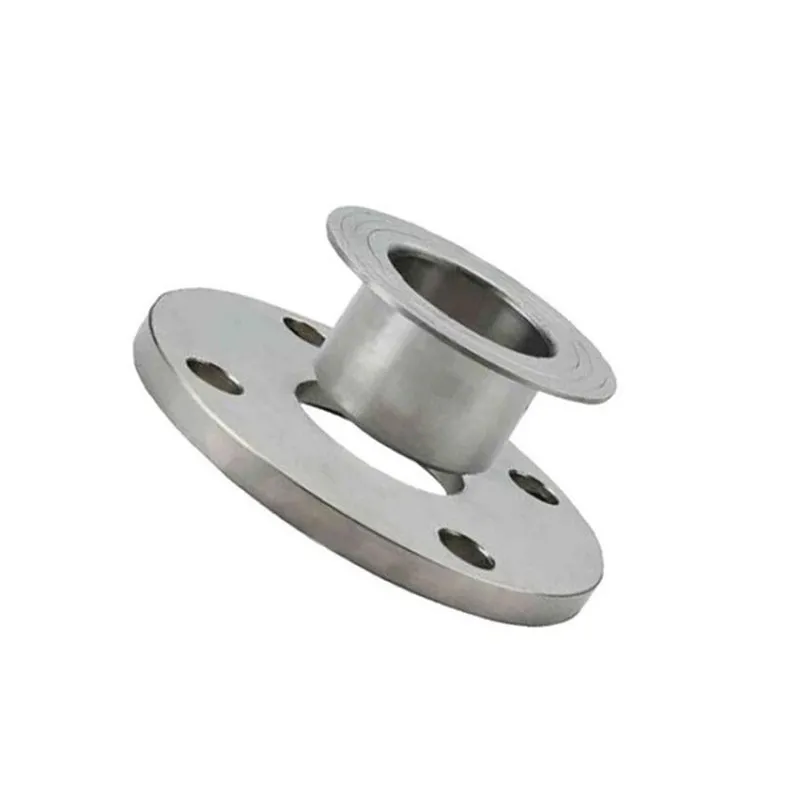 JIS 10K Loose Ring Flanges
 -
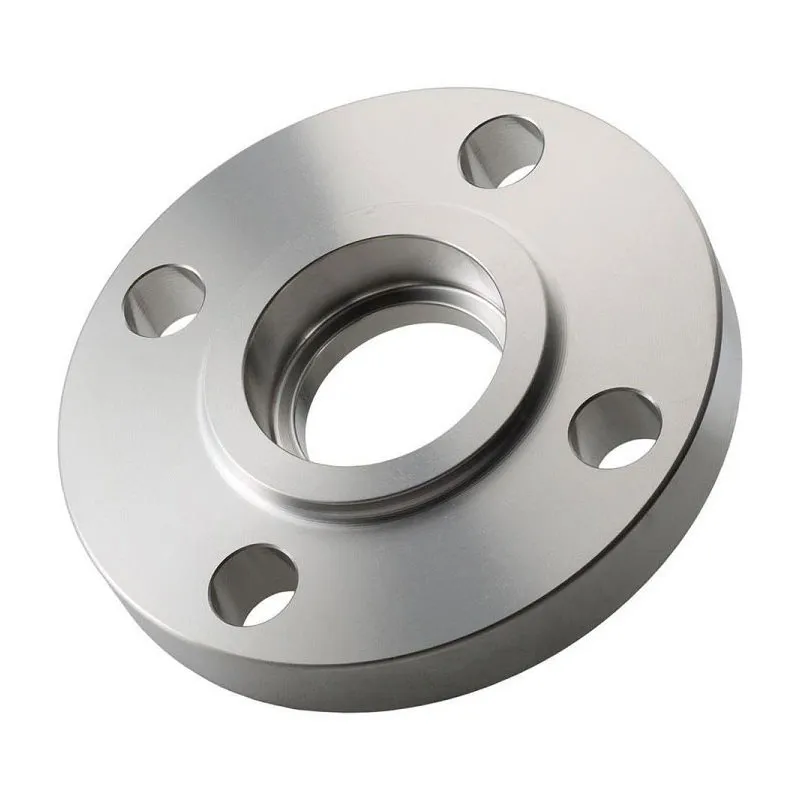 Flanges for socket welding
 -
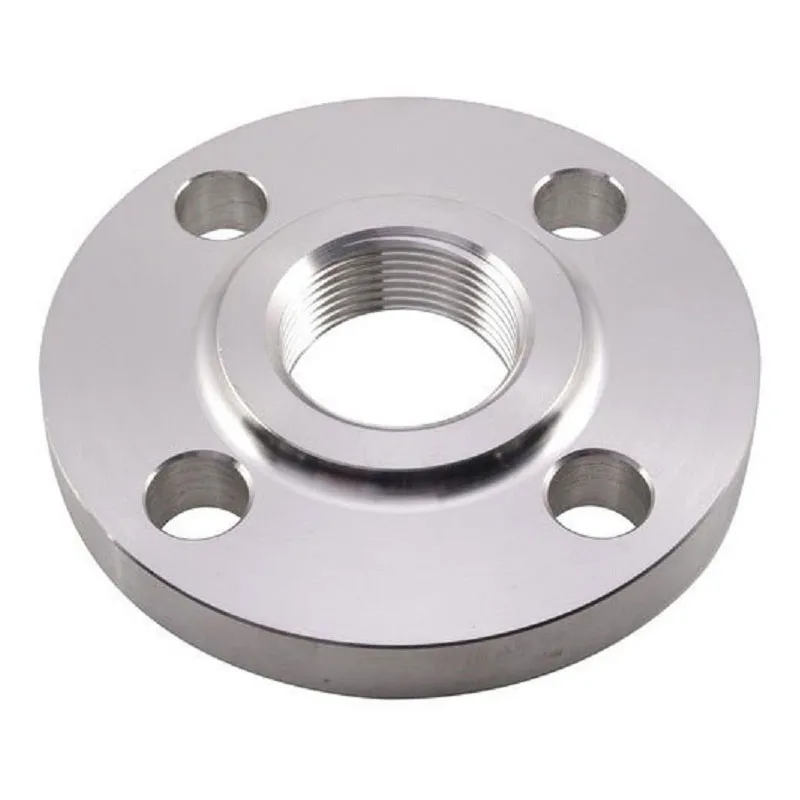 EN 1092-1 Threaded flanges Type 15, PN16
 -
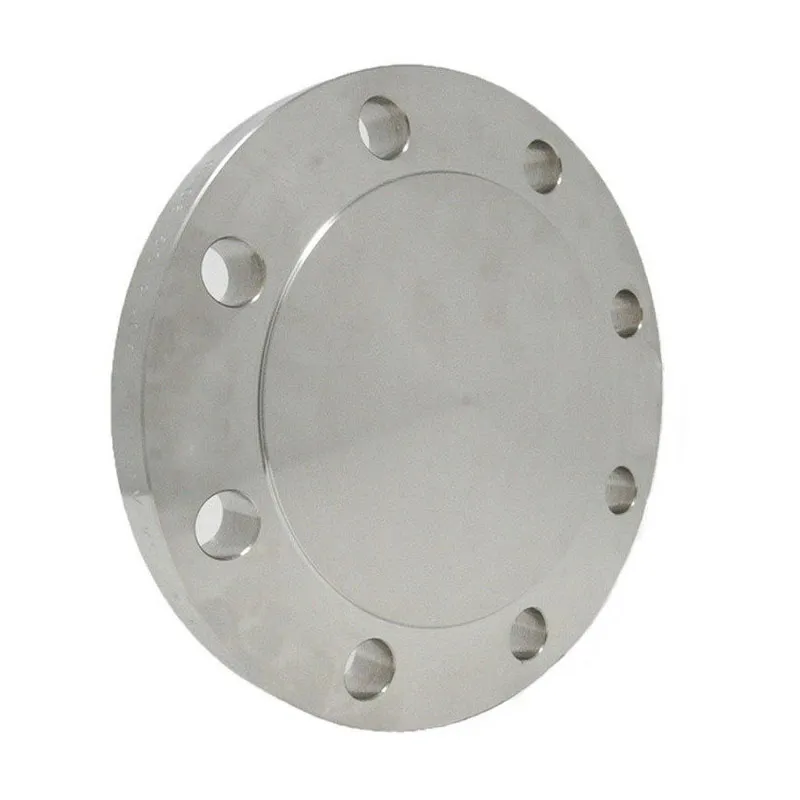 Blind flanges Class 150
 -
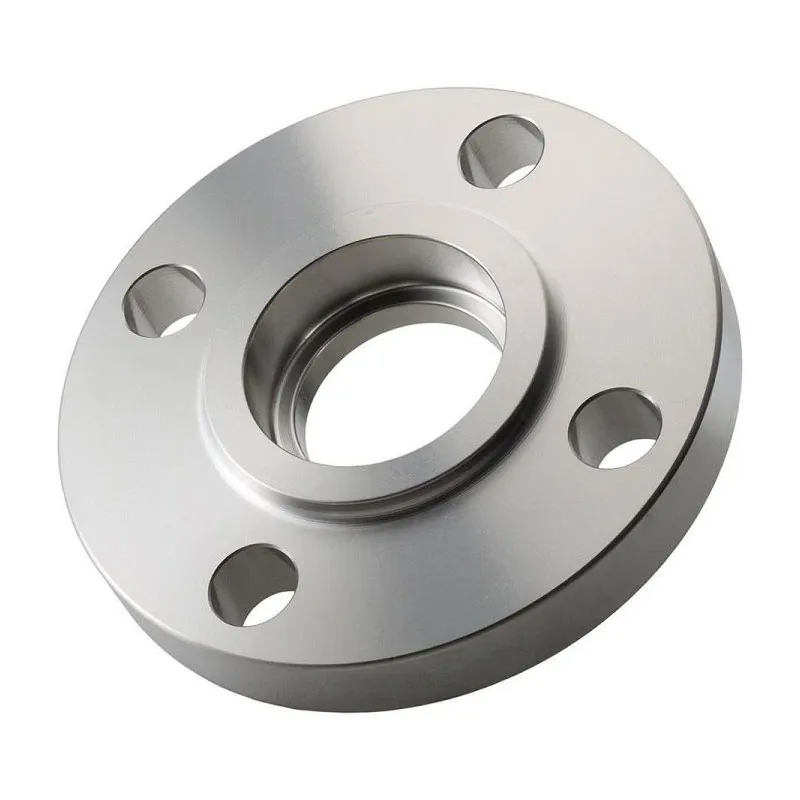 ANSI B16.5 Socket Weld Flanges Class 150
 -
 JIS 10K Overlay flanges
 -
 ANSI B16.5 Loose Ring Flanges Class 2500