
-
-
Phone
+86-13623462298



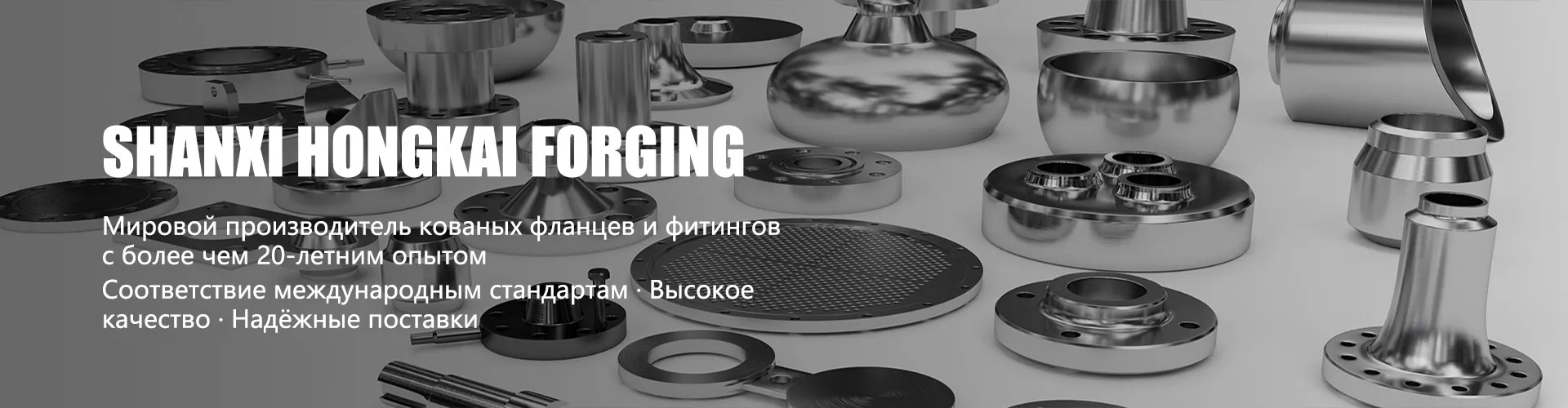
flange DN 50 16
When you hear “flange DN 50 16?”, the first thing that comes to mind is a standard thing, a forty-five, nothing complicated. But it is precisely in this apparent simplicity that the main mistake lies. Many people think that since the parameters are known (DN 50, PN 16), then the flange will be the same everywhere. But in practice, the material, type of sealing surface, quality of processing, even the country of origin of the workpiece play a huge role. I have more than once encountered situations when a seemingly suitable part, due to a small detail, stood crooked or began to “sweat”. at the very first hydrotests.
Not just numbers: decoding markings and hidden parameters
So,flange DN 50 16. DN 50 is a nominal diameter, approximately corresponding to the outer diameter of the pipe of 57 mm. Ru 16 - conditional pressure 16 kgf/cm2 (or 1.6 MPa). It would seem that everything is clear. But here’s the first nuance: to what standard is it made? GOST (old 12820-80) for flat flanges or GOST for butt welded flanges? This determines the design and, most importantly, the thickness and height. For Ru 16, the difference may be a couple of millimeters, but if you install it on a critical pipeline, these millimeters affect the deflection and load on the bolts.
The second point is the design of the sealing surface. For Ru 16, the most common version is ?B? (protrusion-recess) or ?E? (tongue and groove). Sometimes, especially in older projects, they may require ?A? (smooth). If you put a flange with a spike in a pair with a flange with a projection, the connection will not be airtight, no matter how you tighten the bolts. I myself once got caught in this when the warehouse ran out of flanges of the “B” design, and I took the “E”, deciding that there was no difference - I had to redo the assembly.
And the third, most important hidden parameter is the material. Steel 20, 09G2S, 12Х18Н10Т? For water or steam up to 200°C, Art 20 will do. But if the environment is aggressive or the temperature is higher, alloy steel is needed. The brand of material must always be indicated in the passport or on the part itself (stamp). Take a “pig in a poke?” - a direct path to an accident. I always advise looking out for manufacturers who clearly state all this information openly, such asShanxi Hongkai Forging Co.,Ltd (https://www.hkflange.ru). On their website you can see that for each standard size both the standard and the material are immediately prescribed - this seriously makes life easier for the engineer on site.
Installation experience: where mistakes are most often made
Let's say the flange is correct and purchased. Installation begins. The most common mistake is incorrectly tightening the bolts. You can't just take them and spin them in a circle. It is necessary to use a cross tightening pattern, at least in two steps, with a torque wrench. Otherwise, a distortion is created, and the gasket (especially paronite) is wrinkled unevenly. Forflange DN 50with 4 bolts this is critical. I saw how, after an improper tightening, everything held together in cold water, but when hot coolant was supplied, it began to leak on one side.
The second problem is surface preparation. They need to be cleaned of old paint, scale, and nicks. Sometimes seemingly new flanges have small burrs from casting or cutting - they must be removed with a scraper or a file. Otherwise they will cut through the soft gasket. Once we received a batch of flanges where there was a barely noticeable mark on the sealing surface - a mark from the mold connector. They didn't pay attention. As a result, they developed a leak during testing. I had to remove it and sand it.
And third - gasket. For Ru 16 and Du 50, a standard paronite PON is often installed. But if the medium is oil or gasoline, paronite will swell and lose strength. You need a fluoroplastic gasket or a metal gasket with an oval cross-section. Trifle? Yes. But it is precisely these little things that distinguish high-quality installation from an emergency one.
Case from practice: a non-standard situation with a “private” detail
I would like to give an example that clearly shows that even with a simple flange, not everything goes smoothly. At one of the facilities it was necessary to replace a section of an old DN 50 pipeline. The old flanges were Soviet, GOST 12820-80. We purchased new, modern ones, but also according to GOST. When joining, it turned out that the distances between the holes for the bolts did not coincide by 1.5 mm. There is one standard, but the tolerances in the old and new turned out to be different. The old flanges had 14 mm holes, the new ones - 18 mm. As a result, I had to drill out the holes in the new ones to 18.5 mm in order to align the centers. It was a very ordinary situation, but it delayed the work by half a day.
This is about the question of why it is important not just to buyflange DN 50 16, but to understand what exactly it is to be docked with. It is best, if possible, to provide the supplier with a drawing or at least a photo of the old model. Good manufacturers, the sameShanxi Hongkai Forging Co.,Ltd, which position themselves as a manufacturer of forged flanges and forgings according to international standards, are often ready to manufacture a product in exact accordance with the customer’s sample, even if it is slightly outside the standard range. Their range up to DN4000 allows us to cover such non-standard tasks.
After this incident, we made a rule: during any replacement, be sure to measure the mounting diameters and center distances of the old fittings, and not rely only on the numbers in the specification.
Choosing a supplier: what to look for besides price
Price is, of course, an important factor. But with flanges, especially pressure ones, cheapness often results in problems. The first sign of a low-quality product is visual: uneven surface, holes on the body of the flange, unclear markings, scale in the bolt holes. Forging (and for critical applications, forged flanges are needed, not cast ones) should produce a dense, homogeneous metal structure.
The second point is the availability of documentation. Certificate of conformity, passport indicating the chemical composition and mechanical properties of steel, results of ultrasonic testing (especially for forgings). If the supplier is reluctant to provide these documents or they look “template”, this is a reason to be wary. As I already mentioned, on the sitehkflange.ruit is clear that the company works with GOST, ASME, EN, DIN - this implies strict control at all stages, from the selection of workpieces to finishing. For me as a practitioner, this is an important signal.
And the third, practical advice: if the volume of purchases is constant, it is worth asking the supplier for a sample. Put it on a test bench, look at its behavior under load, and at the quality of seal processing. We do this with all new suppliers. Once, a sample of a DN 50 flange from an unknown plant cracked in the neck area under a load only 1.5 times greater than the working load. Since then, we trust only trusted names that are located in the main centers of the forging industry and have a reputation.
Instead of a conclusion: a few short theses
So, to summarize all of the above.Flange DN 50 16- not just a piece of iron. This is a design unit on which tightness and safety depend. Always check the standard and surface finish. Don't skimp on material and quality of processing.
When installing, don’t be lazy - clean the surfaces, tighten the bolts correctly, select the right gasket. And never assume that “this will do.”
Choose suppliers who are open about their production, standards and quality control. Ultimately, the time spent selecting the right flange and installing it correctly will be more than worth it in the absence of downtime and repairs. And this is the main thing in our work.
Correspondingproducts
Related Products
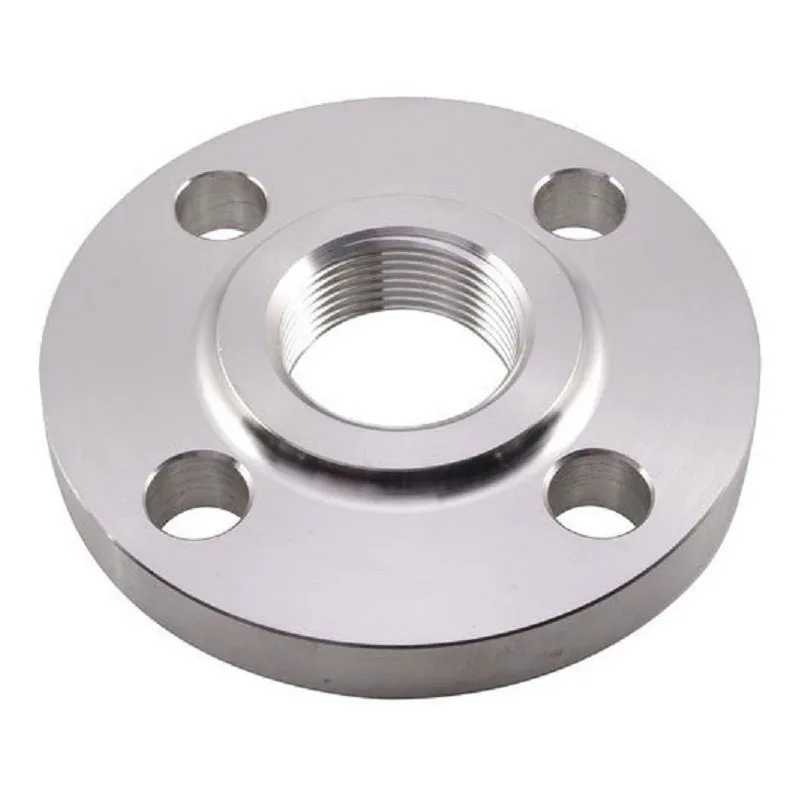
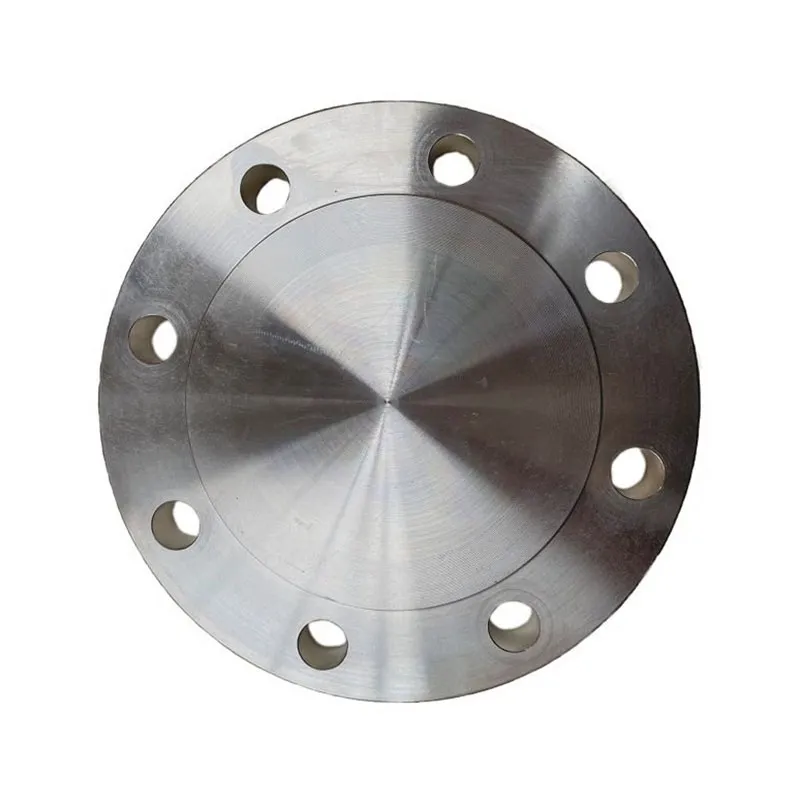
Best Sellingproducts
Best Selling Products-
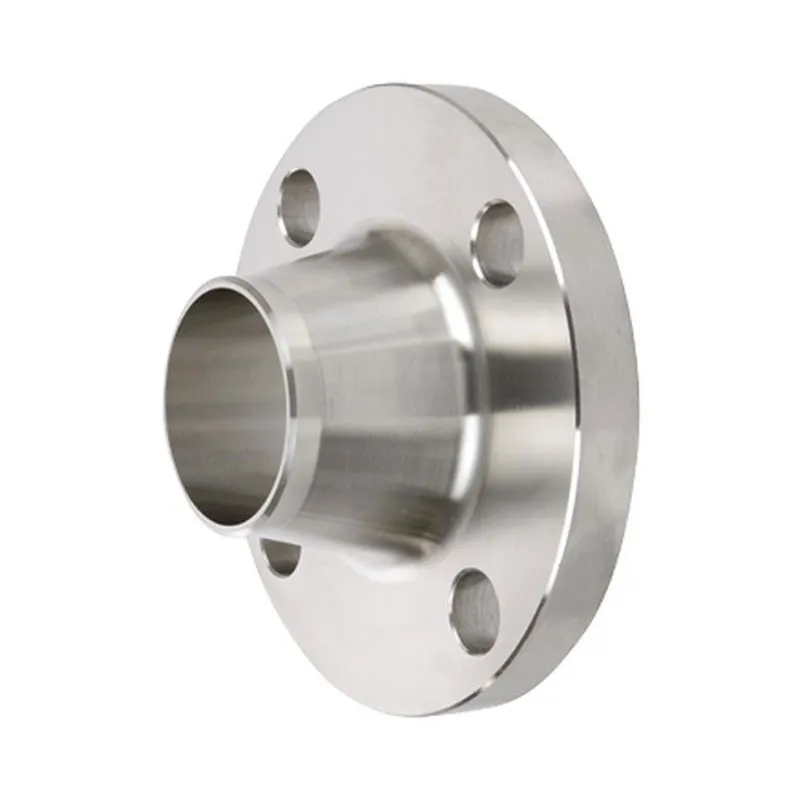 Ser.A Butt Weld Flanges Class 400
 -
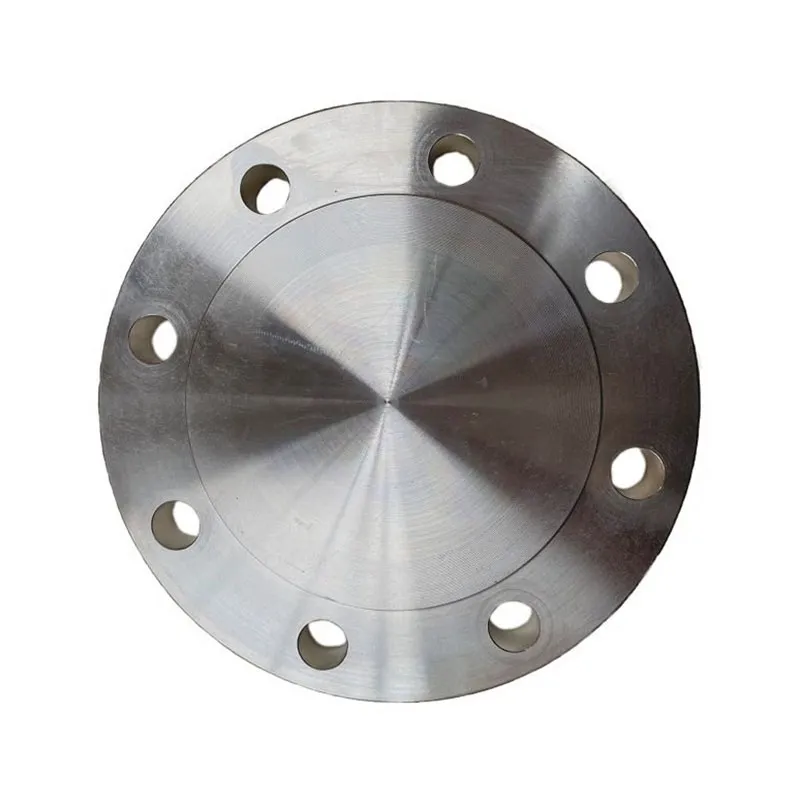 ASME B16.47 Ser.A Blind Flanges Class 400
 -
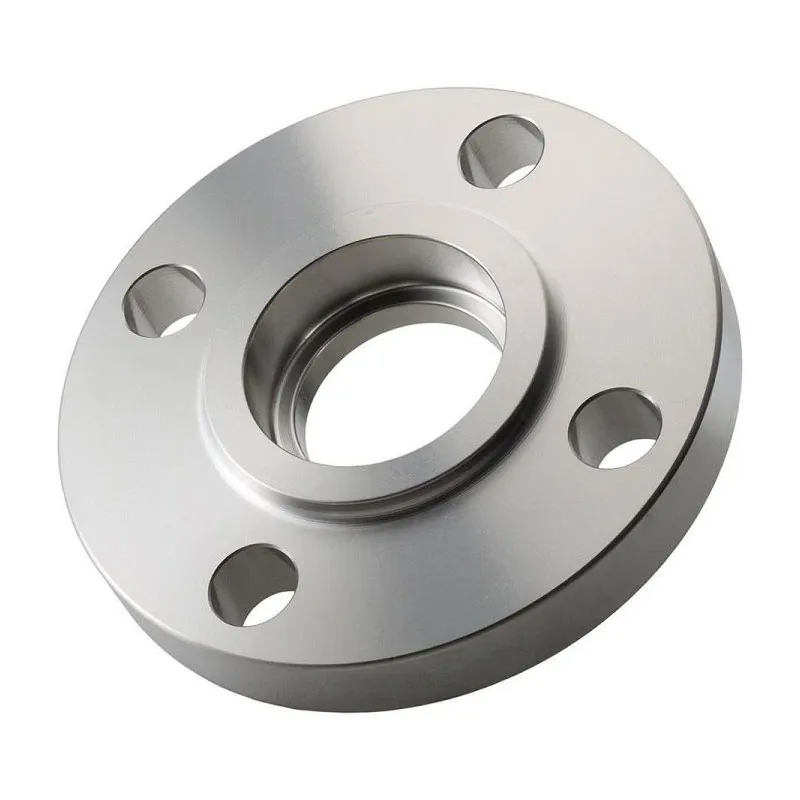 ANSI B16.5 Socket Weld Flanges Class 150
 -
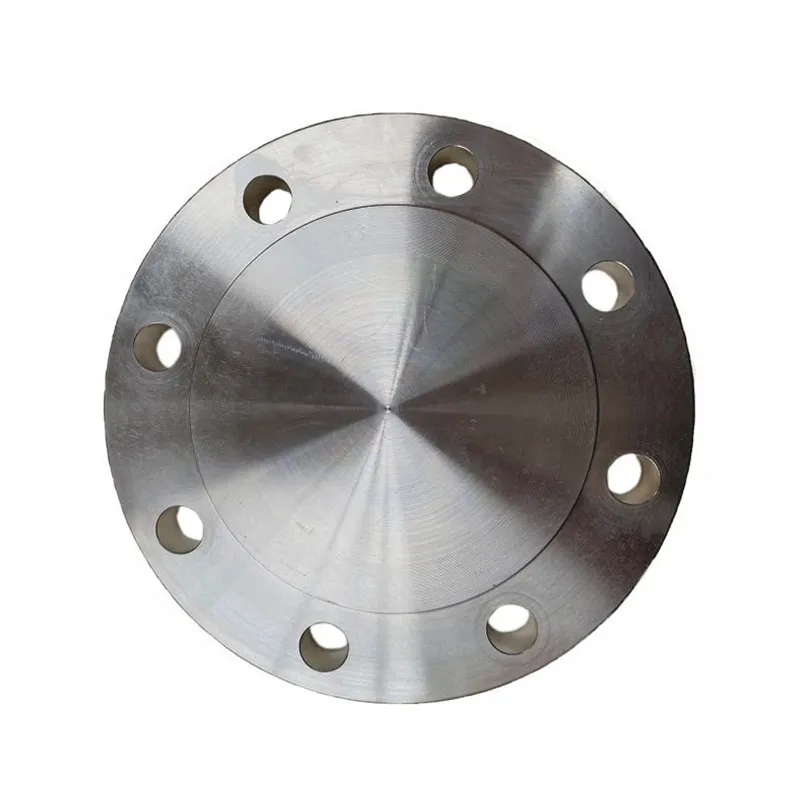 DIN 2527 Blind flanges PN10
 -
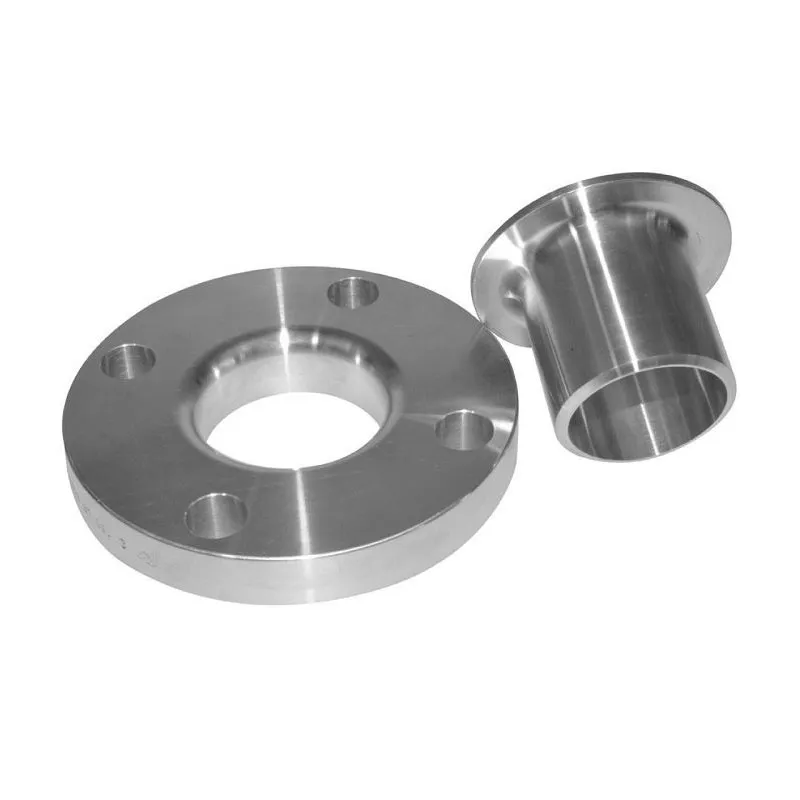 ANSI B16.5 Loose Ring Flanges Class 2500
 -
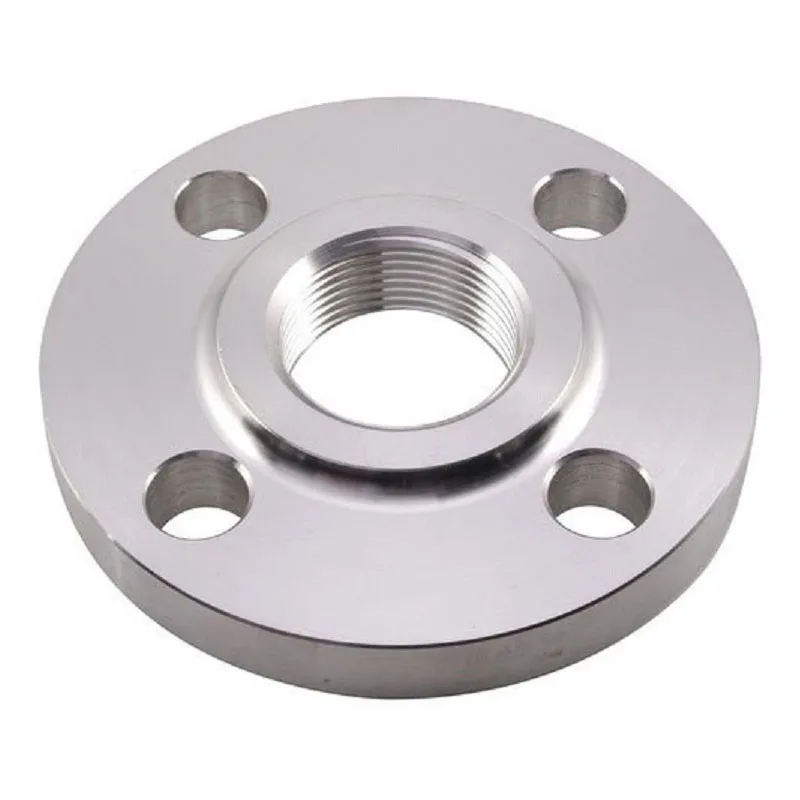 DIN 2566 Threaded flanges PN16
 -
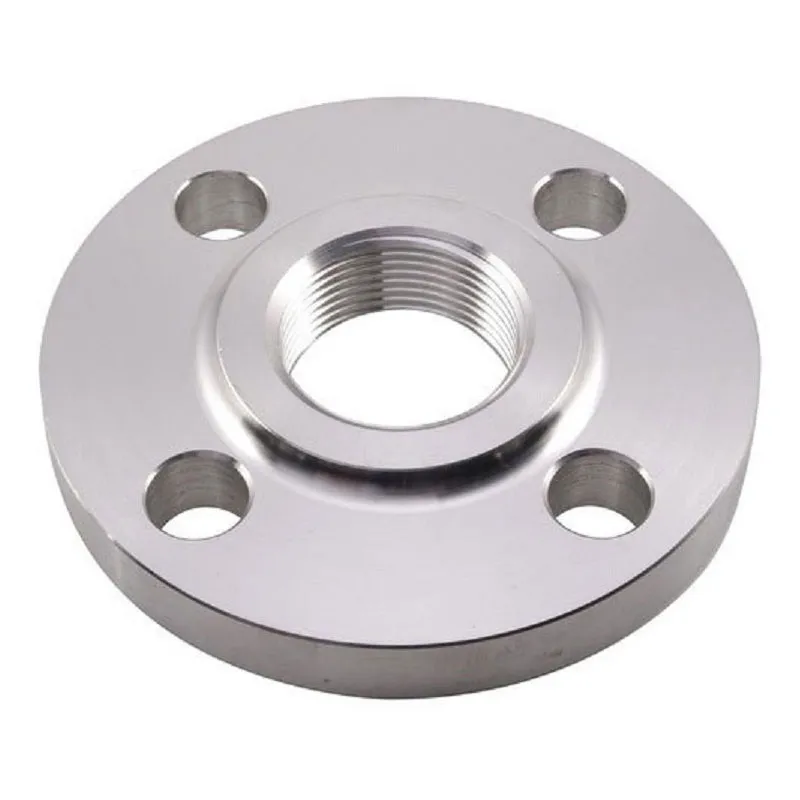 DIN 2565 Threaded flanges PN6
 -
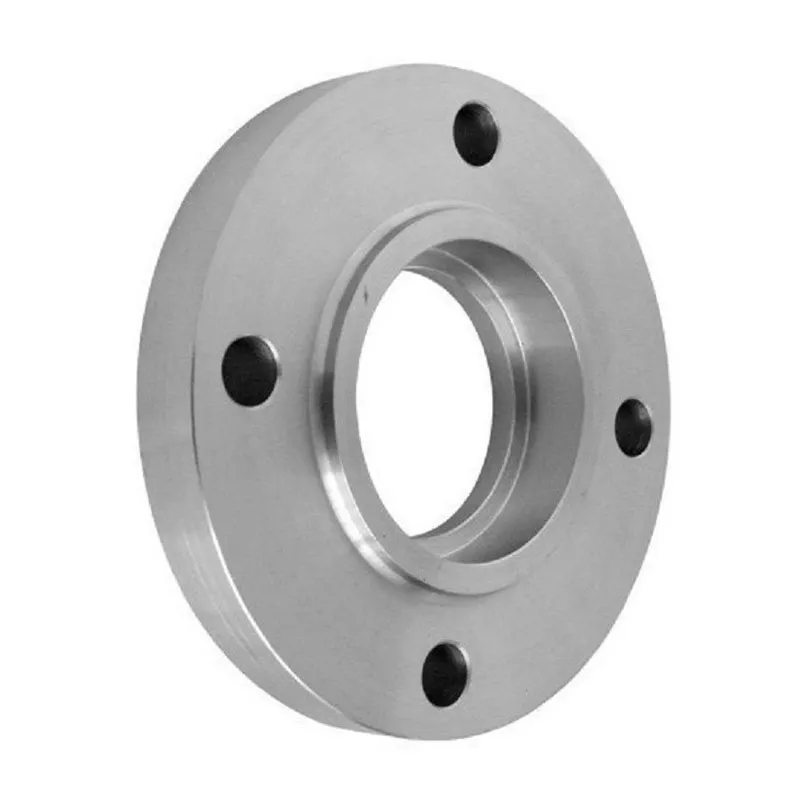 Socket Weld Flanges Class 300
 -
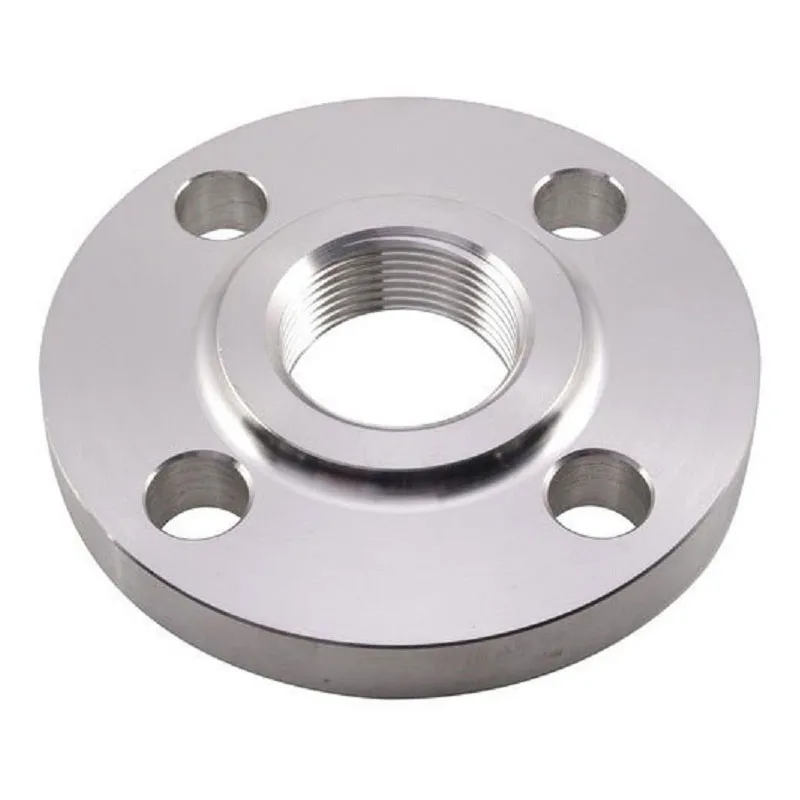 EN 1092-1 Threaded flanges Type 15, PN16
 -
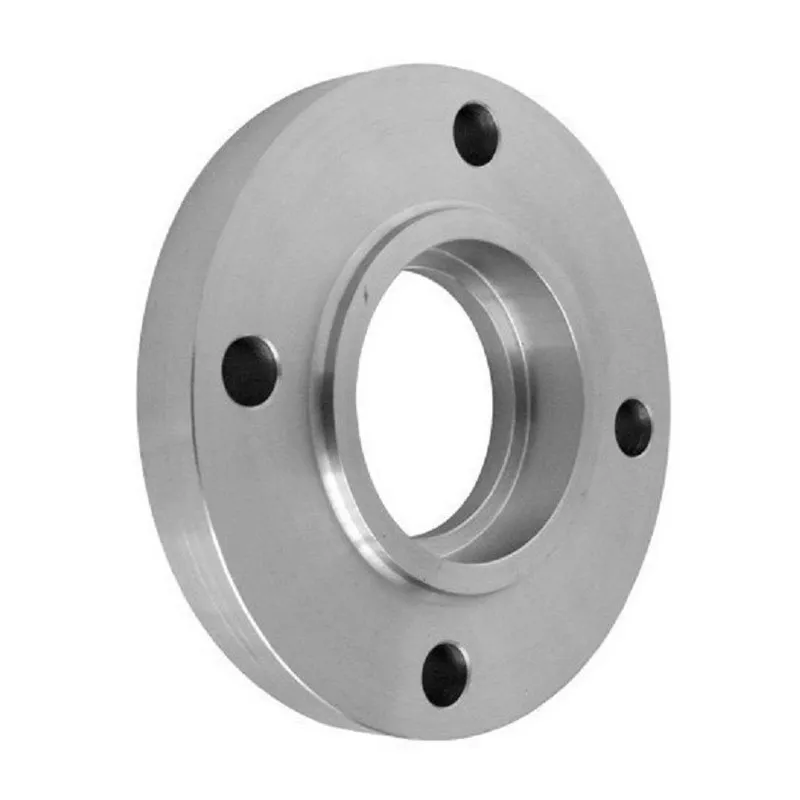 JIS 5K Socket Weld Flanges
 -
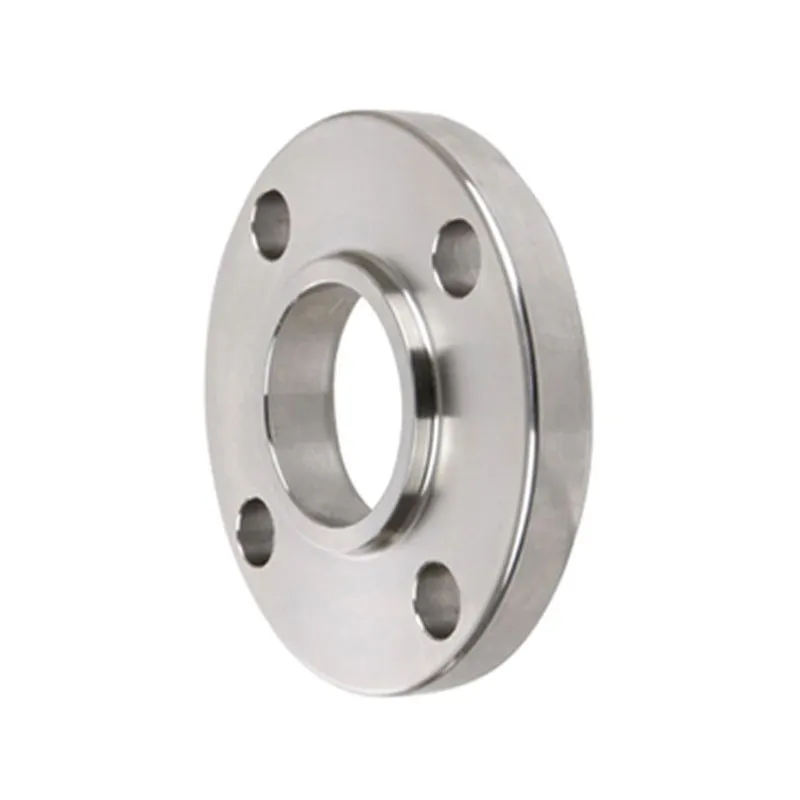 ANSI B16.5 Lap-on flanges Class 300
 -
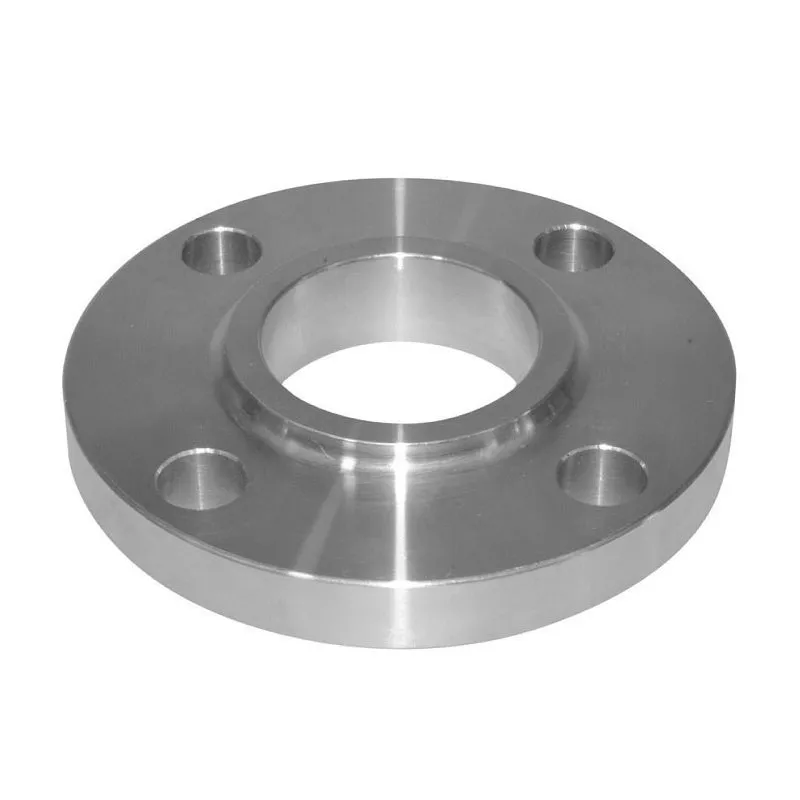 ANSI B16.5 Lap-on flanges Class 1500