
-
-
Phone
+86-13623462298



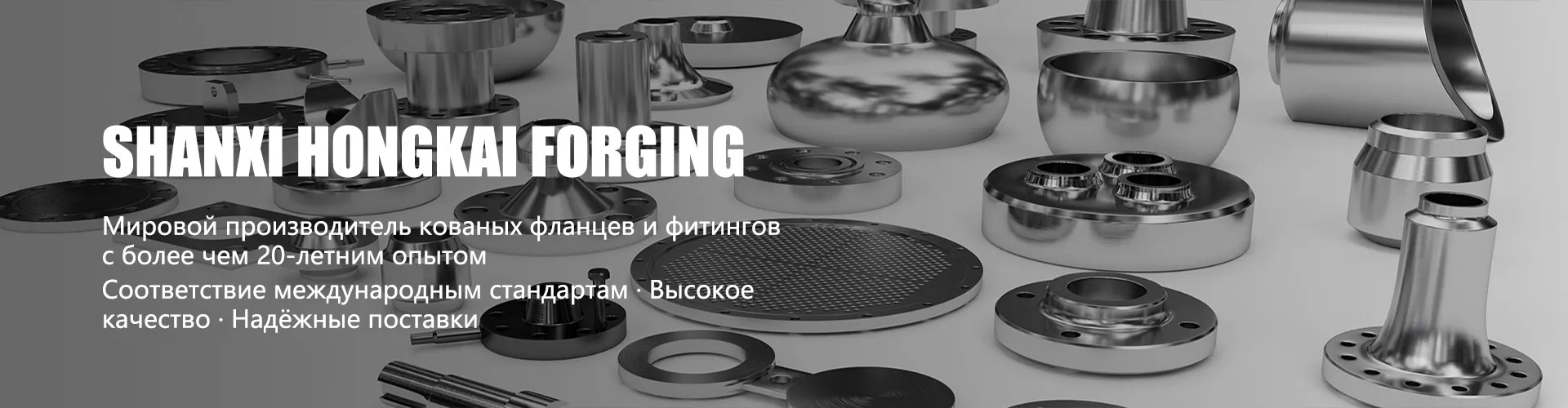
selection of flanges
When they talk about the selection of flanges, many people immediately go to catalogs, compare GOST with ASME in terms of diameter and pressure - and everything seems to fit. And then problems begin at the site: the gasket doesn’t hold, the bolts become loose due to vibration, or the material becomes covered with dots in an aggressive environment within six months. I went through this myself. It would seem that I picked it according to all the rules - but no, there are a lot of nuances. Especially when it comes to serious projects, where simply taking the first available flange is more expensive. For example, for one of the facilities in the north, flanges for nitric acid were needed. According to the table, steel 20 was suitable, but experience suggested that an alloy additive was needed. In the end, we settled on 12Х18Н10Т, although initially the customer resisted because of the price. But after three years of operation there is not a hint of corrosion. This means that selection is not mathematics, but rather engineering, where one must take into account what is written in the fine print in reference books.
Where does the selection begin? From understanding the system, not from size
The first and main mistake is to start with a diameter of DN or PN. In fact, the first thing you need to do is clearly understand what kind of system it is, what will flow through it, at what temperatures and pressures, whether it is static or with vibration. I had a case at a thermal power plant: they seemed to select the correct flat welded flanges according to GOST 12820-80, but did not take into account frequent thermal cycles. As a result, after a year microcracks appeared in the weld area. I had to change to butt welded flanges - they have better stress distribution. That is, even within the framework of one standard, choosing the type of flange is already a task.
This is where manufacturers who work with non-standard situations often save the day. For example, I looked at the catalog on the websiteShanxi Hongkai Forging Co.,Ltd—https://www.hkflange.ru. It is clear that the company does not just stamp standard items, but focuses on forged flanges and forgings, including according to customer drawings. This is important because forging gives better mechanical properties compared to casting or cutting from sheet metal, especially for critical components. And when your technical specifications say “medium - saturated steam, pressure 40 atm, plus shock loads,” you already think not just about steel, but about the manufacturing method. Forging here often has no alternative.
And one more thing - standards. Many Russian projects are still tied to GOST, but the equipment is often imported. A connection occurs. This is where the experience of the manufacturer, who works according to GOST, ASME, EN, DIN, comes in handy. On the same siteShanxi Hongkai Forging Co.,LtdIt is stated that they manufacture products in accordance with international standards. This is not just a line for show. When you know that the same plant can make a flange according to both Russian and European standards, this simplifies the selection for hybrid systems. There is no need to look for two suppliers and worry about the mating geometry.
Material: the most painful point of choice
Steel 20, 09G2S, 12Х18Н10Т, 15Х5М - the list goes on. The choice of material is perhaps 70% of the success of the entire selection. And here the durability tables are just a guide. In practice, there are always impurities, unaccounted temperature fluctuations, and erosion from suspended matter in the flow. I remember the story with flanges for sea water. According to all tables, stainless steel AISI 316 was suitable. But in a particular bay, the water had a high content of chlorides, plus frequent stagnant zones. As a result, crevice corrosion occurred. Duplex steel flanges were saved, although initially they were not even considered due to cost.
What did I learn for myself? You should never skimp on material if the environment is aggressive or the parameters are close to the limit. It is better to include a flange made of more resistant steel into the estimate once than to then change the entire assembly and stop production. By the way, about forging. For many alloy and stainless steels it is forging, which is offered by such manufacturers asShanxi Hongkai Forging, allows you to achieve a homogeneous fine-grained metal structure. This directly affects corrosion resistance and fatigue strength. The cast workpiece may have internal defects that will appear later.
And also about the warmth. For high-temperature environments, say, in furnace piping, not only the flange material itself is important, but also the material of the bolts. The linear expansion coefficients must be close, otherwise the connection may lose its tightness when heated. I had to deal with when a 15X5M flange was installed with bolts made of ordinary carbon steel. With cyclic heating up to 500°C - constant tightening of the connection. Everything was resolved by switching to heat-resistant bolts. So the selection of flanges is always the selection of the entire set: the flange itself, the gasket, the fasteners.
Non-standard situations and work according to drawings
Standard sizes are good, but life is richer. You often come across old equipment, imported units with a non-standard connection size, or you need to fit a unit into cramped conditions. This is where the real work begins. You can’t just take the nearest larger size and drill it out - the design strength will be violated.
In such cases, the only correct way is to manufacture according to the drawing. And here it is important that the manufacturer has not only technical capabilities, but also a design department that can check the drawing for compliance with strength standards. From the descriptionShanxi Hongkai Forging Co.,Ltdit is clear that non-standard products according to customer drawings are part of their product range. For me as a specialist, this is a key signal. This means that you can come not only with a ready-made technical specification, but also with a sketch, and get advice: “But here, colleague, it is better to increase the wall thickness, because according to bending calculations there will be a critical point.”
I had a project to modernize a coal preparation shop. An adapter flange was needed to connect the Soviet fan to the new aspiration system. The dimensions did not match, plus additional holes for the sensors were needed. Made according to an individual drawing, with a reinforced collar where the sensors are installed. If they tried to adapt the standard one, they would have to greatly weaken it with a drill. So the ability to order according to a drawing is not a whim, but often a necessity.
Size range and logistics for large diameters
The declared size range from DN15 to DN4000 is serious. With small flanges, everything is more or less clear: you can select them from stock and even deliver them by mail. But when it comes to large-diameter flanges, for example, for main pipelines or inlet units of devices, a different story begins.
Here the selection depends not only on technical parameters, but also on issues of manufacturing, control and delivery. Forging or bending forgings for a DN3000 flange is a technological challenge. It is necessary to ensure uniform mechanical properties throughout the product and the absence of internal stresses that can lead to warping. Plus, ultrasonic testing of such forgings is mandatory. Apparently, this is why manufacturers positioning themselves in this segment asShanxi Hongkai Forging, they focus on forging and pressing production - this is exactly about such tasks.
Logistics also have their problems. Such a flange is no longer a box, but an oversized load. It is necessary to think through fastening, transportation, and unloading at the site. Once I watched how a DN2000 flange was delivered, but they did not take into account that there was no crane on site with the required lifting capacity. I had to urgently look for the services of a heavy truck. Now, when selecting large flanges, I immediately include packaging and shipping drawings in discussions with the supplier so that there are no surprises on site.
Final Thoughts: Selection as a Process, Not a One-Time Activity
In the end, I want to say that selecting flanges is not a task that can be completed in five minutes using a reference book. This is an iterative process. First, collect all data on the system, environment, operating modes. Then - preliminary selection of type, material, standard. Next is a consultation with technologists and, very importantly, with a potential manufacturer. His experience can suggest nuances that are not in books.
Sites likehkflange.ruuseful not so much for the catalog as for understanding the plant’s competencies. It is clear that this is not a trading office, but a manufacturer with a focus on forged products and a wide range of standards. This narrows down your search. But the final selection should always be confirmed by calculations (where necessary) and live dialogue with the manufacturer’s engineer.
My main conclusion is this: correct selection of a flange saves money not at the purchasing stage, but at the stage of many years of trouble-free operation. It is better to spend time analyzing and choosing the optimal, albeit slightly more expensive solution, than to later incur losses from downtime, repairs or, God forbid, an accident. And yes, never hesitate to request additional documents from the supplier: material certificates, test reports, especially for critical applications. This is not bureaucracy, but part of professional selection.
Correspondingproducts
Related Products
Best Sellingproducts
Best Selling Products-
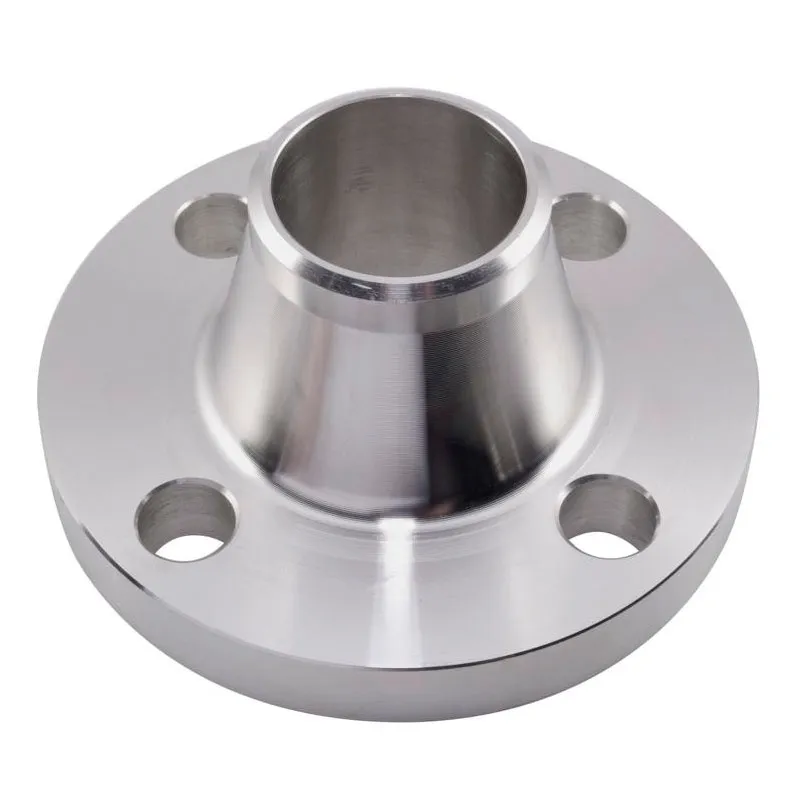 Butt weld flanges Class 900
 -
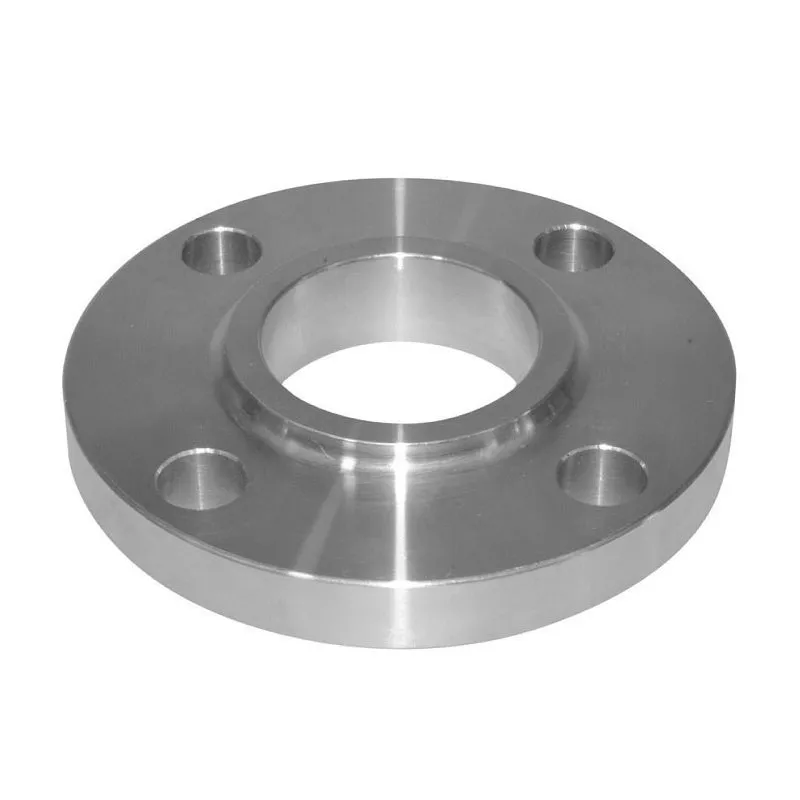 ANSI B16.5 Lap-on flanges Class 1500
 -
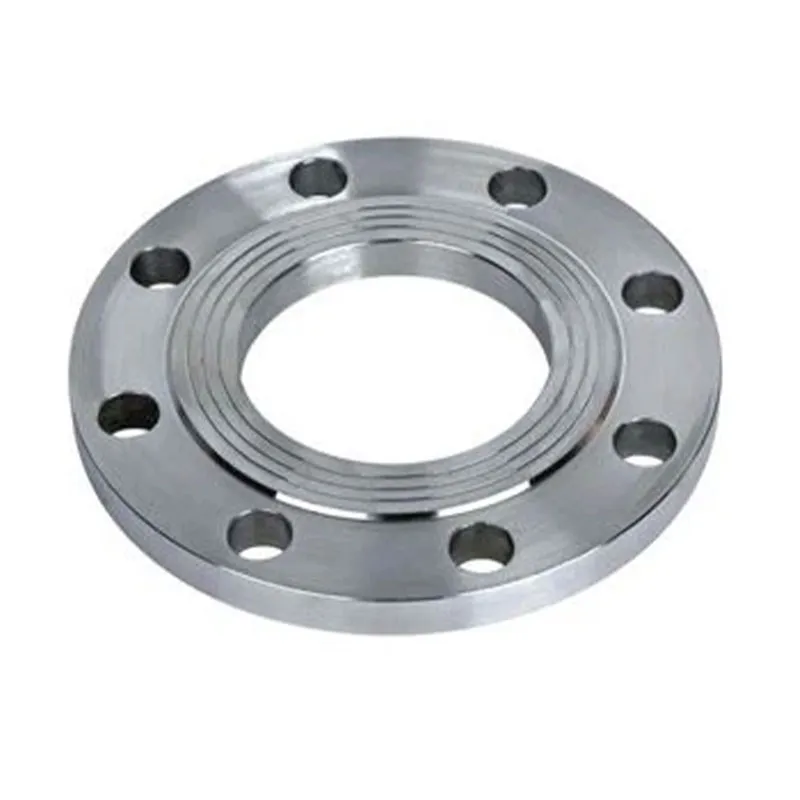 Butt weld flanges Class 150
 -
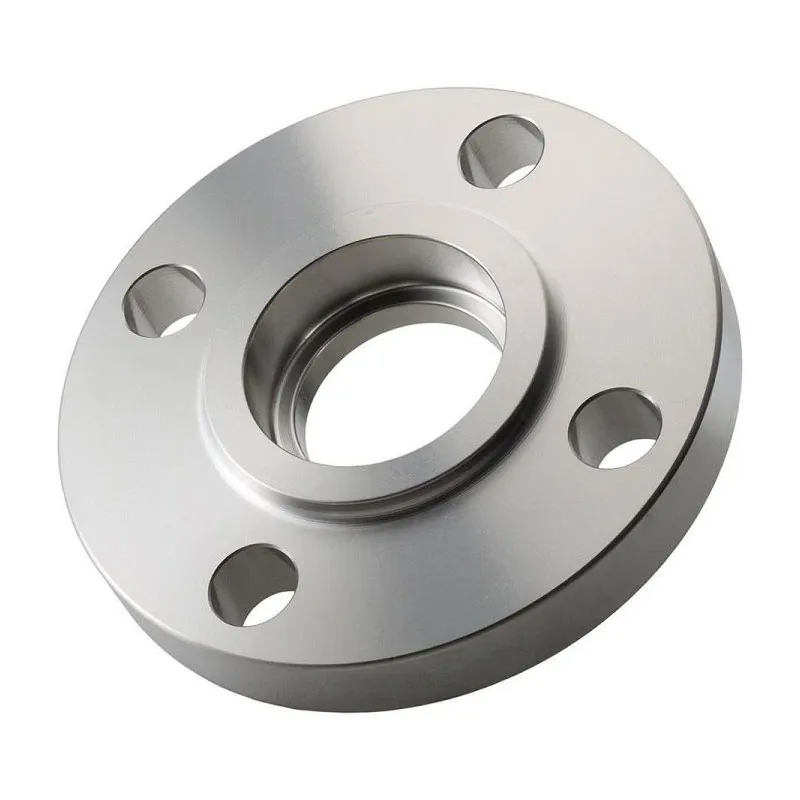 ANSI B16.5 Socket Weld Flanges Class 150
 -
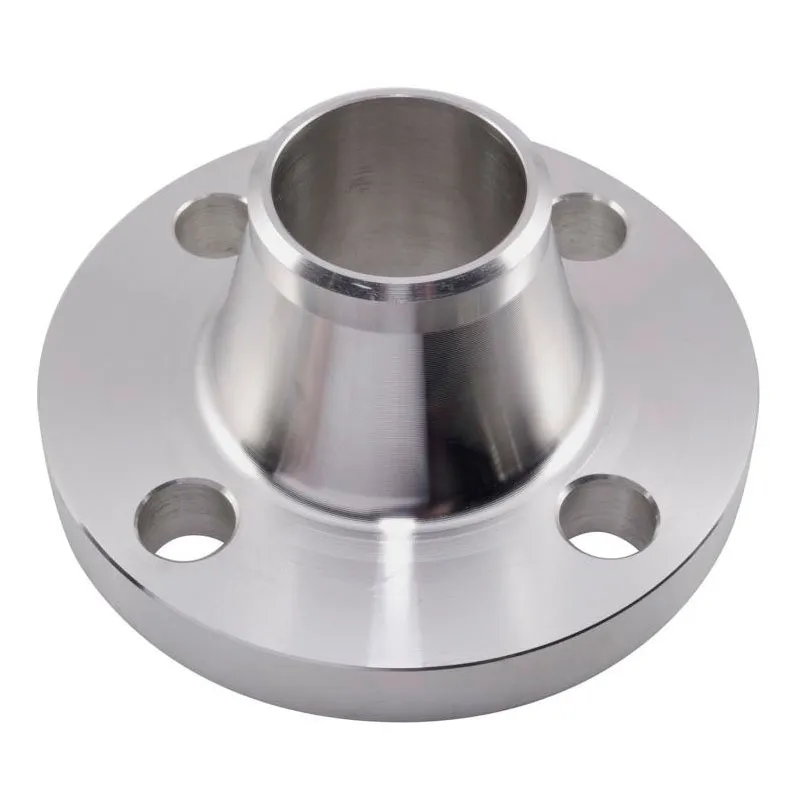 DIN Butt weld flanges PN10
 -
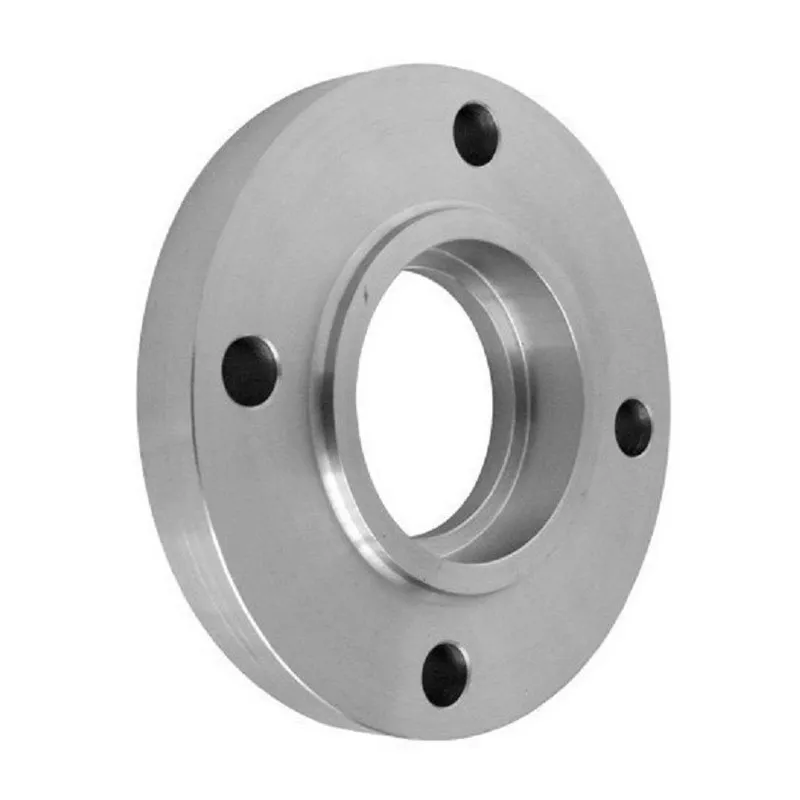 JIS 5K Socket Weld Flanges
 -
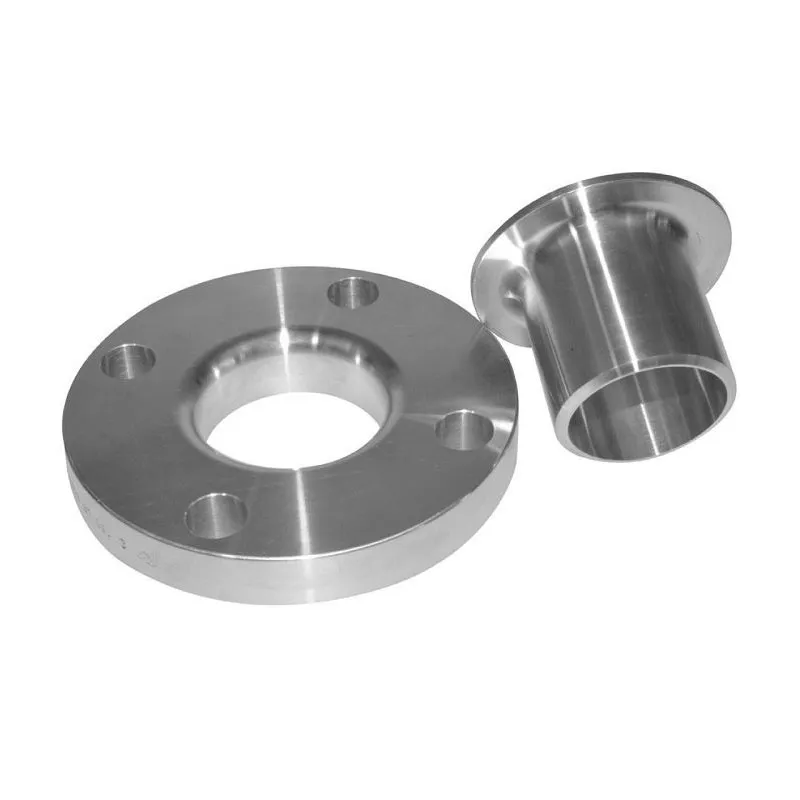 ANSI B16.5 Loose Ring Flanges Class 2500
 -
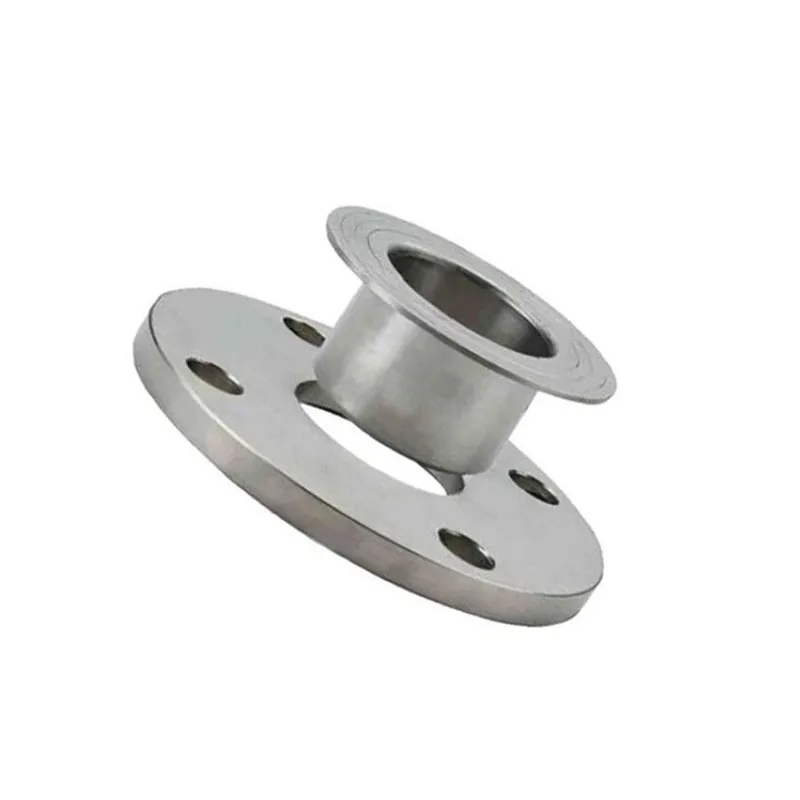 Free ring flanges Class 400
 -
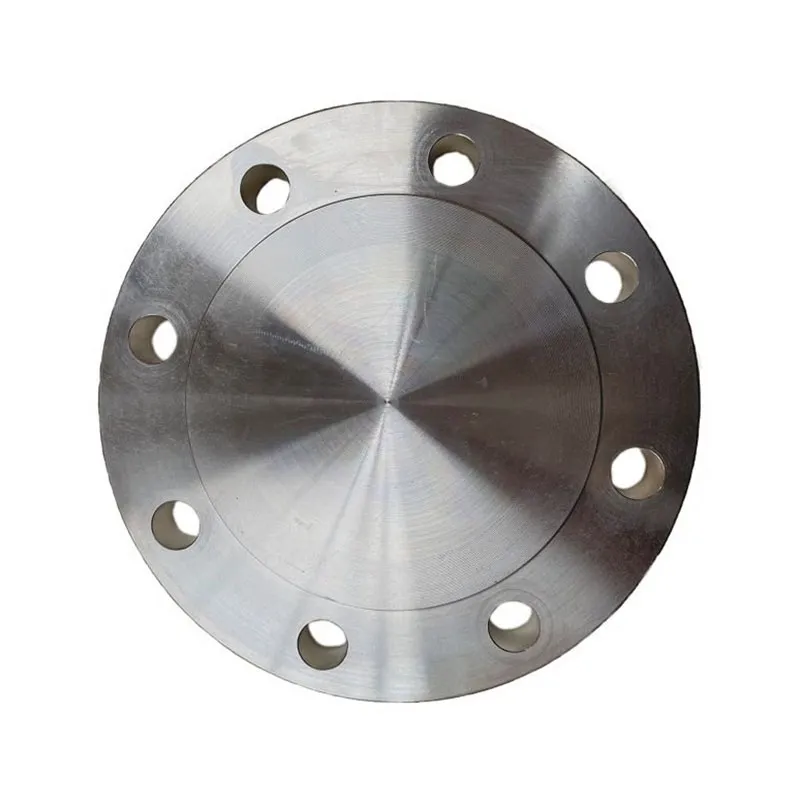 ASME B16.47 Ser.A Blind Flanges Class 400
 -
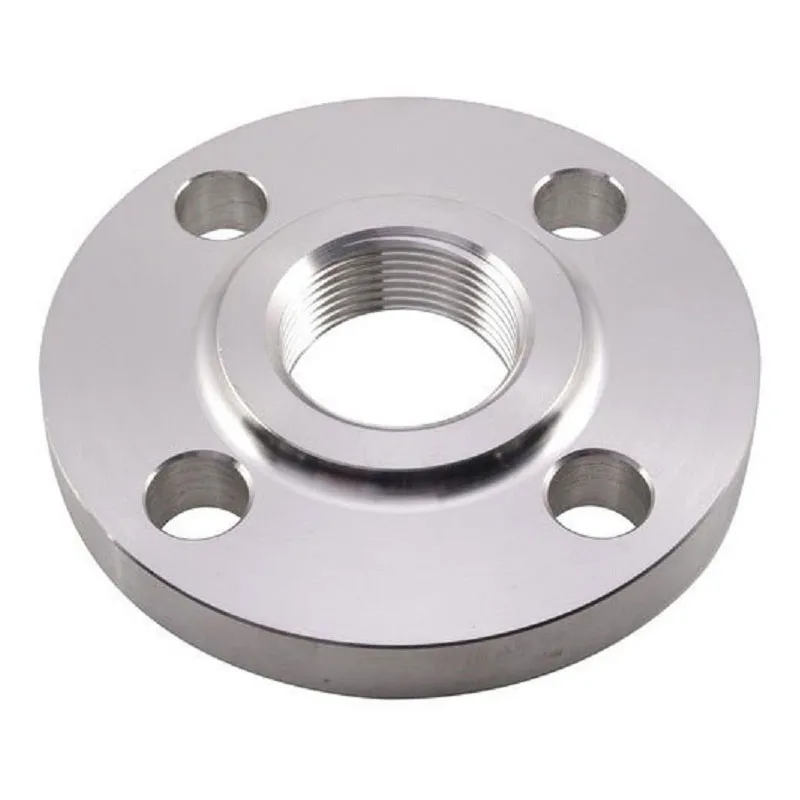 EN 1092-1 Threaded flanges Type 15, PN16
 -
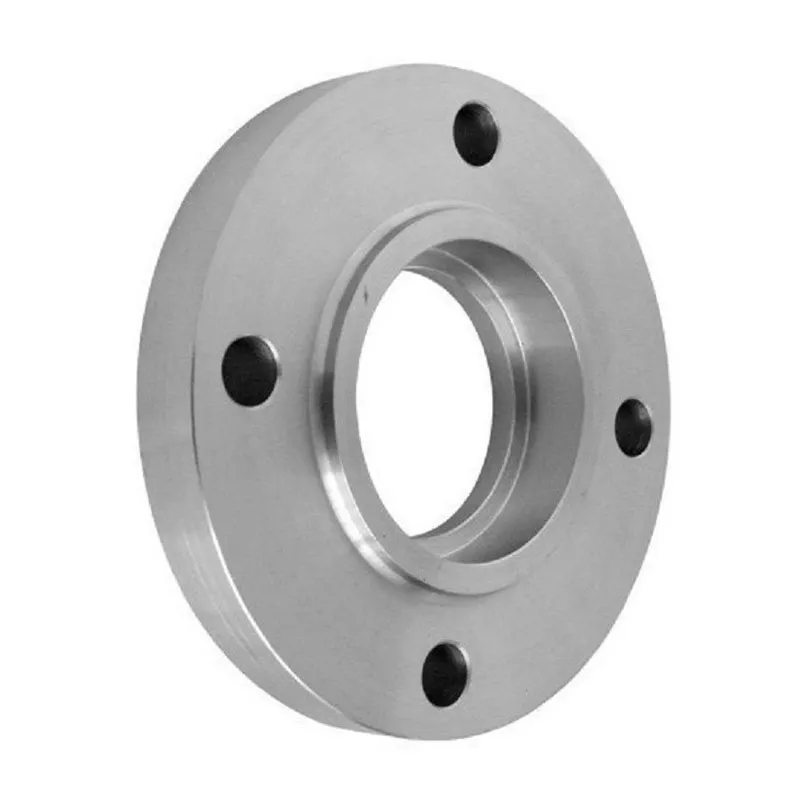 Socket Weld Flanges Class 300
 -
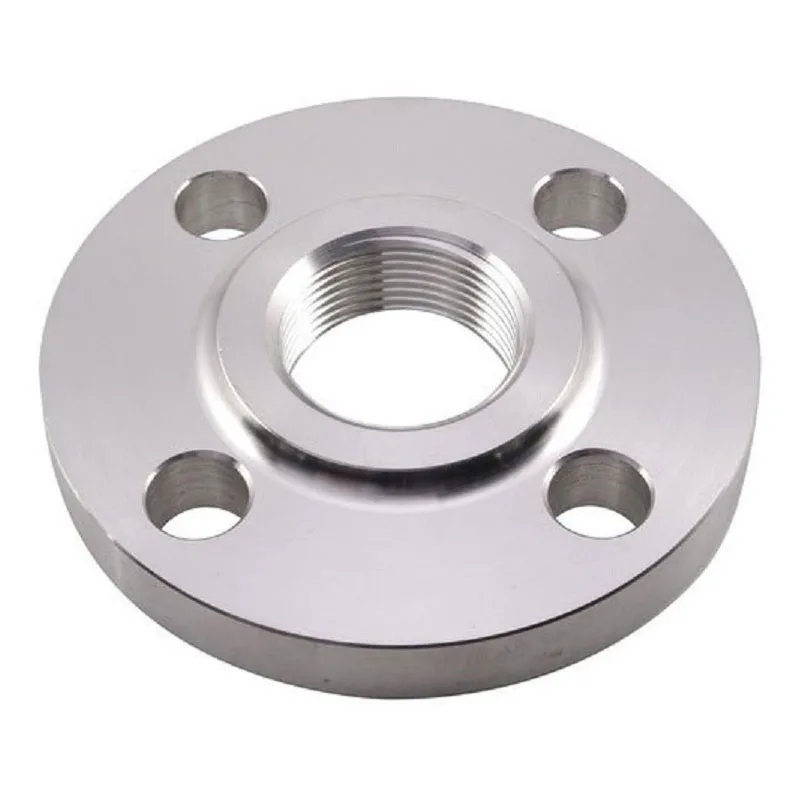 JIS 10K Threaded Flanges