
-
-
Phone
+86-13623462298



certificates steel flanges
When you hear the request “steel flange certificates?”, the first thought is, well, documents, a folder with tender papers. But in fact, this story is much deeper. How many times have I seen how people, especially at the start, focus only on the price per ton or on the geometry, and treat the package of documents as an annoying formality. Then problems begin at customs, failures of control services at the industrial site, or even complete dismantling of already installed units. A certificate is not an accounting report, it is, in fact, a biography of the product, from the ingot to the packaging. And if there are gaps in this biography, the entire batch can turn into scrap metal that has nowhere to go.
What is hidden behind the standard set of letters: GOST, ASME, EN
Let’s take, for example, the popular GOST for steel flanges. Many people think: if there is a standard, it means that all manufacturers do the same. But no. The standard sets the framework, but within it there is room for maneuver, and sometimes for hackwork. The key is how exactly these parameters are achieved. For example, mechanical properties. The certificate must contain not just numbers of tensile strength and impact strength KV, but an indication of which batch of steel and which melt the samples for testing were taken from. Without this, the connection to a specific product is lost.
With ASME B16.5 or EN 1092-1 - the same story. Especially with import substitution now. A company may declare that it works according to ASME, but if the Certificate of Conformity does not contain a link to the accredited laboratory that conducted the tests, or the certificate number for materials is not indicated (say, according to EN 10204 3.1 or 3.2), then such a document will not even be considered at a serious construction site. I remember a case with a batch of high-pressure flanges for one petrochemical project: everything was perfect in size, but in certificate 2.2 according to EN 10204 instead of the required 3.1. The result is a delay, additional independent tests, and fines.
Here, by the way, the difference between manufacturers is clearly visible. Take, for example, Shanxi Hongkai Forging Co.,Ltd. (website -hkflange.ru). Their description clearly indicates a set of standards: GOST, ASME, EN, DIN and so on. But it is important not just to list them, but how they confirm this. Their resource shows that we are talking specifically about forged flanges - this is a different level of control compared to cast or cut from a sheet. For forging, strict traceability of stages is required, which should be reflected in the package of certificates.
Forging vs. Casting: Why the Certification History Is Different
This is a fundamental point. When you order flanges, especially critical flanges, for energy or chemistry, they often directly write in the technical specification: “forged?”. Why? The microstructure of the metal after forging is more uniform; there are no internal cavities, like in casting. Accordingly, the approach to certification is different. For forgings, control is required at each processing stage: melting chemistry, ultrasonic testing results of the workpiece, heat treatment (hardening + tempering), final mechanical tests.
At the sameShanxi Hongkai Forging Co.,LtdThe product range includes forged flanges and forgings. And if they position themselves as a manufacturer from a large forging center, then it is logical to expect that their certificates will contain a detailed chain: from the certificate for the steel workpiece (for example, according to GOST 8479 or analogues) to test reports after the final heat treatment. Without this, it’s just words. In practice, there was an unpleasant episode with the supply of GOST 33259 flanges to one thermal power plant. They supposedly put them in forged parts, but the certificate for the material contains vague wording. Upon detailed inspection, it turned out that this was not a forging, but simply a cast billet processed on a machine. Naturally, they did not pass the mechanical properties, so we had to urgently look for a replacement.
Therefore, now I always look not at the beautiful logo in the certificate header, but at dry data: heat number, thermal furnace number, results of impact bending tests at different temperatures (this is critical for northern versions). If this data is not available, this is a red flag.
Non-standard products and custom orders: where certification becomes an art
With standard sizes according to the catalog, everything is more or less clear - there is a proven procedure. But when there is a request for a non-standard according to the customer’s drawings, this is where the fun begins. By the way, the size range of many serious factories, like the mentioned Hunkai, is stated to be up to DN4000 - these are already one-piece, large-sized products. For them, a certificate is often developed almost individually.
What should be in it? Firstly, stress analysis, if required by the standard or customer specifications. Not just a check mark “matches”, but a link to the calculation method (often ANSI or FEM). Secondly, extended quality control: not selective, but possibly 100% ultrasonic inspection or radiographic inspection of welds (if the flange is composite). Thirdly, hardness test protocols over the entire surface, especially in areas of thickness transition.
Once we were working on an order for a flange with a non-standard arrangement of holes for studs and a special material - steel 09G2S according to GOST 5520. The customer required not only a standard certificate 3.1 according to EN 10204, but also a test certificate for resistance to a specific aggressive environment. We had to coordinate a program of additional testing with the manufacturer, which, of course, affected the time and price. But this is the case when, without such a document, the product simply would not have the right to exist in the project.
Customs and the EAEU market: how a certificate becomes a pass
A separate headache is customs clearance. To import into the territory of the EAEU, in particular to Russia, many types of flanges require a certificate of conformity TR CU 010/2011 “On the safety of machinery and equipment?” or declaration. And here many people fall into the trap: they think that the factory quality certificate is a document of conformity. No, these are different things.
A factory (quality) certificate confirms that the product is made according to a certain standard. And the TR CU certificate confirms that it is safe for use on the territory of the Union. It is received either by the manufacturer himself (if he has a representative office in the EAEU) or by the importer based on test reports from an accredited laboratory. If the factory documents do not contain all the data necessary for TR CU (the same mechanical properties, chemical composition, indication of materials in contact with the environment), then it will be very difficult to obtain this access document.
I've seen shipments stuck in temporary storage warehouses for months due to this confusion. Especially with flanges for the food or pharmaceutical industries, where additional sanitary and epidemiological conclusions are also needed. Therefore, now when evaluating a supplier, the samehkflange.ru, I look to see if there is publicly available information about the availability of TR CU certificates for standard products, or at least a clearly stated willingness to provide all the data for its registration. This saves nerves and time.
Numbers and seals: what to look for in a document so as not to get burned
So, let's say there is a package of documents in front of you. What does your gaze fall on first? 1) Availability of the original blue seal of the manufacturer (not a scan) and the signature of the responsible person. 2) Unique certificate number and its date. 3) Clear correspondence of the name of the product, its marking (for example, Flange 1-150-25 Art. 20 GOST) and batch/number in the document with the data that is applied to the products themselves (stamp). It happened that there was one mark, but on the certificate there was a different symbol, and you had to make a request for clarification.
I definitely check the “Test Results” section. The test temperature for impact strength must correspond to the climatic design (for example, for UHL1 it is +20°C, and for KHL1 it is minus 40°C or minus 60°C). The carbon equivalent (Ceq or Pcm) of welded steels is an important and often overlooked metric. And, of course, the final values: tensile strength (σв), yield strength (σт), relative elongation (δ5). They must not just ?hit? within the standard range, but also have some margin.
In the end, back to the beginning.Certificates for steel flangesis not a bureaucracy, but a risk management tool. This is proof that a part that will hold pressure and operate under temperature changes and aggressive environments will not fail. Choosing a supplier who understands this depth and can provide not just a piece of paper, but a full-fledged traceable history of the product is precisely the key task. And when you see the phrase “manufactures in accordance with international and national standards” in the company’s description, now I always mentally add: “...and can this be documented at every stage?” Without this - just beautiful words.
Correspondingproducts
Related Products
Best Sellingproducts
Best Selling Products-
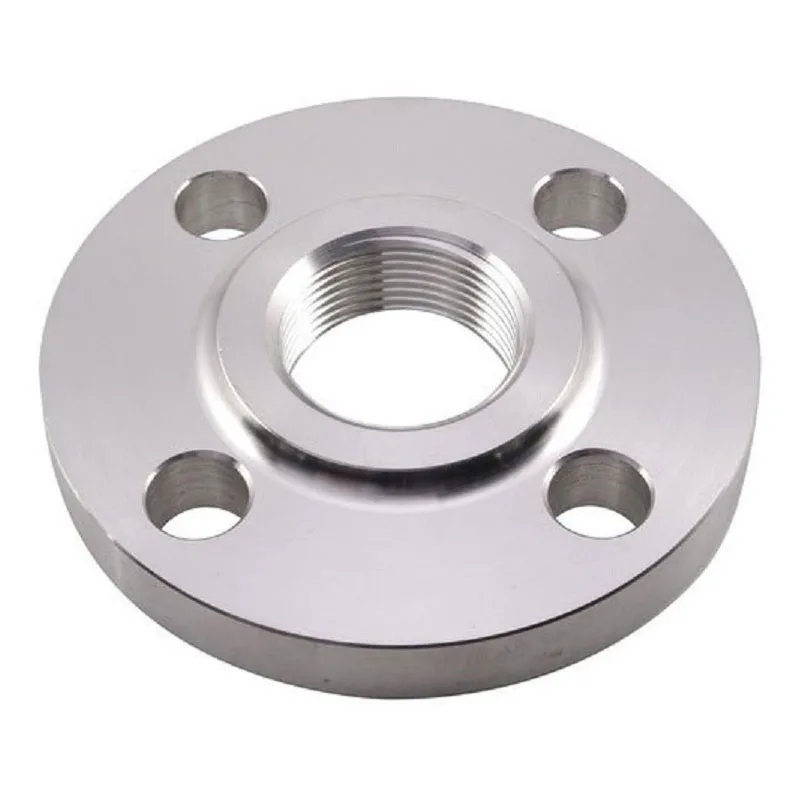 JIS 10K Threaded Flanges
 -
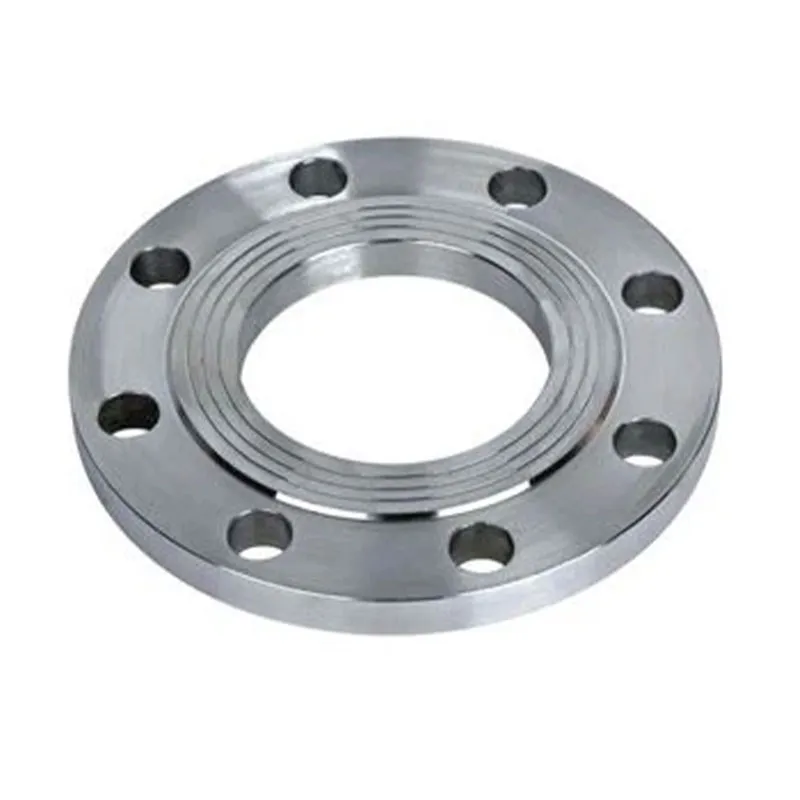 Butt weld flanges Class 150
 -
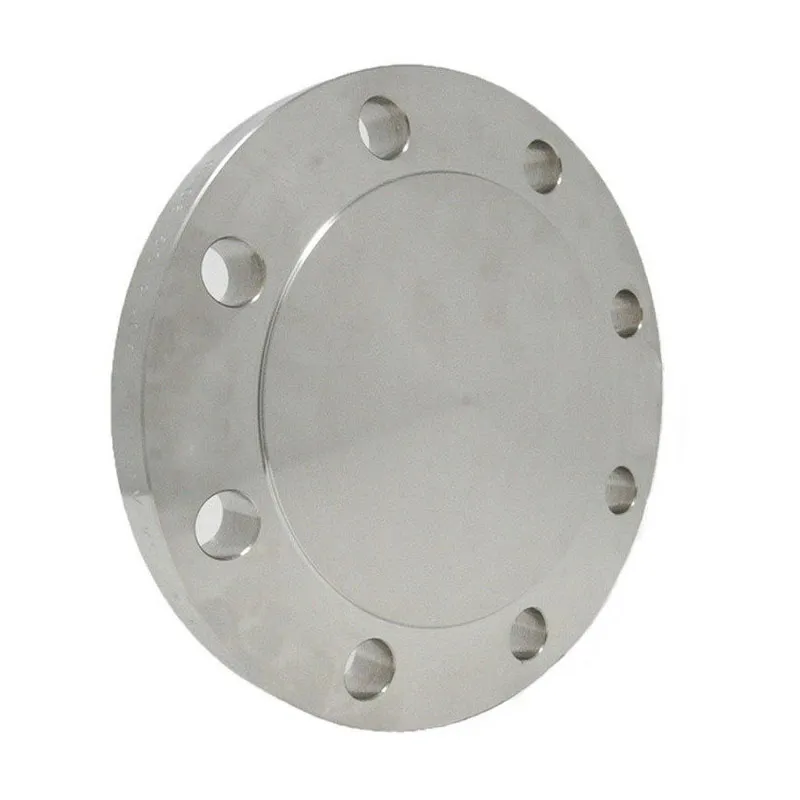 AWWA Blind Flanges Class D (Tables 1, 2, 3)
 -
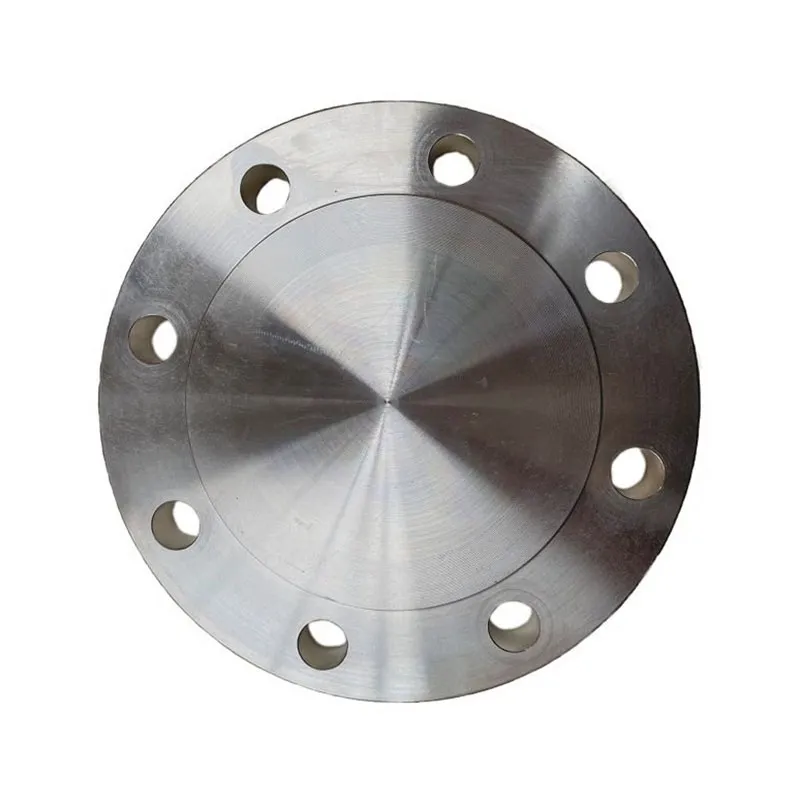 ASME B16.47 Ser.A Blind Flanges Class 400
 -
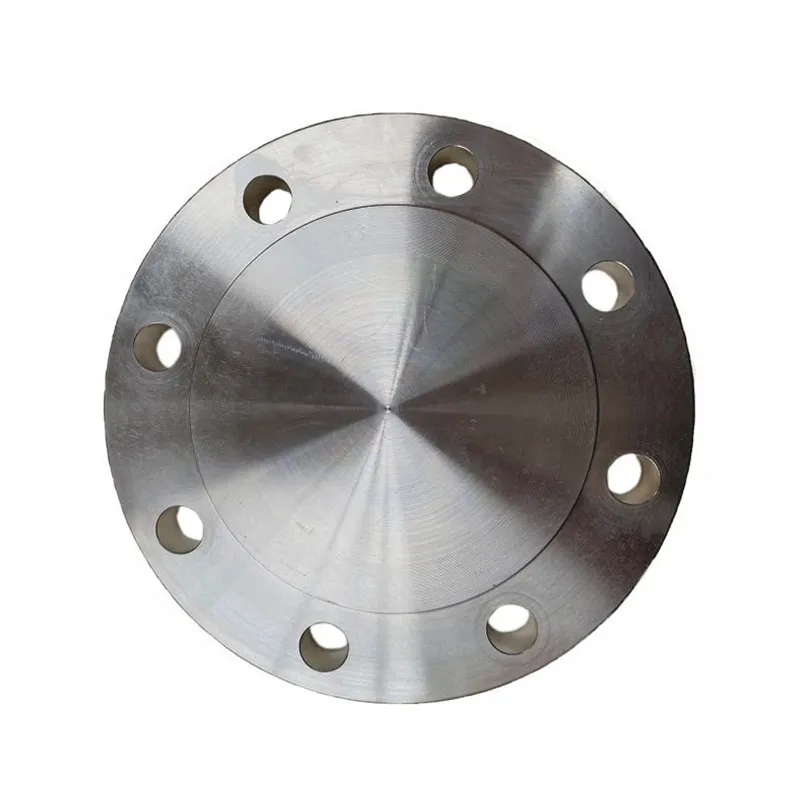 DIN 2527 Blind flanges PN10
 -
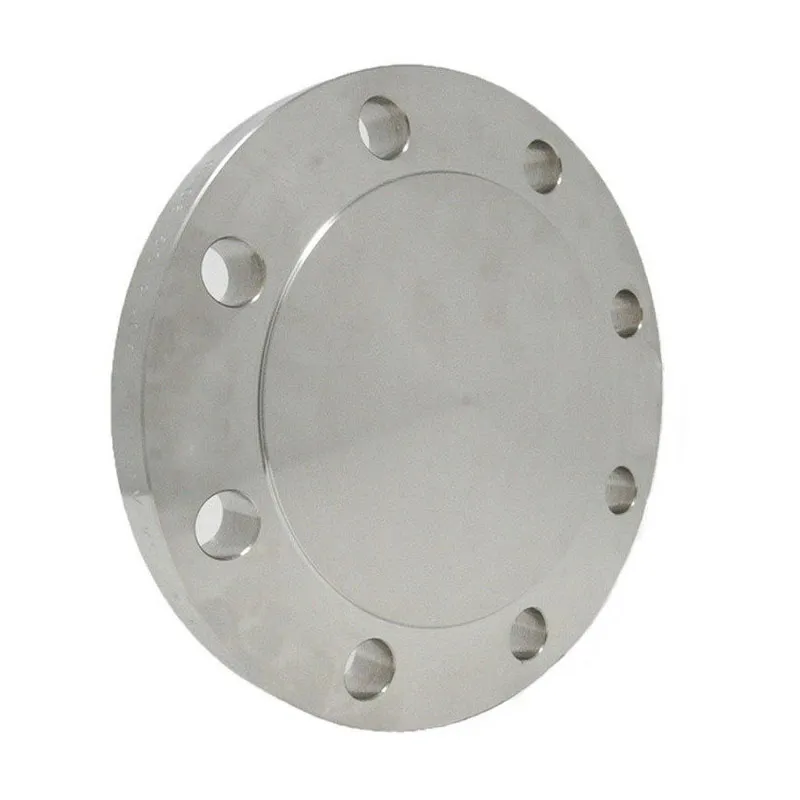 Blind flanges Class 150
 -
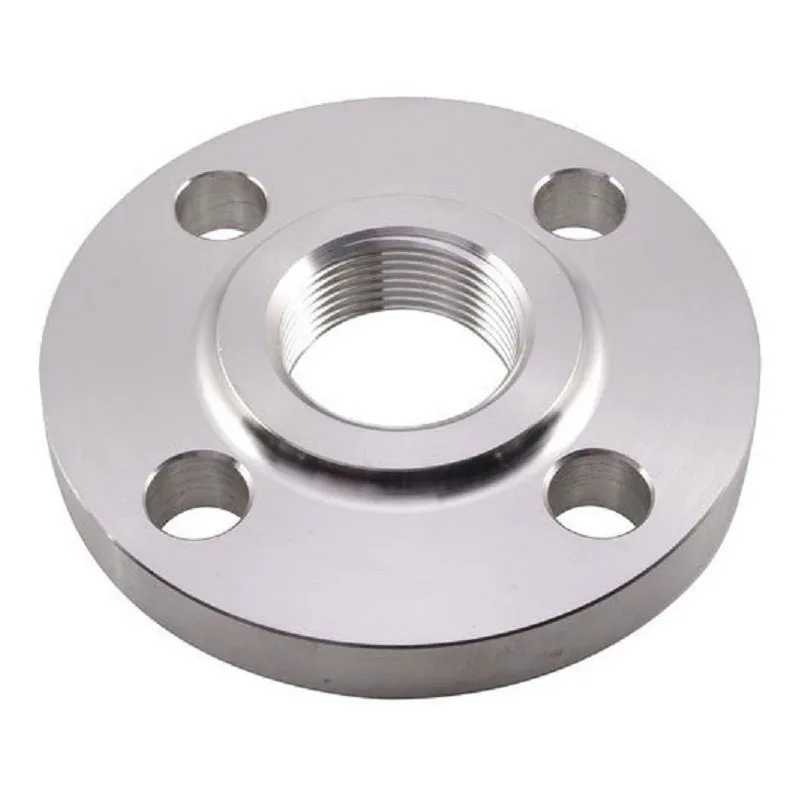 ANSI B16.5 Threaded Flanges Class 600
 -
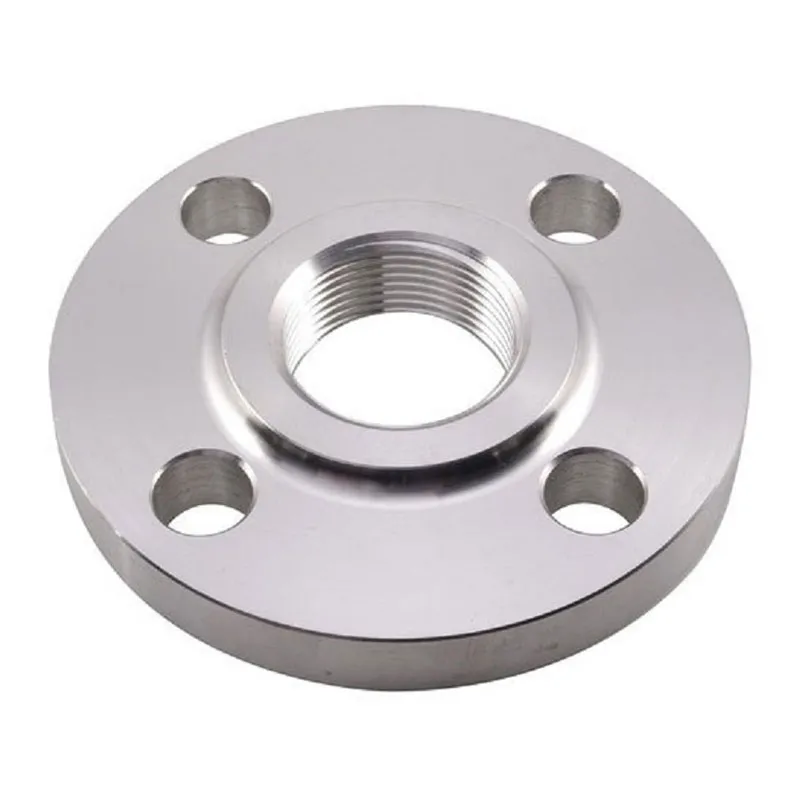 JIS 10K Overlay flanges
 -
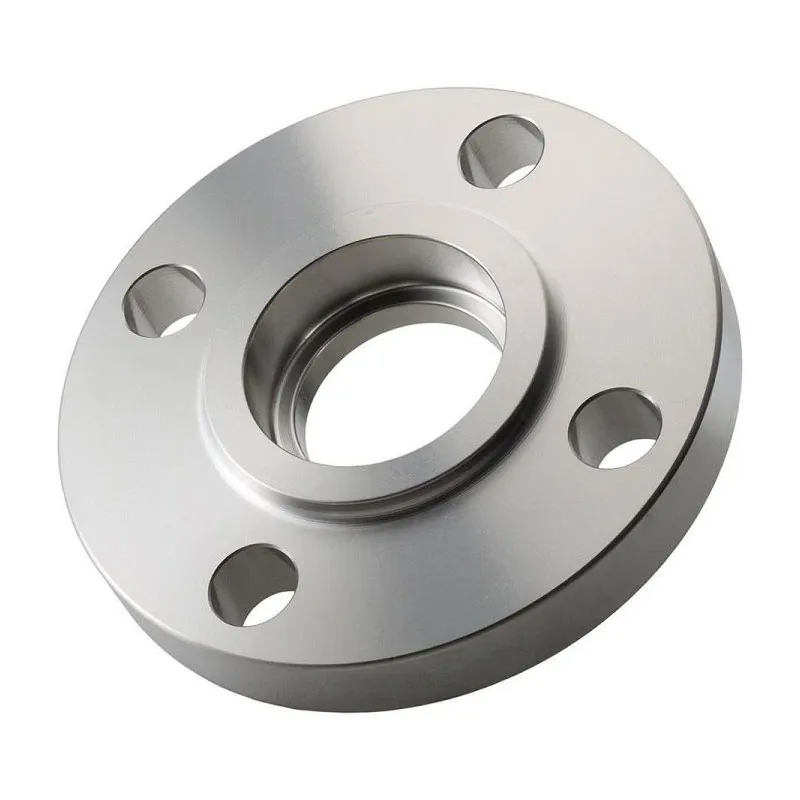 ANSI B16.5 Socket Weld Flanges Class 150
 -
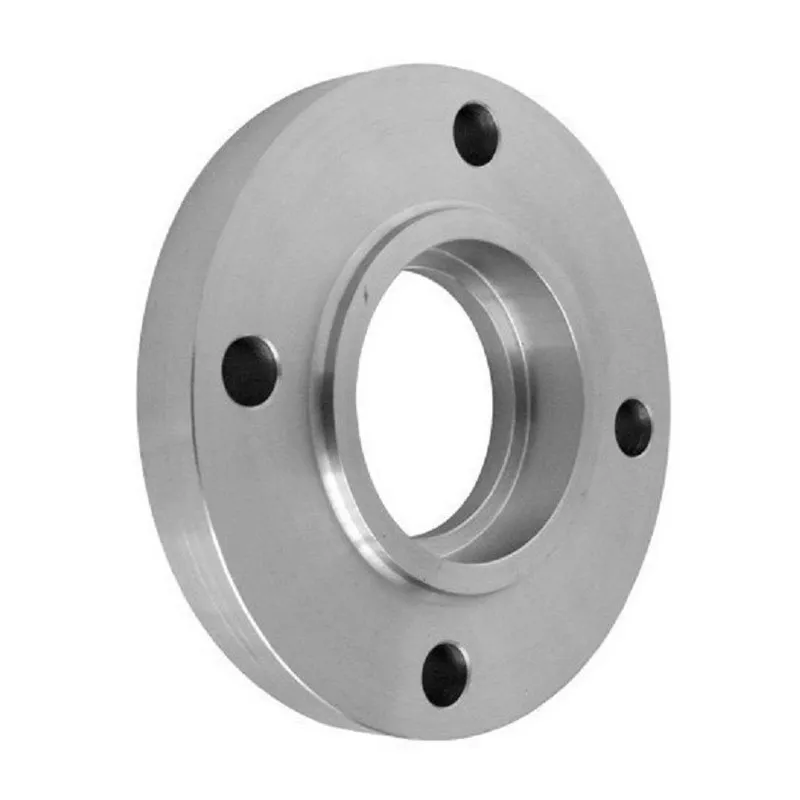 JIS 5K Socket Weld Flanges
 -
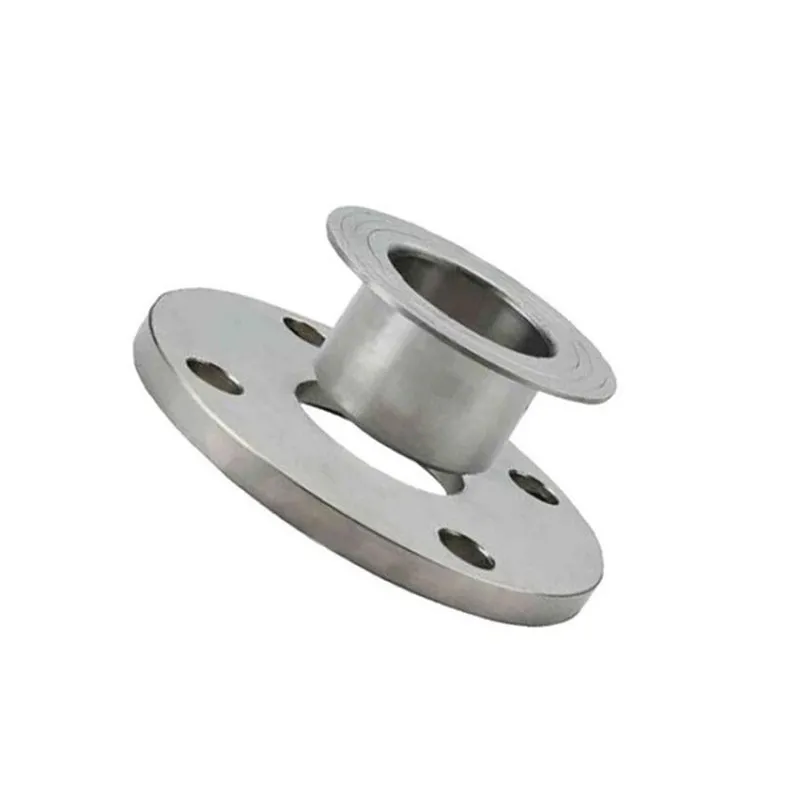 JIS 10K Loose Ring Flanges
 -
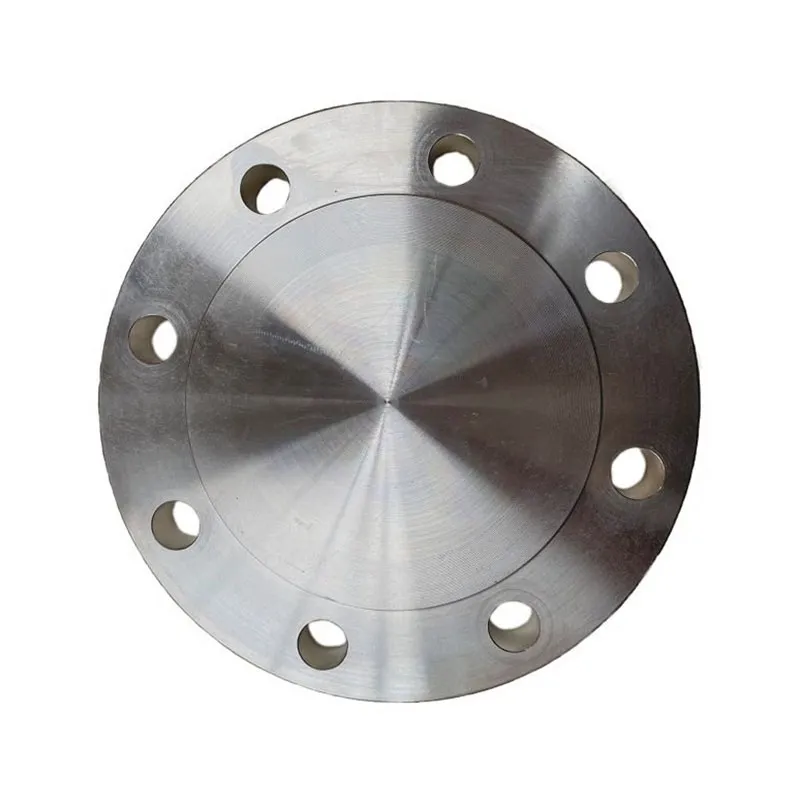 UNI 6092 Blind flanges PN10