
-
-
Phone
+86-13623462298




flange 1 inch
Look at the request: 1 inch flange? and you think - well, what’s so complicated about it, it’s a common thing. But in practice, especially when it comes to pressure or aggressive media, this “inch?” the size acquires nuances that are not always obvious in the specifications. Many, especially at the start, believe that the main thing is the hole for the pipe, and the thickness, material, type of seal are already details. An error that later comes out sideways during installation.
Why an inch is not always DN25
The first thing you encounter is confusion in notation. When we say “1 inch”, we mean a nominal diameter. But if we take, for example,flange 1 inchaccording to ASME B16.5, then its outer diameter and the diameter of the bolt circle will be the same, while a similar one according to GOST 33259 may be different. It’s not critical if the system is entirely according to the same standard, but how often does that happen? They mix. And then the adjustment begins, the search for adapter rings or, worse, attempts to tighten the bolts.
I had a case at one water treatment plant. The customer provided drawings with inch dimensions, but without specifying the standard. They brought a batch according to ASME, but on site it turned out that the existing fittings were old, still Soviet, with metric dimensions according to GOST. We had to urgently look for a manufacturer who could quickly make adapter flanges. Then we turned to the guys fromShanxi Hongkai Forging Co.,Ltd. Their websitehkflange.ruI came across it in a search based on a combination of standards. What’s important is that they work with GOST, ASME, and DIN, which is a lifesaver for such non-standard situations.
Their company, as I later found out, is a serious manufacturer of forgings andforged flangesfrom China, which is logical, given that Shanxi is one of the centers of the forging industry. But in their case, this is not handicraft production, but work according to international standards. For our case, this meant that they could not just make a part “approximately as in the drawing?”, but withstand all the geometric parameters and, most importantly, the mechanical properties of the material to a specific standard.
Material: Carbon steel to duplex
We sorted out the size, then the material. For an inch flange, the choice is often A105 or St20. But if the environment is, say, even slightly aggressive, or the temperature changes cyclically, carbon steel may not be suitable. Here you are already looking towards stainless steel 304/316 or even duplex steels.
Through experience, I came to the conclusion that for most water and steam systems at low pressures (up to 16 bar), high-quality carbon steel is really enough. But there was a sad experience with a circulating water supply system, where, due to impurities in the water, corrosion appeared at the junction of the flange and pipe within six months. The flange was intact, but the gasket began to leak due to an uneven fit. We converted it to AISI 304 flanges - the problem went away. More expensive, yes, but cheaper than constant stops for repairs.
It is in such situations that it is appreciated when the supplier is the sameShanxi Hongkai Forging Co.,Ltd, offers not just products from the catalog, but can provide advice on materials. On their website, the description clearly states that they make products according to GOST, ASME, EN, DIN and other standards. This is not just a tick list. When a manufacturer keeps in mind (or in the technical department) the differences in the requirements for chemical composition and heat treatment between, say, A105 and 20GL according to GOST, it is felt. You can request certificates with tests for impact strength at low temperatures (if necessary) - and they will be available.
Flange type: butt weld, flat, loose
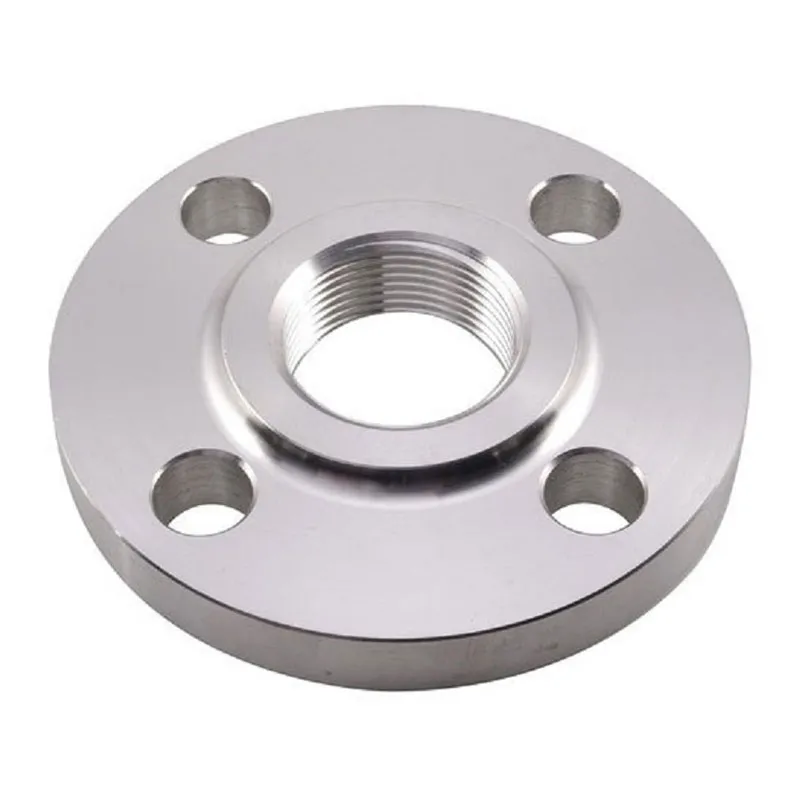
For inch sizes, welding neck or threaded ones are most often used. Flat ones on flanges for small diameters are also found, but they have their own drawback - the load on the bolts is also applied to shear, especially during vibration. A butt weld is more reliable, since the load is distributed over the pipe.
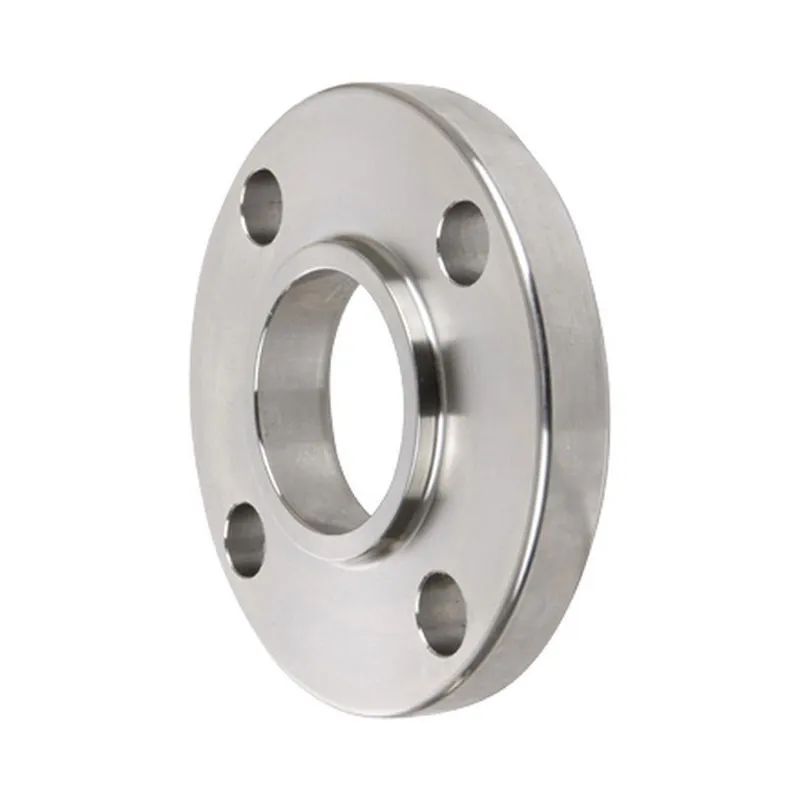
However, there is a nuance with installation. Weldflange 1 inchbutt welding is a task for a good welder; an accurate end gap is needed. Sometimes, for ease of installation or for systems where frequent dismantling is possible (for example, for cleaning), a loose flange on a welded ring is chosen. It's more expensive, but saves time and nerves. We did this in areas with metering devices, which are taken for verification every six months.
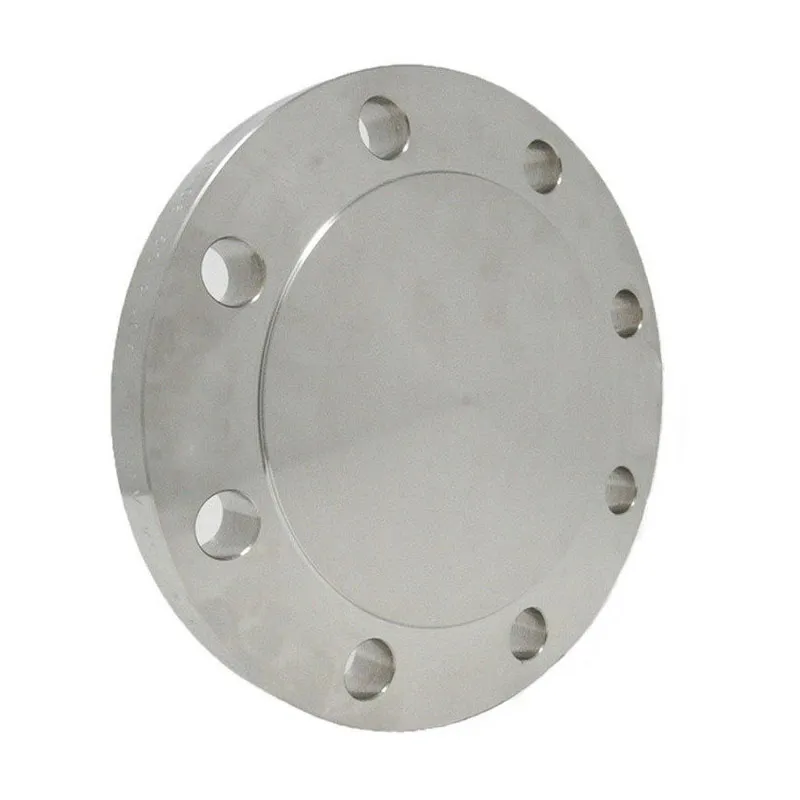
The mentioned manufacturer in its nomenclature covers all these types: butt welded, flat, loose, threaded, blind. And what is especially useful is that they make non-standard products according to drawings. One day, a one-inch flange with a non-standard stud hole pattern was required (due to tight installation conditions around existing equipment). We drew a sketch, sent it - it was done without any questions, in a forging, and not from a sheet. Forging, especially for critical applications, gives the best quality of the metal, the fibers go as expected, there are no internal stresses, as happens when cutting from a sheet.
Gaskets and assembly: where the problems lie
The most ideal flange can be ruined by improper assembly. For inch sizes, the importance of proper routing and torque is often overlooked. They install a paronite gasket where a spiral-wound one is needed, or they tighten the bolts “as hard as they can”, deforming the flange.
I remember one incident on a steam line involving inch flanges. After installation it started leaking. Disassembled - the gasket is torn. At first they made mistakes about the quality of the flanges, but upon detailed inspection they saw that the surfaces of the flanges themselves were in order, without scoring. The problem turned out to be a misalignment during the screed. The bolts were not tightened crosswise, but in a circle, creating uneven pressure. We reassembled it with a torque wrench according to the diagram - the leak stopped. Since then, I have always required torque control for critical components.
This is about the quality of the product. If the flange is made with deviations in the flatness or roughness of the sealing surface, even perfect assembly will not help. Therefore, when choosing a supplier, I always look at how they control these parameters. At the sameHongkai ForgingThe description states a range of sizes up to DN4000. If the company can maintain the geometry for such large products, then with1 inch flangeThey definitely won’t have any problems - the technology has been tested on more complex tasks.
Summary: what to look for when choosing
So, to summarize.Flange 1 inch- not such a simple detail as it seems. The first is to clearly define the system standard (GOST, ASME, etc.) and not hope for complete interchangeability. Secondly, the material must correspond to the environment, and do not skimp where this could lead to a stop. Third, select the flange type based on installation and operating conditions (frequency of dismantling, presence of vibration).
And, of course, the supplier. It is better to work with those who specialize specifically in forgings and flanges, and are not just a reseller. Because when questions arise regarding processing, heat strengthening, or consultation on a standard is needed, contact a specialized plant, likeShanxi Hongkai Forging Co.,Ltd, the dialogue is built easier. It is clear that people are on topic. Their websitehkflange.ru- this is, in fact, a business card of such a serious manufacturing plant that sells directly through its channel, without unnecessary intermediaries. For an engineer or supplier, this means being able to get exactly what you need with the right documentation.
In the end, the reliability of pipeline fittings often rests on such seemingly trifles. And the inch flange is one of them.
Correspondingproducts
Related Products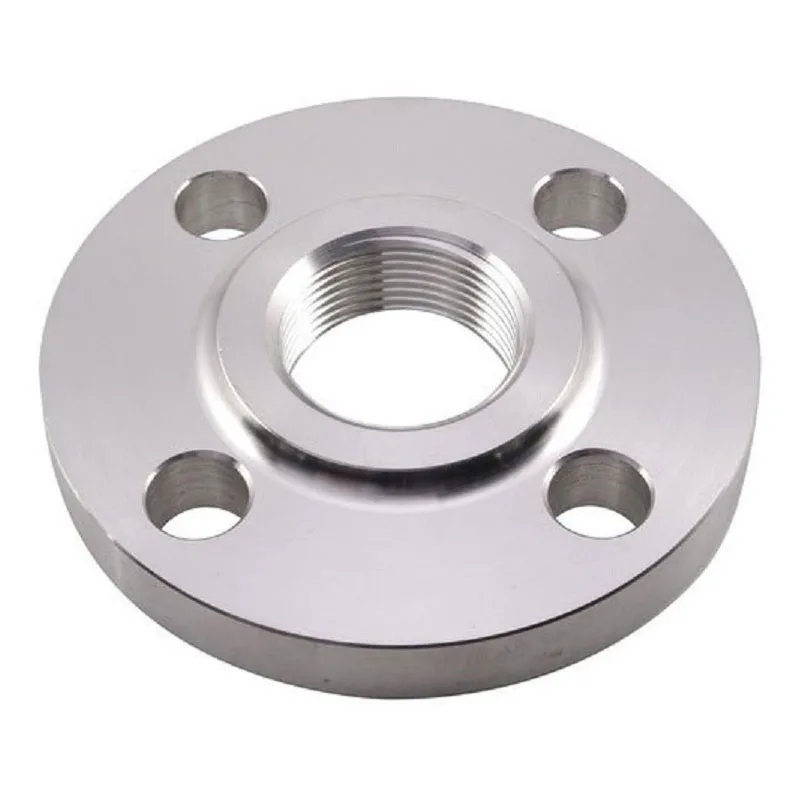
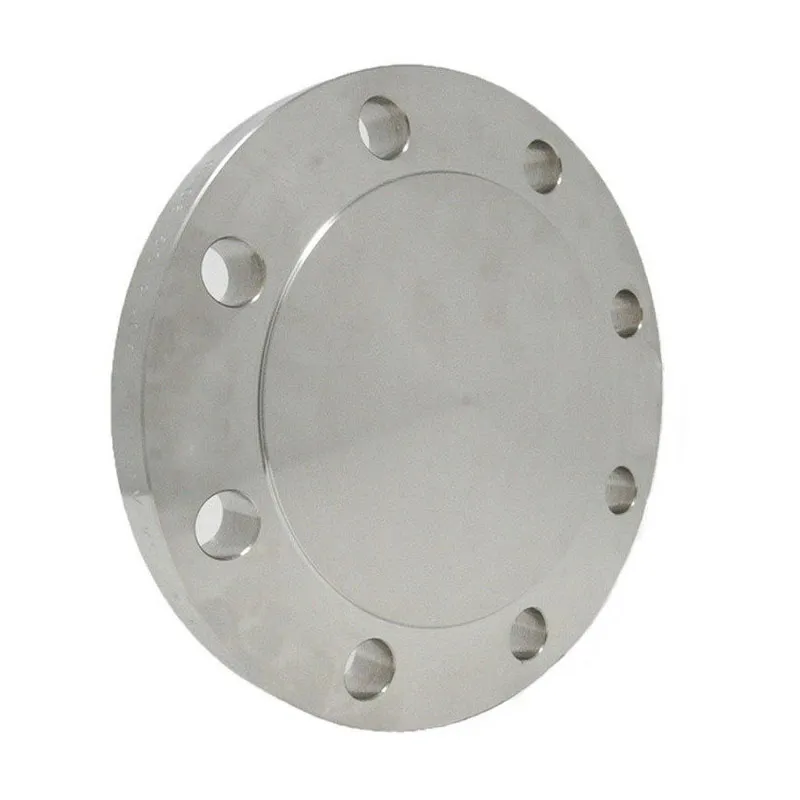
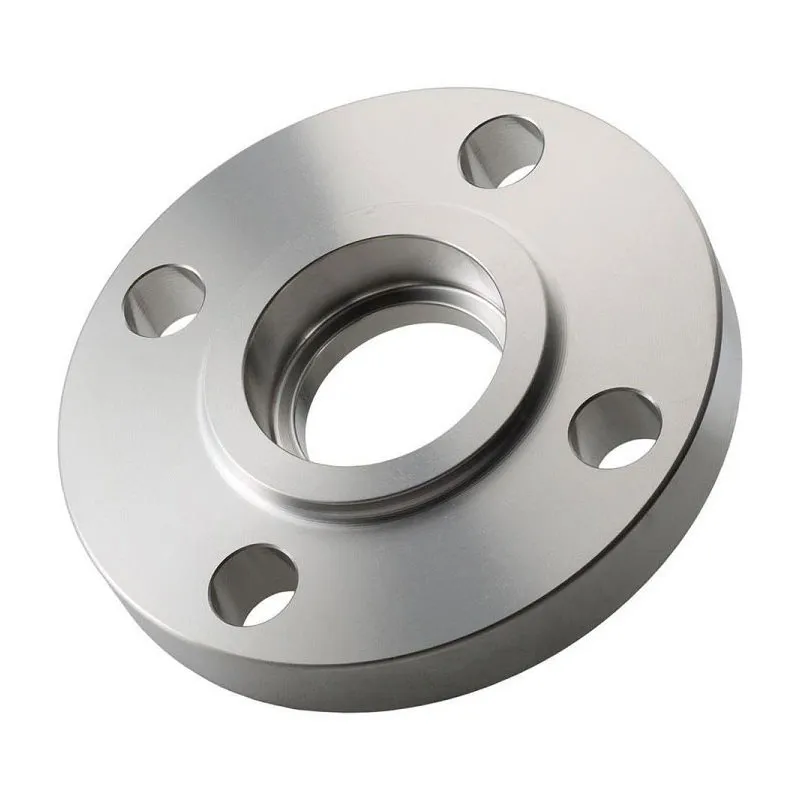

Best Sellingproducts
Best Selling Products-
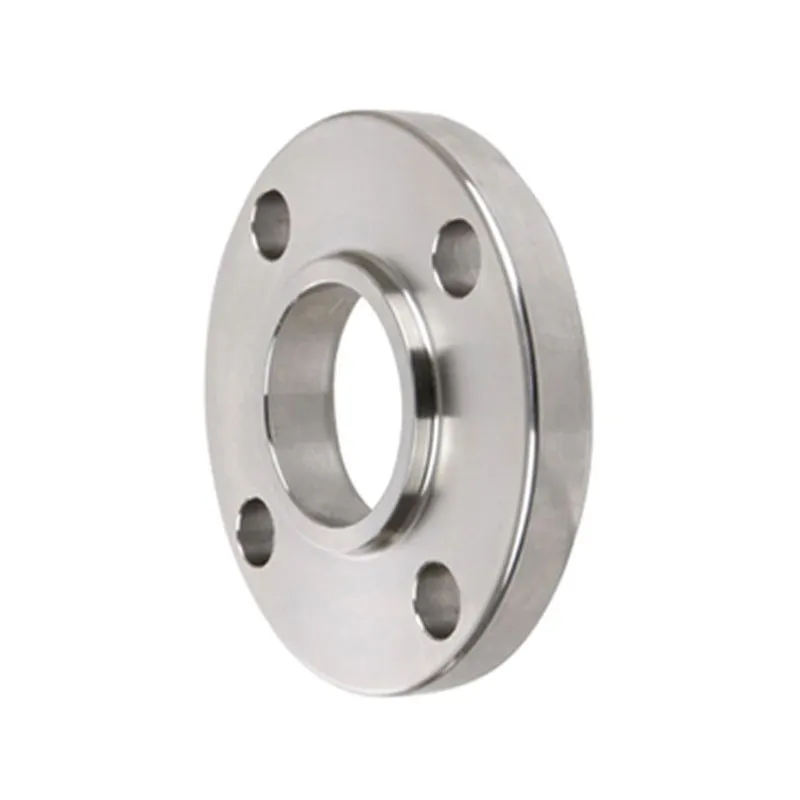 ANSI B16.5 Lap-on flanges Class 300
 -
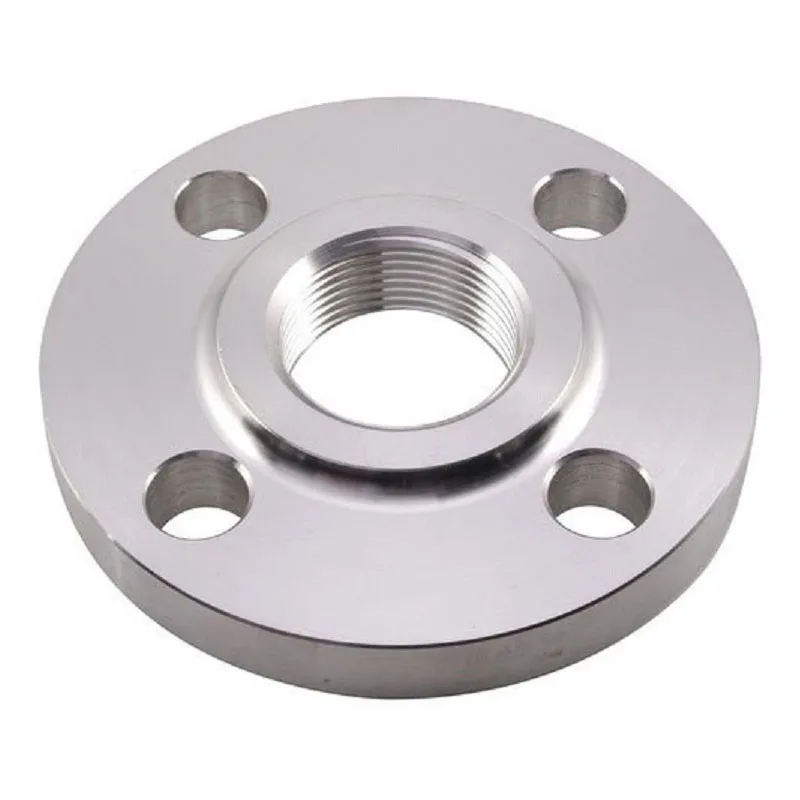 DIN 2566 Threaded flanges PN16
 -
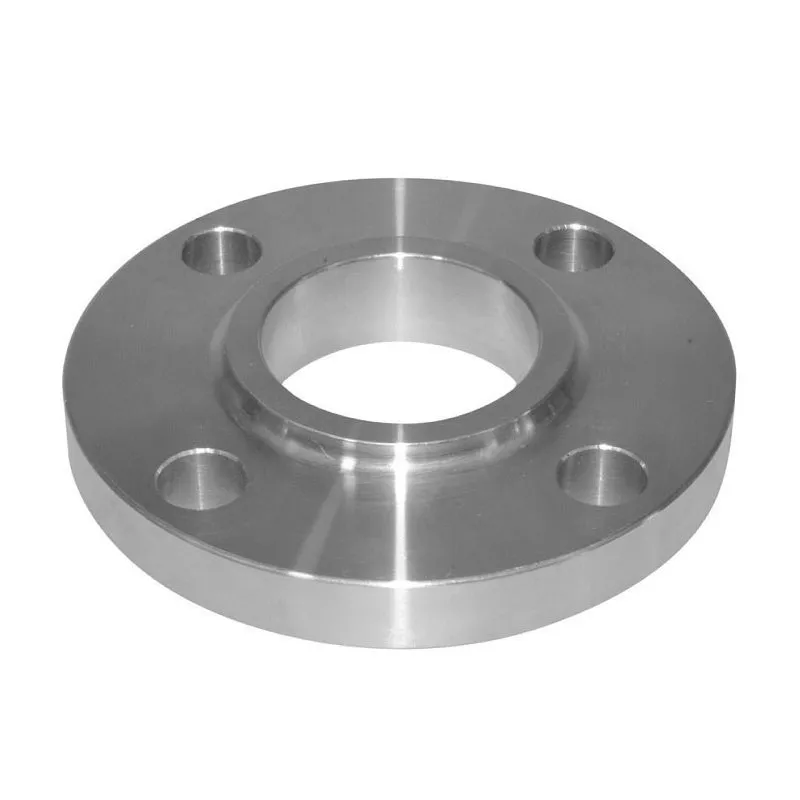 ANSI B16.5 Lap-on flanges Class 1500
 -
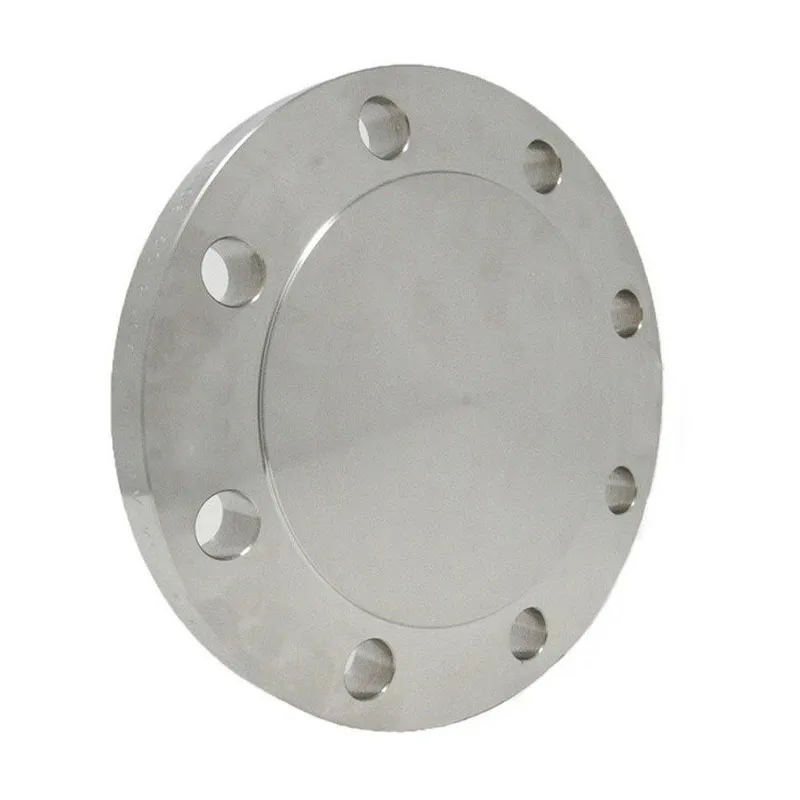 EN 1092-1 Blind flanges Type 05, PN10
 -
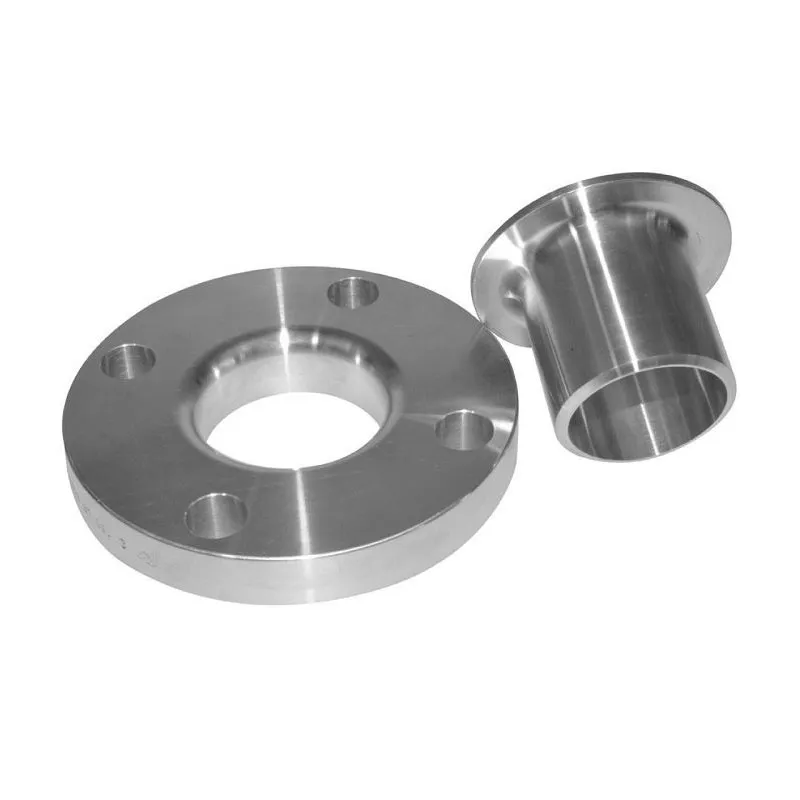 ANSI B16.5 Loose Ring Flanges Class 2500
 -
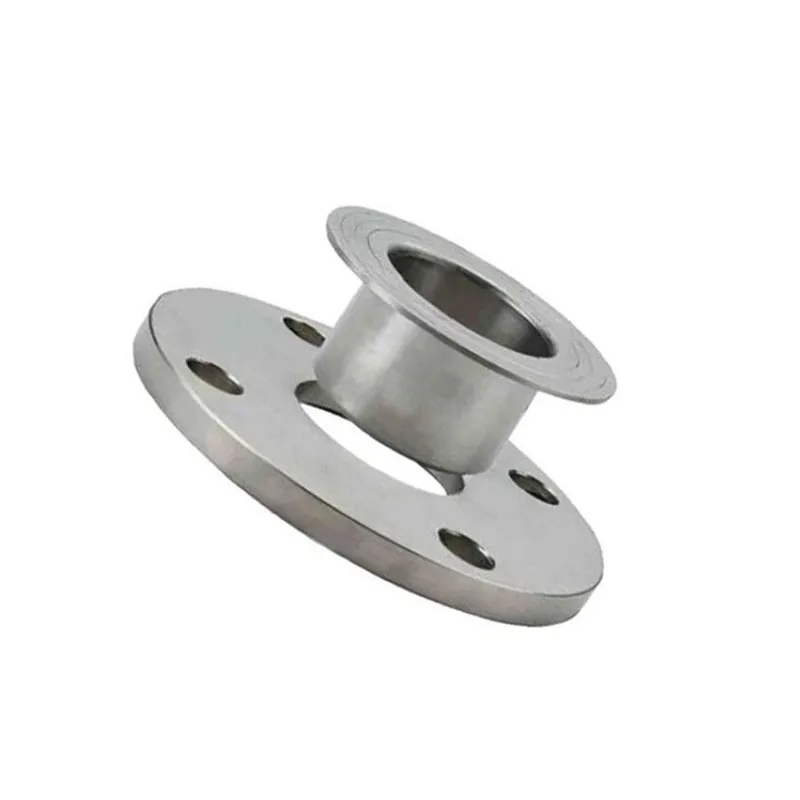 Free ring flanges Class 400
 -
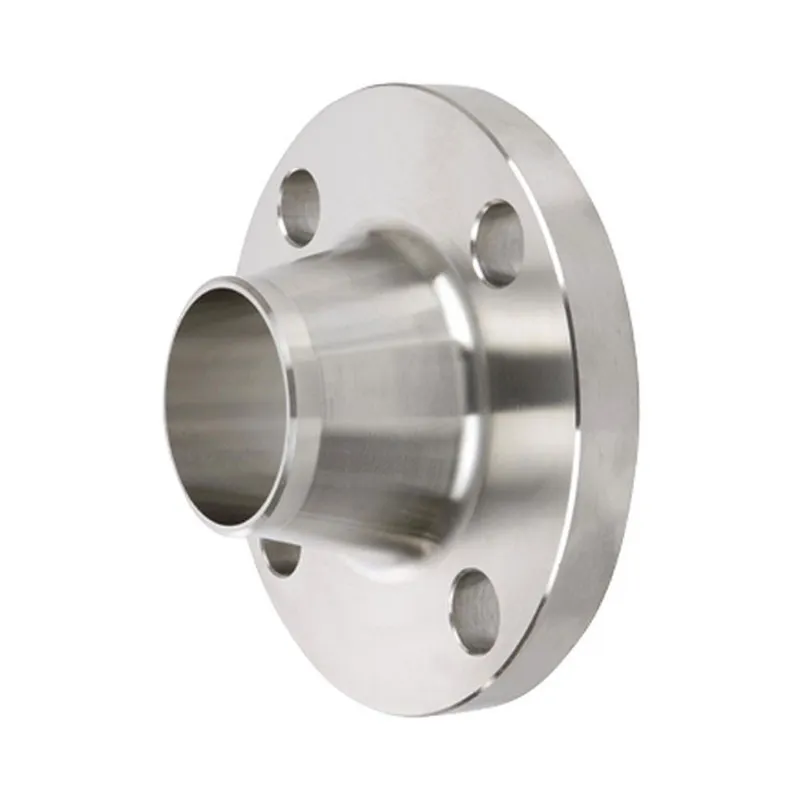 EN 1092-1 Butt weld flanges Type 11, PN25
 -
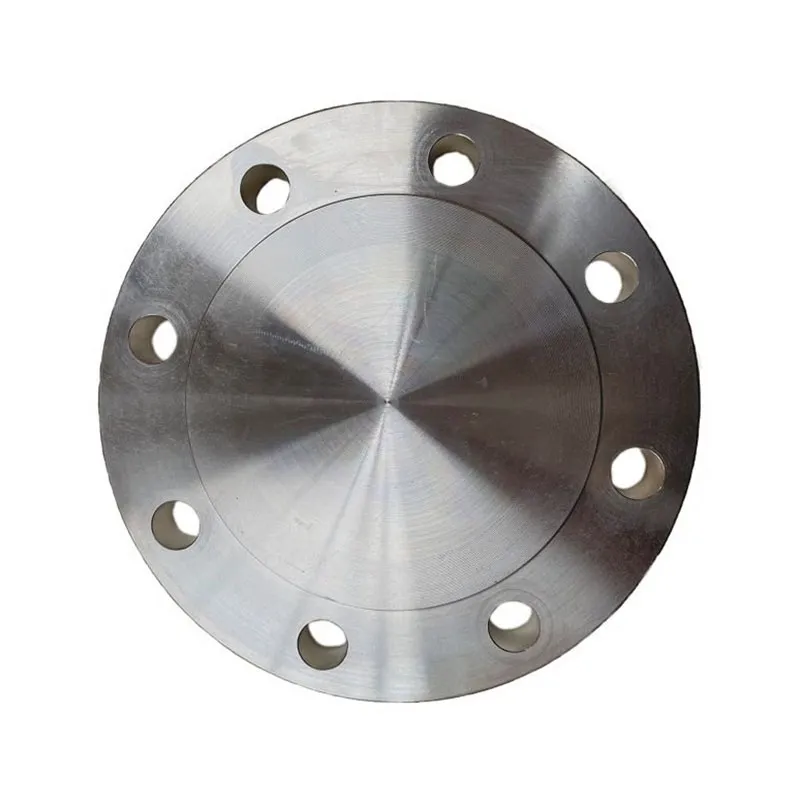 UNI 6092 Blind flanges PN10
 -
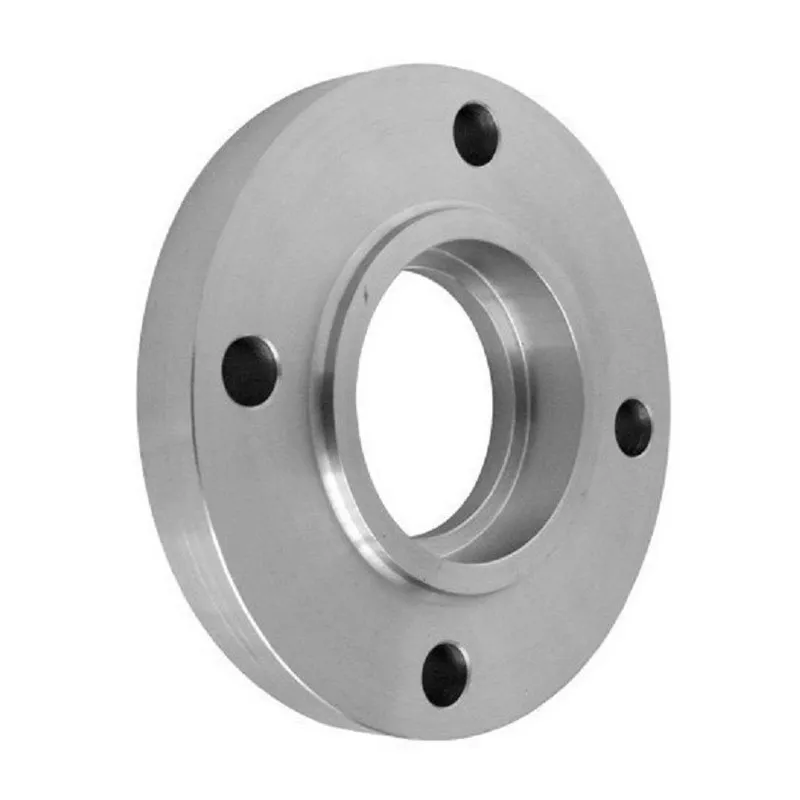 JIS 5K Socket Weld Flanges
 -
 AWWA Blind Flanges Class D (Tables 1, 2, 3)
 -
 DIN 2501 Overlay flanges PN16
 -
 JIS 10K Overlay flanges