
-
-
Phone
+86-13623462298



flange isp 11
When you hear “flange isp 11”, the first thing that comes to mind is some specific, almost universal type. But here’s the catch: such a standard does not exist in its pure form. Often this is just a colloquial designation that can lead astray if you don’t dig deeper. Many people, especially those who are just starting to work with pipeline fittings, think that this is a ready-made specification, like GOST or ASME. In fact, ?isp 11? usually refers to a drawing or technical specifications (TS) of a specific project or manufacturer. The closest analogue, which I most often encountered, is flanges according to GOST 12820-80 or 12821-80, but with certain modifications prescribed in these very “executive” ones. documents An error in the interpretation of this term can lead to the delivery of a completely unsuitable part, which will result in downtime and rework on site.
Let's understand the roots: where do executives get their legs from? flanges
In my practice, ?use 11? most often surfaced in projects that were originally developed for equipment of the Soviet or post-Soviet period. This is not a standard, but a reference toas-built drawingnumber 11 in the album of drawings of a specific process unit or pipeline system. Deviations from standard GOST standards could be detailed there: non-standard disk thickness, specific location of holes for studs, special shape of the sealing surface or material. For example, instead of the standard St20, they could require 09G2S for low temperatures.
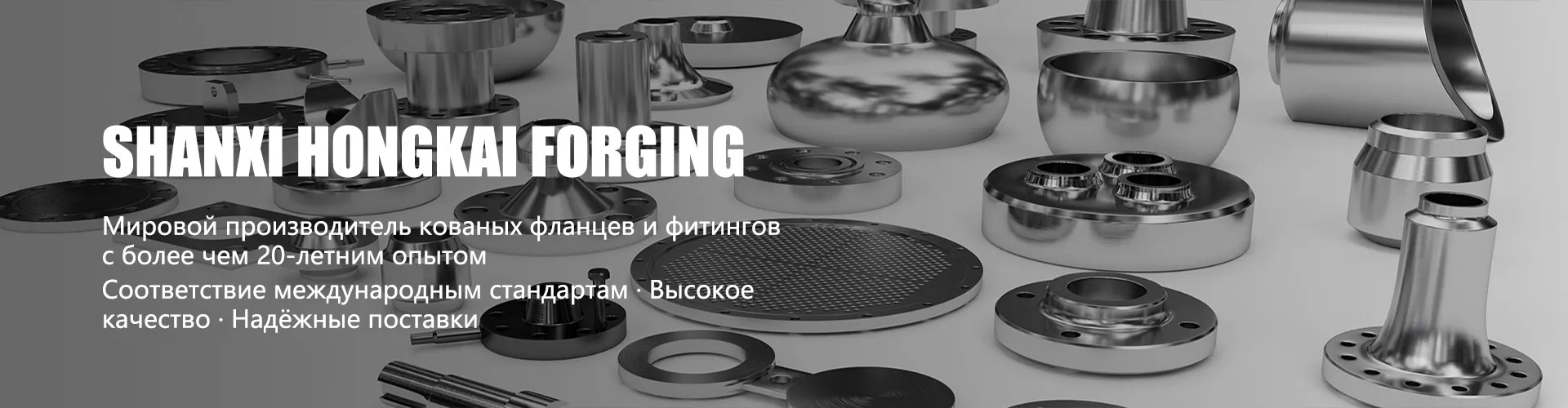
Once there was an incident during the installation of a boiler room: they brought ordinary GOST 12821-80 flanges, but in fact in “isp 11” an increased number of holes with a smaller diameter were required for specific studs of the imported pump. I had to urgently look for a manufacturer who would promptly make the alteration. It is in such situations that you understand the value of manufacturers working with non-standard products. For example, a Chinese companyShanxi Hongkai Forging Co.,Ltd (https://www.hkflange.ru), which just declares production according to customer drawings. In their case, if we had a clear drawing of "isp 11", they could make an exact copy, tied to the material and geometry, and not to the abbreviation.
So my first piece of advice is to always ask for the original drawing. If they say “you need a flange isp 11?”, you need to ask for the document to which this designation refers. Without it, any production is a lottery. Sometimes it turns out that under this number there is simply a flat flange GOST 12820-80 on PN10, and sometimes there is a complex forging with legs for fastening.
Practical difficulties and search for analogues
The main problem in working with such designations is outdated or lost documentation. It happens that only the specification with this marking remains from the old unit, and the album of drawings is lost. Then the detective work begins. It is necessary to take measurements from the existing flange (if it exists, but is damaged), analyze the mating elements, the pressure in the system, the environment. Knowing the standard solutions of that period often helps.
In one of the modernization projects we came across exactly this “flange isp 11?” for connection to the separator. Based on residual data and analogies with other components, we assumed that this was an analogue of a butt-welded flange according to GOST 12821-80 for nominal pressure Ru 16. But there was uncertainty about the material. We contacted several suppliers with a request to select a replacement or manufacture it. Many dropped out because they worked only with the standard assortment. Those who took it like the sameShanxi Hongkai Forging Co.,Ltd- a manufacturer of forged flanges and forgings from China, requested maximum data on the environment, temperature, pressure in order to reasonably suggest a steel grade. In the end, we agreed on a forging made of steel 20, tested according to GOST, but with a geometry restored according to our sketches.
This experience has shown that the key is in a dialogue with the manufacturer, who is ready to delve into the problem, and not just sell a standard product from a warehouse. Their ability to work according to GOST, ASME, DIN and, critically, according to the provided drawings, is invaluable in such situations.
Material and manufacturing technology: what to look for first
When it comes to reinstating or replacing an ?executive? flange, material is 70% success. Old specifications often indicated steel grades that may not be produced today or may have other analogues. You need to understand the operating conditions: temperature, aggressiveness of the environment, cyclical loads.
For critical connections, especially in the energy sector or chemical plants, I always insist on forged flanges rather than cut or cast flanges. Forging gives better mechanical properties and a homogeneous metal structure. This is where the information comes in handy:Shanxi Hongkai Forging Co.,Ltdis located in one of the main centers of the forging industry in China. These are not just words - this means access to modern presses and furnaces for heat treatment, which is critically important for high-quality forging.
For example, for the same hypothetical “flange isp 11”, operating with steam under pressure, the choice in favor of a forged product made of chrome-molybdenum steel (type 15Х5М) will be the only correct one, even if the material was indicated conditionally in the original drawing. A manufacturer who makes forgings himself will be able to ensure this and provide the necessary certificates.
Custom sizes and logistics
Another aspect that is often forgotten is sizing. Standard flanges come up to certain DN. And in old equipment there may be non-standard diameters, say, DN2300. You can't buy a typical one. In the annotation toShanxi Hongkai Forging Co.,Ltdthe range is indicated right up to DN4000, which indicates the possibility of producing large-sized products. To replace the old ?flange isp 11? with a large diameter this can be a deciding factor.
But there is a nuance here: making such a non-standard product is not a quick task. It takes time to develop the technical process, forging itself, and machining. In one of our projects, it took almost 8 weeks to produce a DN3200 flange from our designs. This needs to be included in the deadlines immediately. Plus logistics: delivery of such a colossus is a different story. But if the manufacturer, like the one mentioned, has well-established channels, this simplifies the matter.
The main thing is not to try to save money by ordering a welded structure instead of a solid forged one for critical applications. There is a difference in price, but the difference in reliability is colossal.
Final considerations and conclusions
So what is a flange isp 11? This is more of a task than a ready-made solution. This is an indication that a part is required that is designed for a specific, perhaps unique, environment. Dealing with such requests always means searching, analysis and close cooperation with a manufacturer who has flexibility and technological capabilities.
Experience suggests that there is no universal answer. It is necessary to request drawings, analyze analogues, carefully select materials and manufacturing technology. In today's world, where equipment lasts for decades and documentation is lost, the ability of a manufacturer, whether in China or elsewhere, to work from non-standard drawings and produce forgings in a wide range of sizes is not just a competitive advantage, but a necessity.
So the next time you hear "isp 11", don't look for it in the catalogue. Look for a competent process engineer and a reliable blacksmith manufacturer who can translate your requirements into metal. Everything else is details, which, however, decide the success of the entire installation.
Correspondingproducts
Related Products
Best Sellingproducts
Best Selling Products-
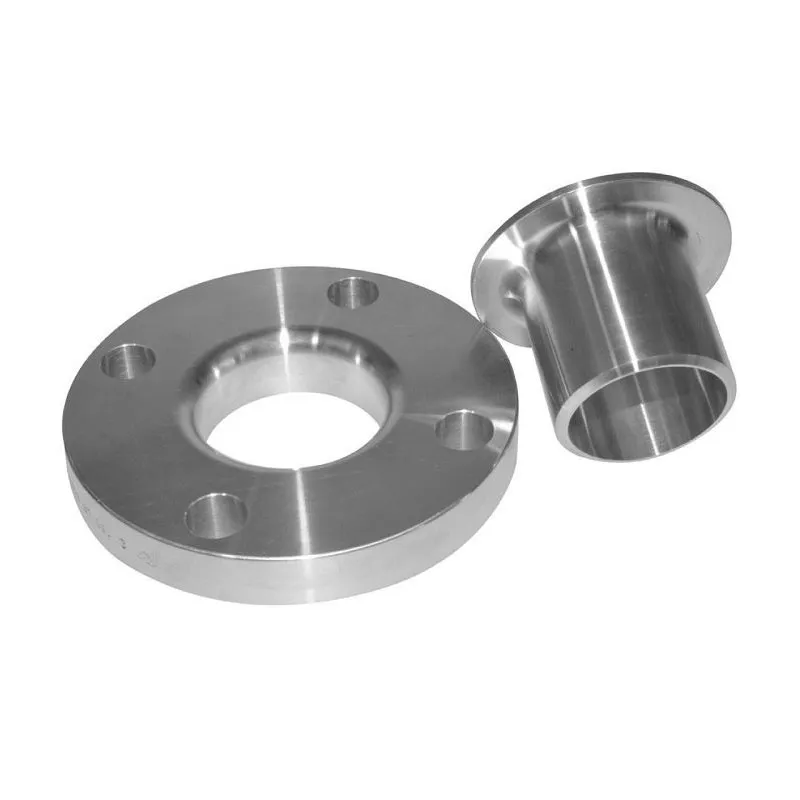 ANSI B16.5 Loose Ring Flanges Class 2500
 -
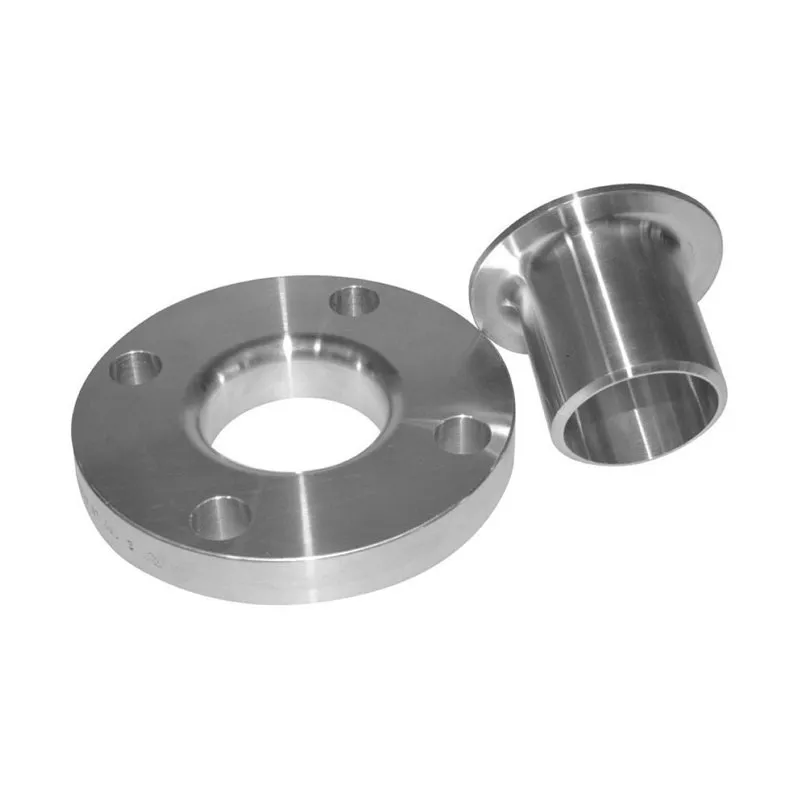 Free ring flanges Class 150
 -
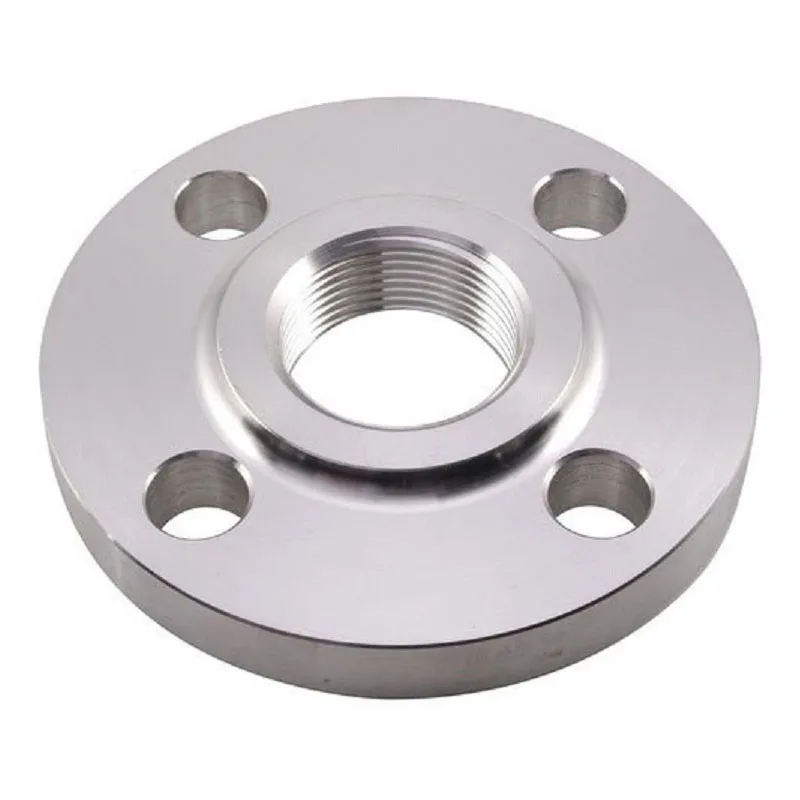 DIN 2566 Threaded flanges PN16
 -
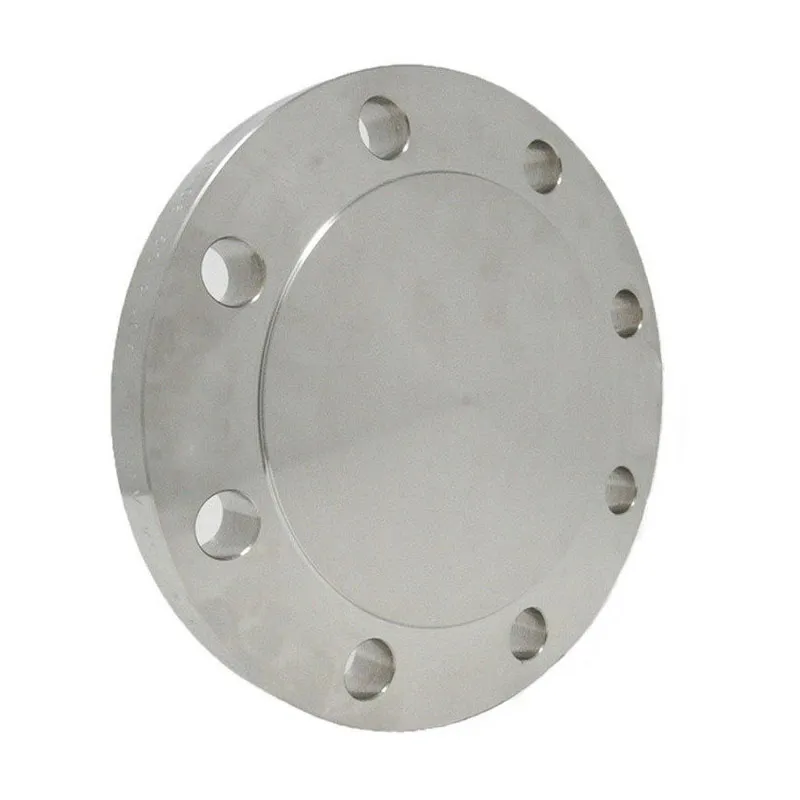 Blind flanges Class 150
 -
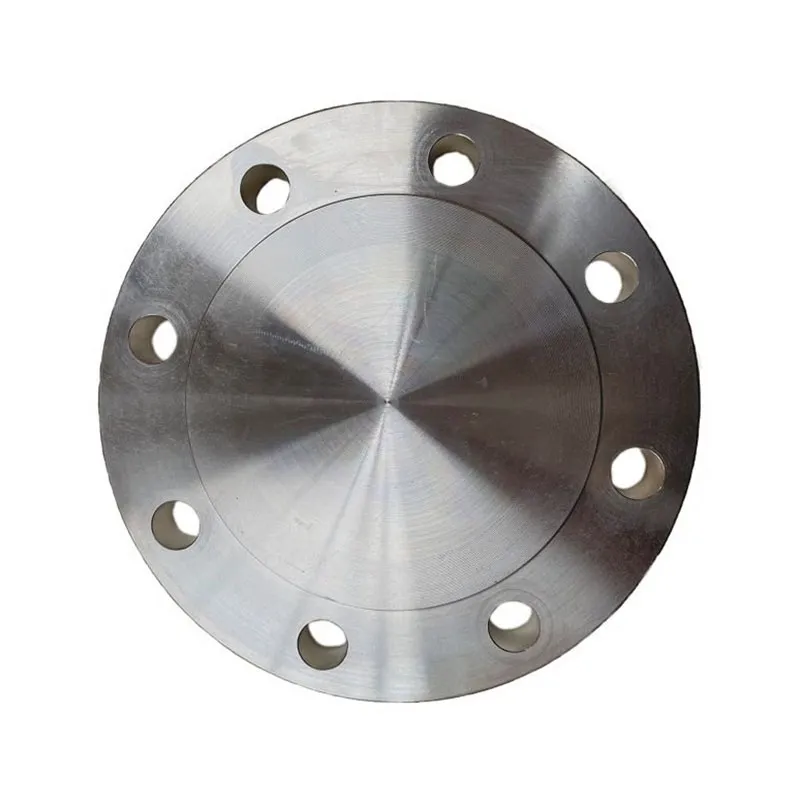 UNI 6092 Blind flanges PN10
 -
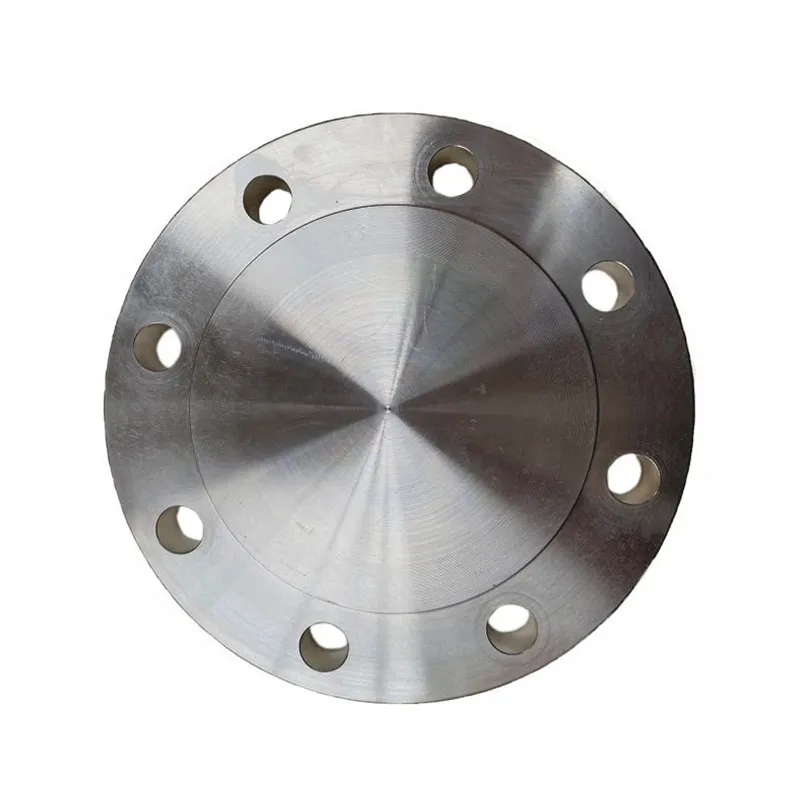 DIN 2527 Blind flanges PN10
 -
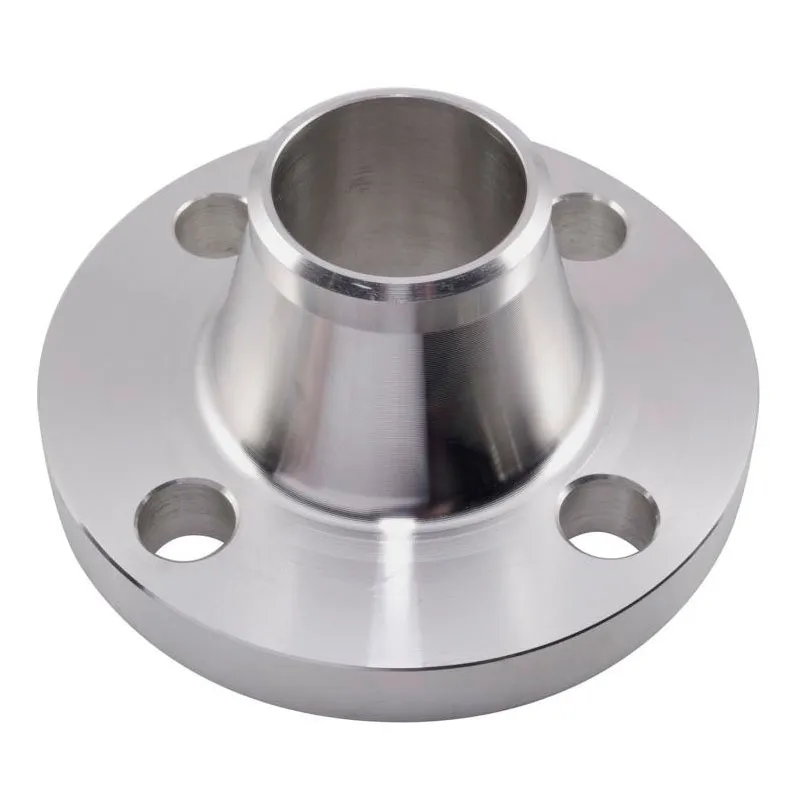 DIN Butt weld flanges PN10
 -
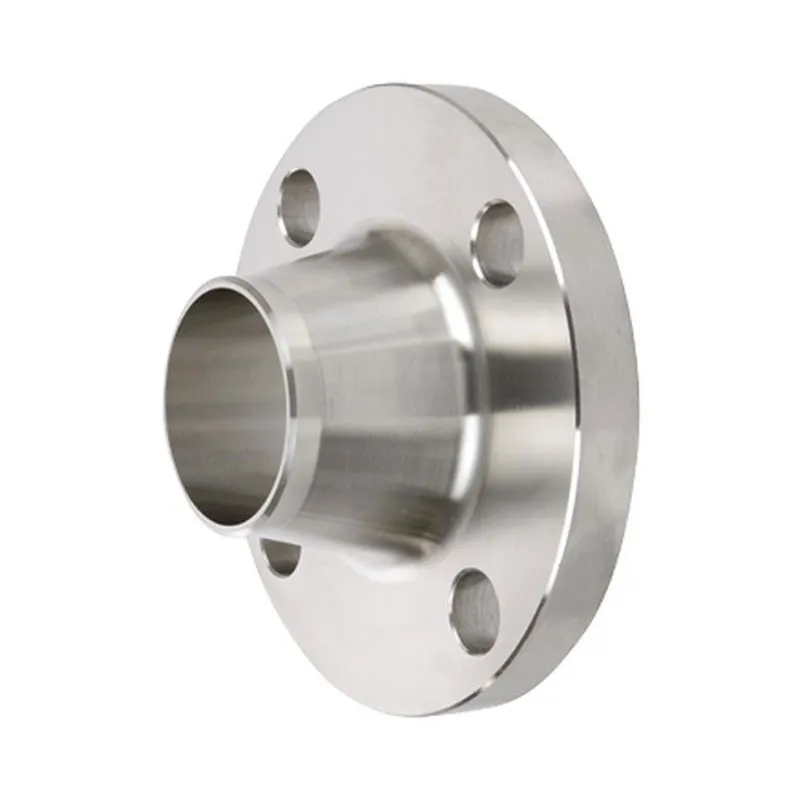 Ser.A Butt Weld Flanges Class 400
 -
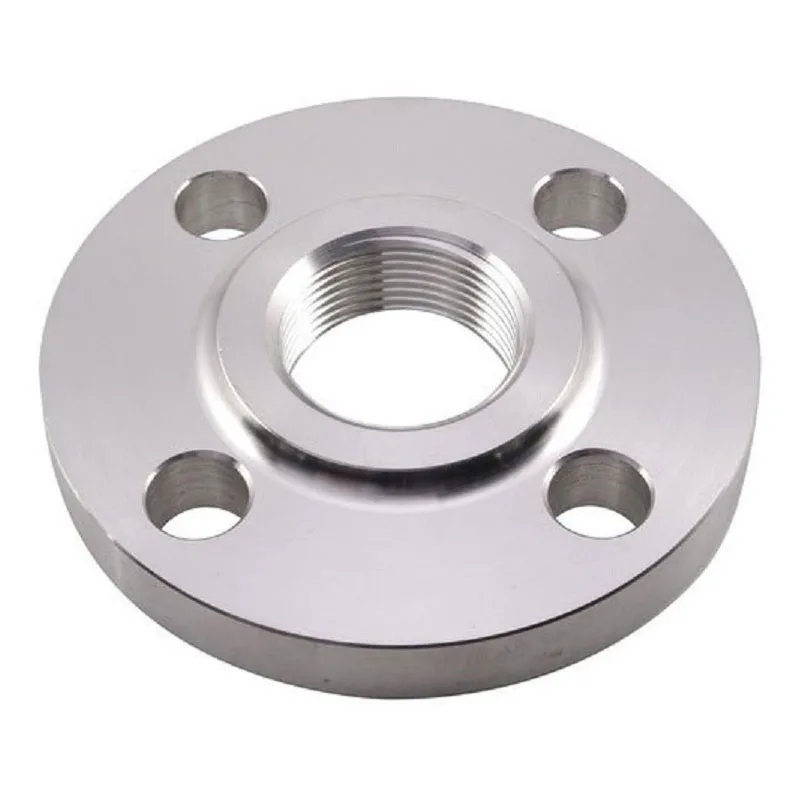 JIS 10K Threaded Flanges
 -
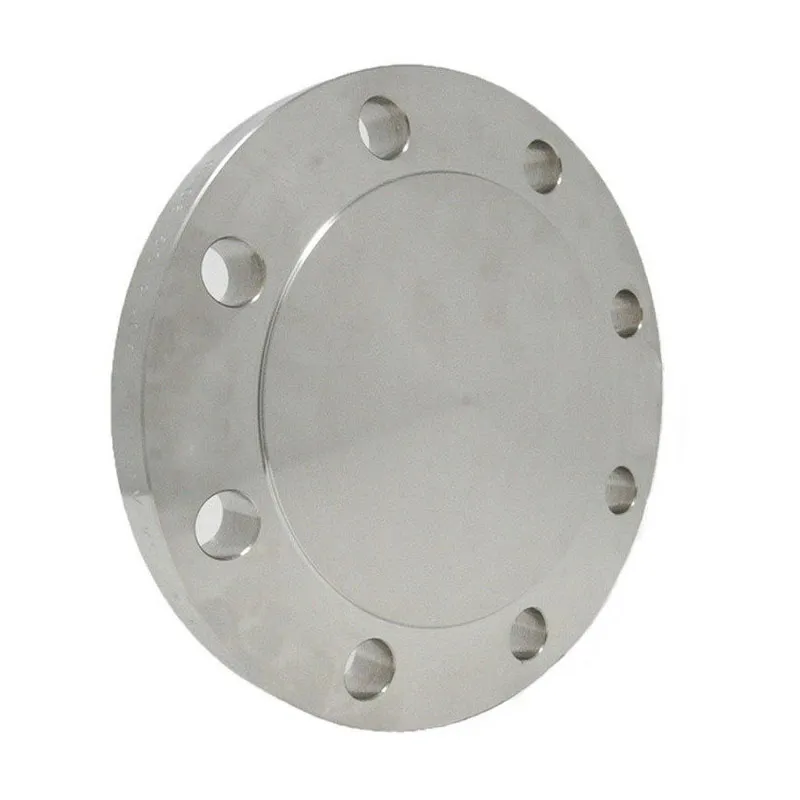 AWWA Blind Flanges Class D (Tables 1, 2, 3)
 -
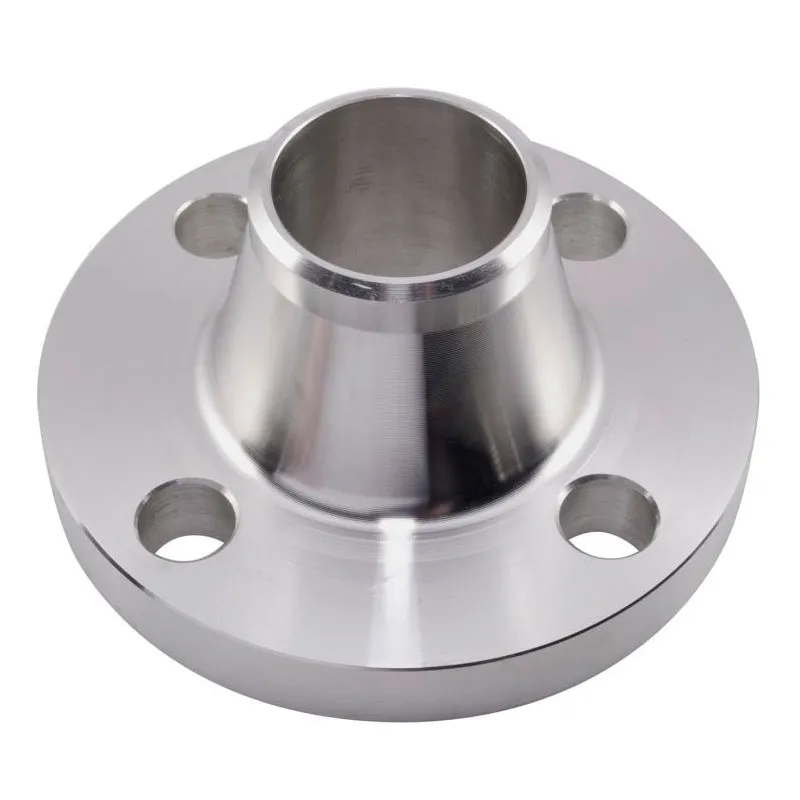 UNI 2281 Butt weld flanges PN10
 -
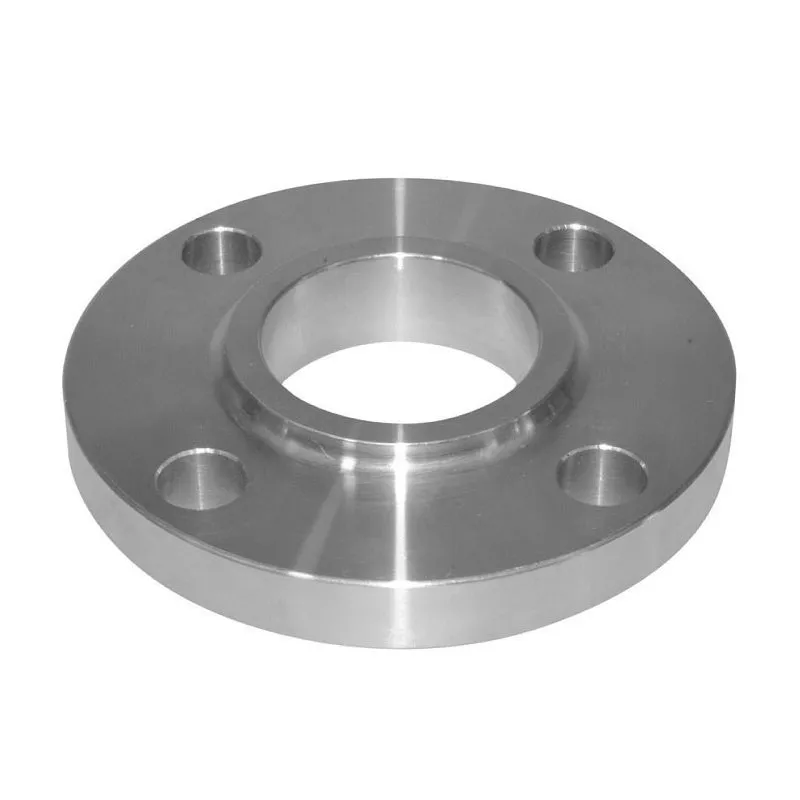 ANSI B16.5 Lap-on flanges Class 1500