
-
-
Phone
+86-13623462298



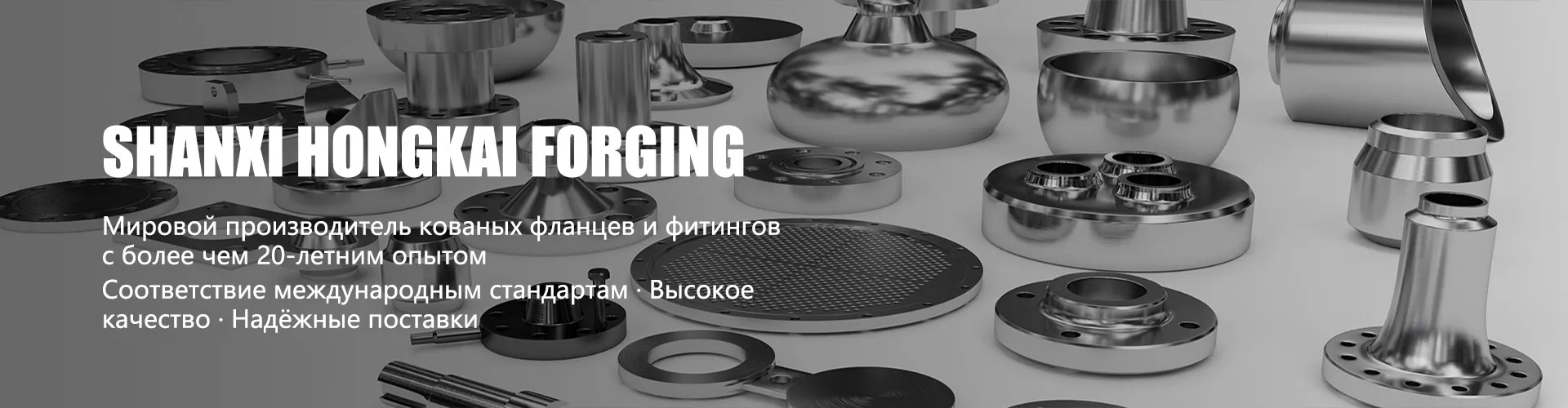
flange 1 40 16
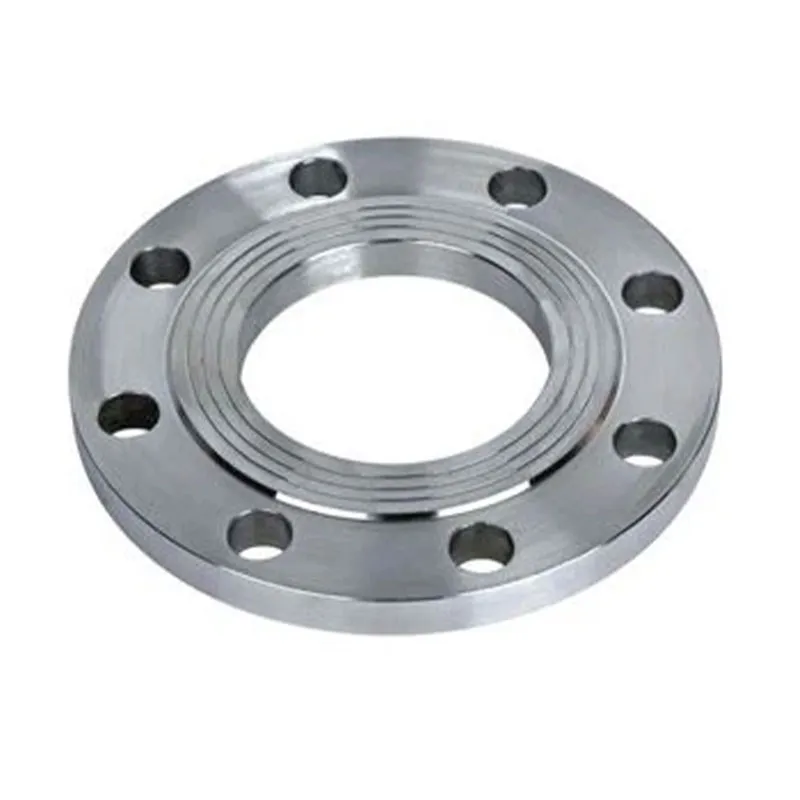
When you see “flange 1 40 16” in a specification or request, everything seems to be clear - a standard flat flange for 40 nominal diameter according to GOST 12820-80. But this is where many, especially those who are just starting to work with pipeline fittings, fall into the trap. Numbers aren't everything. The most common mistake is to assume that since there is one standard, then the flange will be the same everywhere. In fact, between ?just a flange? and what really reliably fits into the circuit under pressure is the gap that the material fills, the quality of the forging and, what is critical, the geometry of the sealing surface. I have encountered more than once when flanges that seemed to be correctly marked were delivered to the site, but problems began to arise during joining: either the gasket ring did not fit perfectly, or the bolts entered at a crooked angle. And it begins: the installers are blamed, and the reason often lies in the little things - in that very “1 40 16?”, which turned out to be not so simple.
Let's take the designation apart: not only DN and Py
So, ?1? - this is the design of the sealing surface. Flat, under a gasket made of paronite, cardboard or rubber. It would seem that what is so difficult here? But here’s a nuance: out of old memory, many people order flanges without specifying the roughness of this very surface. And it can be different. For medium pressures, conventional processing is also suitable, but if we are talking about systems with temperature differences or aggressive environments, more delicate work is needed. I remember an incident at one thermal power plant: they installed flanges with rough processing, the gaskets were “eaten up?” in six months. Then we figured it out - it was necessary to order with a certain Ra parameter. As a result, they converted it to flanges fromShanxi Hongkai Forging Co.,Ltd, where these details were initially clarified, and the problem went away.
?40? - this is DN, nominal diameter. Here, in principle, there are the fewest pitfalls when it comes to the standard series. But when you start tying with imported equipment, sometimes you need to switch to metric sizes. Or, for example, when repairing an old pipeline where the pipes are already worn out, simply taking a DN40 flange may not be enough - you need to measure the actual outer diameter. This is already about the issue of non-standard solutions.
?16? — nominal pressure, 1.6 MPa. This is the key parameter that directly dictates the choice of material and thickness. For Py 16 you can no longer take just anything. Most often, steel 20 or 09G2S is used, but again, it all depends on the environment. If water or steam is one thing, but if there are hydrocarbons or alkalis, you need to look at the chemical composition of the steel. I always advise my colleagues: never skimp on material for flanges for pressures of 10 atmospheres and above. It is better to take it with a reserve, especially for critical components.
Forging vs. stamping: why is it important for ?1 40 16?
There is a lot of debate in workshops and among suppliers about manufacturing technology. For a flange with such parameters - DN40, pressure 16 - in theory, both stamped and forged products can be used. But my experience, supported by a couple of emergency situations, speaks unequivocally: for any pressure associated with variable loads or vibration, only forging. A stamped flange may have internal microcracks or structural heterogeneity, which will not appear immediately, but after several heating-cooling cycles. or due to pump vibration.
That is why in recent years, for all important orders, we have been working with trusted forging manufacturers, such asShanxi Hongkai Forging Co.,Ltd (https://www.hkflange.ru). Their profile is precisely forged flanges and forgings, which already indicates a focus on quality. They work in accordance with GOST, ASME, EN - and these are not just words in a catalog. When you request certificates and mechanical test reports, everything is provided. For me, as an engineer, this is the main criterion.
One of our projects - modernization of a pipeline at a chemical plant - required flanges 1 40 16 in large quantities, but for working with acid solutions. Steel 20 was not suitable; a more resistant grade was needed. BShanxi Hongkai Forging Co.,LtdThey promptly offered an option made of steel 12Х18Н10Т (analogous to AISI 321), and it was forged, with a full set of documents. And what’s important is that the geometry was maintained, all the holes for the bolts lined up perfectly, without adjustment. This is the case when cooperation with a specialized plant, and not with a reseller, saved time and nerves on site.
Installation errors and how to avoid them with a standard flange
Even a perfect flange can be damaged during installation. The most common mistakes that I have seen personally: uneven tightening of bolts and incorrect selection of gaskets. For the 1 40 16 flange, with its flat surface, this is critical. You need to tighten it crosswise, with a torque wrench, and not “all the way?” impact wrench. Otherwise, a misalignment is created, the load is distributed unevenly, and a leak appears in the weakest place over time.
The second problem is the gasket. For a pressure of 1.6 MPa and a flat surface, a standard paronite is often used. But if the ambient temperature is above 250°C, paronite begins to “flow?” and lose elasticity. There was an incident on a steam pipeline: after six months of work, the joints began to leak. We took it apart - the gaskets were flattened almost into a flat cake. The solution was to switch to metal ribbed gaskets or to flanges with a different surface design (for example, tongue-and-groove), but this is already a design change. Within the existing ?1 40 16? I just had to tighten up the schedule of preventive tightening and control the temperature more accurately.
And one more point that is often forgotten: the condition of the threads on the studs or bolts. Rusty, broken threads will not allow you to create the necessary pre-tightening force. The flange will not be tightened even if the bolt itself is new. Therefore, you need to assemble it correctly - either immediately take the flanges complete with fasteners, as manufacturers sometimes offer, or very carefully select the fasteners separately. On the websitehkflange.ruI saw that they also supply complete solutions, which is a big plus for installers.
When the standard is not enough: non-standard situations for DN40
It happens that the standard flange in the catalog is not suitable. For example, you need to shift the holes relative to the standard circle, or increase the thickness of the disk to compensate for increased bending moments, or make a flange from a completely special alloy. This is where the manufacturer’s ability to work according to the customer’s drawings comes to the fore.
At the sameShanxi Hongkai Forging Co.,LtdThe description directly states: production of non-standard products according to drawings. We once ordered a batch of flanges from them similar to “1 40 16”, but with additional four holes of smaller diameter for attaching the thermal insulation casing. It was important not to compromise the integrity of the main disk. They did it without any problems, and they carried out strength calculations so that we could be sure. This is the same professional approach.
Another example is changing from a flange connection to another type. Sometimes it is necessary to weld not a pipe to the 1 40 16 flange, but, say, a pipe at an angle or with a transition to a different diameter. The flange ring itself becomes the basis for the design. And here again, high-quality forging as a workpiece is important, because welding will introduce additional thermal stresses. It is better if the manufacturer himself can provide such a solid-forged adapter blank than to cook it handicraft on site.
Final thoughts: don’t go cheap, consider the cost of the cycle
Summing up all of the above, I want to note the main thing: the 1 40 16 flange is not just a consumable, it is an element of responsibility. Its cost in the overall project estimate is negligible, but the consequences of its failure can be colossal. Therefore, the choice should not fall on the cheapest offer on the market, but on the supplier who guarantees the quality of the material (namely forging for such parameters), compliance with the geometry and the availability of all necessary documentation.
Working with companies such asShanxi Hongkai Forging Co.,Ltd, a manufacturer of forged flanges and forgings from one of the centers of the forging industry in China, became a kind of insurance for me. They manufacture products in accordance with GOST, ASME, EN, which immediately eliminates questions during inspections. And their ability to make products from DN15 right up to DN4000 speaks of their scale and technological capabilities.
At the end of the day, our job as engineers and installers is to ensure reliability. And it starts with choosing the right, seemingly simple element - the flange. Look at the essence, and not just the numbers in the designation, ask questions to manufacturers about material, technology and quality control. This will save you a lot of time and resources in the future, it has been tested in practice more than once.
Correspondingproducts
Related Products
Best Sellingproducts
Best Selling Products-
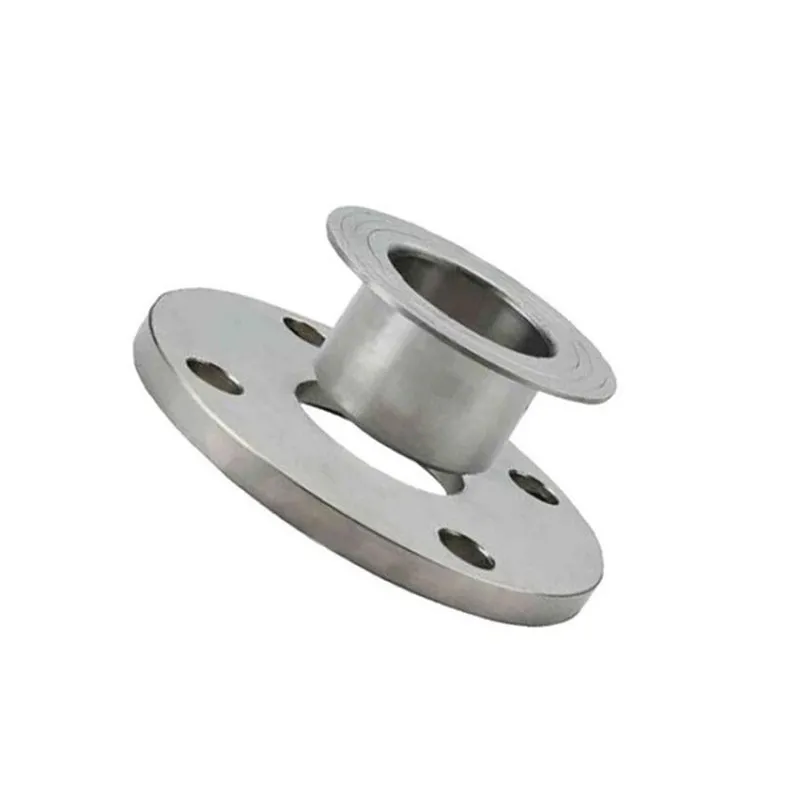
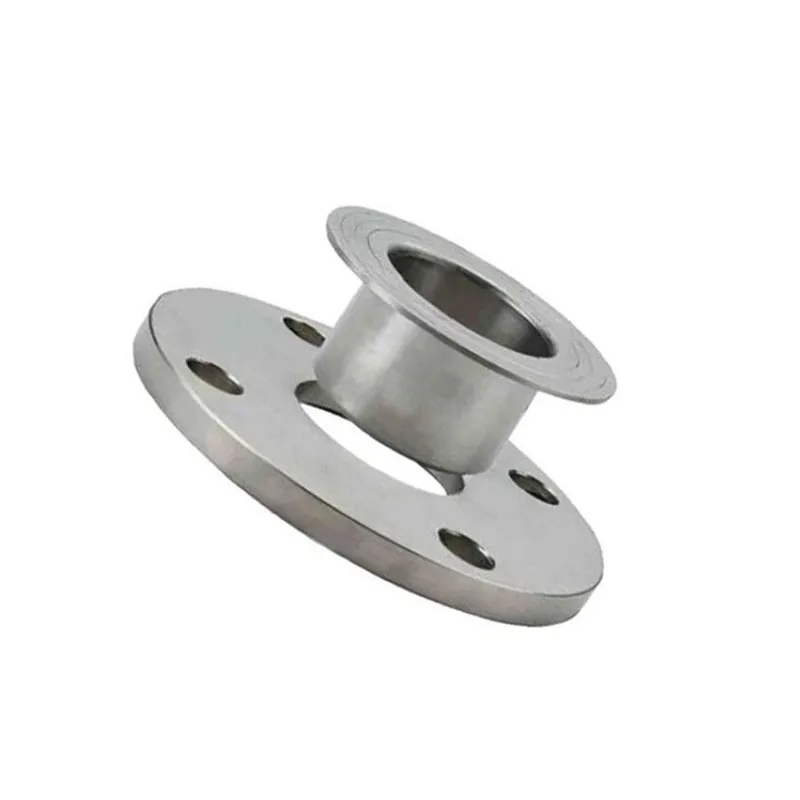 Free ring flanges Class 400
 -
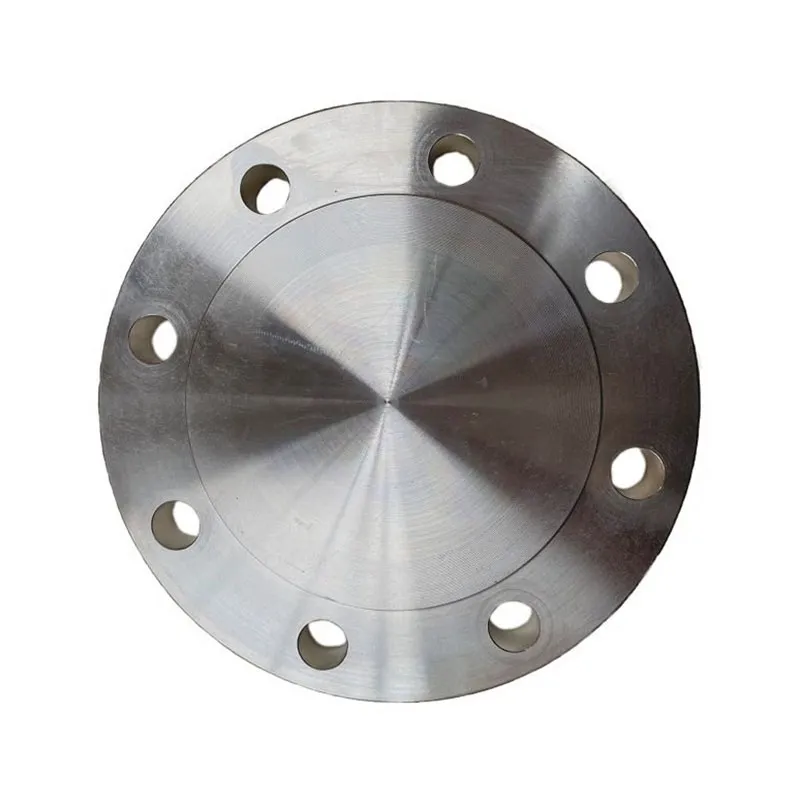 ASME B16.47 Ser.A Blind Flanges Class 400
 -
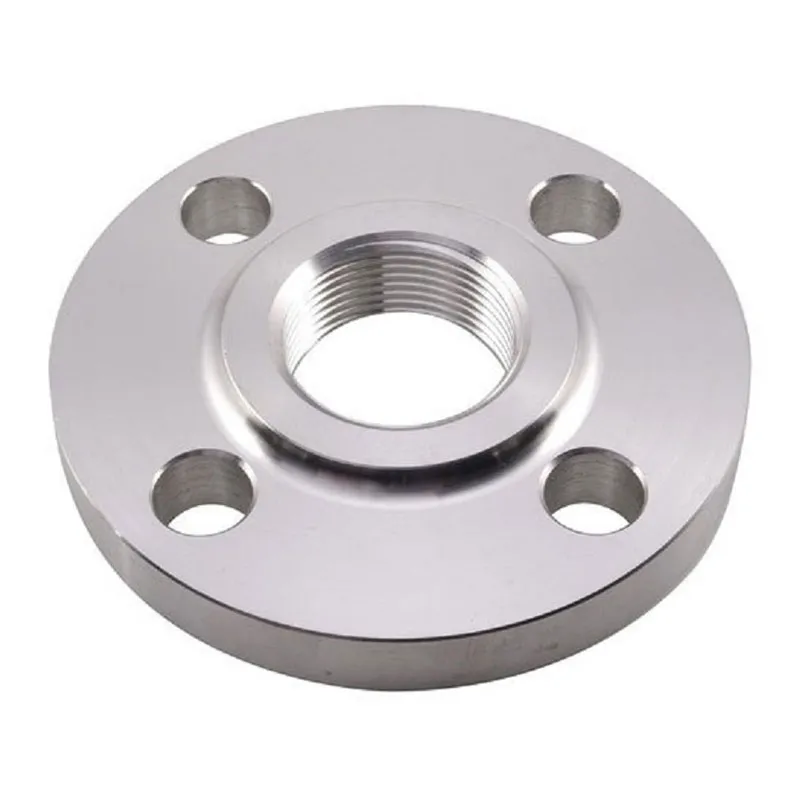 JIS 10K Overlay flanges
 -
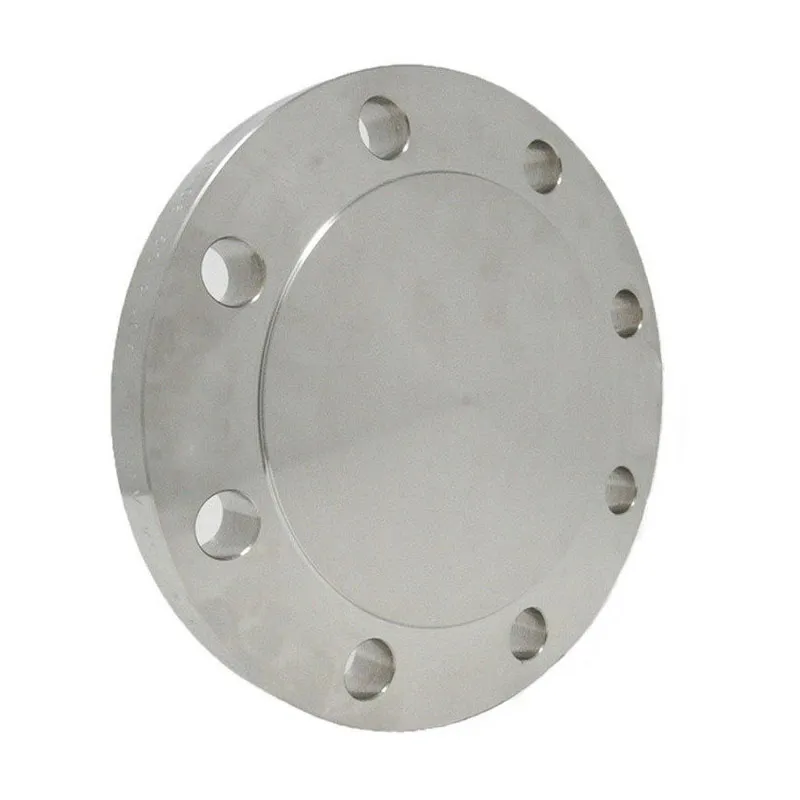 Blind flanges Class 150
 -
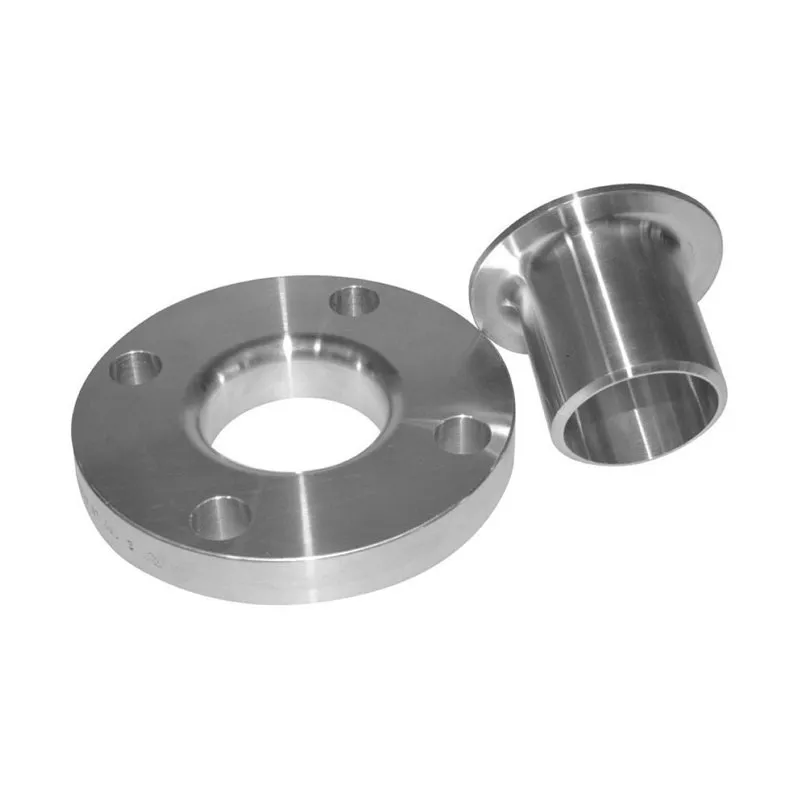 Free ring flanges Class 150
 -
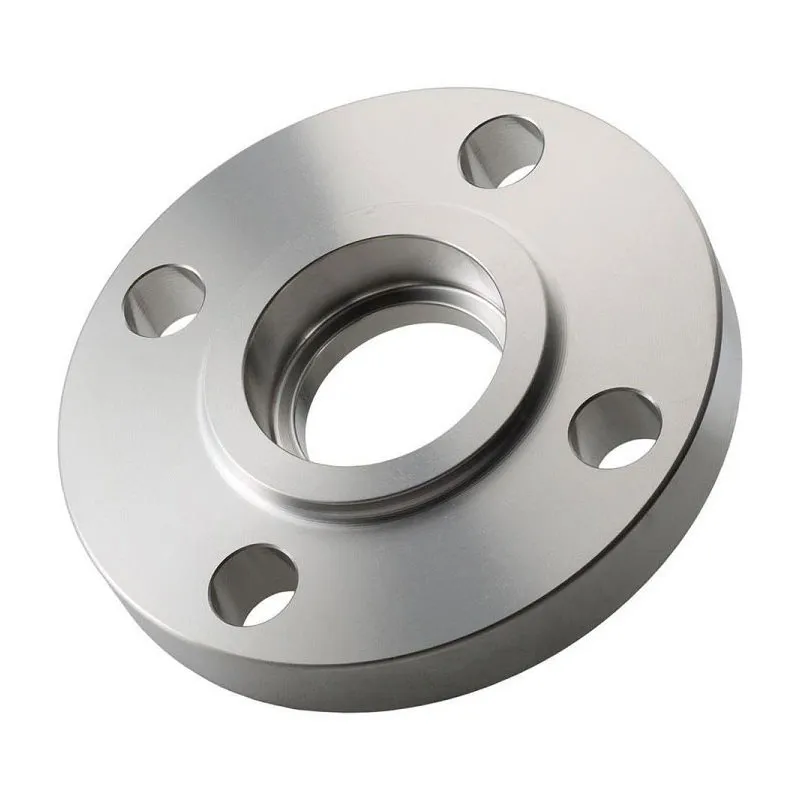 Flanges for socket welding
 -
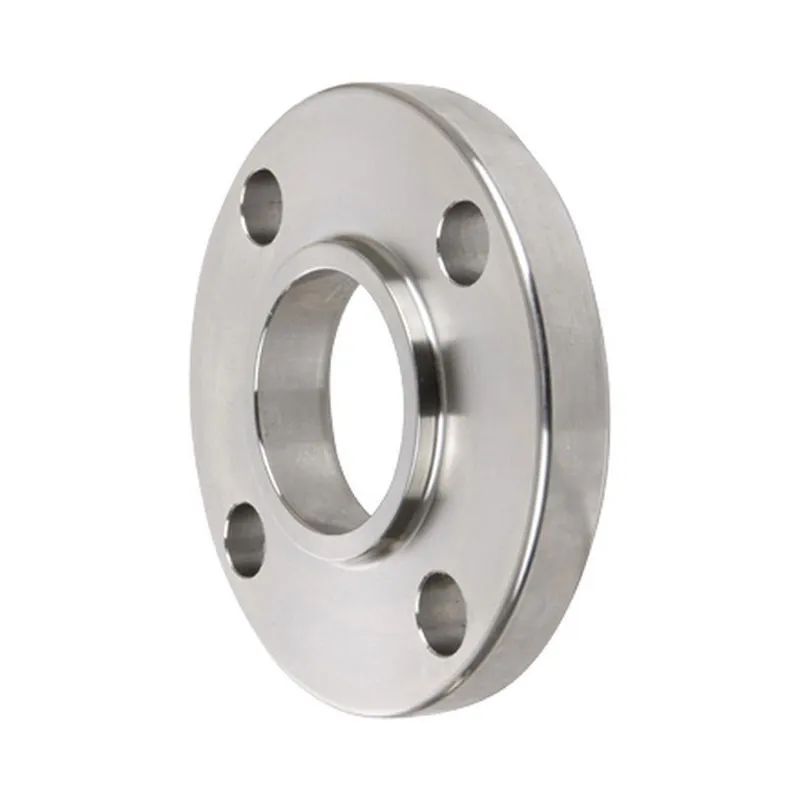 DIN 2501 Overlay flanges PN16
 -
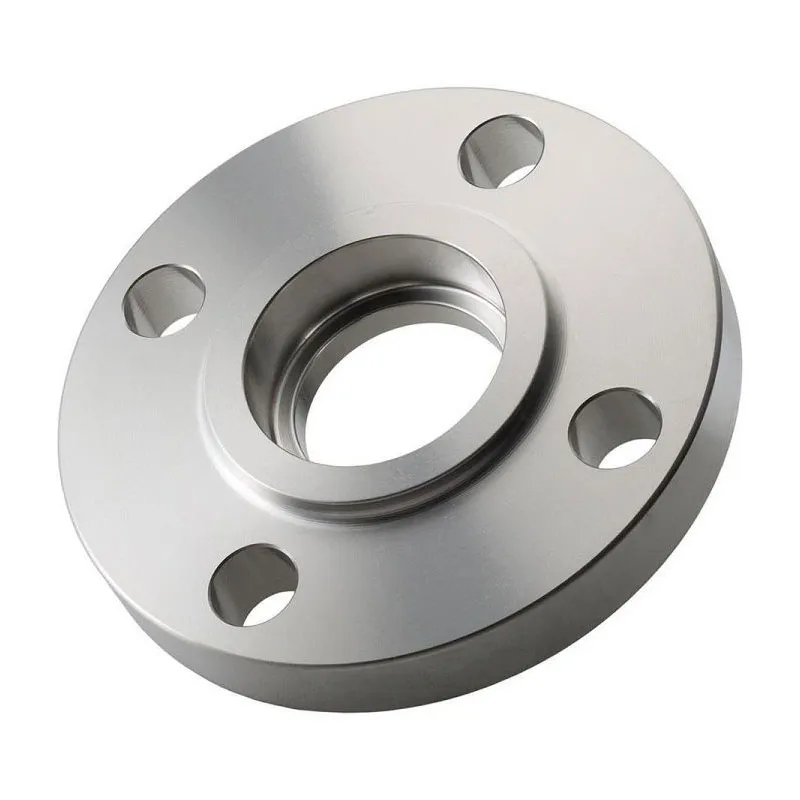 ANSI B16.5 Socket Weld Flanges Class 1500
 -
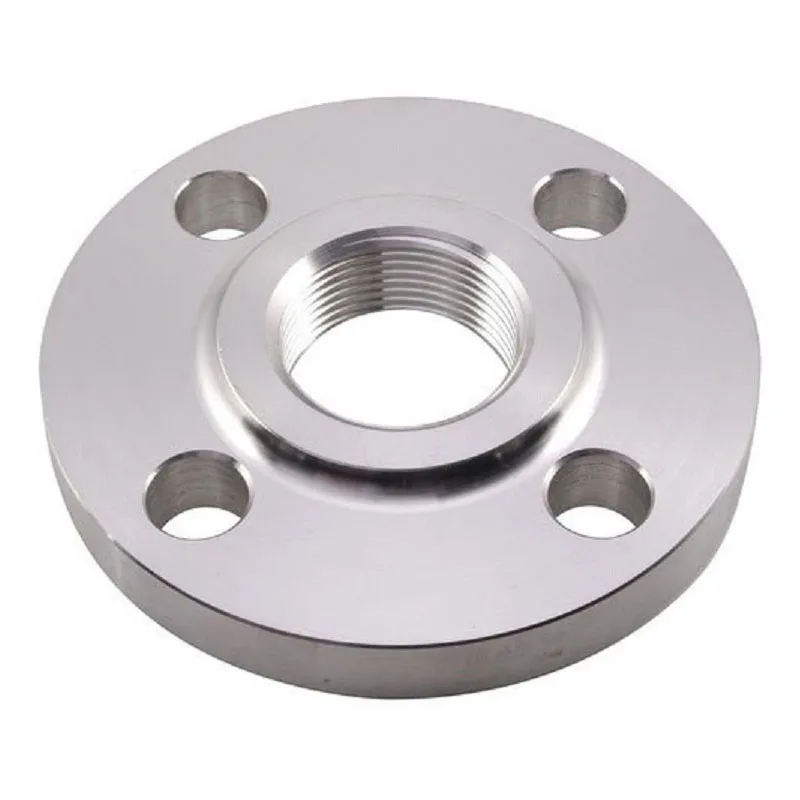 DIN 2566 Threaded flanges PN16
 -
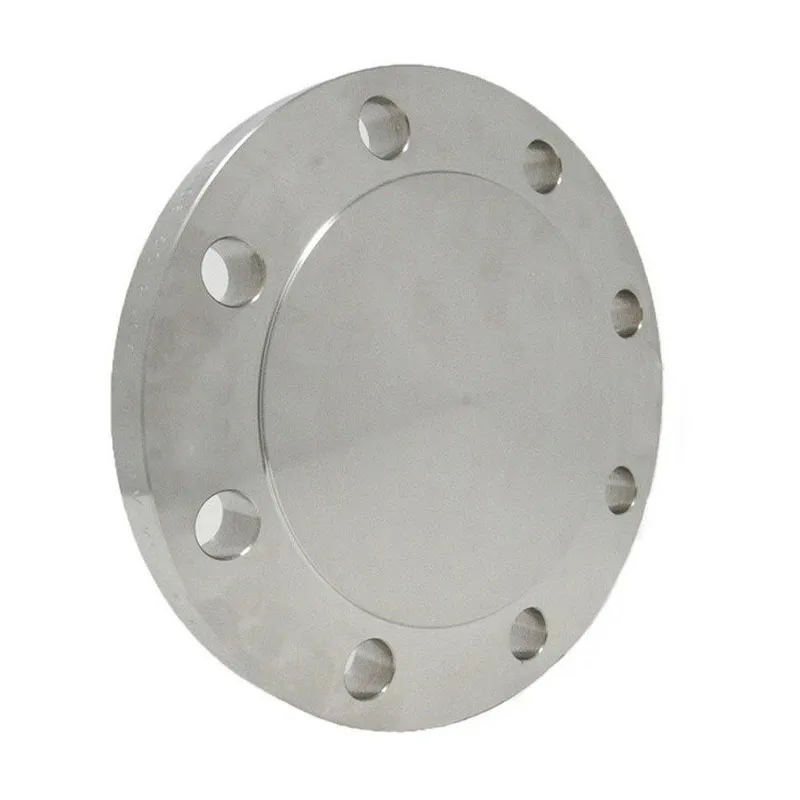 EN 1092-1 Blind flanges Type 05, PN10
 -
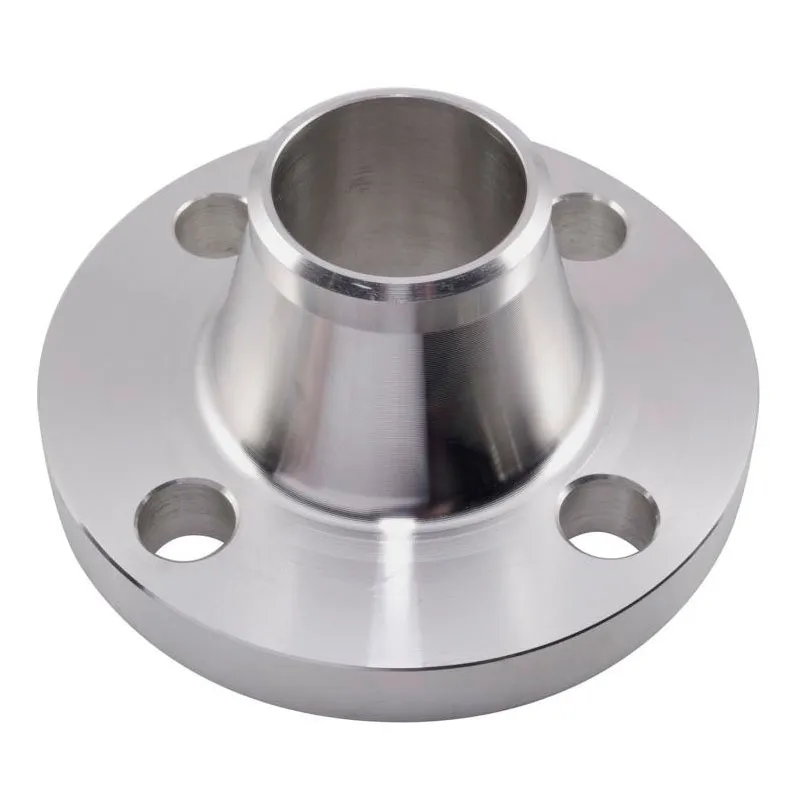 DIN Butt weld flanges PN10
 -
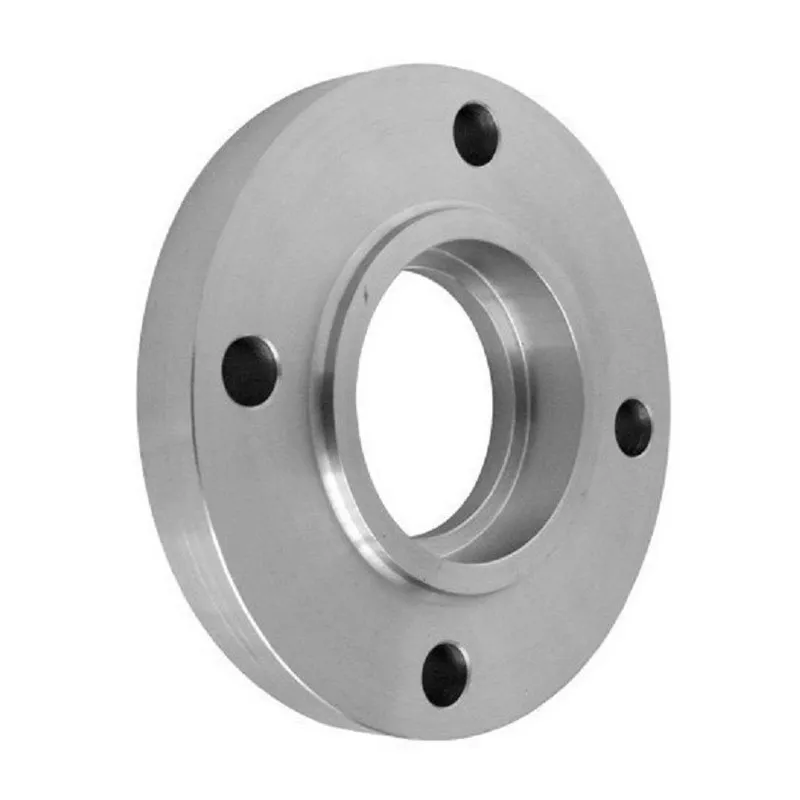 JIS 5K Socket Weld Flanges