
-
-
Phone
+86-13623462298




drain flange
When you hear “drain flange,” many people imagine just a ring with a hole for a pipe and a couple of bolts. In fact, if you dig deep, this is one of those nodes on which the system either works like a clock or constantly “cries”. I myself have encountered situations where, due to the incorrect selection or installation of this element on a tank or heat exchanger, it then took months to eliminate the consequences - leaks, corrosion, local stresses. The main nuance that is often overlooked is that it is not just a flange for connection, but an element that must work in conditions of constant contact with a medium, often aggressive or abrasive, and even taking into account water hammer when emptying the system. It is these pitfalls that I would like to speculate on, based on what I have seen both in production and at sites.
Design features that you won’t see in the catalog
If we take the standarddrain flangeaccording to the same GOST 12820 or ASME B16.5, then according to the drawing - everything is clear. But in real life, especially for large diameters or non-standard pressures, pure theory fails. For example, the thickness of the disk. As standard, it is designed for pressure. But when this flange is at the lowest point of the container, it is pressed not only by the working medium, but also by the liquid column plus possible dynamic loads during draining. The standard thickness may not be enough, a barely noticeable deflection appears - and the gasket begins to “suck up”. air or, worse, leaking product. It was necessary to order reinforced versions, especially for capacitive equipment in the petrochemical industry.
Another point is the design of the sealing surface. For water or steam, a regular smooth one is also suitable. But if we drain suspension, sludge, or even just viscous oil products, then small scuffs or even standard scratches on the surface are a place for particles to become entangled and subsequent depressurization. In these cases, we often looked towards raised joints (RF) or even tongue and groove gaskets. This is not always spelled out in the technical specifications, but an experienced installer or equipment engineer will always take an interest in the environment.
And of course, the material. Carbon steel 20 or 09G2S is a classic. But for drain lines, especially under conditions of alternating contact with the product and the atmosphere (when the container is either full or empty), intense crevice corrosion often begins along the edge of the hole. The solution is either stainless steel type 12Х18Н10Т, or simply more frequent inspection and replacement. I remember an incident at one of the old boiler houses, where the drain flanges on the feedwater tanks were changed almost every season until they switched to products with a more resistant coating.
Installation and "field" problems
This is a different story. It would seem that you screwed it on, tightened it according to the diagram - and you’re done. But it is the drain flange that is often located in an inconvenient place - under the device, in a cramped space. Access for the torque wrench is limited. As a result, the tightening goes “by eye”, unevenly. The result is misalignment, and even the most expensive gasket cannot help. It was necessary to develop special technical maps for installers, where the key was not the tightening torque, but the sequence and the possibility of using a wrench of a certain length.
Another common mistake is misalignment. The drain pipe from the tank and the supply pipe are often two different installation units that are installed by different teams. If the axes do not coincide even by a couple of millimeters, the flange is under tension. When tightened, it will, of course, tighten, but when idle, without pressure, it is already “tense”. And with thermal expansion or water hammer - a crack in the disk or, more often, a break in the threads on the studs. I saw this on condensate pipelines after heat exchangers.
And about the gaskets. For water and steam, paronite ones are often used. But if, say, an organic solvent is drained, the paronite may swell or, conversely, shrink. Then they selected fluoroplastic or graphite. But they also have their own vagaries - fragility, sensitivity to constriction. Through experience, we came to the conclusion that for each service it is better to have its own specification for a set of fasteners and seals, and not rely on a “universal” one. solution.
Non-standard situations and working with manufacturers
When standard catalogs do not help, the most interesting thing begins - a dialogue with the plant. Here it is important not just to upload a drawing, but to explain the working conditions. For example, it was necessarydrain flangefor the drainage line under the ball tank, where in addition to pressure there was also vibration from operating pumps. The standard design did not have stiffeners. Together with technologistsShanxi Hongkai Forging Co.,Ltd (https://www.hkflange.ru) developed a version with a thickened disk and small ribs along the outer contour. This was not specified in any GOST, but it solved the problem of fatigue cracks that had plagued previous units.
Working with this manufacturer, I noticed their approach. They don't just do forging and turning, but really delve into the task. Once we discussed the supply of flanges for a welded ring (loose flange) for reconstruction. Large diameters were needed, under DIN, but with requirements for impact strength at low temperatures. In their laboratory, they selected a steel grade and tested samples. As a result, the products passed all acceptance tests at the facility. For me, this is an indicator - when a manufacturer is ready not just to sell from stock, but to participate in solving an engineering problem.
By the way, about the size range. Their website lists a range of DN15–DN4000. When I first encountered the need to order DN3200, there were doubts - whether the geometry would hold up after heat treatment, or whether there would be a “propeller?” But sinceShanxi Hongkai Forging Co.,Ltdis a manufacturer based in one of the forging centers of China, they happen to have experience with large-sized forgings. We installed flanges with control using a 3D scanner - the deviations were within tolerance, even better than expected. This is where specializing in forged products rather than cast or stamped products provides a quality advantage for critical applications.
Mistakes that are best not to be repeated
I’ll tell you about one of my mistakes to illustrate how a little thing can cost a lot of money. We ordered a batch of drain flanges for the flushing system. The medium contains water with small additions of alkali. Temperature - up to 90°C. They took standard ones made of steel 20. But they lost sight of the fact that there are downtimes in the system and the water stagnates. Six months later, intense corrosion began on the inner surface of the disk, especially in the transition area to the neck. Not through, but the roughness is such that the gasket no longer seals. I had to change the entire batch to stainless steel products. Conclusion - it was necessary to analyze not only the operating mode, but also idle modes and possible concentrations. Now I always ask technologists for complete regulations on the environment.
Another lesson is saving on fasteners. We supplied flanges from a good manufacturer, but studs and nuts were purchased “cheaper”, without looking at the strength class. Under conditions of temperature changes (heating-cooling cycles), the nuts “floated” and the tightening became loose. The leak was not discovered immediately. Since then, I assemble flange connections as a single unit, and require from the supplier that the fastener be compatible in terms of the coefficient of thermal expansion with the flange material, or I use special methods to control tightening (for example, studs with a hole for a stopper).
And lastly, you don’t always need to chase the “heavy” ones. decisions. For low pressures and non-corrosive environments, a flat flange rather than a butt weld is sometimes sufficient. But there is a subtlety here: the quality of welding of the neck to the container. If the weld is done poorly, then even the most expensive flange will not save you. Therefore, now I always evaluate the assembly: the flange itself, the method of connecting it, and the adjacent elements.
Instead of a conclusion: what to look for today
Now, looking through new catalogs, including onhkflange.ru, I see that the range and technologies of manufacturers are growing. Options with protective coatings, combined materials, and more accurate control methods have appeared. But the point remains:drain flange- this is not just a part, it is an interface between the device and the pipeline, which must survive all operating modes of the system.
I have developed a rule for myself: when selecting, I always request not only certificates of compliance with standards (GOST, ASME, EN - this is mandatory), but also factory test reports, especially for impact strength and corrosion resistance in a specific environment, if we are talking about aggressive environments. And, of course, dialogue with the manufacturing plant’s technologists. As experience with such suppliers asShanxi Hongkai Forging Co.,Ltd, it is this approach that allows you to avoid many problems at the operational stage.
In general, the topic seems narrow, but it, like a drop of water, reflects the entire approach to the design and maintenance of industrial systems. You can install anything and hope for luck, or you can figure it out once, choose the optimal solution and sleep soundly. I am for the second option, although it requires more time at the stage of procurement and approvals. But then you don’t have to run around with keys and tighten connections at the first serious drain.
Correspondingproducts
Related Products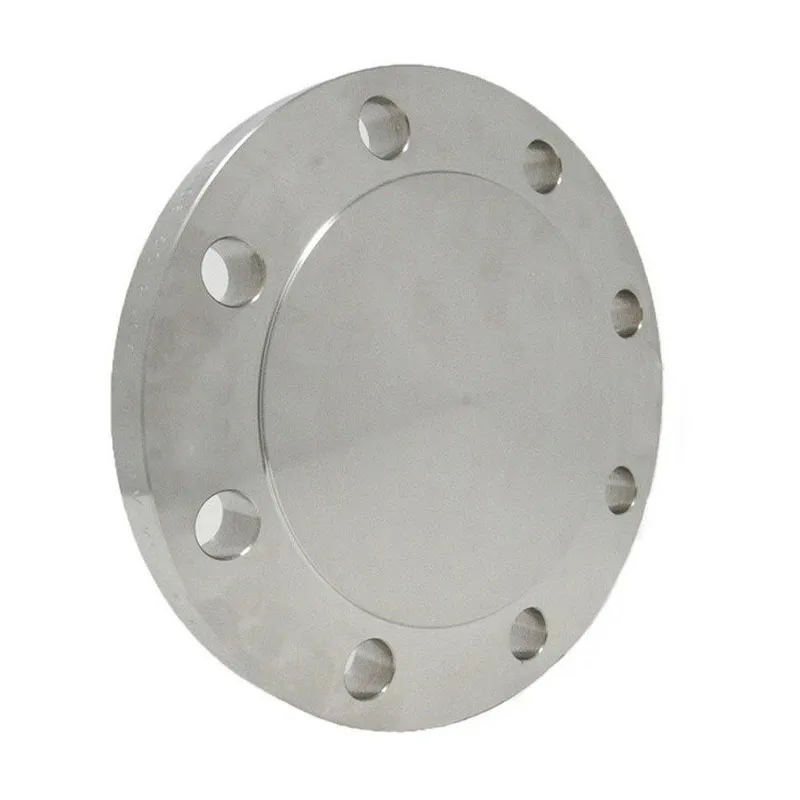
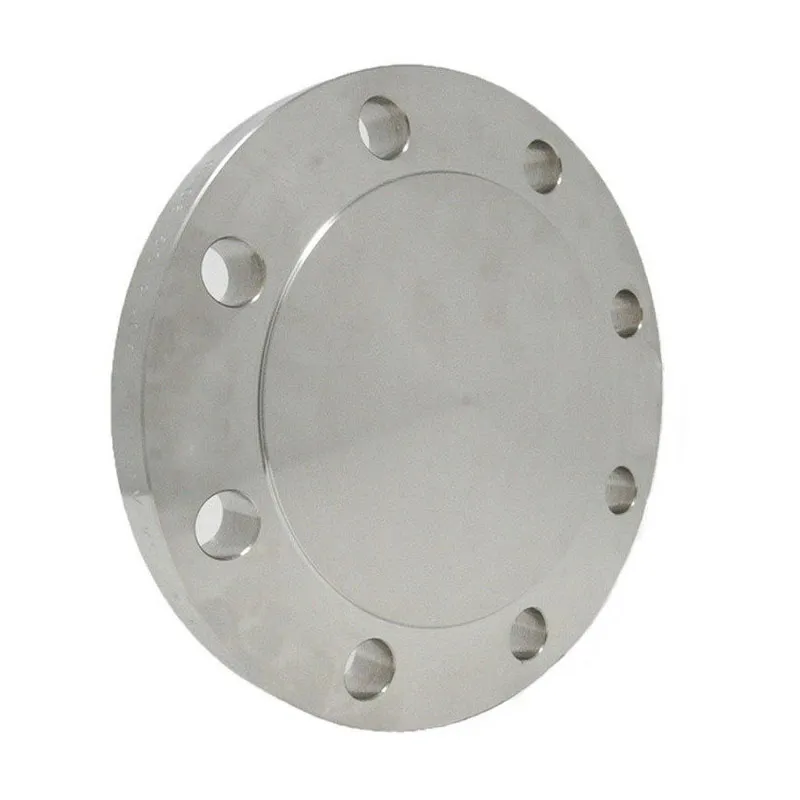

Best Sellingproducts
Best Selling Products-
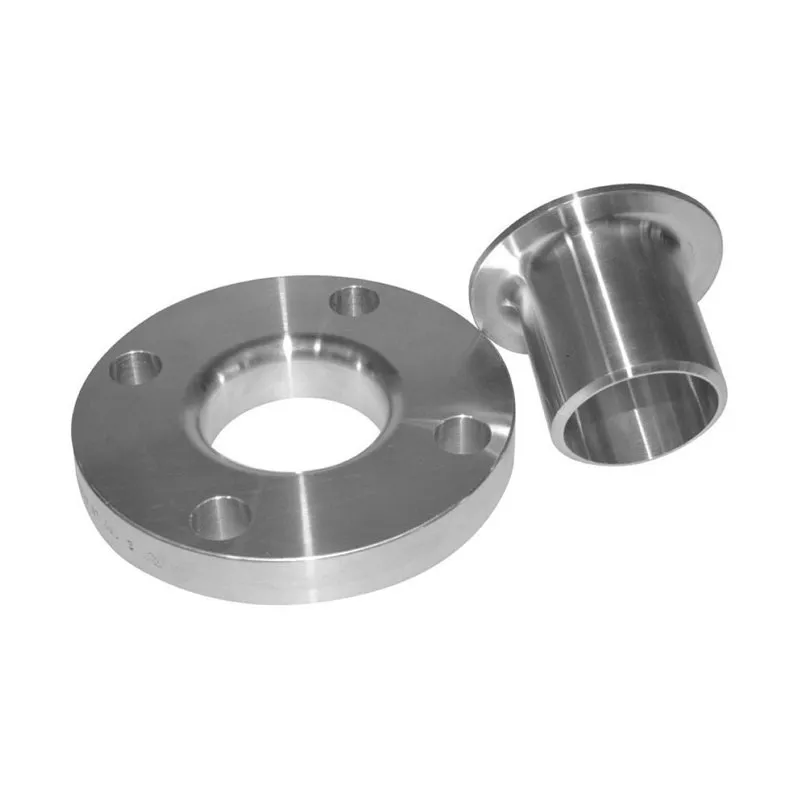 Free ring flanges Class 150
 -
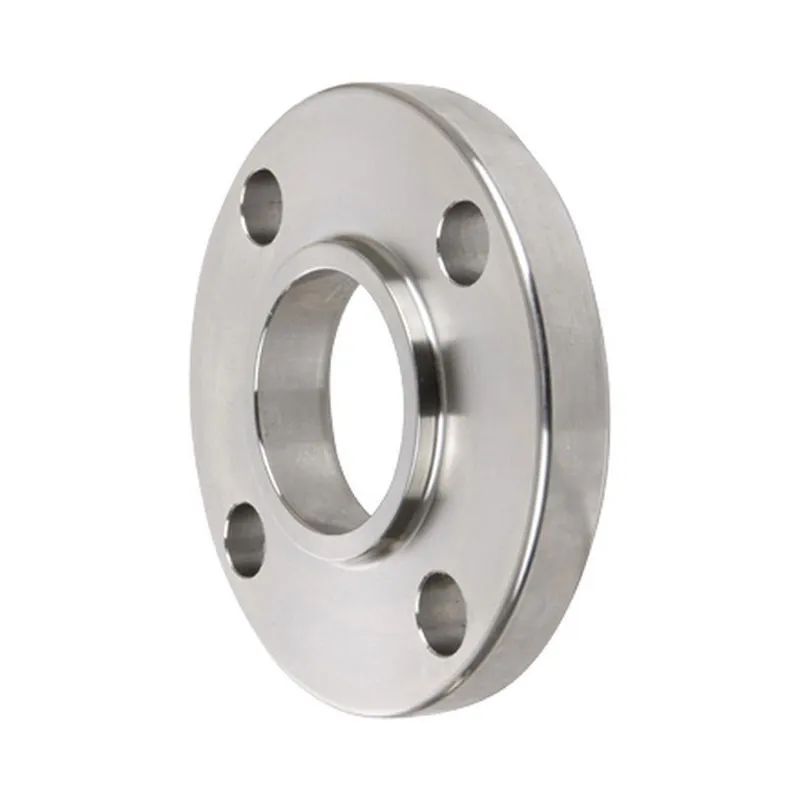 DIN 2501 Overlay flanges PN16
 -
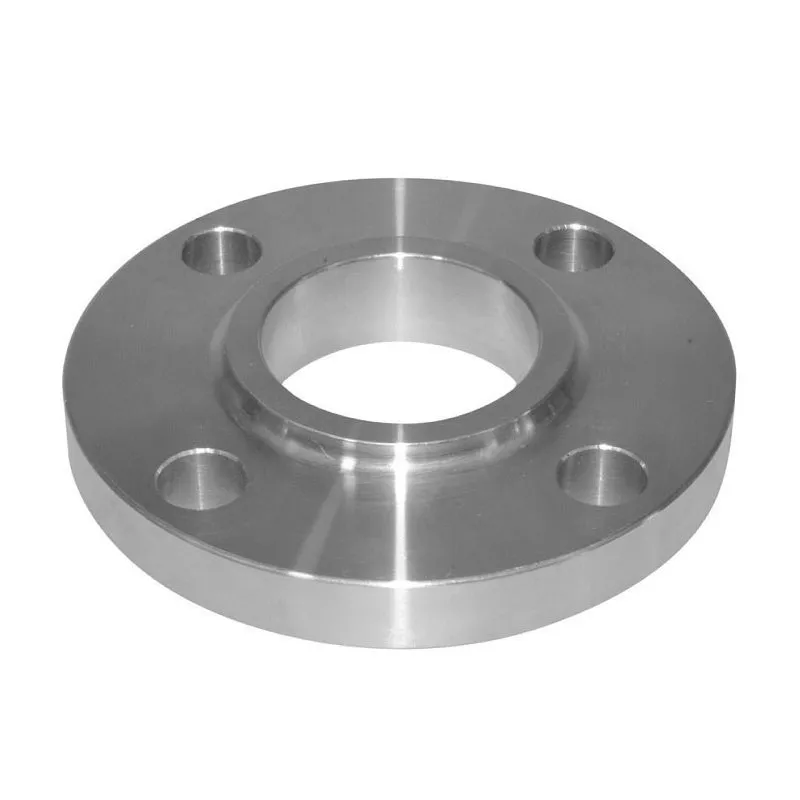 ANSI B16.5 Lap-on flanges Class 1500
 -
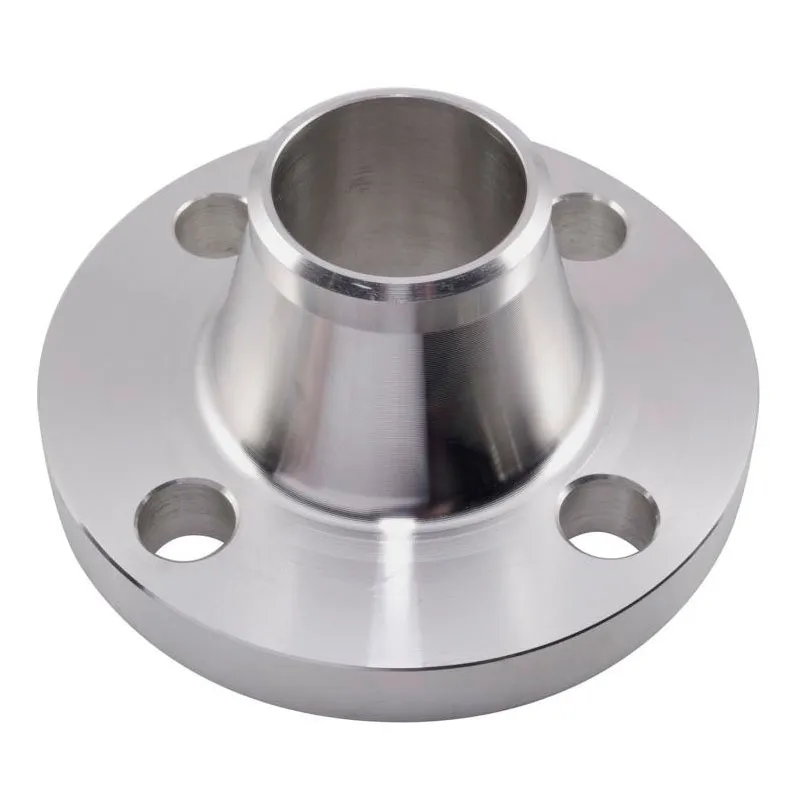 DIN Butt weld flanges PN10
 -
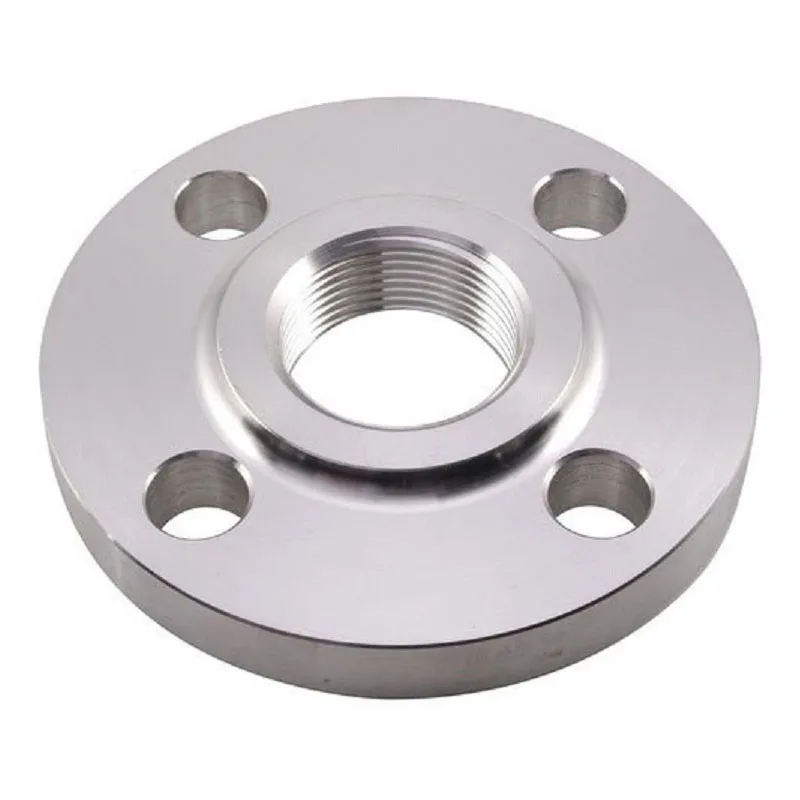 DIN 2566 Threaded flanges PN16
 -
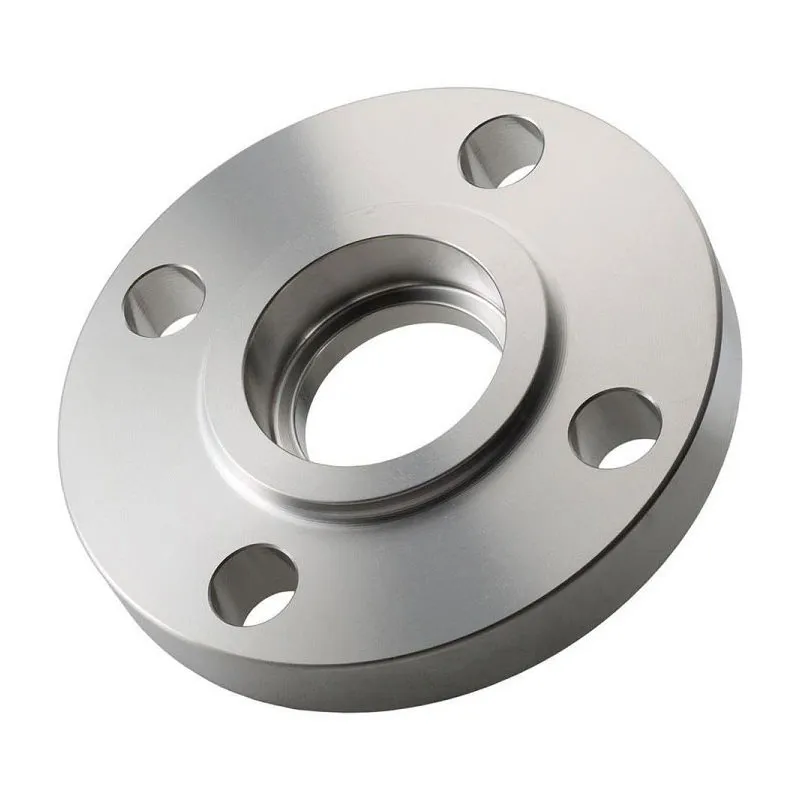 Flanges for socket welding
 -
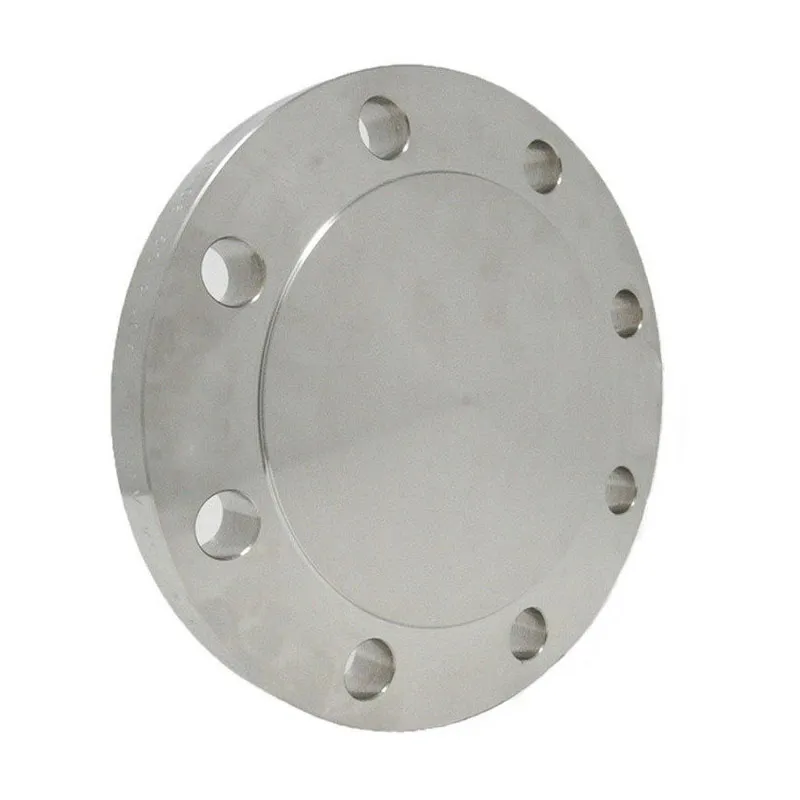 AWWA Blind Flanges Class D (Tables 1, 2, 3)
 -
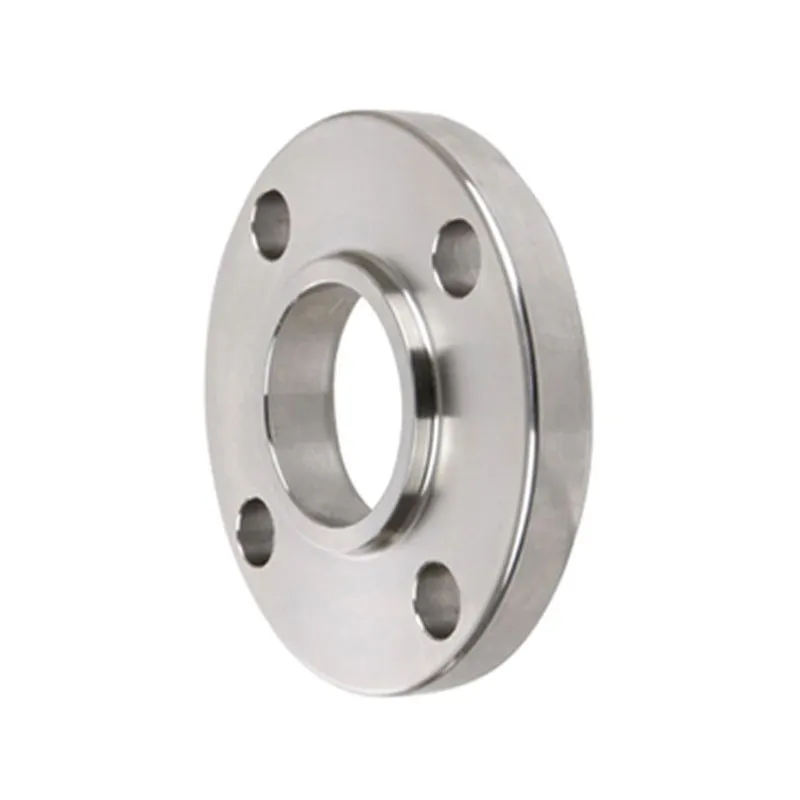 ANSI B16.5 Lap-on flanges Class 300
 -
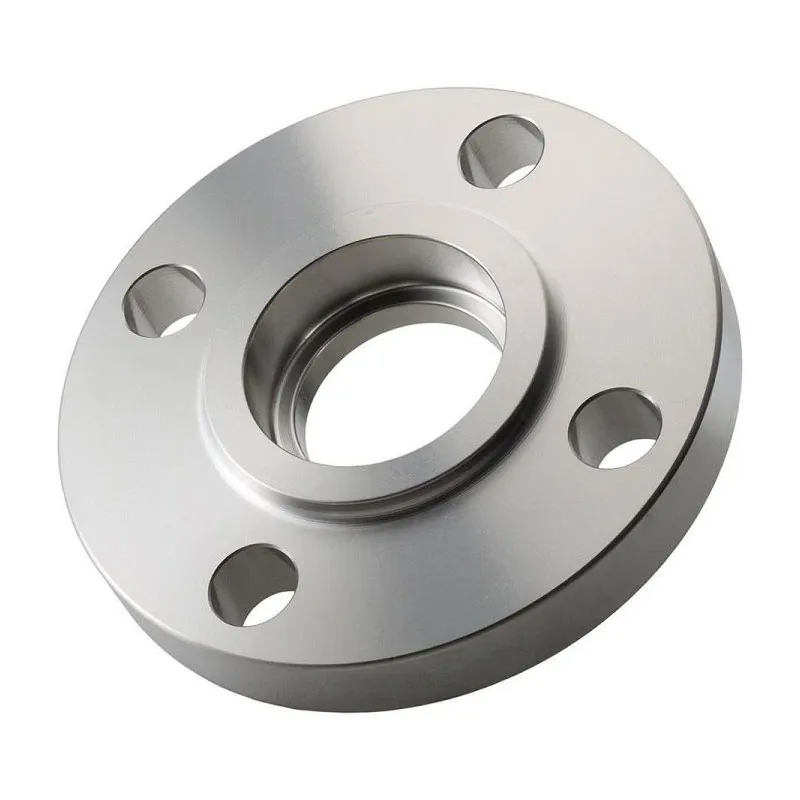 ANSI B16.5 Socket Weld Flanges Class 150
 -
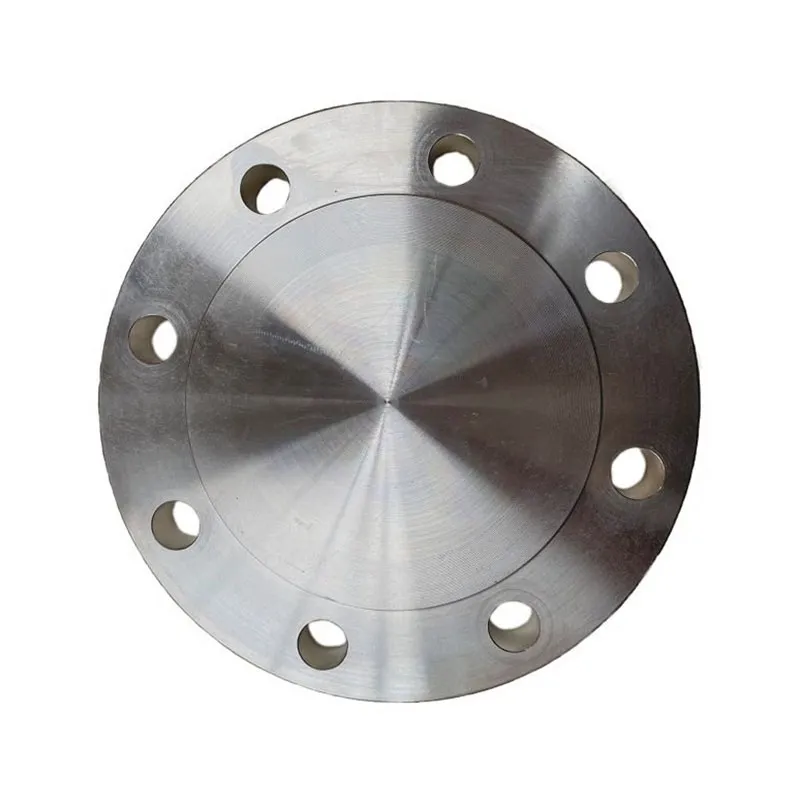 UNI 6092 Blind flanges PN10
 -
 JIS 5K Socket Weld Flanges
 -
 ANSI B16.5 Threaded Flanges Class 600