
-
-
Phone
+86-13623462298



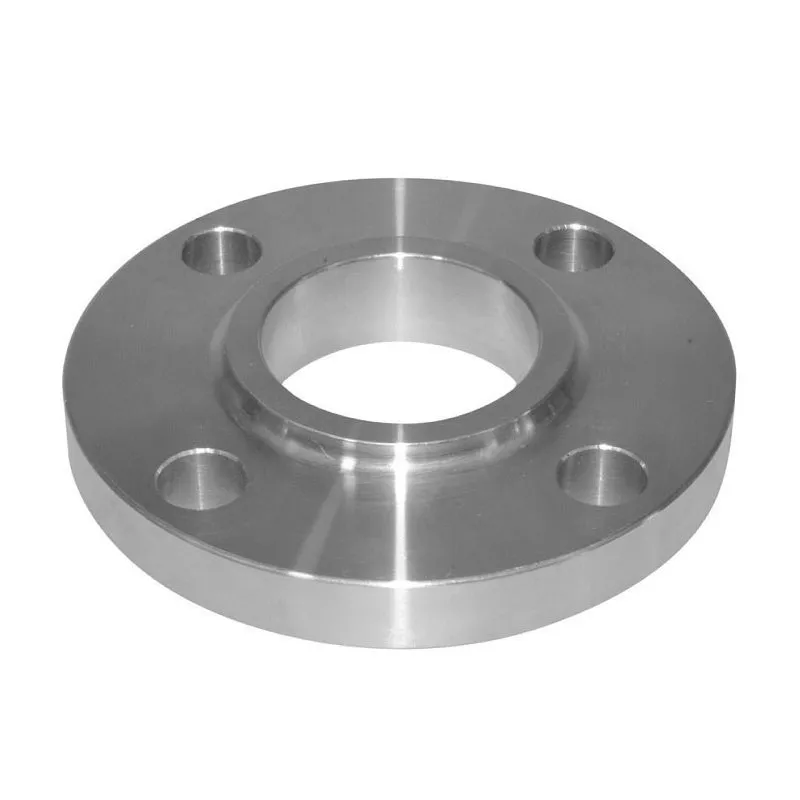
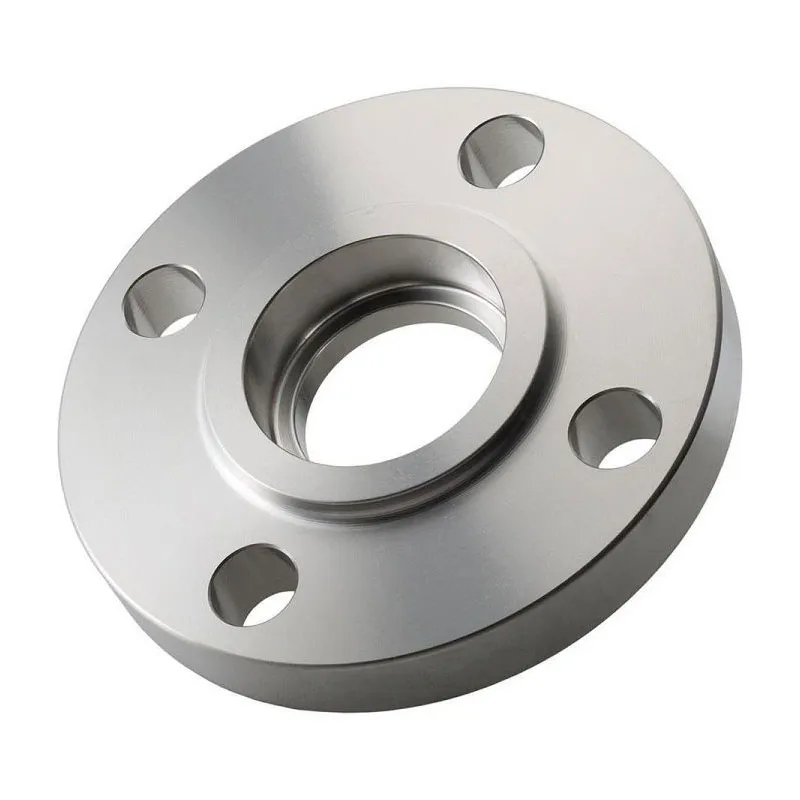
push flange
You look at the specification, and there is a pressure flange. Many people immediately think that this is just a type of loose flange, they say, it’s the same thing. But this is not entirely true, and this is where the first mistakes in selection begin. The main confusion is between a slip-on flange and a loose flange with a welded ring. In a push flange, the flange is put on the pipe and welded on both sides - both outside and inside. This creates a rigid connection, similar in strength to a butt weld, but easier to install. However, if the pressure fluctuates or there is vibration, the internal weld can become a point of stress concentration. I myself saw how on one installation, after six months of work, microcracks appeared along the internal seam. We switched to butt welded ones - the problem went away.
Design and scope of application: it is not suitable everywhere
The main advantage of the pressure flange is installation. You do not need a highly qualified welder, as for butt flanges, where precise bevel and penetration of the root of the seam is important. I put it on the pipe, leveled it, and boiled it. Seems ideal for renovation work or upgrading areas where access is difficult. But here is also his Achilles heel. Due to the double seam, it is undesirable to install it in systems with frequent thermal cycles - heating and cooling. The metal in the seam area gets tired? faster.
According to standards, say, ASME B16.5, its use is limited by pressure and temperature compared to the same weld neck. In projects for aggressive environments, other types are often immediately introduced. But for water supply, ventilation, and moderate process lines, this is often the best choice in terms of price and labor costs. The key is to correctly calculate the load. You can’t just take the diameter from the table; you need to look at the full cycle of the system.
Another nuance is the material. If the pipe is made of carbon steel and the flange, say, is made of stainless steel, then problems may arise during welding due to the difference in the coefficients of linear expansion and thermal conductivity. It turns out that a seemingly universal solution becomes a source of headaches. It is necessary to select transition materials or change the concept of the unit as a whole.
Delivery experience and production details
Working with different factories, I noticed the difference in the quality of the neck and welding chamfer. Some manufacturers make the chamfer perfectly, with a smooth transition, which minimizes stress. In others, rough processing and traces of a chisel are visible. This directly affects the quality of penetration and durability. By the way,Shanxi Hongkai Forging Co.,Ltdin this regard, a good approach: forging gives a dense metal structure, and subsequent machining is usually on par. I looked at their products according to the GOST standard, in particular, for one of the boiler room modernization projects - there was nothing to complain about.
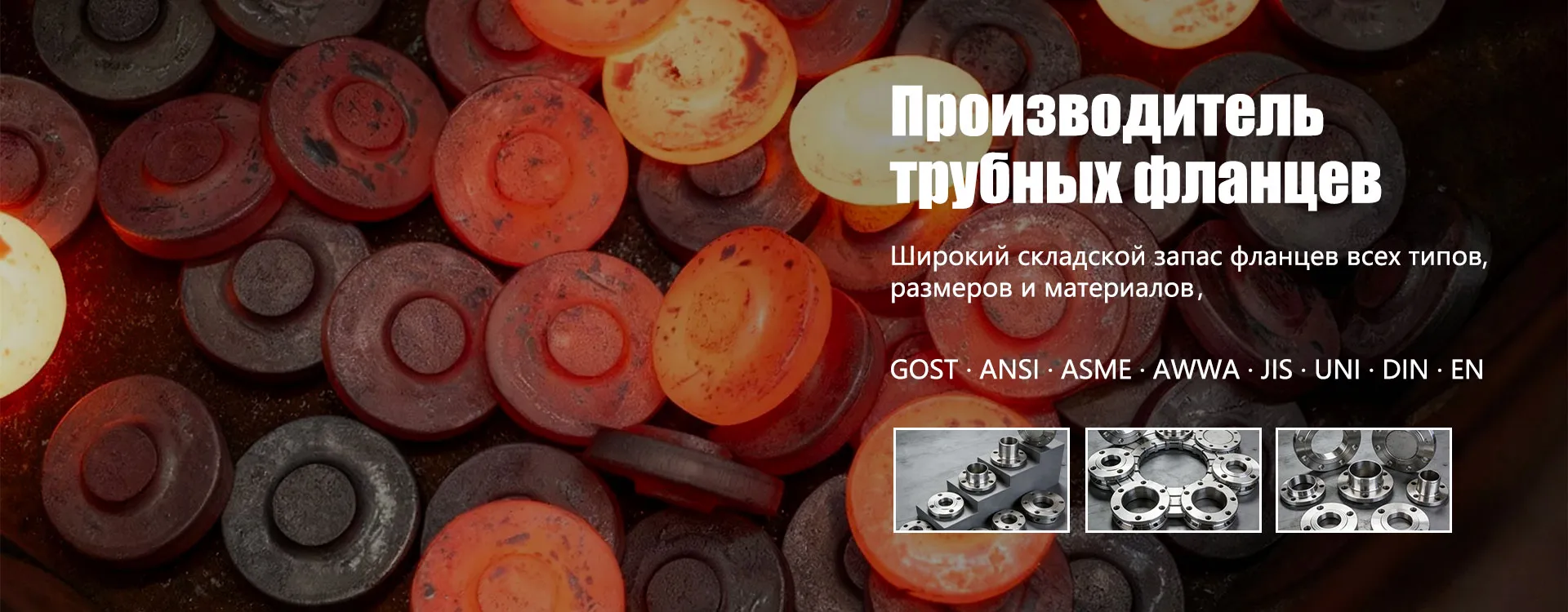
Their websitehttps://www.hkflange.ru, it is useful to study precisely from the point of view of assortment. It can be seen that the company, as a manufacturer of forged flanges and forgings, covers bothpush flangesin a wide range of sizes - stated up to DN4000. This is important because for large diameters the process of manufacturing and geometry control becomes much more complicated. Not every factory will take on DN1000 and above to ensure flatness and perpendicularity.
There was a case where a DN800 pressure flange was required to connect to a shut-off valve. The customer initially wanted to save money and took a cheaper option - cast. As a result, during installation it turned out that the flange plane was “leading”; it was not possible to achieve tightness even with new gaskets. I had to urgently look for a forged one. Then we found a manufacturer who makes forgings in accordance with international standards. The difference was obvious - forging was devoid of internal cavities and was more resistant to bending loads.
Standards and drawings: how to avoid non-compliance
Standards are a different story. We often have a mixture: the project is according to GOST, but the equipment is imported, according to ASME or EN. The dimensions seem to be close, but the holes for the studs, thickness, and outer diameter may differ by a millimeter or two. And this millimeter costs weeks of downtime.Pressure flangeaccording to GOST (this is an analogue of the old GOST 12820) and according to ASME B16.5 Class 150 - these are not interchangeable things without recalculation.
So whenShanxi Hongkai Forging Co.,Ltdindicates that it works in accordance with GOST, ASME, EN, DIN and others, including production according to customer drawings, this is not just a line in an advertisement. This is an urgent need. For example, to repair an old German line, you may need a flange according to DIN 2633 with a specific sealing surface design. Universal "Euroflange" does not exist.
When ordering non-standard products, especially large ones, the drawing approval stage is critically important. One day I almost got into trouble when I didn’t check the bore depth indicated on the drawing for a pipe. It turned out that the designers took into account the thickness of the insulation, but did not indicate this as a separate callout. It’s good that the manufacturer, being in one of the main centers of the forging industry in China and having experience, requested clarification. They did it right. Conclusion: even with a finished drawing, you need a direct connection with the plant technologist.
Practical aspects of installation and common mistakes
On paper, everything is simple: put it on, grab it, boil it. In practice, there is a displacement of the axis, misalignment, and lack of penetration of the internal seam due to the impossibility of visual inspection. A common mistake installers make is to boil only the outside, thinking that this is enough. This is a gross violation. The connection loses up to 70% of its design strength. After such installation, even standard pressure can become an emergency factor.
Another point is the gap between the pipe and the internal hole of the flange. It must be within the limits specified by the standard. If the pipe is slightly smaller (let's say at the lower tolerance limit) and the flange at the upper limit, the gap becomes too large. When welding, a burn through or, conversely, an influx of metal into the passage may occur, which narrows the cross-section and creates flow turbulence. Monitoring this gap before welding is an essential step that is often skipped in the pursuit of speed.
And of course, we must not forget about the subsequent heat treatment of welds, if required by the technological regulations for the material. For carbon steels this is often necessary to relieve stress. Ignoring this stage is a direct path to the formation of cracks over time. The flange may be of high quality, but the assembly as a whole will be unreliable.
Instead of a conclusion: personal preferences and final choice
Over the years, I have become more careful about the use of pressure flanges. I don’t give up on them completely - where conditions allow, it is economically justified. But now I always ask myself and designers additional questions: what about vibration? How many heat cycles will there be in a year? What is the real composition of the environment, is there any condensation that can accumulate in the gap at the internal seam and cause corrosion?
The choice of manufacturer has also become more conscious. I no longer chase the lowest price. Predictability of quality, the possibility of technical consultations and willingness to work under non-standard conditions are important. Like the sameShanxi Hongkai Forging Co.,Ltd— their position as a full-cycle manufacturer, from forging to machining, gives more control over the final characteristics of the product.
As a result,push flange— it’s not “just a flange?”. This is a specific engineering solution with its own clear scope of application. Its competent use requires an understanding of not only standards, but also actual operating conditions and installation nuances. And when all these factors are taken into account, it works long and reliably, without surprises. And this, ultimately, is the main goal.
Correspondingproducts
Related Products
Best Sellingproducts
Best Selling Products-
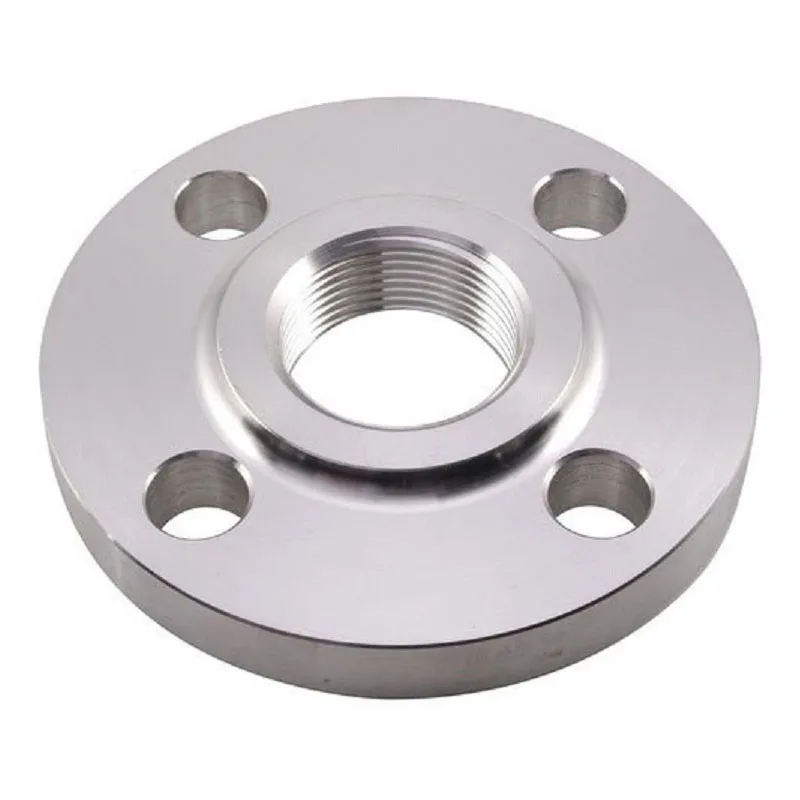 DIN 2566 Threaded flanges PN16
 -
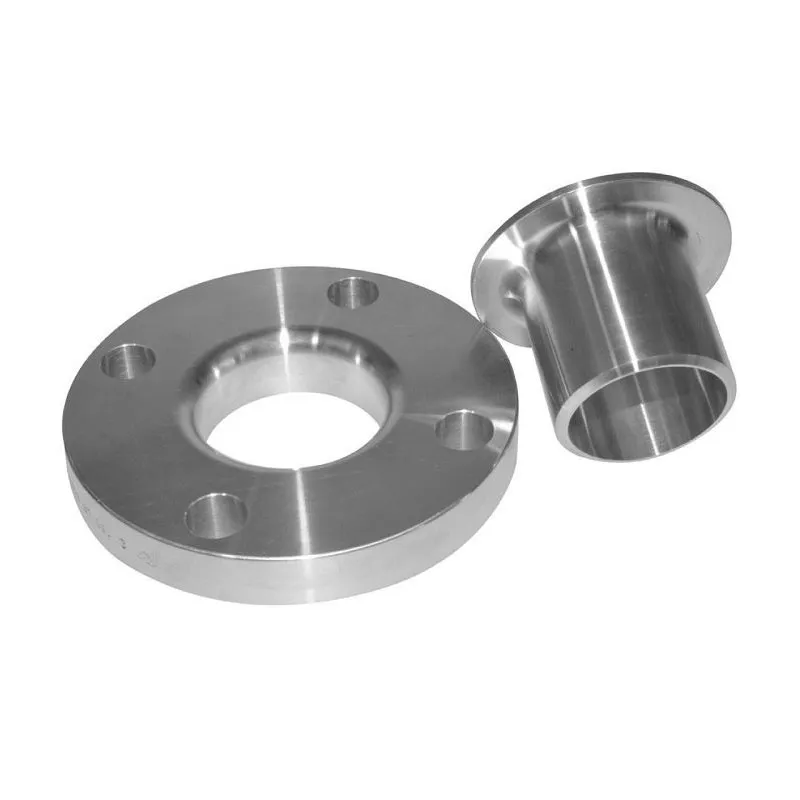 ANSI B16.5 Loose Ring Flanges Class 2500
 -
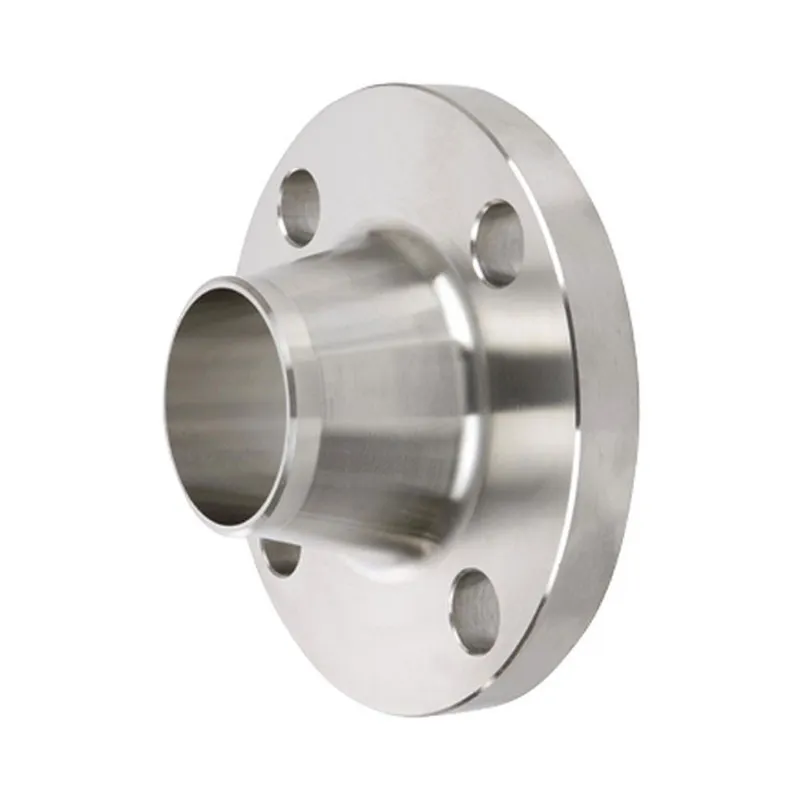 EN 1092-1 Butt weld flanges Type 11, PN25
 -
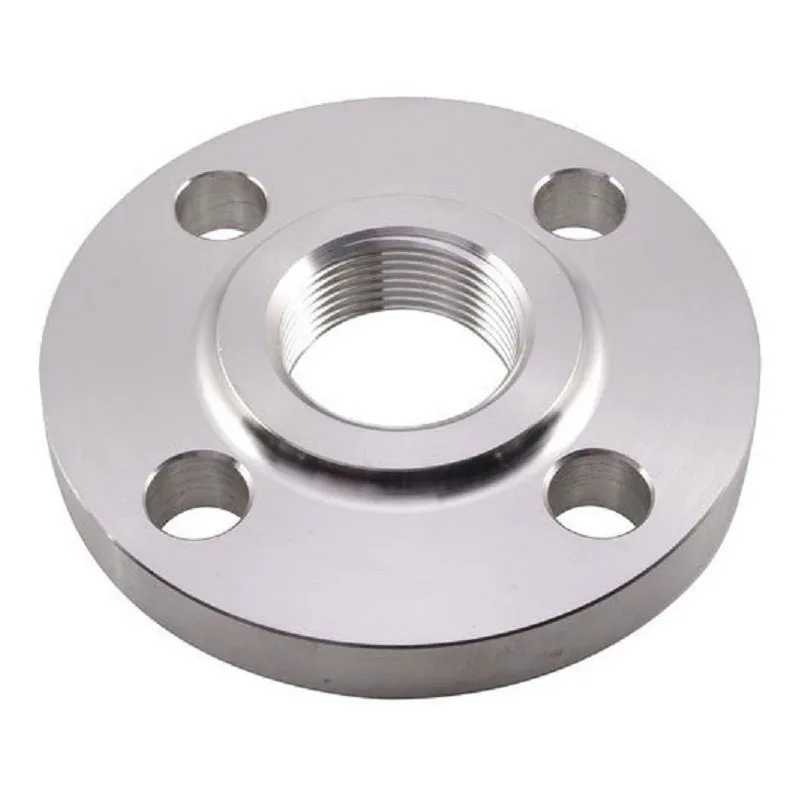 ANSI B16.5 Threaded Flanges Class 600
 -
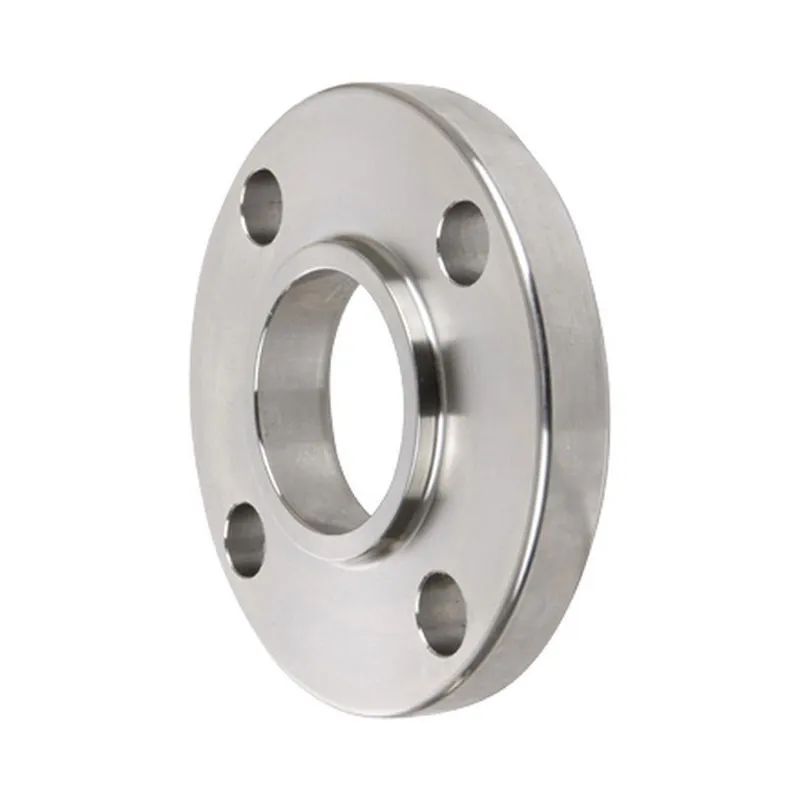 DIN 2501 Overlay flanges PN16
 -
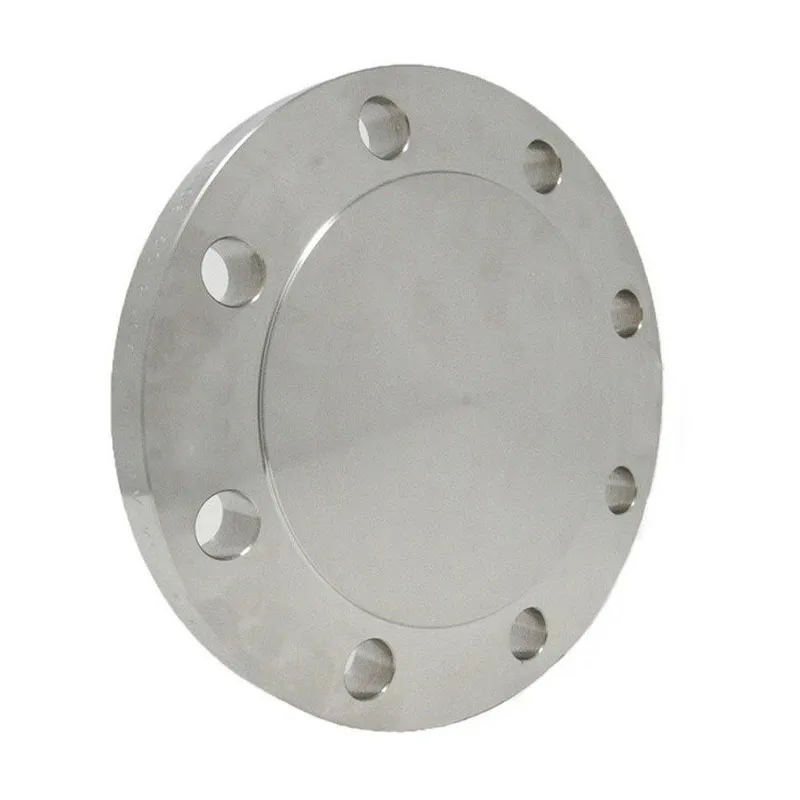 EN 1092-1 Blind flanges Type 05, PN10
 -
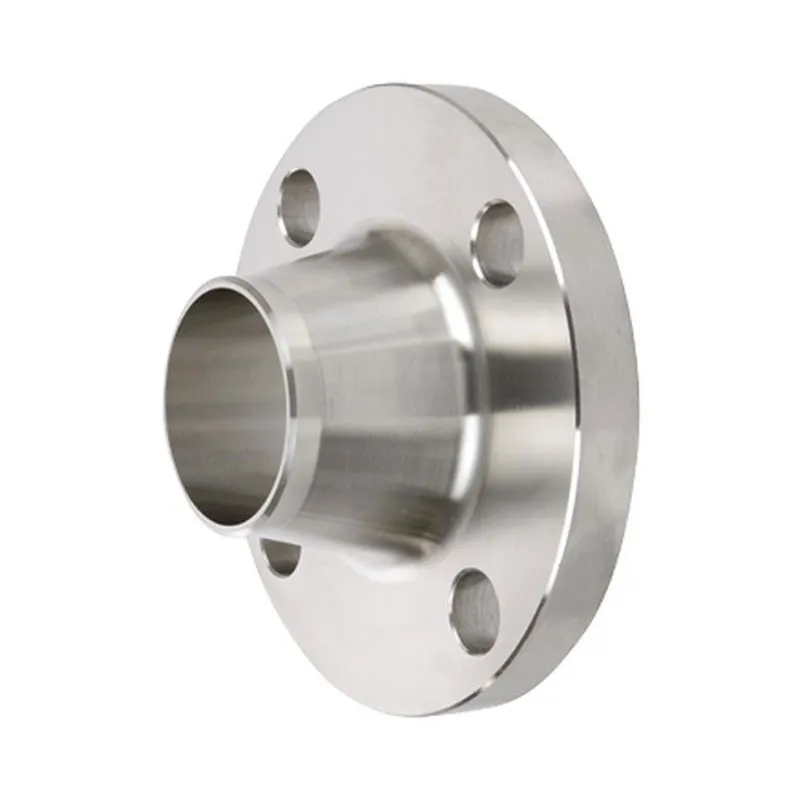 Ser.A Butt Weld Flanges Class 400
 -
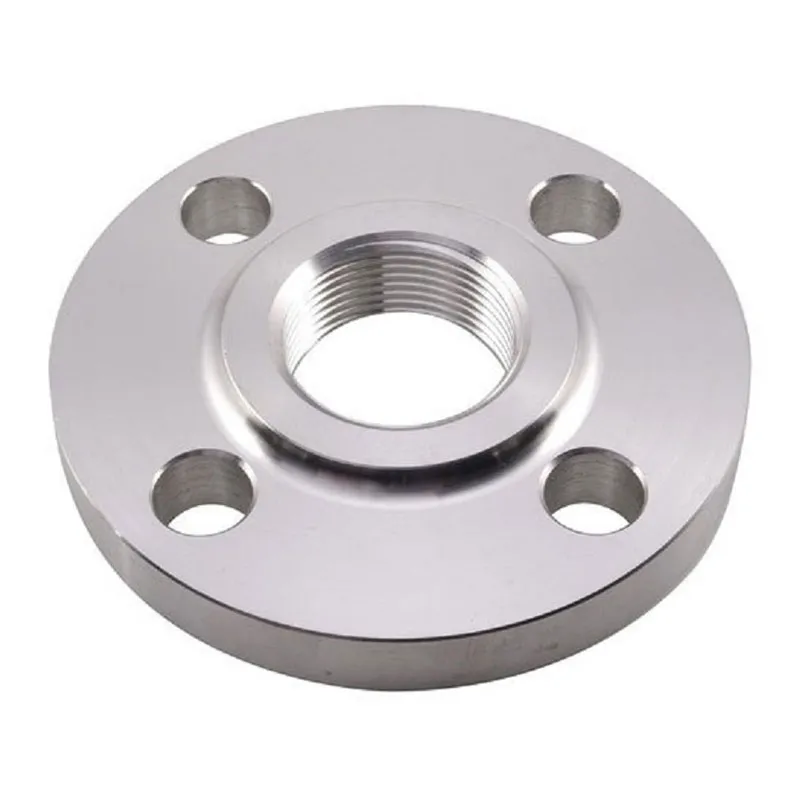 JIS 10K Overlay flanges
 -
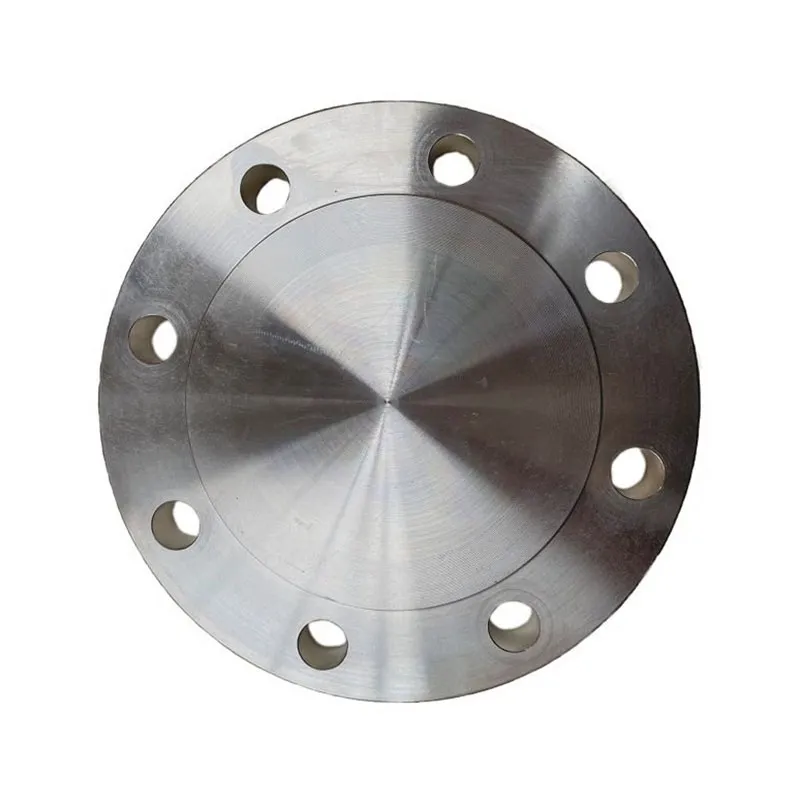 UNI 6092 Blind flanges PN10
 -
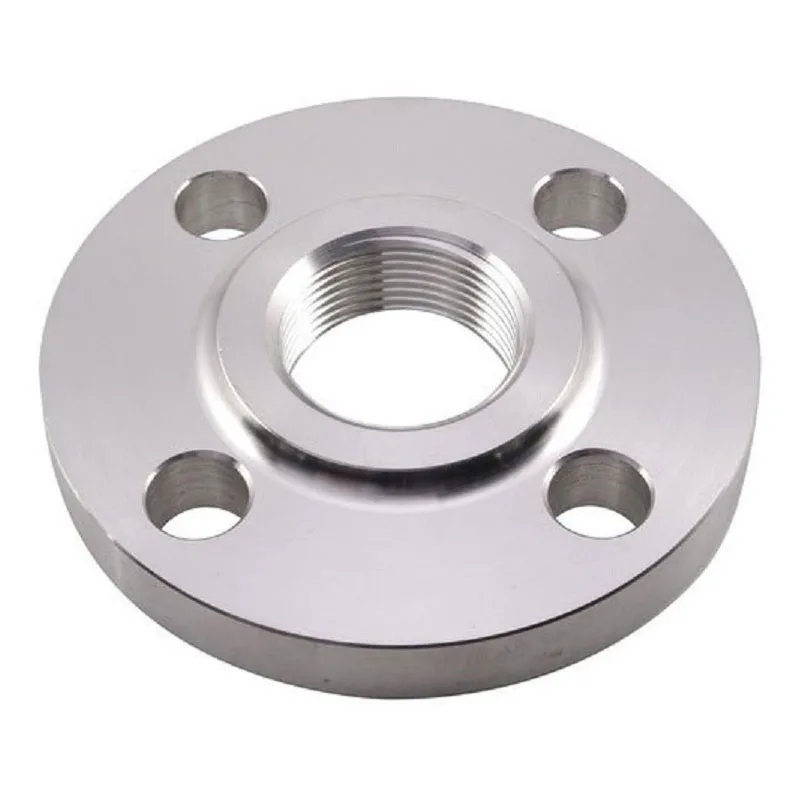 JIS 10K Threaded Flanges
 -
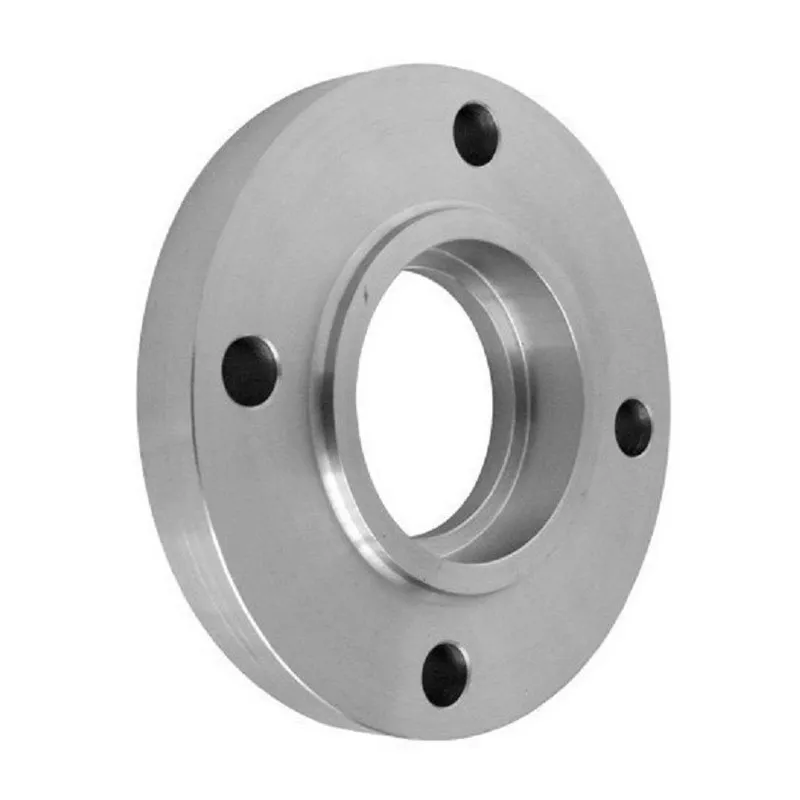 JIS 5K Socket Weld Flanges
 -
 ANSI B16.5 Socket Weld Flanges Class 1500