
-
-
Phone
+86-13623462298



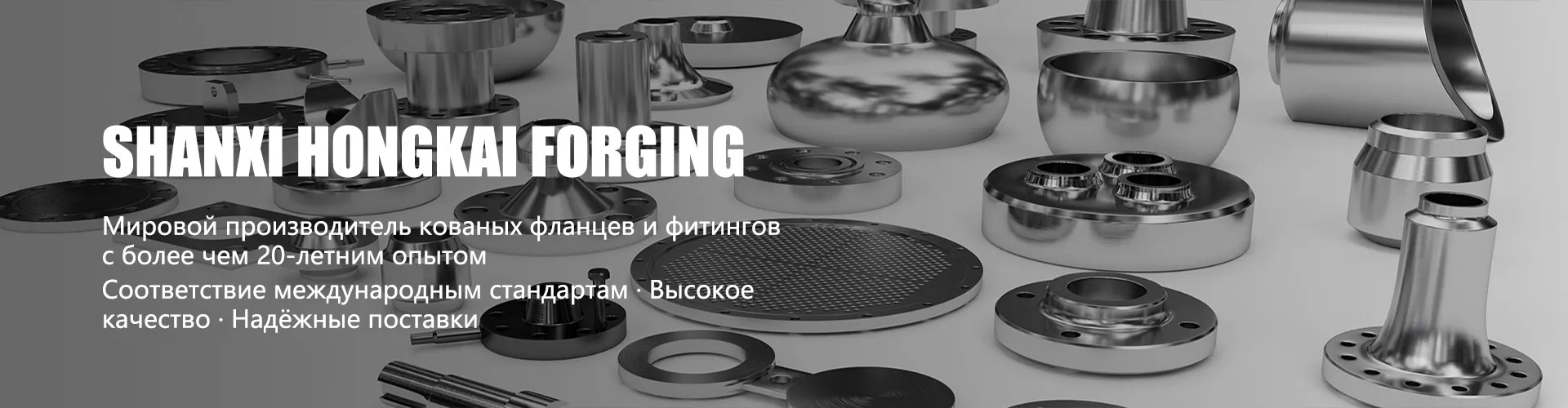
steel flange DN 125
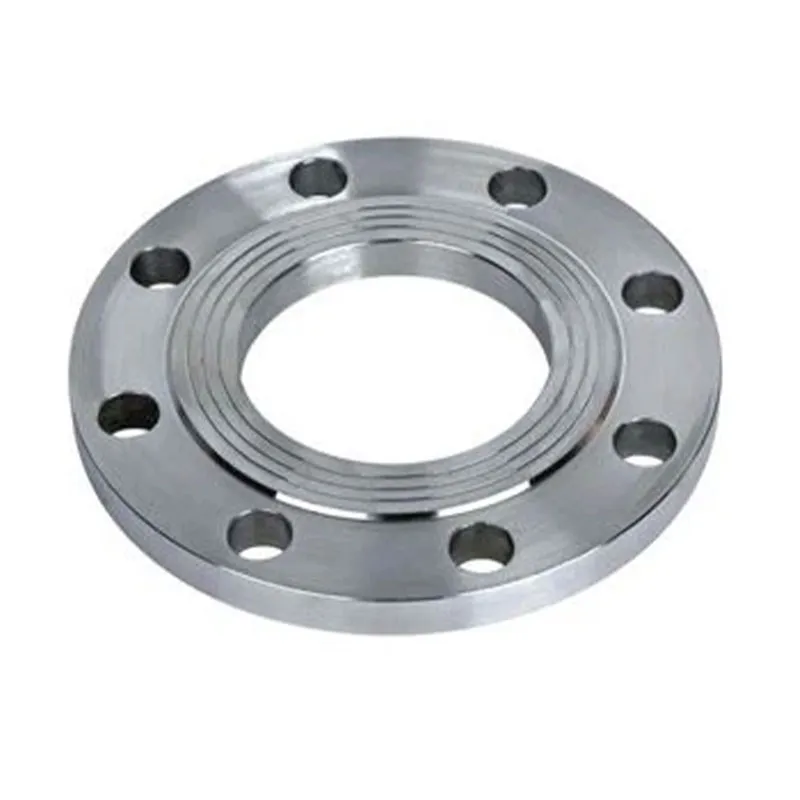
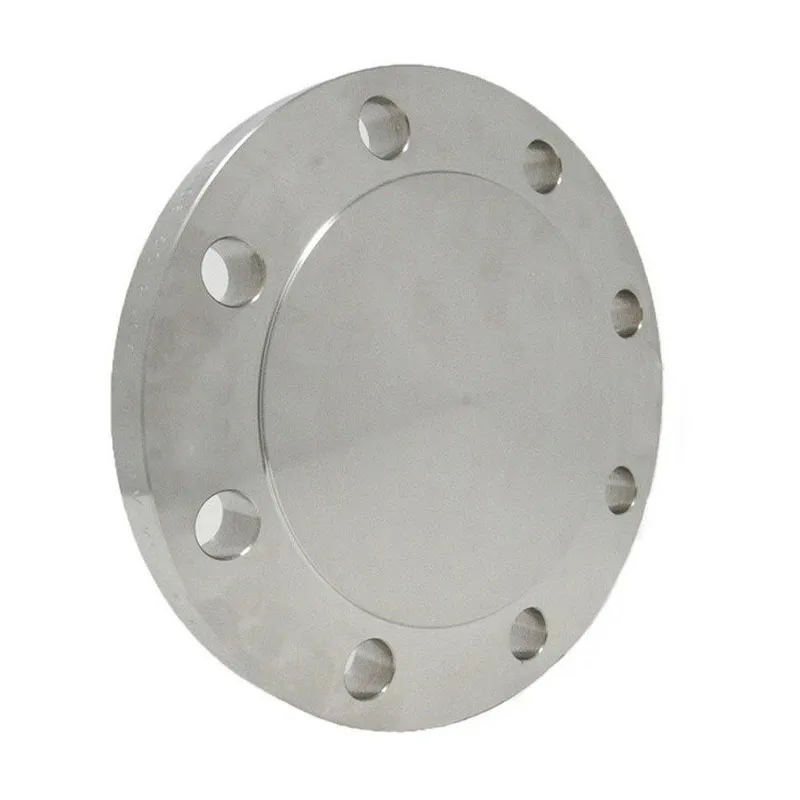
When they say “steel flange DN 125”, many immediately imagine just a steel disk with holes. But in practice, especially when working with critical pipelines, a whole story begins here. The most common mistake is to assume that all flanges of this diameter are interchangeable. DN 125 is a nominal diameter, but then the fun begins: what standard, what pressure, what design of the sealing surface? If we take, for example, a flange according to GOST (also an analogue of EN 1092-1) on PN16 and the same nominal diameter according to ASME B16.5 Class 150, the connecting dimensions will be different, the holes will not match. Already at this stage you can get defective in the assembly.
Standards and pitfalls DN 125
When working with this standard size, you are constantly faced with the need for clarification. DN 125 is a common diameter in water supply systems, low pressure steam, and process lines. But, let’s say, a request came from the customer: “We need steel flanges DN 125 for PN10?” It would seem that everything is clear. However, if you dig deeper, it turns out that the pipeline is assembled from old pipes with Soviet flanges in accordance with GOST 12820-80. And modern flanges according to GOST 33259 on PN10 have a different geometry and a different number of holes. Without specifying the standard, there is a direct path to downtime.
This is where the role of the manufacturer, who can close this issue, is important. For example, on the websiteShanxi Hongkai Forging Co.,Ltd (https://www.hkflange.ru) the assortment clearly states: production according to GOST, ASME, EN, DIN and other standards. This is not just a line in a catalog. When you call the technologist and say: “I need a DN 125 flange, but for old fittings, perhaps according to the drawing?”, this can be solved. They also deal with non-standard products based on customer sketches, which has saved us more than once in our practice.
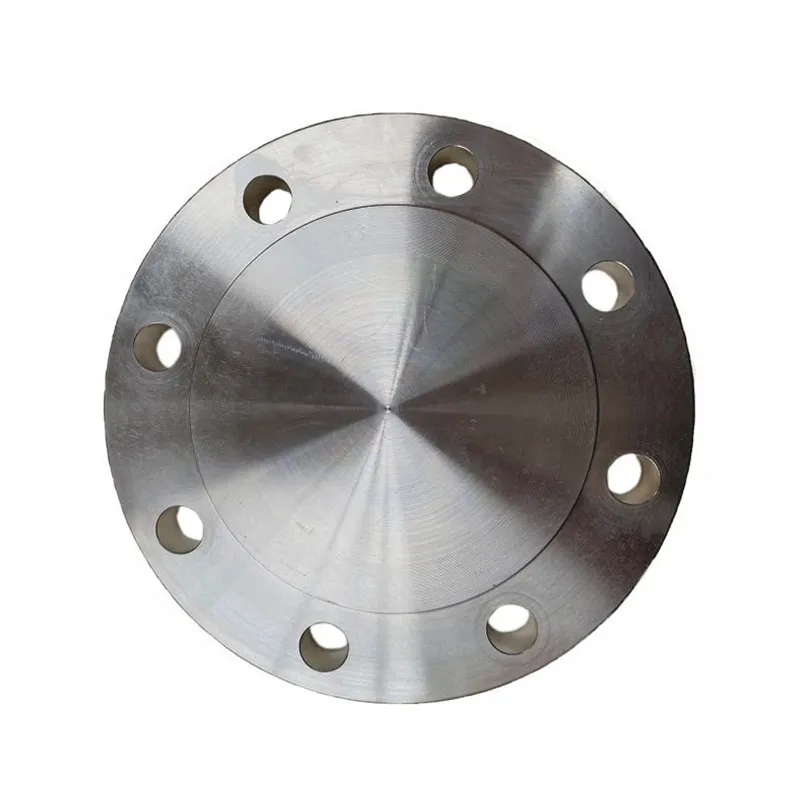
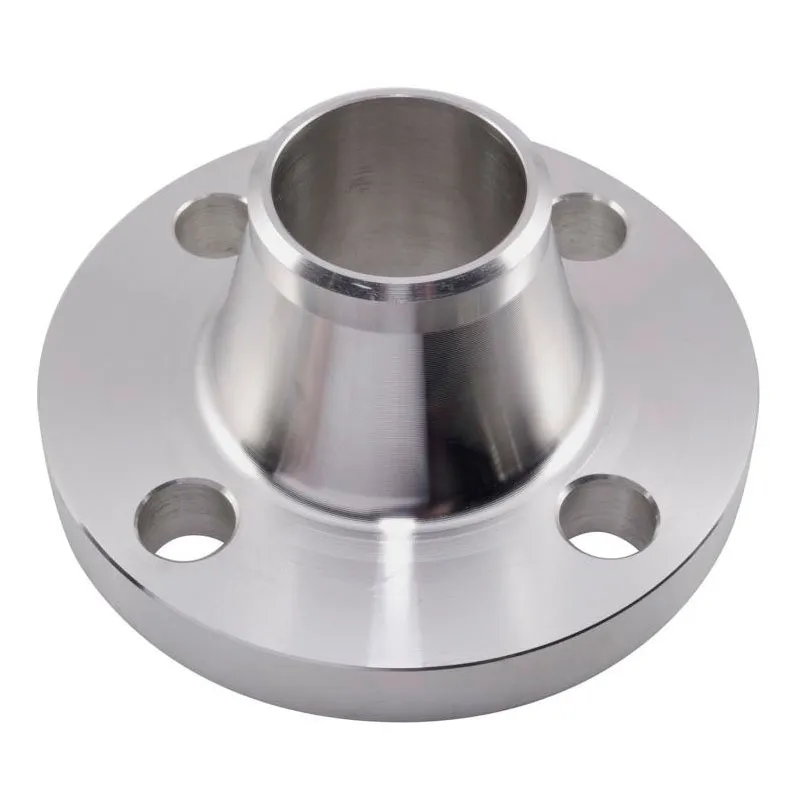
Another nuance is the execution itself. For DN 125, butt-welded flanges (collar flanges) are often used. They are good for high pressures. But we had a case during the installation of a boiler room: the project included flat flanges for the same DN 125 and a pressure of 1.6 MPa. They installed it, pressed it - everything seemed to be done. And six months later micro leaks appeared at the joints. The reason is vibration from the pumps. The flat flange is less rigid and requires a perfect surface and frequent tightening. They changed it to a butt joint and the problem went away. Now, for dynamic systems, we always insist on collar ones, even if the designers save money.
Material and forging: why isn't it just ?steel?
?Steel? - that's too broad. For a DN 125 flange operating, say, with superheated steam, steel 15Х5М or 12Х18Н10Т will be used. And for cold water, St20 will do the job. But the key word in the context of reliability isforged flange. Cast is cheaper, but there may be hidden holes in its structure, especially in the massive body of the pressure flange. Forged workpiece produced byShanxi Hongkai Forging Co.,Ltd, has a more uniform and dense metal structure. This is critical for strength, especially under cyclic loads.
I remember how we purchased a batch of supposedly standard DN 125 flanges at a low price from an unknown supplier. Visual inspection is normal. But during ultrasonic testing before installation on a critical object, internal discontinuities were discovered in several pieces. I had to urgently look for a replacement. Since then, we have always asked for material certificates and, if possible, data on the manufacturing method. On the same website hkflange.ru it is directly stated that the company is a manufacturer of forged flanges, which for me, as a specialist, is an important signal about the quality of the original workpiece.
The thickness of the disc, the diameter of the hub, the transition from the hub to the disc - these parameters are more predictable in the forged version. When welding, such a flange with a DN 125 pipe behaves more stable, and there is less risk of stress concentration in the weld area. This is from the practice of welders.
Installation and "field" problems
In theory, everything is simple: weld the flange to the pipe, align the holes with the counter flange, install the gasket, and tighten it with studs. In practice, DN 125 has its own problems. Firstly, weight. A steel flange of this diameter, especially a collar flange for high pressure, is already a rather massive part. It must be set strictly perpendicular to the axis of the pipe before welding. The slightest misalignment - and then the flange pair will not be assembled, or the gasket will be misaligned, and a guaranteed leak will occur.
Secondly, these same hairpins. A common mistake is to use regular bolts instead of studs with full-length threads (as required by pressure standards). The bolt has a head that does not allow the load to be evenly distributed on the flange. For DN 125 and PN16, for example, this can lead to “undermining”. flange during tightening. We always use studs with two nuts.
And the third thing is the puff. With a ratchet wrench from the heart? - this is not a method. Uneven tightening is the main enemy of a flange connection. Nowadays, torque wrenches with a given torque are more often used. But many old enterprises still forget about this. We have to explain that crosswise and according to the pattern is not a whim, but a necessity for tightness.
Non-standard situations and working with the manufacturer
The standard assortment is good, but life is richer. There was a task: a transition was needed from a DN 125 pipeline to a pump with a DN 100 connection, but with the condition that the dismountable connection should be on the DN 125 side. There were no standard adapter flanges of this configuration. The solution is to manufacture a non-standard adapter flange. We provided a sketch, where on one side there was a DN 125 flange in accordance with GOST 33259 (version B1), and on the other, a DN 100 flange with a different arrangement of holes for a specific pump.
It is in such cases that manufacturers who are ready to work with customer drawings are important. In the descriptionShanxi Hongkai Forging Co.,Ltdsuch a service is expressly indicated. This was a lifesaver for us. They made it, delivered it, checked it - the whole village was perfect. This is the case when direct interaction with the manufacturer, rather than through a chain of resellers, saves weeks of time.
Another example is flanges for aggressive media. A standard DN 125 carbon flange would not fit. We needed stainless steel. And again the question: forging or plasma cutting from sheet metal? Cutting is cheaper, but for a flange that will be subject to load, this is not the best option. The metal fibers are cut, the strength is not the same. We ordered forged stainless steel flanges, and judging by the documentation, the manufacturer is competent in such forging.
Instead of a conclusion: thinking out loud
So, when you hear “steel flange DN 125”, don’t think that it’s a simple washer. This is the node on which the integrity of the circuit depends. The choice between flat and butt weld, between cast and forged, between GOST and EN standards is not bureaucracy, these are practical decisions that affect service life and safety. The cost of an error here is not just a defect in the report, it is a potential accident.
Now the market is saturated with offers. You can buy anything, anywhere. But my experience suggests: it’s better to work with those who specialize specifically in production, who can technically advise and make it to suit your task, like the same company from Shanxi. Especially when it comes to the range up to DN4000 - this speaks of serious power.
In general, the DN 125 flange means the whole world. And you need to approach it armed not only with a catalog, but also with an understanding of where and how it will work. And always keep in mind that welding and tightening are the final, but most important steps. A good flange can be ruined by poor installation. And vice versa - even an imperfect part can sometimes be placed correctly. But it’s better that everything is on the level: both the flange and its installation.
Correspondingproducts
Related Products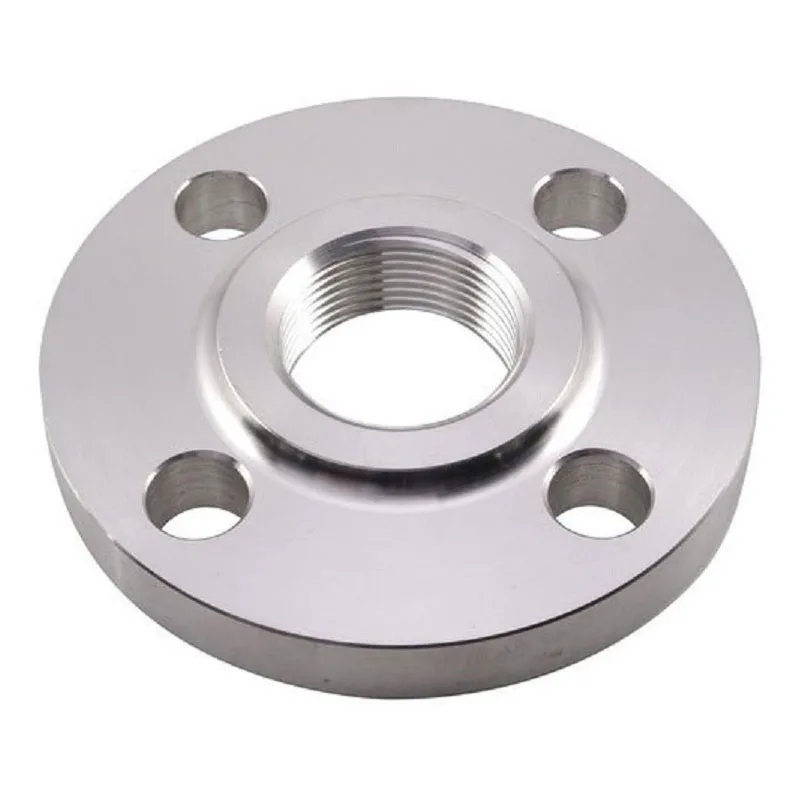
Best Sellingproducts
Best Selling Products-
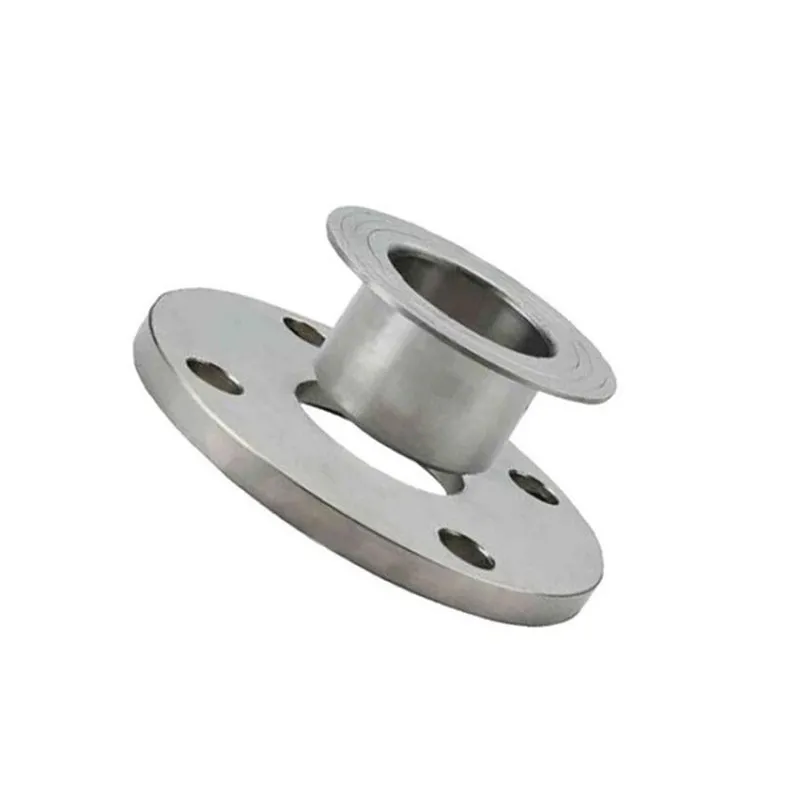 JIS 10K Loose Ring Flanges
 -
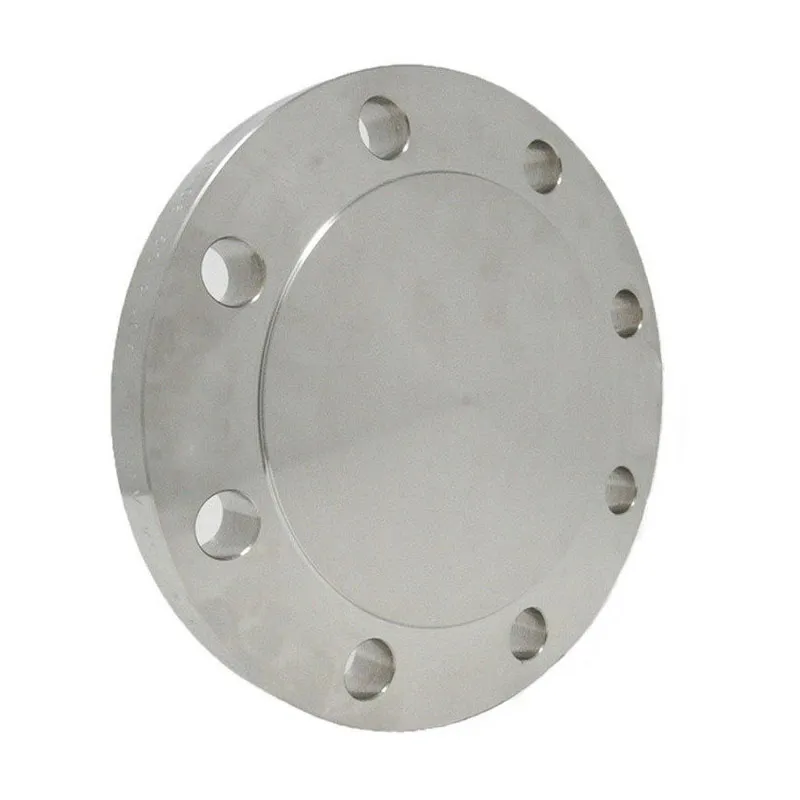 Blind flanges Class 150
 -
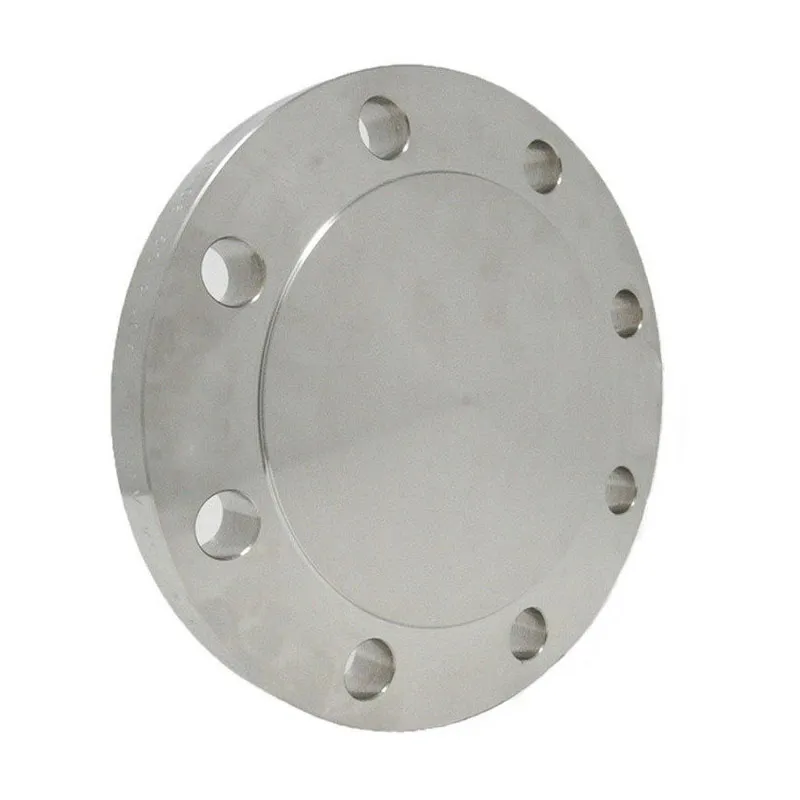 AWWA Blind Flanges Class D (Tables 1, 2, 3)
 -
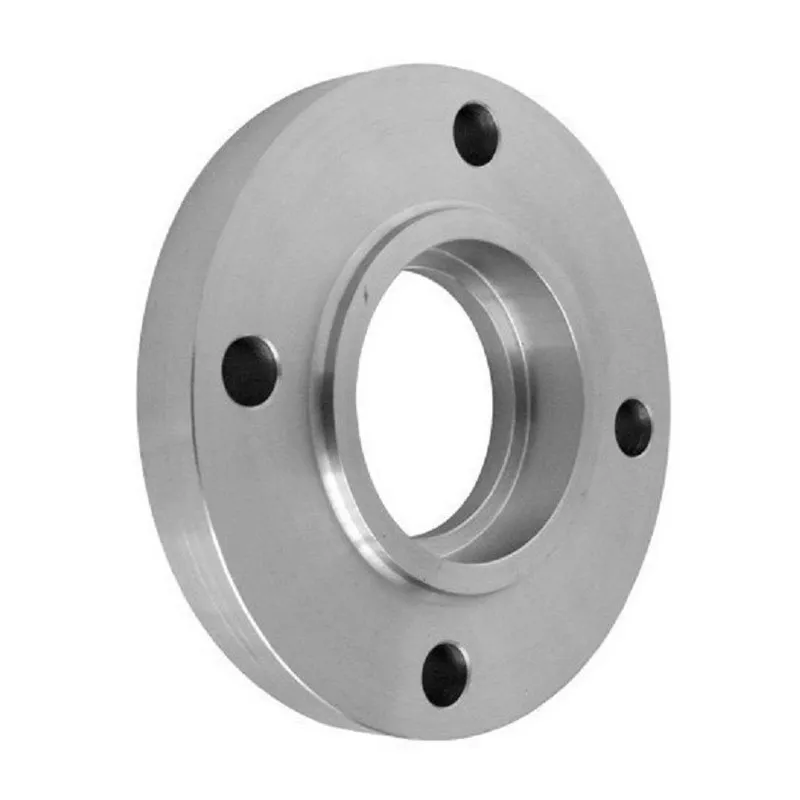 JIS 5K Socket Weld Flanges
 -
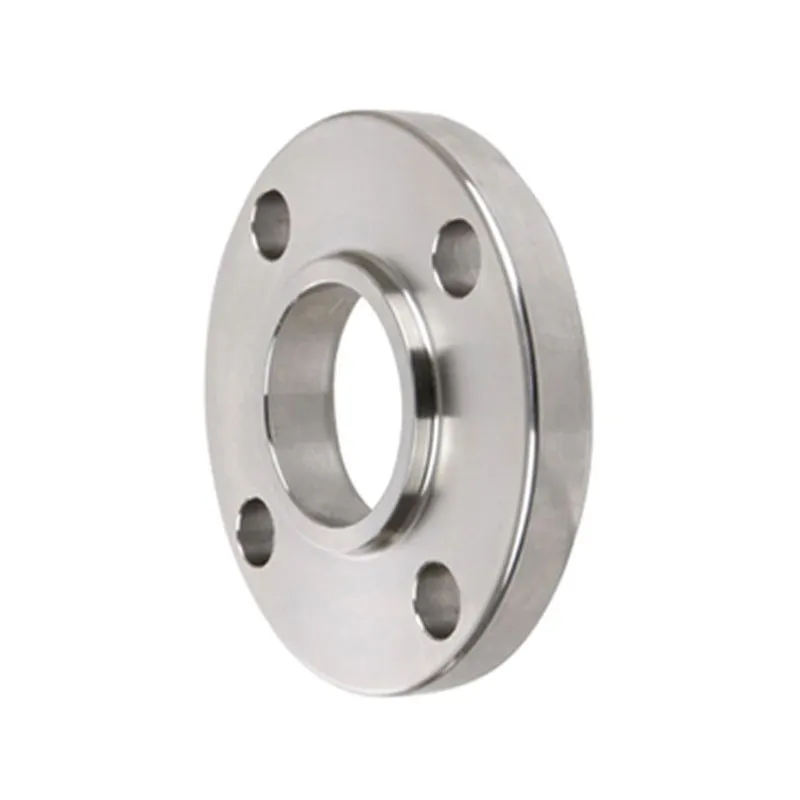 ANSI B16.5 Lap-on flanges Class 300
 -
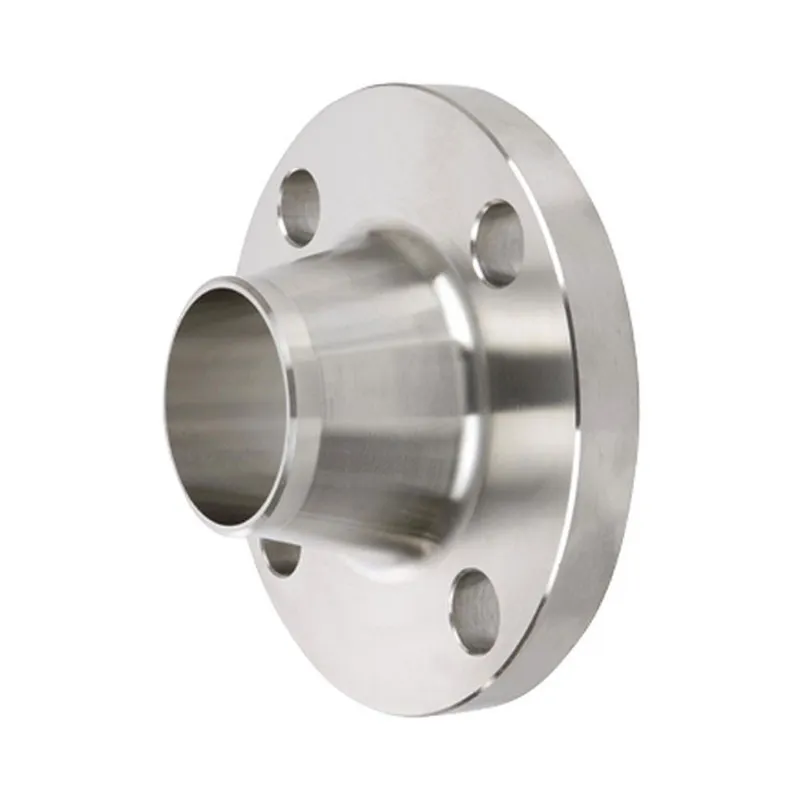 EN 1092-1 Butt weld flanges Type 11, PN25
 -
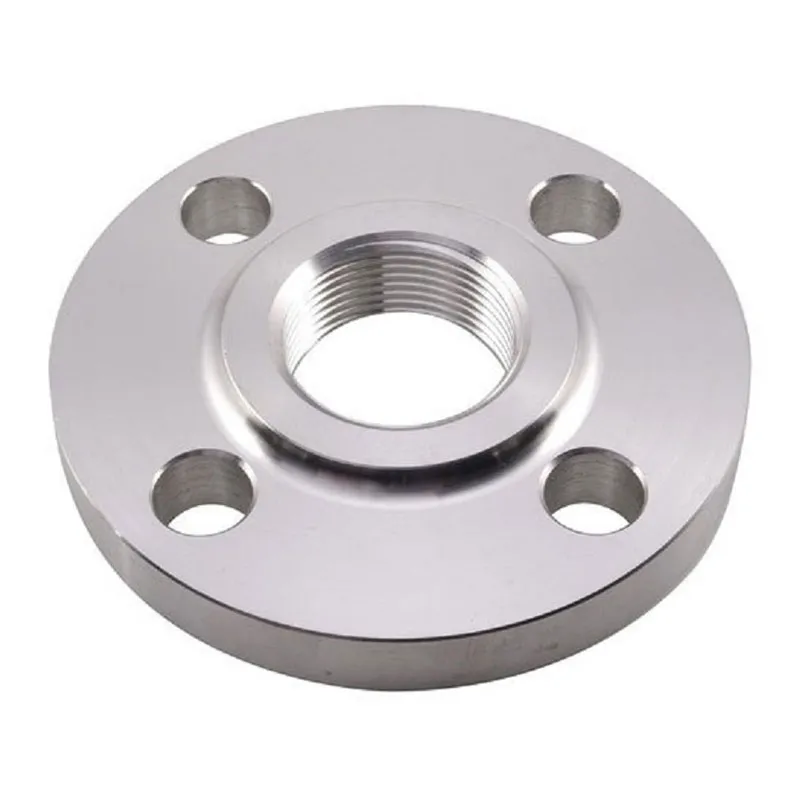 JIS 10K Overlay flanges
 -
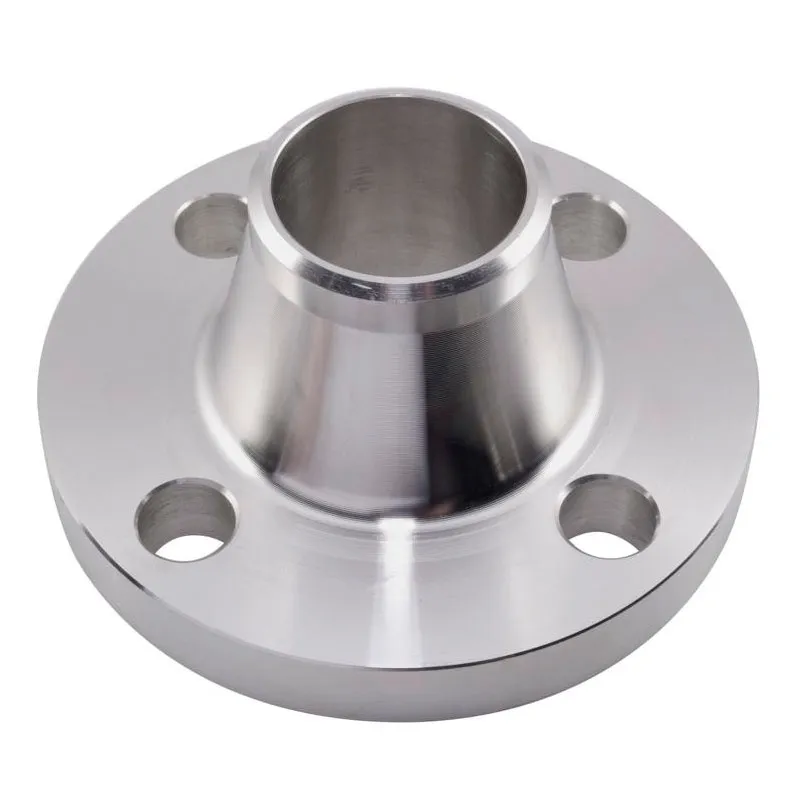 Butt weld flanges Class 900
 -
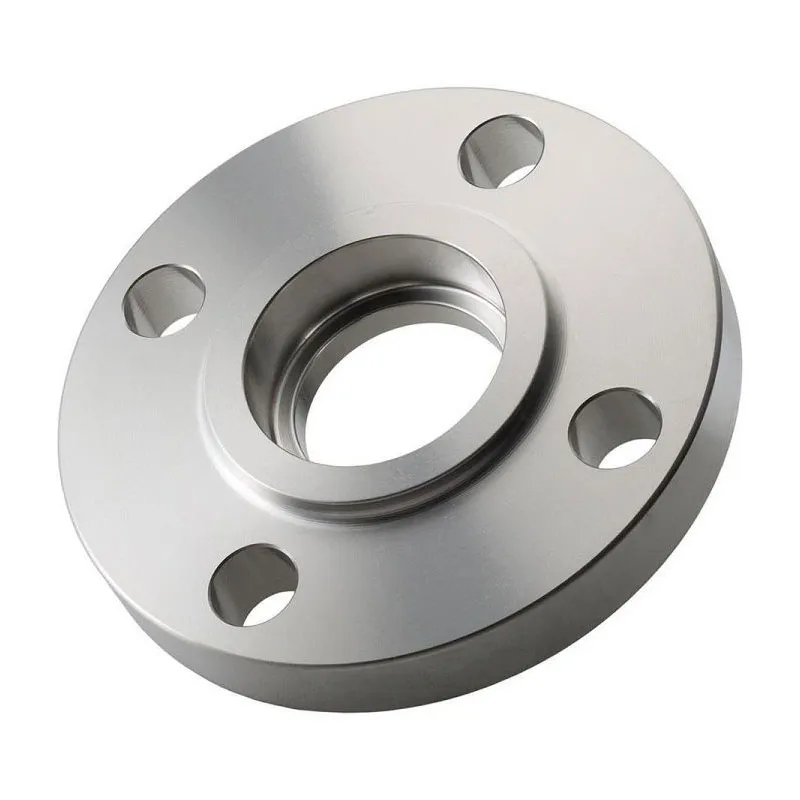 ANSI B16.5 Socket Weld Flanges Class 1500
 -
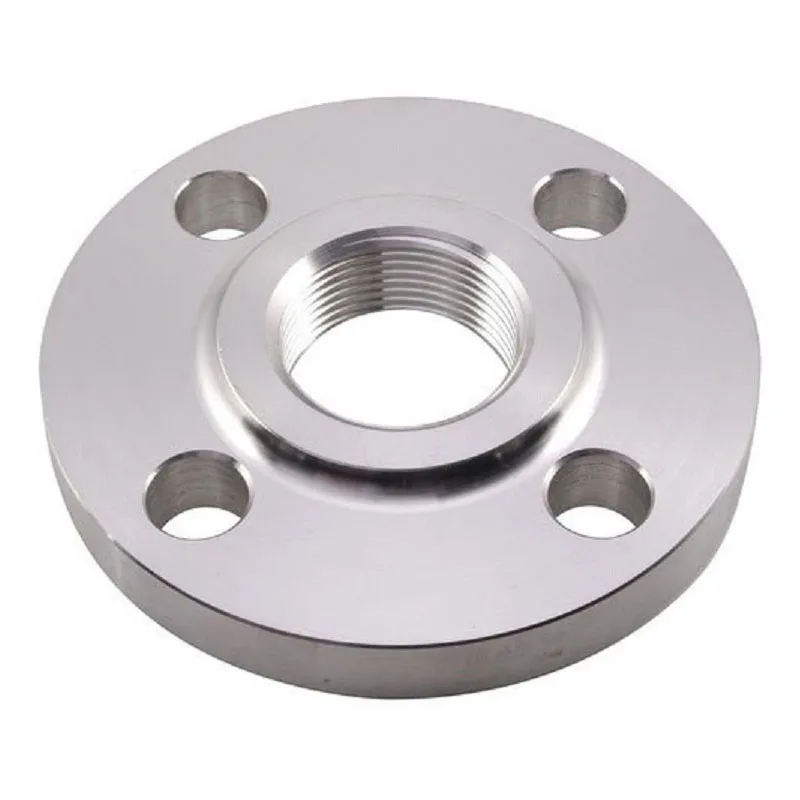 DIN 2566 Threaded flanges PN16
 -
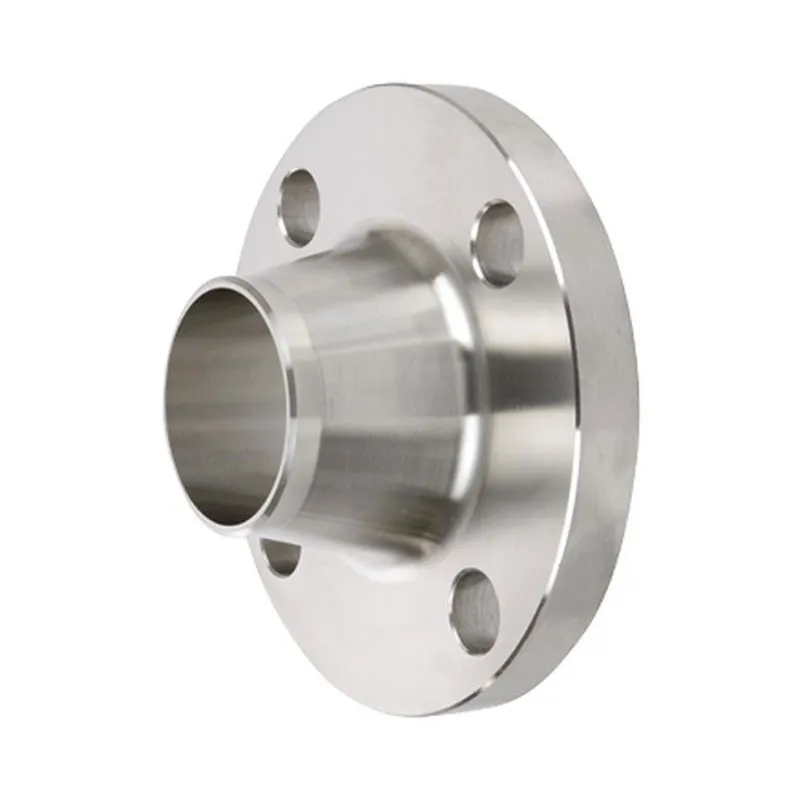 Ser.A Butt Weld Flanges Class 400
 -
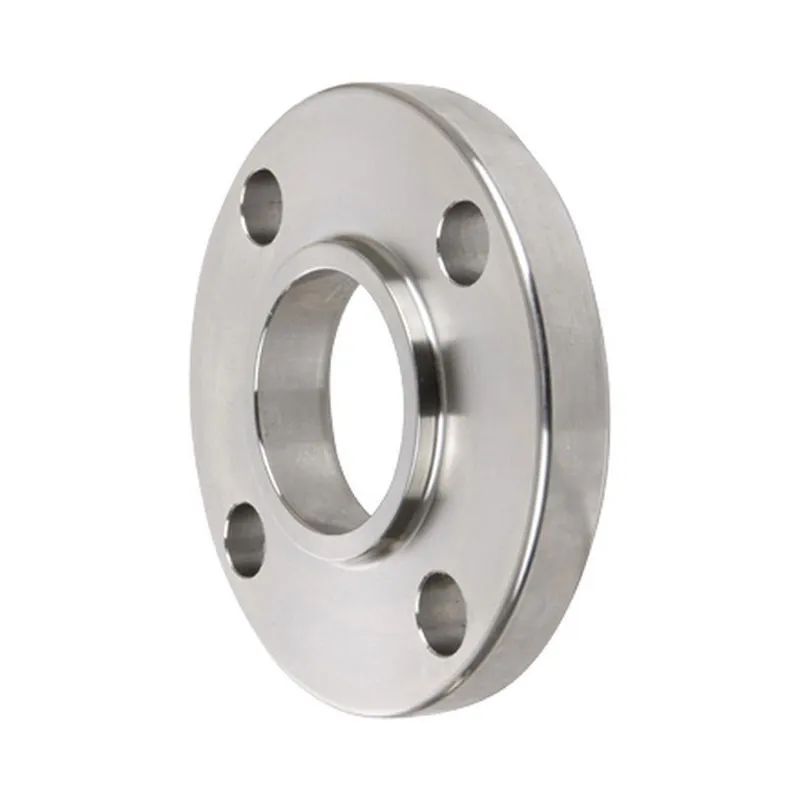 DIN 2501 Overlay flanges PN16