
-
-
Phone
+86-13623462298



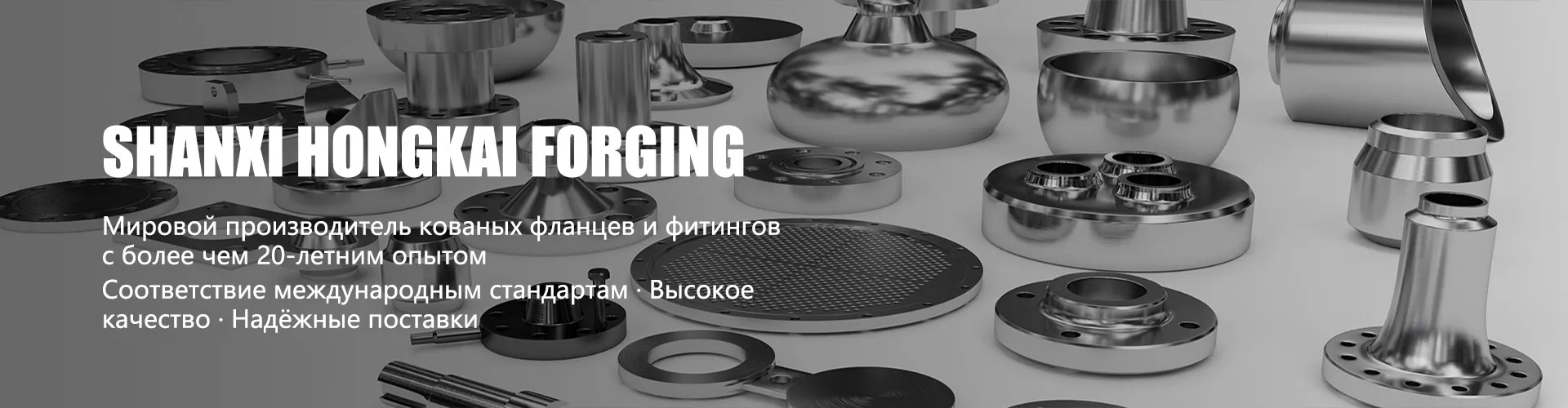
flanges GOST 12815
When you hear “GOST 12815 flanges”, the first thing that comes to mind is, of course, steel flat welded flanges for PN 10 kgf/cm2. But here’s the catch: many, especially those who are just starting to work with the post-Soviet space, think that GOST 12815-80 is a single and unchanging set of rules for all such products. In fact, if you dig deeper into the technical documentation or, as is more often the case, into actual orders from petrochemists or heating networks, it turns out that the standard itself is only the basis. The key is execution. Designs 1, 2, 3 are not just numbers, they are different designs of sealing surfaces. And this is where the fun begins, and sometimes the headache.
Why performance is not a formality
Let's take, for example, the most common option - version 1 with a connecting protrusion. It would seem that everything is simple. But try installing such flanges on a pipeline where previously there were flanges with version 2 (with a projection and a depression). It won't dock. The gasket will not fit and a seal cannot be achieved. There was a case in our warehouse when an urgent order came in for a replacement for a boiler room. The specification simply stated “Flange GOST 12815-80 DN100 Ru10”. We shipped standard ones, first execution. And at the installation site it turned out that it was necessary to join with the old fittings, which had just the second version. We had to urgently redo it and incur losses on urgent production and logistics. Now always, even if the application is written briefly, our manager clarifies: “Which design is according to the drawing or according to the old model?” This saved a lot of nerves.
Or here’s another nuance - version 3 with a tongue and groove. More often found in critical systems. Here the requirements for surface treatment are completely different; the roughness Ra must be strictly maintained. Not every plant that produces simple flanges will undertake this without additional processing on machines. We are inShanxi Hongkai Forging Co.,LtdFor such orders we always include a separate technological operation - finishing milling. This, of course, affects the price and duration, but the connection will hold.
And sometimes they send a drawing with some kind of their own, relatively speaking, “hybrid” one. execution. Let's say the diameter is in accordance with GOST 12815, and the seal design is some kind of Western, for an oval gasket. Here we need to sit down with engineers and technologists to see if we can repeat this in forging. Most often - yes, we can. Our websitehkflange.ruIt was created precisely so that clients could send their sketches and receive an estimate. But honestly, it’s easier and more reliable when designers initially adhere to one standard. Although, I understand, this does not happen at existing enterprises - there is always a mix of old Soviet stock and new imported fittings.
Material: not only St20, but also 09G2S, and 12Х18Н10Т
GOST 12815 itself indicates the main materials: St20, 09G2S, 15X5M and so on. But life makes adjustments. For northern orders, for “Hurricane highways,” as they are sometimes called, they almost always require 09G2S - low-alloy, cold-resistant steel. Forging such a material has its own characteristics, especially in terms of heat treatment and normalization modes. If you underheat or overheat, the mechanical properties will not reach the desired level. We went through this in the early stages, when we were just setting up the production of forgings for Russian partners. We received the batch, shipped it, but during testing the customer’s impact strength “failed.” I had to figure it out. It turned out that the oven was heating unevenly. We strengthened control and installed additional pyrometers. Now each melting and forging for critical flanges is accompanied by a full package of documents, including mechanical test reports. This is a prerequisite for such projects.
With corrosion-resistant steels, such as 12Х18Н10Т, the story is different. Forging austenitic steel itself is a capricious process. It is necessary to strictly maintain temperature ranges so that the carbide phase does not go away and the resistance to intergranular corrosion does not decrease. Plus, after forging, heat treatment is required - hardening. And this is where many manufacturers save money: they do not carry out hardening, or they carry it out incorrectly, in the air, and not in water. The flange will look great, but in an aggressive environment it will be “eaten?” in a couple of years. We resolved this issue for ourselves by building a separate section with furnaces and baths for heat treating stainless steels. Yes, this will increase the cost, but otherwise there is no point in taking on such orders - reputation is more expensive.
By the way, aboutShanxi Hongkai Forging Co.,Ltd. We are located in one of the forging centers, and this gives us access not only to modern pressing equipment, but also, importantly, to personnel - technologists who think not only in drawings, but also in the structure of the metal. When you make a forging, rather than stamping from a sheet or cutting from a circle, the macrostructure of the fiber follows the contour of the product. This directly affects strength and resistance to cyclic loads. For flanges on pipelines where water hammer occurs, this is critical. On the website we focus on forged flanges for a reason - this is our main specialization, fromDN15up toDN4000.
Pressure PN10: where it’s thin, it breaks
Ru10, or 1 MPa - it would seem that the pressure is low. Many people think: “Any flange will do.” But it is precisely at such relatively “low” levels. pressures, problems with sealing often arise. Why? Because they relax. They install cheap gaskets made of paronite, do not monitor the cleanliness of the sealing surface, and tighten the bolts at random. And the flange according to GOST 12815 on Ru10 has a relatively small thickness and low rigidity. If it is tightened unevenly, it may move and a skew will appear. And then even at low pressure it will leak.
From practice: spiral wound gaskets (SNP) work best on such flanges. They compensate for minor surface unevenness. But they need to be selected correctly in width and thickness, in accordance with the design of the flange. We often advise clients on this matter, although, strictly speaking, this is not our direct responsibility. But if the flange is ours, we want the connection as a whole to work flawlessly. Sometimes we even recommend specific suppliers of cushioning materials with whom we have already had positive joint projects.
Another point is fasteners. Under Ru10, ordinary bolts of strength class 4.6 or 5.6 are often used. What if the environment is hot? If the pipeline is hot? Then, due to temperature changes, the bolts can “float” and the tightening tension will drop. It is better to immediately install bolts of a higher class, 8.8, and always with galvanic or other anti-corrosion coating. A trifle, but it affects the overall reliability of the node. In our commercial offers we always indicate: “Fasteners are not included in the price, we recommend a strength class of at least…?”. This is so that there are no complaints later.
Non-standard and large dimensions: when GOST is just a starting point
The standard is good for standard solutions. But what to do when you need a DN2200 flange on PN10? There is no such size in GOST 12815. Maximum - up to DN2000, and even then not for all pressures. This is where the area of non-standard products according to customer drawings begins. And this is where the difference between a stamping plant and a plant with a full-fledged forging, pressing and machining base is visible.
For such a large flange, a forging blank is first made - either open forging on a powerful press, or forging in backing dies. Then comes lengthy mechanical processing: turning, drilling for studs, milling the sealing surface. It is important to ensure hole alignment and flatness. With such dimensions, even the own weight of the workpiece can cause deformations, so the technical process is built taking into account intermediate annealing and correct mounting bases on CNC machines.
We had a project for a metallurgical plant - large-diameter adapter flanges. They sent us their own drawing, with floating dimensions for the mounting hole for the pipe. We had to make not just a flange, but actually a flange assembly with on-site adjustment. We manufactured it, shipped it, and then our installers (yes, we sometimes provide such services) flew to the launch site to supervise welding and final assembly. This is no longer just the sale of hardware, it is a comprehensive solution. On the websitehkflange.ruIn the section about non-standard products, we show examples of such work - with photographs of production stages. So that the client understands who he is dealing with.
In such non-standard stories, GOST 12815 serves only as a guide to the basic geometric relationships - the distance between holes, the diameter of the bolt circle, etc. And everything else - material, thickness, design features - is calculated by engineers practically from scratch, taking into account pressure, environment, temperature conditions. And here you can’t do without serious experience in design and testing.
Instead of a conclusion: about papers and trust
When working with flanges, especially for critical objects, you understand that you are not just selling hardware. You sell a guarantee. A guarantee that this unit will not cause stoppages, accidents, or losses. Therefore, documentation is not bureaucracy. This is part of the product. GOST certificate of conformity (and for the EAEU market this is mandatory), product passport, test reports - all this must be in perfect order.
It happened that clients called and said: “We need GOST 12815 flanges, but without certificates, it’s cheaper?”. We refuse. Because we know that if something happens, they will look first for the manufacturer. And if there are no documents confirming the origin and quality of the metal, it will be impossible to prove anything. Our company, as a manufacturer operating in accordance with international standards (ASME, EN), has built a control system from input raw materials to packaging of the finished product. This allows us to confidently supply products to standardGOST 12815, and for any other specifications.
Finally, what is a flange according to GOST 12815? This is not just a part from a standard table. This is a unit that begins with the correct choice of design and material, continues with precise manufacturing, taking into account all the subtleties of forging and processing, and ends with correct installation. And if at any of these stages you save money or do it carelessly, then even the most correct standard will not save you from problems. We are inShanxi Hongkai Forging Co.,LtdWe try to control what is in our power—production. And the rest is the area of negotiations, consultations and, in a good sense, persistent clarification of details with the customer. So that later there will be no excruciating pain for wasted time and resources.
Correspondingproducts
Related Products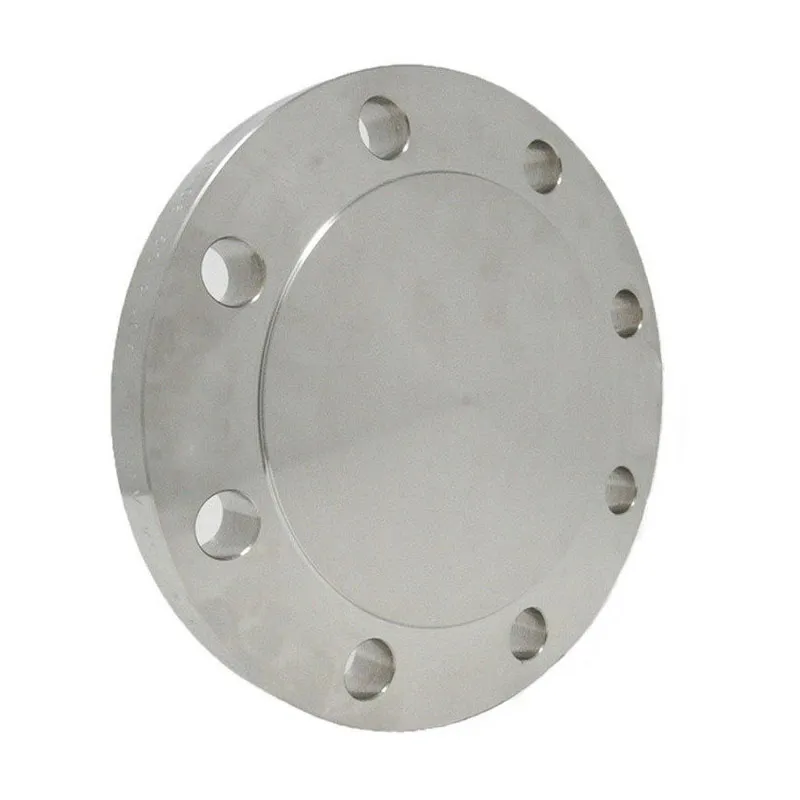
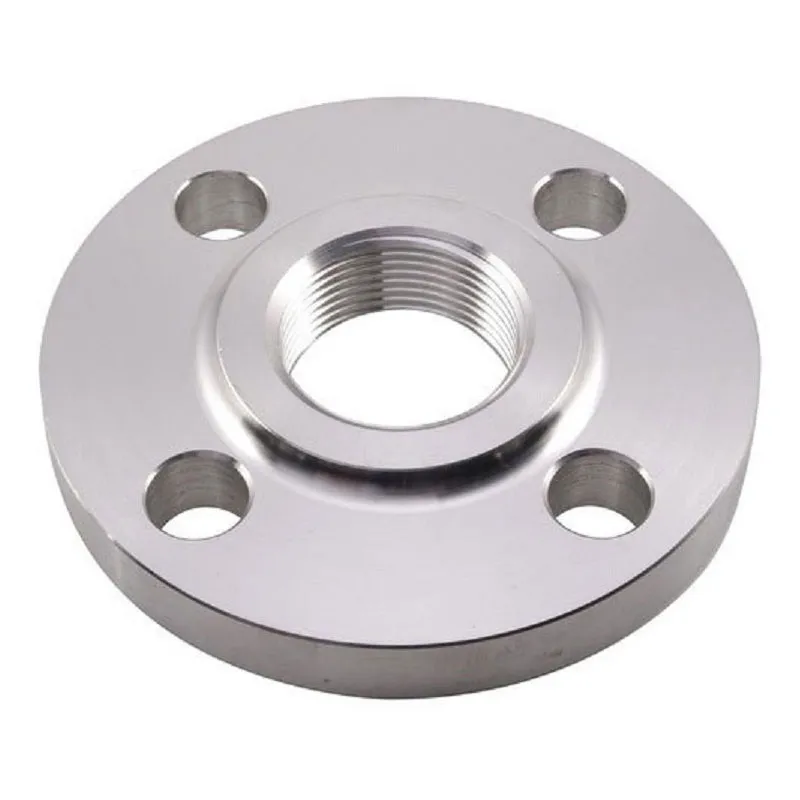
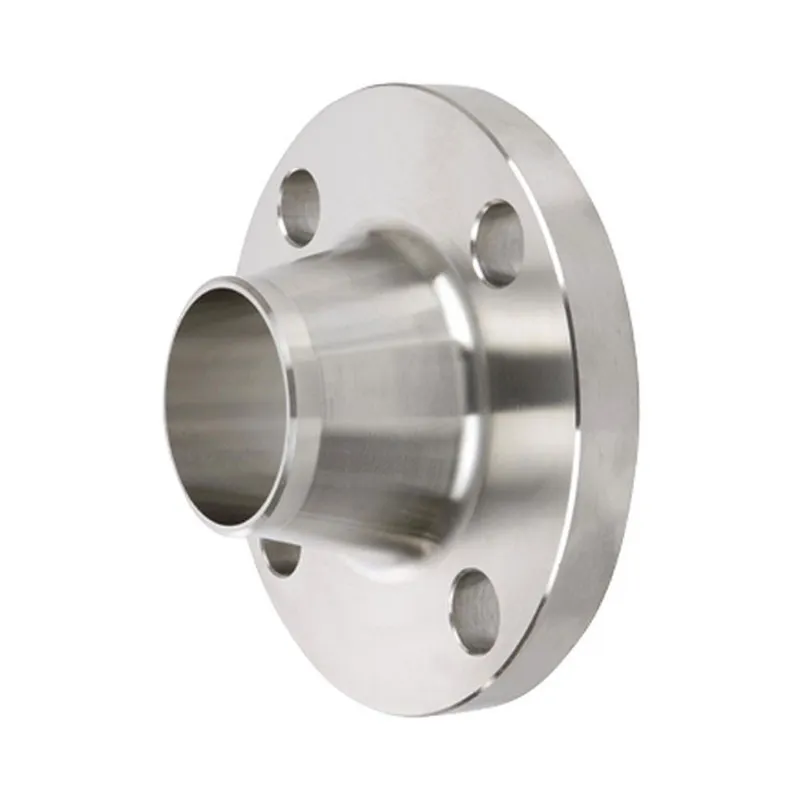
Best Sellingproducts
Best Selling Products-
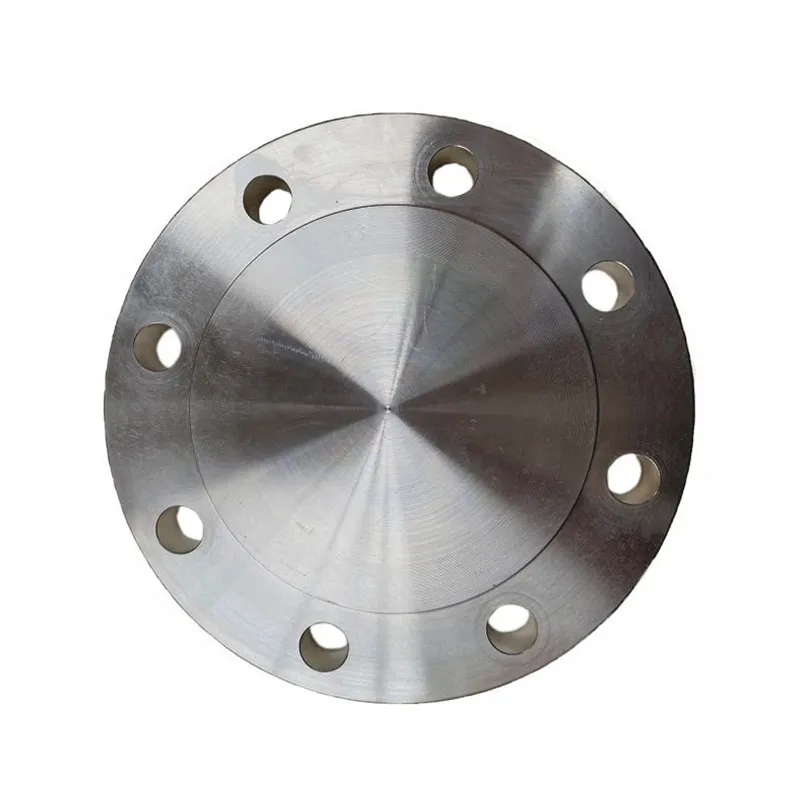 DIN 2527 Blind flanges PN10
 -
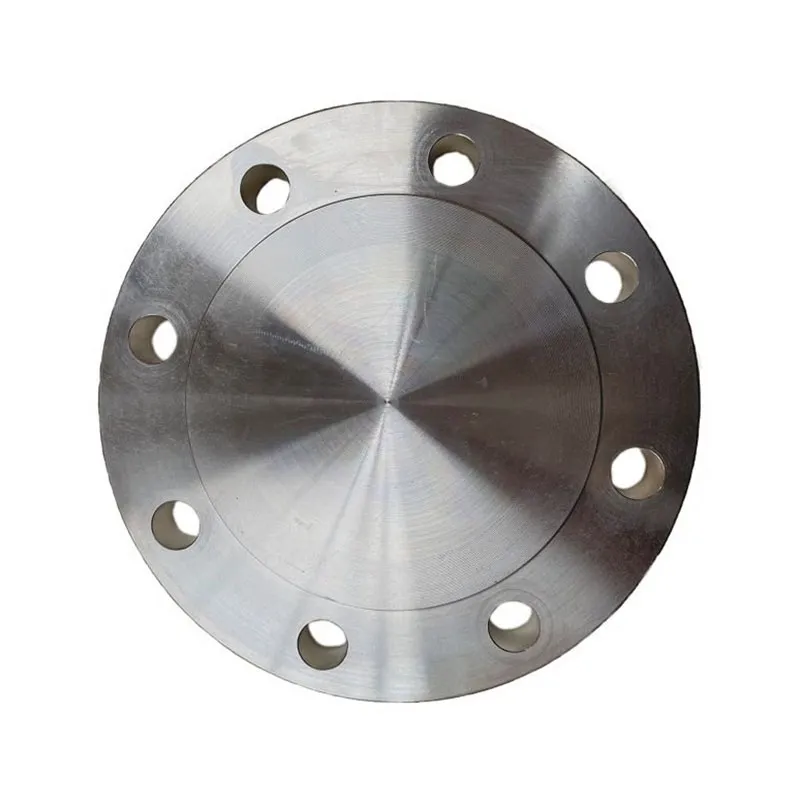 ASME B16.47 Ser.A Blind Flanges Class 400
 -
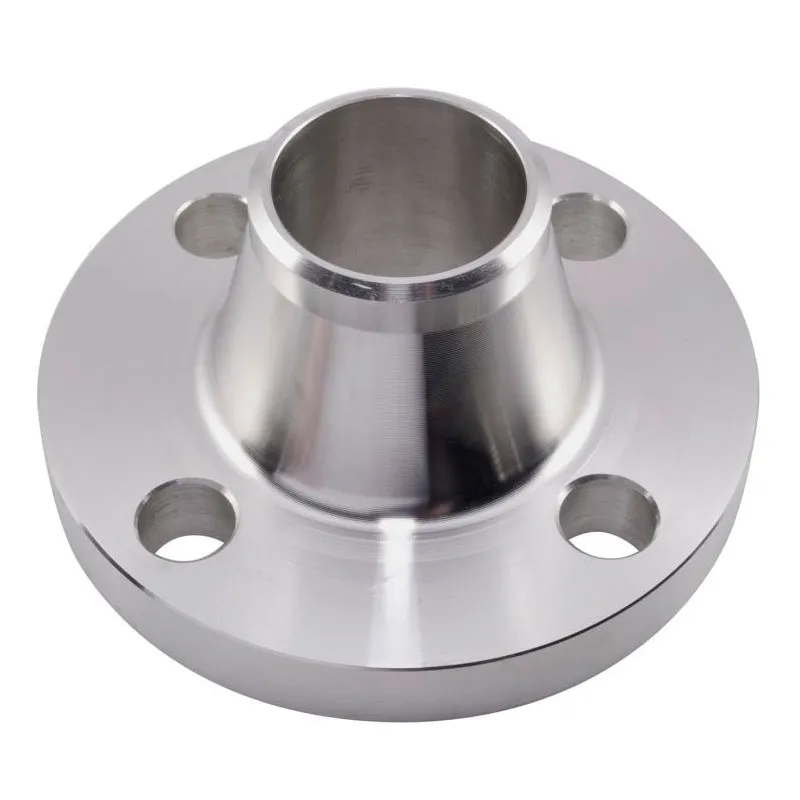 UNI 2281 Butt weld flanges PN10
 -
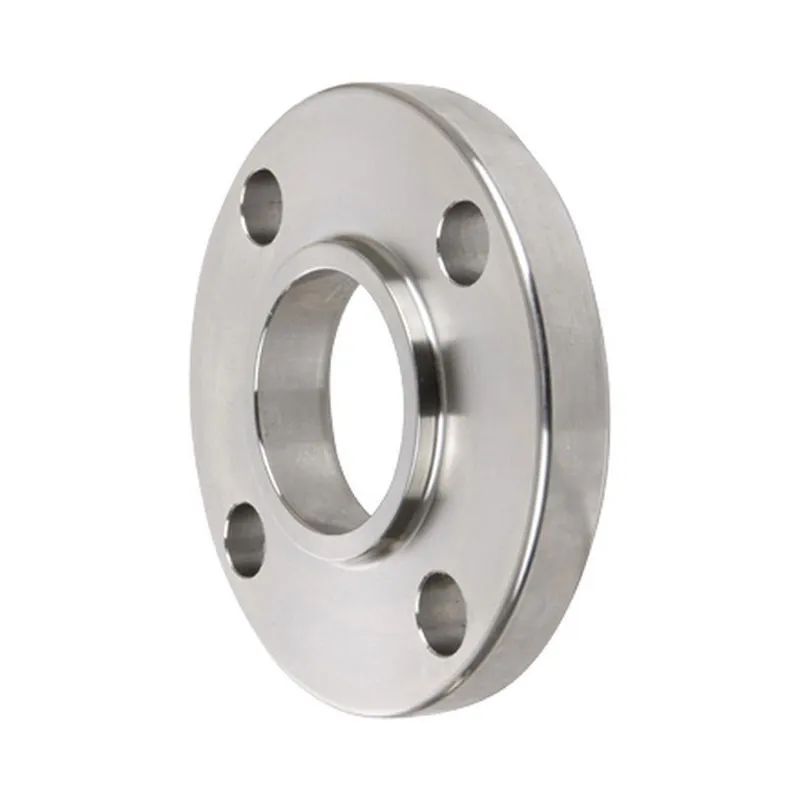 DIN 2501 Overlay flanges PN16
 -
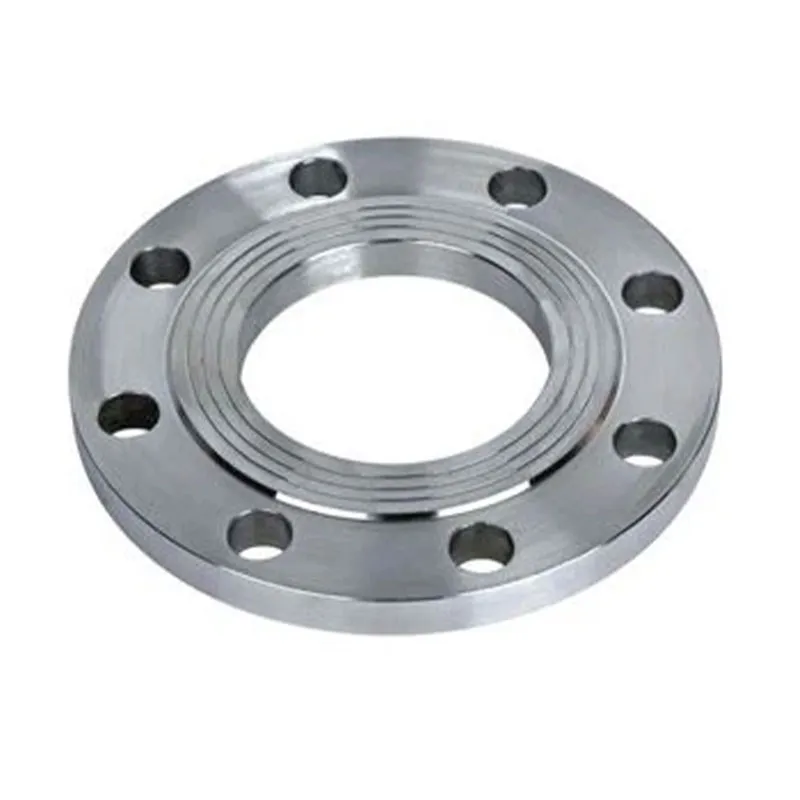 Butt weld flanges Class 150
 -
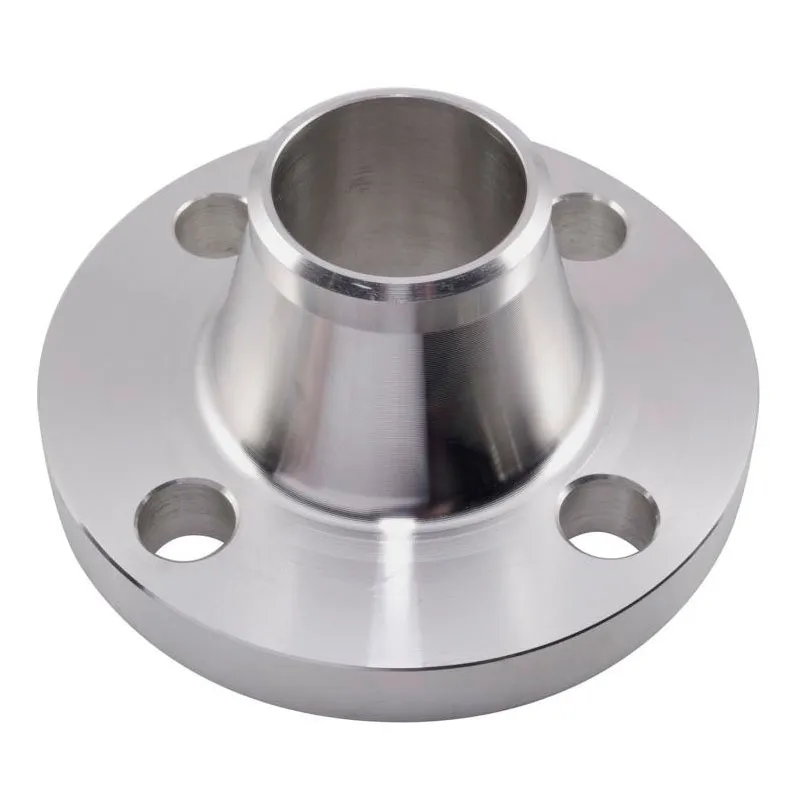 DIN Butt weld flanges PN10
 -
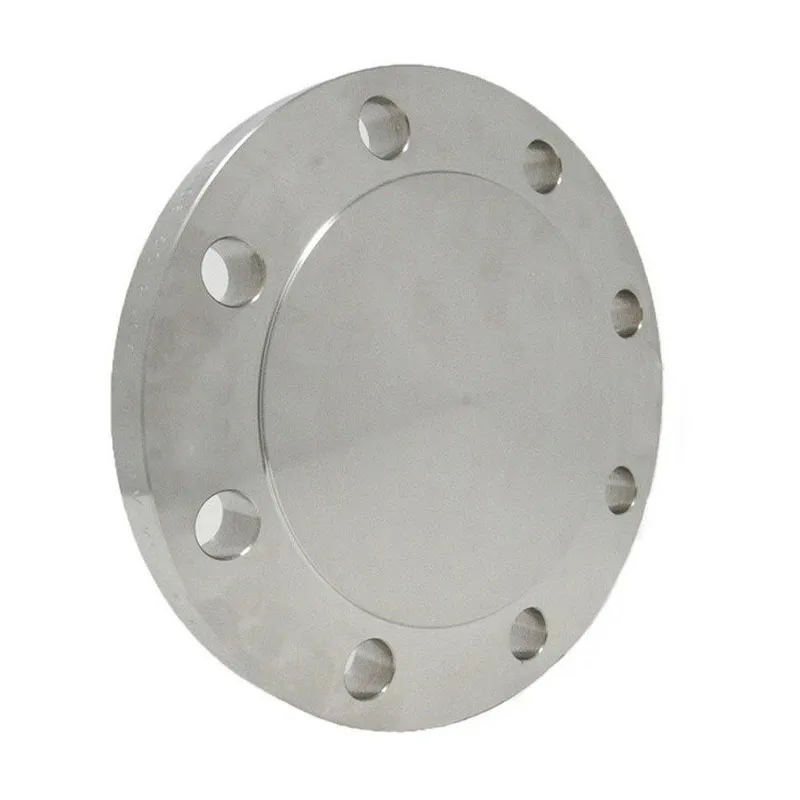 EN 1092-1 Blind flanges Type 05, PN10
 -
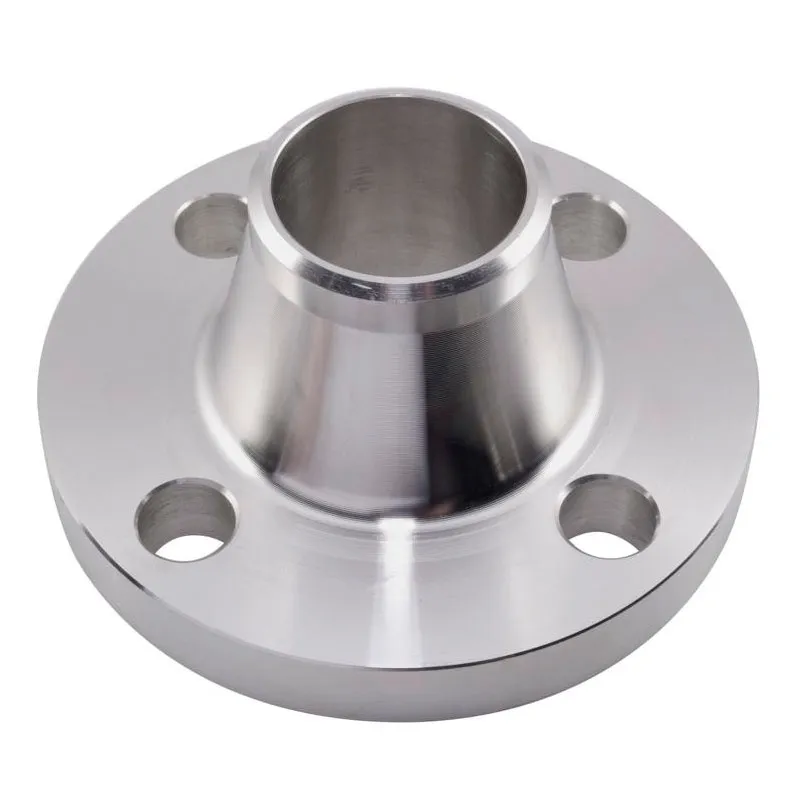 Butt weld flanges Class 900
 -
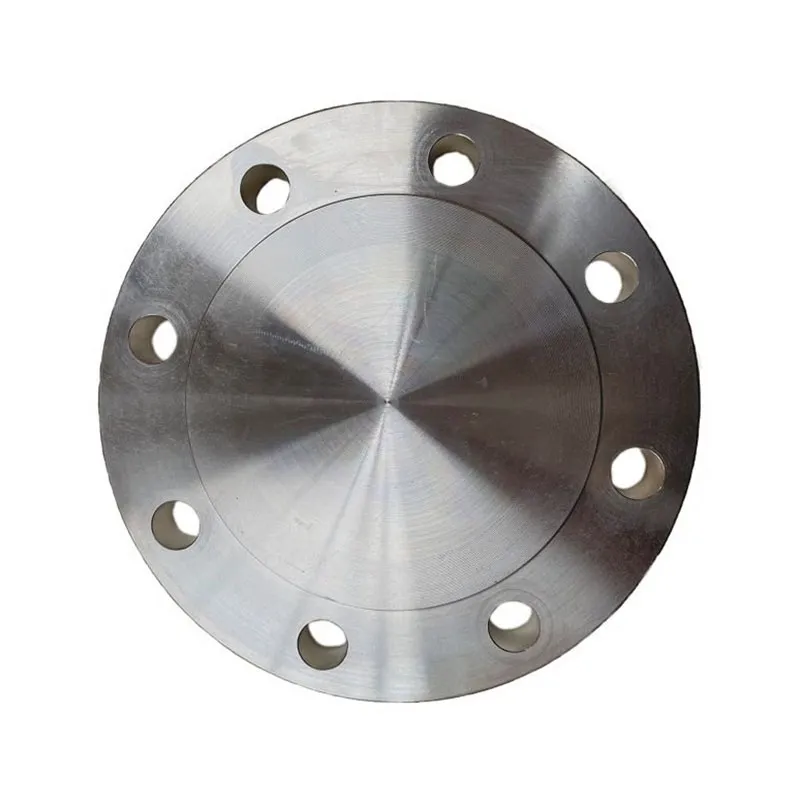 UNI 6092 Blind flanges PN10
 -
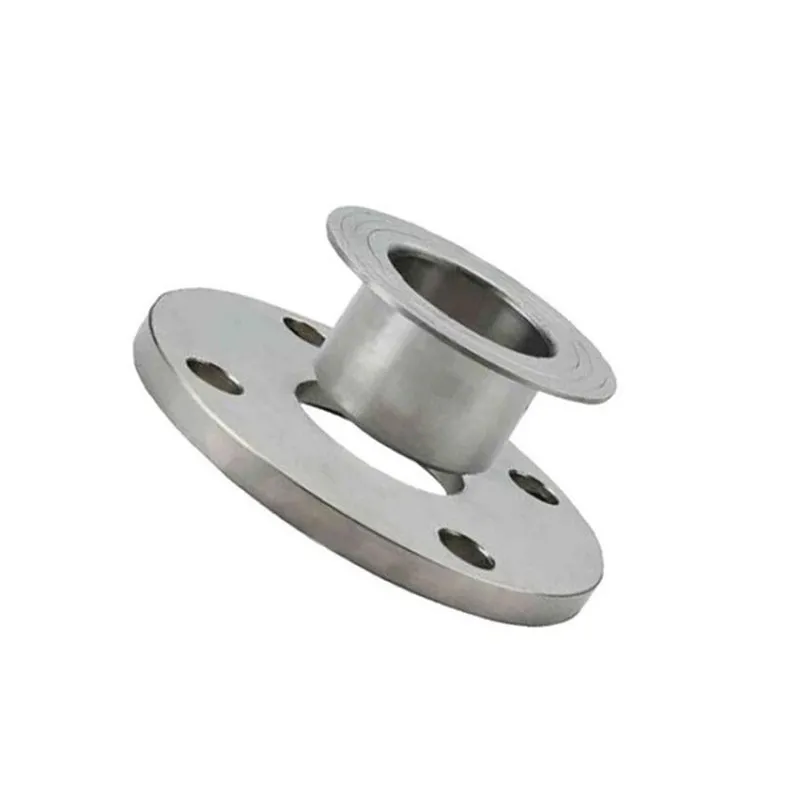 JIS 10K Loose Ring Flanges
 -
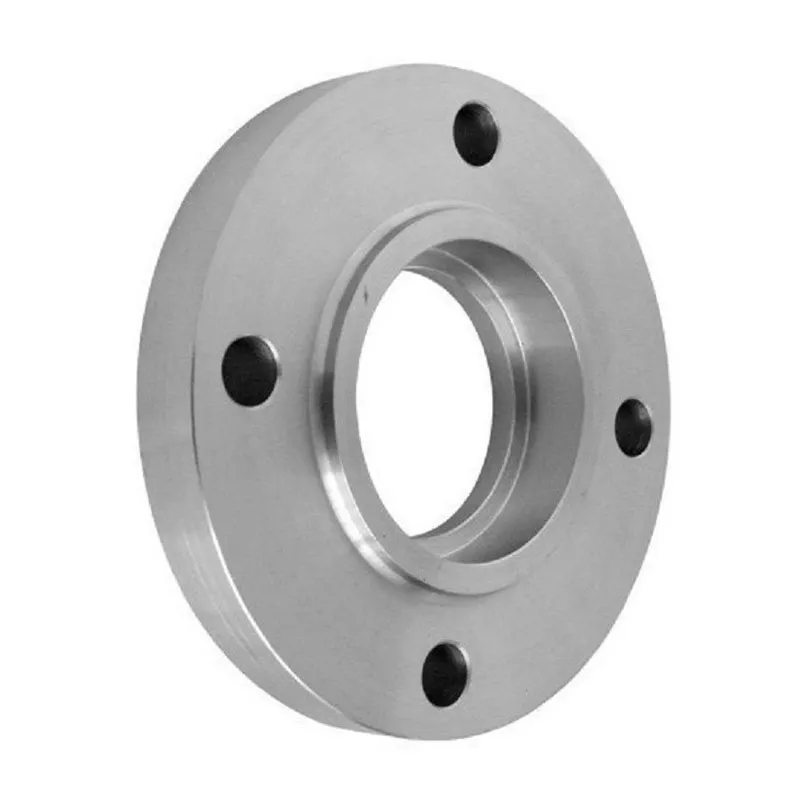 Socket Weld Flanges Class 300
 -
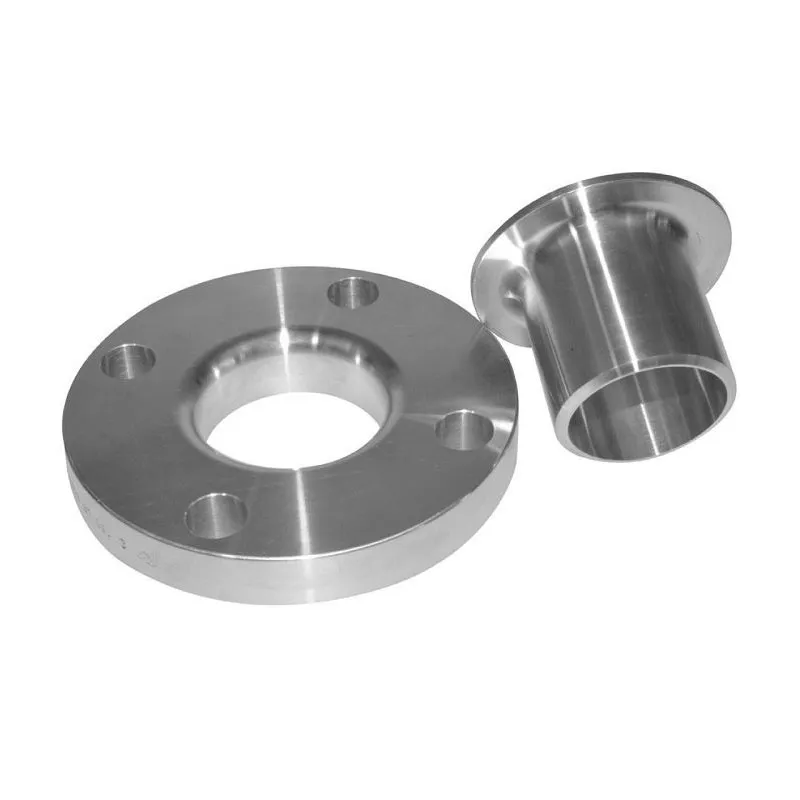 ANSI B16.5 Loose Ring Flanges Class 2500