
-
-
Phone
+86-13623462298



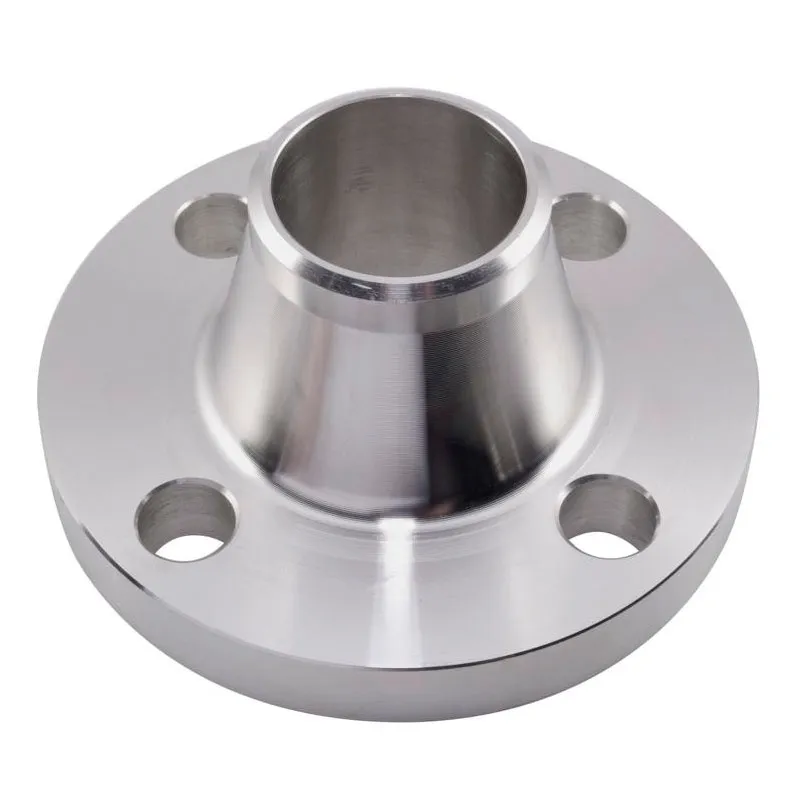
steel flange version 1
When they talk aboutsteel flange version 1, many people immediately think about GOST 12820-80, about pressure and nominal diameter. But what’s interesting is that in real work, especially during procurement or acceptance, the main problems do not start with these numbers. The simplest thing is often overlooked: what specific operating mode is it intended for? Because ?execution 1? - this is primarily a design, geometry, and not just a steel grade. And here the nuances begin that not every technologist will immediately remember until they encounter a specific case on a pipeline.
Execution 1 is not just a number in the specification
If we take our experience, often customers, especially those who are just starting to work with Russian or post-Soviet standards, confuse “execution?” with flange type. Let's say they see in the specification a flange of 1-50-16 st. 20? and they think that it is something universal. In fact, version 1 is a specific form of the sealing surface, flat with a protrusion. And this protrusion - its height, rounding radius - these are already details that may differ even within the same GOST, depending on the year of publication or the manufacturer. For example, when we just started supplying products to the CIS markets, we were faced with the fact that our workshop made a batch according to the drawings, where the radius of the rounding was slightly larger - and when installing on old pipelines, problems arose with the fit. I had to redo it.
That is why we are now at ?Shanxi Hongkai Forging Co.,Ltd. We always check with the customer not just the standard, but the specific working drawing or, if there is none, then the installation conditions and type of gasket. Because for a rubber or paronite gasket there is one requirement, but for a metal finned gasket it is another. Execution 1 is, of course, the most common, but its apparent simplicity is deceptive.
By the way, about materials. Steel 20, 09G2S, 12Х18Н10Т - all this is suitable forsteel flange version 1. But the choice depends not only on the environment. If installation takes place at low temperatures, say, in the north, then even for a nominal pressure of 16 kgf/cm2 you need to look at the impact strength. We once shipped a batch of steel 20 for a facility in Yakutia, and in winter, during installation, several flanges developed microcracks along the body. We reconsidered - it turned out that for such conditions it would be better to use 09G2S. Now this is a mandatory item on our checklist.
From drawing to forging: where the risks lie
Our production process at Shanxi Hongkai Forging LLC is built in such a way that forging is the basis. And for version 1 flanges this is critically important. Casting produces more hidden defects, especially in the transition area from the hub to the disk. But forging, especially when it comes to sizes from DN50 and above, provides a more uniform metal structure. But there are pitfalls here too.
For example, heating a workpiece before forging. If it is not heated enough, the press force is greater, and internal stress may occur. Overheat - overburning occurs, the grain becomes large, and the mechanical properties decrease. Based on our experience, we have developed our own temperature-time schedules for each grade of steel. For standard steel 20 this is one mode, and for alloy steel it is another. And this is not a theory, these are full of cones, when a batch of flanges for 40 atmospheres after heat treatment was tested for hardness, and it “danced?” along the body of the product. I had to analyze the entire cycle.
Another point is mechanical processing. After forging, the flange is a rough blank. Next comes turning. And here the accuracy of the execution of that same sealing surface is important. Roughness Ra 2.5 is not just a number. If you make it rougher, the gasket will “exist”, and the tightness will decrease over time. If you make it too smooth (this also happens when the turner overdoes it), then when tightening the gasket may begin to squeeze out. Our technical control always carries roughness standard samples with them so that they can be checked by eye.
Standards and reality: GOST, ASME and ?non-standard standard?
We work according to GOST, ASME, EN, DIN - in this regard, our range is wide. But withsteel flange version 1most often the request is made according to GOST. And there is an interesting paradox here. GOST 12820-80 is old, but valid. However, many design institutes in Russia and Kazakhstan have long been using in their new projects adapted but more modern specifications or even refer to interstate standards. And the dimensions seem to be the same, but the tolerances, especially on the diameters of the bolt holes and their bolt patterns, may differ by a fraction of a millimeter.
There was a case: we produced a batch of DN200 flanges for Ru 16 exactly according to GOST 12820. The customer was a large petrochemical plant. A complaint has been received: bolts are not included. Let's start to figure it out. It turned out that at the enterprise itself, when overhauling the pipeline, they used flanges manufactured 15 years ago according to specifications, which already took into account some modern requirements for clearances for more convenient installation. Ours were made?literally? according to the old GOST, where the tolerances are narrower. I had to quickly rework the holes. Since then, for critical orders, we always request not just a standard number, but a link to a specific project documentation package.
This, by the way, is one of the reasons why on our websitehkflange.ruWe emphasized that we manufacture both according to international standards and according to customer drawings. Because a paper standard is one thing, but a real unit on a pipeline that should operate without repair for 20 years is something completely different. Execution 1 according to GOST is a base, but it always needs to be tied to the place of application.
Non-standard sizes and work with DN4000
Our assortment includes sizes up to DN4000. And when it comes to such giants,steel flange version 1ceases to be just a typical part. This is already an individual engineering product. Forging technology for this size is a different story. What is needed is not just large presses, but an accurate calculation of the shrinkage of the metal after forging and heat treatment. And here design 1, with its flat surface, turns out to be even more preferable for large diameters than, say, a tongue-and-groove design. Because it is easier to process and check the flatness of a large disk than to ensure the accuracy of the groove along the entire perimeter.
But there are also plenty of difficulties. Transportation, for example. This flange cannot simply be placed in a container. We need special hard packaging so that it doesn’t get carried away. during transportation. Will he lead? it - then you won’t be able to dock it in place. For one order for DN3200, we developed an entire frame structure made of wood and rolled steel to fix the product in three planes. These are additional costs, but there is no way around it.
And control. You can check the flatness of the sealing surface at the DN150 flange on a regular calibration table. And for DN2000 you need a special stand with a laser scanner. We carry out such checks without fail, because even a small deflection in the center of the disk, which is not visible to the eye, will lead to excessive use of sealant and potential leakage in the most inconvenient place for repair.
Instead of a conclusion: a thought that comes with experience
So, to summarize my experience with these seemingly simple parts... There is no such thing as a simple flange. 1?. There is a specific product for a specific location in a specific system. Its reliability consists of hundreds of little things: from the choice of steel grade and forging mode at our Shanxi Hongkai Forging LLC plant. before what torque wrench is used by the installers on site. You can do everything perfectly according to GOST, but if the studs are tightened during installation, the flange may fail. already in the process of commissioning.
Therefore, our task as a manufacturer is not just to sell a part according to the standard. And to understand under what conditions it will work, and to make it with a small, as they say, “technological margin”. So that even if something doesn’t go according to the ideal scenario at the site, the flange will fulfill its function. And when we are contacted with a request forsteel flange version 1, we ask a lot of questions. Not out of spite, but so that six months later you don’t have to deal with a complaint. Ultimately, this is more profitable for both us and the customer.
And yes, one last observation. Often the most reliable components are obtained where the designer, manufacturer and installer speak the same technical language. And this, alas, does not happen as often as we would like. But we must strive for this.
Correspondingproducts
Related Products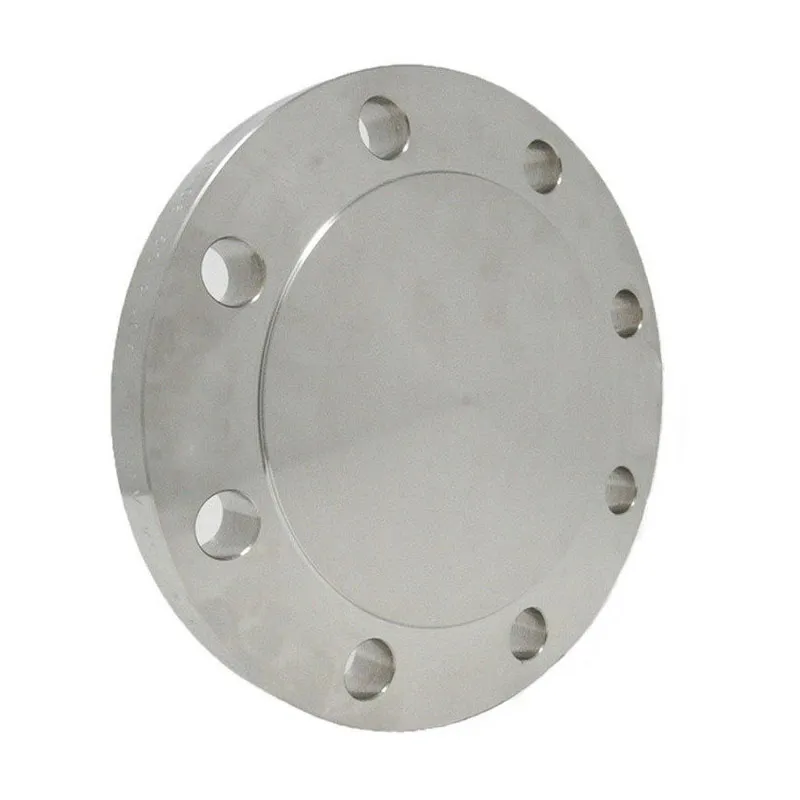
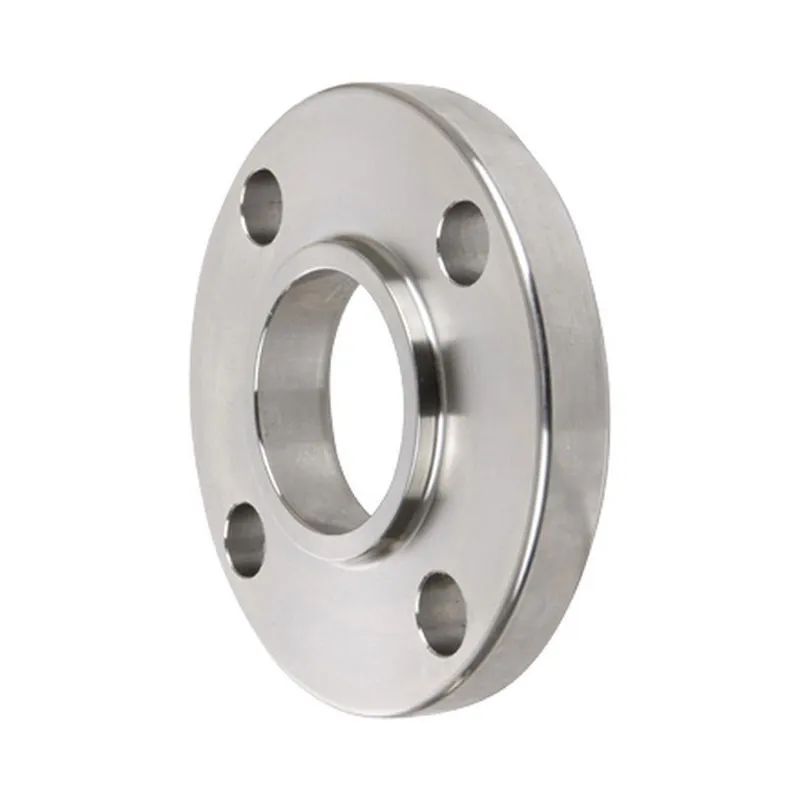
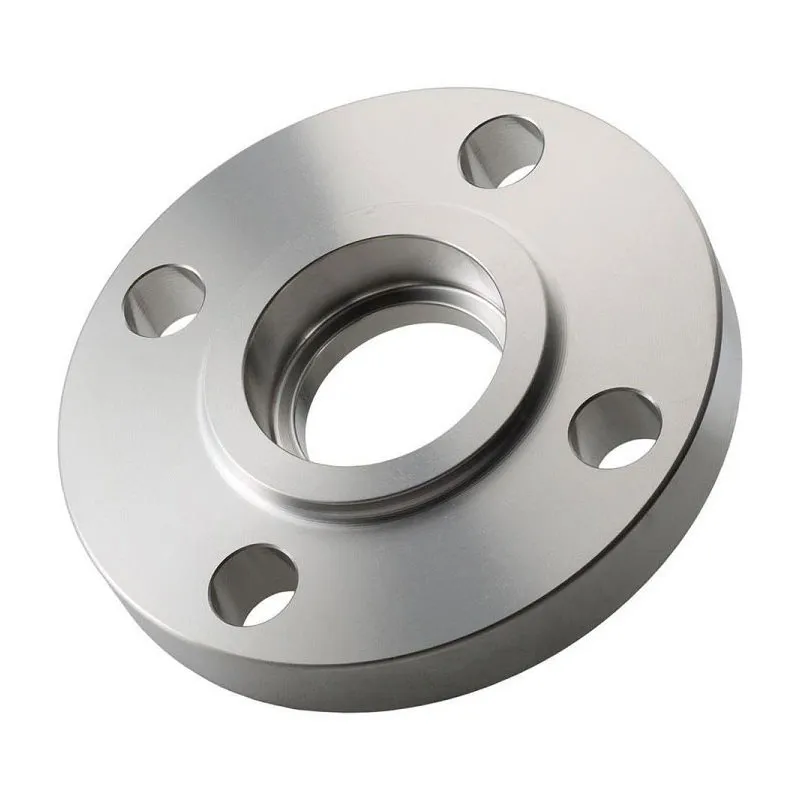
Best Sellingproducts
Best Selling Products-
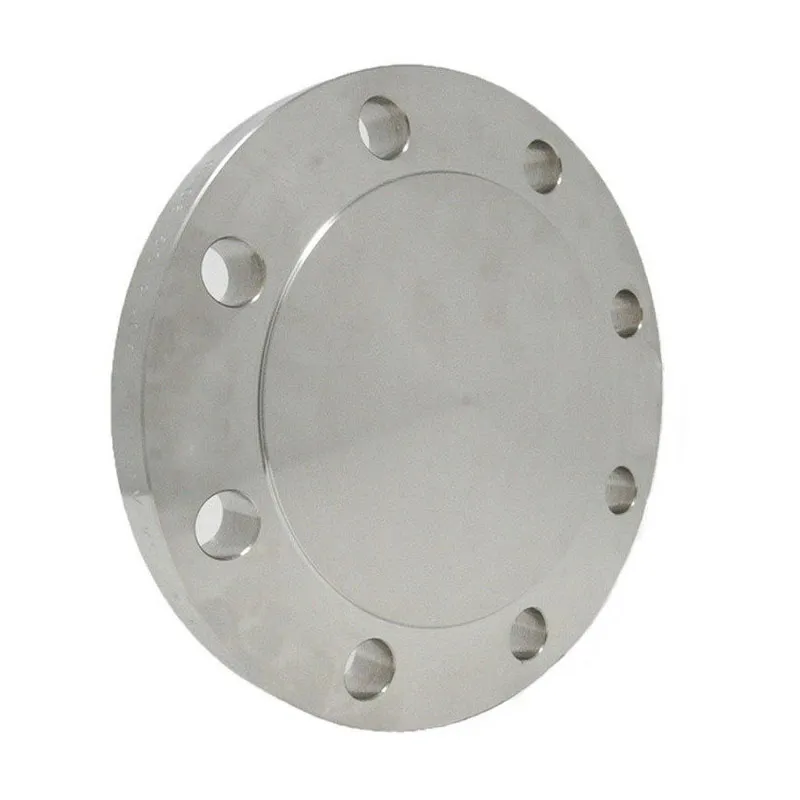 Blind flanges Class 150
 -
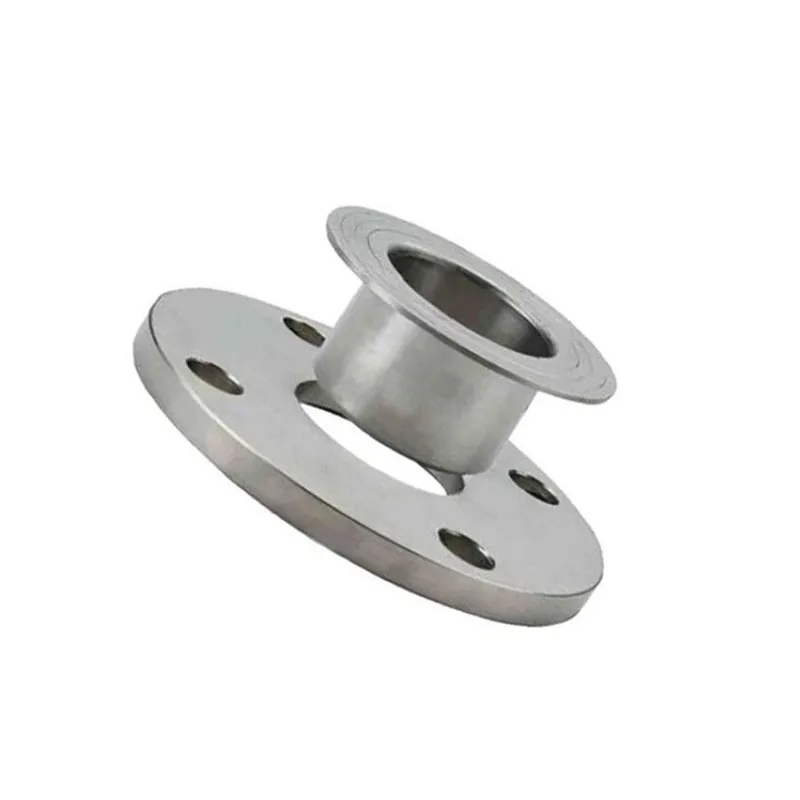 Free ring flanges Class 400
 -
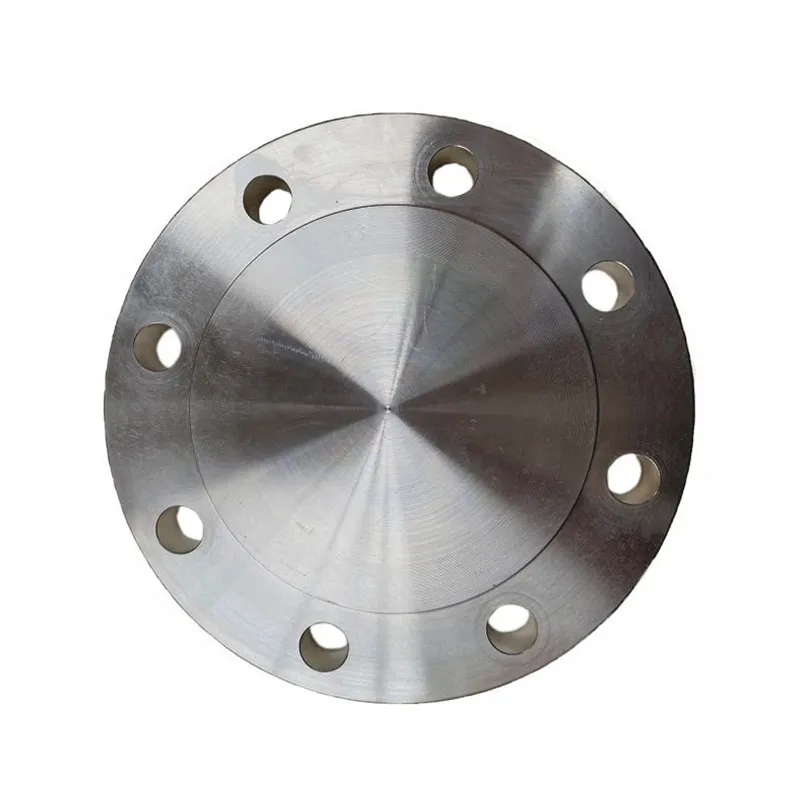 DIN 2527 Blind flanges PN10
 -
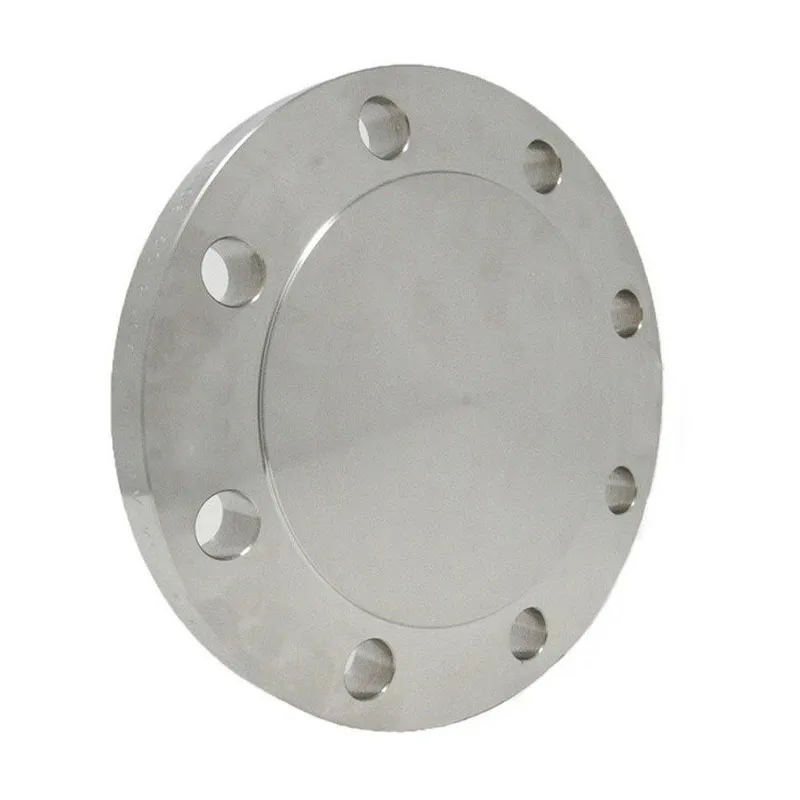 EN 1092-1 Blind flanges Type 05, PN10
 -
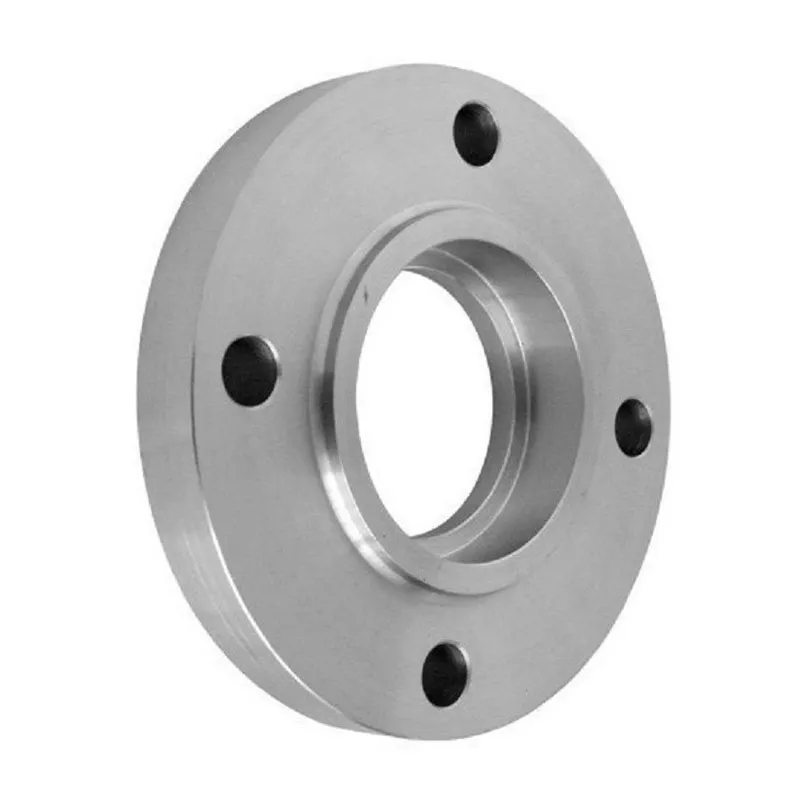 Socket Weld Flanges Class 300
 -
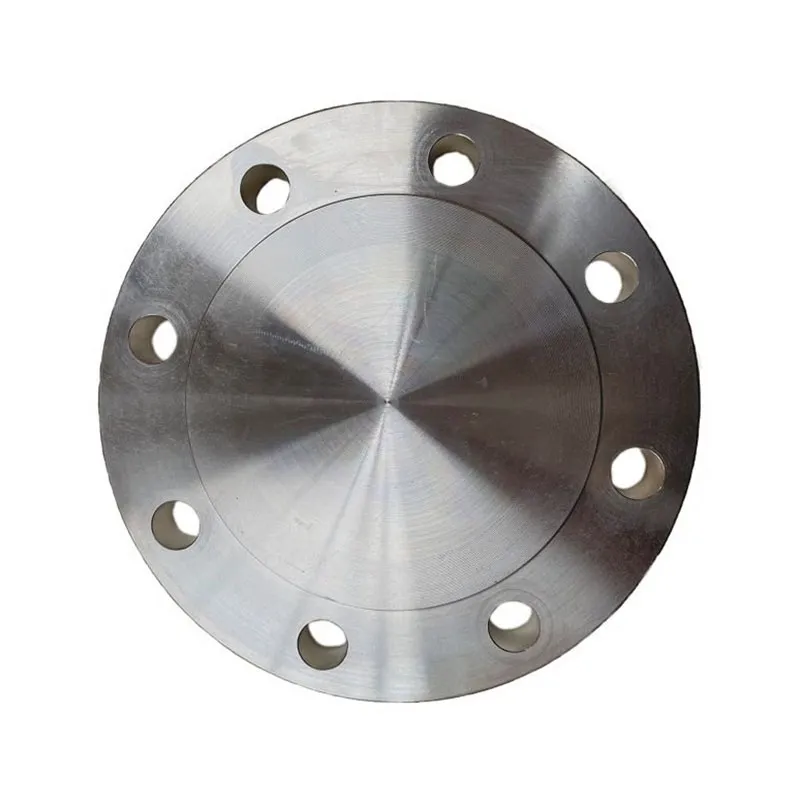 UNI 6092 Blind flanges PN10
 -
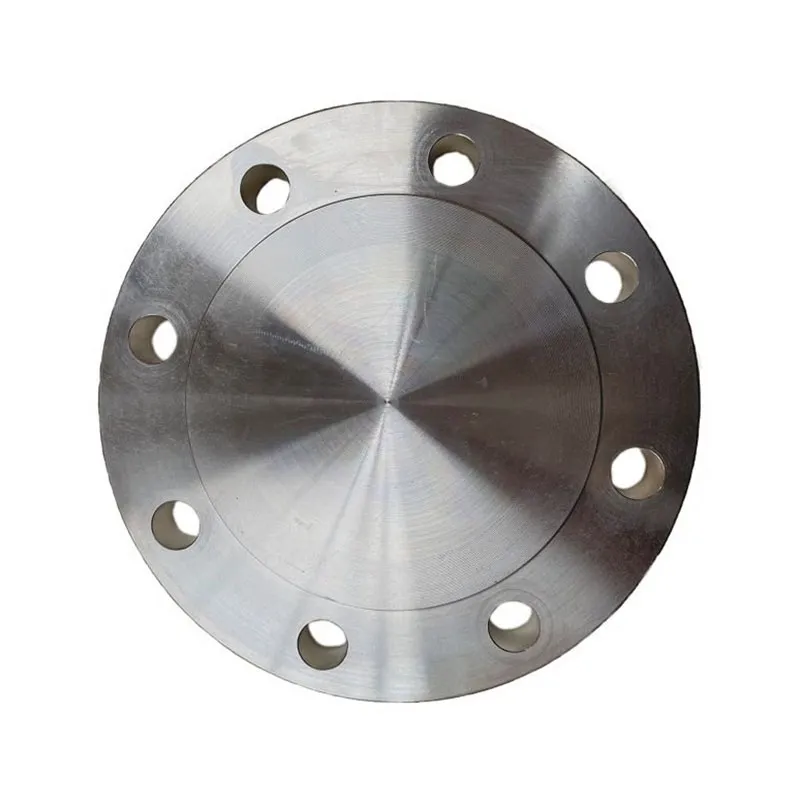 ASME B16.47 Ser.A Blind Flanges Class 400
 -
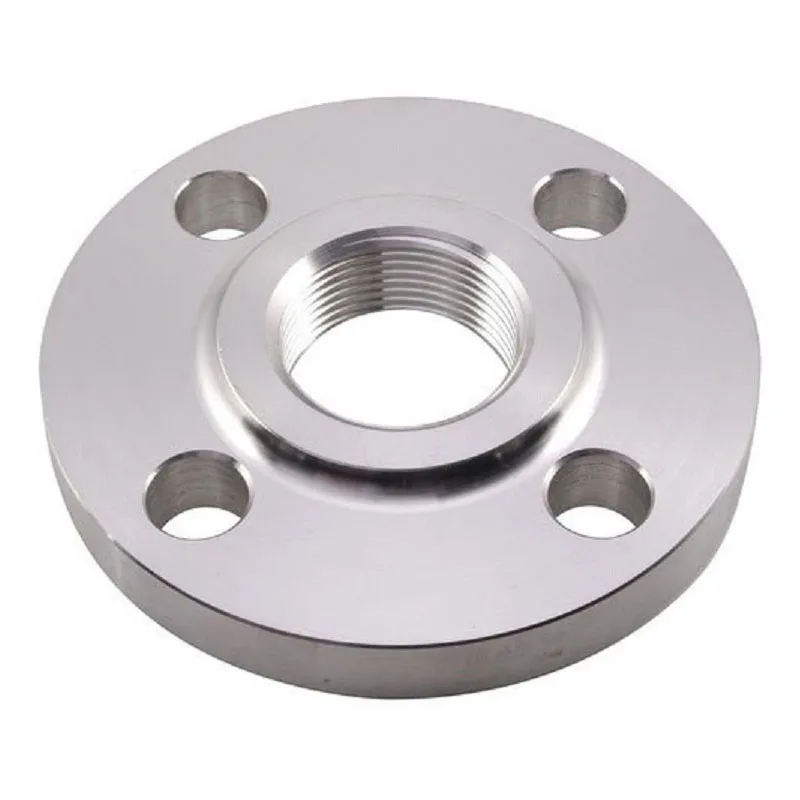 DIN 2566 Threaded flanges PN16
 -
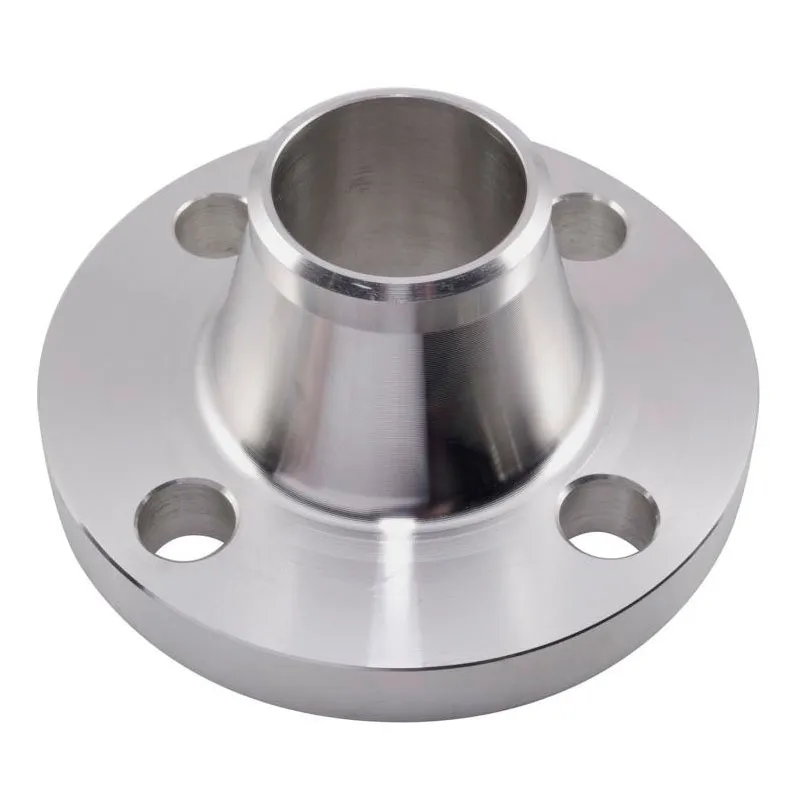 DIN Butt weld flanges PN10
 -
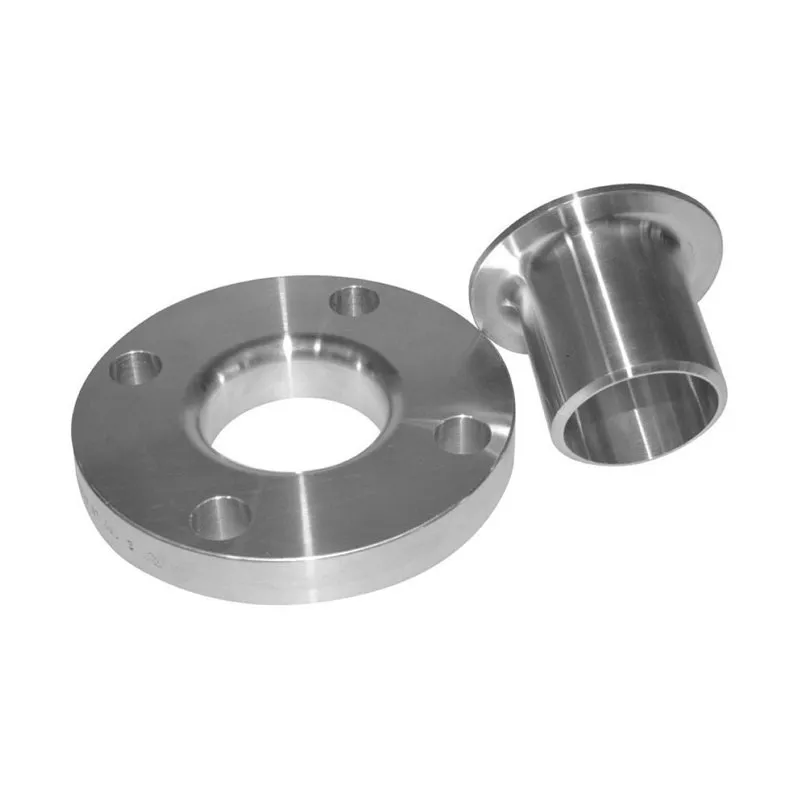 Free ring flanges Class 150
 -
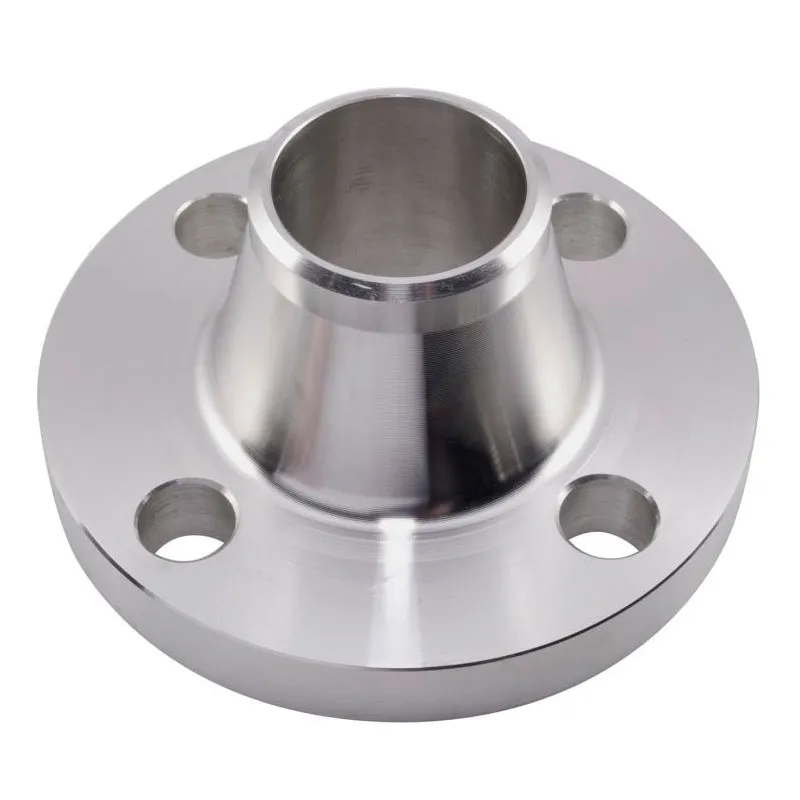 UNI 2281 Butt weld flanges PN10
 -
 Butt weld flanges Class 900