
-
-
Phone
+86-13623462298



welded steel flange 200
When you see a request like “welded steel flange 200”, the first thing that comes to mind is that a person is looking for a part for a pressure of 20 atmospheres in a nominal bore of 200 mm. But here lies the first pitfall. The number 200 is usually DN, but is often confused with outside diameter or pressure in specifications. I myself have encountered many times when they sent a drawing with the designation “Flange 200?”, but in fact it was needed for PN16, but with connecting dimensions for the old GOST 12820-80, and not for the modern GOST. Or, even more fun, under ASME B16.5 Class 150. So what's ?200? This is just the entry point, and then the real work begins.
Not just steel, but what kind of steel exactly?
?Steel? - this is also an elastic concept. For the same DN200 that goes to pipelines, say, heating water, St20 is often sufficient. But if we are talking about a chemical environment, not even the most aggressive one, or about elevated temperatures of 400-450°C, then you are already getting into the range of 09G2S or even 12Х18Н10Т. I remember a project where the customer initially requested “regular steel?” for flanges on a steam pipeline, but according to technical conditions the temperature was 425°C. I had to explain that St3sp would not meet the heat resistance requirements, there would be creep, and the connection could leak. Convinced me to switch to 15X5M. The key is to understand the environment. Without this, even the highest qualitywelded steel flangewill become a source of problems.
And then there is the story of forging. Cast flanges with such diameters run the risk of porosity and hidden sinkholes. We always insist on forged ones, especially for critical components. The free forging or stamping method produces a more uniform metal structure. Here, for example, onwelded steel flange 200We used a forging for the valve on the main gas pipeline. The workpiece—rolled product or ingot—is forged to “break?” cast structure, then the flange itself is made. The mechanical properties after this are completely different, the impact strength is higher. These are not just words, this can be seen from the results of ultrasonic testing and mechanical tests.
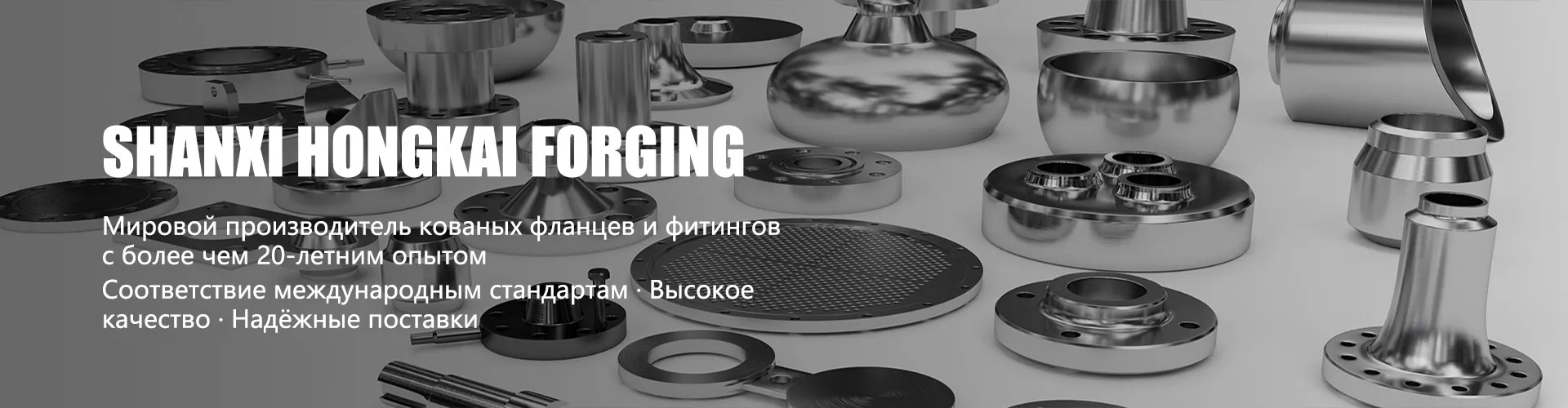
And here it is worth mentioning the suppliers who really know the topic of forging. One of these isShanxi Hongkai Forging Co.,Ltd(website -https://www.hkflange.ru). This is not just a trader, but a manufacturer who sits in one of the forging centers of China. They just produce forged flanges and forgings in accordance with GOST, ASME, EN. For me, their advantage is that they can work according to standard sizes and according to customer drawings. When a non-standard adapter flange DN200 to DN150 with special dimensions for a collar was needed, they made it for forging, rather than a welded assembly - this is more reliable.
Butt weld or flat? Eternal dispute
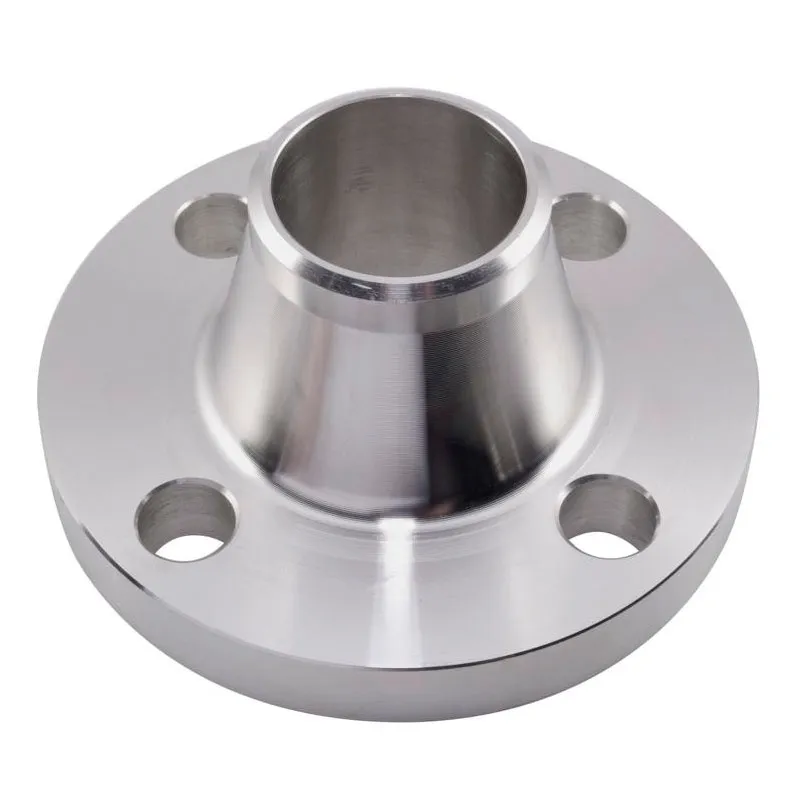
The request specifies “welded”, but which one exactly? Butt (collar) or flat? For DN200 the difference is fundamental. Welded butt (GOST 33259, also an analogue of ASME B16.5 Weld Neck) is my choice for everything that operates under pressure above 10 atm, with thermal expansion or vibration. The tapered neck design smoothly redistributes stress from the pipe to the flange. It has a butt weld, it can be welded normally and checked by radiography.
A flat welded flange (GOST 12820) for DN200 is already history for low pressures (PN6, PN10), mainly for water supply and ventilation. It is welded with two fillet welds - on the inside and outside. Temperature deformations may cause cracks in these seams. I had a case at a boiler room where flat flanges for DN200 were installed on the coolant return (only 90°C). After two heating seasons, microcracks appeared along the external seam. We replaced them with butt joints and the problem went away.
So, when you see “welded”, always check the type. And one more nuance: for a butt flange, the exact bevel for welding (usually 37.5°) and the condition of the end are important. A poorly processed end will lead to lack of penetration. We always check this unit, especially for deliveries from abroad. At the sameShanxi Hongkai Forging Co.,Ltdthe nomenclature clearly defines both types - butt-welded and flat flanges, so you can choose according to the task.
DN200 is about dimensions and more
A nominal bore diameter of 200 mm would seem to be the standard. But then the geometry begins: the outer diameter of the flange, the diameter of the bolts, the number and size of holes for the studs. For PN16 according to GOST 33259, the DN200 flange will have 8 holes for M20 studs. And according to ASME B16.5 Class 150 there are also 8 holes, but for 3/4' bolts. And they are not interchangeable! If there is a mistake in this, the fastener kit will not fit and you will not be able to install the gasket.
Another point is the design of the sealing surface. For DN200, version ?B? is often used. (protrusion-recess) or ?E? (tongue and groove), especially for environments where tightness is important - gas, toxic liquids. And for water or steam, the execution “Ah?” is often enough. (smooth). But if the system has frequent water hammer, thenwelded steel flange 200It’s better to install a “tenon and groove”, it better keeps the gasket from being squeezed out.
Working with different suppliers, I noticed that not everyone pays attention to the cleanliness of the surface treatment. Small marks from processing are normal, but scuffs or dents are defective. We always check this point upon acceptance. In the company descriptionShanxi Hongkai Forging Co.,Ltdit is stated that they operate according to international standards. From the experience of ordering from them, the surface for the gasket is well processed, without burrs, which is important for the tightness of the joint.
From drawing to bolt: assembly and installation
Let's say the flange is perfect. But installation can ruin everything. For DN200, the order in which the studs are tightened is important. You need to go criss-cross, without tightening one bolt all the way at once. We use a torque wrench to achieve even force. If you tighten it unevenly, the flange may “lead”, misalignment will occur, and the gasket will not seal along the entire contour. I saw how, during the installation of a gas line, due to haste, the studs were tightened in a circle. As a result, there was a leak during testing, I had to unscrew it, change the gasket and do it all over again.
Gasket is a separate issue. For DN200 for medium pressure steam we often use paronite. But if the temperature is above 450°C, then graphite or spiral wound is needed. And its internal diameter must exactly match the internal diameter of the flange, otherwise there will be turbulence of the flow and erosion.
And the last thing is welding. A weld flange, especially a butt weld, requires the right welder. The root of the seam must be welded, but without burns. For St20 steel, these are usually UONII type electrodes or analogues. After welding, it would be good to anneal it to relieve stress, especially if the pipe wall thickness is large. This is not always done, but for responsible lines it is mandatory.
Instead of a conclusion: thinking out loud
So when you think aboutwelded steel flange 200, you can’t stop at these three words. You need to get into the technical conditions, the environment, the operating mode. You need to understand what it is made of and how it is made—forged or not. You need to check the geometry and surface quality. And, of course, you need to install it correctly. This is not just a piece of hardware, it is a unit on which it depends whether the system will stand or leak. Sometimes it seems that it is easier to buy something cheaper, but saving on such things is more expensive for yourself. It is better to work with those who are in the subject of production, like the sameShanxi Hongkai Forging Co.,Ltd, which are made according to standards and can give normal certificates. This is not an advertisement, but a statement - with them there are fewer headaches regarding the quality of the forging itself. And the rest depends on us, installers and designers.
Correspondingproducts
Related Products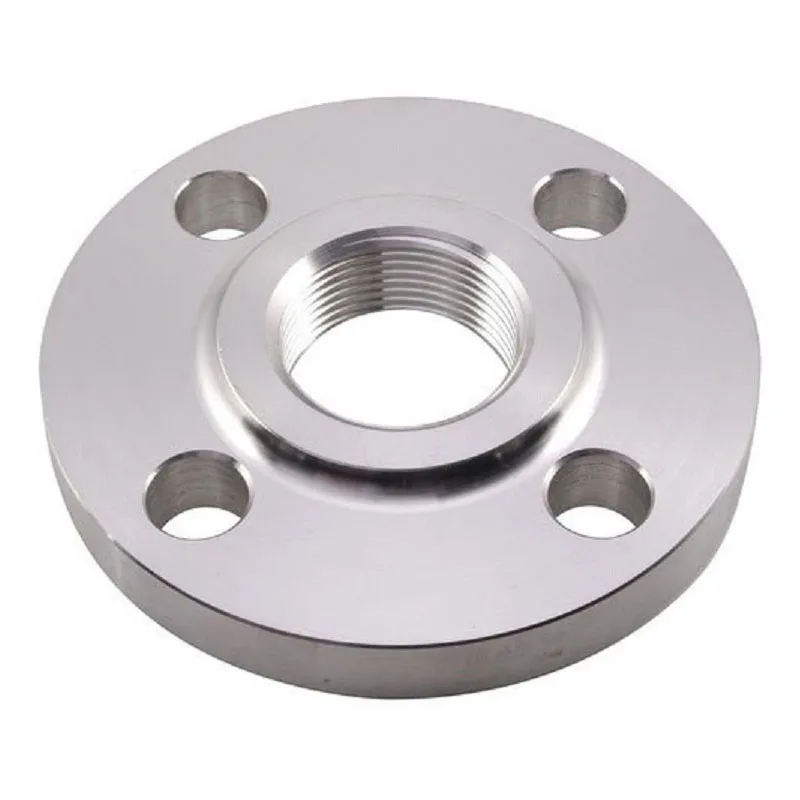
Best Sellingproducts
Best Selling Products-
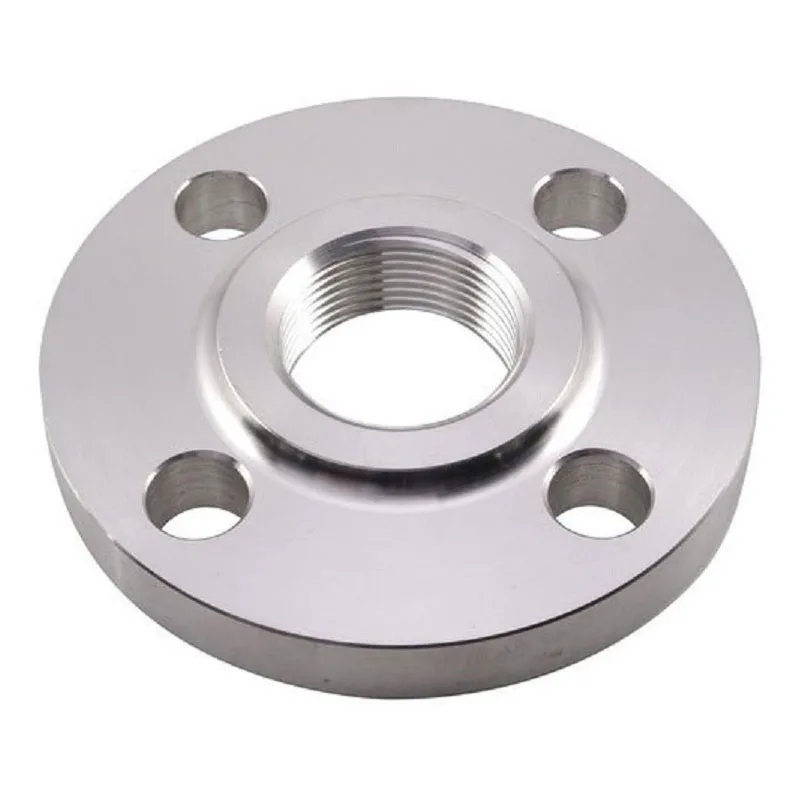 JIS 10K Threaded Flanges
 -
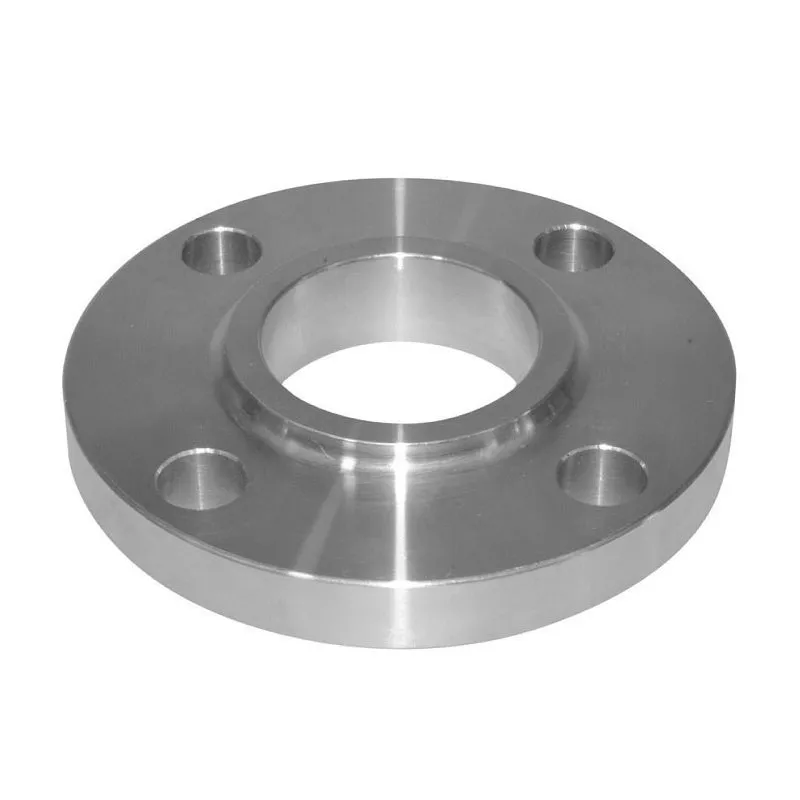 ANSI B16.5 Lap-on flanges Class 1500
 -
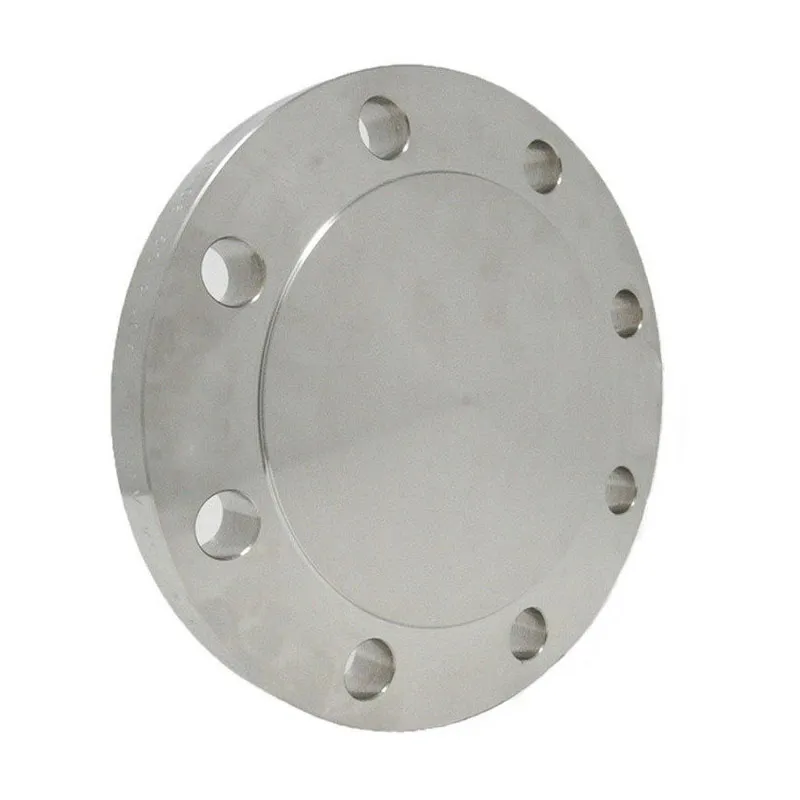 AWWA Blind Flanges Class D (Tables 1, 2, 3)
 -
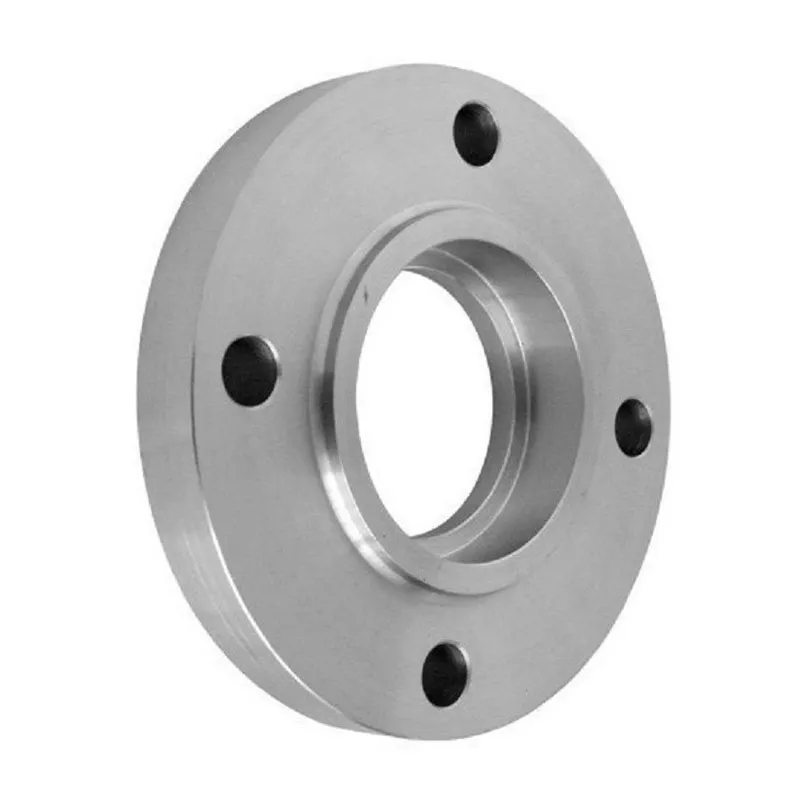 Socket Weld Flanges Class 300
 -
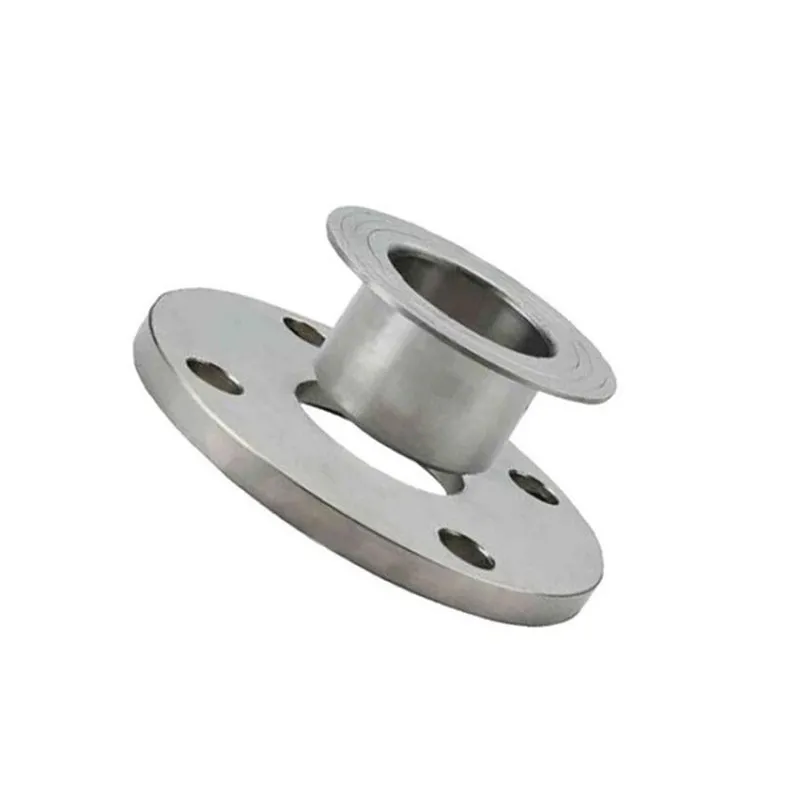 JIS 10K Loose Ring Flanges
 -
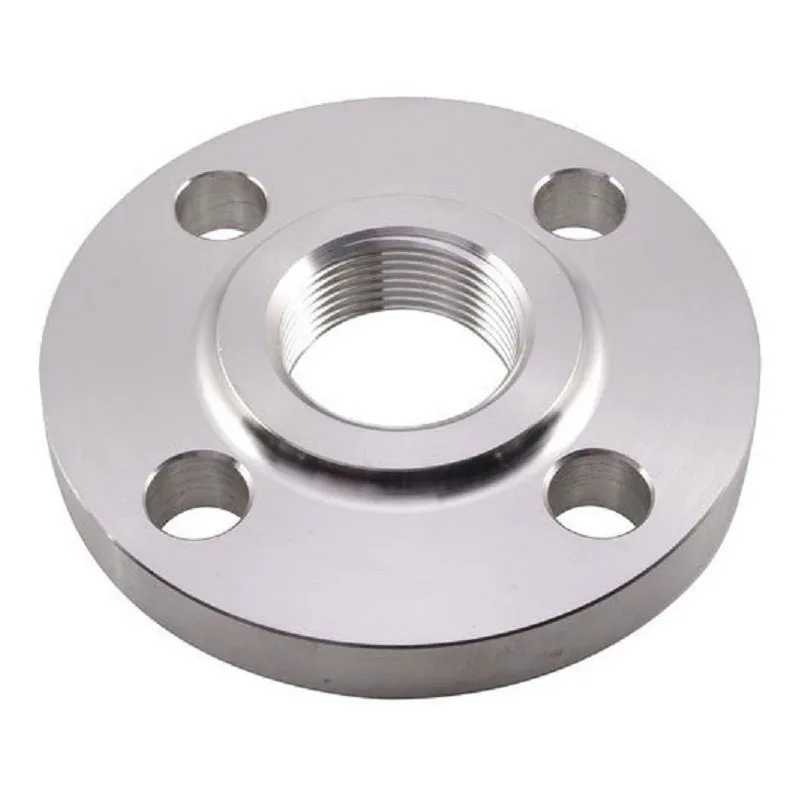 ANSI B16.5 Threaded Flanges Class 600
 -
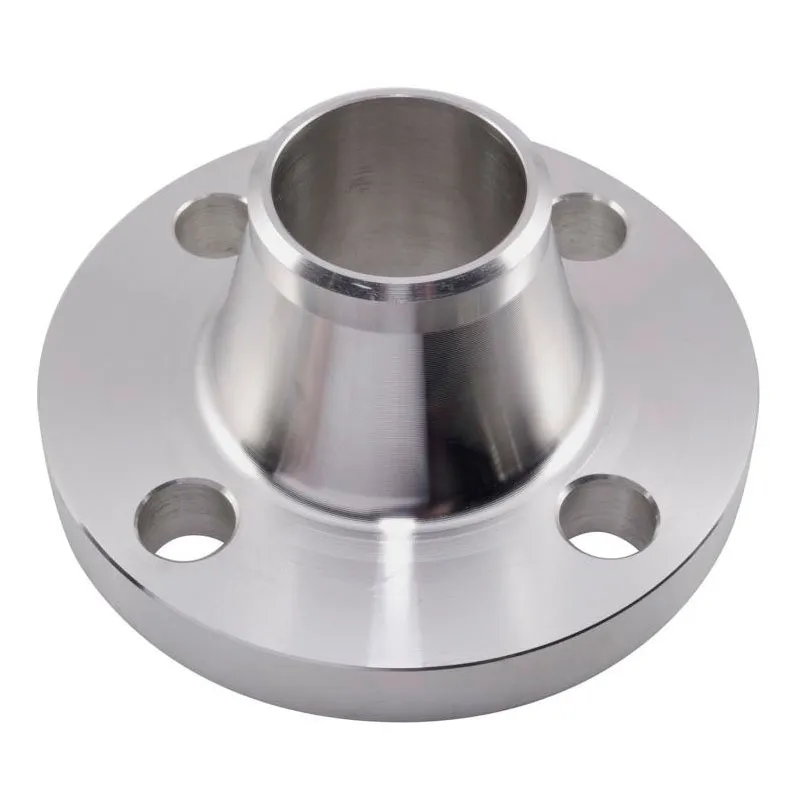 DIN Butt weld flanges PN10
 -
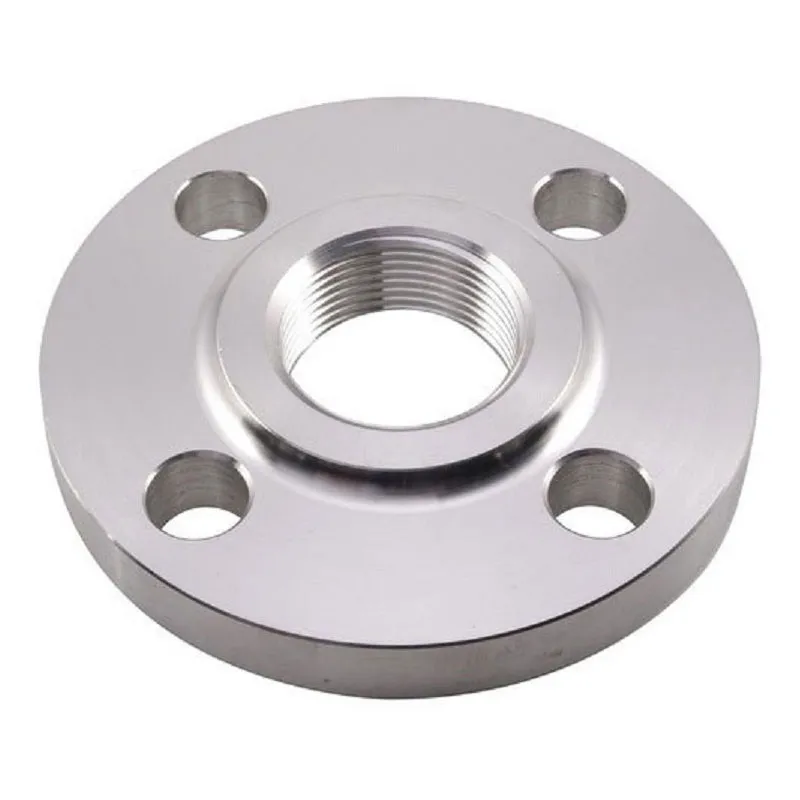 DIN 2565 Threaded flanges PN6
 -
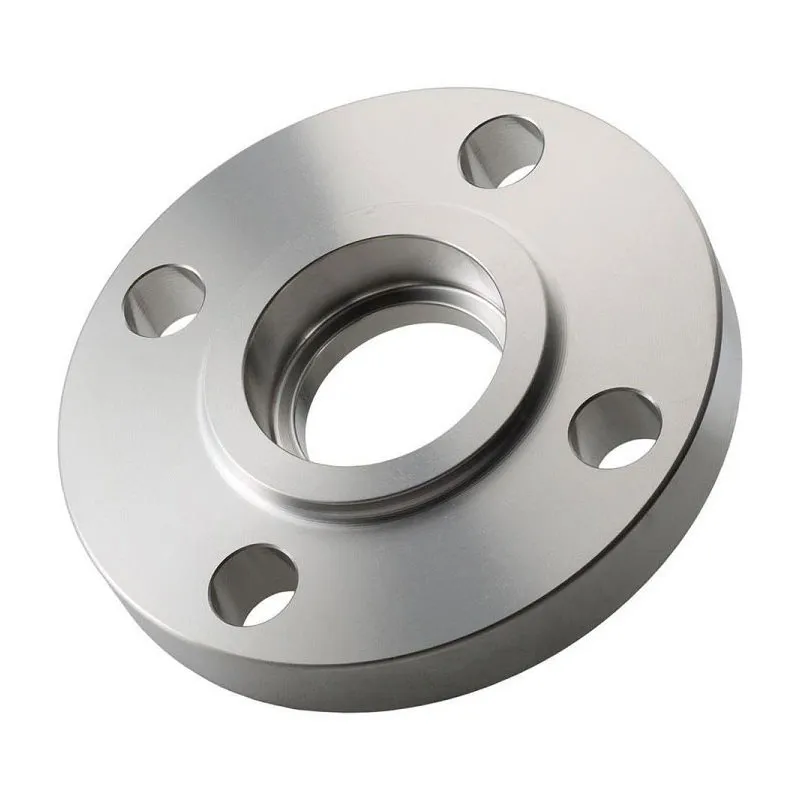 Flanges for socket welding
 -
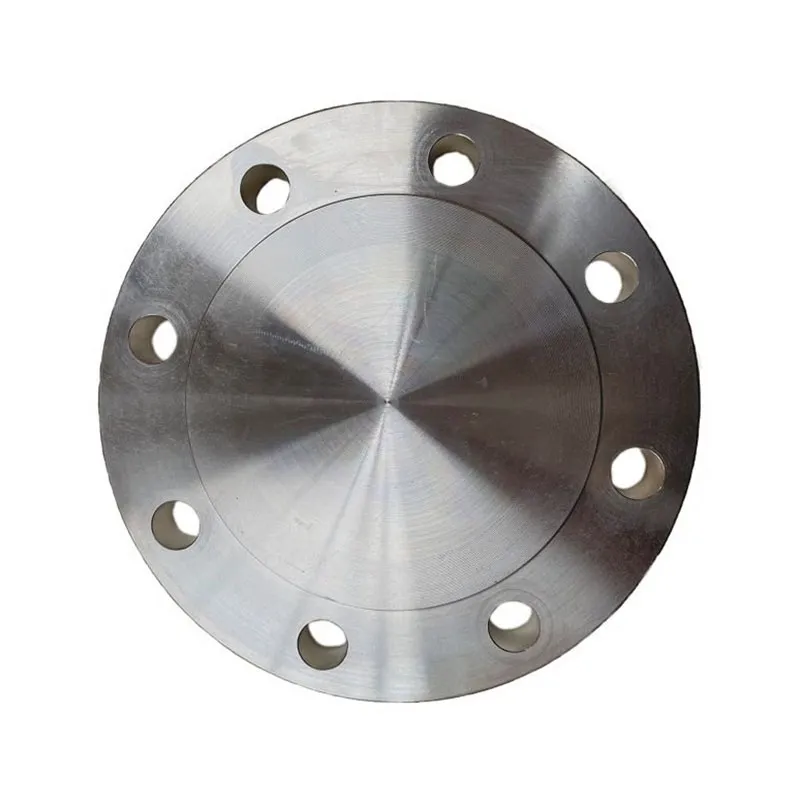 UNI 6092 Blind flanges PN10
 -
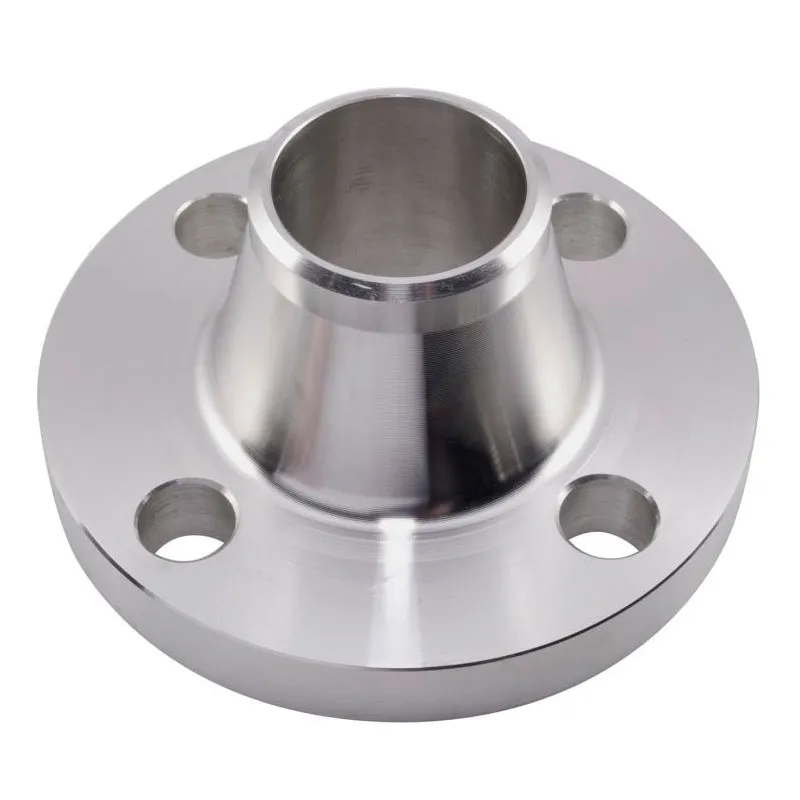 UNI 2281 Butt weld flanges PN10
 -
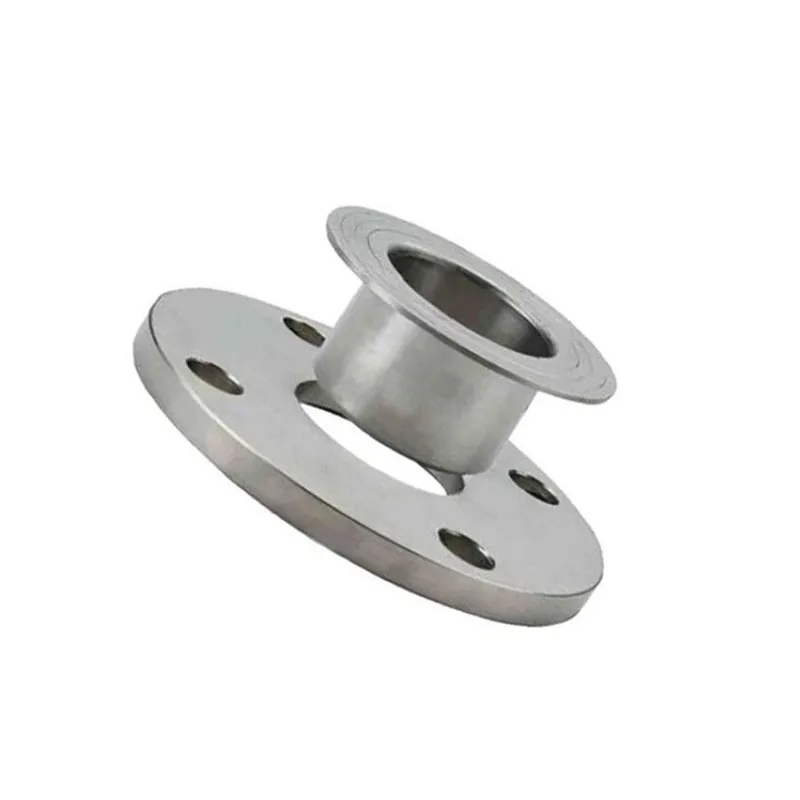 Free ring flanges Class 400