
-
-
Phone
+86-13623462298



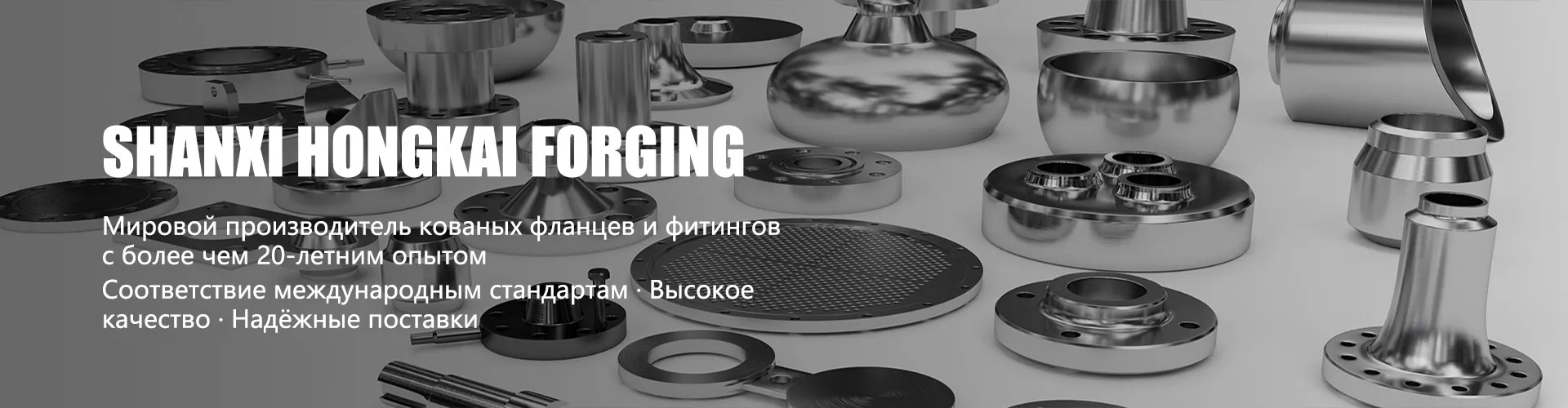
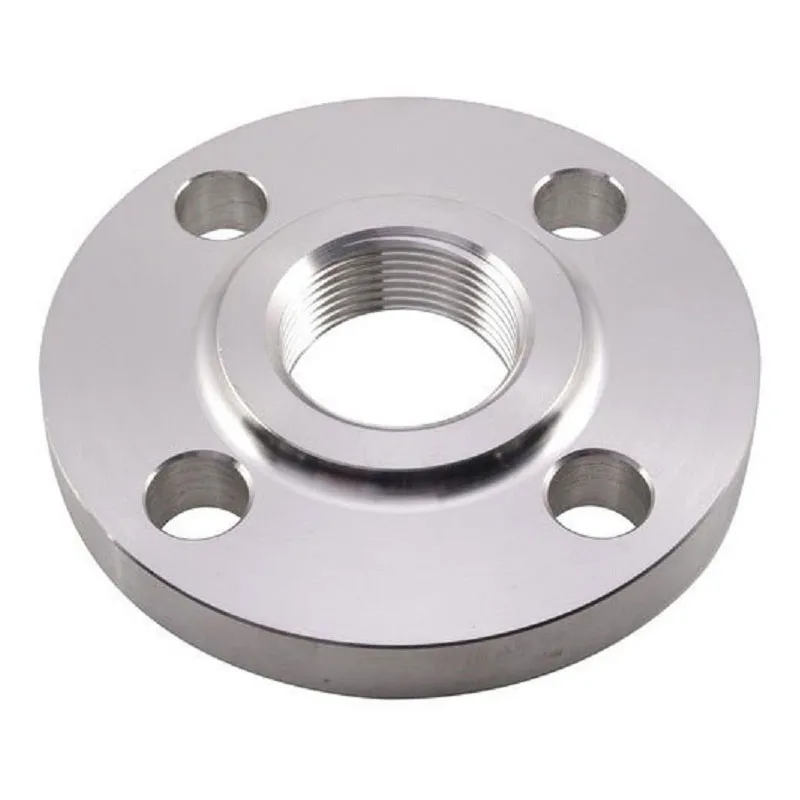
steel clamping flange
When they talk aboutsteel clamping flange, many immediately imagine some kind of simple clamping bar, an auxiliary part. And this is the first mistake. In fact, this is often a critical node in systems where quick access is needed for inspection or cleaning, but there is no possibility or need to make a welded joint. For example, in filters, some types of heat exchange equipment, on lines where the medium is periodically changed. But the problem is that many people think that since it is “clamping”, then the requirements for material, surface treatment and accuracy can be reduced. How wrong they are.
Where does the problem come from: standards and “almost-standards?”
Standards are good. GOST, ASME, EN - they specify the basic geometric parameters, tolerances, and steel grades. But withsteel clamping flangeoften the fun begins. It also works in tandem with a counter flange, which is already welded to the pipe or apparatus. And if this counter flange is made with a minimum minus thickness tolerance, and the clamping flange is made with a minimum plus tolerance, then a gap may appear during assembly. Or vice versa - don’t get up. This is especially tricky with large diameters, from DN500 and above.
We had a case at a chemical plant near Perm. We ordered a kit according to EN 1092-1, Type 01, with a diameter of DN800. Everything is according to the drawings, everything seems to be according to the standard. And during installation there was a discrepancy of literally a millimeter, but because of this the gasket did not cover the entire surface. I had to urgently modify it on site and remove the chamfer. Waste of time, nerves, money. And the root of the evil is that both flanges were made “to tolerance”, but at different factories, and their “total error?” turned out to be critical. After this, we always recommend ordering a pair for critical components - both welded andclamping flange- from one manufacturer, so that there is a guarantee of their joint processing and fit.
By the way, about the manufacturers. I'm looking at a lot of offers on the market right now. But when I need stability for serial deliveries or a complex non-standard size, I often turn to proven ones. For example, there is a plant in China called Shanxi Hongkai Forging LLC. (website -hkflange.ru). They have been on the market for several years and specialize specifically in forged flanges and forgings. Why forged? This is important for clamping machines - forging gives a more uniform metal structure, there are no internal cavities that can be in casting. Especially for pressures above 16 atmospheres or aggressive media. Their assortment includes sizes up to DN4000, which is relevant for large projects. And they work in accordance with GOST, ASME, EN, DIN - that is, they can make the mating part to the required standard.
Material: not just ?steel 20?
Specifications often write ?Steel 20? or ?St3sp?. And everyone thinks - well, ordinary carbon steel, nothing complicated. But forsteel clamping flangethe material is half the success. Firstly, the delivery condition is important - hot-rolled sheet or forging. Forging, I repeat, is more reliable. Secondly, even within the same brand there are nuances in the chemical composition, especially in impurities - sulfur, phosphorus. Their increased content makes the metal prone to cold brittleness or red brittleness when welding (if something is welded to it, for example, slinging eyes).
We worked with the condensate line at a thermal power plant. The temperature is about 150°C, the pressure is low. But the heating-cooling cycles? permanent. We installed flanges from regular St3 from an untested batch. Six months later - microcracks in the area of the holes for the studs. Not through, but visible during examination. Replaced with flanges made of steel 20, but with a guaranteed impact rating of KSU at -20°C. The problem is gone. Conclusion: the material must be selected not only by strength, but also by operating temperature and cyclic loads. For low temperatures it’s a completely different story; alloy steels of type 09G2S are needed there.
The manufacturer I mentioned, Shanxi Hongkai Forging Co., Ltd., in my description (hkflange.ru) directly indicates production according to international and national standards. This is important because the standard is not only dimensions, but also regulated chemical composition and mechanical properties for each grade of steel. When a manufacturer declares work to ASME, it means the material will comply with SA-105 or SA-266, and this is another level of control.
Surface and seal: that same “mirror” quality.
There are, perhaps, the most myths here. Many are sure that the more mirror-like the seal surface (end surface), the better the seal will be. In fact, most gaskets (paronite, fluoroplastic, spiral-wound) require not a mirror-like surface, but a uniform rough surface. A certain risk from processing helps the gasket to “snack” and do not squeeze out under pressure. A mirror surface (like after polishing) can cause the gasket to slip when tightened.
But there is a subtlety here too. This surface must be exactly uniform, without marks from the cutter jumping, without scoring. And be sure to be perpendicular to the axis of the holes for the studs. If there is a misalignment, even by half a degree, uneven pressure is created on the gasket when tightening. First, it will leak during hydrotesting, but during operation, due to thermal expansion, the problem will worsen. We always check in a simple way - with a square and a feeler gauge, but for large diameters more accurate methods are needed.
Forclamping flange, which is often removed and installed, the condition of this surface is critical. Every time you tighten there is microscopic deformation. Good forging and proper heat treatment (normalization) allow this surface to maintain its geometry longer. The same Hunkai, judging by the description of their nomenclature, is based on forged blanks. And forging with subsequent normalization just relieves internal stresses and ensures dimensional stability during machining and further operation.
The fastener and its ?invisible? role
Studs, nuts and washers are often the last thing people remember. Like, let's buy standard ones. But this is a system.Steel clamping flangerests only on them. And there are two key points here: the strength class of the fastener and the tightening pattern.
If you use weak fasteners (eg 4.8 grade), they may not provide the required pre-tension force. And if you overtighten it, it will stretch out or burst. You need high-class fasteners (8.8, 10.9), preferably with galvanic or other coating to protect against corrosion. Otherwise the studs will get stuck? to the flange, and during the next disassembly they will be cut off.
The second is the puff. Tighten "crosswise" - this is the alphabet. But on diameters from DN300 and above, with a large number of studs, this is not enough. You need a torque wrench and a clear sequence of several passes, with a gradual increase in torque. Ideally - hydraulic tensioners. We had a sad experience when, on a DN1200 filter assembly, the installers tightened all the nuts from one end in a circle. As a result, the flange moved, resulting in a wedge of several millimeters. The gasket broke during the first tests. I had to remove it, check the geometry of the flange (fortunately, it wasn’t bent) and reassemble it, but with control.
When you need a non-standard: going beyond DN4000
Standards are good up to a point. What to do when you need a flange for a DN4500 pipeline? Or with non-standard markings of holes for an old, still Soviet device? This is where the real engineering begins. It is necessary not only to make a piece of iron according to the drawing, but to calculate: how to forge it (with a solid forging or segments followed by welding?), how to process it (is the machine enough?), how to heat treat it to relieve stress after welding.
In the description of Shanxi Hongkai Forging Co.,Ltd. (hkflange.ru) it is explicitly stated that they make non-standard products according to customer drawings. For a large clamping flange this is often the only way. It is important that the manufacturer has experience in the forging business, and is not just a machine shop. Because the quality of the final product depends on the technology of forging or stamping the workpiece. Forging allows you to obtain the optimal direction of the metal fibers, increasing strength in the most loaded areas - at the holes and at the internal diameter.
We once ordered such a non-standardclamping flangefor reconstruction of the scrubber tower. The diameter was large, plus additional lugs for the sensors were required. They made it from two half-segments, welded it, then normalized it. The most difficult thing was to ensure flatness after welding - we had to do finishing machining on a special gantry machine. But they did. The key was the dialogue with the plant’s technologists at the stage of discussing the drawing, where they proposed the optimal, from their point of view, manufacturing method.
Bottom line: not a part, but a system
So what's all this for?Steel clamping flange- this is not just a ring with holes. This is an element of a flange connection, and it should be considered only in conjunction: mating flange + gasket + fasteners + the pressure flange itself. An error in any of these elements negates the reliability of the entire assembly.
Choosing a manufacturer is a choice of responsibility. When you see that a company, the same Shanxi Hongkai Forging LLC, positions itself as a manufacturer in one of the main centers of the forging industry and focuses on meeting standards, it inspires a certain confidence. Especially if supplies are needed for a project where consistency of parameters from batch to batch is important.
Ultimately, success is in the details. In the right material, in precise processing of the sealing surface, in the competent selection of fasteners and, no less important, in installation technology. You can have a perfect flange, but ruin everything with a crooked tightening. And vice versa - even a flange with slight deviations can sometimes be installed correctly if you know these nuances. Experience here is an irreplaceable thing. And it consists, alas, often of such jambs and their subsequent analysis.
Correspondingproducts
Related Products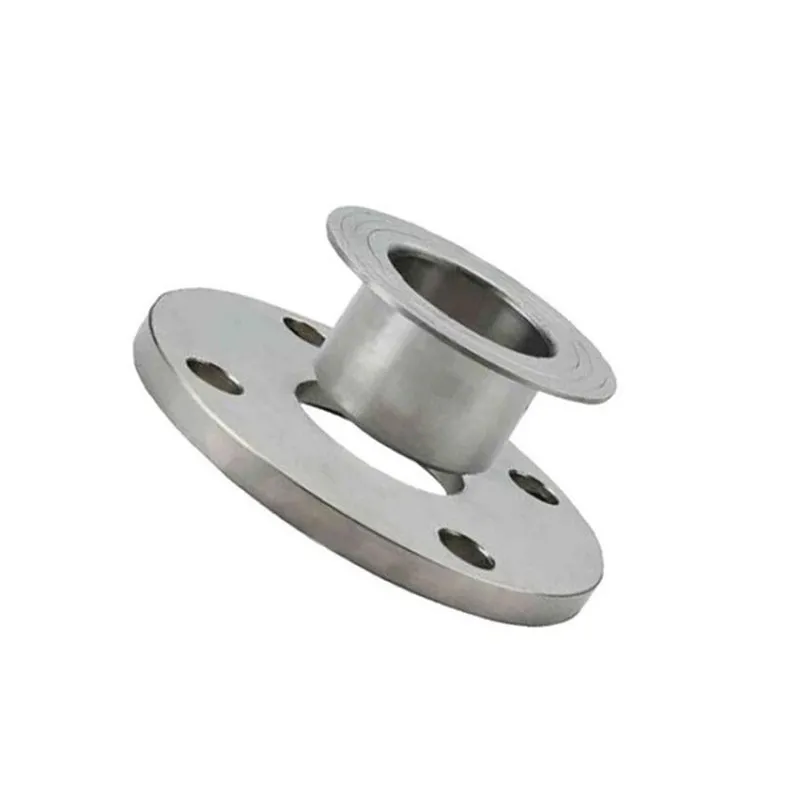
Best Sellingproducts
Best Selling Products-
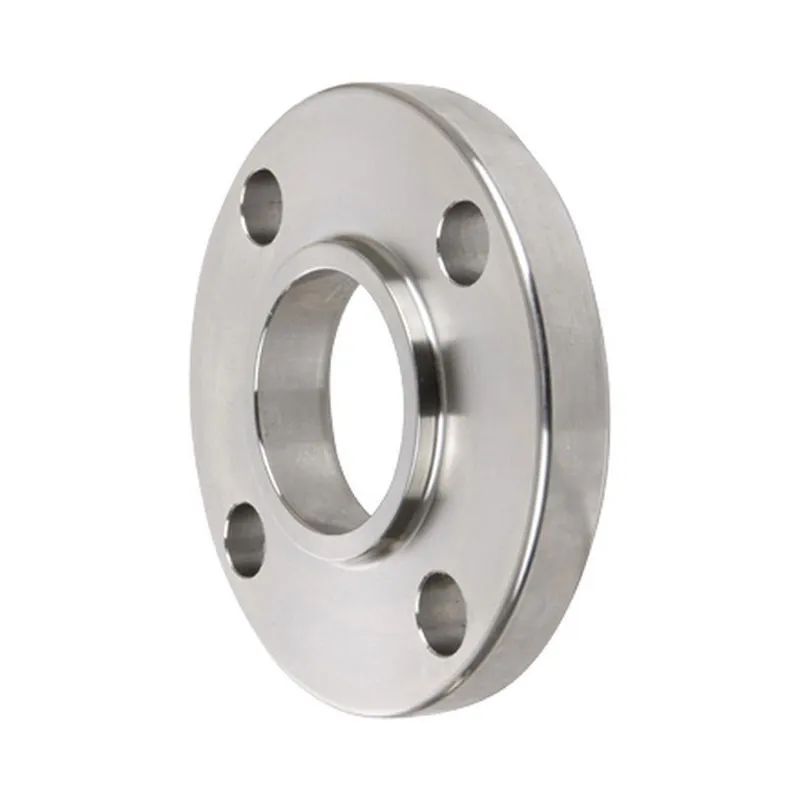 DIN 2501 Overlay flanges PN16
 -
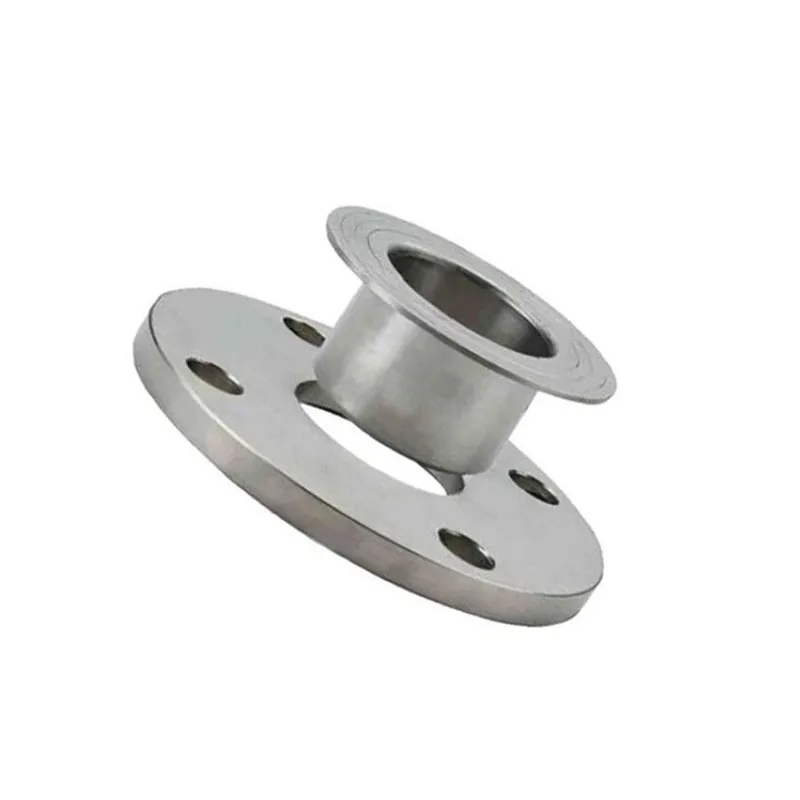 Free ring flanges Class 400
 -
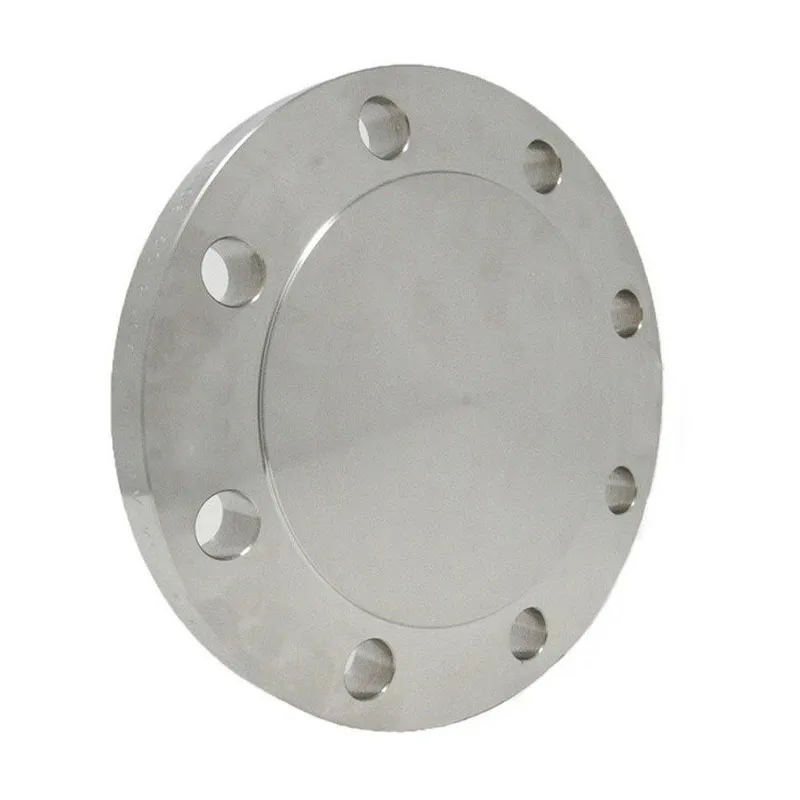 EN 1092-1 Blind flanges Type 05, PN10
 -
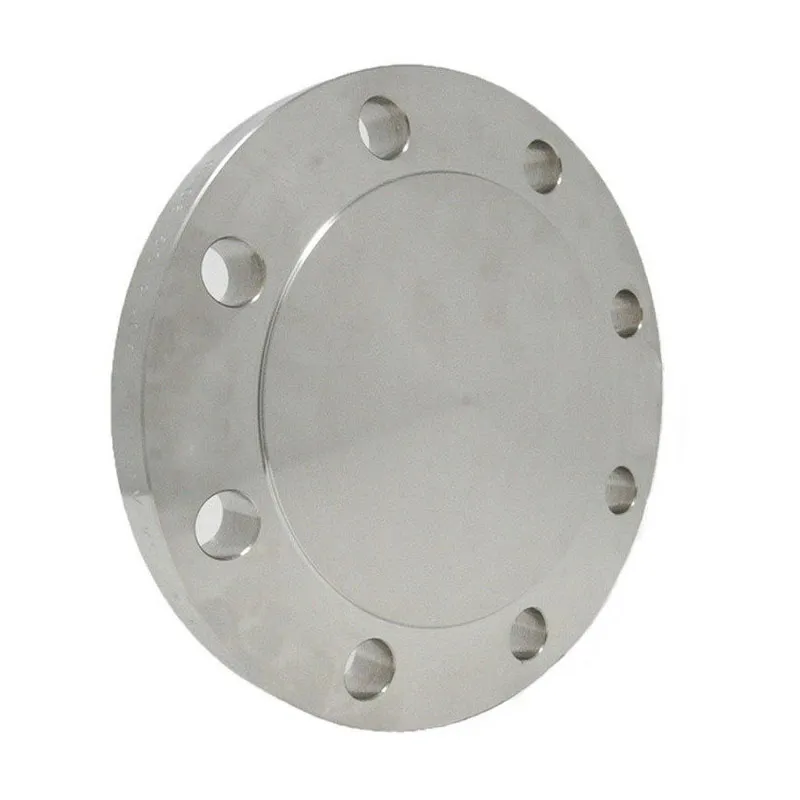 AWWA Blind Flanges Class D (Tables 1, 2, 3)
 -
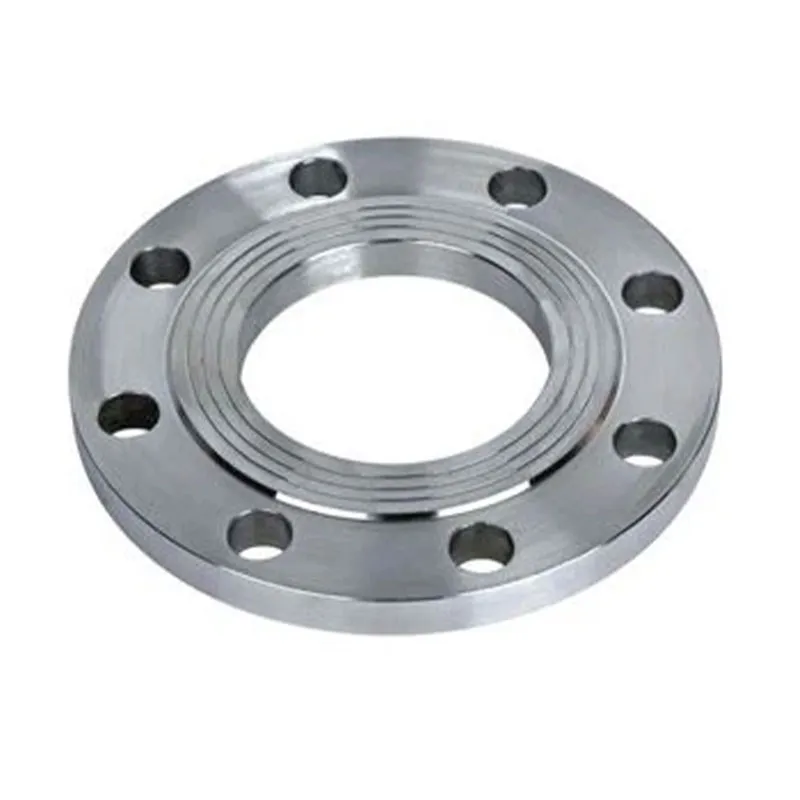 Butt weld flanges Class 150
 -
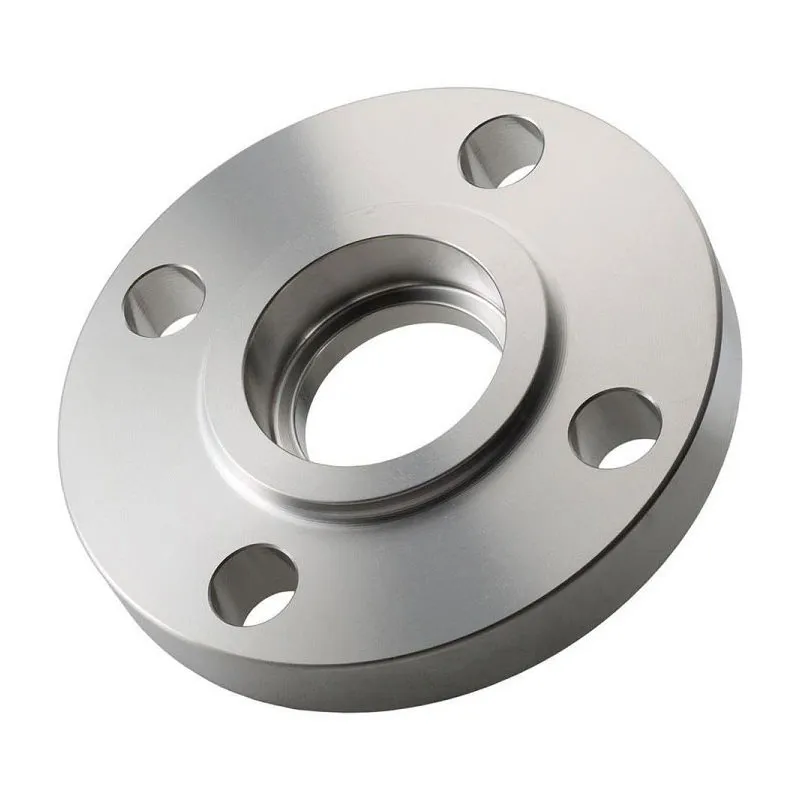 Flanges for socket welding
 -
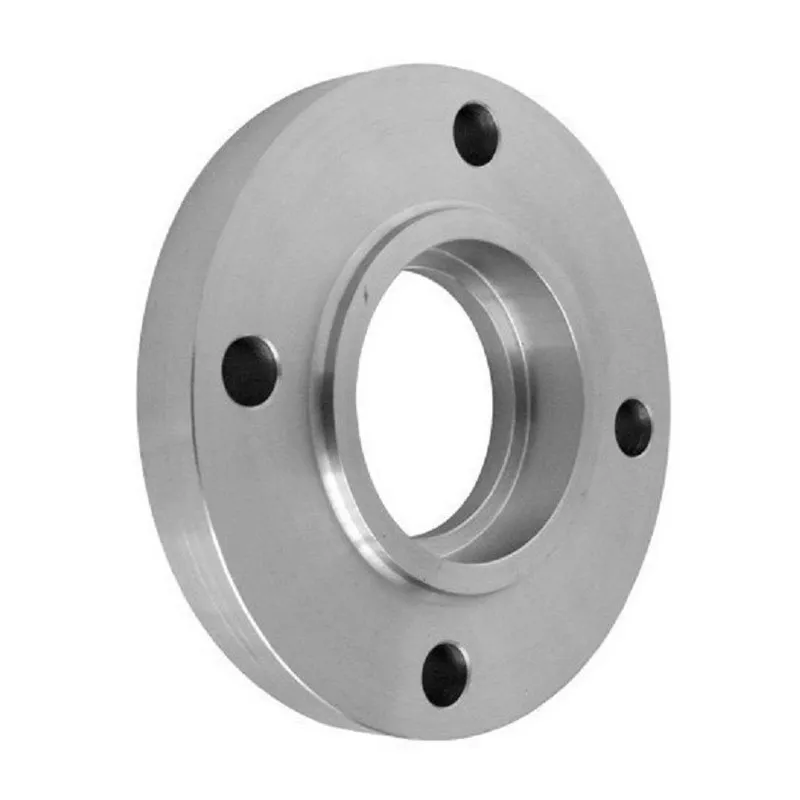 JIS 5K Socket Weld Flanges
 -
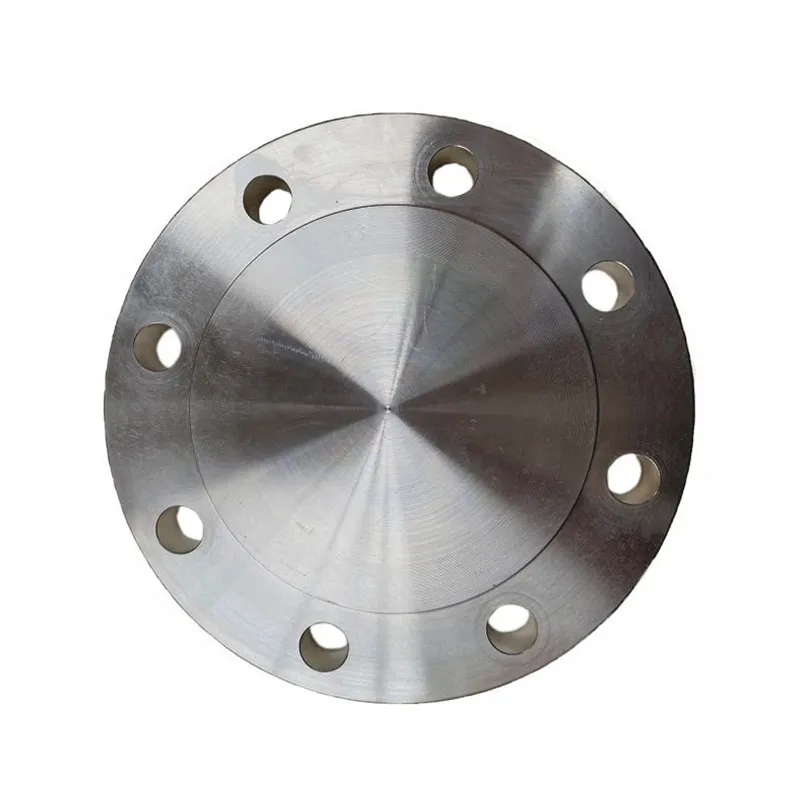 DIN 2527 Blind flanges PN10
 -
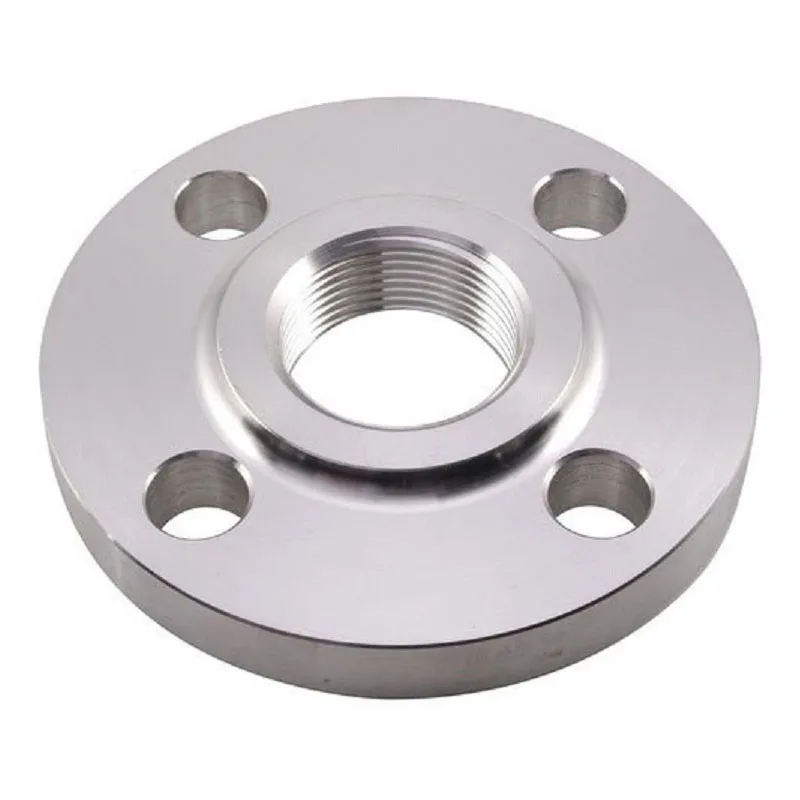 DIN 2566 Threaded flanges PN16
 -
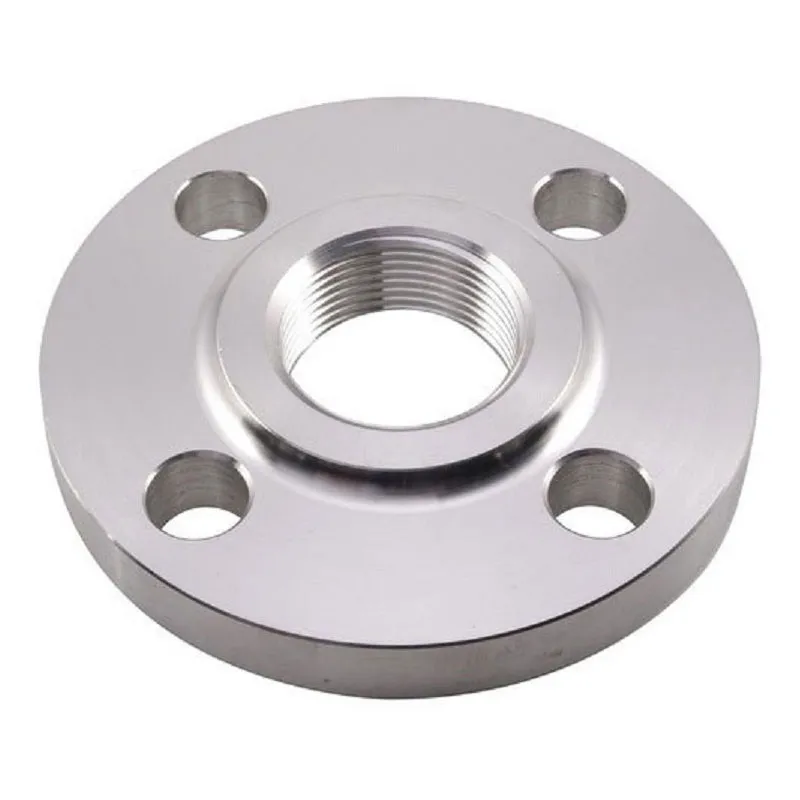 DIN 2565 Threaded flanges PN6
 -
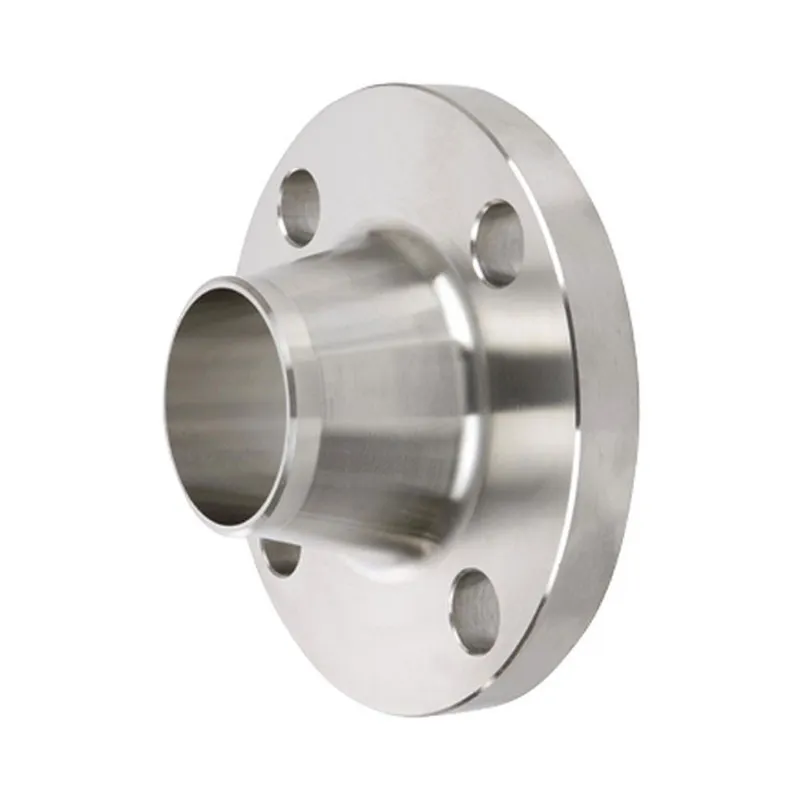 EN 1092-1 Butt weld flanges Type 11, PN25
 -
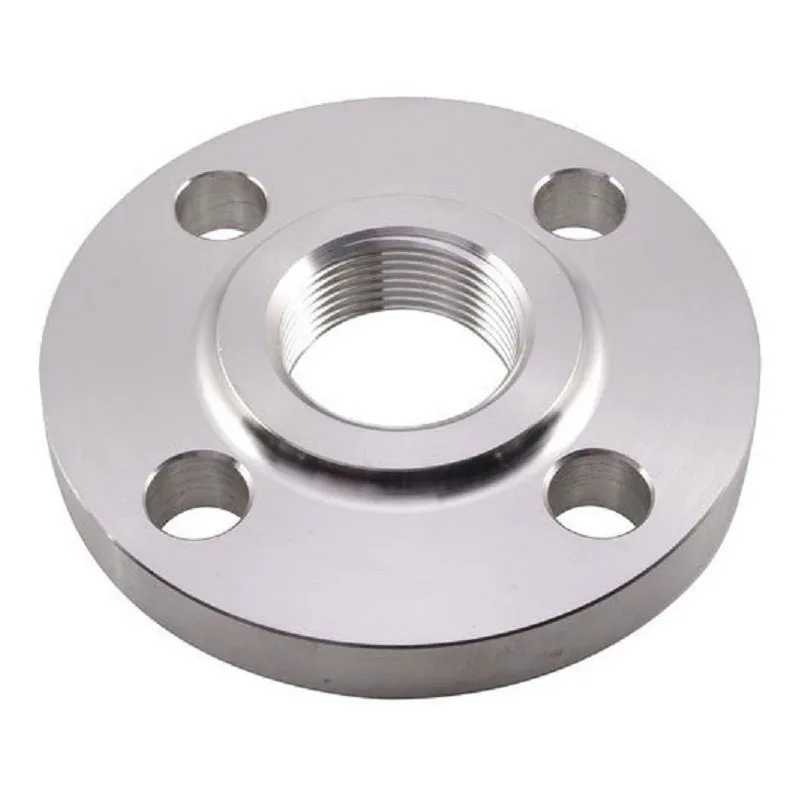 ANSI B16.5 Threaded Flanges Class 600