
-
-
Phone
+86-13623462298



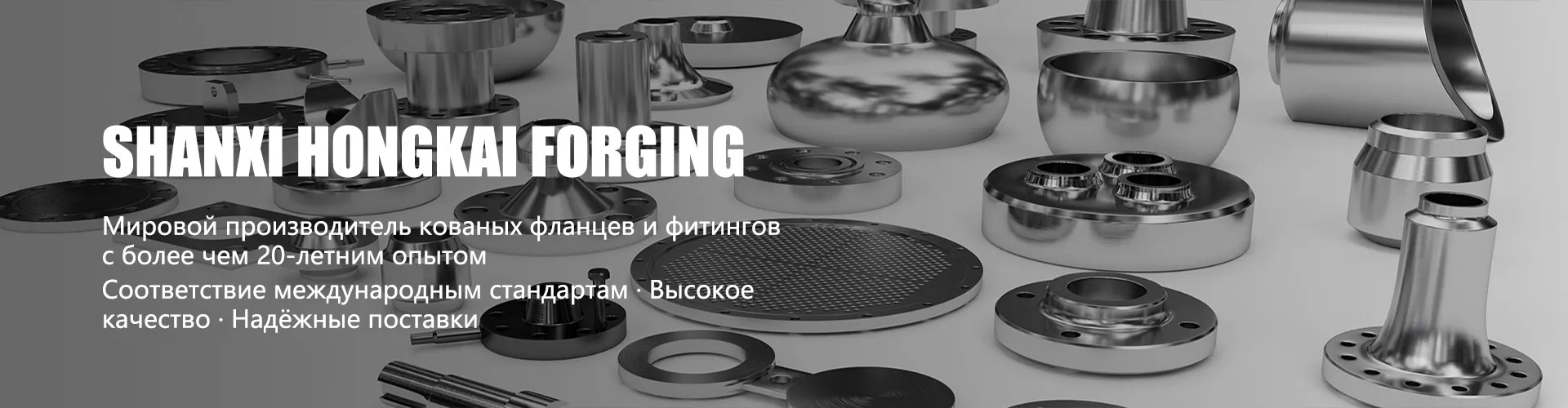
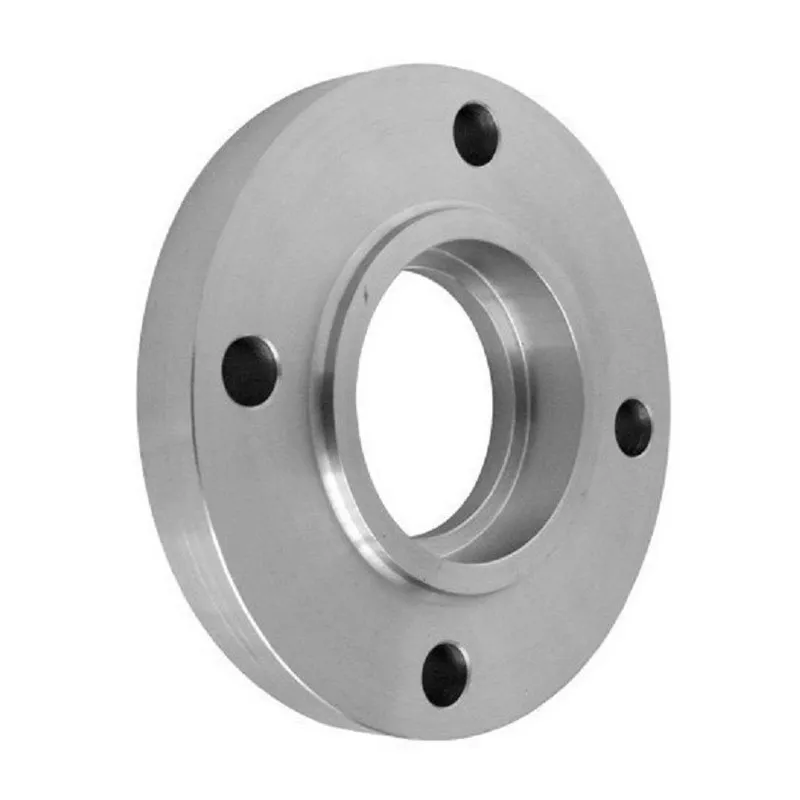
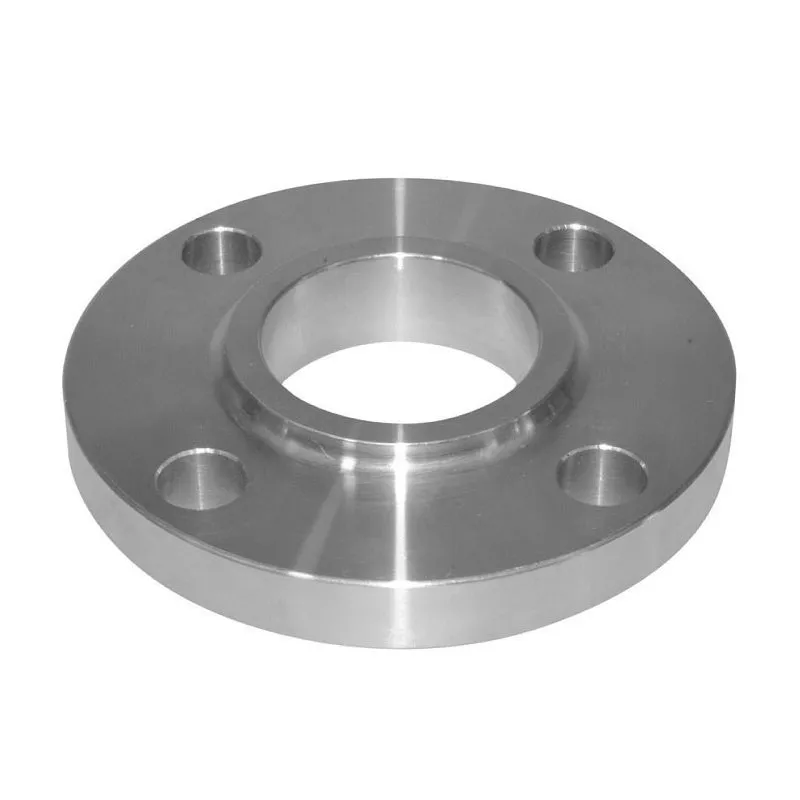
steel flanges dn200
When people talk about dn200 steel flanges, many people immediately imagine just a ring with holes. But in reality, especially on pressure pipelines, this is one of the most critical components. A common mistake is to assume that all flanges of this diameter are interchangeable. But the difference in performance according to GOST, ASME or EN, even with the same DN, can lead to the fact that the joint simply does not assemble or does not withstand testing.
What is hidden behind the designation DN200
The number 200 is a nominal diameter, approximately corresponding to the internal diameter of the pipe in millimeters. But the outer diameter of the flange, the diameter of the bolt arrangement (PCD), their number and size - this is already determined by the standard. For example, according to GOST (aka EN 1092-1), a PN16 flange on DN200 will have 8 holes for M16 bolts located on a circle of 295 mm. And according to ASME B16.5 class 150 - the same 8 holes, but for 5/8' bolts and on a circle of 279 mm. A difference of one and a half centimeters - and the set of bolts will no longer be needed.
At one time we encountered this while assembling imported equipment. A batch of flanges arrived from a European supplier according to the EN standard, and it was necessary to attach fittings purchased according to ASME to them. We had to urgently look for adapter rings, which delayed the installation for a week. Now we always specify not just 'flange DN200', but the full designation of the standard and nominal pressure.
Material is a different story. Steel 20, 09G2S, 12Х18Н10Т, A105, 304 Stainless - the choice depends on the environment. For ordinary water or steam up to 200°C, carbon steel is often used. But if there are at least traces of aggressive components in the environment, even in urban heating supply, we are already looking towards alloy or stainless steels. Saving on flange material then results in corrosion along the contact line and leaks.
Production and control: where the risks lie
Flange quality starts with the workpiece. Stamping, hot forging, gas cutting from sheet metal - the methods are different, and the structure of the metal depends on this. For critical applications, forging is preferred. It gives a more uniform and dense metal structure, without internal voids and casting stresses. By the way, if you are looking for a reliable manufacturer who works on the full forging cycle, you can pay attention toShanxi Hongkai Forging Co.,Ltd. They come from a region with a strong forging tradition in China and make forgings to international standards. Their website -https://www.hkflange.ru- it is useful to study to understand the assortment: their product range includes butt-welded, flat, and loose flanges up to large sizes.
After forging or cutting comes mechanical processing. Two surfaces are critical here: the sealing (burner) and the back side for welding. The burner must be cleanly processed, without burrs or marks, otherwise the gasket will not provide a tight seal. And the back side is often not given attention, but if there is scale or irregularities there, the weld may lack penetration. I myself saw how at the site, when handing over a pipeline, ultrasound revealed such defects precisely because of poor preparation of the flange surface.
Control is not just about measuring with a caliper. Marking is required: each flange must have a stamp with information about the material, standard, nominal pressure, DN and often the manufacturer’s stamp. Without this, the flange is considered 'unidentified', and many regulatory authorities will simply not allow it to be installed on critical lines. This is especially strict at fuel and energy facilities.
Installation and typical mistakes on site
The most common mistake is uneven tightening of bolts. Installers often tighten them in a circle, 'clockwise'. This leads to flange misalignment. Correctly - tighten crosswise, in several passes with a torque wrench, with a gradual increase in torque. For a DN200 flange on PN16 the tightening torque will be one, for class 300 it will be different. This data should be on the installation card.
Another point is the choice of gasket. Paronite, fluoroplastic, spiral-wound, metal of oval section - each has its own compression ratio and working environment. If you put paronite on aggressive alkali, it will corrode in six months. And if you overtighten a spiral-wound gasket, it can be “pinched” and it will lose its elasticity. For every flange, includingsteel flanges dn200, the gasket needs to be selected separately, and not taken “what is in stock.”
Welding. A butt weld flange requires careful preparation of the pipe edge and the flange itself. Gap, displacement - all this affects the quality of the seam. Conductors are often used for alignment. And after welding, the seam must be checked - visually, for defects, or better yet, using some kind of non-destructive testing method. I remember a case when, due to haste, a crack at the root of a seam was missed. During hydraulic tests, a leak occurred not along the gasket, but precisely along the border of the weld and flange. I had to cut and digest the entire assembly.
Non-standard situations and solutions
It happens that a project requires a non-standard flange. For example, you need to connect a DN200 pipe to a device whose center-to-center bolt distance does not coincide with any standard row. Or a flange made of a special alloy is required. Then work begins according to the customer’s drawings. In such cases, it is important that the manufacturer has experience in producing custom forgings, such as the one mentionedShanxi Hongkai Forging Co.,Ltd, which positions itself as a manufacturer of forged flanges and forgings, including according to customer drawings. This allows you to obtain a product with the desired mechanical properties, and not just cut from a sheet.
Another situation is renovation. Sometimes a section of an old pipeline needs to be replaced and the flanges no longer meet modern standards or are severely corroded. Then they either look for adapter flanges or make adapter rings. This is thinner than a full flange, but allows different standards to be joined. The main thing is to correctly calculate the load on such a connection.
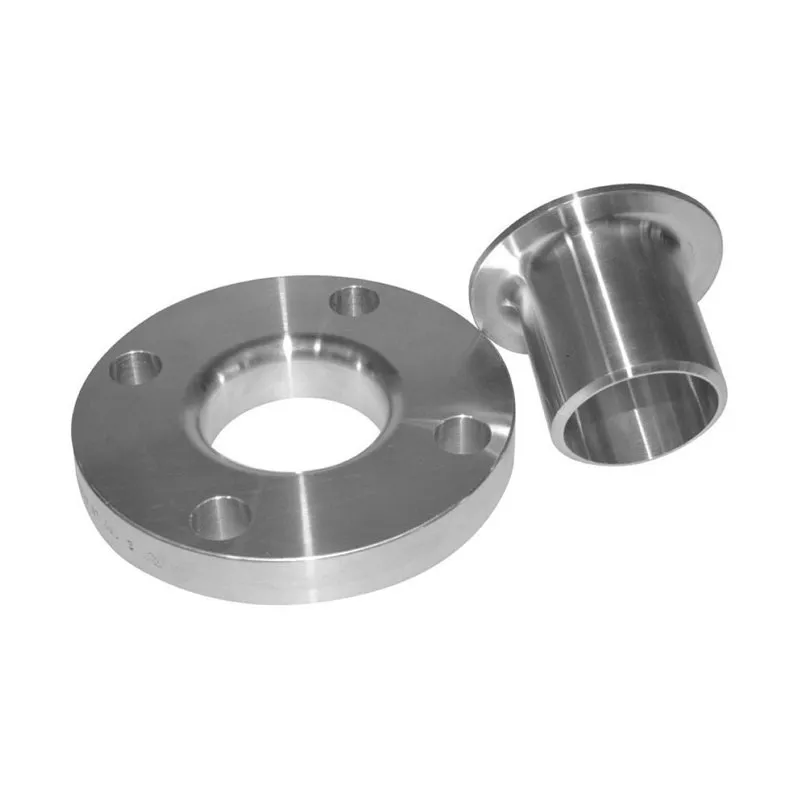
Working with large diameters, such as DN200 and above, often requires the use ofloose flangeson the weld ring. Their advantage is that the ring itself is welded to the pipe, and the flange rotates freely. This greatly simplifies installation, especially in cramped conditions when you need to precisely align the bolt holes. But here the quality of welding of the ring and the fit of the flange itself are critical - there should be no play.
Instead of a conclusion: what to look for when ordering
So, if you need steel flanges dn200, do not limit yourself to requesting diameter. Form clear requirements: standard (GOST, ASME, EN, etc.), nominal pressure (PN6, PN16, Class 150, 300), material, type (collar, flat, free). Ask the supplier for material certificates and, if possible, test reports. Check the sample for markings.
For serial purchases, it is worth considering manufacturers with a full cycle, especially when it comes to forged products. This gives better control over the quality of the workpiece. If the specification contains non-standard elements, make sure that the plant has experience producing forgings from drawings and can provide strength calculations.
Ultimately, the flange seems like a simple product. But its reliability is the sum of the correct choice of standard, high-quality material, precise production and competent installation. Miss one element and the entire system may fail. Therefore, there are simply no trifles here.
Correspondingproducts
Related Products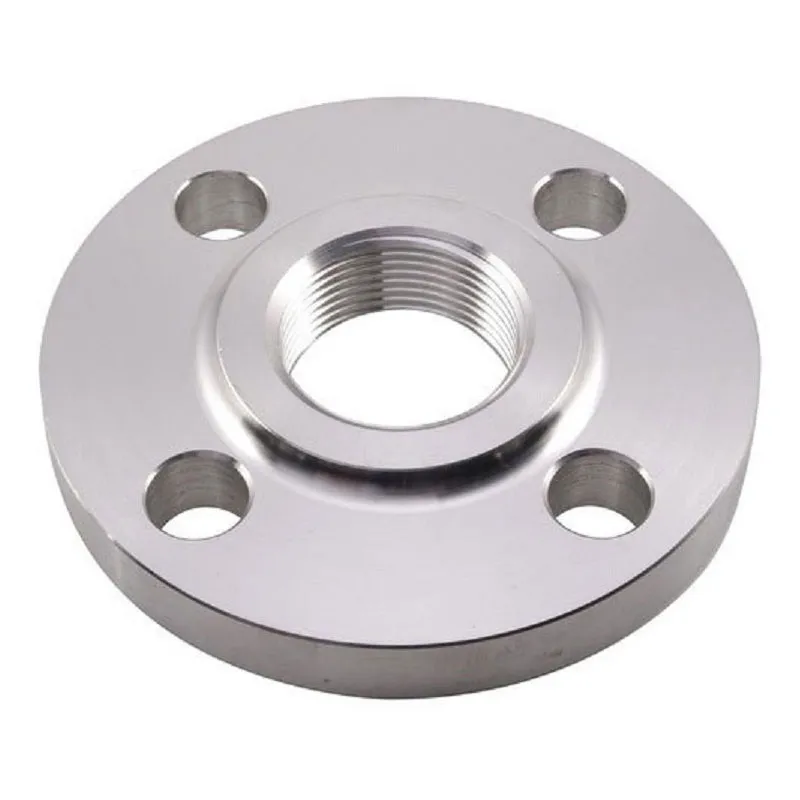
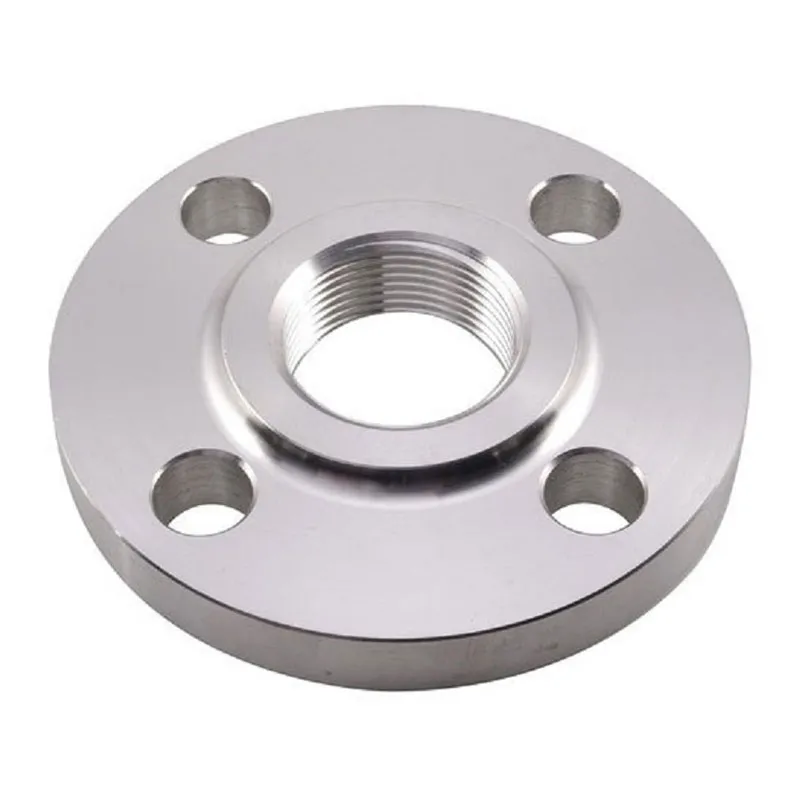
Best Sellingproducts
Best Selling Products-
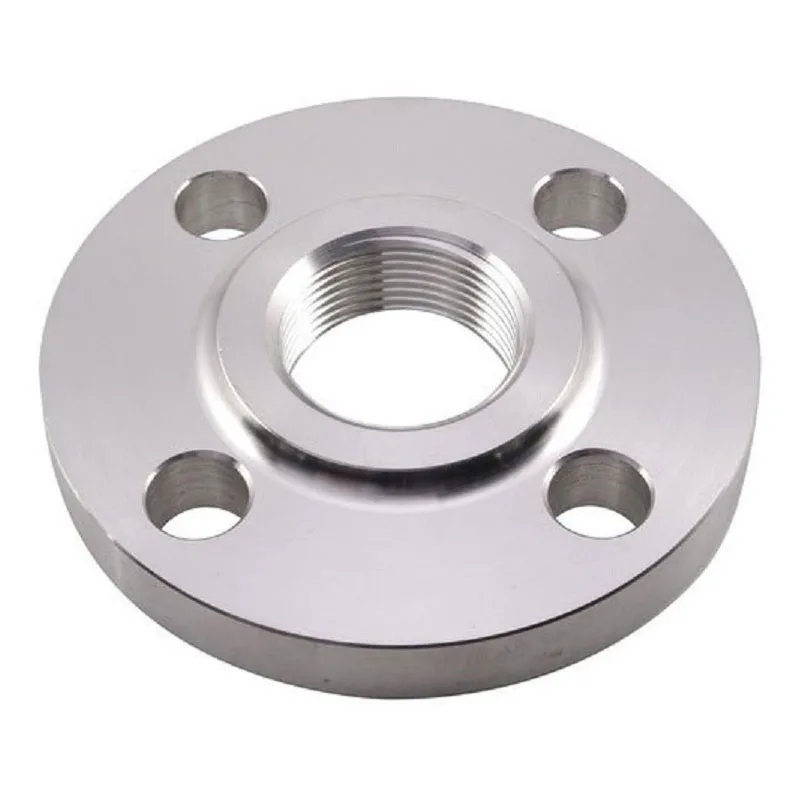 JIS 10K Threaded Flanges
 -
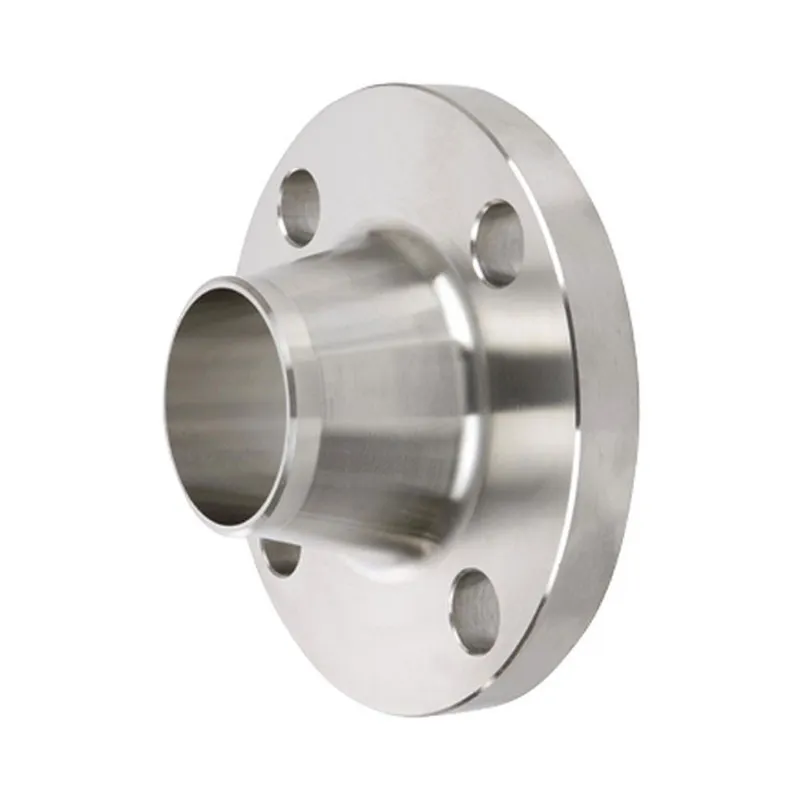 EN 1092-1 Butt weld flanges Type 11, PN25
 -
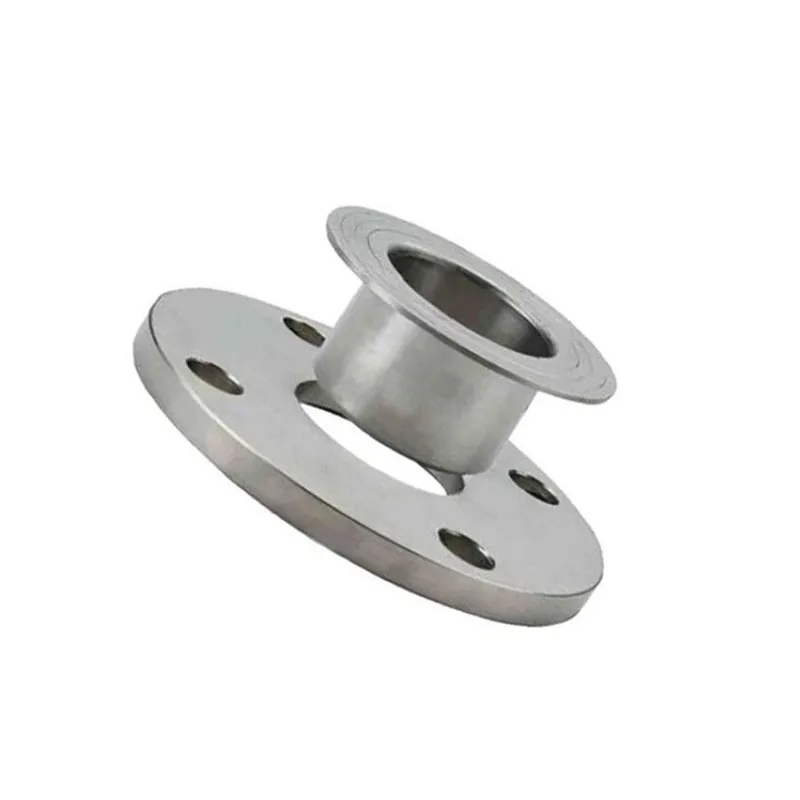 Free ring flanges Class 400
 -
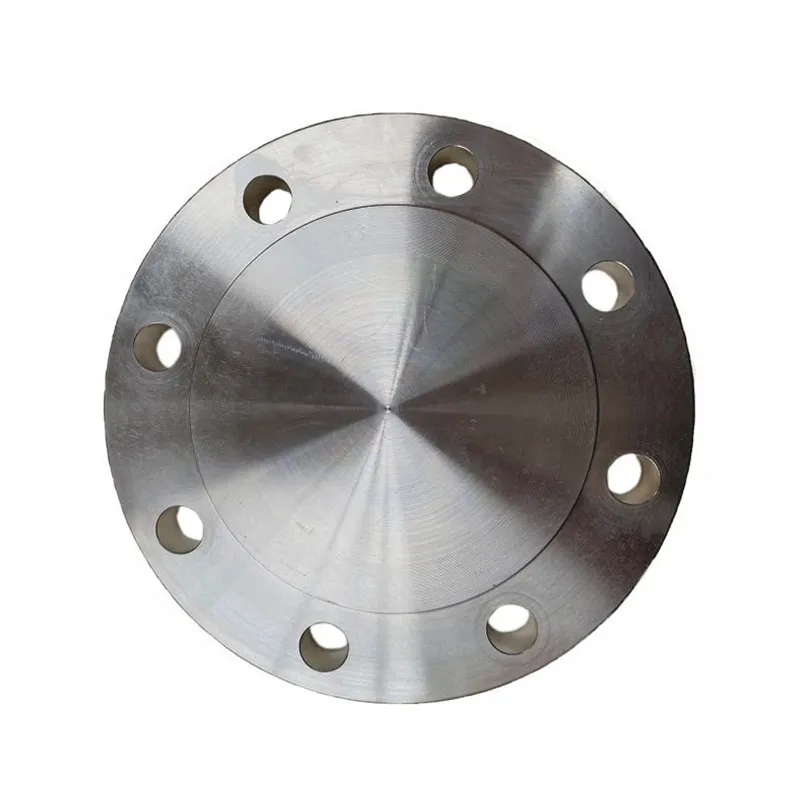 DIN 2527 Blind flanges PN10
 -
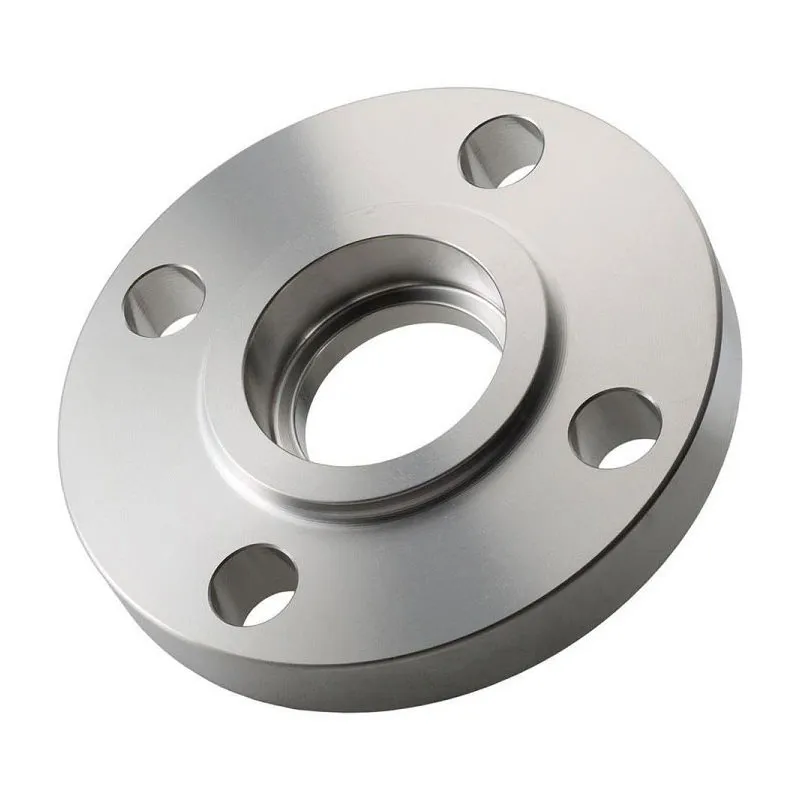 Flanges for socket welding
 -
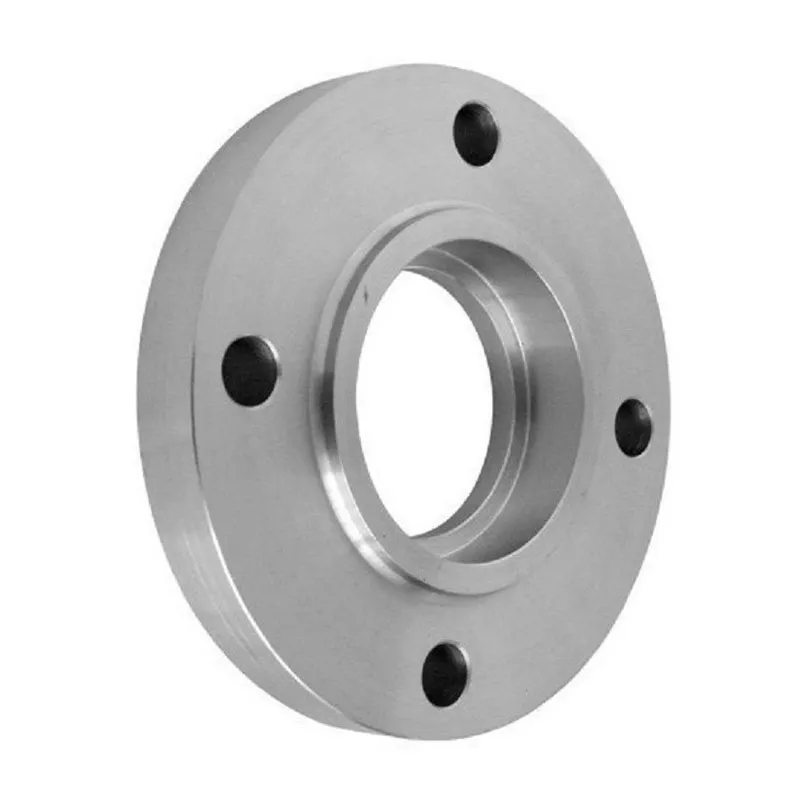 Socket Weld Flanges Class 300
 -
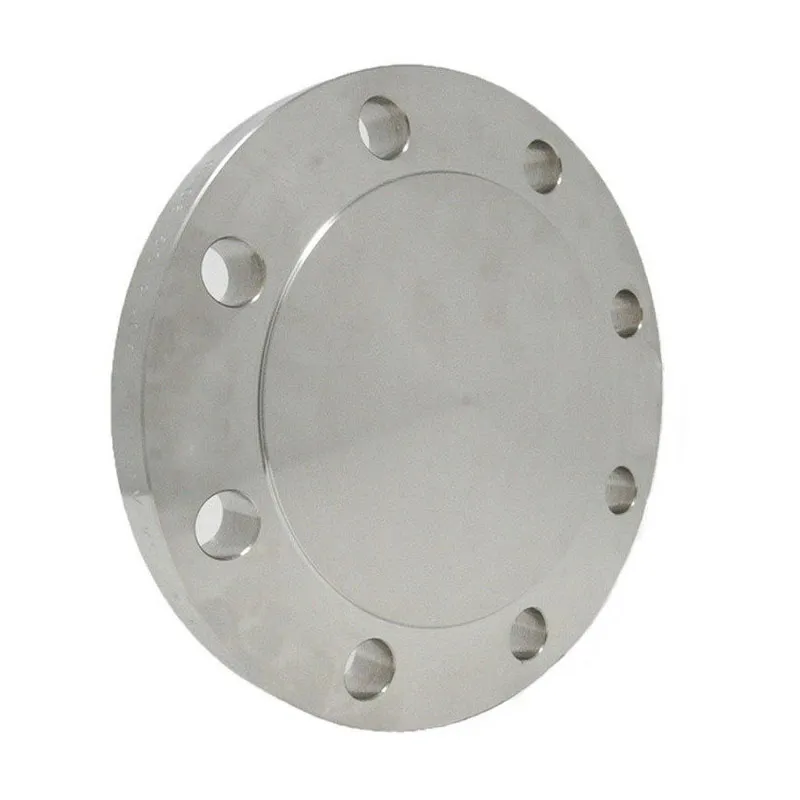 Blind flanges Class 150
 -
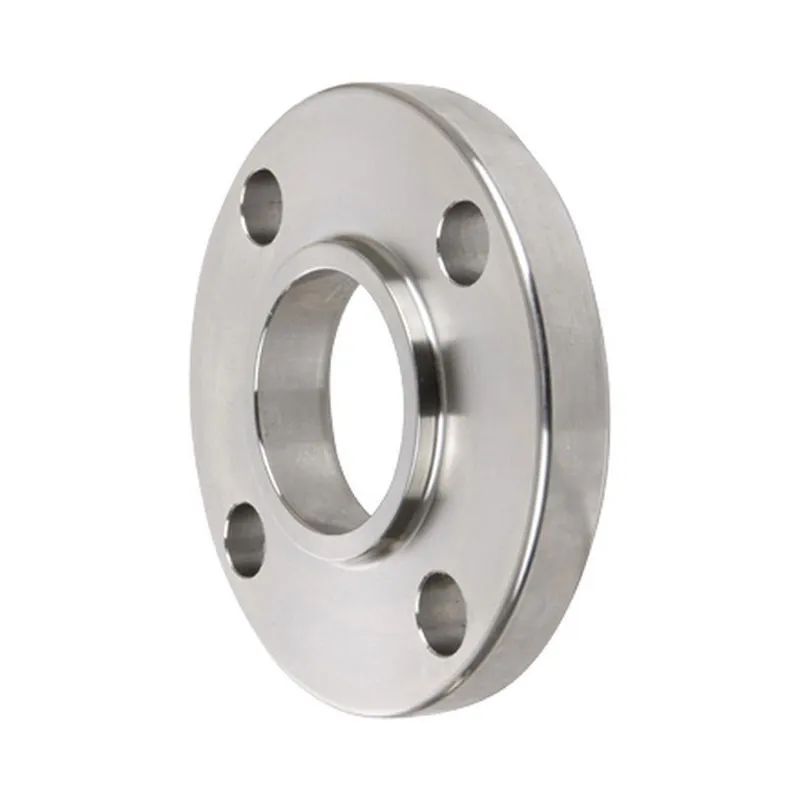 DIN 2501 Overlay flanges PN16
 -
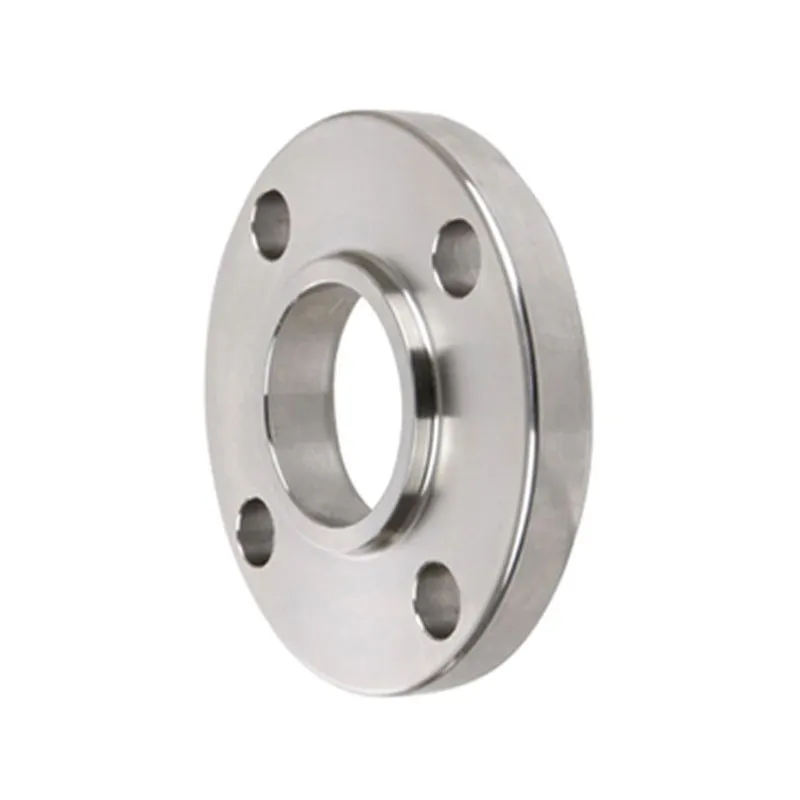 ANSI B16.5 Lap-on flanges Class 300
 -
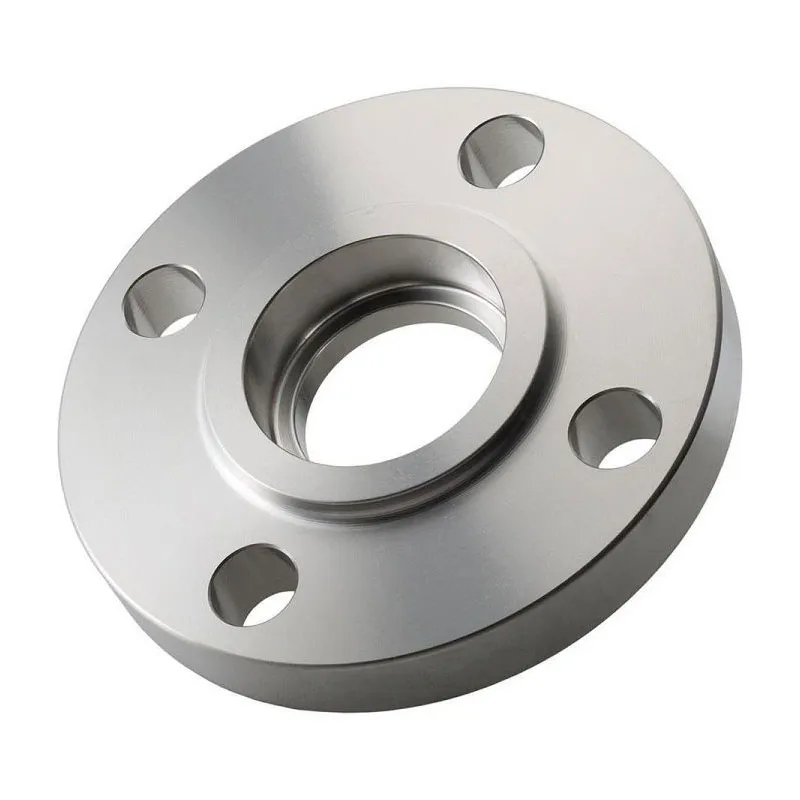 ANSI B16.5 Socket Weld Flanges Class 1500
 -
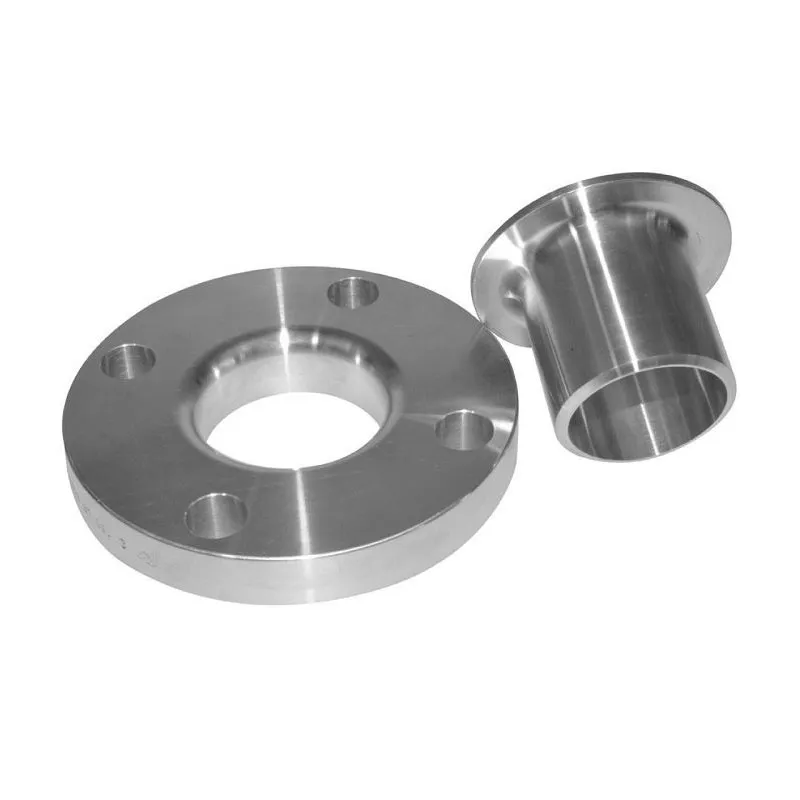 ANSI B16.5 Loose Ring Flanges Class 2500
 -
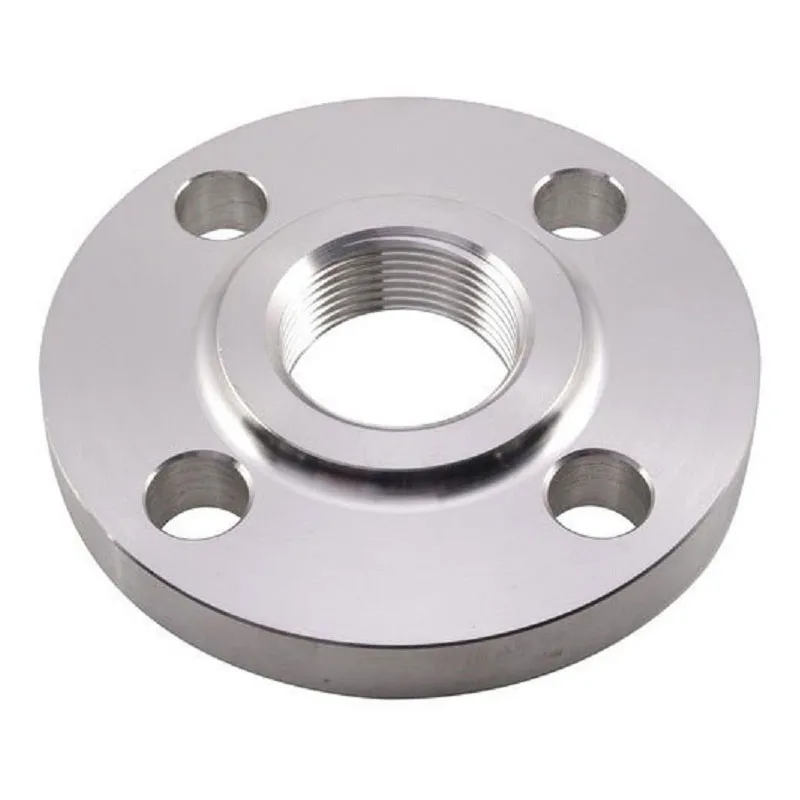 EN 1092-1 Threaded flanges Type 15, PN16