
-
-
Phone
+86-13623462298




steel flange steel 20
When they say “steel flange 20”, many people immediately think of something simple, ordinary. Like, ordinary carbon steel, what’s so complicated about that? But it is in this apparent simplicity that the main pitfalls lie. Many times I have encountered situations where a customer, trying to save money, chose steel 20 without fully understanding the limits of its application. Or vice versa - where more resistant steel was needed, it was used because of habit or availability. This is not just a steel grade, it is a whole story about temperature, pressure, environment and, most importantly, the correct manufacturing technology. Especially when it comes to forged flanges, where the quality of the original workpiece and the deformation process decide everything.
What is hidden behind the brand “steel 20”? in the production of flanges
According to GOST or its analogues, steel 20 is a high-quality carbon structural steel. The key word is “structural”. It is not corrosion resistant or heat resistant in the truest sense of the word. Its tensile strength, impact strength, behavior at low temperatures - all this sets clear boundaries. For flanges operating in systems with water, low pressure steam, inert gases at moderate temperatures (conditionally up to 425-450°C for long service life) - this is an excellent and economical choice. But as soon as the temperature rises higher and the environment becomes more aggressive (say, containing hydrogen sulfide), steel 20 becomes insufficient. Alloyed grades are already needed here.
A common mistake is to confuse steel 20 with its “brothers”. type 09G2S or 12Х18Н10Т. Visually, a forging may look the same, but the chemical composition and, as a result, properties are different. I remember an incident at one thermal power plant: they installed flanges made of steel 20 on a pipeline with superheated steam, the parameters of which periodically went off scale. for settlement. After a year and a half, there were cracks along the body of the flange, near the bushing. The reason is the creep of the material, which steel 20 copes with worse than alloyed grades. We converted it to 12Х1МФ steel - the problem went away. Conclusion: the grade of material should not just be “steel flange”, but strictly comply with the environmental passport.
And this is where it matters who makes these flanges and how. Just cutting it out of a sheet is one thing. But get itforged flangemade from high-quality steel blanks 20 - this is already technology. Forging, especially free forging or stamping on a hydraulic press, improves the structure of the metal, makes it fibrous, homogeneous, and destroys casting defects. The mechanical properties of such a forging will be noticeably higher than those of a product obtained by mechanical processing from rolled steel. Therefore, when you see in the specification “steel flange 20”, you always specify: “forged or rolled?”. The difference in resource can be multiple.
Technological chain: from blank to finished product
Let's say we decide to make a forged flange. The source is usually a round rolled product or a forged blank washer made of steel 20. The first stage is heating in a furnace to forging temperature, which is approximately °C. The main thing here is not to burn the steel, to prevent excessive grain growth and decarbonization of the surface. Then - the actual forging. For flat flanges, upsetting the workpiece and then piercing the hole are often used. For end-to-end (butt-welded) flanges, the technology is more complicated: the neck needs to be drawn out and a sleeve is formed. Everything is done in several transitions, with intermediate heating.
After forging, mandatory heat treatment: normalization. Steel 20 is heated to 880-910°C, maintained and cooled in air. This relieves stress from forging, refines the grain, aligns the structure and brings mechanical properties into compliance with standards. To skip normalization means to get a flange with internal stresses that can lead to failure. during machining or during operation under load. We once checked a batch from one supplier - the hardness was “spots”, somewhere normal, somewhere higher. It turned out that the heat treatment furnace was working unevenly and the mode was not maintained. I had to return the entire batch.
Machining is already the end. But there are nuances here too. The geometry of the sealing surfaces (protrusion-recess, tenon-groove, lens gasket), roughness, alignment of the holes for the studs - everything must be according to the drawing. Particularly critical for high pressure flanges. Problems often arise during assembly: the pins do not fit, the surfaces do not contact evenly. All this is a consequence of either poor-quality equipment on a CNC machine, or banal haste. The most reliable way is control on a contour projector or using a 3D scanner for especially critical products of large diameters.
Standards and reality: how not to get confused in notations
A flange made of steel 20 can be manufactured according to a dozen standards: GOST (former GOST 12821-80, etc.), ASME B16.5, EN 1092-1, DIN 2635 and so on. And this is where the confusion begins. For example, in GOST for steel 20 there is a strength group of KP20, and in ASME it is the material SA-105 (which is very close in chemical composition, but not absolutely identical). Or according to DIN/EN - material 1.0402. When ordering, you must clearly indicate not only “steel 20”, but also the standard to which it must comply. Because the requirements for chemistry and mechanics may differ by percentages, but these percentages may be critical for acceptance.
Another point is certification. To work at critical facilities (petrochemicals, energy) often requires not only a certificate of conformity for the product, but also traceability of each steel melt. That is, it should be possible to “reach” from the flange in the warehouse through documents. to a specific steelmaking furnace and batch of raw materials. This is a serious requirement that not all manufacturers can provide. This is especially important for flanges operating at low temperatures (below -20°C), where for steel 20 the impact strength at subzero temperatures is additionally checked.
In this context, by the way, working with trusted manufacturers who specialize specifically in forging comes to the fore. Here, for example,Shanxi Hongkai Forging Co.,Ltd(website -https://www.hkflange.ru). The company positions itself as a manufacturer of forged flanges and forgings in one of the key forging regions of China. It is important that they declare work according to international standards (GOST, ASME, EN, DIN, etc.) and the ability to make products according to customer drawings. For the engineer or supplier, this means potentially fewer headaches with coordinating materials and standards. If they really have control over the entire chain - from the choice of steel grade 20 to heat treatment - then this is a serious argument. The size range up to DN4000 also speaks about the capabilities of the equipment.
Practical cases and bottlenecks
I'll tell you about one practical case. It was necessary to install steel flanges DN600 on the cold water pipeline (up to +30°C, pressure 16 atm). It would seem that the ideal candidate is 20 steel with a coating against atmospheric corrosion. We ordered it from a local workshop and made it from a thick sheet. After installation, a year later, a thin crack appeared on one of the flanges along the perimeter of the hub, barely noticeable. We take it apart - and inside, in the cutting area, you can see heterogeneity, some inclusions. The sheet, apparently, was substandard. The only thing that saved me was that the pressure was low, and the crack did not appear instantly. Since then, for diameters from DN300 and above, I have insisted on forged options, even for simple media. The metal structure is more reliable.
Another common problem is welding.Steel flangemade of steel 20 is often welded to a pipe made of another steel (say, 09G2S or 12Х18Н10Т). It is necessary to select the correct welding materials (electrodes, wire) so that the weld has properties close to the base metal and does not create stress concentrators. This is especially important for butt flanges, where the weld is part of the load-bearing structure. Incorrect welding mode can cause problems. metal in the heat-affected zone, reducing its strength. Always ask the flange manufacturer for welding recommendations for the specific grade of steel.
And, of course, control. The simplest and most effective way is visual and measuring control + random testing. I once looked at a batch of steel 20 flanges from a new supplier. Externally, everything is perfect. But they took the rod and began to measure the thickness of the bushing at different points around the circumference - the spread was up to 2 mm! This indicates displacement of the workpiece during forging or uneven settlement. These flanges can create misalignment when tightened, leading to leakage. Half the batch was rejected. Moral: never be lazy when taking random measurements, even if you have a certificate.
Looking Ahead and Final Thoughts
The current trend is towards digitalization and traceability. Soon, probably, to every majorsteel flangewill include not only a passport, but also a QR code leading to a cloud recording with all production parameters: melting chemistry, forging temperature, heat treatment schedule, ultrasonic testing results. For steel 20, as a mass material, this can become a competitive advantage for responsible manufacturers. Because confidence in the material ?steel 20? needs to be supported not by words, but by open data.
As for the material itself, steel 20 is here to stay. She is a working ?soldier? for a huge segment of low- and medium-pressure systems. Its future lies not in replacing it with something else, but in even more stringent quality control at all stages and in a clear understanding by engineers of its limitations. Forging, as a manufacturing method, is, in my opinion, optimal for it. It reveals the potential of this otherwise simple steel.
In the end, the choice is always up to the designer and operating engineer. Do you see in the specification ?steel flange steel 20? - ask questions. By what standard? Forged or not? What heat treatment? For what environmental parameters? The answers to these questions separate just a product from a reliable unit that will last for decades. And companies like the one mentionedShanxi Hongkai Forging Co.,LtdCompanies that emphasize compliance and production flexibility benefit from this paradigm. Because their product is not just a piece of hardware, but part of an engineering system where every detail counts.
Correspondingproducts
Related Products
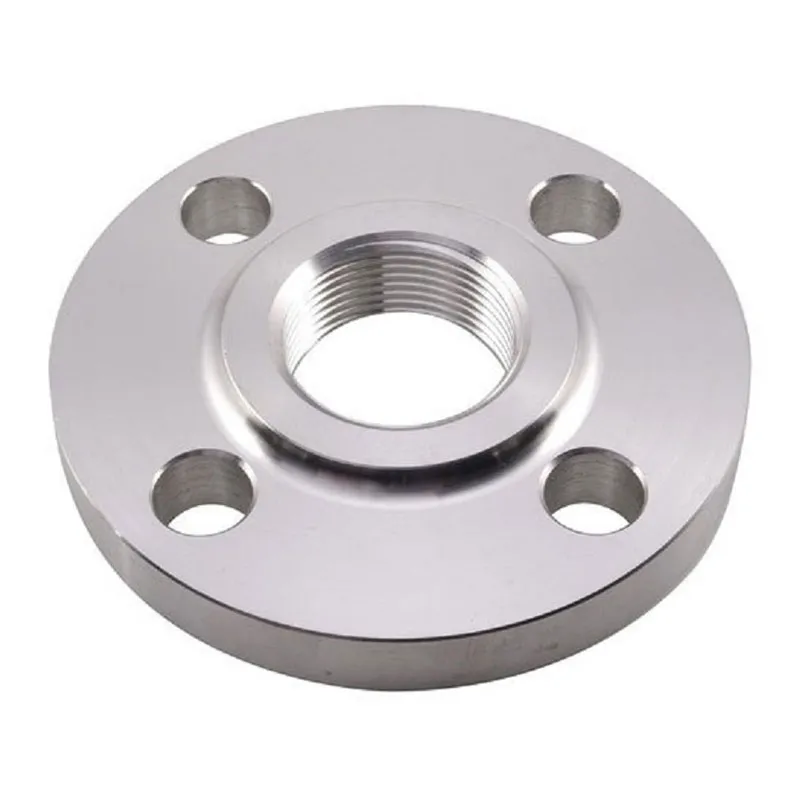
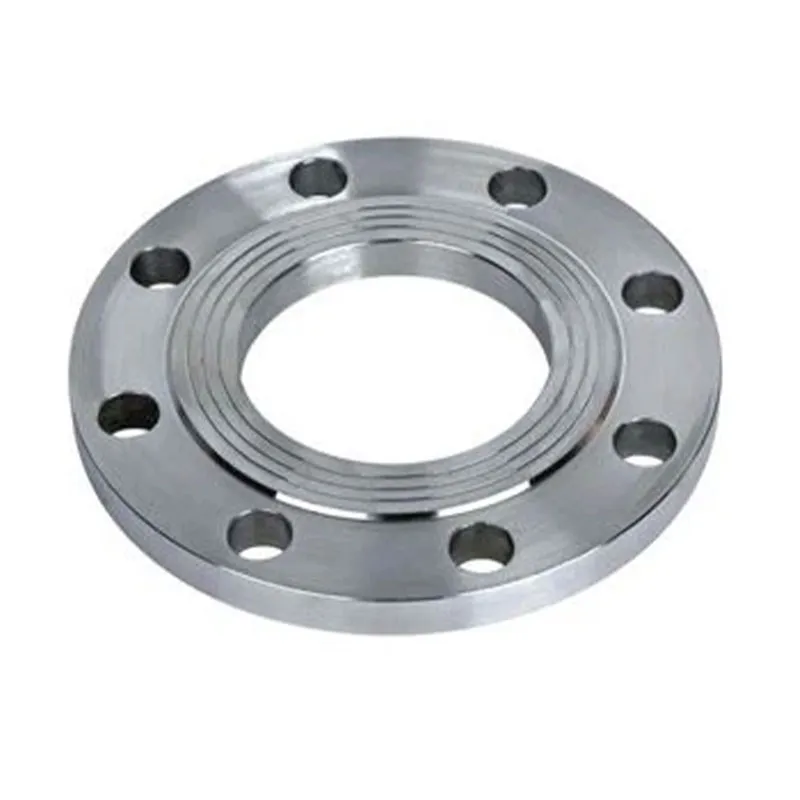
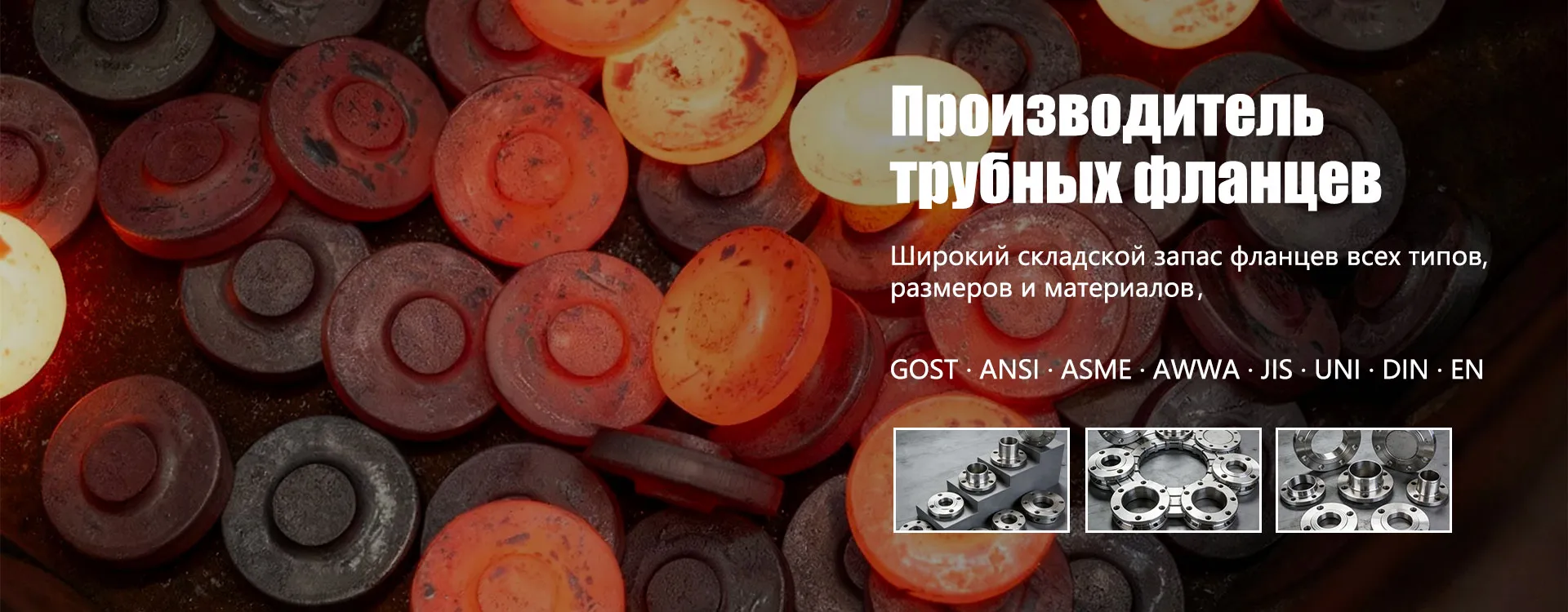
Best Sellingproducts
Best Selling Products-
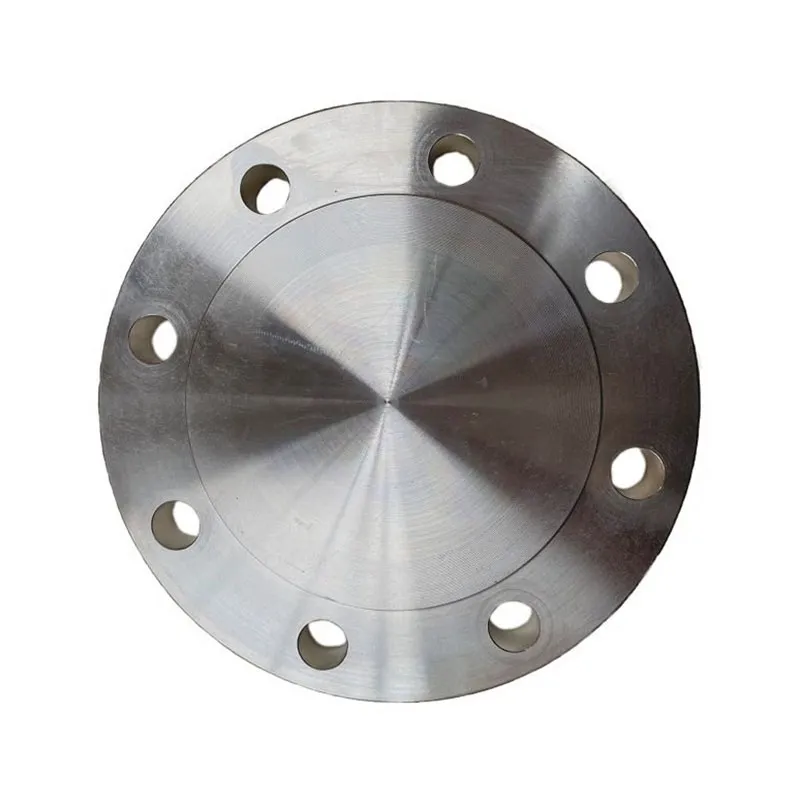 ASME B16.47 Ser.A Blind Flanges Class 400
 -
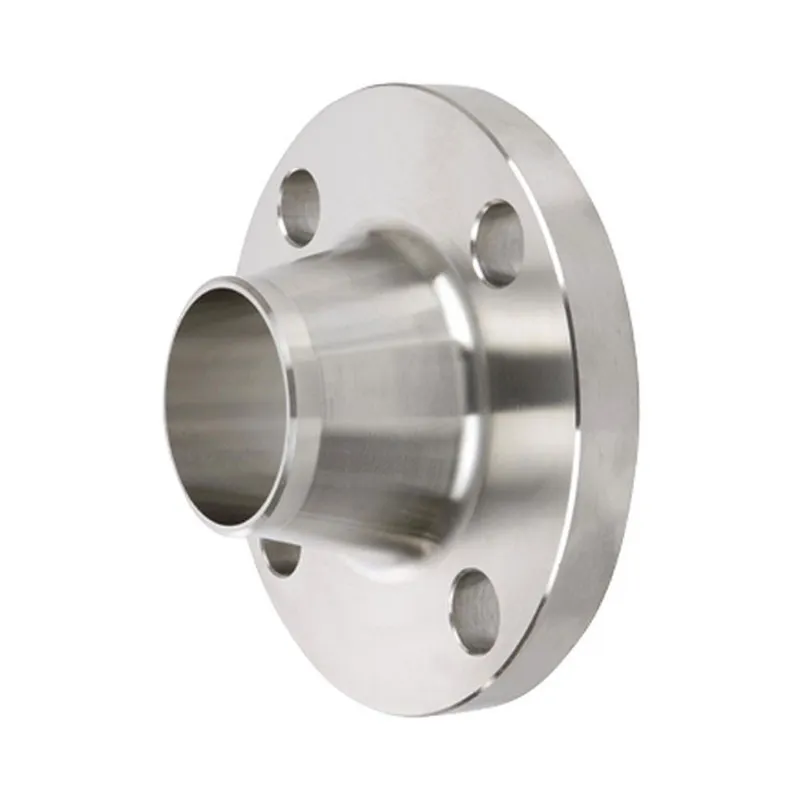 EN 1092-1 Butt weld flanges Type 11, PN25
 -
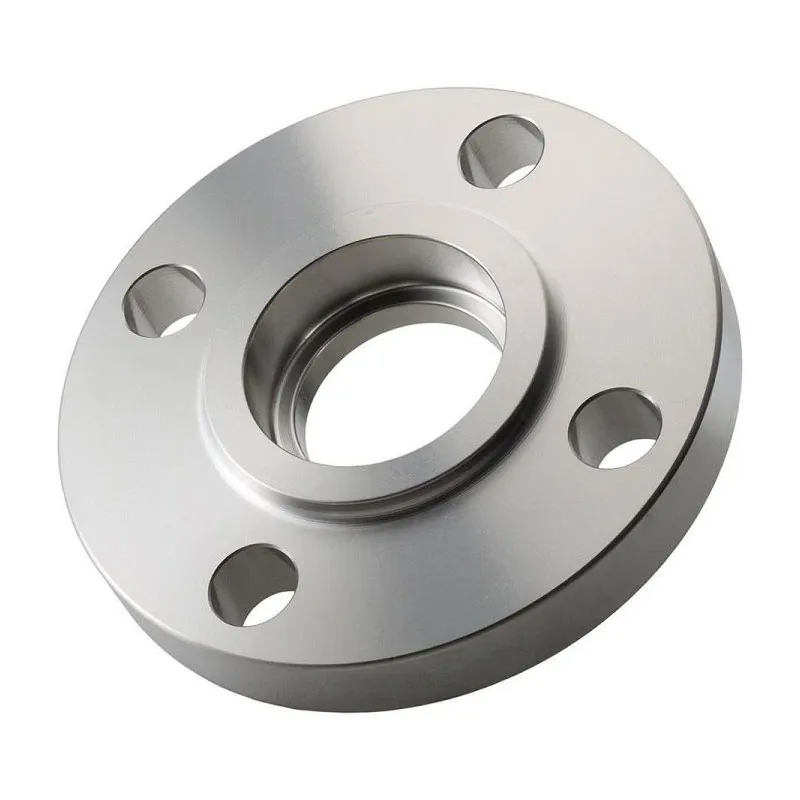 ANSI B16.5 Socket Weld Flanges Class 150
 -
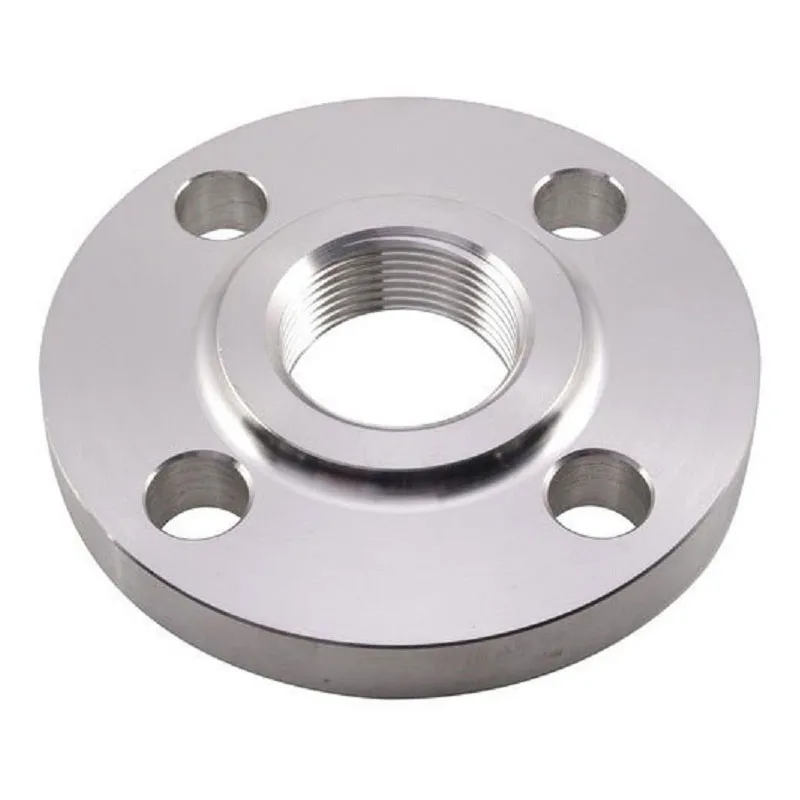 EN 1092-1 Threaded flanges Type 15, PN16
 -
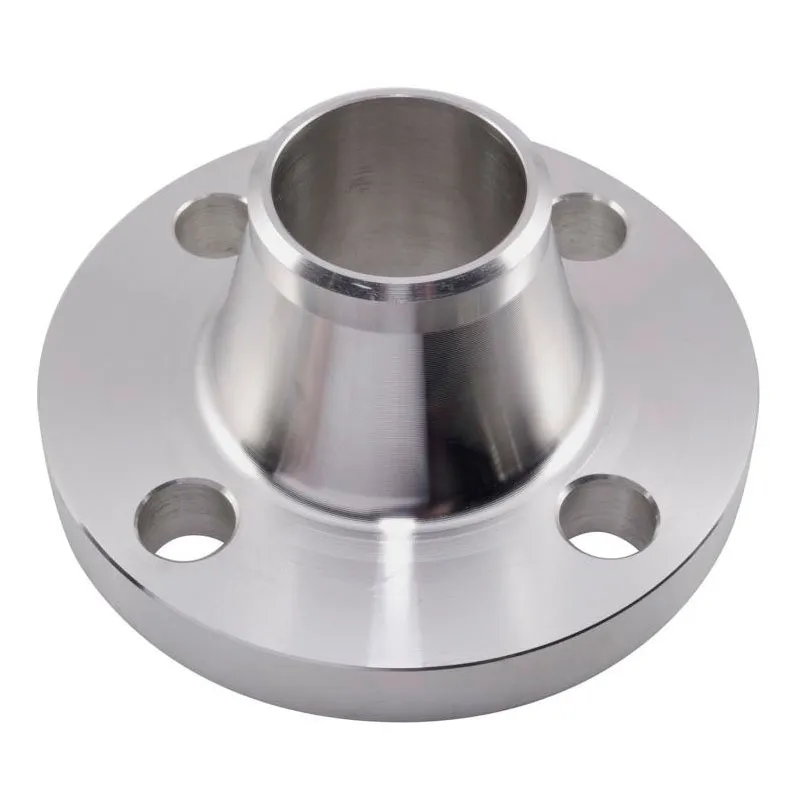 DIN Butt weld flanges PN10
 -
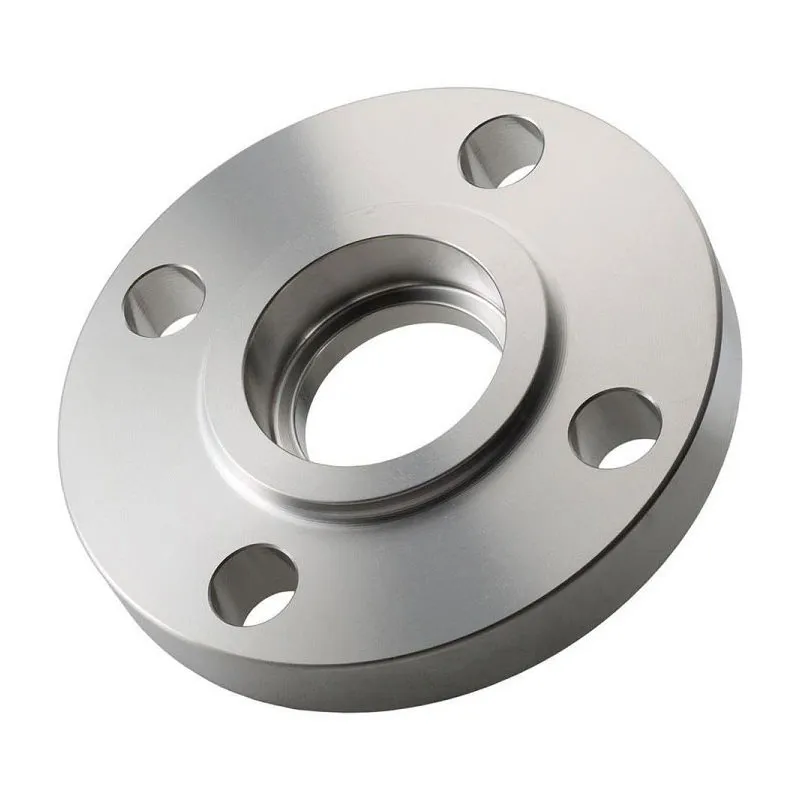 Flanges for socket welding
 -
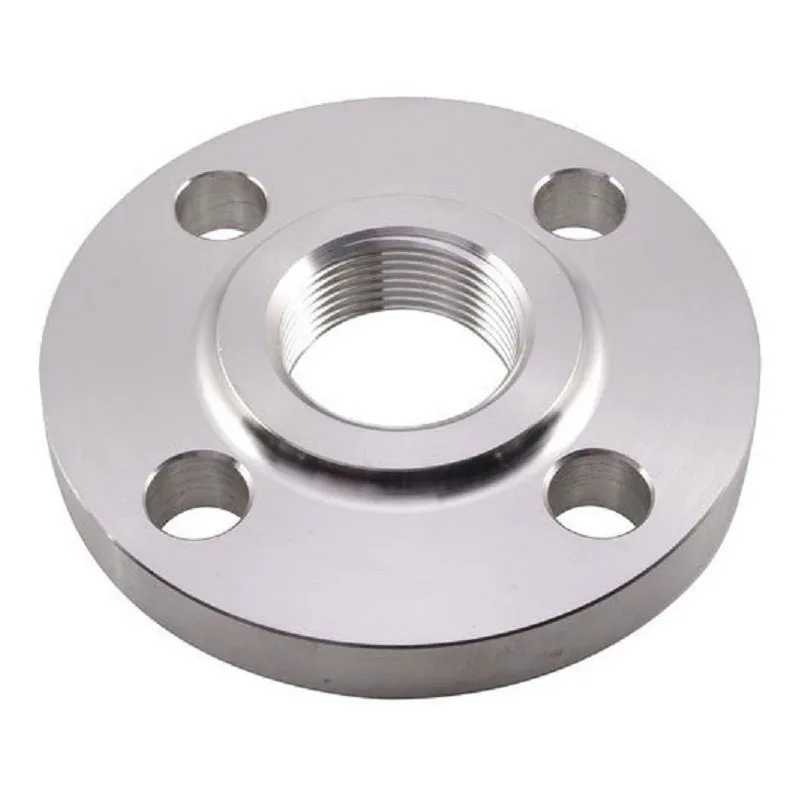 ANSI B16.5 Threaded Flanges Class 600
 -
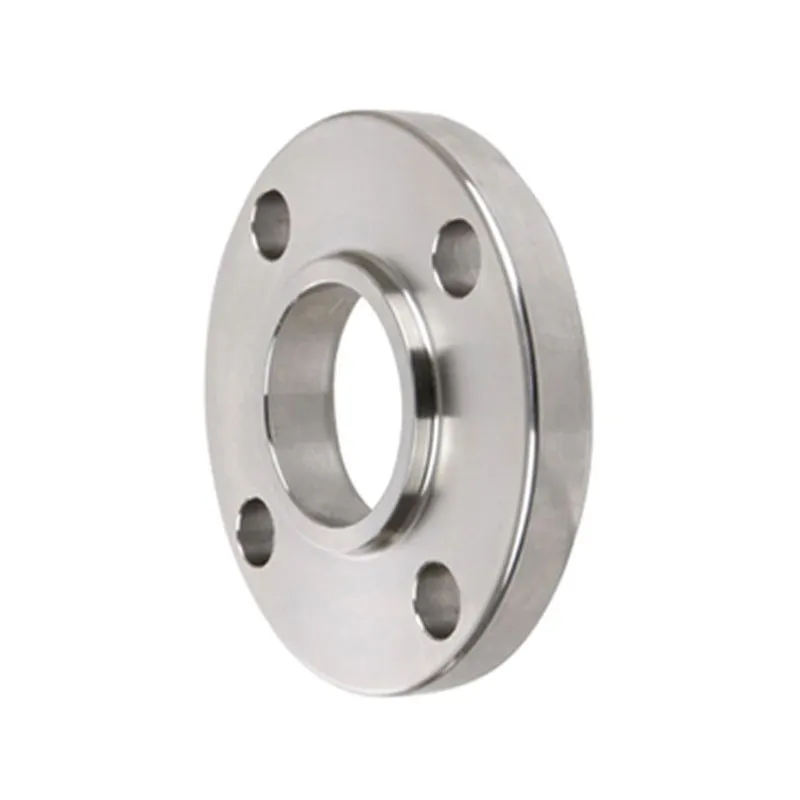 ANSI B16.5 Lap-on flanges Class 300
 -
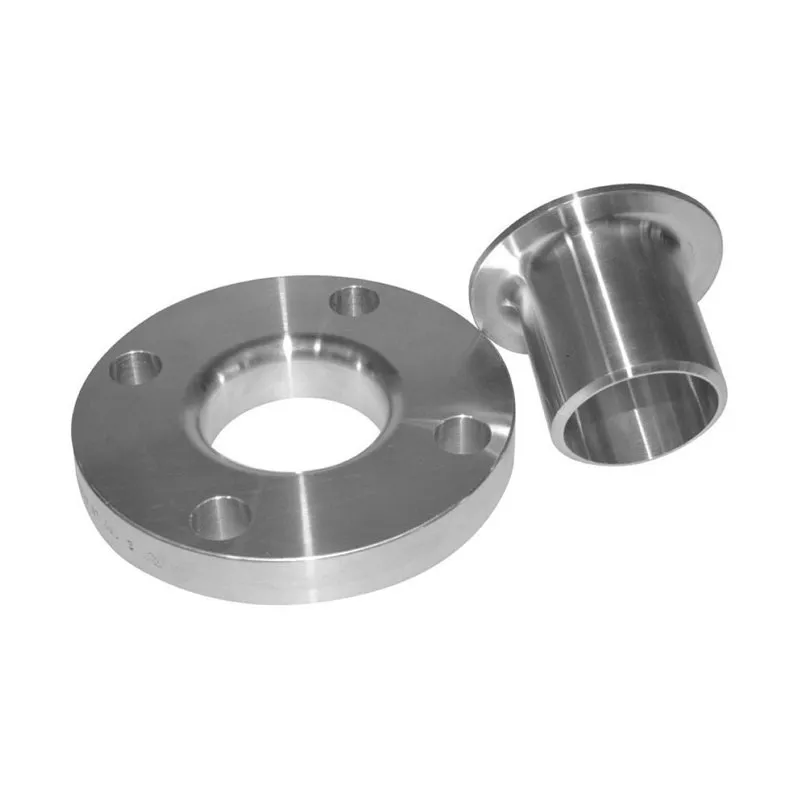 Free ring flanges Class 150
 -
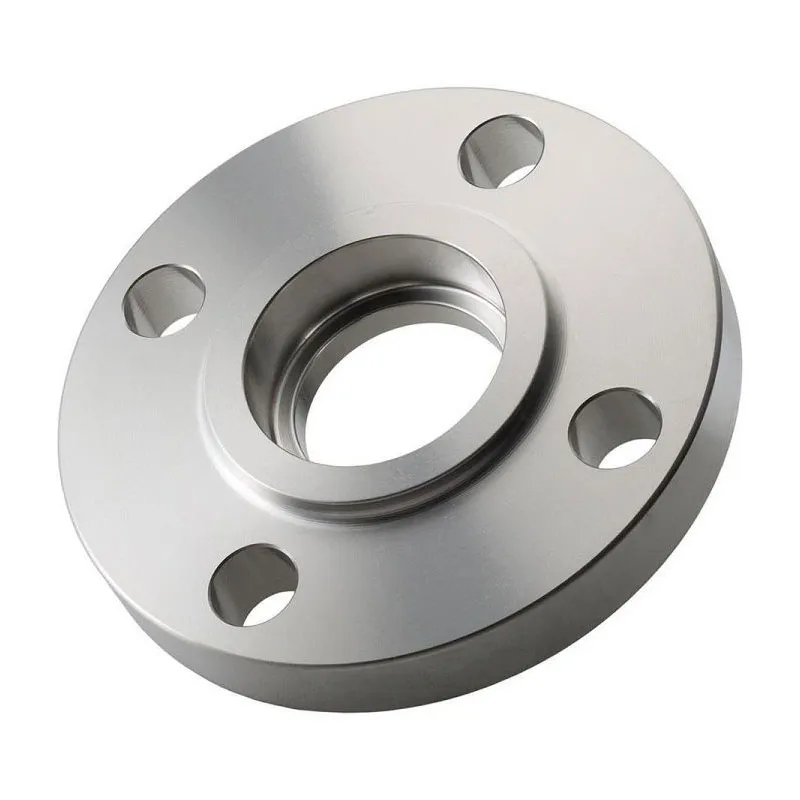 ANSI B16.5 Socket Weld Flanges Class 1500
 -
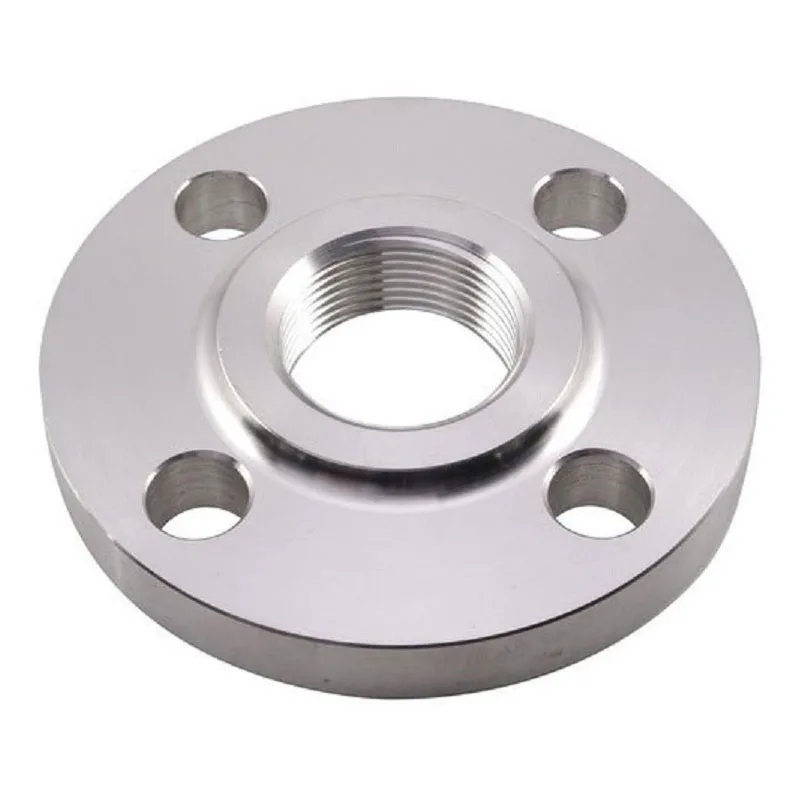 JIS 10K Threaded Flanges
 -
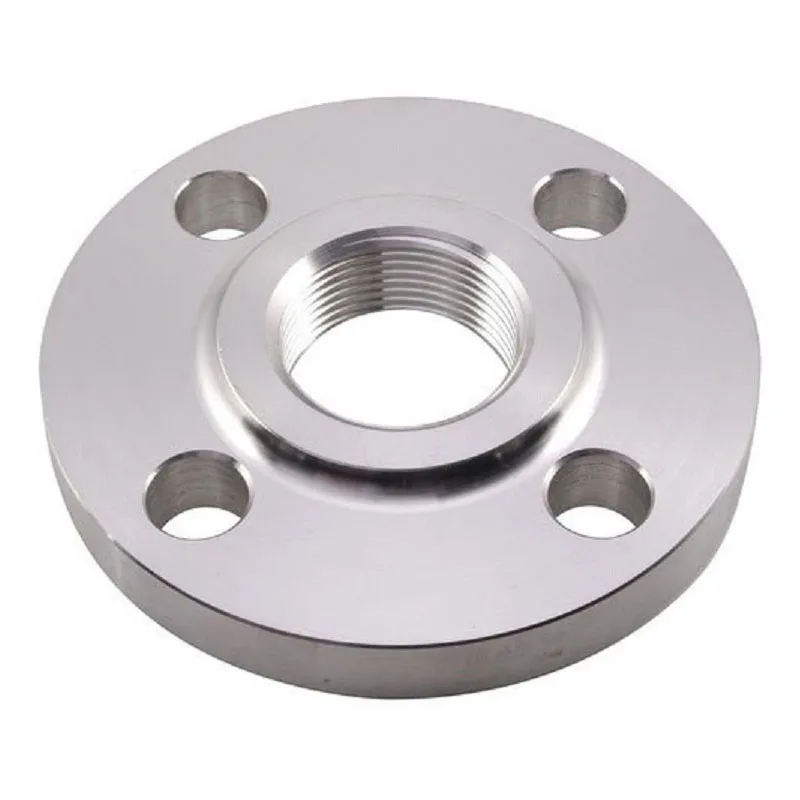 DIN 2566 Threaded flanges PN16