
-
-
Phone
+86-13623462298



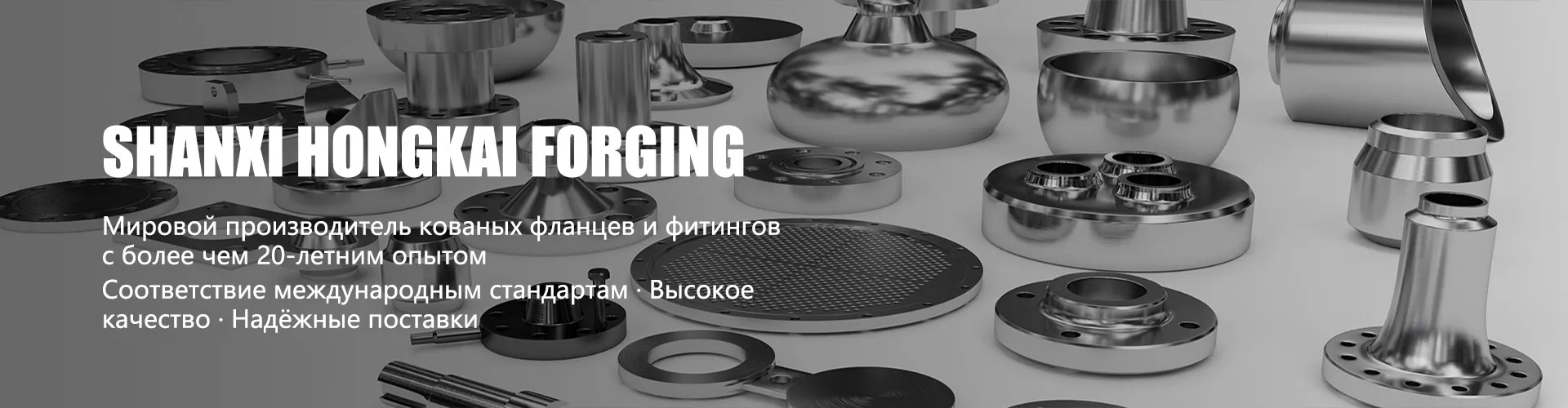
flanges 80 ru16
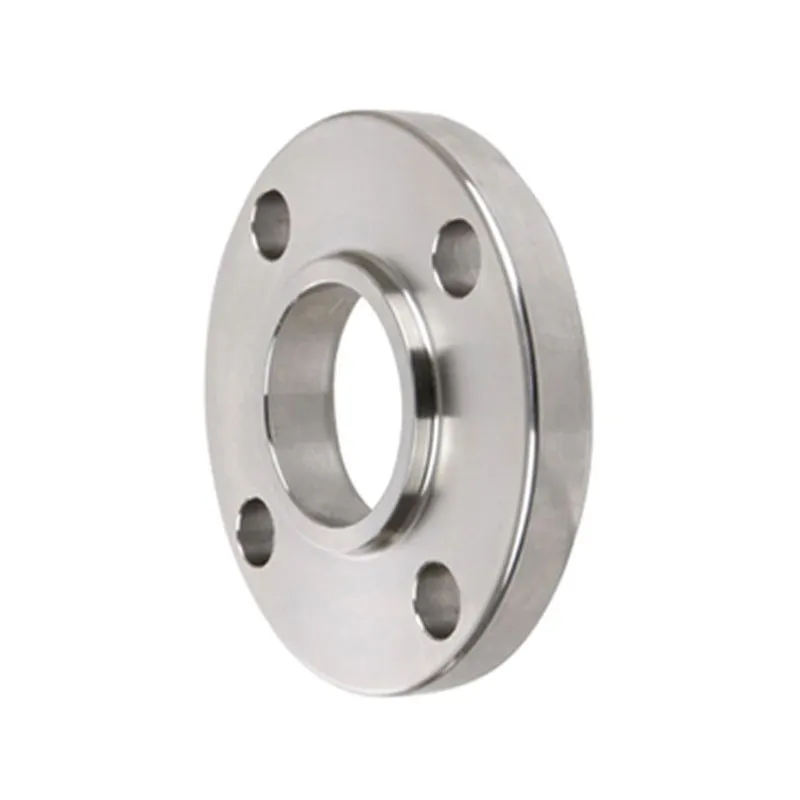
When you hear “80 ru16 flanges?”, everything seems simple: nominal diameter 80 mm, pressure 16 kgf/cm2. But it is in these seemingly standard positions that there are pitfalls, which can later cause delays at the site. Many people think that since the parameters are according to GOST or ASME, then the product from any manufacturer is the same. In fact, the thickness of the disk, the quality of the chamfer for welding, the accuracy of the location of the holes for the studs, even the grade of steel in the certificate - all this can float. Especially when it comes to supplies from different regions, which have their own interpretations of standards. I myself have encountered more than once when the flange according to the passport is DN80 PN16, and when mating with fittings of the same rating, there is a discrepancy in the holes of a couple of millimeters, and that’s it, the installation stops. Therefore, for critical components, I have long preferred to work with trusted suppliers who do not just sell, but produce and control the entire cycle. For example, I paid attention to the productsShanxi Hongkai Forging Co.,Ltd— they have an emphasis on forged flanges rather than stamped ones, which for Ru16 is already a serious plus in terms of the homogeneity of the metal structure.
What is hidden behind the numbers 80 and 16
The number 80 is DN, nominal diameter. But here’s what’s important: the outer diameter of the flange itself and the diameter of the circle where the holes are located are already different numbers that are strictly tied to the standard. For Ru16 the disk thickness will be the same, for Ru25 it will be different, even with the same DN80. And here is a common mistake - in the specifications they sometimes simply write “flange 80-16”, without indicating the version according to GOST (and there are several of them - with a connecting projection, with a recess, with a tenon, etc.). If you do not specify, what may arrive at the site is not something that fits with the already installed fittings. Based on experience, for PN16, version 1 is most often used, with a connecting protrusion. But there have been cases, especially when working with imported equipment, where performance 2 or 3 was required. Therefore, now I always require full markings in the application.
The pressure of Ru16 is 1.6 MPa at temperatures up to 200°C, if we are talking about standard materials like St20. But if the environment is aggressive or the temperature is higher, then the material should be different - already 09G2S or even 12Х18Н10Т. And here is the flange80 Ru16made of stainless steel - this is a completely different price and different requirements for gaskets. Once there was a case when the customer saved money and installed carbon flanges instead of alloy flanges on the hot condensate line - after six months microcracks appeared in the weld zone. I had to change the unit completely. So what is the number ?16? - this is not a sentence, but a starting point for calculation.
Another point is the type of flange. For DN80 and Ru16 it can be flat welded (GOST type 01) or butt welded (type 11). Butt welding is, of course, more expensive, but for vibration lines or frequent thermal expansion it is preferable - the load on the weld is better distributed. Flat ones are often used for water, air, and non-aggressive environments when mounted on fixed supports. In projects they sometimes miss this, they simply indicate “flange”, and then the installers call and ask which one to weld. I recommend that you always decipher in the specification: Flange 80-16-10 GOST, where 10 is a symbol for the design of the surface (in this case, with a connecting projection).
Forging versus stamping: why is it critical for pressure Ru16
Many people don’t see the difference, but it’s fundamental. A stamped flange is essentially a die cut from a sheet followed by machining of the holes. The structure of the metal is fibrous, but there may be internal stresses, especially in the transition area from the hub to the disk. For low pressures - acceptable. But forflanges Ru16, especially under dynamic loads, forging is preferable. During forging, the metal is compacted, the structure becomes finer-grained and homogeneous, and voids and cavities are eliminated. This directly affects fatigue resistance and cold resistance.
For example, from the same manufacturerShanxi Hongkai Forging Co.,Ltd(their website, by the way,https://www.hkflange.ru- you can look at the technology) the description directly states that they use forging on presses, and not stamping. These are not just words for a catalogue. When we once ordered a batch of 80 Ru16 flanges from 09G2S steel from them for a northern project, the documents included ultrasonic testing protocols specifically for the forging body. During installation, the welders noted that the metal behaved stably, without unpredictable deformations when heated. This is the very practical difference.
Of course, a forged flange is more expensive. And if you have a static line with water at plus 50, you can save money. But my principle is this: at pressures from Ru16 and above, as well as on any production lines with temperature changes or vibration - only forging. Saving 10-15% on the price of a flange can result in multiple repair and downtime costs. This is especially trueflanges 80 ru16at pumping stations and compressor stations - where cyclic loads are deadly for non-uniform metal.
Selection experience and frequent errors in specifications
When writing a specification, it is easy to miss small things that become problems. The first is not to specify the type of sealing surface. For Ru16, a tongue-and-groove seal is often used. (version 3) or ?protrusion-recess? (version 2), especially for environments with risk of leakage. If you simply specify “flat flange”, they will send you one with a smooth surface (version 1), and then you won’t be able to find a gasket. The second is the material. ?St3? - this is a general name, but you need it specifically: St20, 09G2S, 12Х18Н10Т. The selection of fasteners also depends on this. You cannot place 35X studs on a stainless steel flange - there will be electrochemical corrosion.
I had a sad experience at a small thermal power plant. The specification for the steam line indicated “Flange 80-16”, without specifying the material. The supplier, saving money, brought it from St3sp5. After several months of work, a crack appeared in the hub weld area - the material could not withstand the cyclic heating. The investigation showed that at least steel 20 was needed. We had to urgently stop the site. Since then, in any application I write the full marking, including the standard for the material: for example, Flange 80-16-10.20 GOST / GOST. This eliminates discrepancies.
Another common mistake is not taking into account the type of coverage. Outdoor installations often require galvanizing or priming. But if the flange is exposed to high temperatures, the zinc will burn off and may even damage the weld. Therefore, for such cases I indicate “without coating, painting with silicate heat-resistant paint in place after installation?”. All these are details that come only with experience, and they are not in general textbooks on pipeline fittings.
Working with non-standard situations and manufacturers
Sometimes standardflange 80 Ru16doesn't fit. For example, you need to shift the holes for existing fasteners, or increase the thickness of the disk to compensate for corrosion, or make the transition from DN80 to DN100. Here we need a manufacturer who will take on a non-standard forging. Of those with whom I worked,Shanxi Hongkai Forging Co.,Ltdit just states in its description on the website that products are manufactured according to customer drawings. This is useful when there is a renovation project and you need to fit into the old wiring.
I remember an incident at a chemical plant: a flange with a reinforced collar for a special sensor was required. The drawing was made by our own KIP workers and they sent a request. It was important that the forging was precisely forged (pressure on fatigue strength), and the material was 12Х18Н10Т with a full set of tests. They did it, and with a certificate according to GOST R (this is for pressure vessels). The key thing was that the manufacturer did not offer a ready-made analogue, but made it exactly according to the drawing, maintaining all the dimensions. This indicates production flexibility.
When choosing a manufacturer, I always look at two points: firstly, the presence of our own forging equipment (and not just a trading office), and secondly, the range of sizes. If the stated range is up to DN4000, like the mentioned company, it means they have experience with large forgings, and for my DN80 this means a good margin for accuracy and quality control. Small workshops often focus on one standard size, but here there is versatility, which indirectly indicates developed technology.
Final recommendations and conclusions
So, what can we say about the bottom line?flanges 80 ru16? This is not just a piece of hardware. This is a calculation unit on which the tightness and safety of the pipeline depends. First, always check the full marking: DN, PN, version, material, standard. Secondly, for pressures from 16 kgf/cm2, seriously consider forged flanges, especially under variable loads. Third, work with manufacturers who provide a full package of documents (certificates, test reports) and are ready to discuss non-standard tasks.
Don't chase the lowest price. The difference in cost between a conditionally high-quality flange and a truly high-quality flange for this standard size is not so great on the scale of the project, but the risks associated with failure are colossal. It is better to spend time once on clarifying the specifications and choosing a reliable supplier than to then urgently change a unit at an already operating facility.
As for specific brands, for example, lately, for important orders, I have been looking at full-cycle manufacturers, such as the one mentionedShanxi Hongkai Forging Co.,Ltd. Their websitehttps://www.hkflange.ru- this is, in fact, a technical catalog, where it is clear that they are guided by international standards (GOST, ASME, EN), and this is important for projects with foreign equipment. But in any case, the final choice should always be supported either by your own experience or feedback from colleagues from real objects. Theory and catalogs are good, but the final word lies with the practice of installation and operation.
Correspondingproducts
Related Products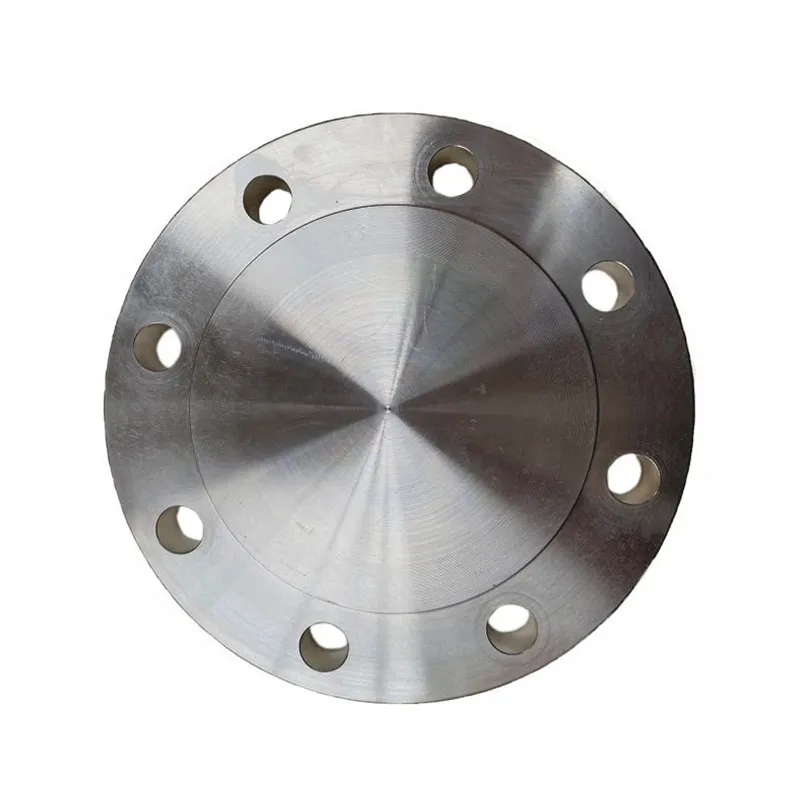
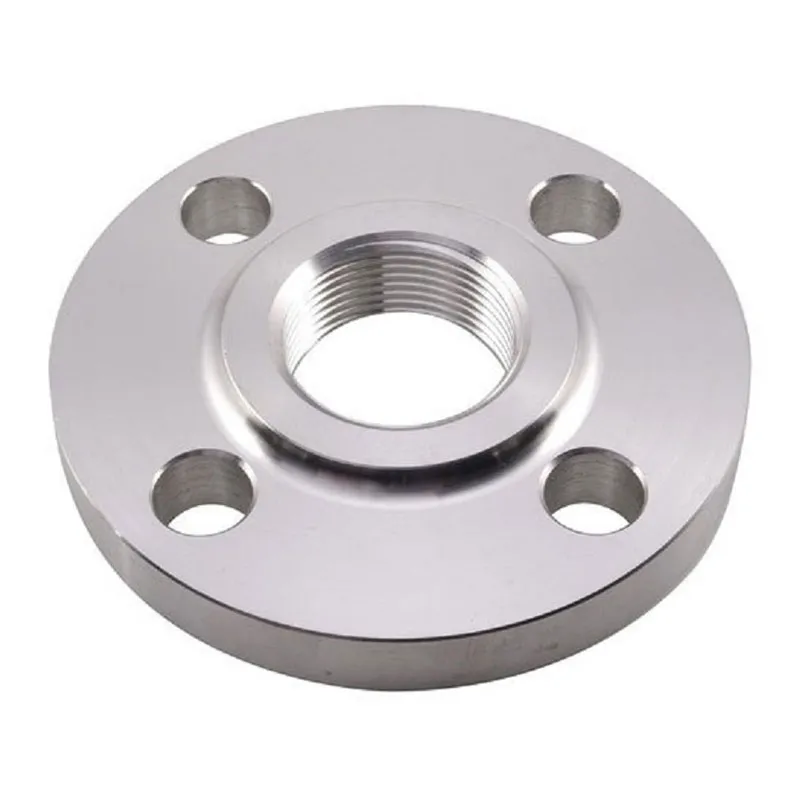
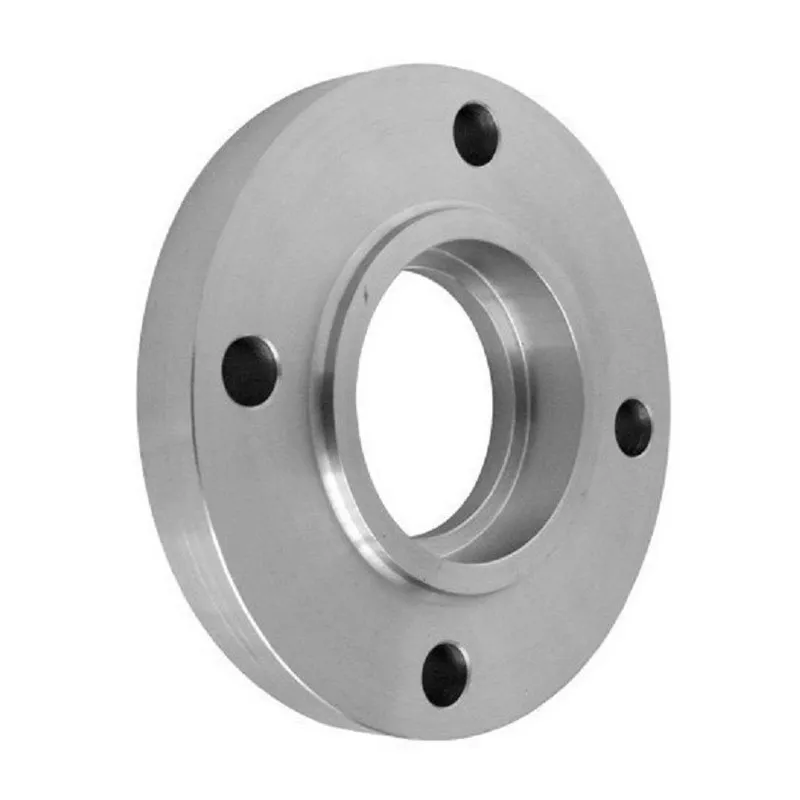
Best Sellingproducts
Best Selling Products-
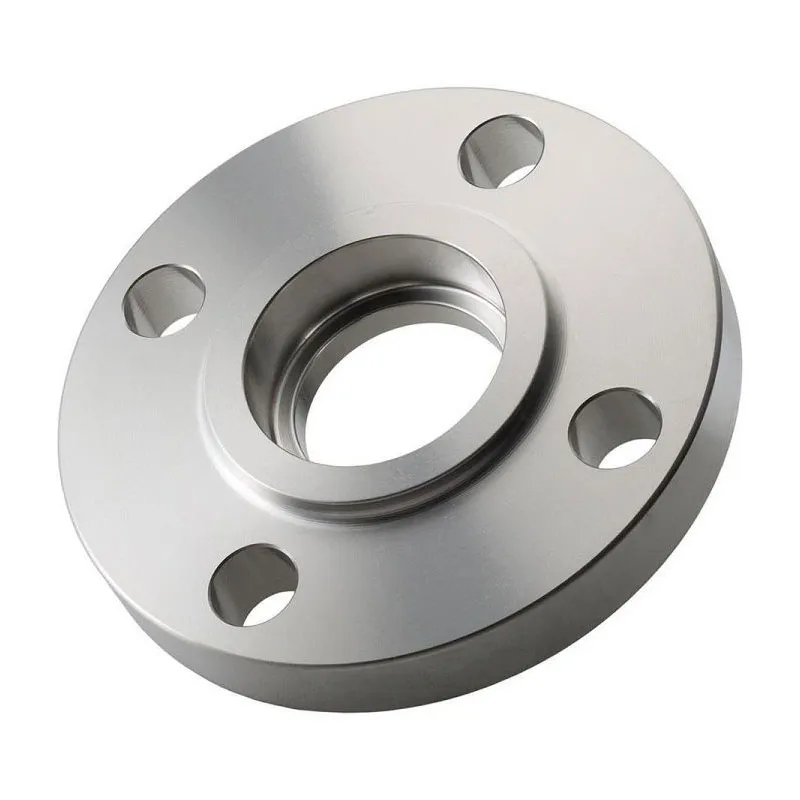 ANSI B16.5 Socket Weld Flanges Class 1500
 -
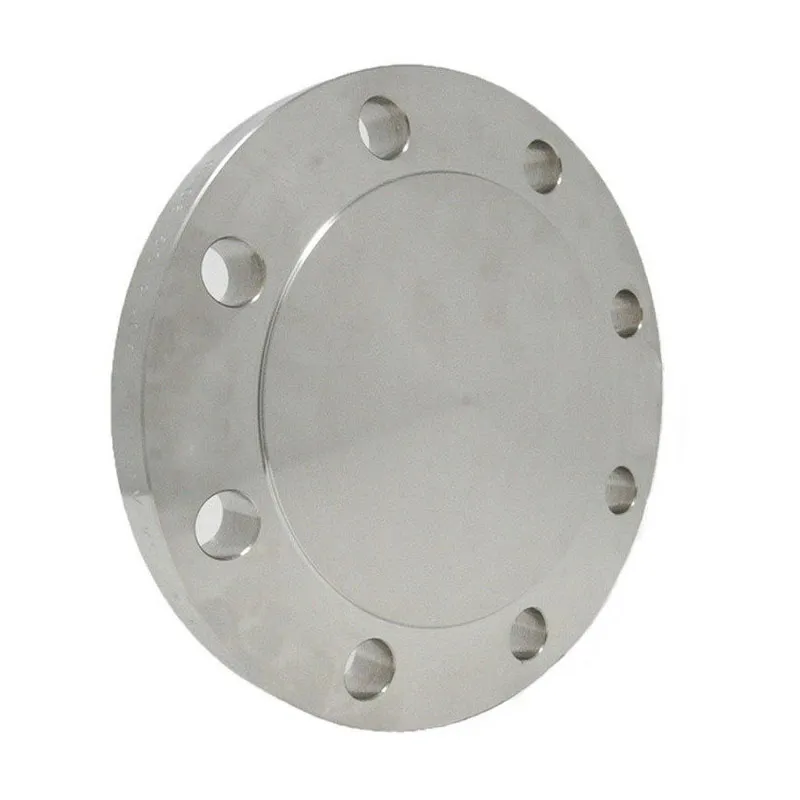 AWWA Blind Flanges Class D (Tables 1, 2, 3)
 -
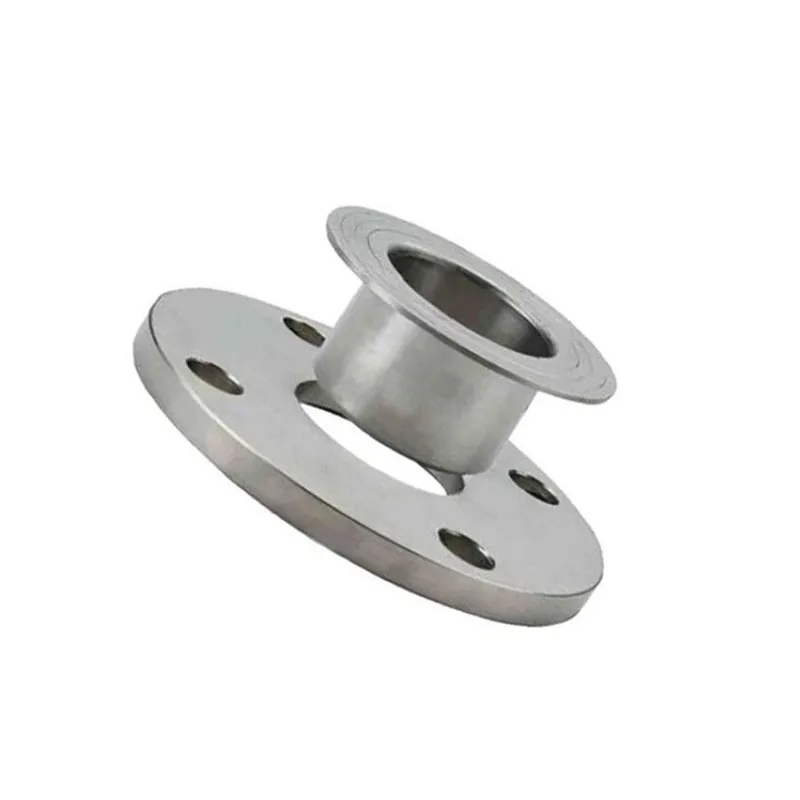 Free ring flanges Class 400
 -
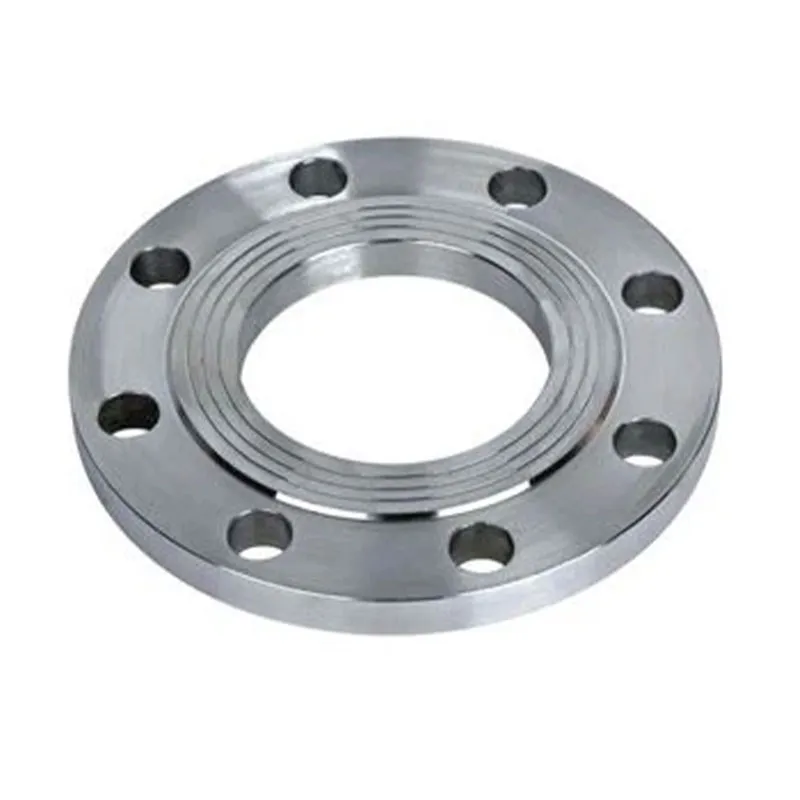 Butt weld flanges Class 150
 -
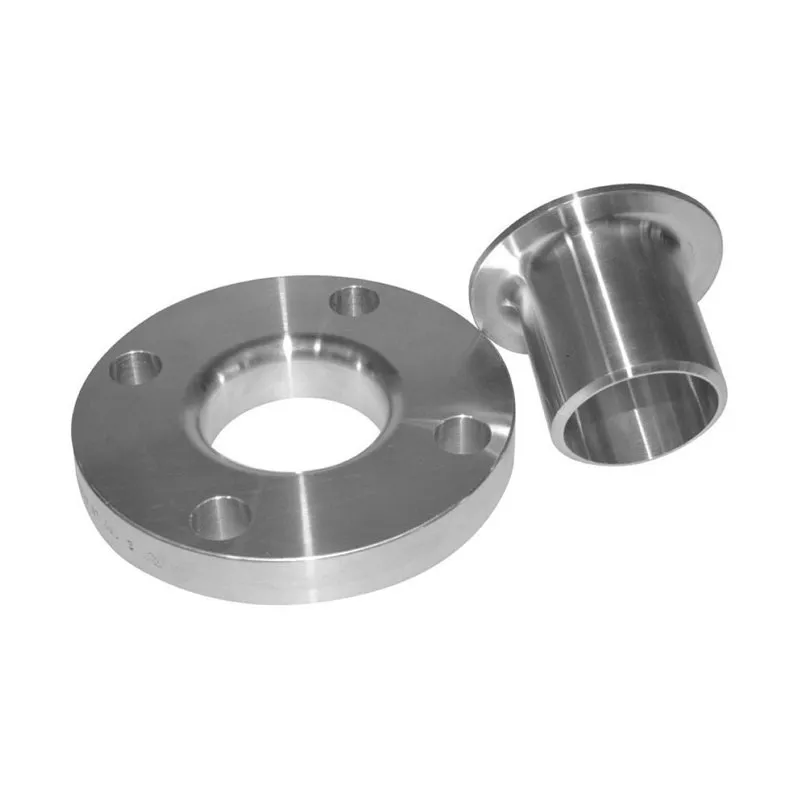 Free ring flanges Class 150
 -
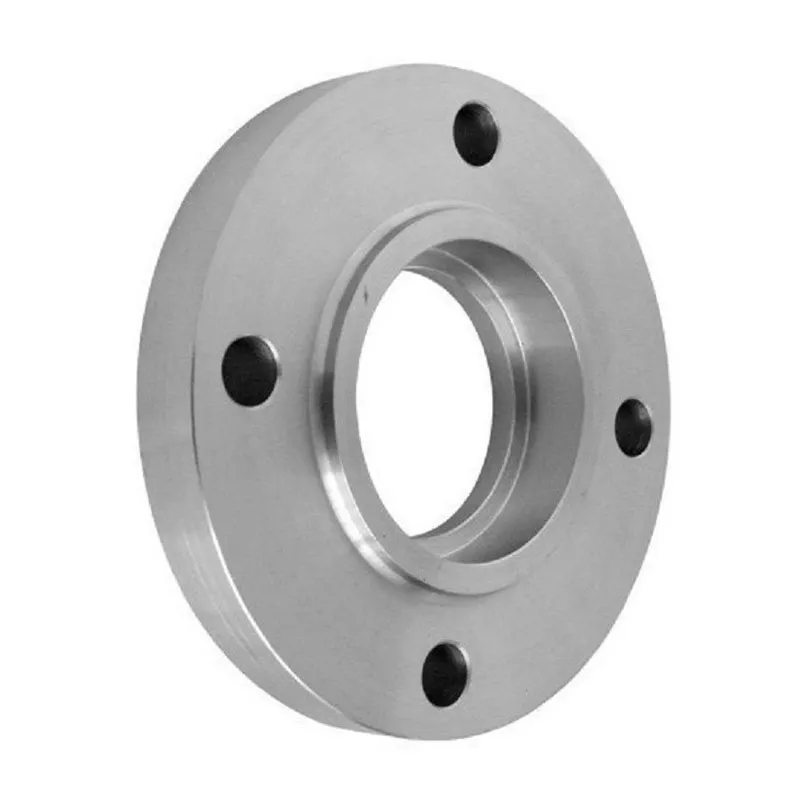 Socket Weld Flanges Class 300
 -
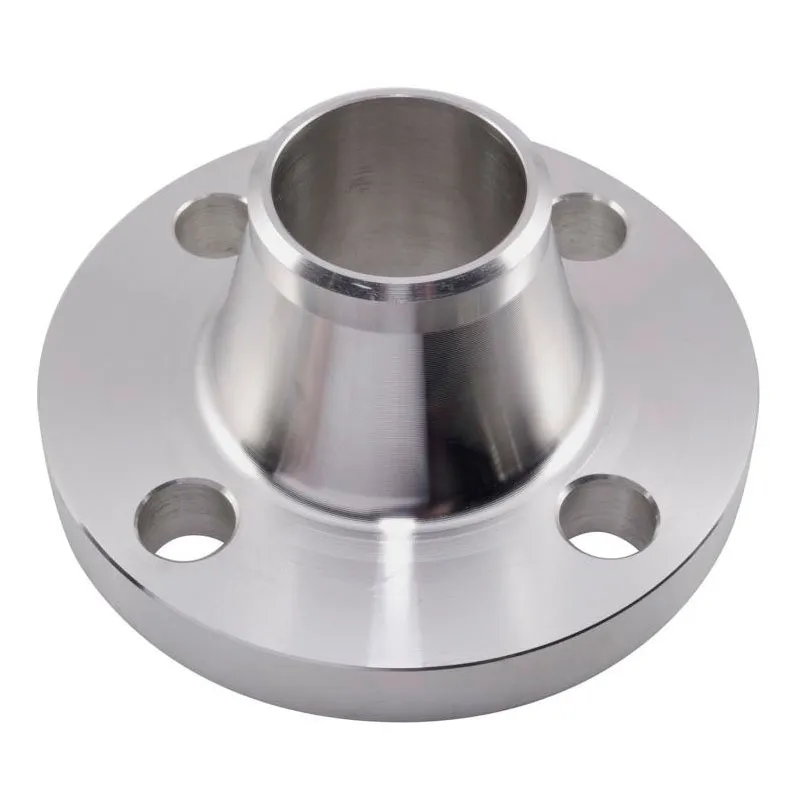 DIN Butt weld flanges PN10
 -
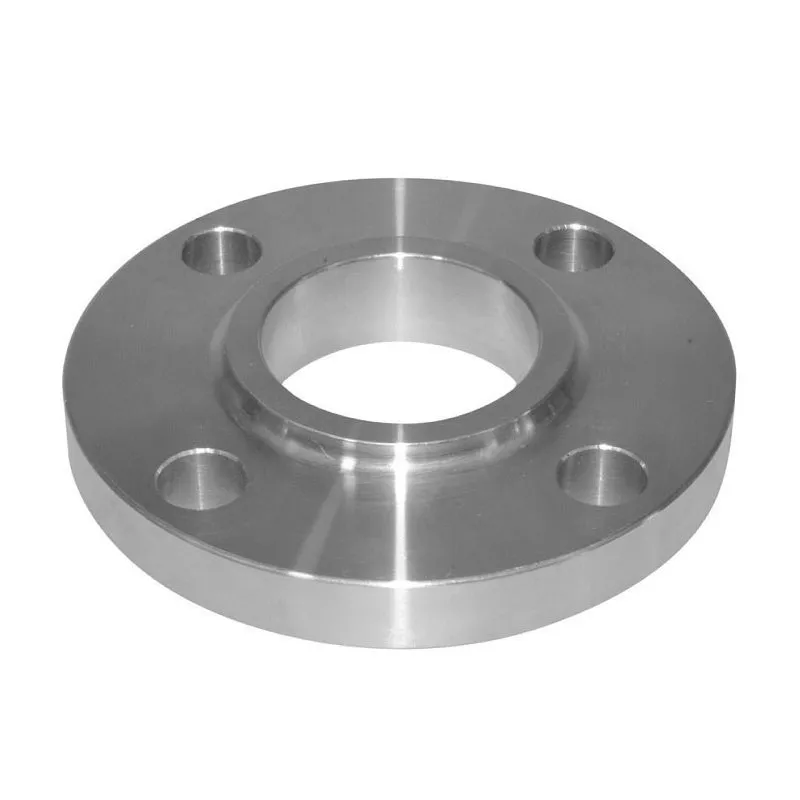 ANSI B16.5 Lap-on flanges Class 1500
 -
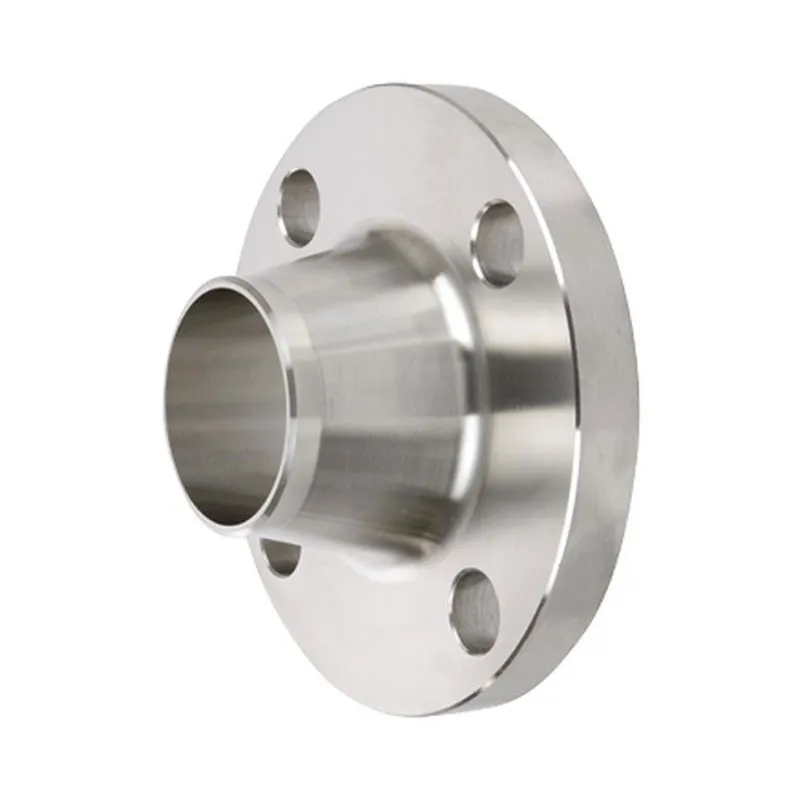 Ser.A Butt Weld Flanges Class 400
 -
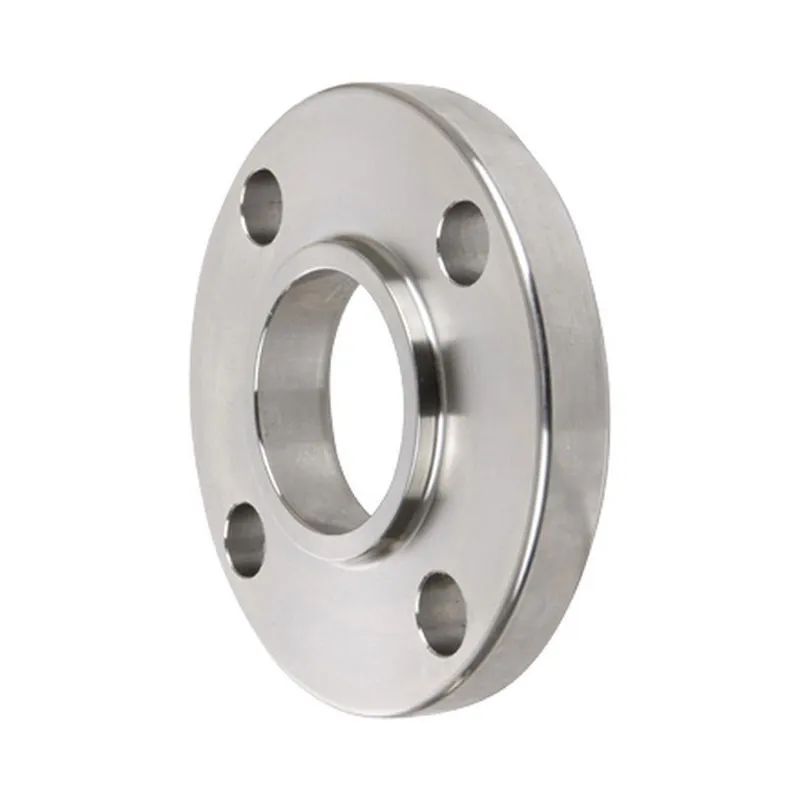 DIN 2501 Overlay flanges PN16
 -
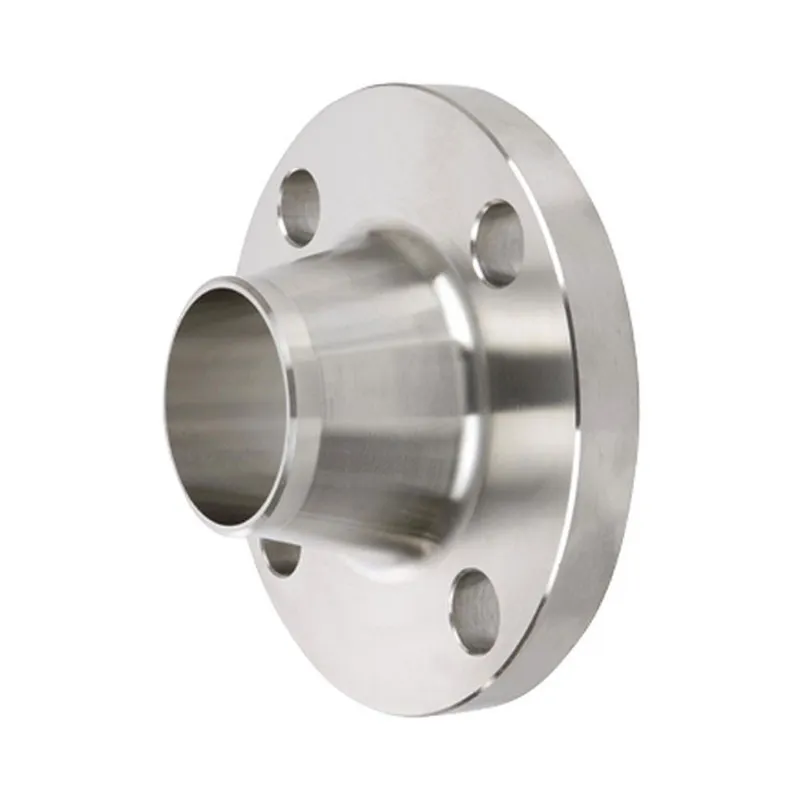 EN 1092-1 Butt weld flanges Type 11, PN25
 -
 ANSI B16.5 Lap-on flanges Class 300