
-
-
Phone
+86-13623462298



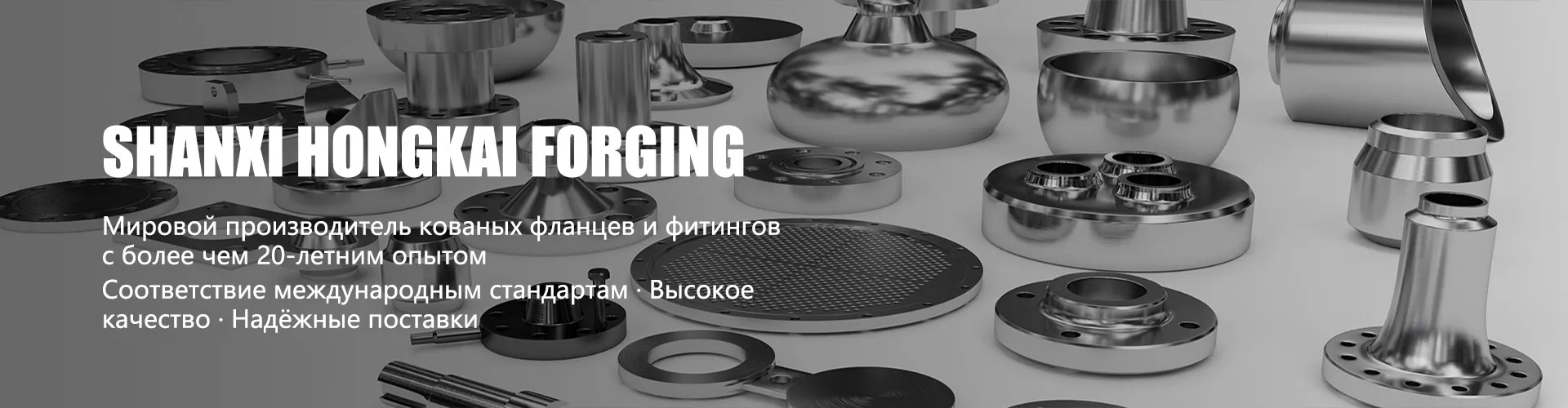
flange steel 10
Now you look at the specification - the flange is steel 10. It would seem that what’s so complicated here? High-quality carbon structural steel, GOST 1050-88, work for yourself. But it is precisely this simplicity that misleads many, especially those who are just starting to purchase or design units. The thought immediately arises: “Well, steel and steel, the main thing is the geometry in accordance with GOST 12821-80 or ASME B16.5?” And then during installation or, worse, during operation, nuances emerge that are not written about in catalogs. I went through this myself when ten years ago we installed a batch of flanges on a saturated steam pipeline. The pressure seems to be normal, the temperature too, but after six months there are microcracks around the perimeter. We sorted it out - it all rested not on the product itself, but on the subtleties of using steel 10 in specific conditions.
What is hidden behind the marking “steel 10”?
When you say “steel 10 flange”, you need to immediately understand: we are talking about a material for certain conditions. This is not a one-size-fits-all steel. Its tensile strength is about 330 MPa, its yield strength is at least 200 MPa. The numbers are dry, but in practice this means that for dynamic loads, for cyclic temperature changes above 425-450°C, for aggressive environments with a high content of, say, hydrogen sulfide, it is no longer the best choice. Although for water, low pressure steam, inert gases at moderate temperatures it is excellent.
A common mistake is to confuse it with steel 20. It seems that the difference is in tenths of a percent of carbon (0.07-0.14% for 10 versus 0.17-0.24% for 20). But this seemingly trifle seriously affects weldability and ductility. For steel 10, there is less risk of the formation of hardening structures in the weld zone, which is critical when installing at a facility where heat treatment after welding is not always possible. But the strength of the connection will be slightly lower. This is the very moment when the technologist must weigh: what is more important - ease of installation or load reserve?
Another point that is rarely discussed is the state of metal supply. Steel 10 for flanges usually comes in the form of forging or stamping. And here the quality of the original workpiece is everything. If the ingot had non-metallic inclusions or segregation, then even with the ideal geometry of the finished flange, there may be hidden defects in the body. We once worked withShanxi Hongkai Forging Co.,Ltd— they just focus on forged flanges. In their case, forging the workpiece allows the grain to be crushed and the heterogeneity of the structure to be eliminated. This is not an advertisement, but an observation: when you pick up their forging underflange steel 10, it is clear that the fibers follow the contour, and not at random. This immediately reduces the risk of delamination under load.
From drawing to warehouse: production pitfalls
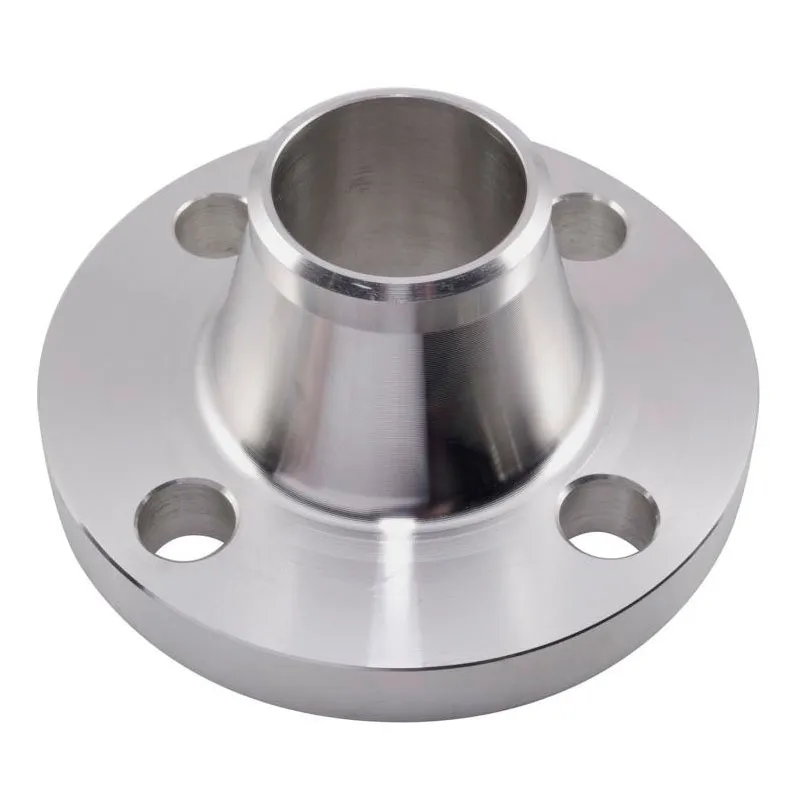
Let's say you've chosen a brand. Next is production. The most common type is a steel welding neck flange. For it, a workpiece is cut out of a forging or sheet, then turning, drilling, and chamfering for welding takes place. It would seem a standard process. But here's where the dog lies: when machining 10 steel, it's important not to overheat the edge. It is soft and easily sticks to the cutter if the speed and feed are incorrectly selected. It turns out to be a “hardening”? - surface hardening, which can then lead to microcracks during bending or installation. I have seen flanges where there were such burrs on the 30-degree chamfer - this is a defect, but it is not always seen upon acceptance.
Heat treatment. For steel 10, normalization is the exception rather than the rule. Most often, flanges are supplied without heat treatment, in the metal state (hot rolled or forged). But if the project requires the removal of residual stresses after intensive mechanical processing, then normalization is carried out - heating to 900-920°C and cooling in air. It is important that the oven is calibrated and there are no local overheats. I remember an incident at one of the petrochemical plants: after installation, a batch of flanges leaked along the body, not along the weld. The autopsy showed that the process was “makeshift.” After normalization, the structure became coarse-grained and impact strength decreased. I had to change the entire line.
Control. Here you cannot do without ultrasonic testing (ultrasonic testing) or, at a minimum, magnetic particle testing, especially for critical objects. Forsteel flanges 10, which go to pressure above 10 MPa, this is a must-have. But many small manufacturers save money by limiting themselves to visual inspection and measuring dimensions. It's not worth the risk. On the websitehttps://www.hkflange.ruin the description of processesShanxi Hongkai Forging Co.,LtdIt is expressly stated that the control is carried out according to GOST or EN standards. This is an important marker. In reality, this means that they must have a protocol for each steel melt, and for finished products - a certificate that states both the mechanical properties and the results of non-destructive testing.
Standards and reality: GOST, ASME and “non-standard”
When you order a steel 10 flange, you always need to refer to the standard. Let's say GOST 12821-80 (steel butt-welded flanges on Ru from 0.1 to 20 MPa). It clearly describes dimensions, tolerances, and weight. But life makes adjustments. It often happens that a project requires a flange according to ASME B16.5 Class 150, but from a material similar to steel 10. According to ASME, will this be a Grade A or B material? You need to look at the chemical composition and mechanical properties. Not always a direct match. It happened that the technical department issued a specification “steel 10 according to GOST”, and a customer from Europe demanded a certificate with tests according to EN 10204 3.1. We had to negotiate with the plant about additional tests.
What to do with non-standard sizes? Let's say you need an adapter flange from DN200 to DN150, and even with a non-standard arrangement of holes. For 10 steel this is usually not a problem due to its good machinability. But the key point here is strength calculation. Doing it yourself is dangerous. It is better when the manufacturer has an engineering department. In the same companyShanxi Hongkai Forging Co.,Ltd, judging by the nomenclature, they make products according to customer drawings. This implies that they must check the calculations or make their own. This is critical for responsible use. I myself saw how “non-standard” it was. The flange, made in a makeshift workshop without calculations, burst during hydrotesting - we saved on the thickness of the neck.
Another practical point is coverage. Uncoated 10 steel rusts quickly. Typically, protection is provided by priming or painting. But if the flange is intended for the food industry or aggressive environments, galvanizing or even passivation of the surface may be required. It is important to remember that any coating can change dimensions, especially in the area of the sealing surface and stud holes. Therefore, smart manufacturers apply the coating after final machining but before marking. Otherwise, you can get a situation where the pin does not fit into the hole - 0.1 mm thick paint has accumulated in the thread groove.
From personal experience: case studies
I'll tell you about one case that well illustrates the importance of context. We ordered a batch of steel 10 flanges for piping heat exchangers. Temperature - 300°C, pressure 16 atmospheres, medium - steam. Everything seems to be within the tolerances. But after 8 months of operation, fistulas appeared on several flanges - microscopic, but noticeable from the steam. Opened up - stress corrosion cracking. Cause? It turned out that there was a small admixture of chlorides in the steam, which, combined with residual stresses in the material (possibly from improper forging or cooling), started the process. Steel 20 or 09G2S might have performed better. Conclusion: for any, even the simplest medium, a complete chemical analysis is needed and taking into account all, even unlikely, impurities.
Another example is working at low temperatures. Steel 10 is not cold resistant. Its impact strength at -20°C and below drops significantly. If the facility is in the northern region, and the flanges are on an external pipeline, there is a risk of brittle fracture due to water hammer or installation in winter conditions. One winter we installed a unit at -15°C. When tightening the studs, one of the flanges cracked from the hole to the edge. Material - steel 10. After that, for external work below -10°C, they began to look towards steels with low carbon content and alloying, or require the supplier to conduct impact bending tests at subzero temperatures.
And finally, about interaction with suppliers. Previously, we worked with many small workshops. The quality fluctuated: sometimes an excellent batch, sometimes a defect. Then we switched to working with larger manufacturers that specialize specifically in forgings, like the one mentionedShanxi Hongkai Forging Co.,Ltd. The difference is felt not only in the stability of the geometry, but also in the accompanying documentation. When every flange has traceability - from the heat number to the finished product - that's peace of mind. Especially when it comes to certified objects. Their range up to DN4000 just allows you to cover most needs without searching for ten different suppliers.
Instead of a conclusion: simple selection rules
So, to sum it up in a nutshell.Flange steel 10— it’s not “just a piece of hardware?”. This is a specific solution for specific conditions. First: always ask the supplier not only for a certificate of conformity, but also for a test report of mechanical properties specifically for the batch. Second: clearly link the grade of material to the standard by which your project operates (GOST, ASME, EN). If the standards are different, demand justification for equivalence.
Third: pay attention to the manufacturing method. A forged flange, as a rule, has better mechanical characteristics compared to a stamped one or, especially, one cut from a sheet due to the higher quality of the metal structure. Fourth: do not skimp on control. A visual inspection, measuring key dimensions (especially collar thickness, diameter and roughness of the sealing surface, looseness of holes) is a minimum.
One last thing: be aware of the environment. 10 steel is not stainless steel. Suitable for water, steam, air, nitrogen. For weak acids, alkalis, and environments with chlorides, protection or a different grade of steel is already needed. And always consider the temperature. All this seems obvious, but how many times are these ?obvious? things were missed at the ordering stage, and then came out sideways during installation or operation. Working with flanges is always a story of attention to detail, even if the part seems as simple as number 10 carbon steel.
Correspondingproducts
Related Products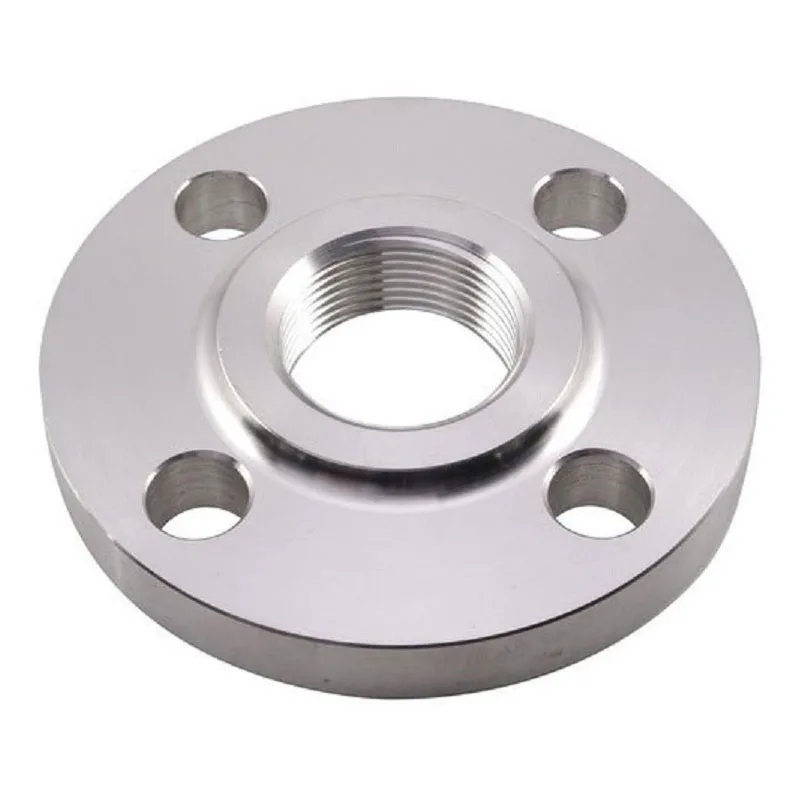
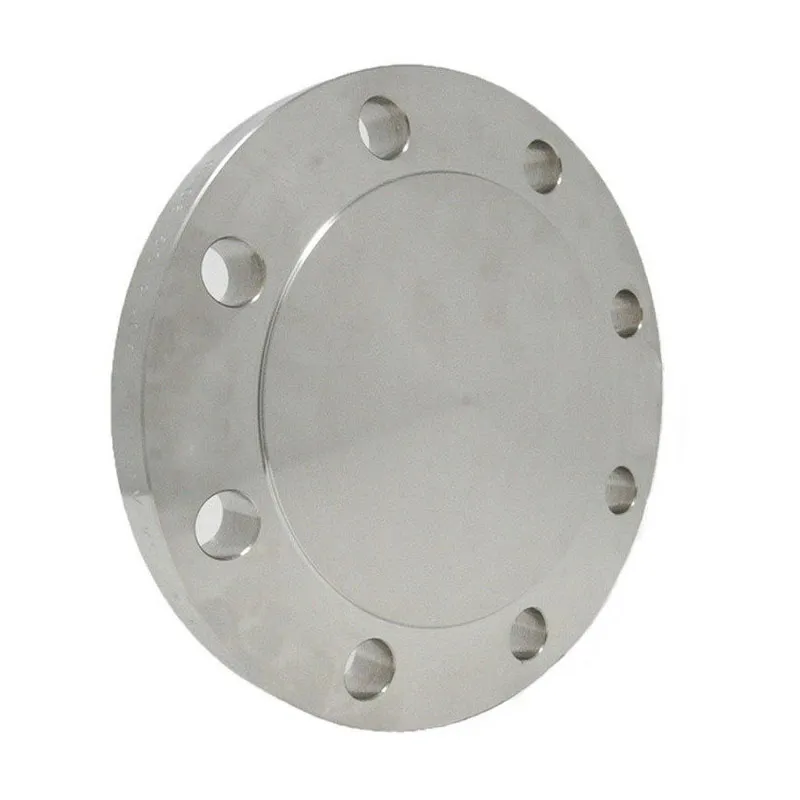
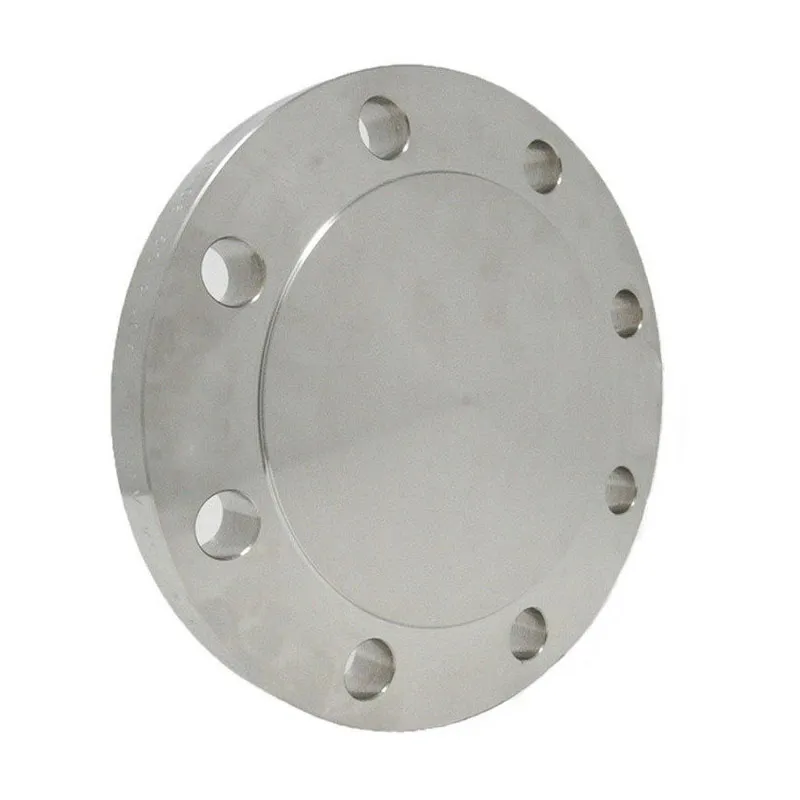
Best Sellingproducts
Best Selling Products-
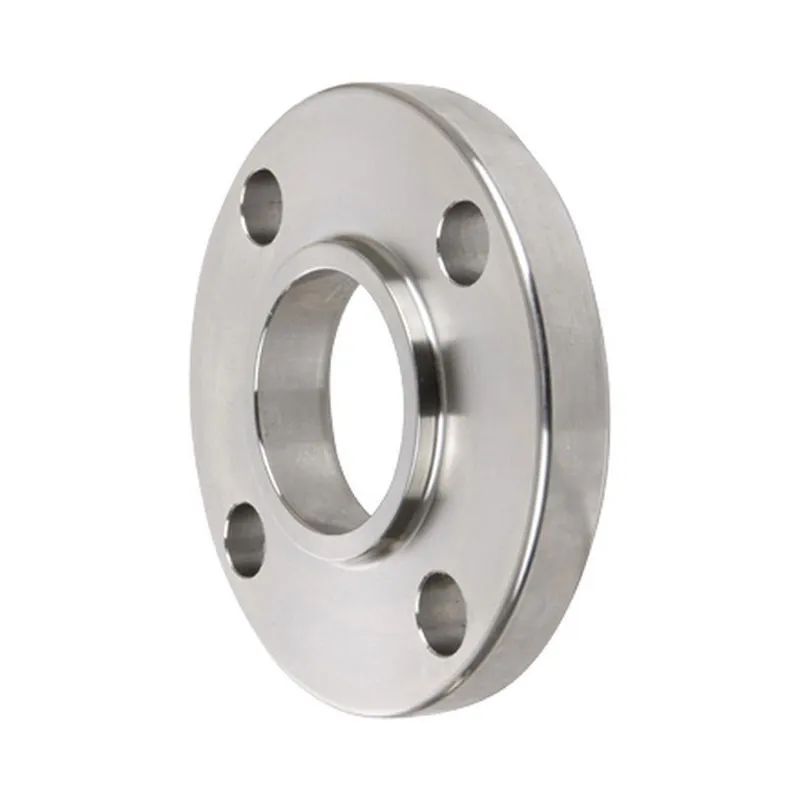 DIN 2501 Overlay flanges PN16
 -
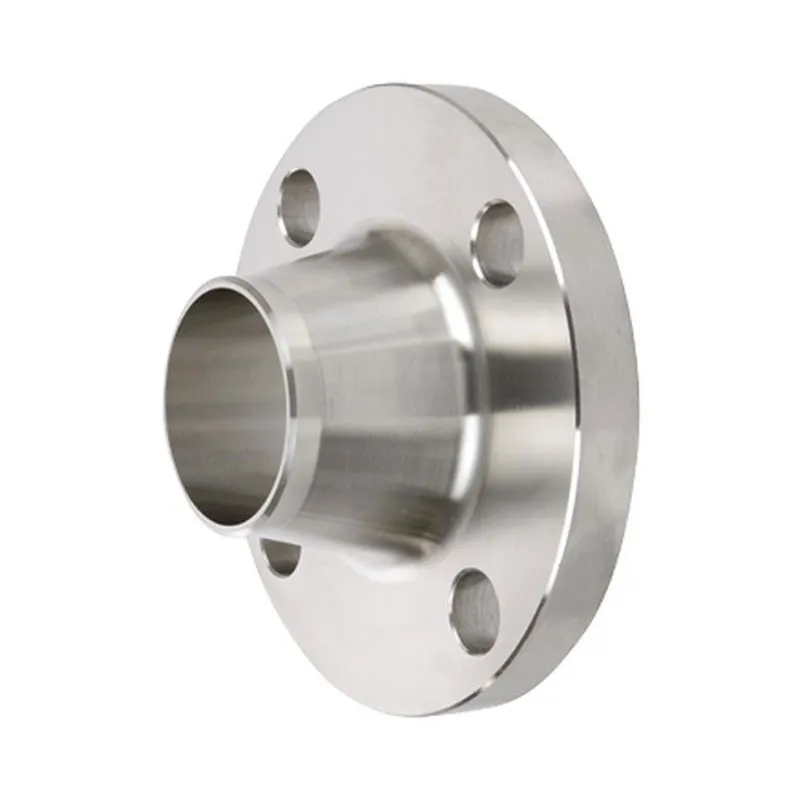 Ser.A Butt Weld Flanges Class 400
 -
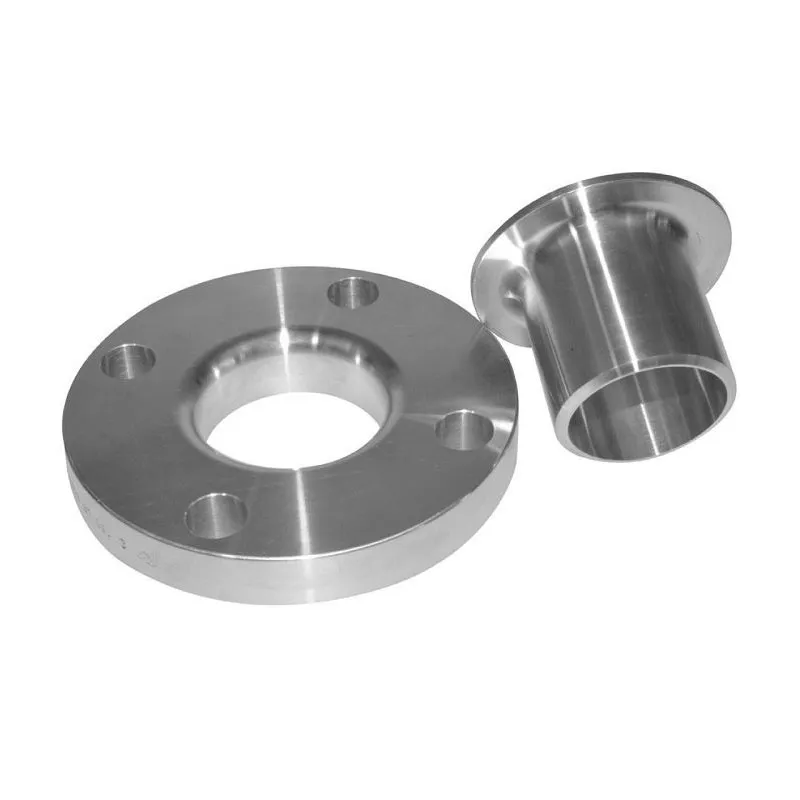 ANSI B16.5 Loose Ring Flanges Class 2500
 -
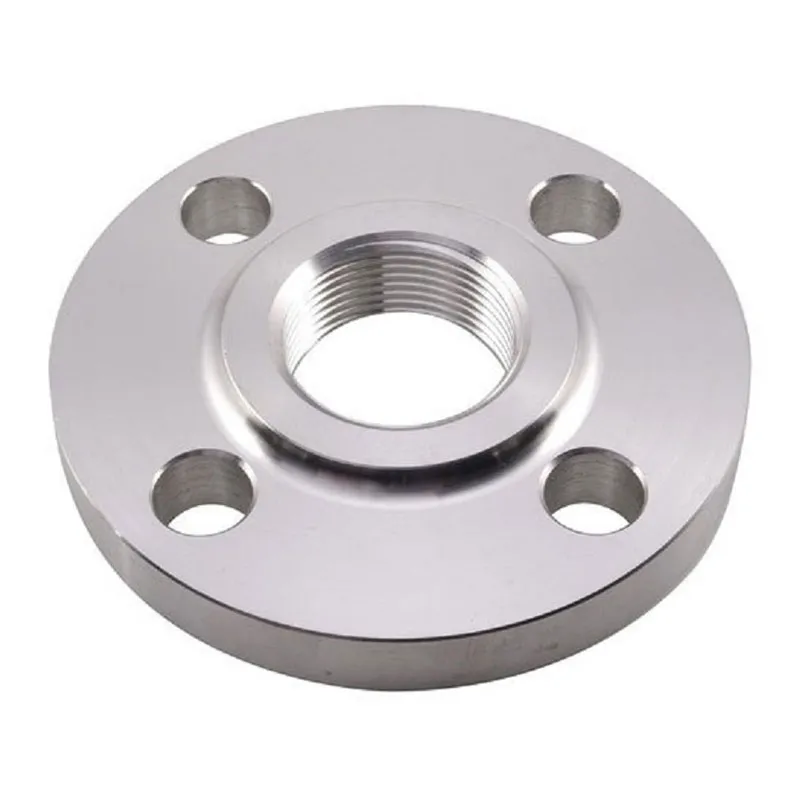 JIS 10K Overlay flanges
 -
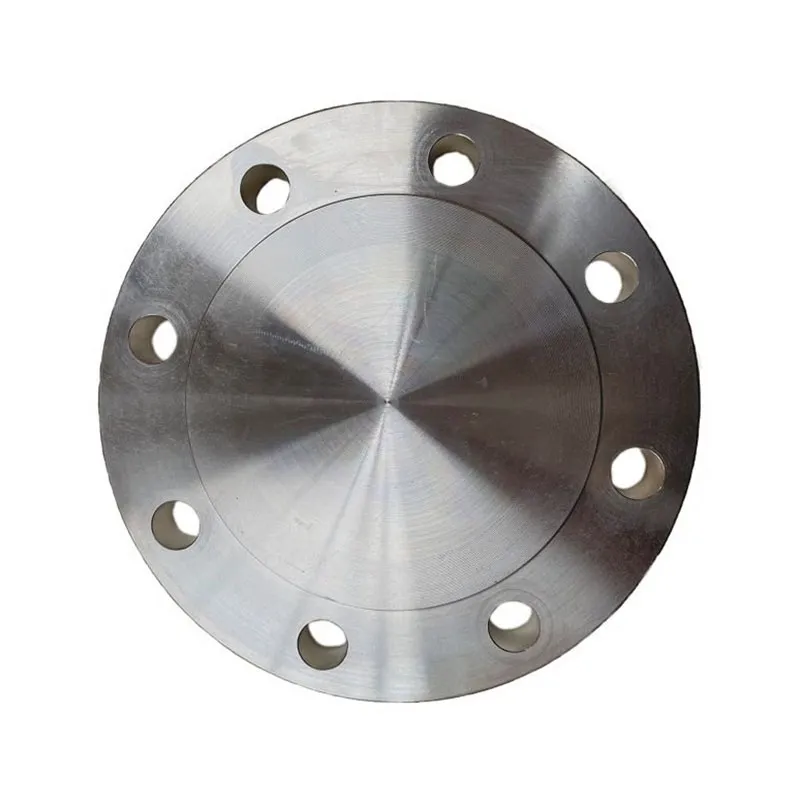 UNI 6092 Blind flanges PN10
 -
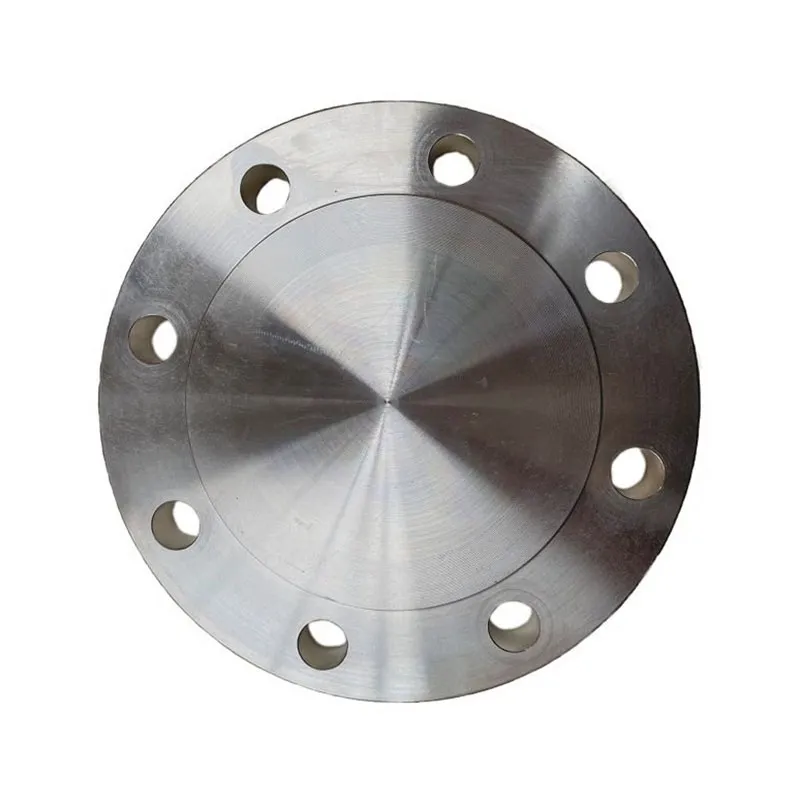 ASME B16.47 Ser.A Blind Flanges Class 400
 -
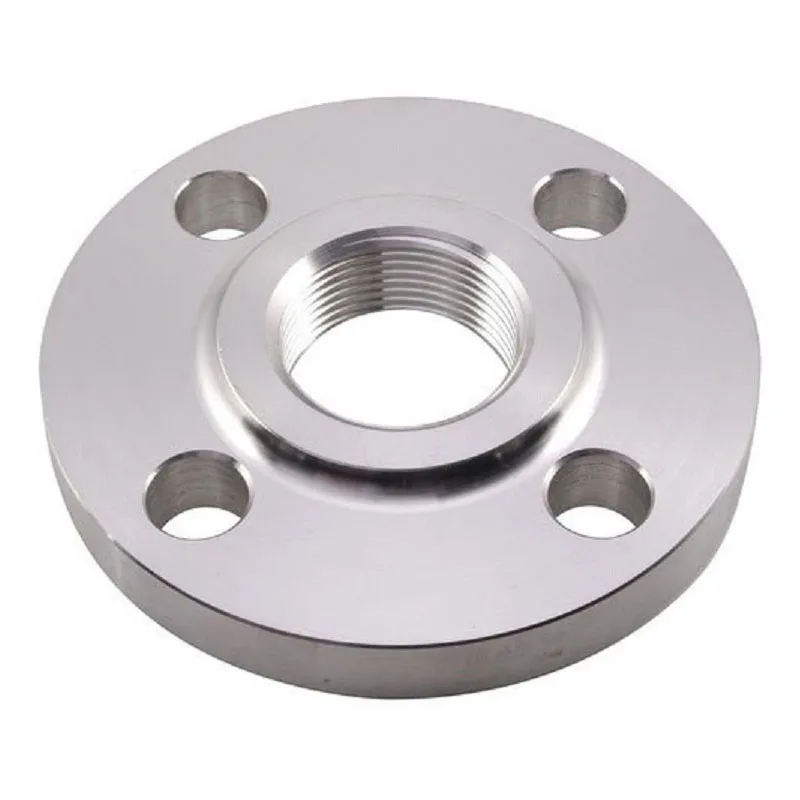 DIN 2566 Threaded flanges PN16
 -
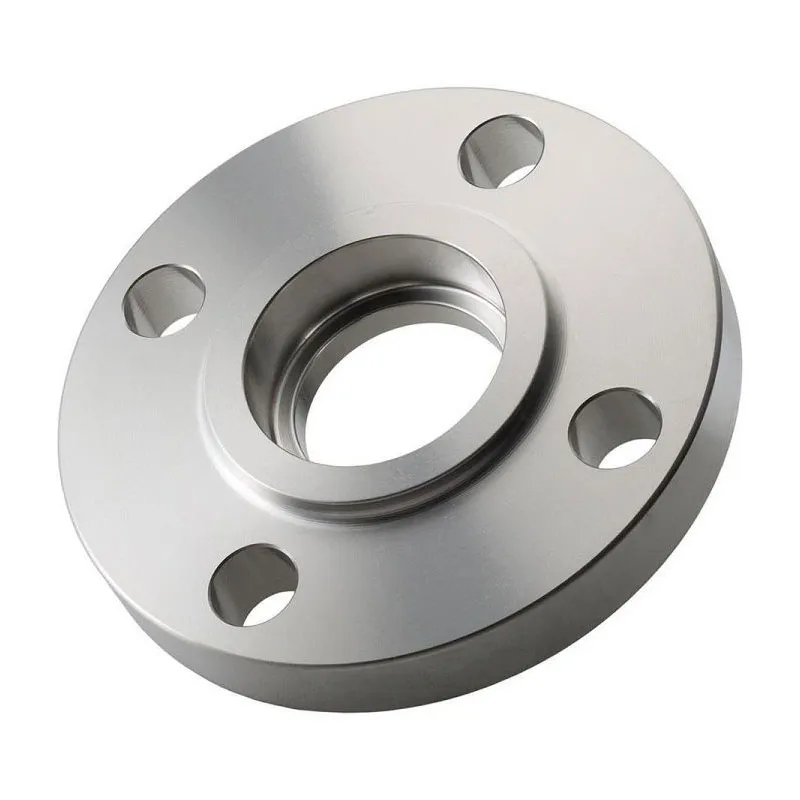 ANSI B16.5 Socket Weld Flanges Class 1500
 -
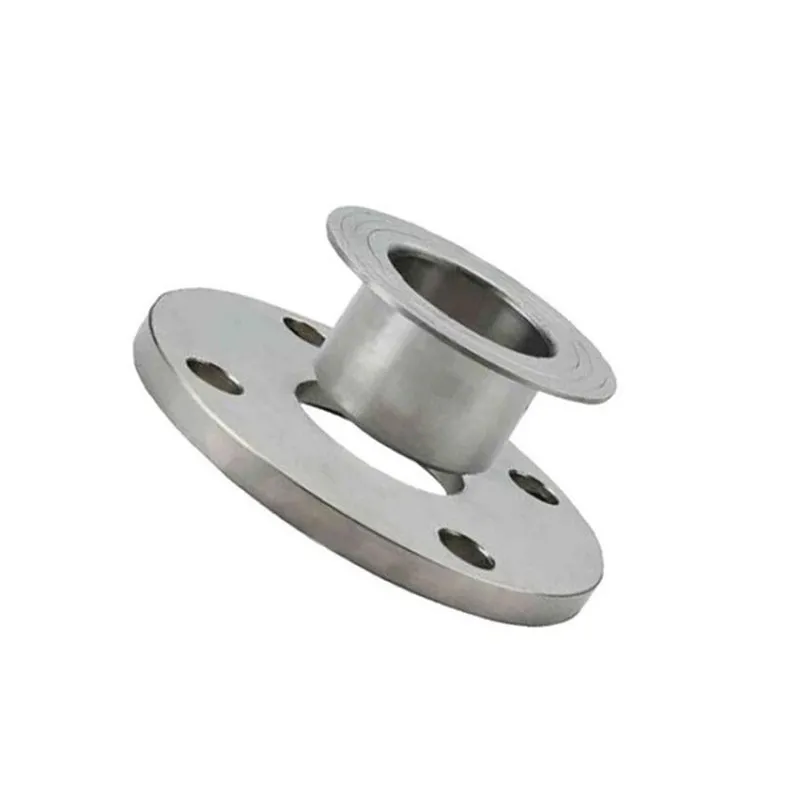 JIS 10K Loose Ring Flanges
 -
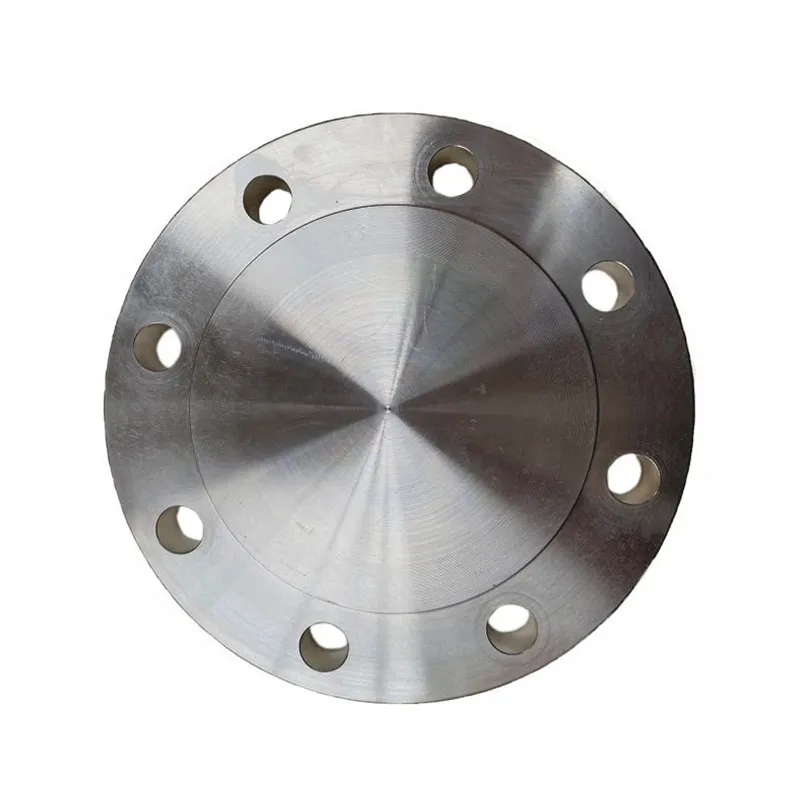 DIN 2527 Blind flanges PN10
 -
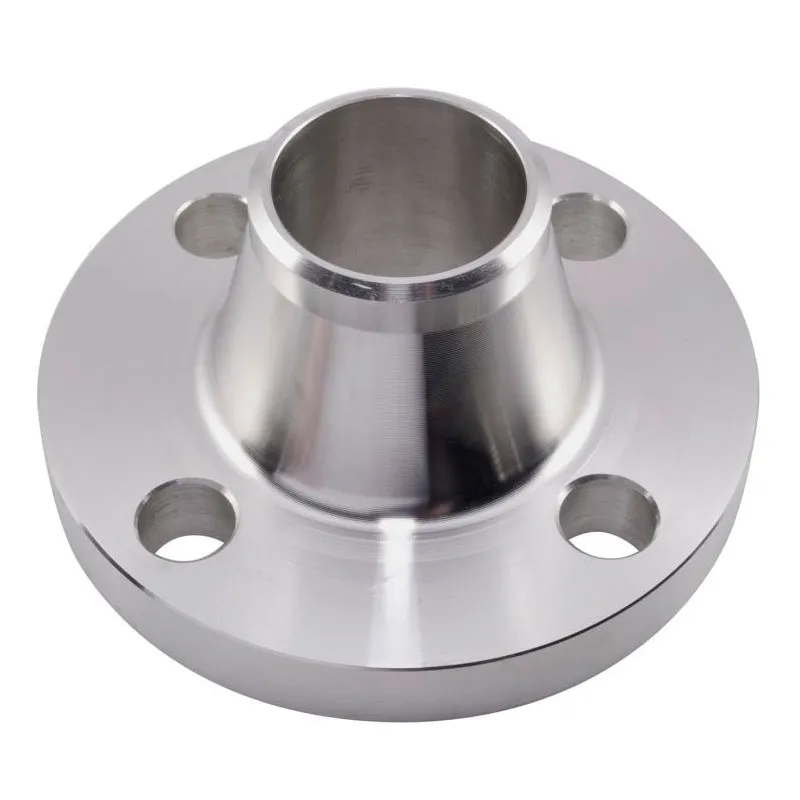 UNI 2281 Butt weld flanges PN10
 -
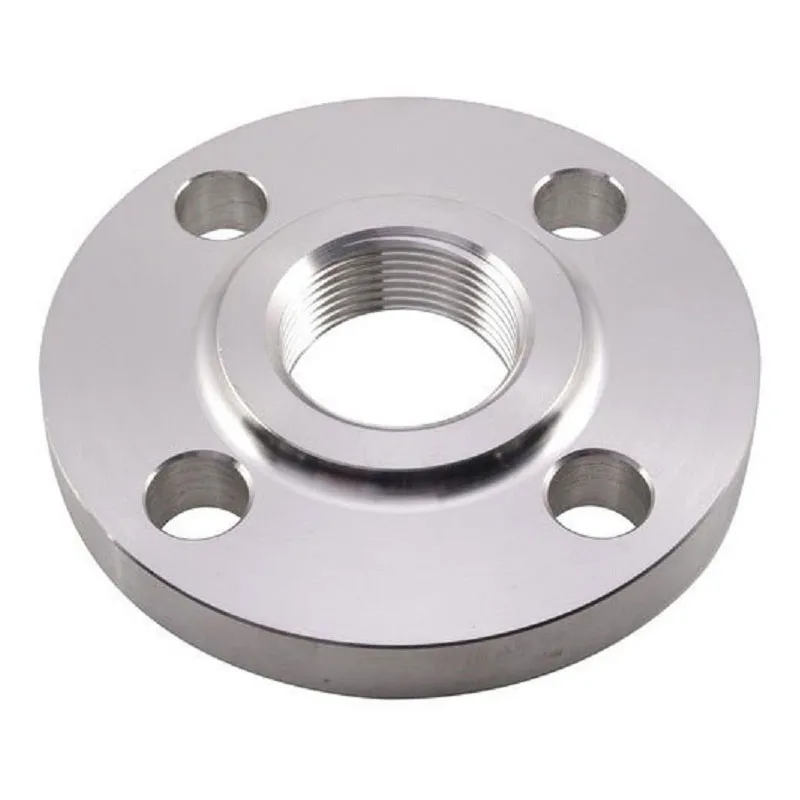 EN 1092-1 Threaded flanges Type 15, PN16