
-
-
Phone
+86-13623462298



counter flanges 150
You look at the specification - mating flanges 150, and it seems that everything is clear: pressure, size, standard. But in practice, especially with Du150, the fun begins. Many people think that the main thing is compliance with GOST or ASME B16.5, and they can calm down on that. Experience suggests that the key problems are often hidden not in the standard itself, but in the execution details, which are briefly mentioned in the drawings or are completely missed. Let's say the same protrusion height or type of sealing surface (RF, FF). For counter flanges, this is critical, otherwise joining with fittings or equipment will turn into a headache. I went through this myself when a batch had to be urgently modified at the site due to a discrepancy in the depth of the groove for the gasket.
Why DN150 is an area of special attention
A diameter of 150 mm is such a common, one might say, “borderline” one. dimension. It is no longer small, where everything is more or less standard, but it is also not large, where a serious reserve is laid in advance. Flanges, cast or forged, are often used here. And here lies the first nuance. Forging, especially for counter flanges that operate under conditions of variable loads and vibration, provides better metal quality and fewer hidden defects. I remember a project at a chemical plant, where they initially purchased cast flanges at an attractive price. Everything was accepted according to the documents, but six months later microcracks appeared on several units in the area of the holes for the studs. We switched to forged ones and the problem went away.
By the way, about forging. Not all manufacturers honestly indicate the technology. The inscription ?forged flange? - this is not a guarantee yet. You need to look at the structure of the metal, certificates, and ideally, know the reputation of the plant. Here, for example,Shanxi Hongkai Forging Co.,Ltd(websitehttps://www.hkflange.ru) - their profile is just forged flanges and forgings. They are from a region that is considered one of the centers of the forging industry in China. This is not an advertisement, but by the way - when you are looking for a reliable supplier for critical components, such details matter. Their range includes counter flanges up to DN4000, which indicates production capabilities.
And another 150 in diameter. It is often used in systems where modernization and capacity expansion are possible later. Therefore, when choosingcounter flanges 150I always advise looking not only at the pressure rating (eg PN16 or Class 150), but also at the actual thickness and material. It is better to take with a small margin, say, from steel 20 or 09G2S, if the environment is not aggressive, but there are temperature changes. Saving a couple of dollars per piece can then result in downtime.
Standards and pitfalls in labeling
You work with GOST (this is for steel flanges for pipelines), ASME B16.5, DIN EN 1092-1 - everything seems to be spelled out. But practice is a stubborn thing. Take, for example, the standardcounter flange 150according to GOST for PN16. The standard specifies dimensions and tolerances. However, when mating with an imported pump that has a DIN flange begins, discrepancies may arise in the diameter of the circle of the holes for the studs (PCD) or in the size of the holes themselves. Literally a millimeter, but it no longer fits together. You have to either look for adapter kits or order flanges for a specific equipment standard. This is a common design mistake - simply specifying “DN150 PN16 flange”, without specifying which standard it should be manufactured to.
Labeling is a different story. Real, "live" the flange must have clear, indelible markings: size, pressure, steel grade, manufacturer's mark, heat number. This is not bureaucracy, but a necessity. Once we received a shipment where the markings were applied with paint and were partially erased during transportation. I had to do an incoming inspection using a spectrometer to make sure of the steel grade. Waste of time and money. Manufacturers who value their name, like the sameShanxi Hongkai Forging Co.,Ltd, indicate in their materials that they work according to international standards (GOST, ASME, EN, DIN, etc.) and national GB. This is important because it means a systematic approach to control, and not a one-time production of “how will it turn out?”.
And one more point regarding standards - non-standard executions. Sometimes undercounter flanges 150Non-standard thicknesses or non-standard materials are required due to special operating conditions (high temperatures, aggressive environments). In this case, working according to customer drawings is an indicator of production flexibility. In the description of the mentioned company, by the way, the possibility of manufacturing non-standard products according to drawings is directly indicated. In our practice, this was a life saver when it was necessary to quickly replace a failed unit on an existing pipeline where the standard flanges did not fit the geometry.
Installation and typical errors that are only visible “in the field?”
The theory goes: installed the flanges, aligned the holes, tightened the studs to the correct torque. In reality, at a diameter of 150 mm you can already feel the weight of the structure. One of the common mistakes is insufficient support of the pipeline before the flange connection. If the pipe is "hanging" on the flanges, after tightening, bending moments are created. Over time, this leads to leaks through the gasket, and in the worst case, to deformation of the gasket itself.counter flange. I saw how on a heating main, after six months of operation, a unit had to be digested precisely because of this. We had to install additional supports.
Puff. A torque wrench is not a fad, but a necessity. Especially for flanges for pressures from PN16 and above. Uneven tightening is a direct path to misalignment and leaks. Forcounter flanges 1508 or 12 studs are often used. You need to tighten it crosswise, in several passes, gradually increasing the torque. It seems like a truism, but on construction sites this is often neglected, tightening the studs in a circle or immediately with maximum force. The result is a crushed gasket after the first hydrotest.
Gaskets. They are, of course, selected according to the environment and pressure. But there is a nuance with the width and type of flange surface. For a counter flange with a tongue-and-groove connection. or ?protrusion-recess? The gasket must fit exactly into the groove. If the groove on the flange has unevenness or burrs (machining defect), even the most expensive gasket will not save it. Therefore, upon acceptance, you need to not only check the dimensions, but also simply run your hand over the sealing surface to see if there are any cavities or marks from the cutter. A little thing that decides everything.
Choosing a supplier: price vs. reliability
The market is flooded with offers. Prices may vary significantly. The temptation to save money is great, especially with large volumes. But withcounter flanges, especially for common sizes like 150, saving on quality is a time bomb. A cheap flange can be made of steel of unknown origin, with violation of heat treatment conditions. Visually it may be ideal, but its mechanical properties (yield strength, impact strength) will be below normal. In conditions of the Russian winter or cyclic loads, this is fatal.
What to look for? Availability of a full package of certificates (not only a quality certificate, but also material certificates, mechanical test results, ultrasonic testing). For reputation. For specialization. If a company positions itself as a manufacturer, and not just a trading office, this is a plus. Like for exampleShanxi Hongkai Forging Co.,Ltd, which claims to be a manufacturer of forged flanges and forgings. Full cycle production, from forging to machining, gives more control over quality. Their size range DN15–DN4000 also indicates serious equipment.
Personal experience: once we ordered a trial batchcounter flanges 150from a new, untested supplier at a low price. The flanges arrived, everything seems to be fine. But during installation, we noticed that the threads in the holes for the studs were “torn,” and the studs were screwed in tightly. As a result, when tightening, the threads on several flanges were torn off. The entire batch was rejected, the deadlines were missed. Conclusion: low price is often compensated by low production standards in finishing operations - drilling, cutting. It is better to work with those for whom this is their main profile.
Instead of a conclusion: thoughts along the way
So, to summarize as we go,counter flanges 150- this is not just a piece of iron with holes. This is the node on which the integrity of the entire system depends. The choice here should not be based on the residual principle “if only it fits in diameter?”, but consciously: manufacturing technology (forged is preferable for critical components), strict compliance with the required standard for specific equipment, the quality of processing of sealing surfaces and holes. And, of course, a supplier who is responsible and can confirm the quality documented and factual. There are no trifles here. Each, even the smallest discrepancy, on a diameter of 150 mm can result in big problems. Trust but verify is the main principle. Especially when you order something that, at first glance, is simple and standard.
Correspondingproducts
Related Products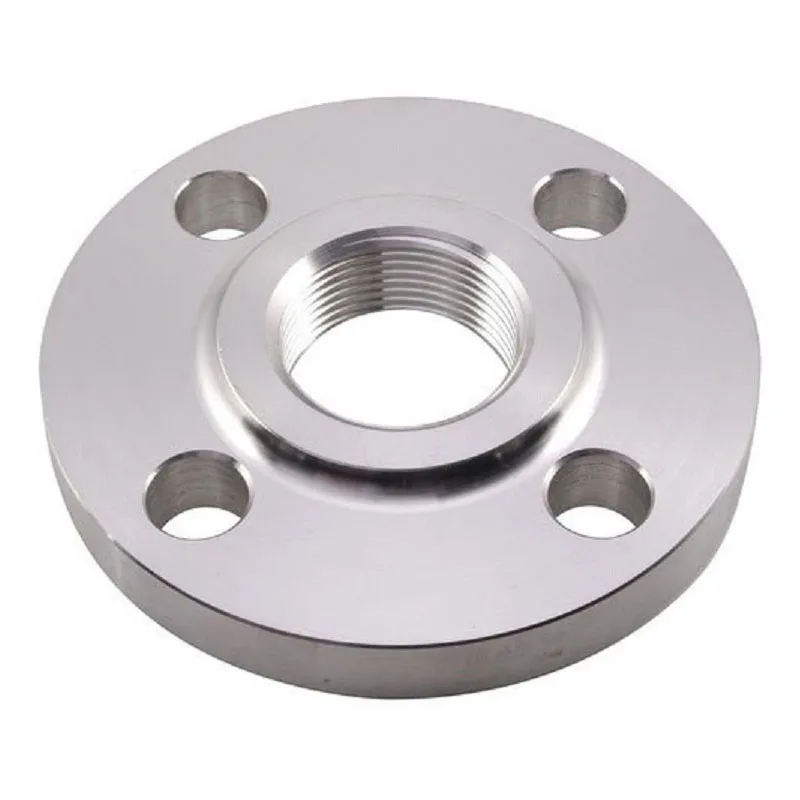
Best Sellingproducts
Best Selling Products-
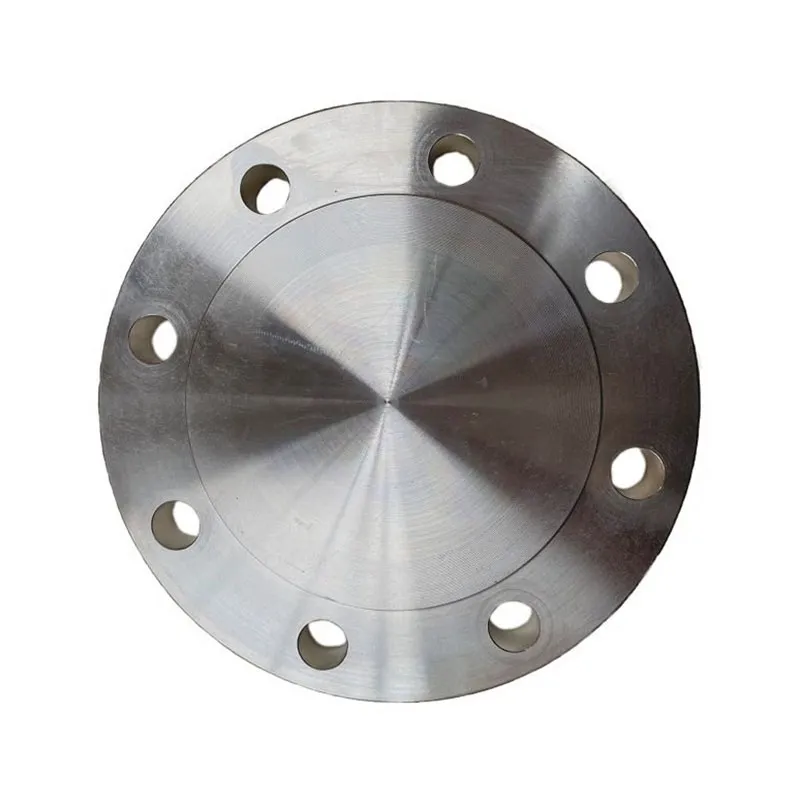
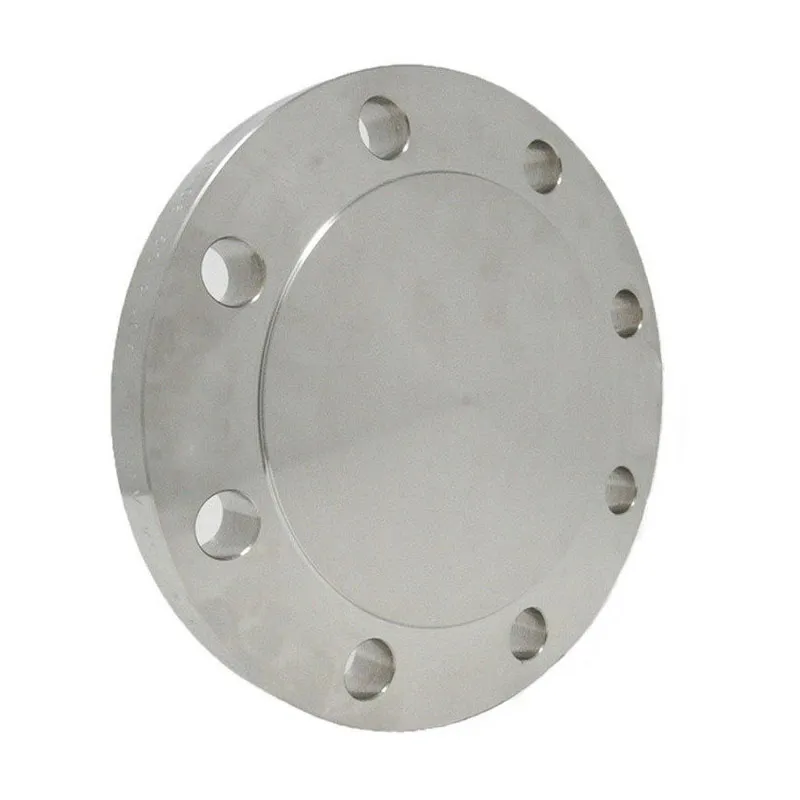 Blind flanges Class 150
 -
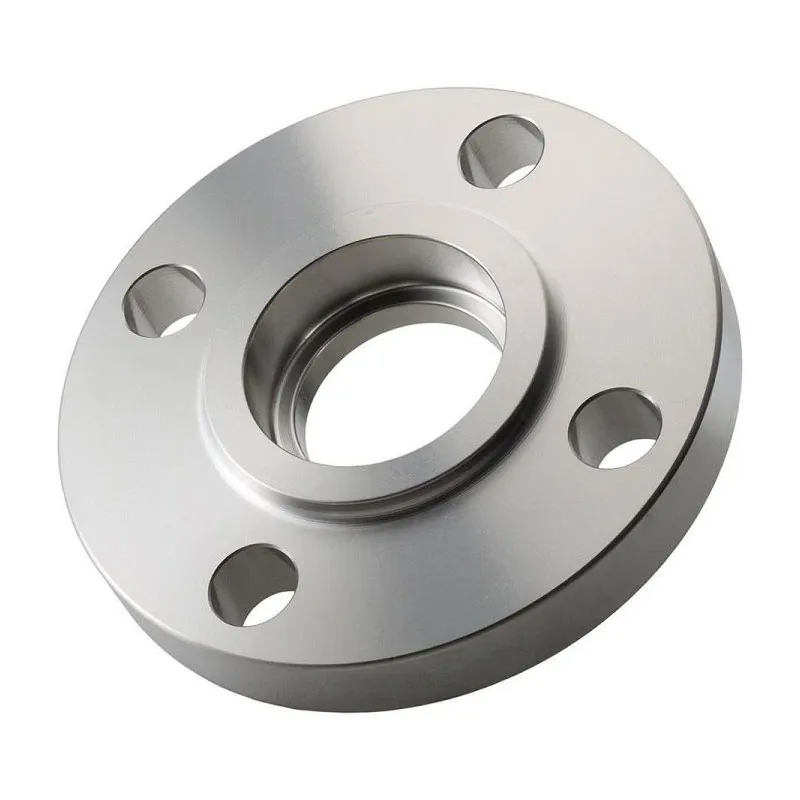 ANSI B16.5 Socket Weld Flanges Class 150
 -
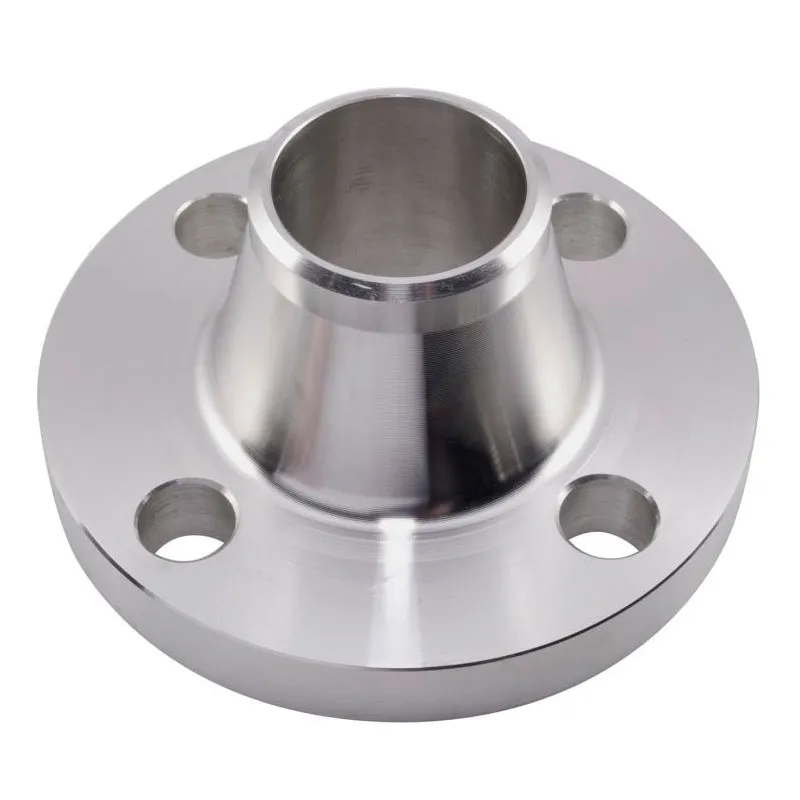 UNI 2281 Butt weld flanges PN10
 -
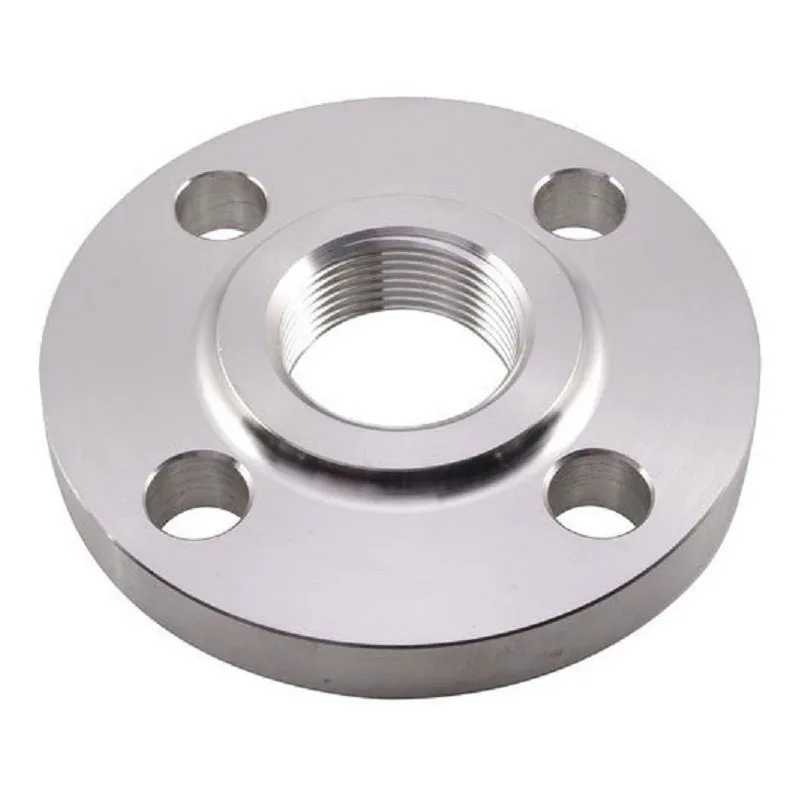 ANSI B16.5 Threaded Flanges Class 600
 -
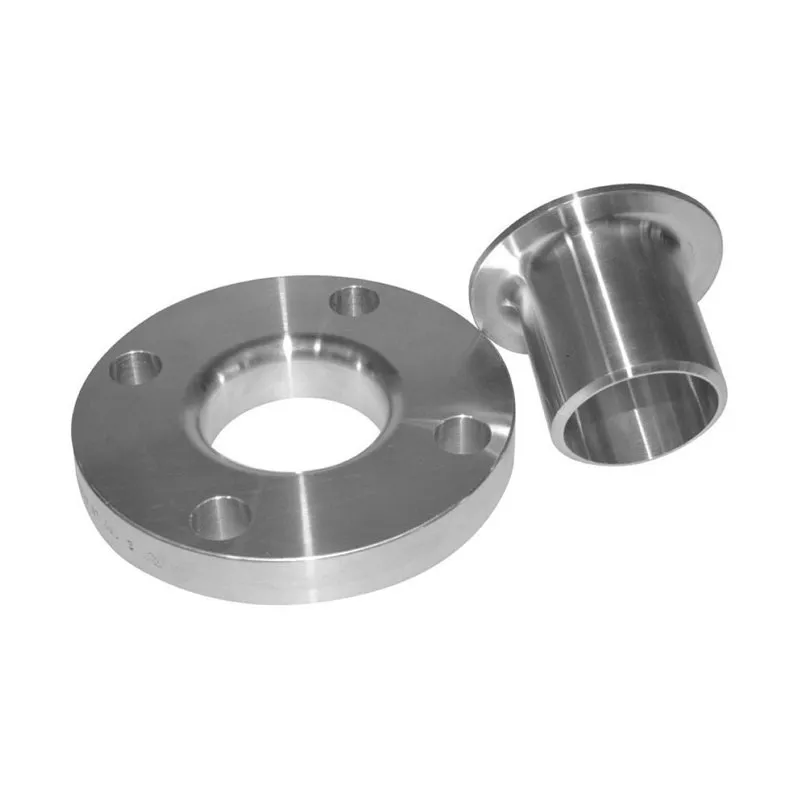
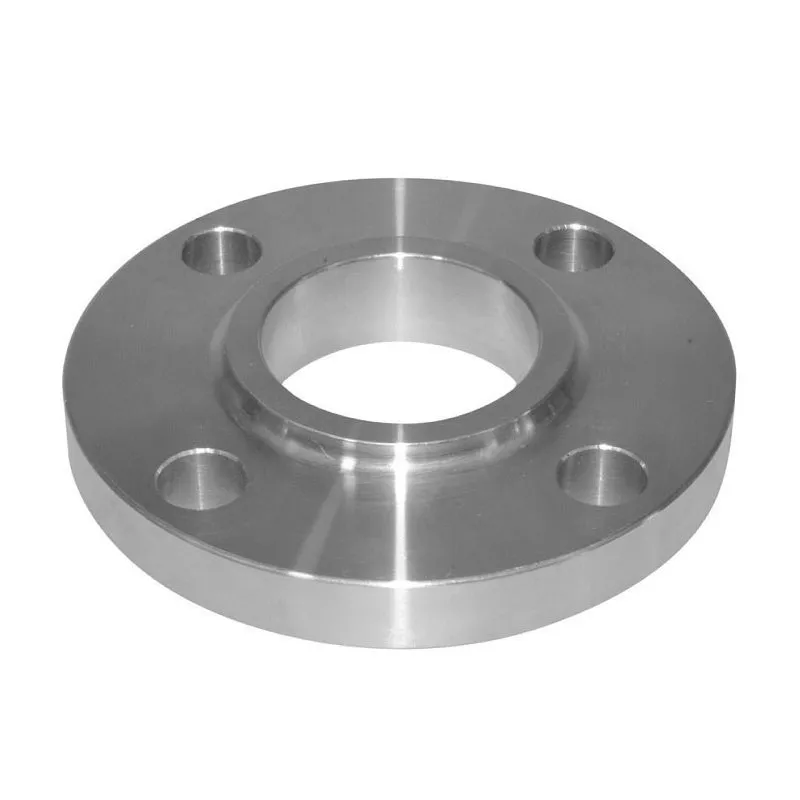 ANSI B16.5 Lap-on flanges Class 1500
 -
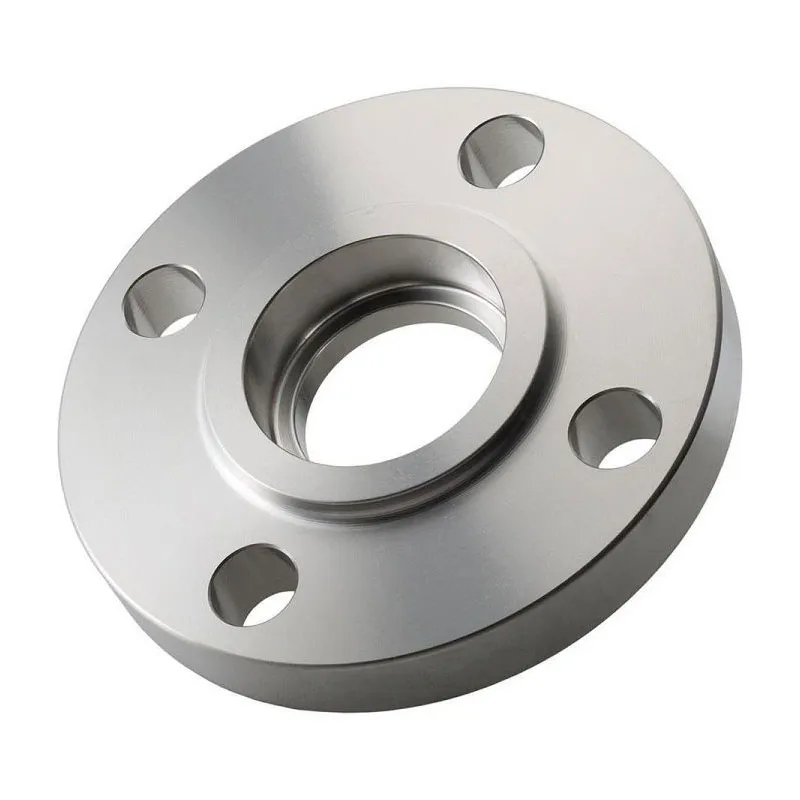 ANSI B16.5 Socket Weld Flanges Class 1500
 -
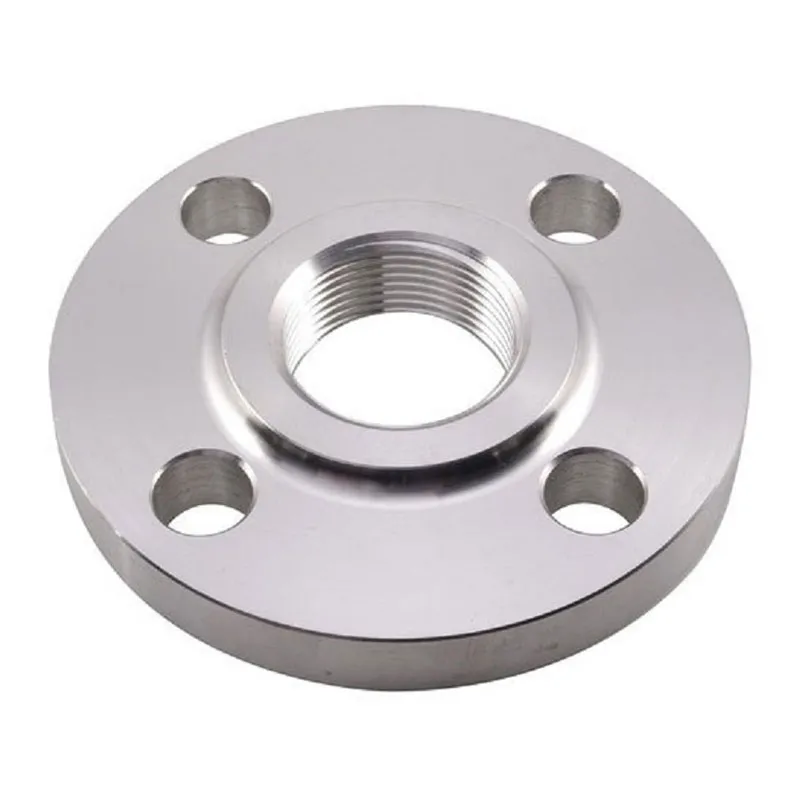 JIS 10K Overlay flanges
 -
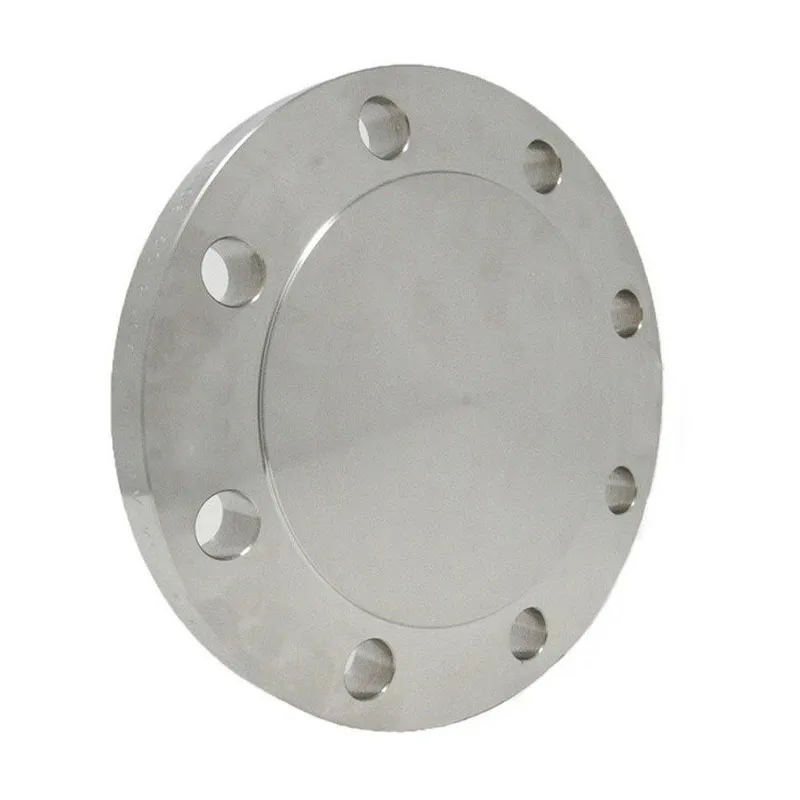 EN 1092-1 Blind flanges Type 05, PN10
 -
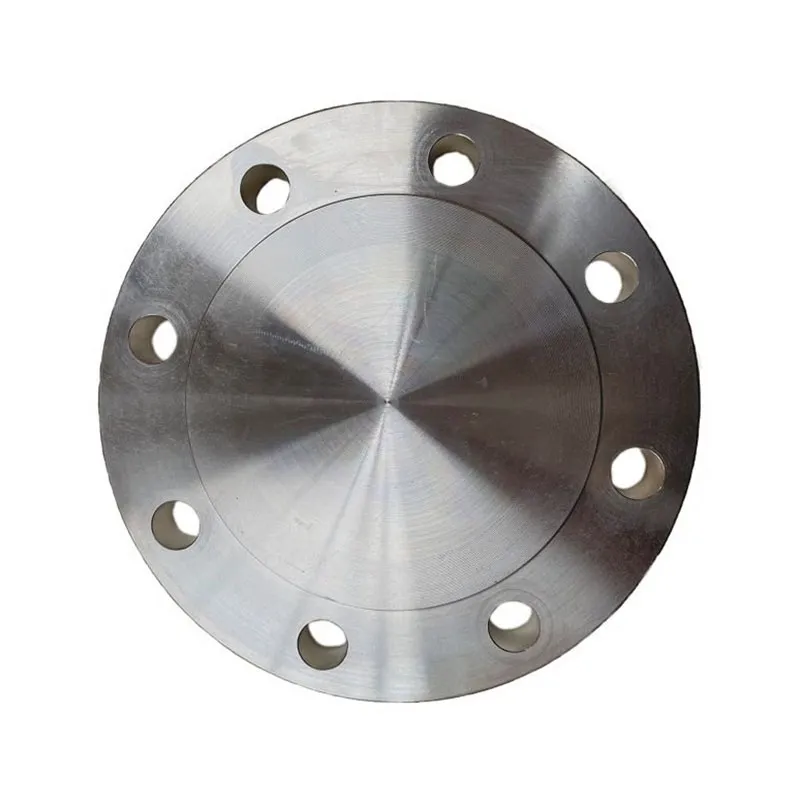 UNI 6092 Blind flanges PN10
 -
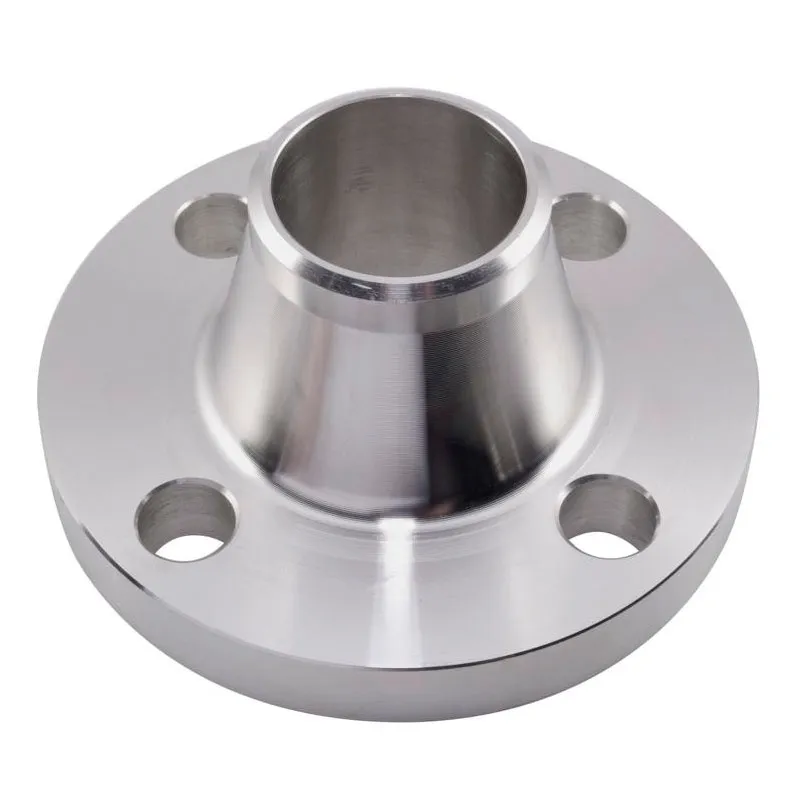 Butt weld flanges Class 900
 -
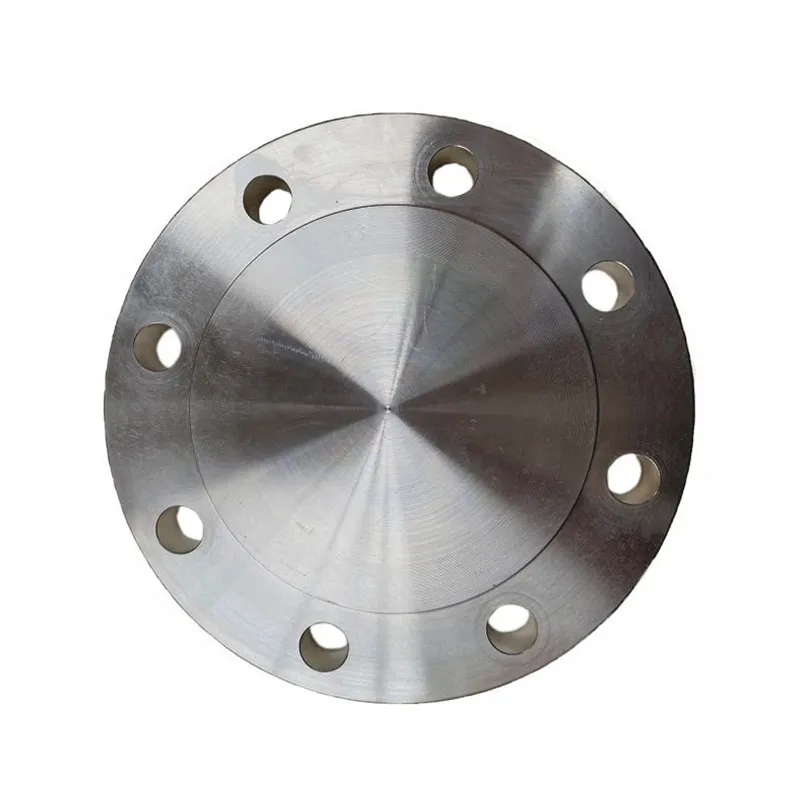 DIN 2527 Blind flanges PN10
 -
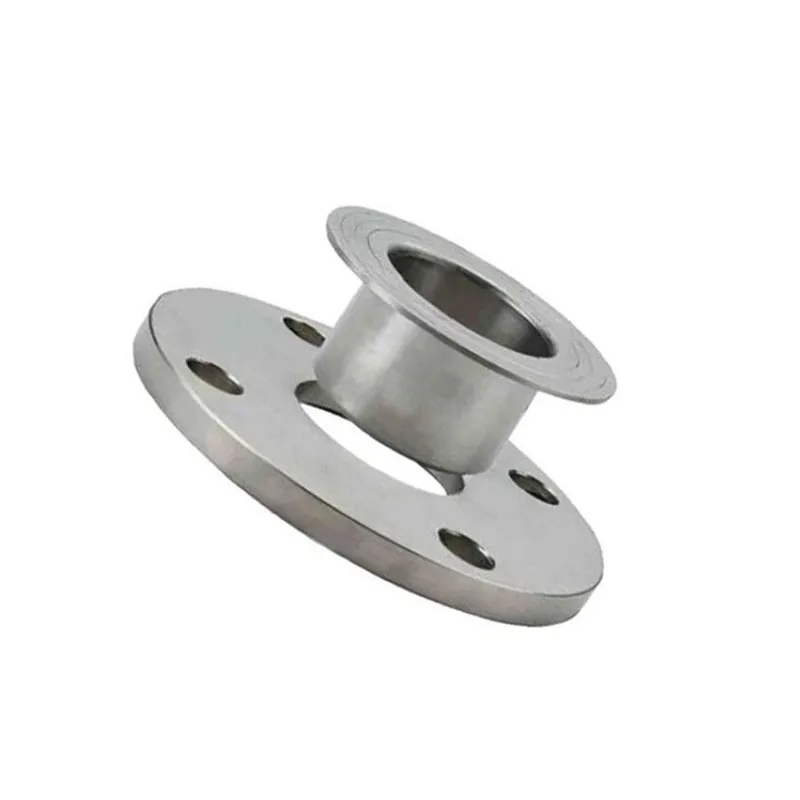 Free ring flanges Class 400