
-
-
Phone
+86-13623462298



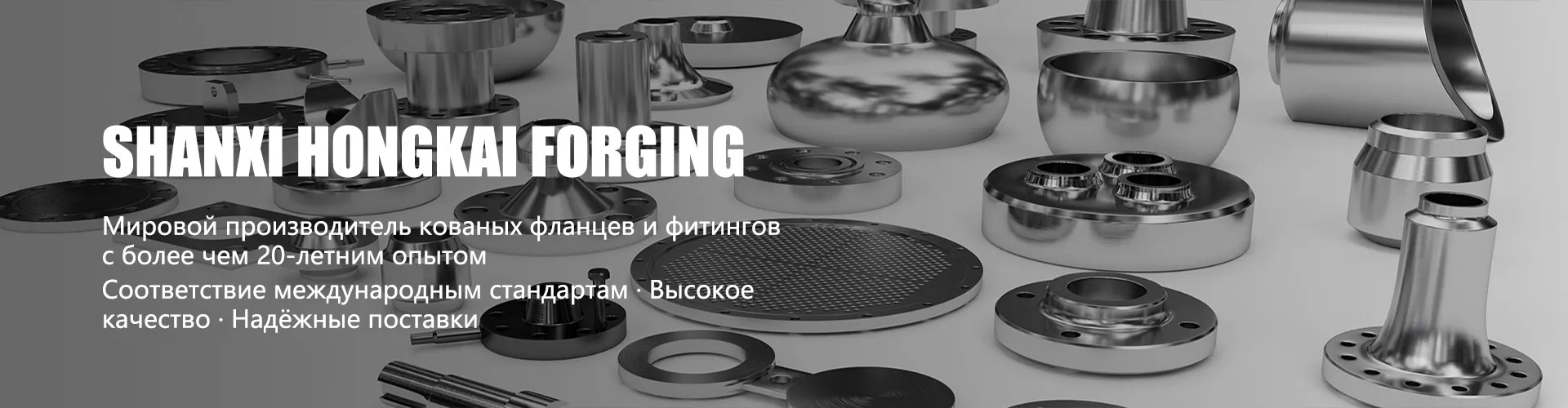
pipe flange 63
When they talk about pipe flange 63, many people immediately think about the standard size, drawing, GOST. But in practice, especially when connecting with imported equipment or in repair work, everything is not so simple. A common mistake is to assume that ?63? - this is always and exclusively the outer diameter under a certain standard. In fact, this size can “float” depending on whether we are talking about DN, or the actual outer diameter of the pipe it goes to. And this is where the very pitfalls begin, because of which you can get an ideal, but absolutely useless flange for the object.
Standards and actual tolerances
Let's take, for example, a standard flange for DN 65 according to GOST (steel butt welds). It would seem that the closest analogue to our ?63?. But in practice in the post-Soviet space, there is still an old pipe with a nominal bore, which in millimeters can be 65, 63, or even 60. If you order strictly according to one standard, you can miss. I myself once encountered a replacement on a heating main: they brought flanges according to the new GOST for a pipe that turned out to be of an old standard. We had to urgently look for a transitional solution, which meant downtime and money.
Therefore, now I always clarify with the customer not just “flange 63?”, but the full context: for which pipe, according to what historical standard it was produced, what pressure is in the system. This is especially critical for renovations of old facilities, where documentation is often lost and you have to work based on measurements “in the field”. In such cases, manufacturers come to the rescue because they can quickly make a non-standard product according to the provided sketch.
By the way, about the manufacturers. When I need reliable supplies for critical areas, I often turn to companies with a full forging cycle. For example,Shanxi Hongkai Forging Co.,Ltd(their website ishttps://www.hkflange.ru). They don’t just cut from sheet metal, but rather forge blanks, which is a fundamental point for pressure flanges. In their nomenclature there are standard items for DN 65, and the ability to manufacture for a non-standard size, if ours is ?63? will turn out to be so. The company description states that they work in accordance with GOST, ASME, EN and make products up to DN4000, which indicates serious capacity.
Material and medium: what is more important than size?
Size is only half the battle. The second common mistake is underestimating the work environment. Pipe flange 63 for cold water and for the same diameter in the steam circuit are different products in terms of material and design of the sealing surface. For aggressive environments, say, even weak acids or alkalis in chemical production, the flange body material (for example, 20x13 or 12x18n10t) and stud material become critical.
I had experience at a small processing shop: they installed ordinary steel flanges on a line with an alkaline solution. Six months later, leaks began at the joints. When opened, there is corrosion on the surface under the gasket and “eaten?” hairpins. I had to replace the entire assembly with stainless steel analogues. An expensive lesson, which now forces us to always ask technologists for a complete description of the environment: temperature, pressure, chemical composition, even possible mechanical impurities.
Here again we return to the question of the supplier. A universal plant that can offer different grades of steel for one standard size is a big advantage. If we take the same manufacturerShanxi Hongkai Forging Co.,Ltd, then their range, judging by the description, includes butt-welded, flat and loose flanges, which means working with different grades of steel - from carbon to alloy. This is important because it means they are more likely to understand the differences in application and can provide adequate advice on the material.
Installation and “human factor”
The most ideal part can be damaged during installation. With a 63 flange this is especially true because of its, relatively speaking, “average” quality. size. It is not small so that it can be easily tightened by hand, and not huge, for which they always call a special team with torque wrenches. Often it is installed by ordinary plumbers or mechanics, who can tighten the studs or, conversely, under-tighten them.
I saw a situation where the wrong gaskets were used during the assembly of a compressed air pipeline (paronite ones were installed instead of rubber ones for oil resistance). The flange was correct, the size was accurate, but after a month the connection began to leak due to the destruction of the gasket. Or another case: during installation, the planes of the flanges in front of the screed were not aligned, resulting in a skew. As a result, the load went unevenly, and after several cycles of “heating-cooling” A crack appeared on one of the studs.
Hence the conclusion: it is important not only to buy the rightpipe flange 63, but also to ensure the correct installation kit (studs, nuts, gaskets) and, most importantly, control over the installation. Sometimes it is worth ordering flanges assembled with selected fasteners from one supplier - this way there is less chance of incompatibility.
Non-standard situations and forgings
It happens that a standard flange is not suitable. For example, you need to cut into an existing pipeline with a non-standard distance between the holes for the studs, or a reinforced collar is required due to vibrations. Then we are talking about forging according to the drawing. It is more expensive and takes longer, but it is the only right solution.
He worked on a project to modernize a pumping station, where it was necessary to connect a new imported pump to a Soviet pipeline. The pump flanges were according to DIN EN 1092-1 (PN16, DN65), and old Soviet flanges with a different hole circumference were hung on the pipe. We tried to find an adapter plate on the market, but it didn’t work out. We ordered the production of two adapter flanges according to an individual drawing. The key was the forged design to withstand the load and avoid internal defects that are possible with a welded structure.
In such cases, specialized forging manufacturers are needed. CompanyShanxi Hongkai Forging Co.,Ltd, as indicated in its description, positions itself precisely as a manufacturer of forged flanges and forgings, including according to customer drawings. For a non-standard ?63? flanges with special requirements in terms of weight, dimensions or material - this is exactly the type of partner who can close the issue.
Price, timing and logistics - practical result
In the end, it all comes down to three things: how much it costs, how quickly and how it will be delivered. When ordering a 63 pipe flange, whether standard or special, you always have to balance between these parameters. A critical mistake is to chase the lowest price without taking into account the deadlines. A day's delay in delivery at a construction site can cost more than the entire shipment of flanges.
From experience: for urgent repairs, sometimes you take what is in the nearest warehouse, even if it is not an ideal product, but one that meets the basic parameters. For planned projects, especially with large volumes, it is more profitable to work directly with the manufacturer, even if he, likehttps://www.hkflange.ru, is located in China. The key is clear technical specifications and proven logistics schemes. Chinese manufacturers from industrial clusters like Shanxi often have established delivery routes to the CIS and an understanding of our standards, which reduces risks.
My result is this:pipe flange 63- this is not just a number in the specification. This is a component that requires an understanding of the history of the facility, operating conditions, installation nuances and the presence of a reliable supplier capable of completing both standard and non-standard tasks. The main thing is not to be lazy in asking unnecessary questions and always have in mind trusted manufacturers who work with forgings, and not just from a warehouse.
Correspondingproducts
Related Products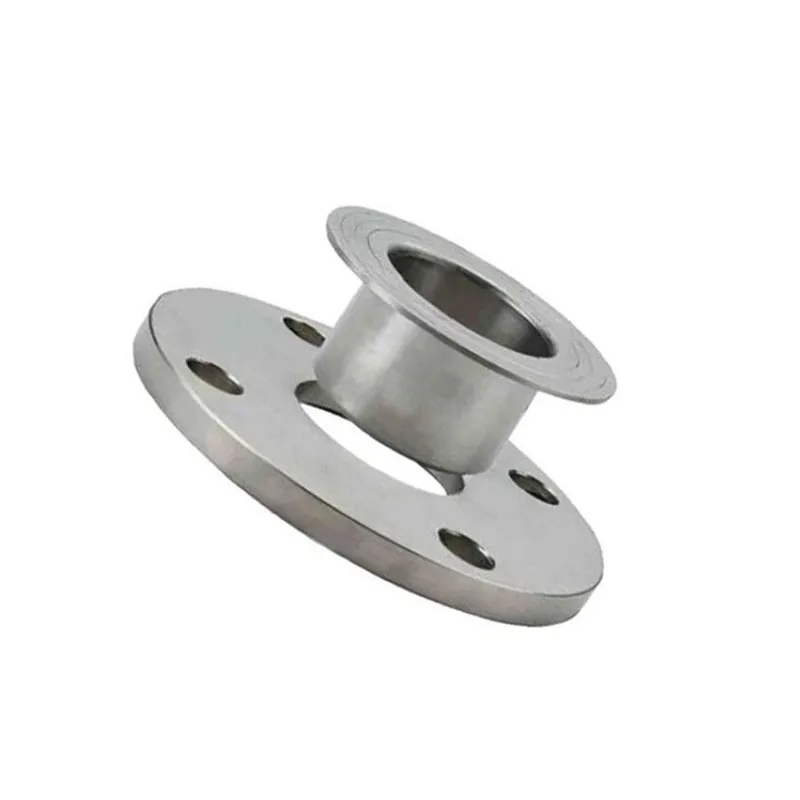
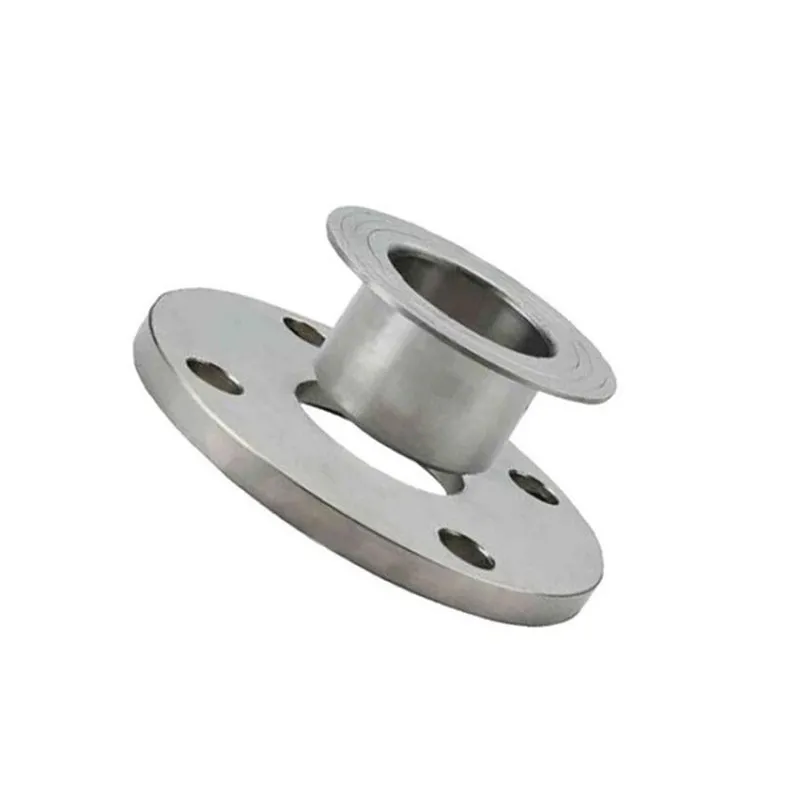
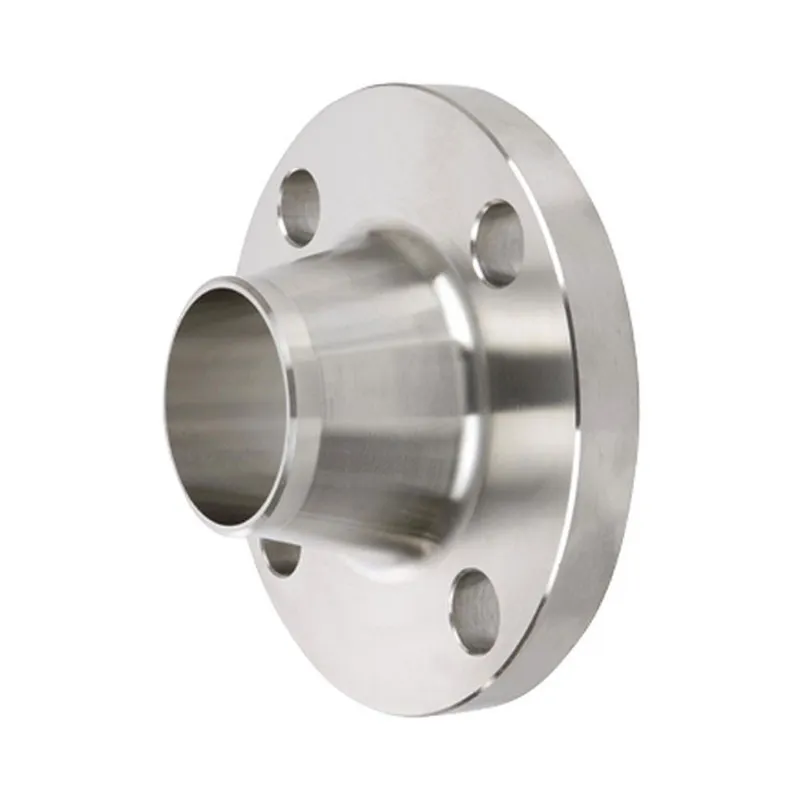
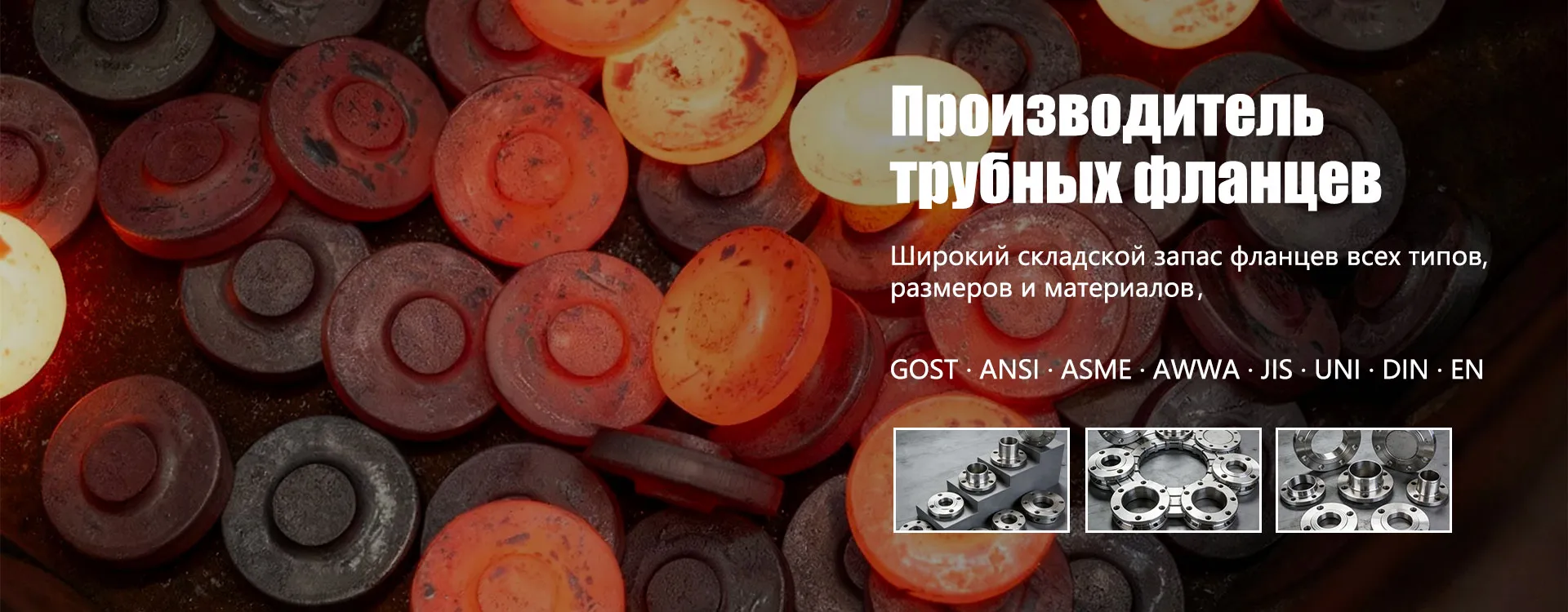
Best Sellingproducts
Best Selling Products-
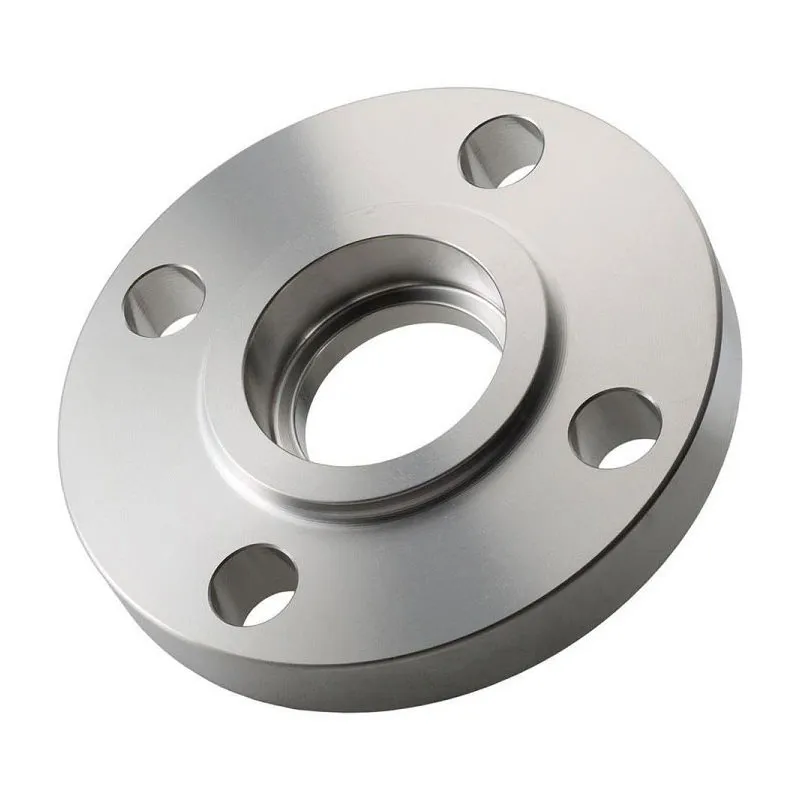 Flanges for socket welding
 -
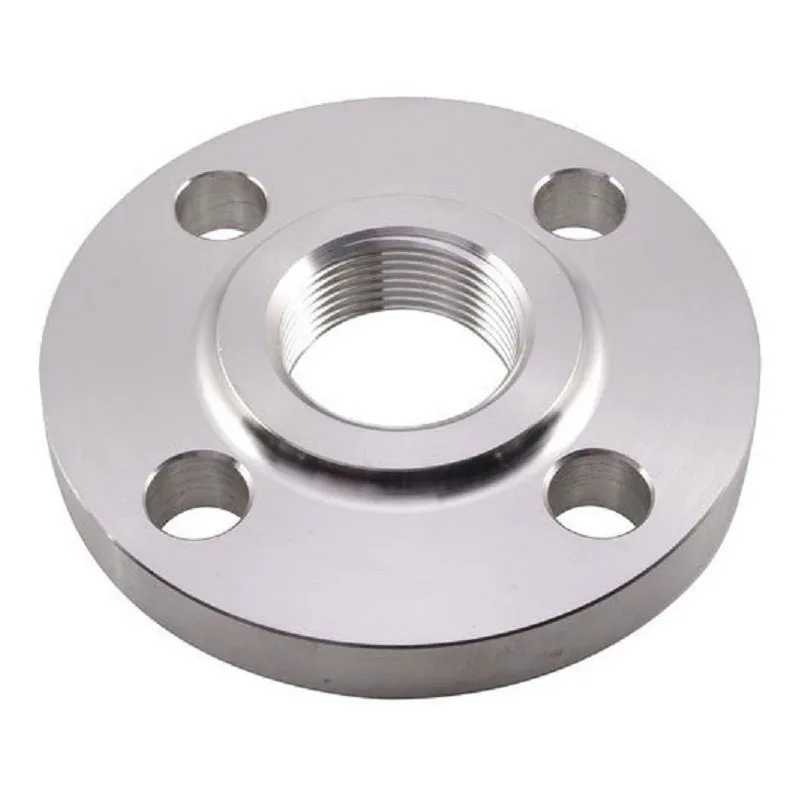 ANSI B16.5 Threaded Flanges Class 600
 -
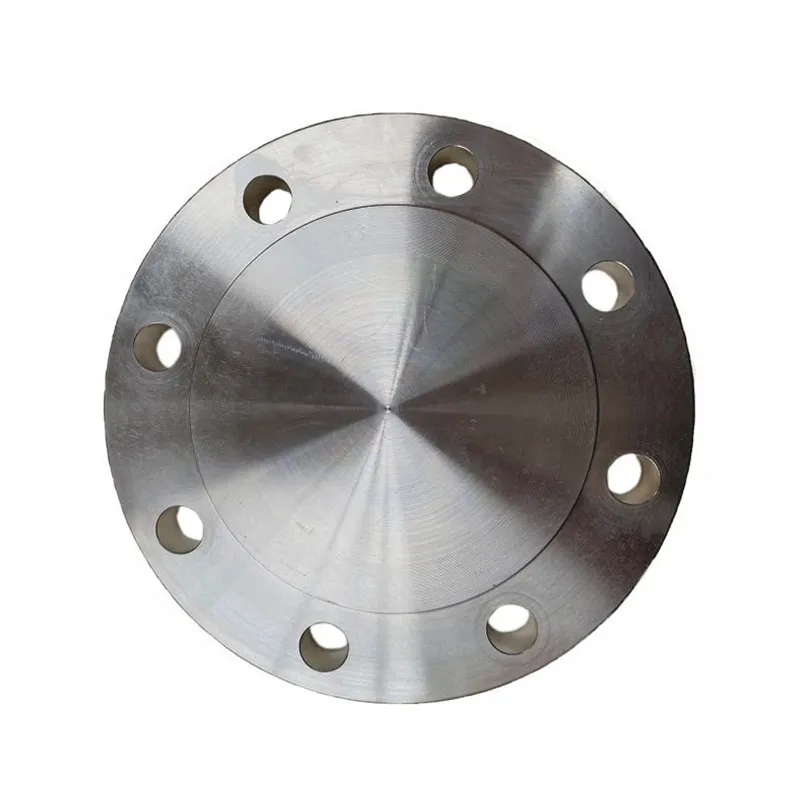 DIN 2527 Blind flanges PN10
 -
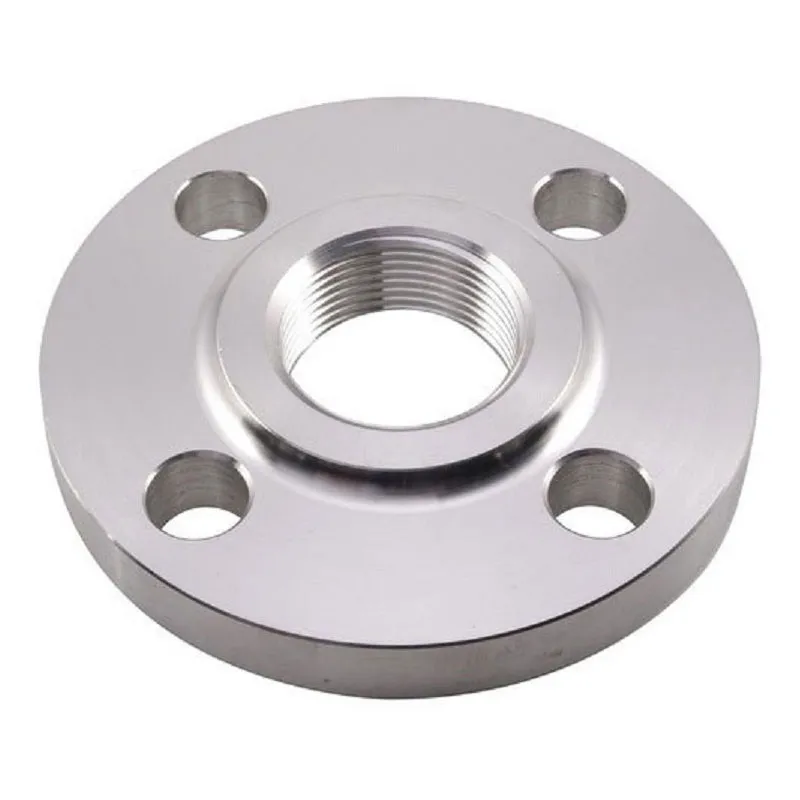 DIN 2565 Threaded flanges PN6
 -
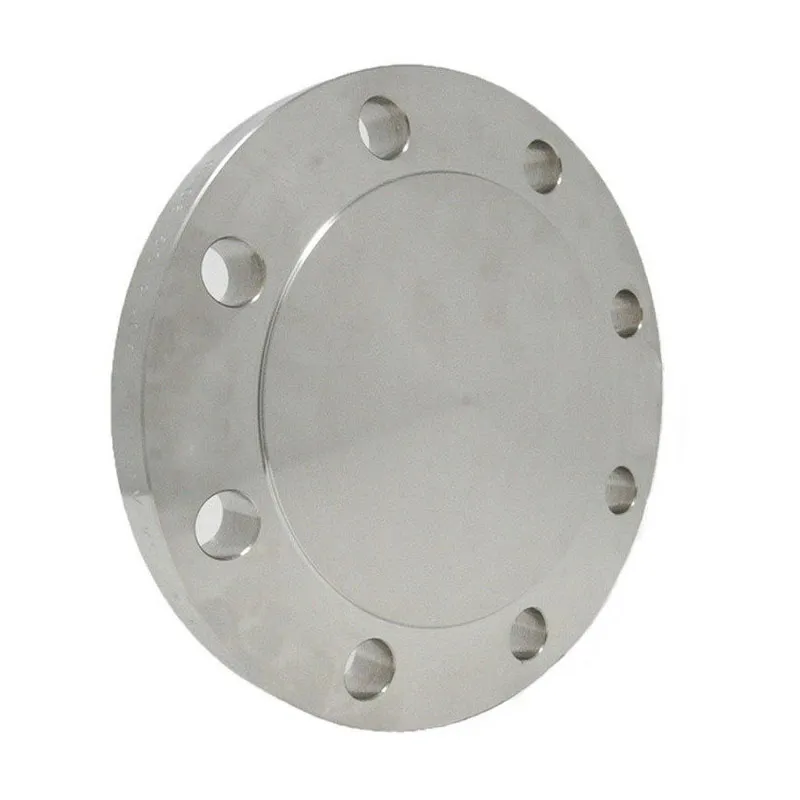 AWWA Blind Flanges Class D (Tables 1, 2, 3)
 -
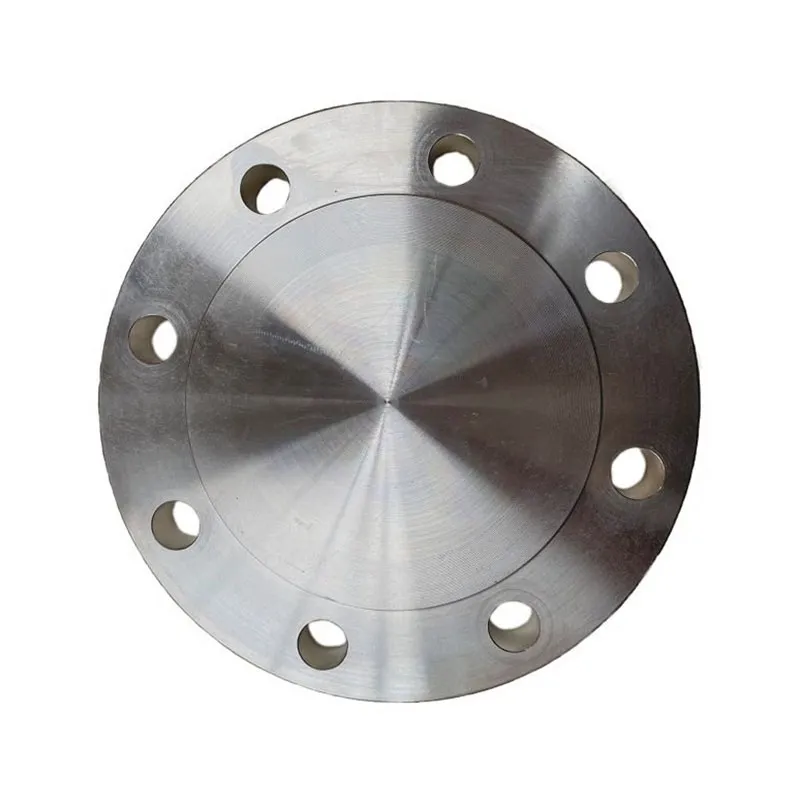 UNI 6092 Blind flanges PN10
 -
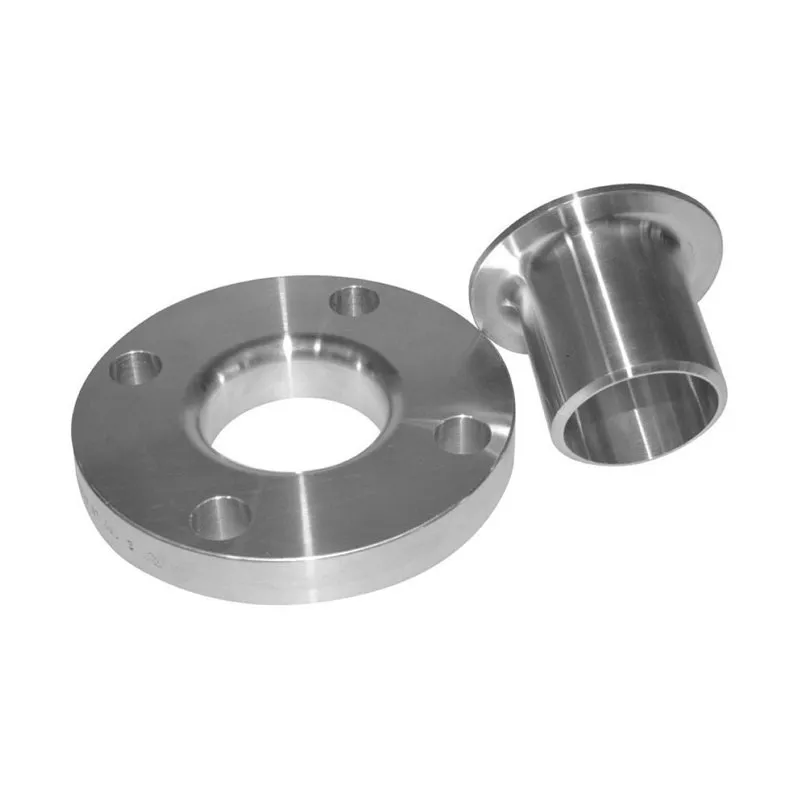 Free ring flanges Class 150
 -
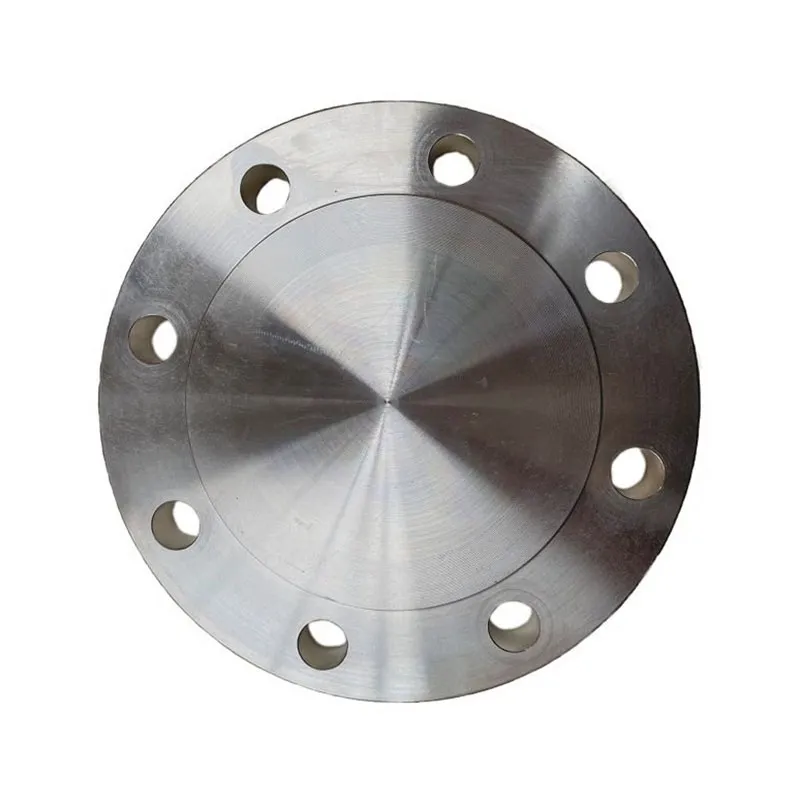 ASME B16.47 Ser.A Blind Flanges Class 400
 -
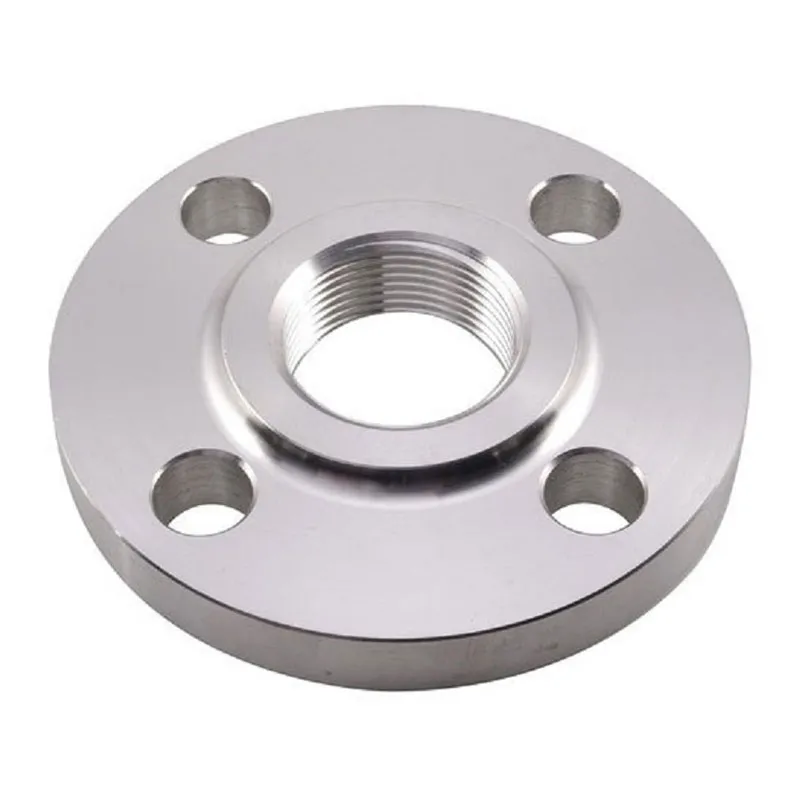 JIS 10K Overlay flanges
 -
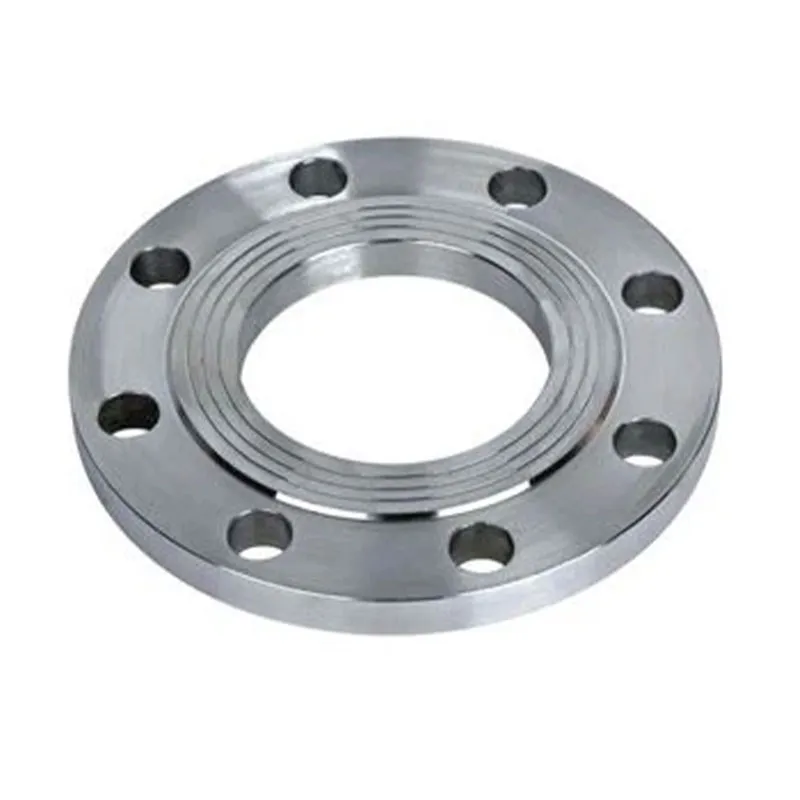 Butt weld flanges Class 150
 -
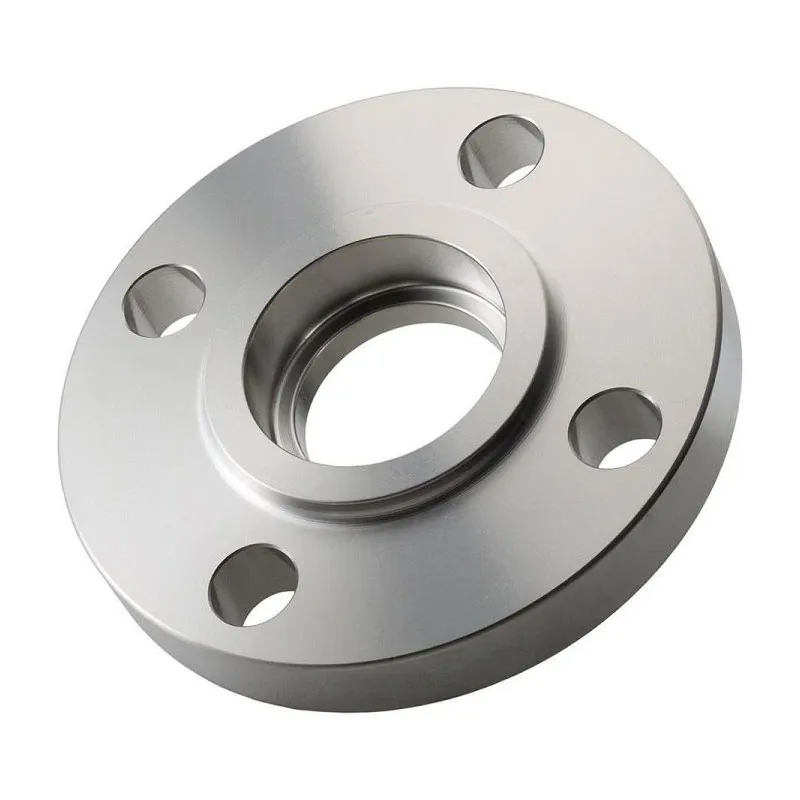 ANSI B16.5 Socket Weld Flanges Class 150
 -
 ANSI B16.5 Loose Ring Flanges Class 2500