
-
-
Phone
+86-13623462298



flange 40mm
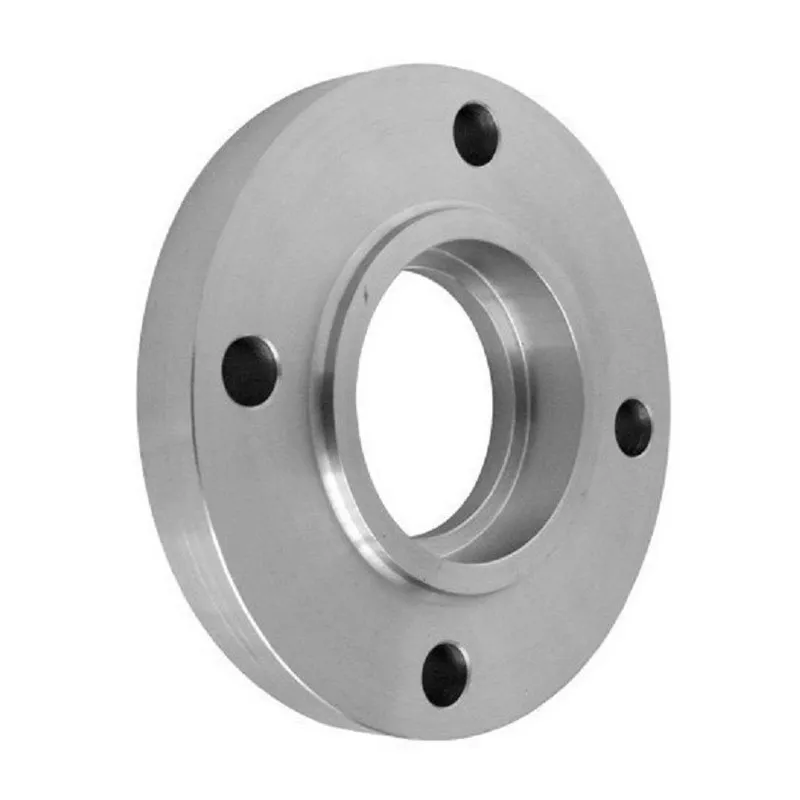
When you hear “40mm flange”, the first thing that comes to mind is a standard part, of which there are thousands. But it is precisely in this apparent simplicity that the main mistake lies. Many people think that since the nominal diameter is known, then any flange will do. And then they wonder why the line under a pressure of 16 atmospheres begins to leak or, worse, bursts at the bolts. 40mm is not just a size. This is a whole set of parameters: type of execution, pressure, material, standard, and even the quality of processing of the sealing surface. Now I’ll explain it in simple terms, based on what I had to go through over the years.
Why ?40 mm? - this is just the beginning of the conversation
Let's take, for example, the most popular request - a 40mm flange according to GOST 33259. It would seem that everything is clear. But GOST 33259 is the former “old” one. GOST 12820 and 12821, combined. And there is a key difference: version 1 and version 2. In version 1 there is a connecting protrusion, in version 2 there is not. And if you simply order a “40mm flange for 16 kgf/cm2” from a supplier, without specifying the design, there is a high chance of getting something that is not what you need for joining with the existing fittings. The sealing surfaces will not match, and the assembly will not be able to be assembled properly. You will have to either reorder or fence off the adapter gaskets, which is undesirable for critical connections.
And there is also the issue of pressure. The same nominal diameter DN40 can be on Ru10, and on Ru16, and on Ru25. Geometry, thickness, diameter of the bolt circle - everything will be different. Once there was an incident during the installation of a chemical-resistant pipeline: they brought 40mm flanges, seemingly according to the drawing, but when tightening the bolts, the bolts began to rest. It turned out that the supplier, saving metal, made flanges for Ru10, but according to the project they were required for Ru16 - they are more massive and the bolts are longer. I had to urgently look for a replacement, the deadlines were missed.
That is why in my work I always check not only the diameter, but also the full designation: standard, type, nominal pressure, material and, preferably, design of the sealing surface. For important orders, we often turn to specialized manufacturers who can do everything according to the technical specifications. For example,Shanxi Hongkai Forging Co.,Ltd (https://www.hkflange.ru) - just one of those. They work with forging, and not with cutting from sheet metal, which is a fundamental point for pressure flanges. Their catalog includes GOST, ASME, and EN, which is convenient for projects with different regulatory frameworks.
Material: what determines the choice of steel
We sorted out the diameter and pressure. Next is the material. A 40mm flange from St3sp and from 09G2S are two big differences, especially for low temperatures or aggressive environments. St3sp - for general conditions, water, steam of low parameters. And if we are talking about northern deliveries or a technological line with hydrocarbons, then we cannot do without low-alloy steel that is resistant to cold brittleness.
There is often a temptation to save money here. I remember a boiler room project: the customer insisted on cheaper carbon steel flanges for the entire circuit, including areas with superheated steam. After a year and a half, one of the DN40 connections developed a crack in the transition area from the collar to the disc. Analysis showed fatigue failure due to loading cycles and elevated operating temperatures for which the material was not designed. Replacing a unit in a working boiler room cost several times more than the initial “savings”.
Therefore, for specifications, we always request material certificates and, if possible, mechanical test reports from the manufacturer. This is especially true for forgings. On the same sitehkflange.ruit is clear that the company positions itself as a manufacturer of forged flanges in one of the industrial centers of China. This is an important nuance: forging gives better direction to the metal fibers, increasing strength compared to stamping or, especially, flanges cut from rolled stock.
Types of flanges: where and which one to install
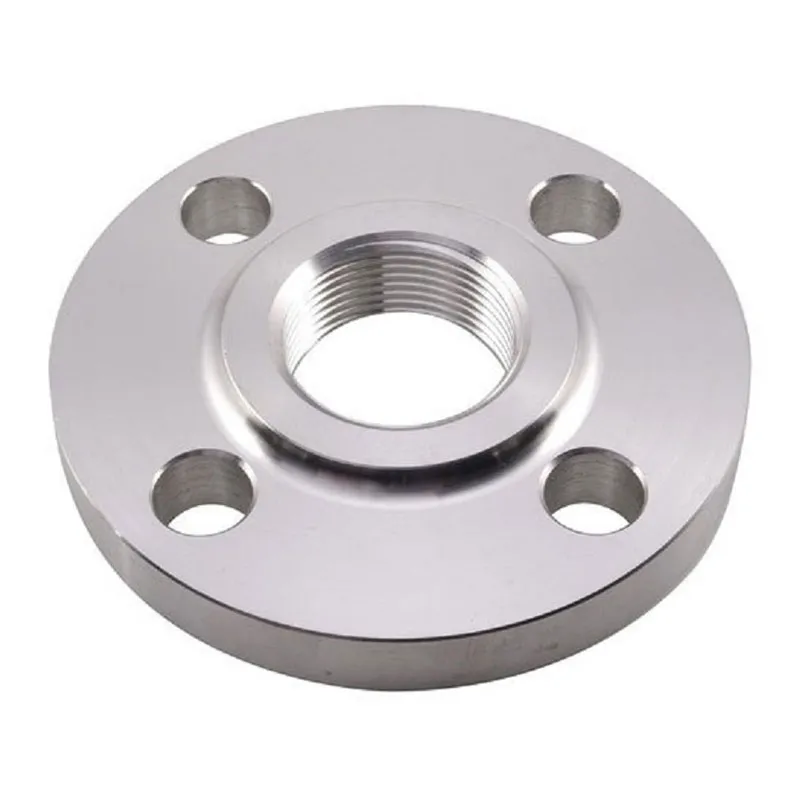
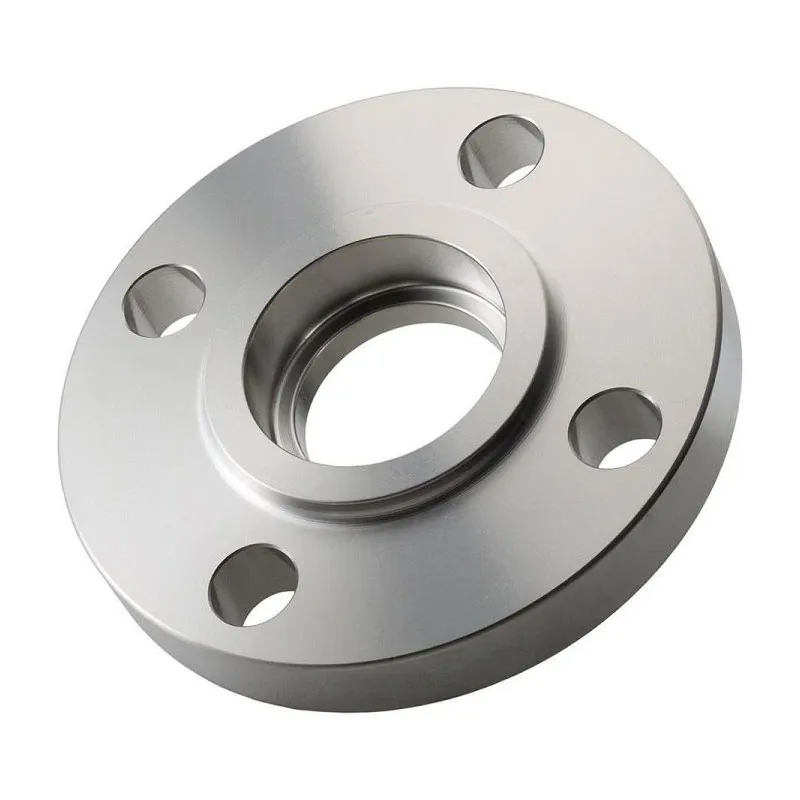
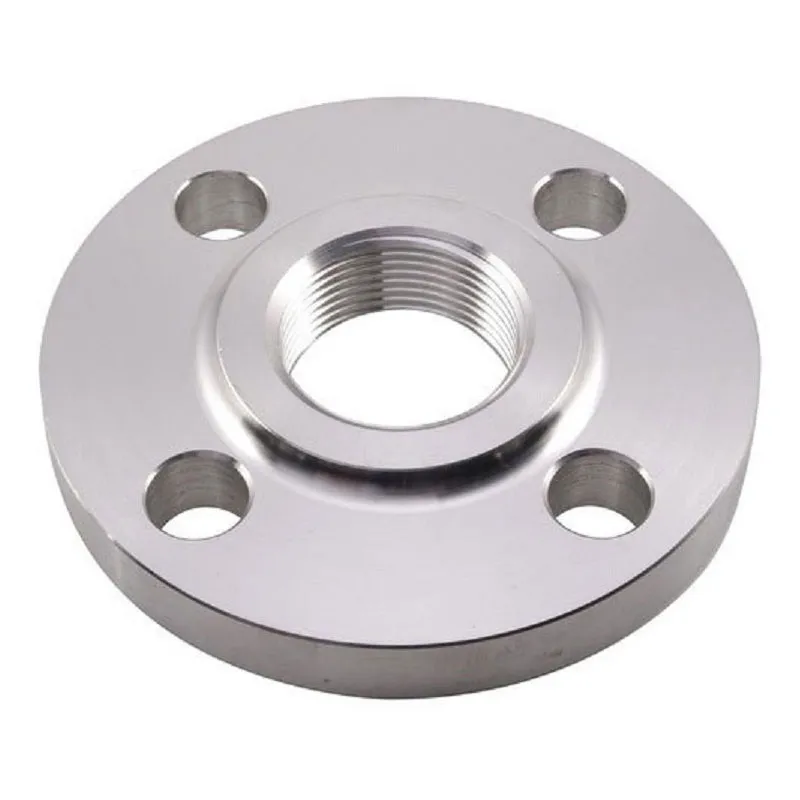
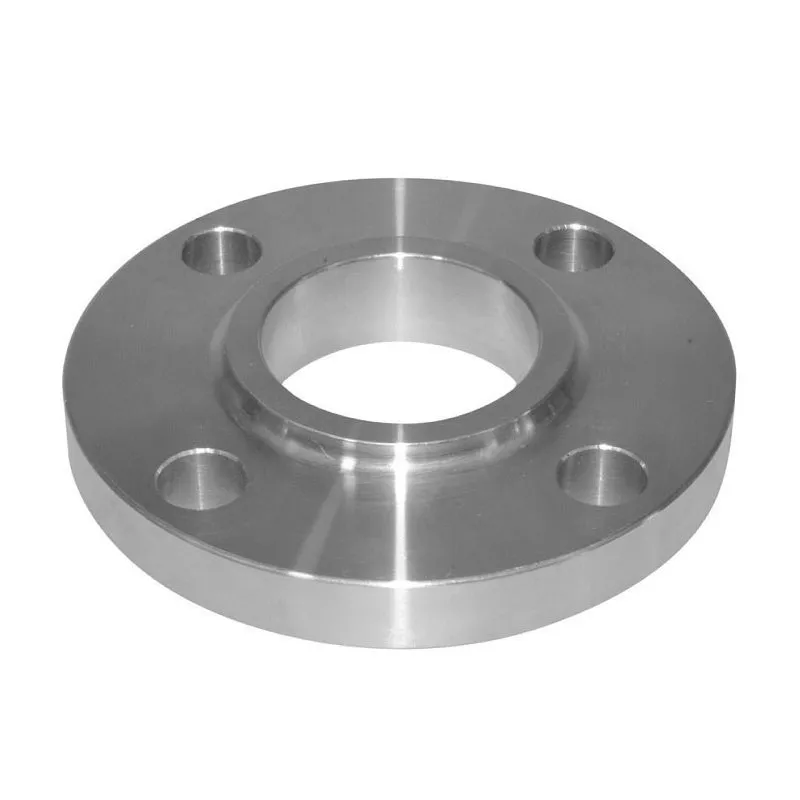
You work with DN40 all the time, and here it is important not to make a mistake with the type. Butt weld (collar) is a classic for high pressures, it is convenient to weld and it compensates stress well. Flat welded - simpler, cheaper, but requires precise fitting of pipes and two welds. And there are also threaded ones, free ones with a welded ring... Each has its own niche.
Loose flanges with a welding ring, by the way, for DN40 are an excellent solution for hard-to-reach places or for connections made of expensive materials. The ring is welded to the pipe, and the flange itself remains free, which makes it easy to align the bolt holes during assembly. But there is a subtlety here: you need to make sure that the ring and the free flange are from the same manufacturer and the same batch. Otherwise there may be misalignment and the connection will be leaky. I came across this when they tried to combine a ring from one supplier and a flange from another, both “40mm at 16 atm”. In the end I had to sharpen it.
In nomenclatureShanxi Hongkai Forging Co.,Ltdall the main types are listed: butt welded, flat, loose, blind. This indicates wide coverage. For non-standard tasks, when you need, say, a 40mm flange with offset holes or non-standard thickness, the ability to manufacture according to customer drawings is a lifeline.
Quality control and hidden defects
The quality of the flange, especially for small diameters like 40mm, is often checked “by eye”. Like, little one, what could be wrong with him. This is a dangerous misconception. The most insidious defects are internal. Lack of penetration in the welding zone of the collar flange (if it is welded), cavities in the body of the forging, discrepancy in hardness.
I had an illustrative incident with a batch of DN40 stainless steel flanges. Externally - perfect, the surface is clean. But during ultrasonic testing, small delaminations were found on several pieces in the hub area. The supplier assured that this was acceptable. But we insisted on a replacement. These flanges were intended for food production, where not only pressure tolerance is important, but also hygiene - internal defects could become a source of corrosion and bacterial growth.
Therefore, now for critical objects we always specify in the order not only mechanical properties, but also control methods: ultrasonic testing, hardness control, etching to identify surface defects. Serious manufacturers, such as the company mentioned above, usually have such equipment in their arsenal and can provide the appropriate protocols. They have a stated range up to DN4000, and for large forgings control is a must.
Practical advice on installation and selection
So, we select a 40mm flange. The algorithm is something like this. First, look at the technical specifications or drawing: write down ALL the parameters (DN, RU, type, standard, material, design). Secondly, we evaluate the operating conditions: temperature, environment, vibration. Third, we determine the type of connection and accessibility for installation.
There are some “rake” during installation. For example, tightening bolts. For a flange connection DN40 at 16 atmospheres, you cannot simply tighten the bolts “by hand?” or an impact wrench. You need a torque wrench and a “crosswise” tightening pattern. Otherwise, you will create a misalignment, and the gasket (especially a metal one with an oval cross-section) will not seal properly. I had a sad experience when the plumber, in a hurry, tightened the bolts in a circle. The connection held up during the hydrotest, but after a month in hot water it began to leak around the perimeter.
And the last thing is not to chase absolute cheapness. A reliable 40mm flange from a trusted manufacturer, be it a Russian plant or a specialized company likeShanxi Hongkai Forging, which makes forgings according to international standards, is insurance against future problems. Their website is worth bookmarking as a source for specifications and potential orders, especially when you need not just popular items, but products for a specific, including non-standard, project. At the end of the day, a flange connection is not a part you should skimp on. It must be absolutely reliable, even if it is only forty millimeters in the line.
Correspondingproducts
Related Products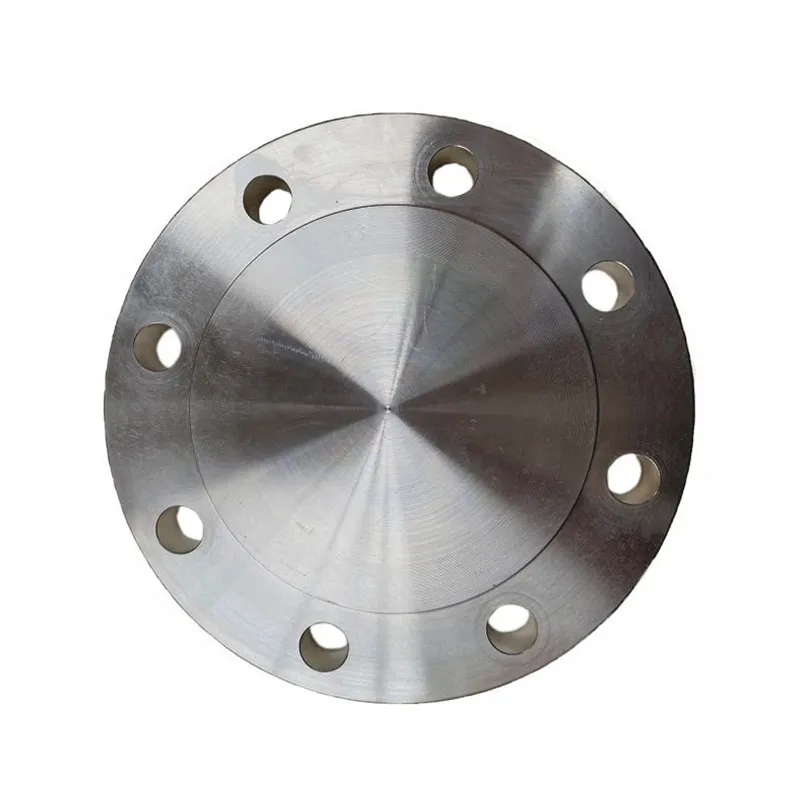
Best Sellingproducts
Best Selling Products-
 ANSI B16.5 Lap-on flanges Class 1500
 -
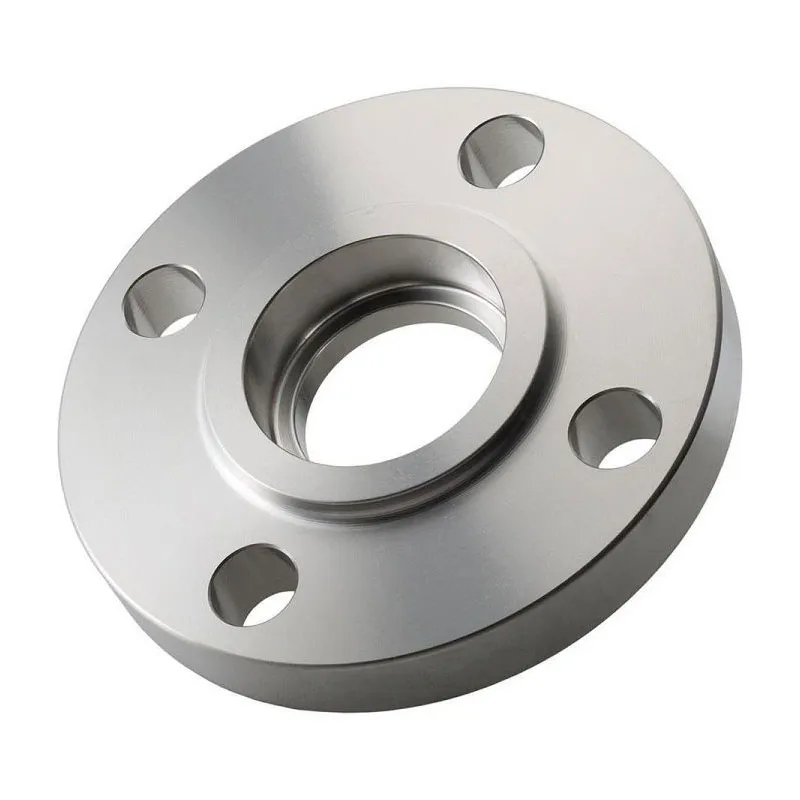 ANSI B16.5 Socket Weld Flanges Class 1500
 -
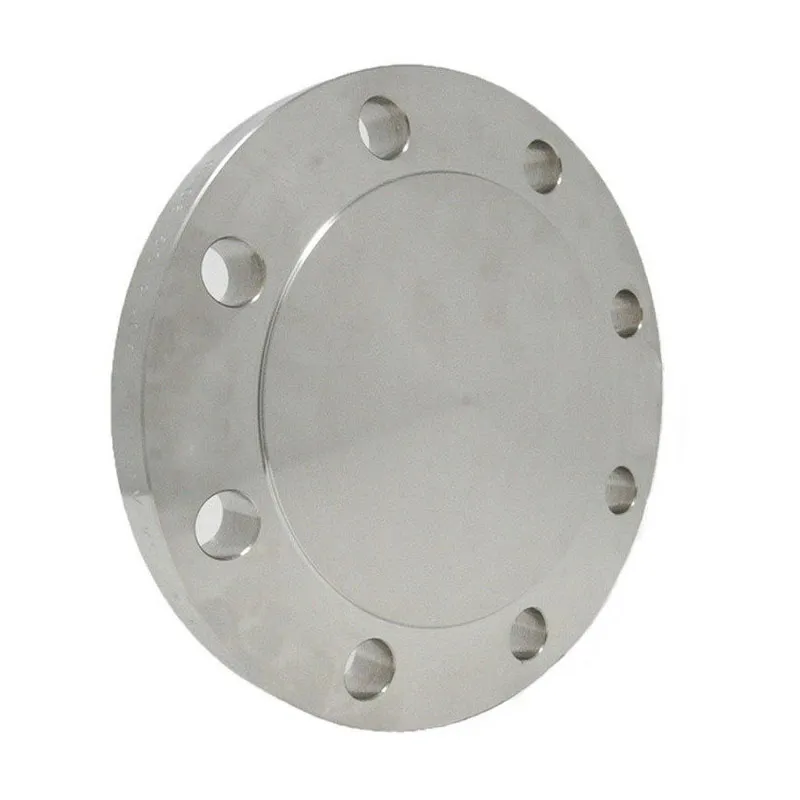 AWWA Blind Flanges Class D (Tables 1, 2, 3)
 -
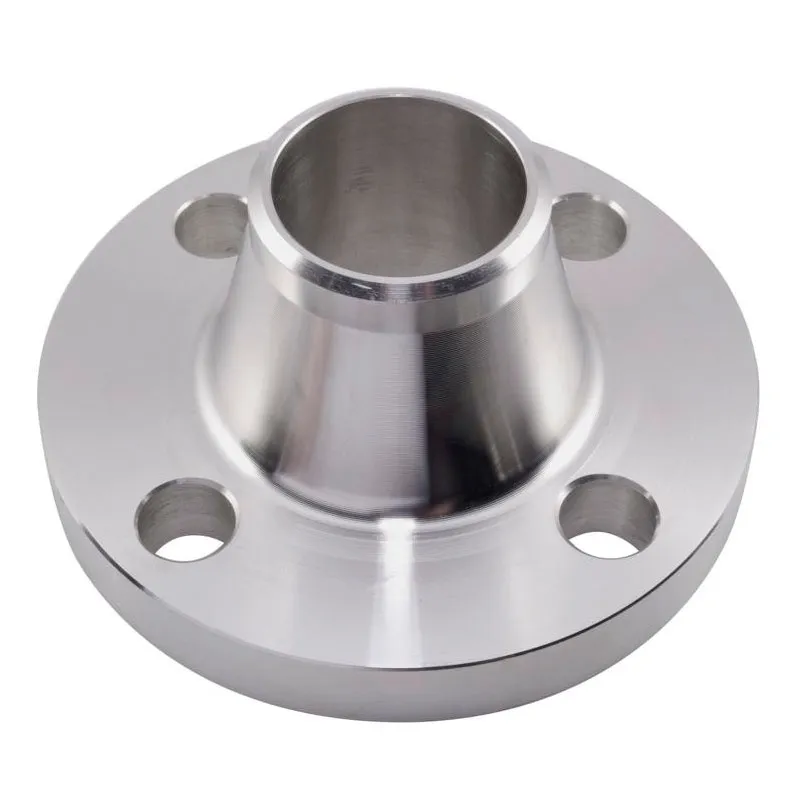 Butt weld flanges Class 900
 -
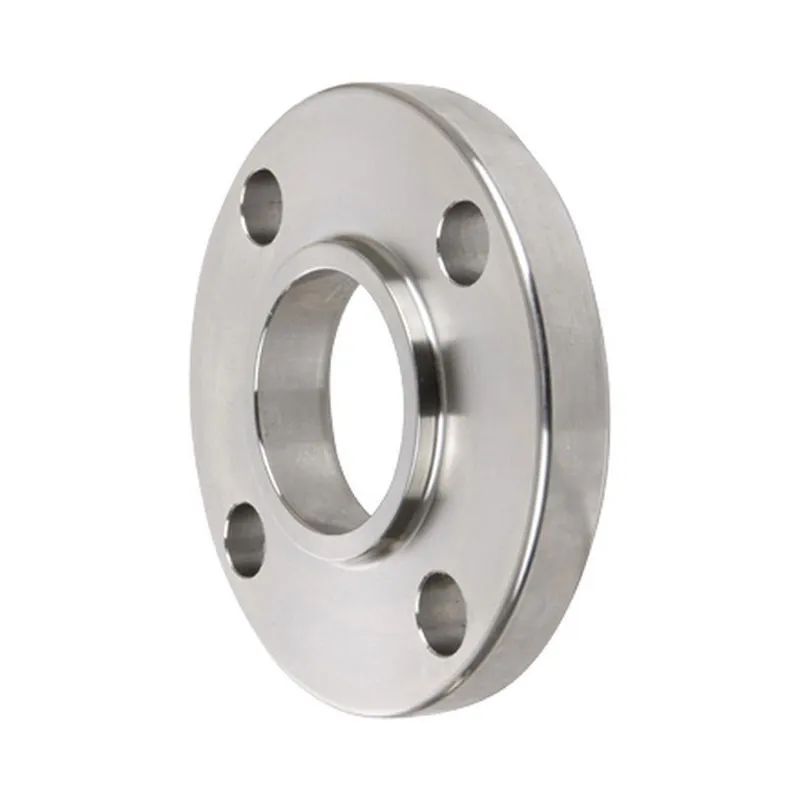 DIN 2501 Overlay flanges PN16
 -
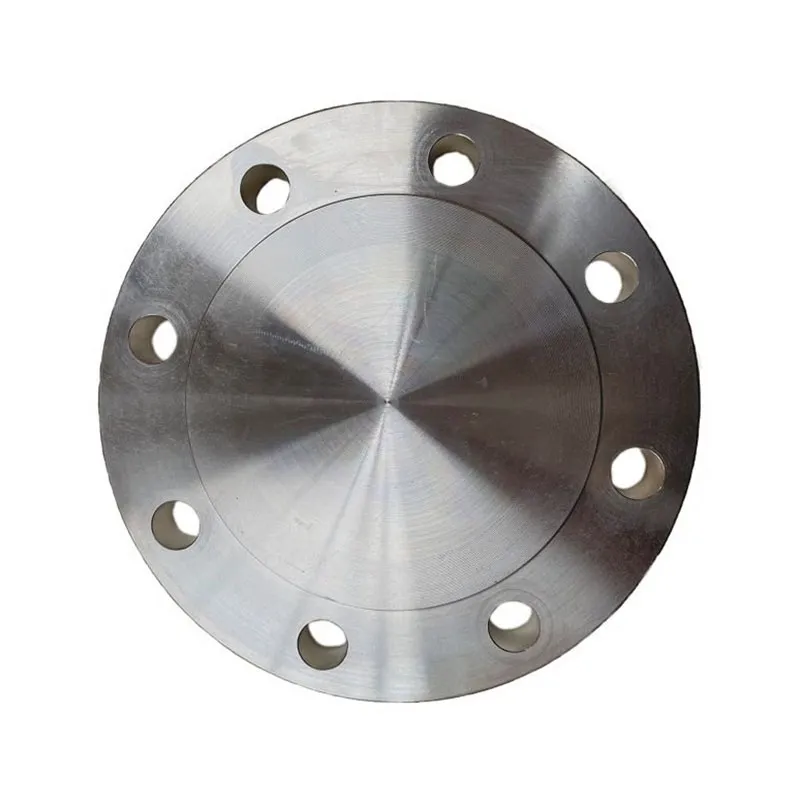 UNI 6092 Blind flanges PN10
 -
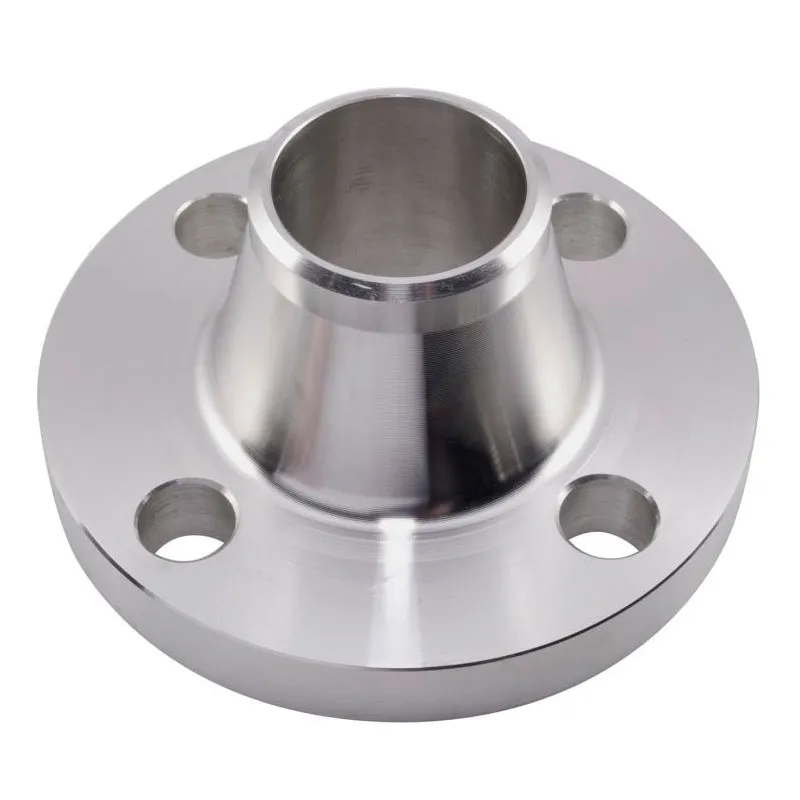 UNI 2281 Butt weld flanges PN10
 -
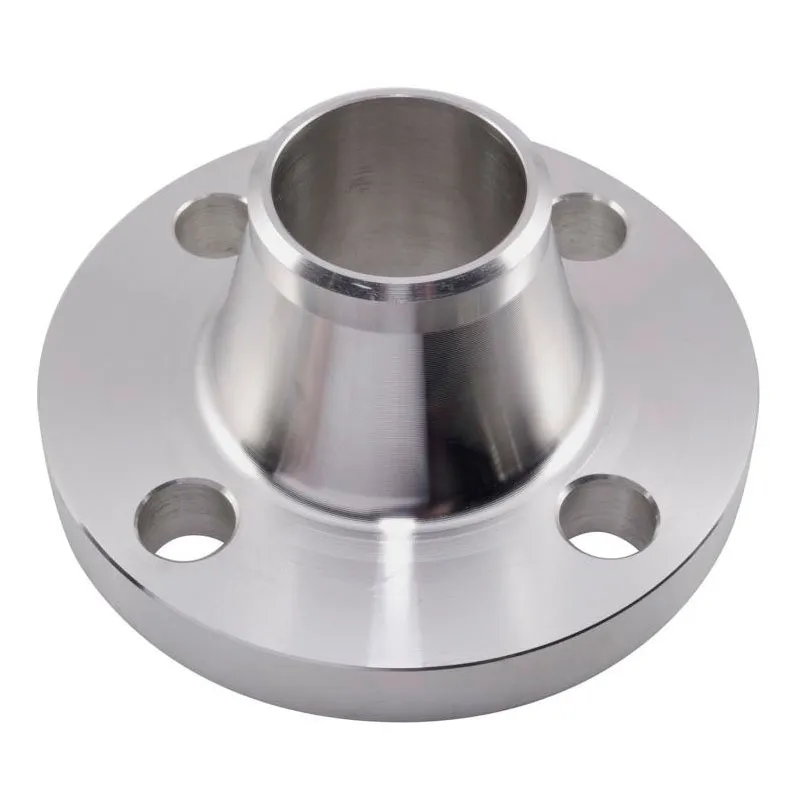 DIN Butt weld flanges PN10
 -
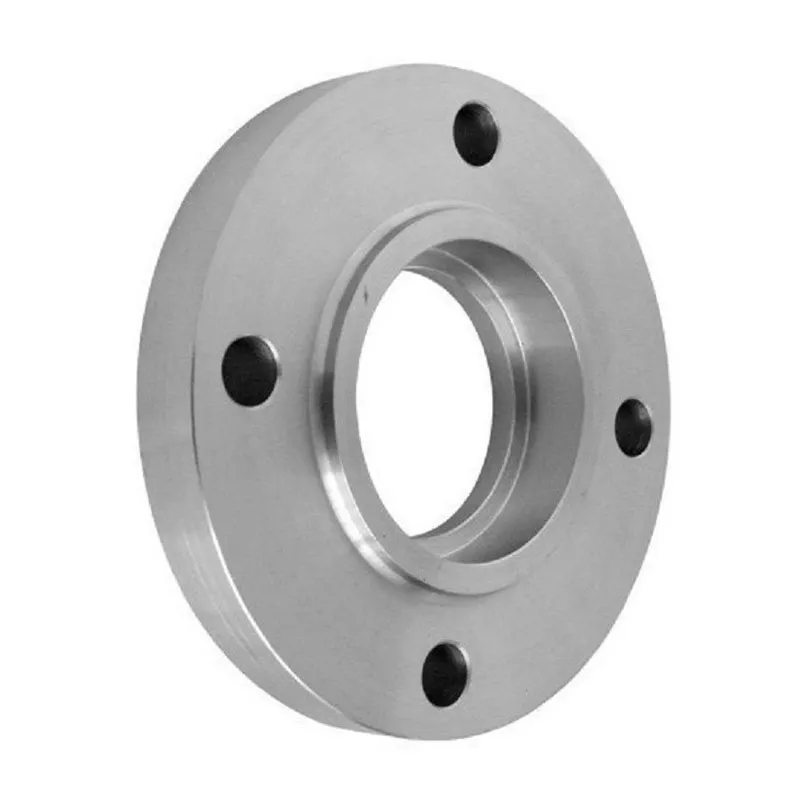 Socket Weld Flanges Class 300
 -
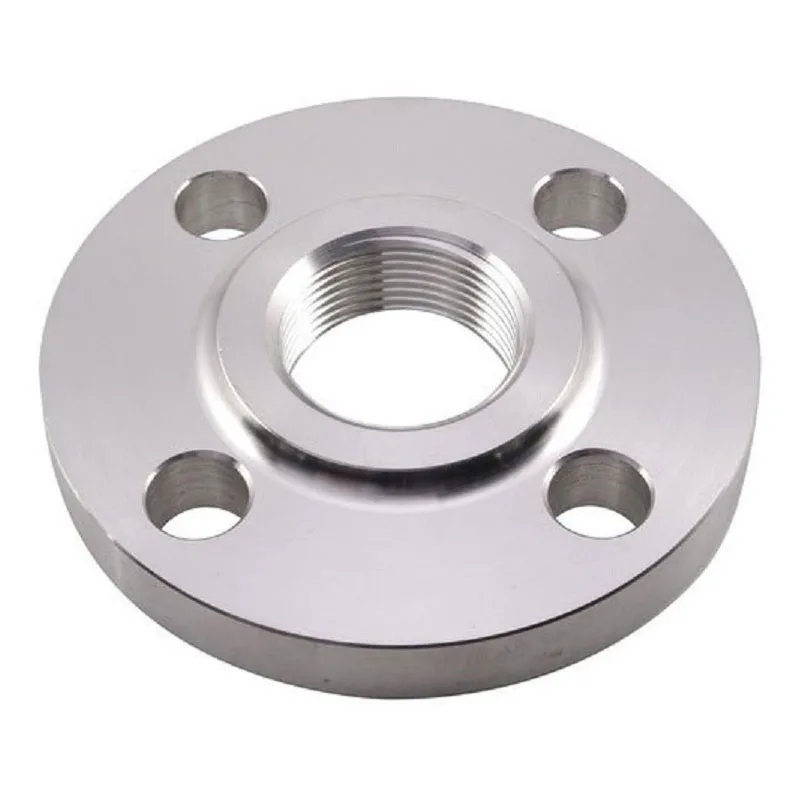 JIS 10K Threaded Flanges
 -
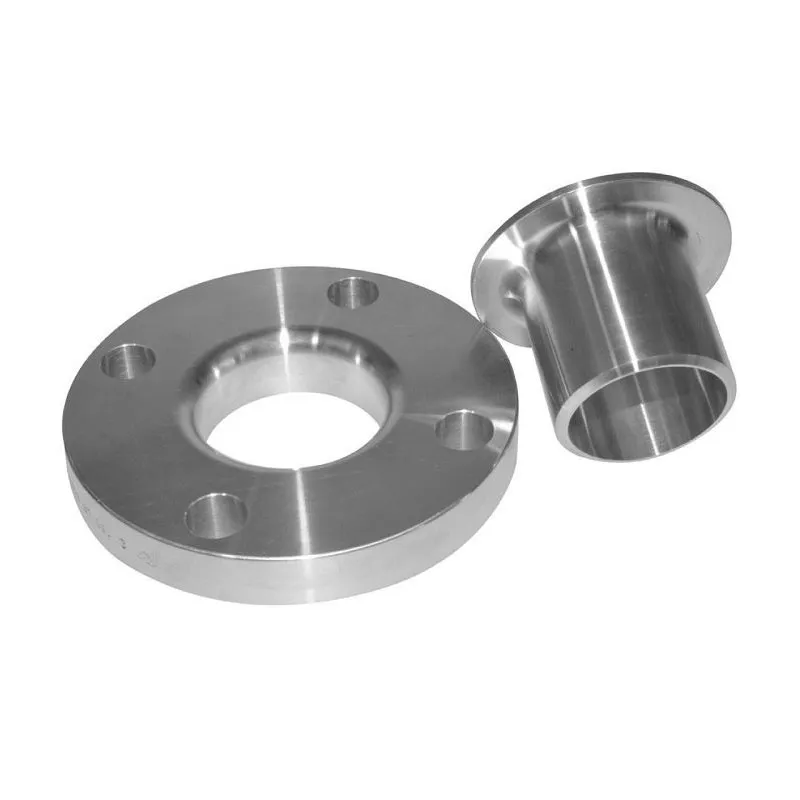 ANSI B16.5 Loose Ring Flanges Class 2500
 -
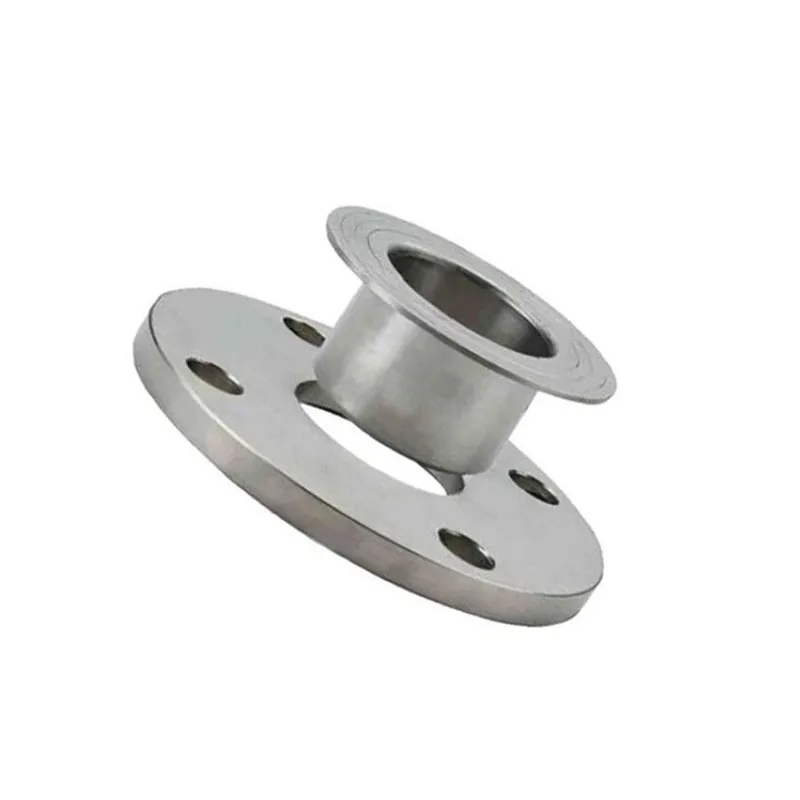 Free ring flanges Class 400