
-
-
Phone
+86-13623462298



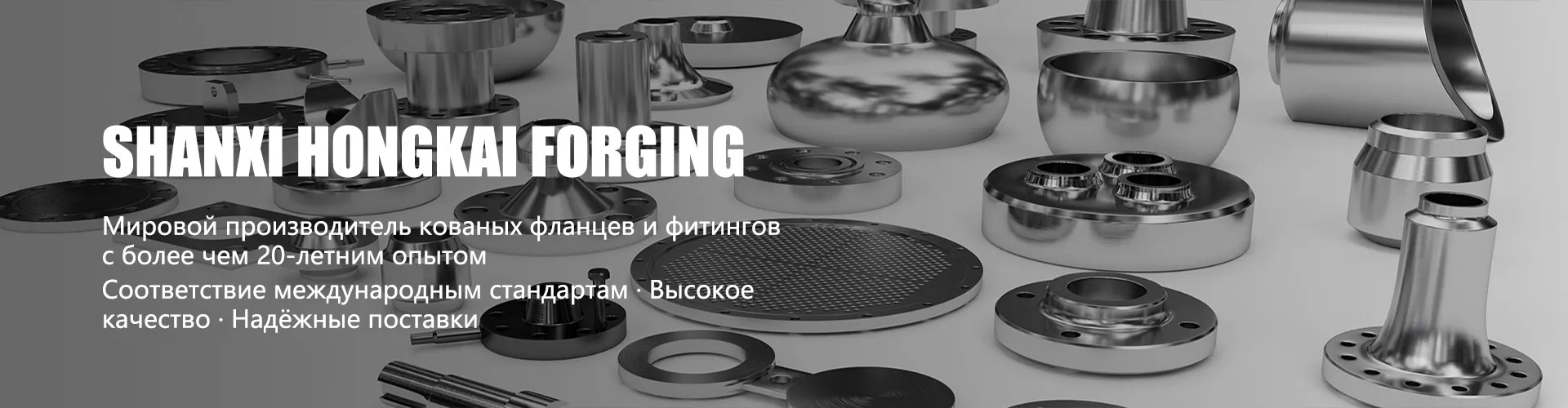
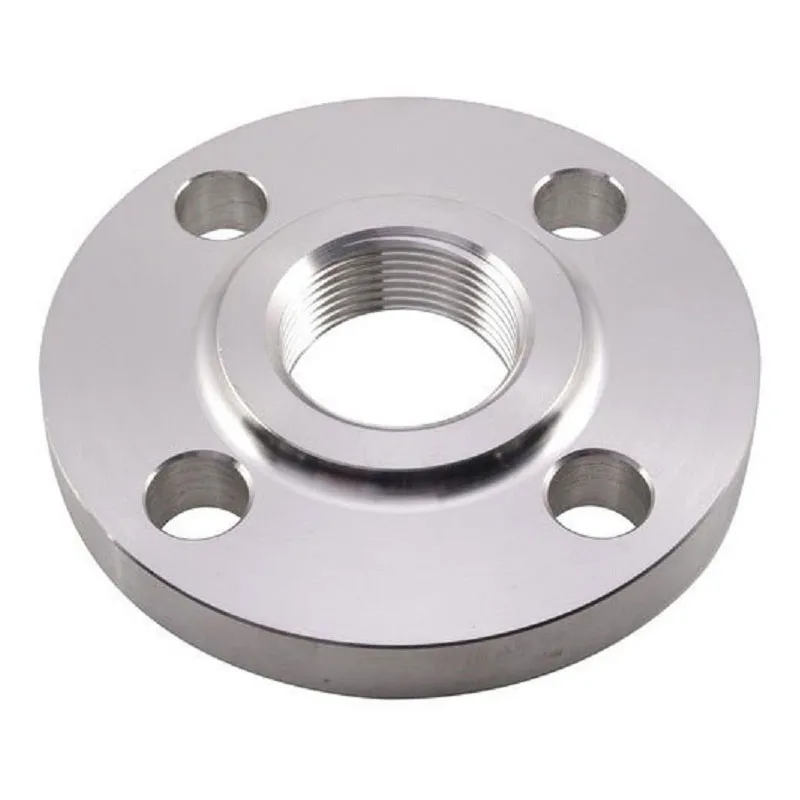
flange 1 32 16
These numbers - 1 32 16 - at first glance seem like just a dry designation, but in practice there is a whole story behind them. I often see how young professionals or even experienced buyers get confused, thinking that this is some kind of single article or universal type. In fact, this is rather a conditional reference to key parameters: conditional pressure (PN 16 kgf/cm2), and numbers 1 and 32 can be interpreted differently depending on the context - sometimes as a designation of type (for example, type 1 flange according to an old drawing) and nominal diameter (DN 32). But it is precisely in this ambiguity that the pitfalls lie.
Let's take it apart: what does each number mean?
When for the first time ten years ago they brought me a specification with this designation for approval, I also thought about it. ?Flange 1 32 16? - This is often a colloquial, slang designation born in the workshops. ?1? may mean version 1 according to GOST 12815-80 (with a connecting protrusion). ?32? - this is most likely Du 32, that is, conditional passage. Well, what about ?16? - this is Ru 16. But here’s the catch: without indicating a specific standard or drawing, this designation is incomplete. You can get completely different products.
For example, for DN 32 and PN 16 there are both flat flanges (GOST 12820-80) and butt flanges (GOST 12821-80). The difference in installation and application is colossal. A butt-welded flange for the same parameters will have a different design, thickness, and hub height. I saw how at one of the thermal power plants, due to such ambiguity in the application, they brought flat flanges instead of the required end-to-end ones. We had to urgently look for a replacement and stop the prepared units.
Therefore, my first rule: never limit yourself to such a short code. Always require the full designation according to the standard: e.g.Flange 1-32-16should be deciphered as Flange 1 Du 32 Ru 16 GOST 12820-80 (if we are talking about flat). Or let's sayFlange 32 16according to GOST 12821-80. Trifle? No. This is the basis for a defect-free assembly.
Experience and rake: when was it “almost there?” doesn't count
Working with different suppliers, including Chinese manufacturers, I learned to always immerse myself in the details. Let's take, for example, a companyShanxi Hongkai Forging Co.,Ltd(website -https://www.hkflange.ru). This is not just another catalogue. This is a manufacturer of forgings and forged flanges, which already indicates a different level of the original workpiece. In their practice, as I understand from correspondence and technical specifications, the designation ?1 32 16? often comes as a request from a client, and their first task is to clarify which standard is needed: Russian GOST, ASME, EN.
They have just these items in their assortment - both flat, butt welded, and free on a welded ring in the range of sizes from DN15 right up to DN4000. But here's what's important: they make forgings, and do not make flanges from sheets or cut products. For parameters PN 16 and, especially, for critical environments, this is fundamental. The mechanical properties of the forging are different; the metal grain is deformed, which gives better resistance to cyclic loads.
I had a case at a site where valves were replaced on a main steam pipeline. What was needed were end-to-end flanges for DN 300, RU 16. We ordered them from a local mechanical plant out of old memory and made them from a rolled ring. It seems that everything is in accordance with GOST, ultrasonic testing has passed. But after six months of operation, a crack appeared on one of the flanges along the thermal influence zone of the weld. They redid it. After this, they began to look more closely at the origin of the workpiece. And this is where the approach that declares comes in handyShanxi Hongkai Forging Co.,Ltd— forging as the main process. For responsible nodes, this is not marketing, but a necessity.
Standards and reality: GOST vs. ASME. Where is the place for 1 32 16?
Designation ?1 32 16? clearly bears the imprint of the Soviet and Russian standards system (GOST). In the world of ASME/ANSI B16.5, for example, the designation will be completely different - Class 150, NPS 1 1/4 (which roughly corresponds to DN 32). Confusion here is frequent and costly. I participated in a project where some of the equipment was European, and some was Russian-assembled. The specifications included “PN16”, “Ru 16”, and “Class 150”. And all for seemingly one connecting size.
The key difference is in dimensions and tolerances. The geometry of the sealing surface, the diameters of the bolt holes, their number - all this may vary slightly, but critically.Flangeaccording to GOST 12820 on Ru 16 and the flange according to EN 1092-1 PN16 may not fit together, although the pressure ratings are close. A manufacturer that works with both standards, likeShanxi Hongkai Forging Co.,Ltd, usually keeps separate tables in the catalog and clearly asks: “What standard do you use?” This is a sign of professionalism.
Therefore, when I see the request “flange 1 32 16?”, the first question that arises in my head is: “For which system?” For an old Russian heating main or for a new imported pumping unit??. The answer is determined not only by the standard, but also by the material (St20, 09G2S, 12Х18Н10Т), and the type of seal (tenon-groove, tongue-and-groove, smooth).
Practical nuances of installation and selection
Let's say the standard and type have been determined. But this is not the end of the story. Let's take the sameflange 32 16butt weld. According to GOST 12821-80, it has a strictly defined hub height. When butt welding, it is important to properly weld the circumferential seam on the inside and outside. I have seen more than once how installers, in order to “fit?” When the pipes move slightly, they begin to heavily load the flange with a welding seam, deforming its end. The result is misalignment and leakage along the gasket.
Or another point - a loose flange on a welded ring. For Du 32 and Ru 16 it also exists. Its beauty is the ease of installation and adjustment, but there is also a risk: if the ring and the loose flange are from different manufacturers or even from different batches, there may be a mismatch in taper and diameter. It's better to take it as a set. In product descriptionhkflange.ruI noticed that they also produce such kits, which is logical for a responsible supplier.
Another practical tip on the material. For hot water or steam up to certain temperatures, carbon steel is sufficient. But if there is at least a hint of aggressive components in the environment (say, in chemical production), even for such a low pressure of Ru 16 you need to look towards alloy steels. Here again, forging provides an advantage for subsequent anti-corrosion treatment.
Conclusions and final thoughts
So what is it in the end? flange 1 32 16?? This is not a product name, but rather a request, a starting point for a dialogue between the engineer, supplier and manufacturer. These are three parameters that need to be immediately supplemented with a fourth - a specific standard, and a fifth - material.
Working with trusted manufacturers who not only sell metal products, but also produce forgings, such asShanxi Hongkai Forging Co.,Ltd, allows you to minimize risks. Their ability to make products in accordance with GOST, ASME, EN and even according to individual drawings is not just a line in an advertisement, but a real help when you need to solve a complex problem.
In the end, the reliability of a flange connection on such seemingly standard parameters as 32 and 16 is determined not by magic, but by attention to detail: accuracy of designation, quality of the workpiece, adherence to manufacturing standards and competent installation. And to ignore any of these points, hiding behind the short code ?1 32 16?, means introducing a problem into the system in advance.
Correspondingproducts
Related Products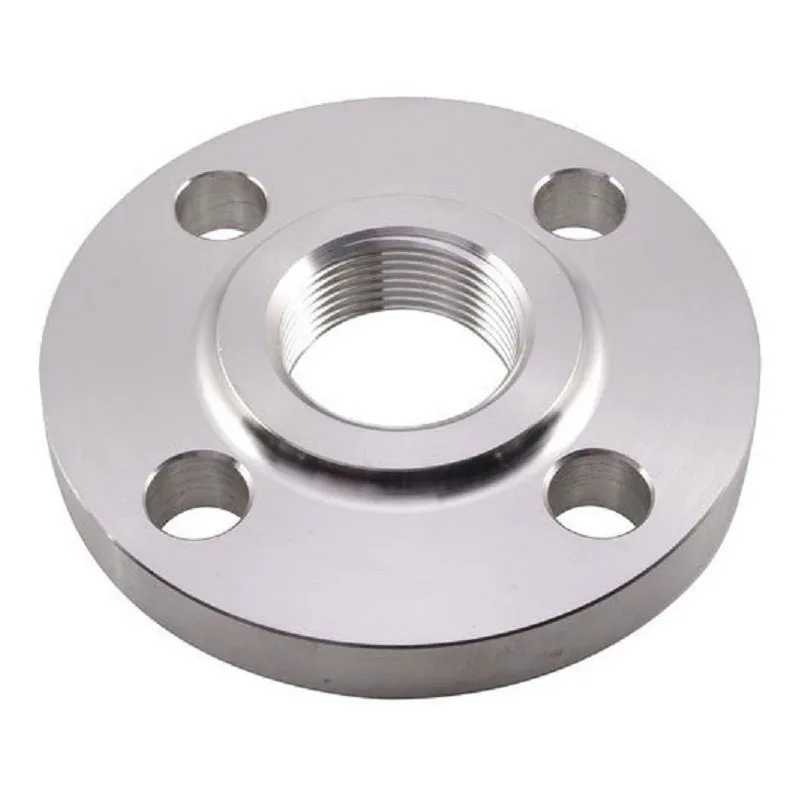
Best Sellingproducts
Best Selling Products-
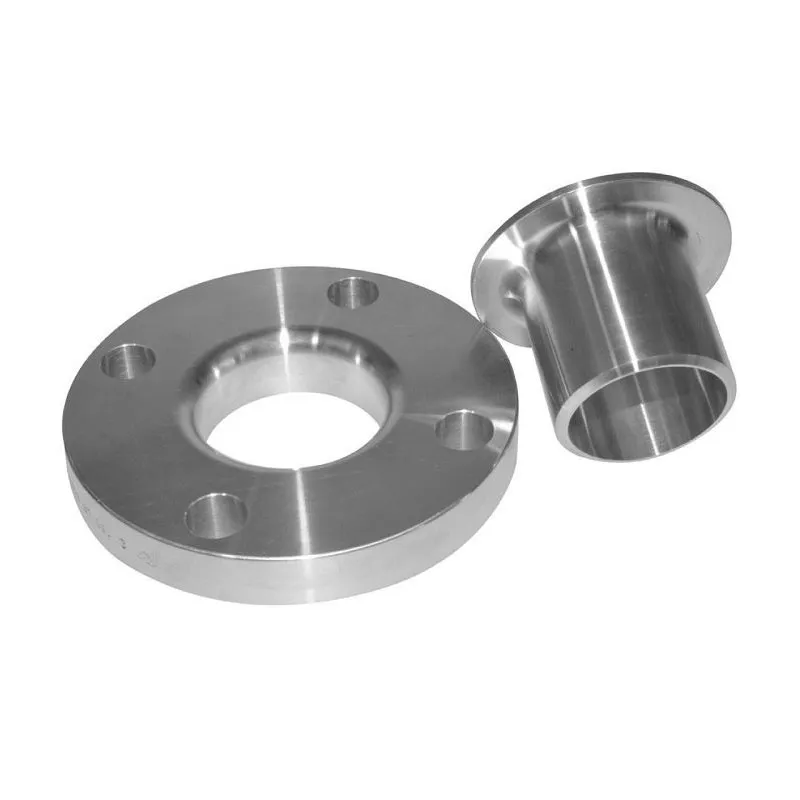 ANSI B16.5 Loose Ring Flanges Class 2500
 -
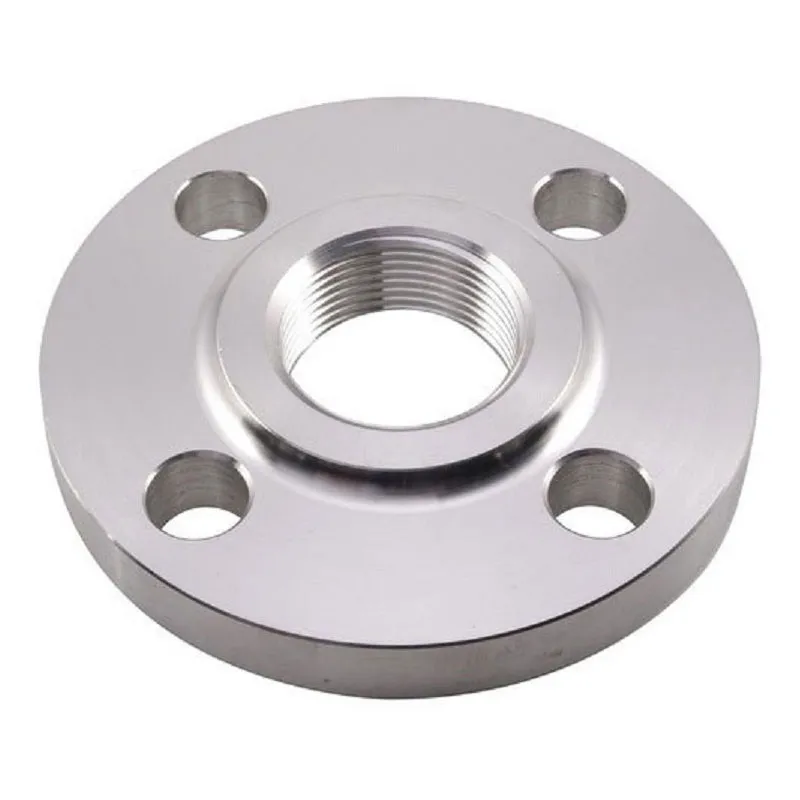 DIN 2565 Threaded flanges PN6
 -
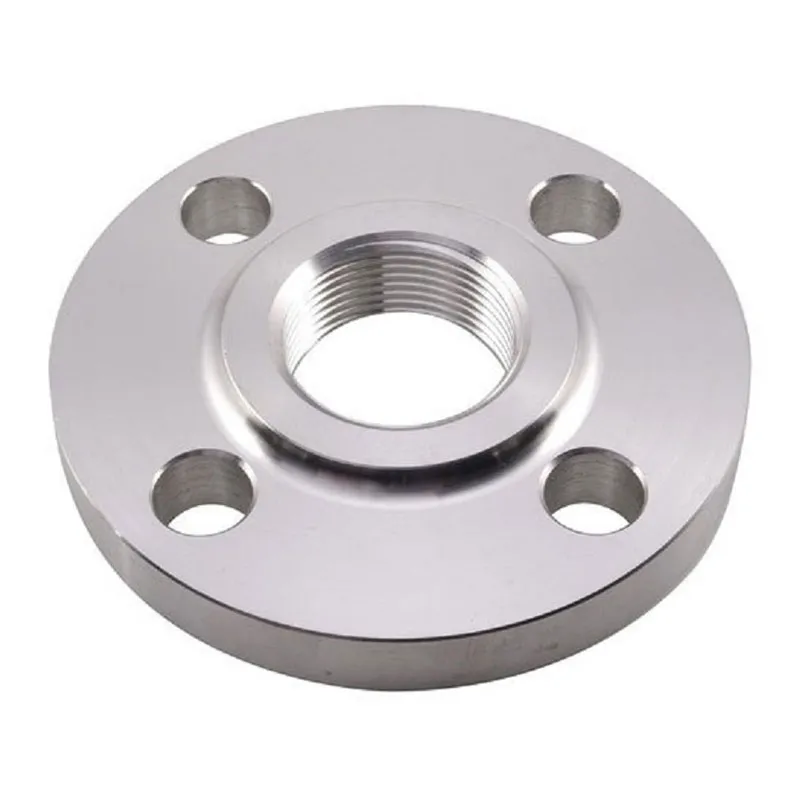 JIS 10K Overlay flanges
 -
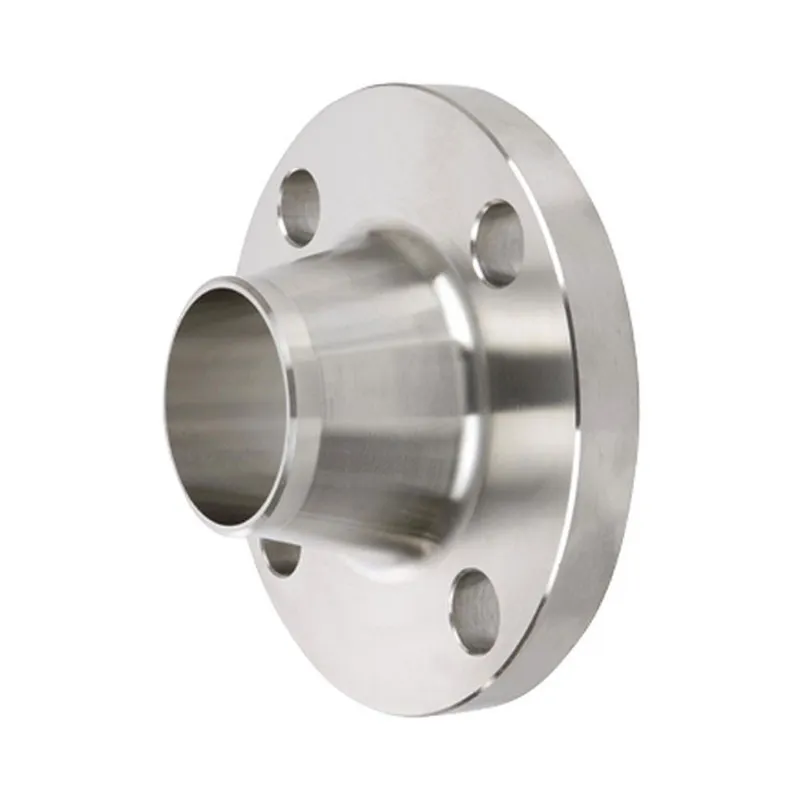 EN 1092-1 Butt weld flanges Type 11, PN25
 -
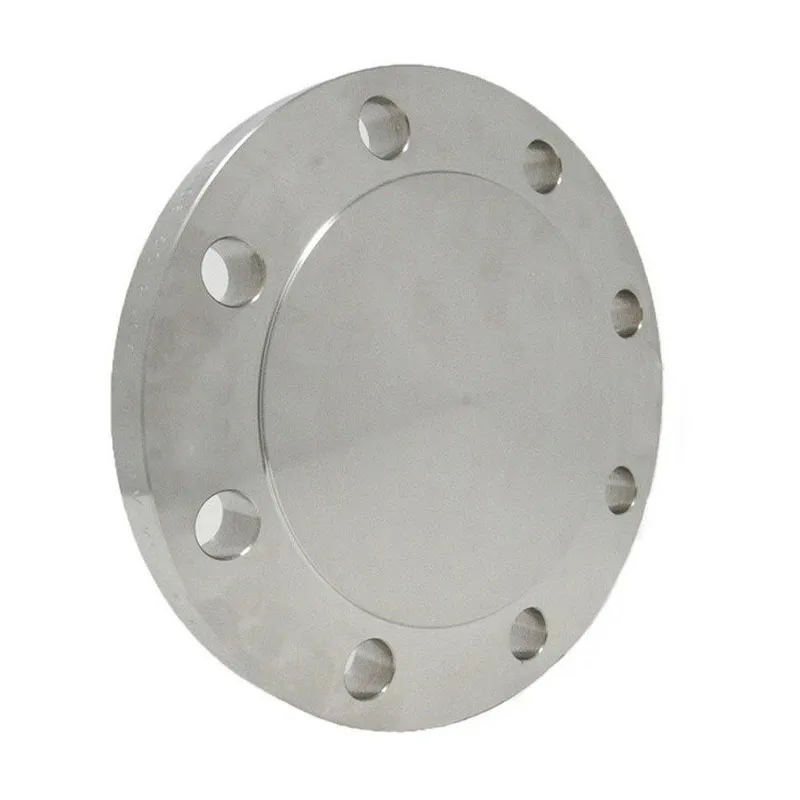 EN 1092-1 Blind flanges Type 05, PN10
 -
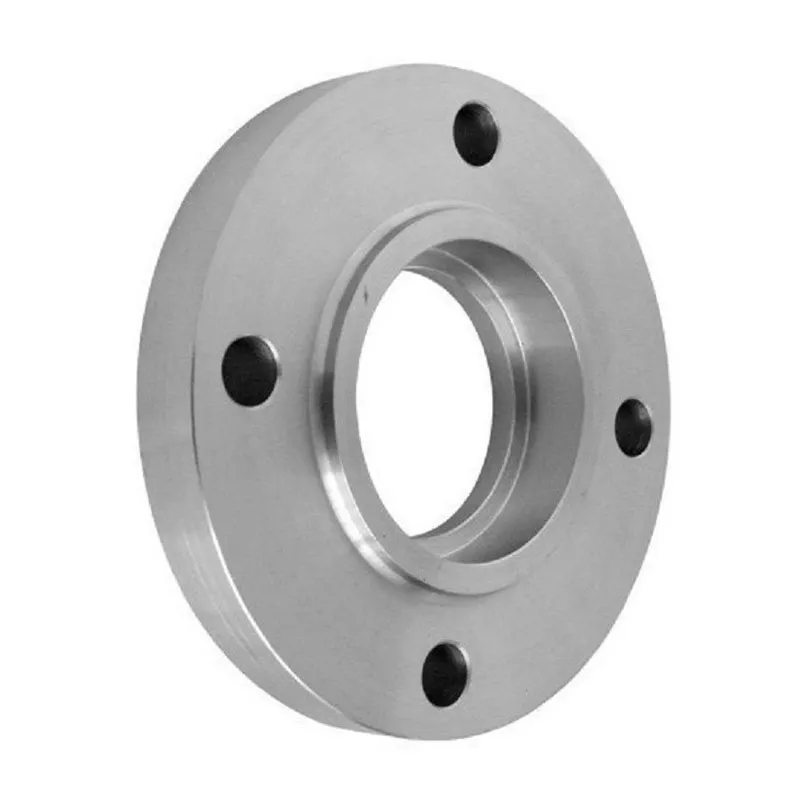 Socket Weld Flanges Class 300
 -
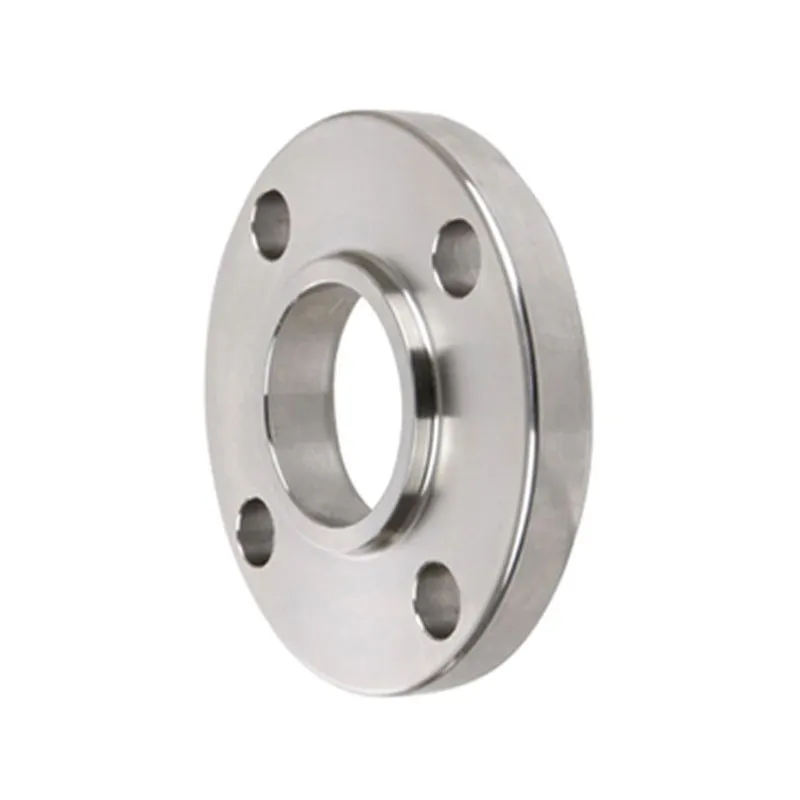 ANSI B16.5 Lap-on flanges Class 300
 -
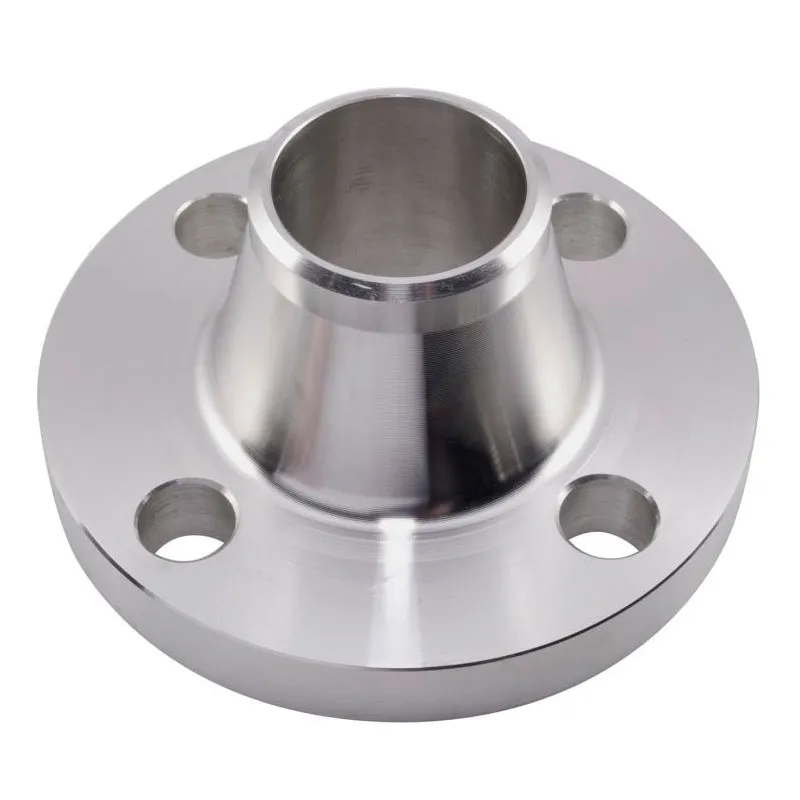 UNI 2281 Butt weld flanges PN10
 -
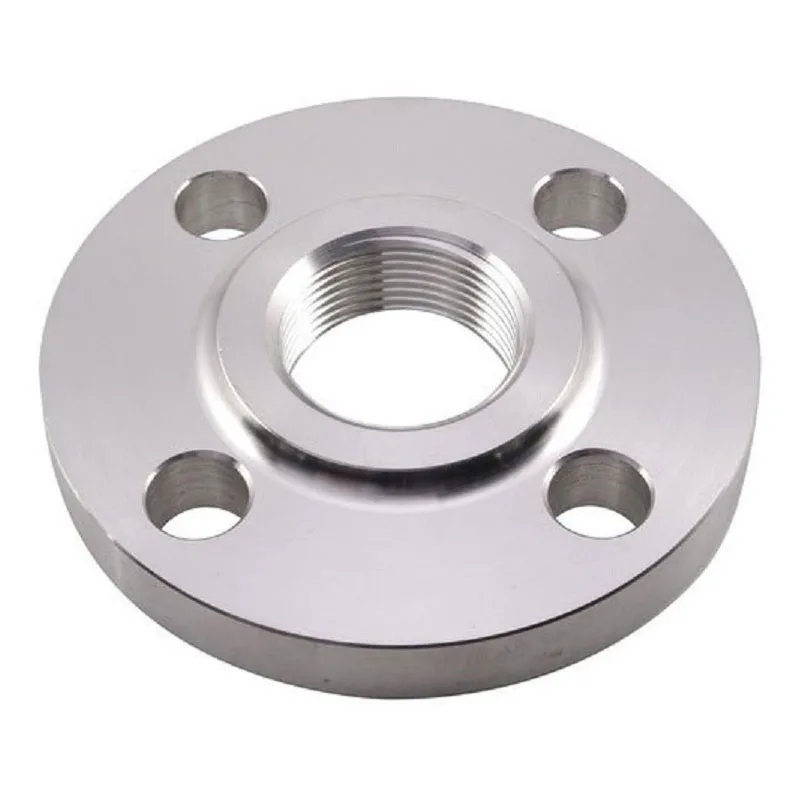 JIS 10K Threaded Flanges
 -
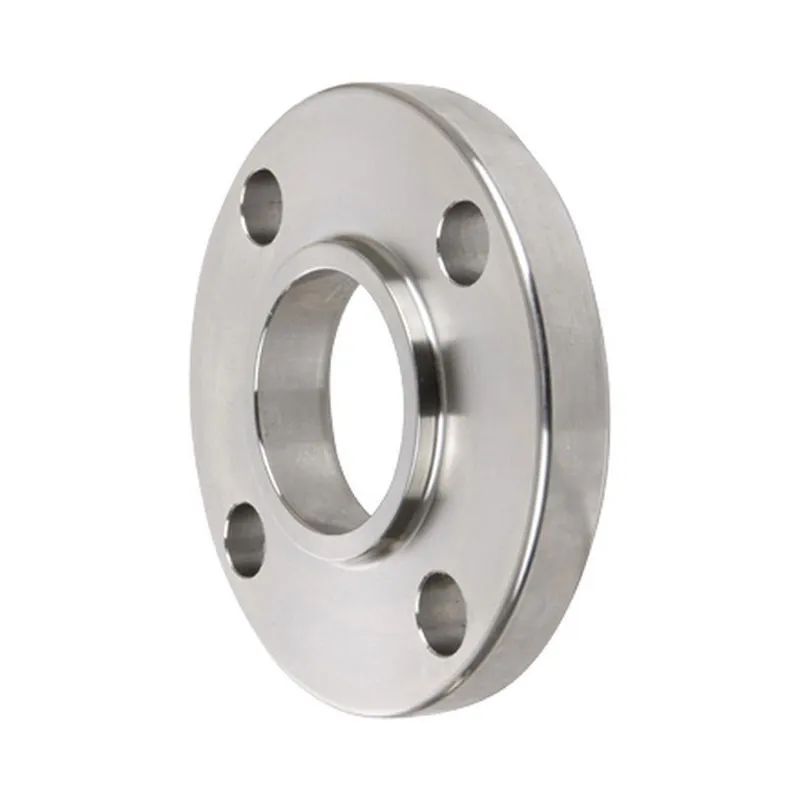 DIN 2501 Overlay flanges PN16
 -
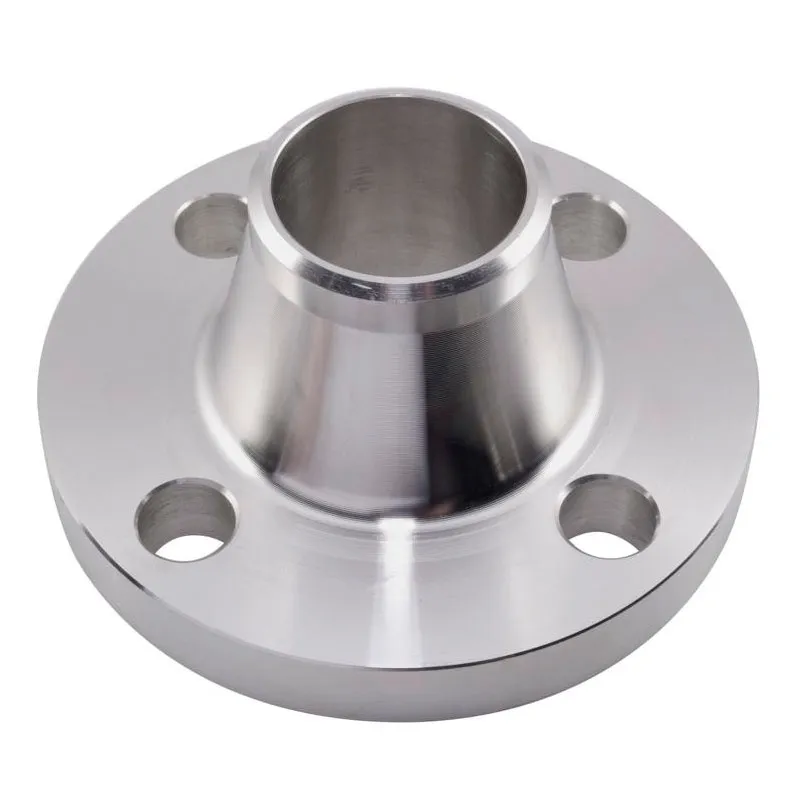 Butt weld flanges Class 900
 -
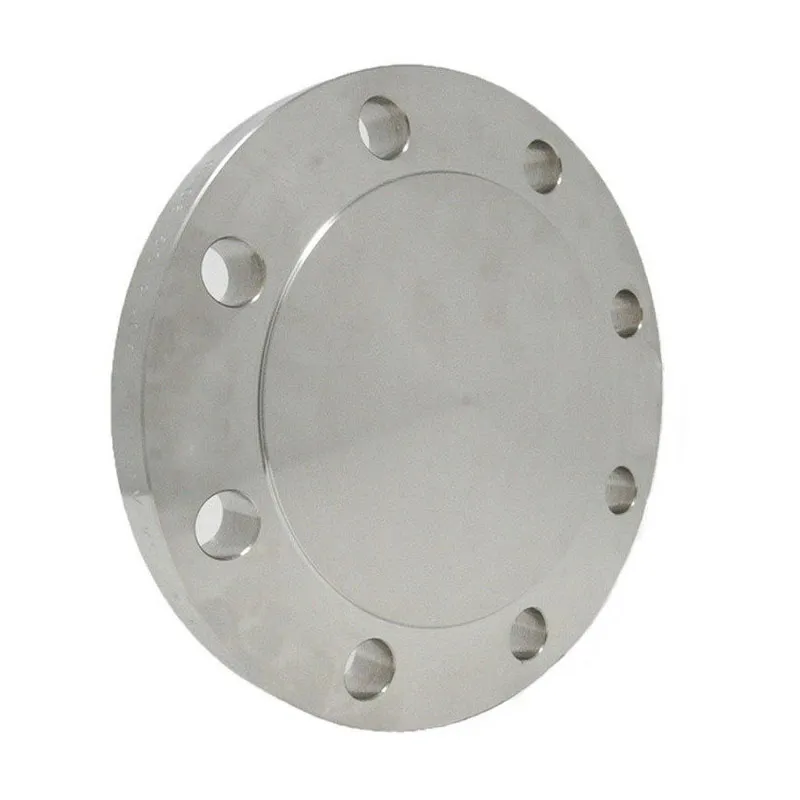 Blind flanges Class 150
Relatedsearch
Related Search- insulating flange connection 15
- flange connection 110x4 HDPE
- flange connections for steel structures
- stainless steel threaded flange
- flange 100 GOST 12820 80
- flanges GOST 12820 80 drawing
- threaded flange 65
- flat steel flange, bored
- flange connections for high pressure pipelines
- tightening torques for pipeline flange connections