
-
-
Phone
+86-13623462298



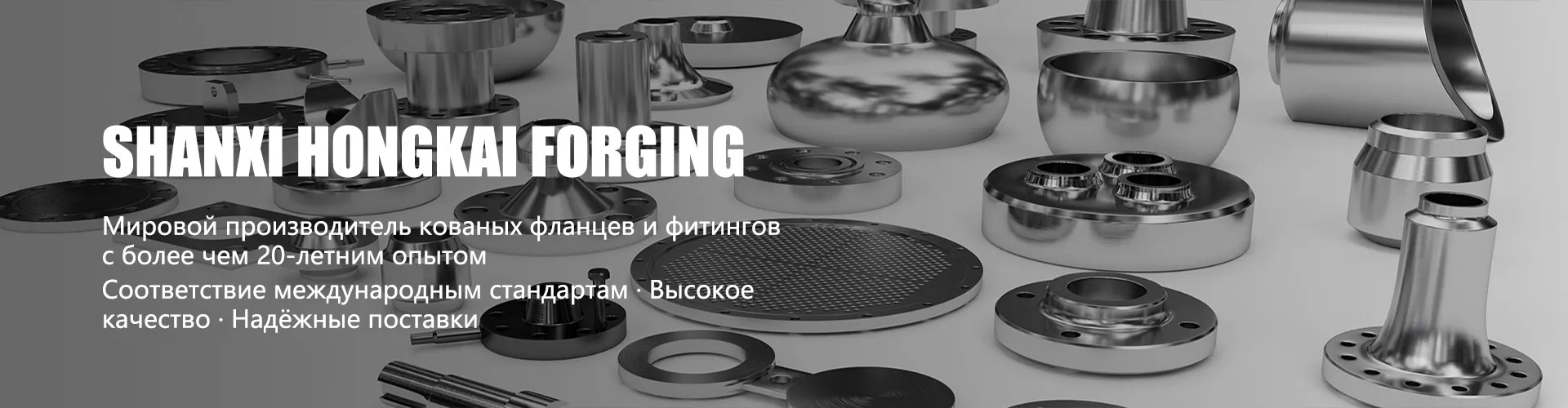
flange 2 40 40
When you see a request like “flange 2 40 40?”, the first thing that comes to mind is some specific standard size, perhaps according to an old drawing or internal standard. But here’s the catch: in generally accepted catalogues, be it GOST, ASME or EN, there is usually no such clear designation. Numbers ?2 40 40? may be confusing. ?2? — is it pressure, nominal diameter, thickness? ?40 40? — dimensions? A common mistake is to try to find this as a ready-made item in standard tables. In practice, this designation often appears in technical specifications from customers who have either simplified their internal specification or have a combination of parameters in mind: e.g.flangefor nominal diameter DN40 (or 1?'), with a connecting size or bolt circle diameter also in the region of 40 mm, and possibly for a pressure of 2 MPa (or 20 bar). But this is just a guess, you can’t say right away. It is with such ?mysterious? You regularly encounter requests when working with non-standard or outdated projects.
Let's break it down piece by piece: from request to drawing
So, we have on hand “flange 2 40 40”. The first step is not to go into the catalog, but to clarify. Experience suggests that most often the first number is the conditional pressure (Pu), say, 2 MPa. Two forties are, with a high probability, DN 40 (nominal diameter) and D4 (outer diameter) about 40 mm? But the outer diameter of the flange on DN40 according to GOST 12820-80 or GOST 12821-80 will be significantly larger - 150 mm for flat and 130 for butt welding. There is a clear discrepancy here.
This is where the importance of dialogue with the customer’s engineer comes into play. In one of the real cases, having looked up the correspondence, it turned out that ?2 40 40? - this is a symbol from the old bill of materials: ?Flange 2? - type (let's say flat), ?40? - pipe diameter in mm, and second ?40? - flange thickness. But a thickness of 40 mm for DN40 is clearly too much, except for special conditions. I had to ask for a sketch. It turned out that we were talking about a massive adapter flange for a high-pressure hydraulic system, where the seat dimensions for the seal were indeed around 40 mm. The standards were just a guideline here.
This is a classic situation for a manufacturer who works not only according to standard tables, but also according to drawings. For example, onShanxi Hongkai Forging Co.,Ltd(https://www.hkflange.ru) requests with similar conditions come in regularly. Their profile is exactly forged flanges and forgings according to standards (GOST, ASME, EN) and, what is critically important,non-standard products according to customer drawings. The range of sizes DN15–DN4000 allows us to cover both small and large products, but the point is different: the ability to read between the lines of the client’s technical specifications. For them ?flange 2 40 40? - not a strange set of symbols, but a reason to request additional data and propose a solution: be it the selection of the nearest standard analogue with explanations of the differences, or the calculation and production of exactly the part that is needed, even if it is not in the catalogs.
Standard vs Non-standard: where is the border?
When working with flanges, you are constantly balancing between standardization and individual solutions. Standards (GOST, ASME) are a language that ensures interchangeability and safety. But the industry is full of legacy equipment, unique units, or simply economical solutions when it is cheaper to make a flange to a specific size than to redo the entire piping.
Here's an example: an order was received for a batch of flanges with a designation similar to our case. The client insisted that this was “almost like GOST 12820 for Ru 2.5 MPa, DN40, but with a thickness of 35 mm instead of the standard 18”. Why? Because the existing piping already had counter flanges of this thickness, held together with long studs, and replacing it with a standard thin flange would require replacing all the studs and, possibly, reworking the supports - an enormous cost. Making a custom thickness solved the problem.
This is where the manufacturer's competence comes into play. CompanyShanxi Hongkai Forging Co.,Ltdpositions itself as a manufacturer in one of the main centers of the forging industry in China, and these are not just words. Forging produces stronger and more reliable products for critical applications, especially with non-standard geometries or materials. For them the question is ?flange 2 40 40? transforms into questions: material (Steel 20? 09G2S? Stainless steel?), type of design (smooth sealing surface, tongue-and-groove?), type of connection (butt weld, flat, loose?). Without these clarifications, even starting a conversation is pointless.
Practical pitfalls and why process matters
Let's say the parameters are clarified and we understand what needs to be manufactured. The biggest pitfall is underestimating manufacturing technology. If the flange is intended for high pressures or cyclic loads, then plasma cutting it from a sheet is a bad idea. Metal fibers are cut, internal stresses appear, and fatigue strength decreases. The correct way is forging or stamping.
I remember a case when, in a hurry, we agreed on the production of a small batch of non-standard flanges using simplified technology (gas cutting + mechanical processing). The parts passed dimensional acceptance, but during pressure tests they leaked through the material not at the seal, but in the body of the flange. The reason is microcracks from thermal effects. I had to urgently redo it, but using the method of forging the workpiece followed by machining. Since then, for any non-standard and especially critical products, I insist on considering forged options. On the samehkflange.ruthe nomenclature clearly indicates forged flanges - this is not marketing, but an indication of a key technology that ensures reliability.
Another nuance is control. For a standard flange there is a clear set of checks: dimensions, markings, material (certificate). For non-standard ?2 40 40? the list is expanding: do you need ultrasonic or x-ray inspection of the weld (if it is a butt weld), hardness control over the entire surface, especially in the transition zone from the hub to the disk. Often, the customer, saving money, refuses part of the control, but then this comes out sideways during inspection by supervisory authorities.
Material matters
Returning to our hypothetical flange. Let's say we found out that this is a connection for a pipeline with moderate pressure (2 MPa) and average temperatures. The most popular material is carbon steel type St20 or equivalent. But if it is not specified in the technical specifications, and the environment, for example, contains hydrogen sulfide or operates at subzero temperatures, then the material must be resistant to brittle fracture (say, 09G2S).
A manufacturer that works according to international standards usually keeps in stock or can quickly provide blanks from a wide range of steels. In the descriptionShanxi Hongkai Forging Co.,Ltdcompliance with standards from GOST to JIS is indicated - this also implies knowledge of the material science requirements of these standards. For ASME B16.5 it will be SA-105, for GOST - 20, 09G2S, 12Х18Н10Т. The wrong choice of material is a guaranteed accident in the future.
Had a sad experience with a ?similar? flange for DN50, which was ordered from ordinary carbon steel for the condensate line. After six months of use, fistulas appeared. It turned out that the condensate contained a small admixture of aggressive components, which they forgot to mention. The flange, which worked in tandem with stainless fittings, was subject to intense corrosion. I had to change the entire batch to stainless steel flanges. Lesson: For any custom product, the specification must be comprehensive, and the manufacturer must ask the right questions.
Bottom line: from numbers to metal
So, what is ?flange 2 40 40?? This is not the name of the product, but a signal to start a professional dialogue. This is a potential challenge for the manufacture of a non-standard product, where the key role is played not by the initial numbers, but by the process of clarifying the real requirements: drawing, environment, pressure, temperature, material, sealing standard.
Successfully solving such problems lies in the competence of the manufacturer, who combines in-depth knowledge of standard nomenclature (such as butt weld, flat, loose, blind flanges) with the flexibility and technological capabilities to work from drawings. This is what makes it possible to turn an incomprehensible set of numbers into a specific, reliable part that will work in the pipeline system for years.
Therefore, when encountering such requests, you should perceive them not as a problem, but as an opportunity to offer a comprehensive solution - from consultation on parameters to delivery of a finished product, manufactured taking into account all the subtleties of technology, be it forging, heat treatment or quality control. This, perhaps, is the real work in this area.
Correspondingproducts
Related Products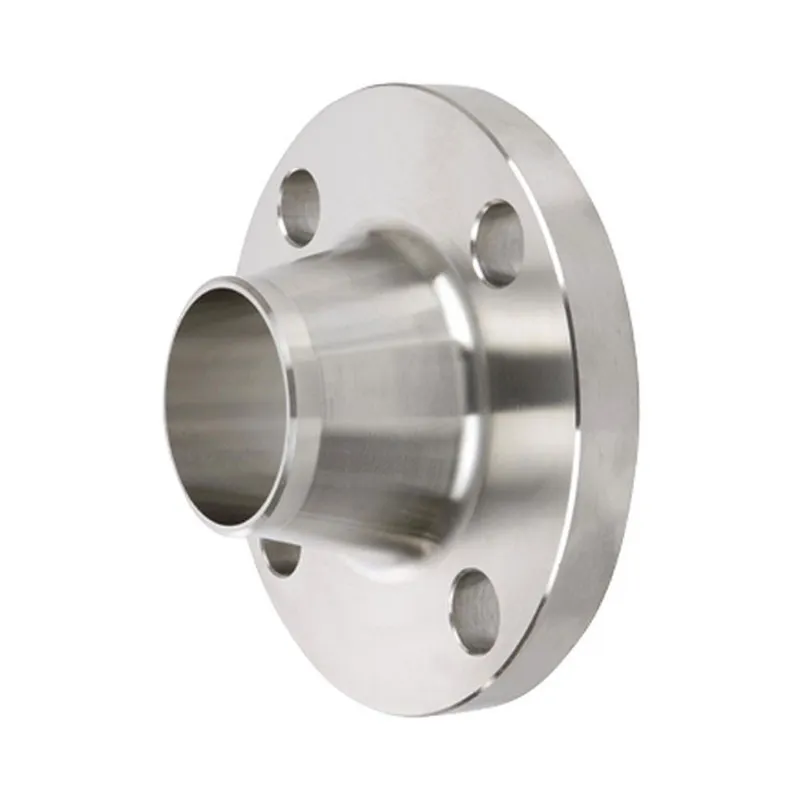
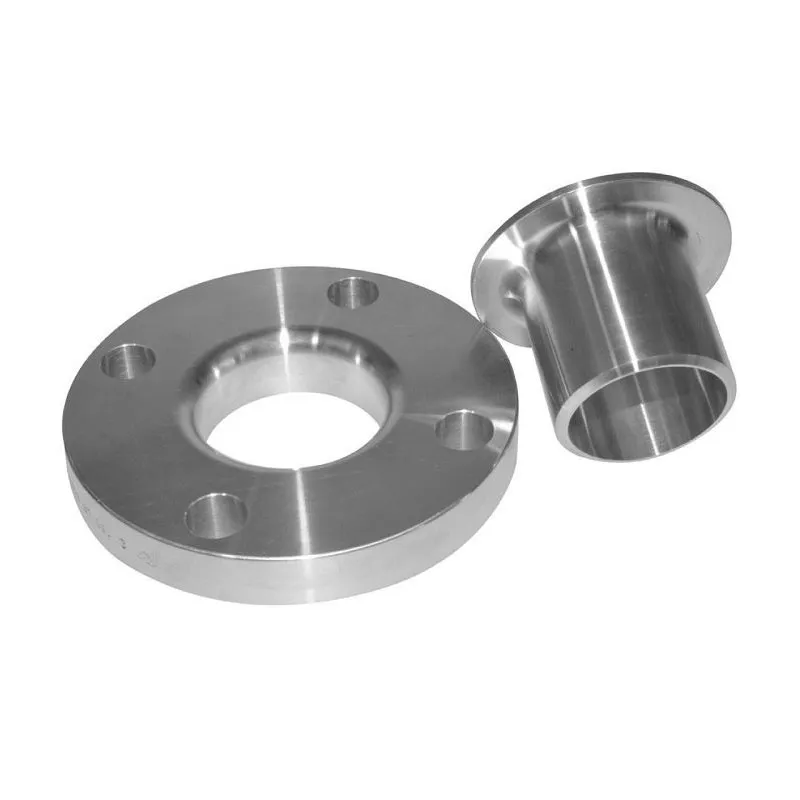
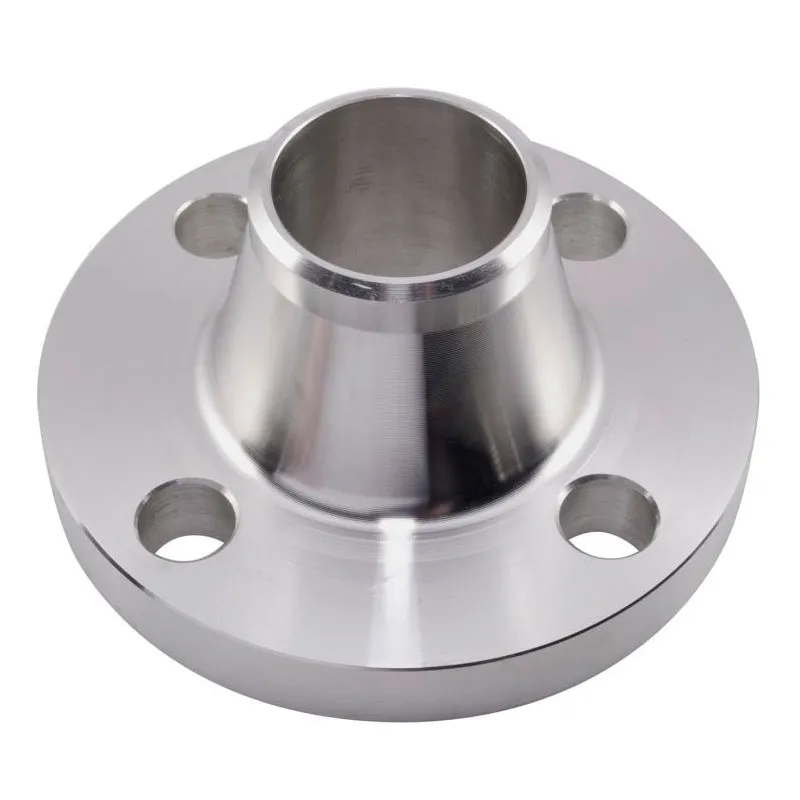
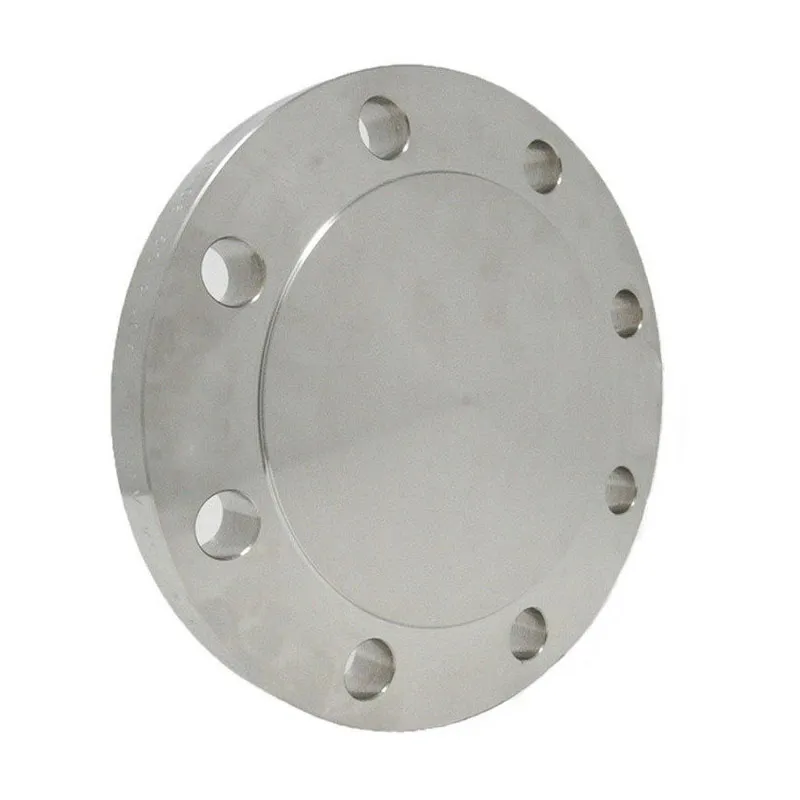
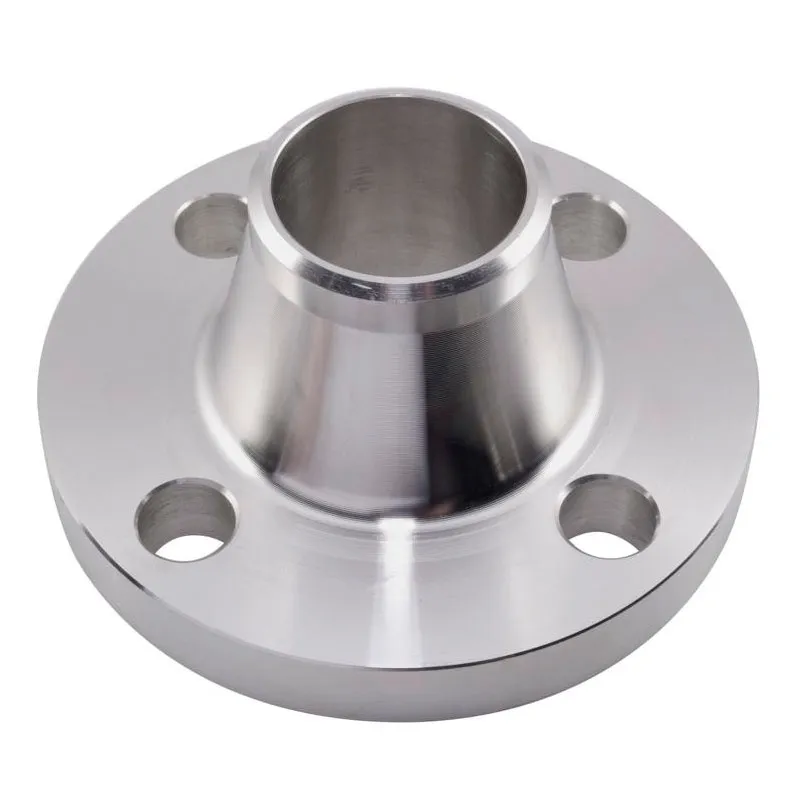
Best Sellingproducts
Best Selling Products-
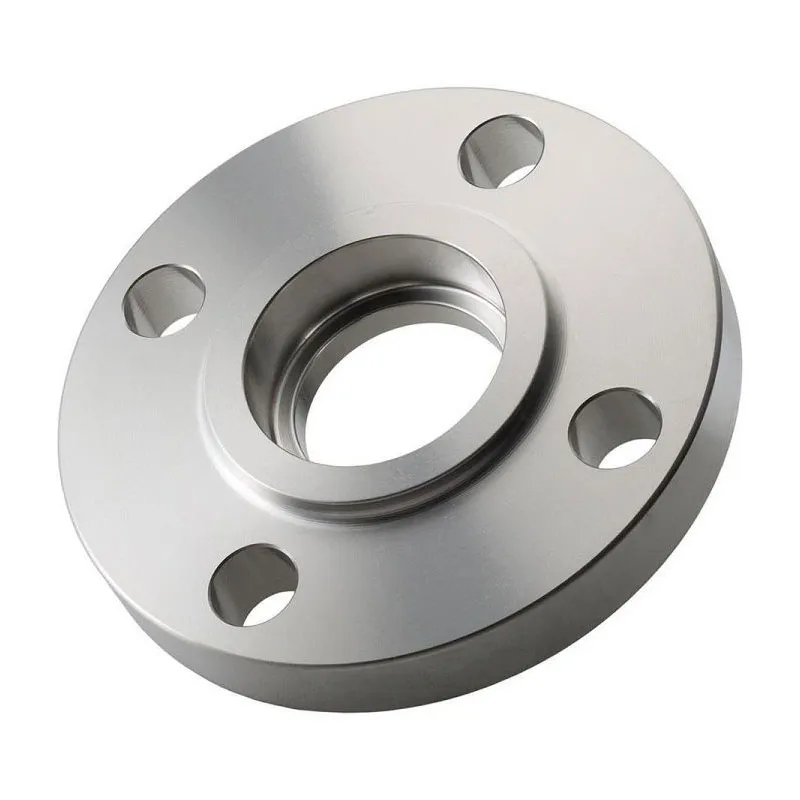 ANSI B16.5 Socket Weld Flanges Class 1500
 -
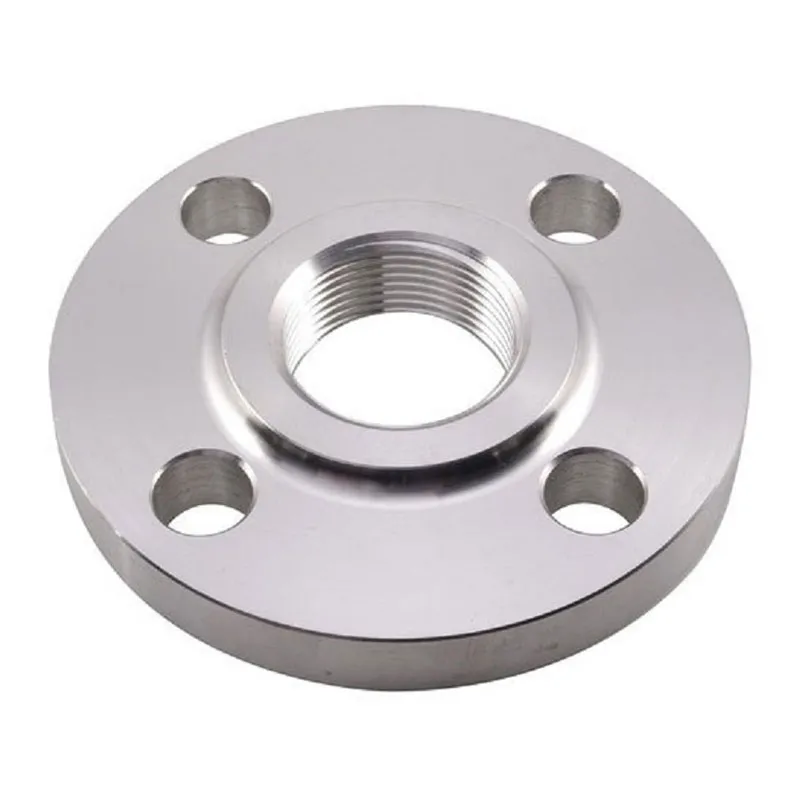 JIS 10K Overlay flanges
 -
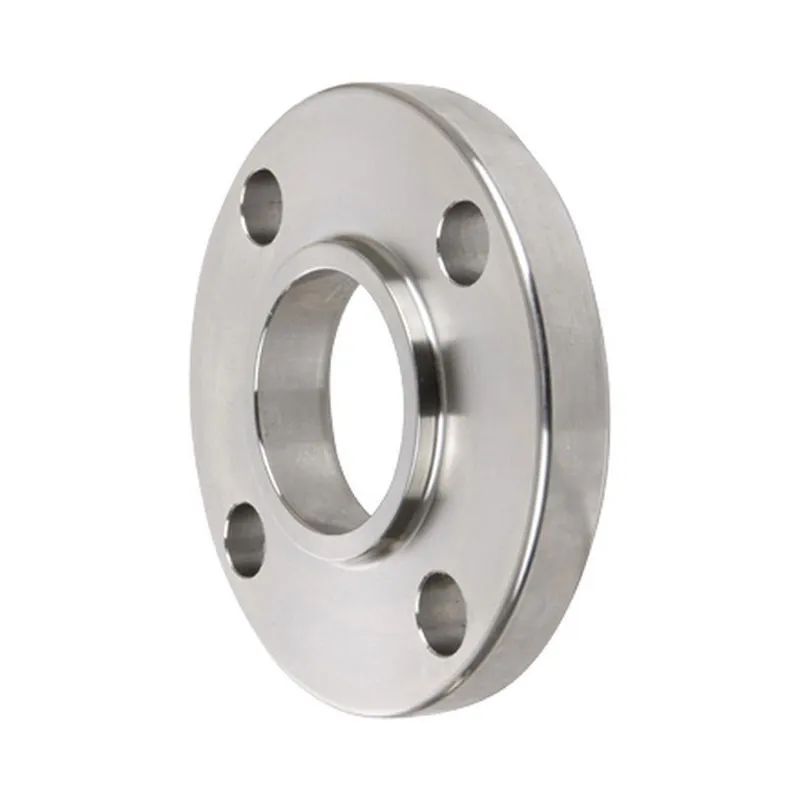 DIN 2501 Overlay flanges PN16
 -
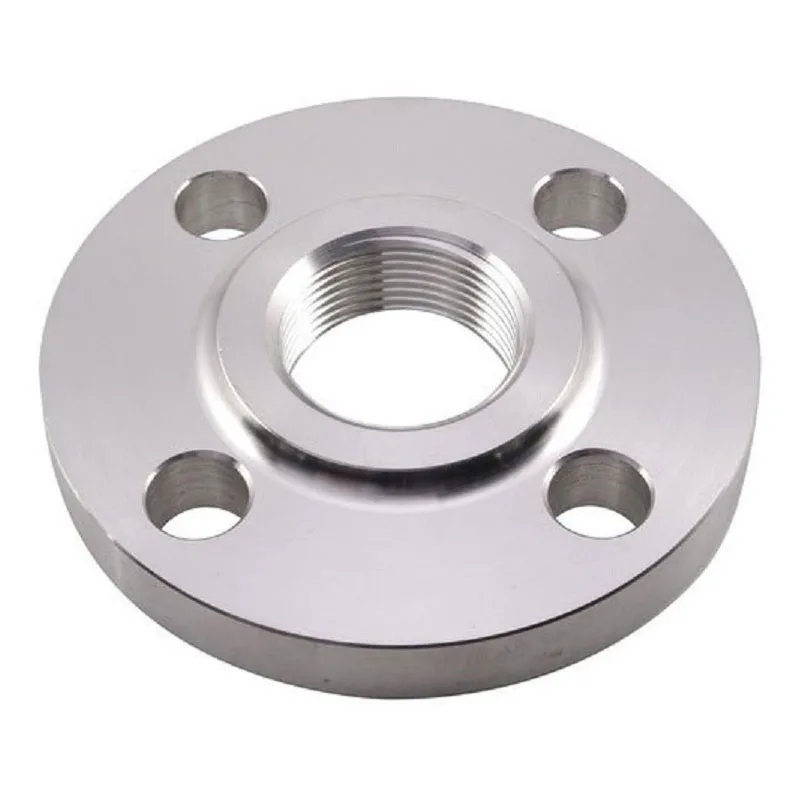 JIS 10K Threaded Flanges
 -
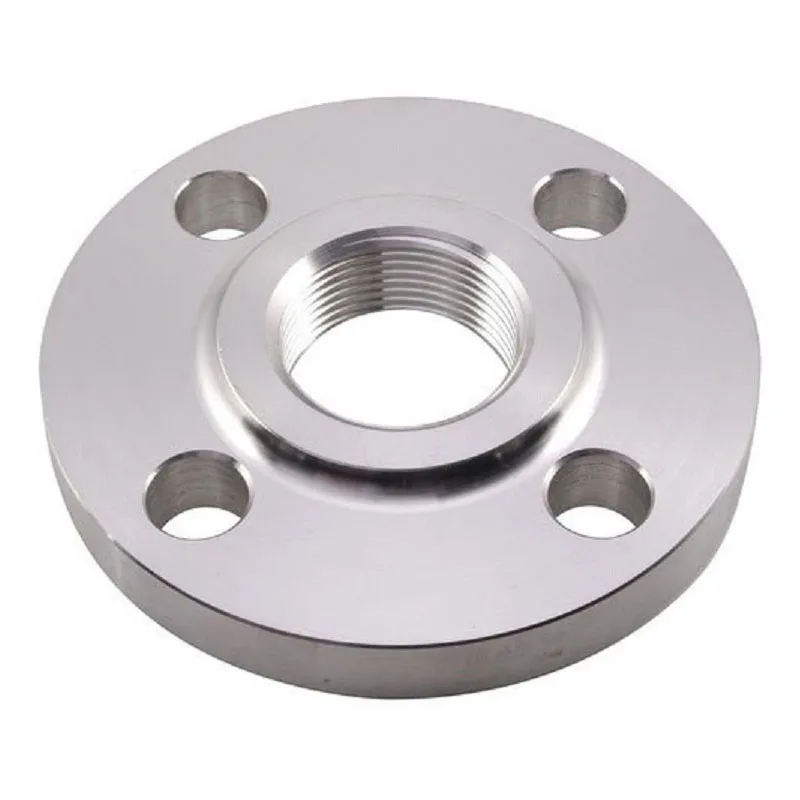 DIN 2566 Threaded flanges PN16
 -
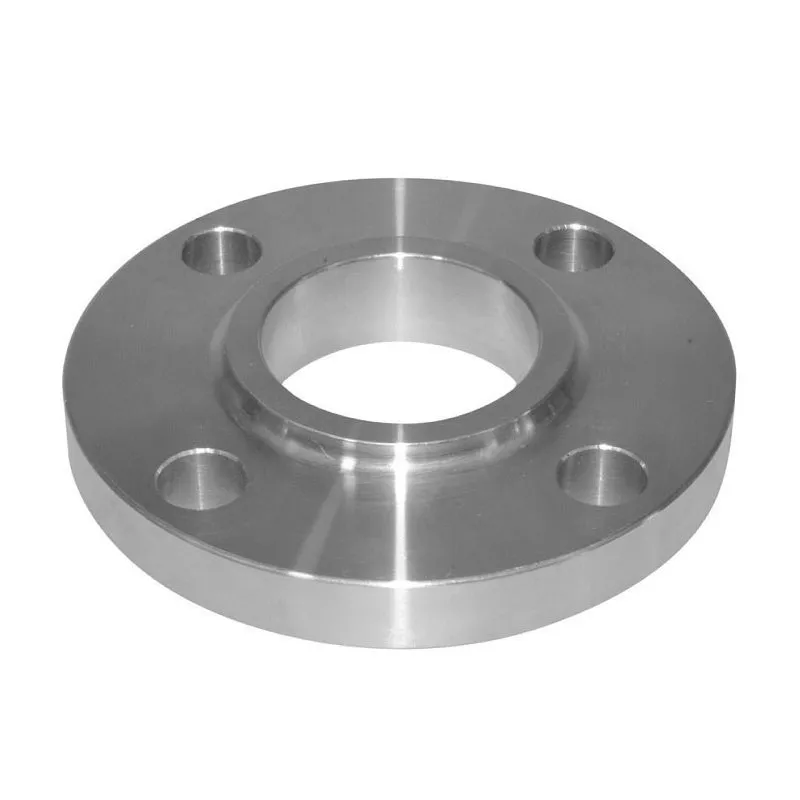 ANSI B16.5 Lap-on flanges Class 1500
 -
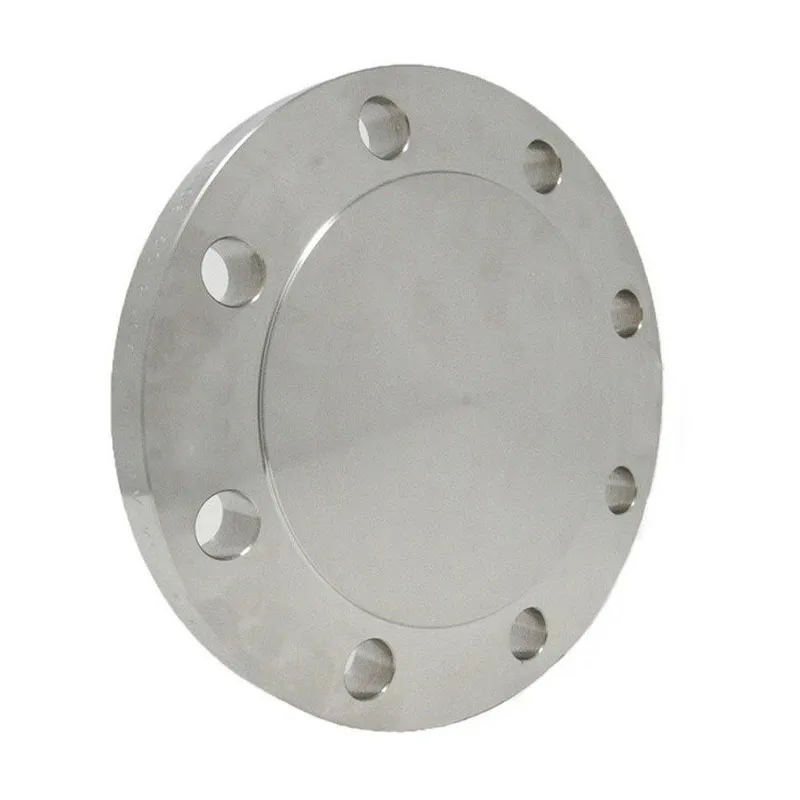 EN 1092-1 Blind flanges Type 05, PN10
 -
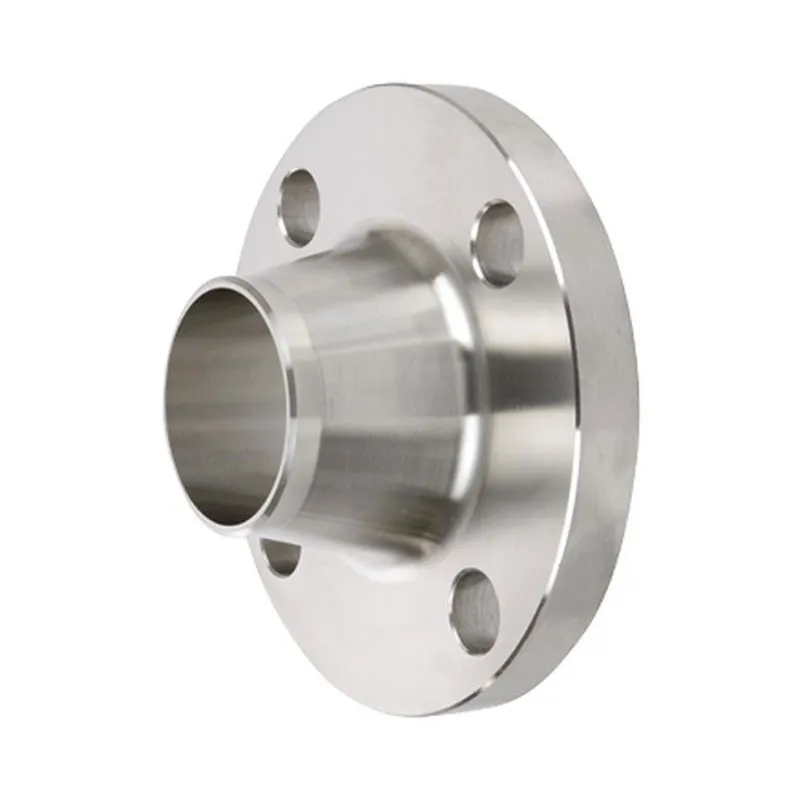 Ser.A Butt Weld Flanges Class 400
 -
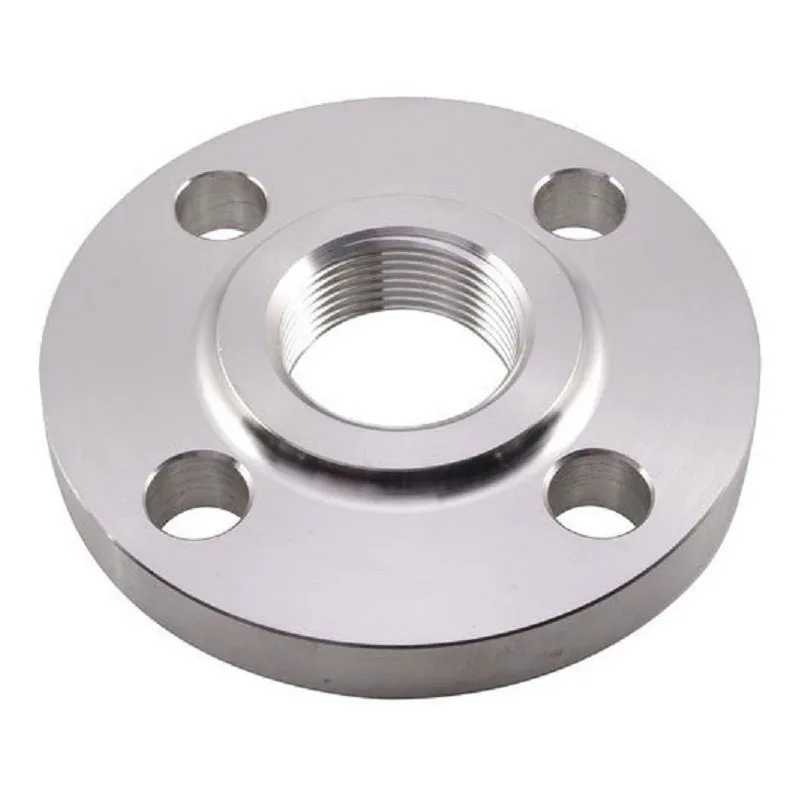 ANSI B16.5 Threaded Flanges Class 600
 -
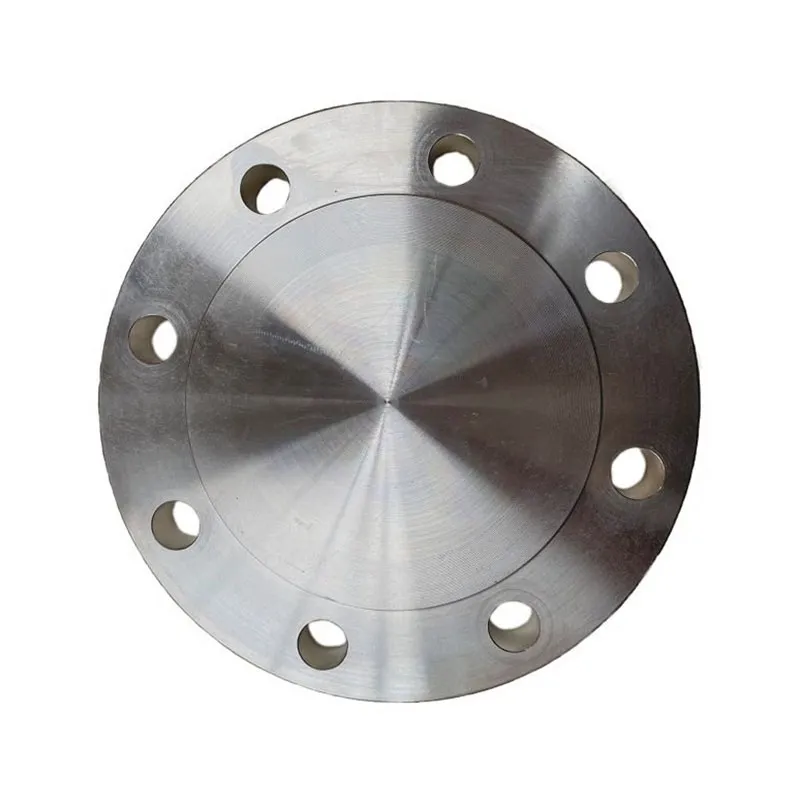 UNI 6092 Blind flanges PN10
 -
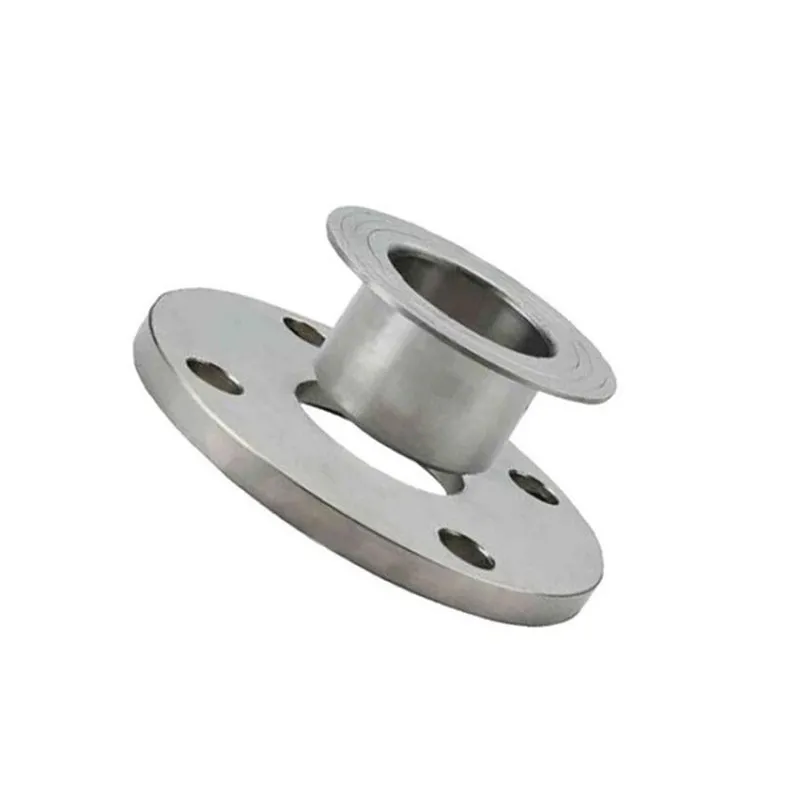 JIS 10K Loose Ring Flanges
 -
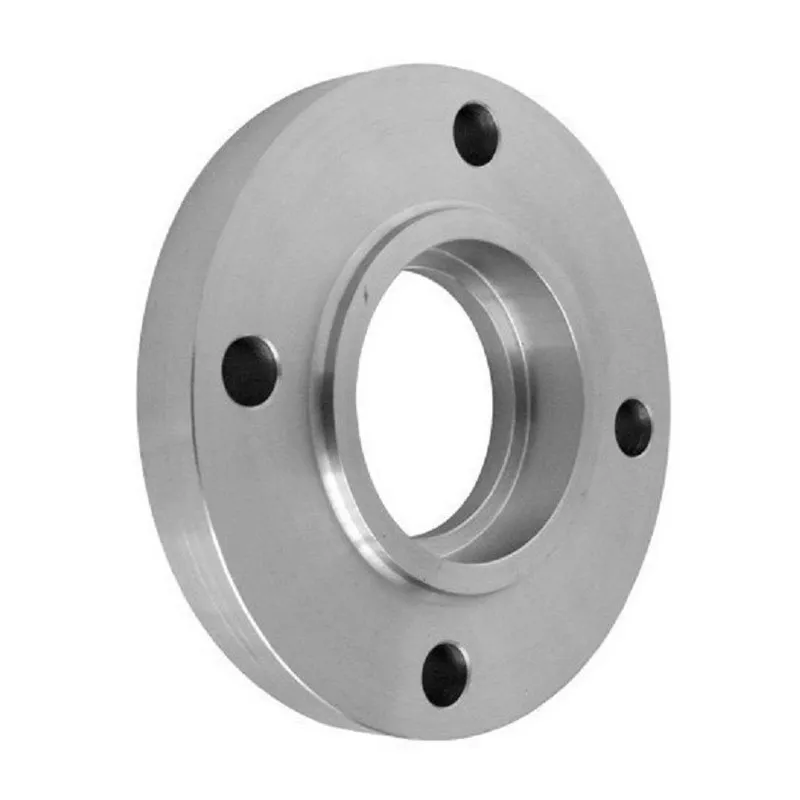 JIS 5K Socket Weld Flanges