
-
-
Phone
+86-13623462298




flange 200 16 01
When you see a marking in an application or drawingflange, the first thing that comes to mind is a standard DN200 pass-through flange for a nominal pressure of 16 kgf/cm2 according to the old GOST. But this ?01? in the end, it leaves many people stunned. They often think that this is just an internal factory code or something like that, but in fact this is an indication of version 1 according to GOST 12815-80, that is, with a connecting protrusion. It’s a trifle, but if you miss it, there may be problems when mating with imported fittings or with flanges of a different design. I myself have encountered more than once when supposedly suitable flanges were delivered to the site, but in fact the contact plane was not the same. We had to urgently look for where to buy or make adapter rings, which meant downtime and money.
Let's look into the details: what the marking hides
This very flange is 200 16. A working pressure of 16 atmospheres is for many a milestone, after which you begin to look at the material and manufacturing method more carefully. For such parameters, steel 20 or 09G2S is often used, but if the environment is aggressive or the temperature is higher, then you already need to go into the standards and look at the grade of steel. For example, I remember a project where flanges made of 15X5M steel were used for steam, because ordinary steel 20 was not suitable for temperature. And this despite the fact that in terms of pressure everything seemed to match.
And the size DN200... It would seem that this is a common size; there should be no problems finding it. But the thickness of the disk, the diameters of the bolt circle and the holes themselves - they can float depending on the standard to which the flange is made. GOST 12820-80 and GOST 12821-80 are different things for flat and butt-welded flanges. And if the specification simply says “flange 200 16”, but does not indicate the type, this is already a red flag. You have to call the designer and clarify, but they can’t always answer right away.
Version ?01? - this is just about that very connecting protrusion. It is needed to create a more airtight connection with the appropriate gasket. But if the partner on the pipeline has a flange with design 2 (with a tongue and groove) or 3 (with a tongue and groove), then a direct connection is impossible. I saw how during installation they tried to forcefully pull together such flanges, they deformed the gaskets, and as a result they got fountains during hydrotesting. I had to dismantle and wait a week for the correct parts.
Experience in supplying and searching for a reliable manufacturer
Previously, such flanges were often taken from local small workshops, which were turned from a rolling ring or even from a sheet. The price is attractive, the delivery time is fast. But then problems began: either microcracks after welding the neck were detected by ultrasonic testing, or deviations in the thickness of the disk. For water it might work, but for process pipelines with ammonia or oil it’s a risk. They began to look for a manufacturer with a full cycle, namely forging, so that the metallography would be uniform.
This is where we contacted the companyShanxi Hongkai Forging Co.,Ltd. First we looked at their websitehkflange.ru, studied the assortment. It can be seen that they have a clear profile - forged flanges and forgings, and not everything in a row. This is important because press-forging production is not just a machine; it requires control at all stages: from heating the workpiece to heat treating the finished flange. Their claim that they work in accordance with GOST, ASME, DIN is good, but I was more interested in our post-Soviet standards, because 90% of orders go to them.
Ordered a trial batch from themflangesmade of steel 09G2S. They came with a full package of documents: certificate of conformity, quality certificate, results of mechanical tests and ultrasonic testing. It looks clean, there are no burrs, the chamfers are clearly machined. But the main thing is that when checking with calipers and templates, all dimensions, including this very connecting protrusion according to version 01, fit perfectly within the tolerances in accordance with GOST 12815. This already inspired confidence.
Installation practice and nuances that are not written about in catalogs
When these flanges were put to work during the installation of the pump station piping assembly, the installers noted that the holes for the studs matched without problems. It happened that from other suppliers it was necessary to drill out because the bolt circle was “walking?” by a couple of millimeters. And here there are exactly 12 holes for M20 on a circle of 320 mm, as it should be. They sat down straight, without distortion.
But one point still surfaced. The same delivery included flanges for PN40 according to DIN, and so their outer diameter and disk thickness are greater than those of our GOST one for Ru16. And if they were mistakenly placed side by side in one line, a difference in planes would arise, and it would be impossible to tighten the connection normally. This is about the importance of clear labeling and storage in a warehouse. We immediately set up separate racks for flanges according to different standards.
Another observation: material 09G2S behaves well when installed in winter conditions, not as brittle as some carbon steels. But it must be selected correctly for the operating temperature. For our case, at -30°C, it was suitable. If it were colder, we might have to look towards more alloyed steels, andShanxi Hongkai Forging Co.,Ltd, judging by their website, they also offer such items on order.
Thoughts on unusual situations and quality
It often happens that a flange with a non-standard transition or with an additional fitting is needed. Justflange- this is a typical detail, but life is more complicated. From experience, many manufacturers are so “cunning”? orders either raise the price exorbitantly or are refused, offering to do welded assembly on site. But welding means additional weakening of the structure; seam control is needed.
Exploring the possibilitieshkflange.ru, noticed that they position the production of non-standard products according to customer drawings. This is a useful option. I haven’t ordered one from them yet, but colleagues from one plant told me that they ordered a flange with a reinforced disk for high point loads. They say they made it according to their specifications, with additional calculations for strength. This means that the staff has its own engineers, and not just copying technologists.
The quality of the forging, in general, is felt. After forging, the metal fibers follow the contour of the part, which increases tensile strength and fatigue strength. This is especially critical for flanges on dynamically loaded pipelines where there is vibration from pumps. Stamped or cut-out flanges here may fail and crack over time along the grain boundaries.
Final Selection Considerations
So, returning to ourflange. Choosing a supplier is not just a matter of price per piece. This is a matter of ensuring a complete package of documents, compliance with the declared material, accuracy of geometry and, ultimately, the absence of downtime at the site due to defects. A small thing like performing incorrectly or going off the rails. turnkey size can cause big problems.
Working with a specialized manufacturer, such asShanxi Hongkai Forging Co.,Ltd, which specializes specifically in forging and has experience working with international standards, reduces these risks. Their website is not just a business card, it shows the structure of production, the range of sizes right up to DN4000, which indicates serious capacity. For typical tasks such as providing flanges for repairs or construction, this is a reliable option.
In general, my approach now is: for critical applications - only forged flanges from proven full-cycle factories. And now I read the markings, especially those numbers at the end, as carefully as possible, always checking the current drawings and standards. Because in our work it is better to spend an extra hour checking in the office than a week correcting mistakes in the cold in the field.
Correspondingproducts
Related Products

Best Sellingproducts
Best Selling Products-
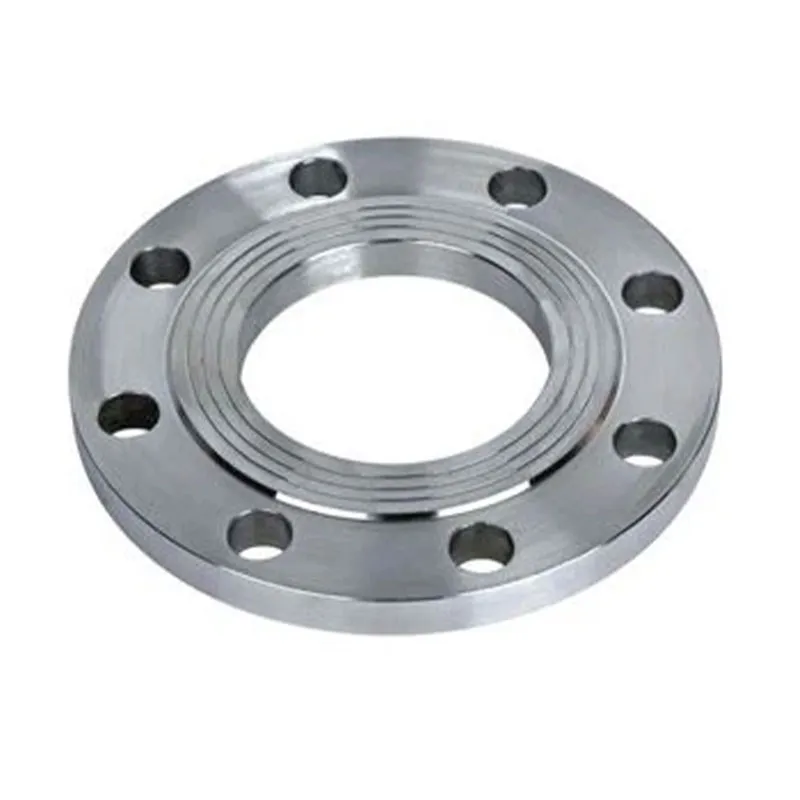 Butt weld flanges Class 150
 -
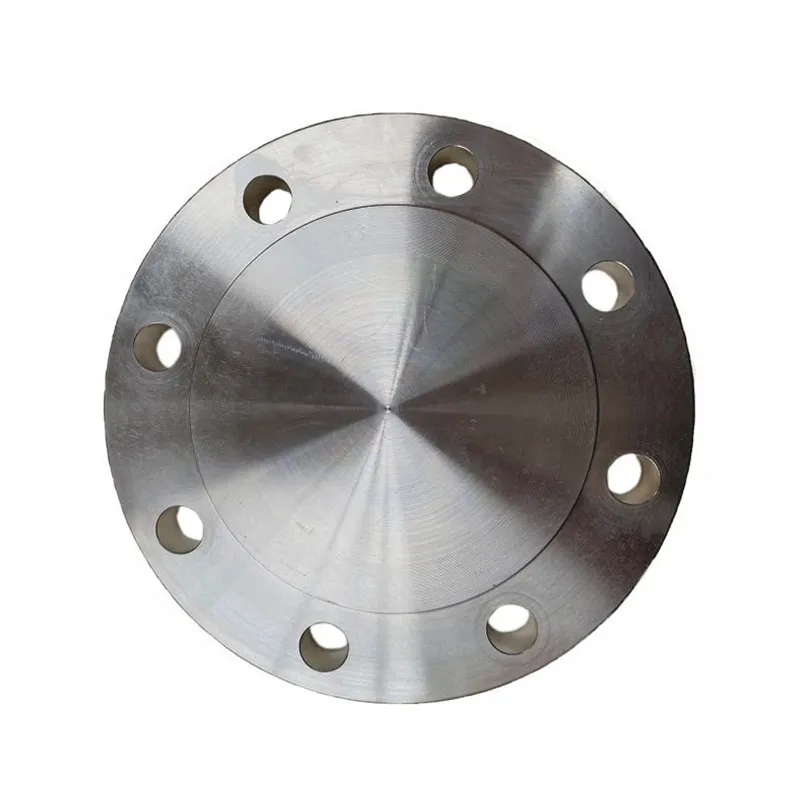 DIN 2527 Blind flanges PN10
 -
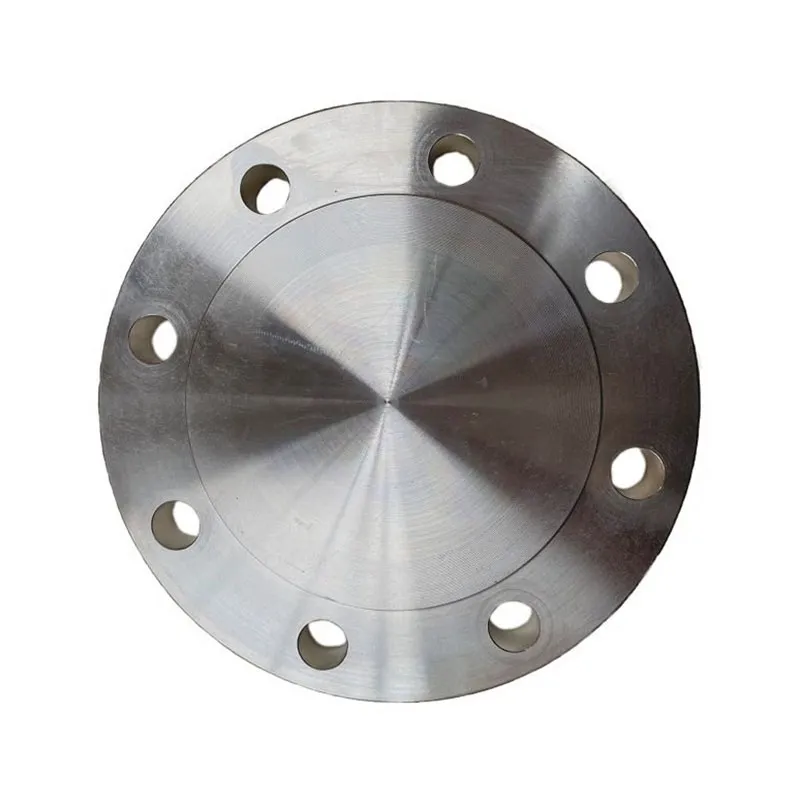 ASME B16.47 Ser.A Blind Flanges Class 400
 -
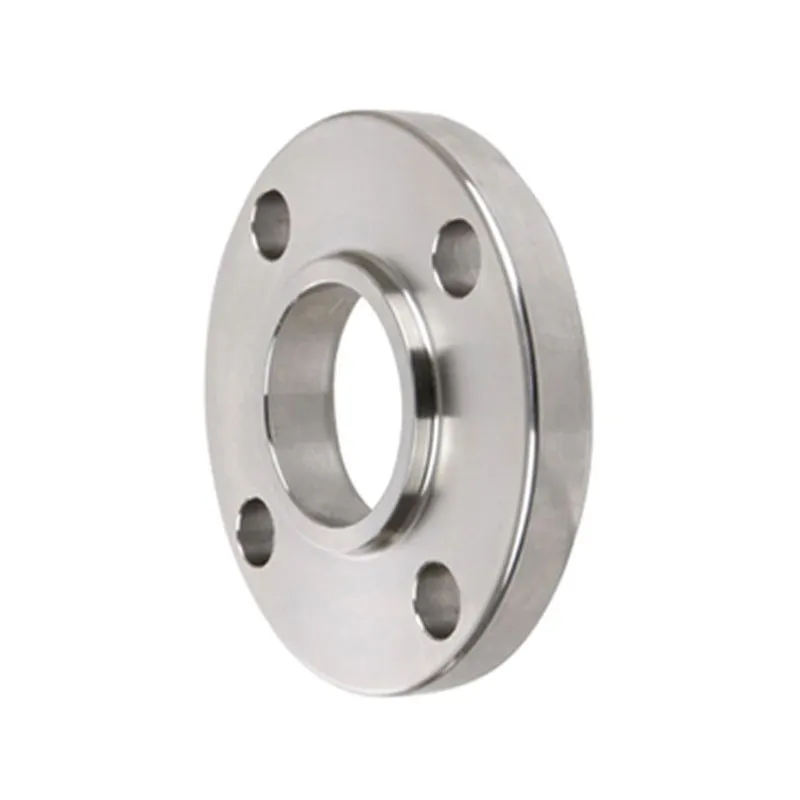 ANSI B16.5 Lap-on flanges Class 300
 -
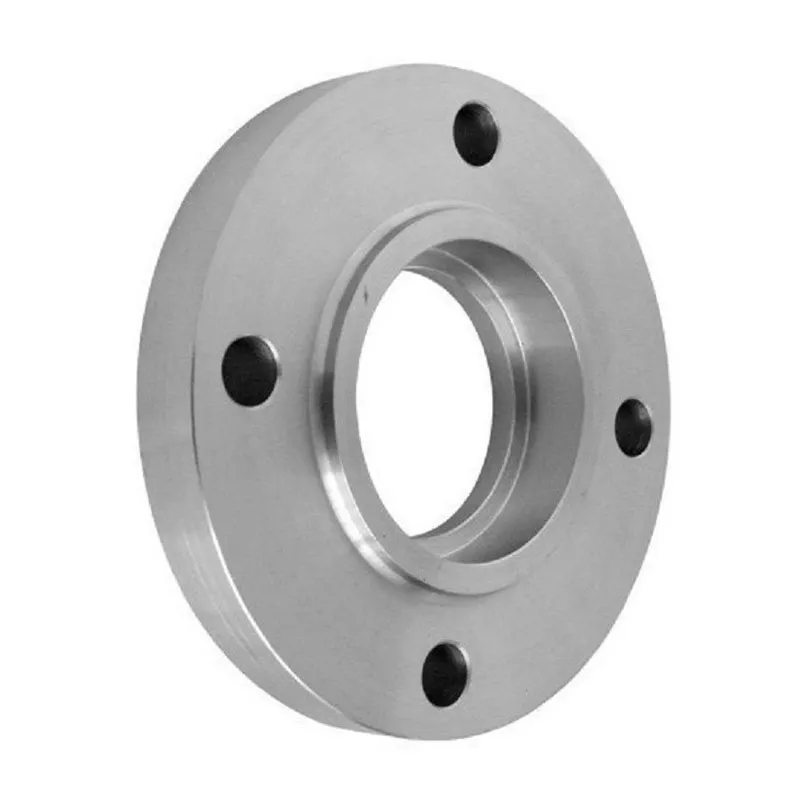 Socket Weld Flanges Class 300
 -
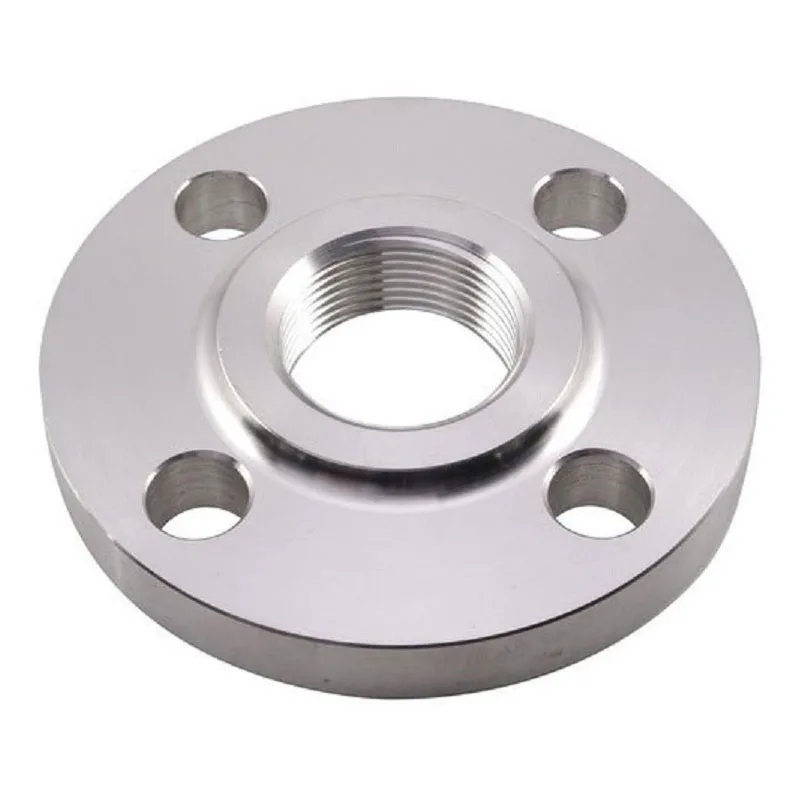 JIS 10K Threaded Flanges
 -
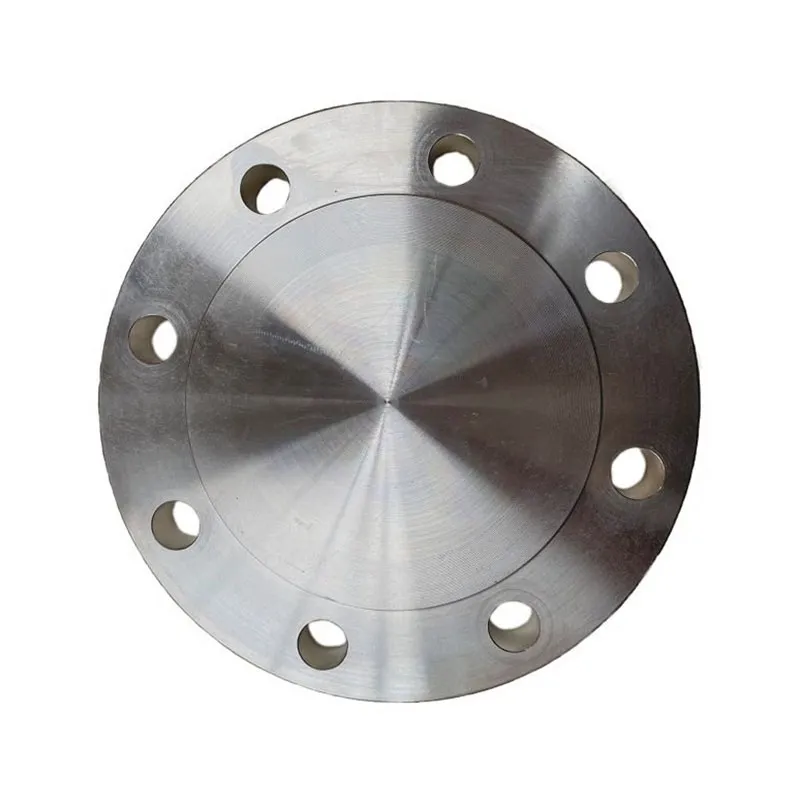 UNI 6092 Blind flanges PN10
 -
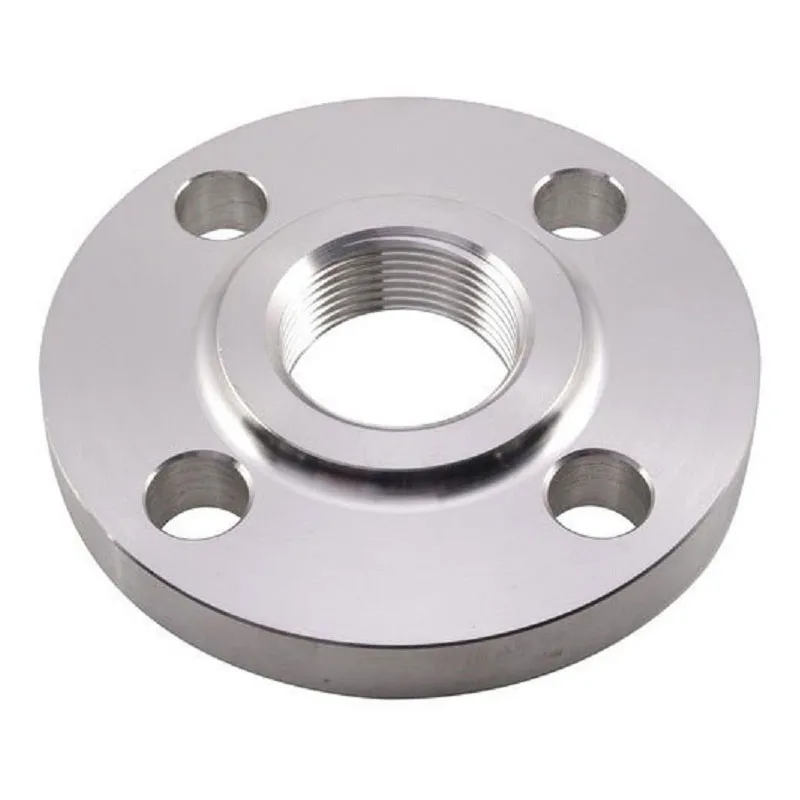 EN 1092-1 Threaded flanges Type 15, PN16
 -
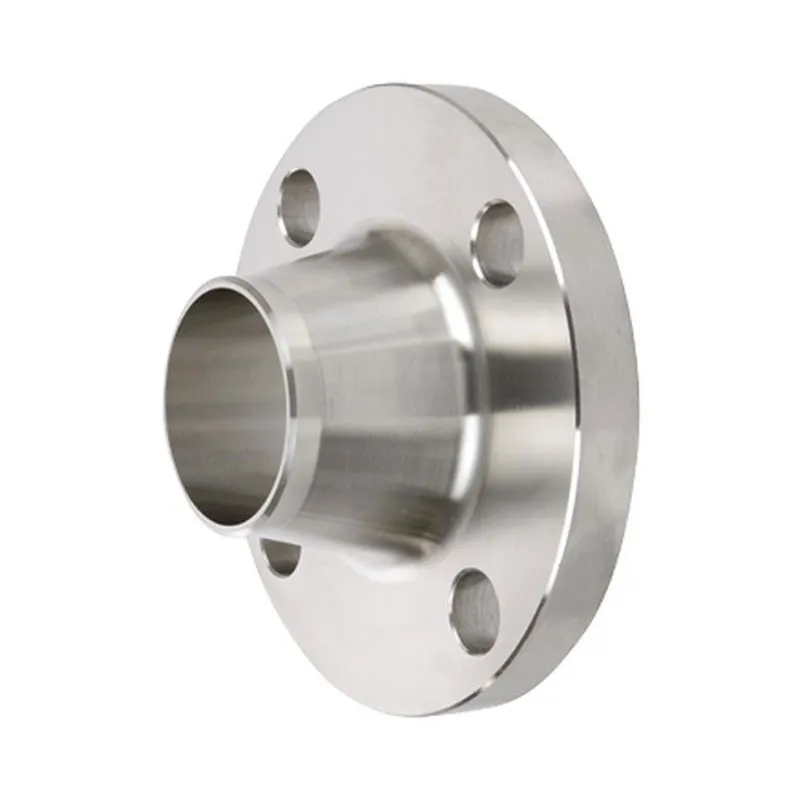 Ser.A Butt Weld Flanges Class 400
 -
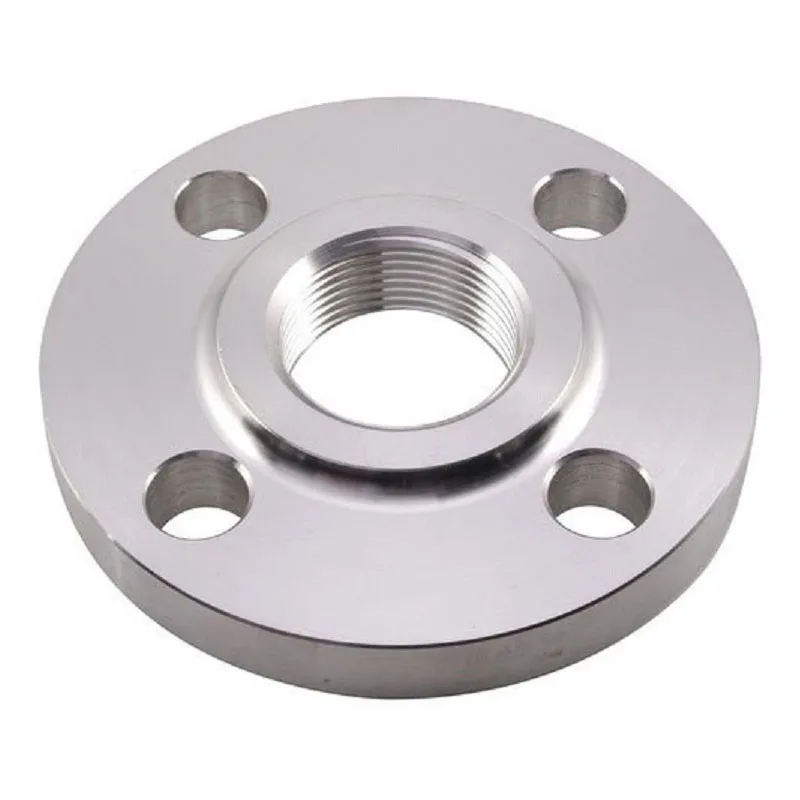 DIN 2566 Threaded flanges PN16
 -
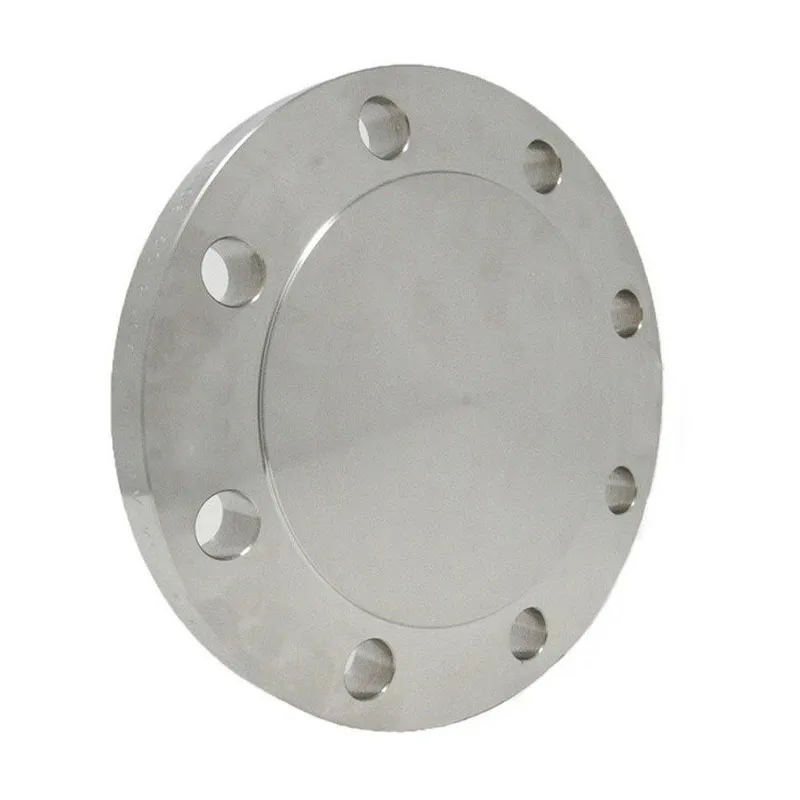 EN 1092-1 Blind flanges Type 05, PN10
 -
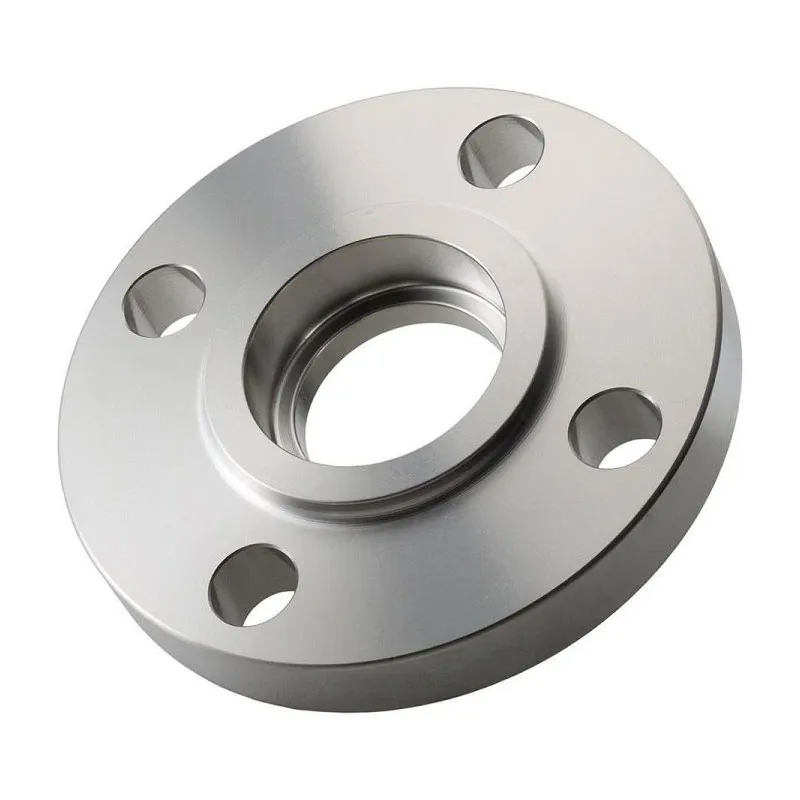 ANSI B16.5 Socket Weld Flanges Class 150