
-
-
Phone
+86-13623462298



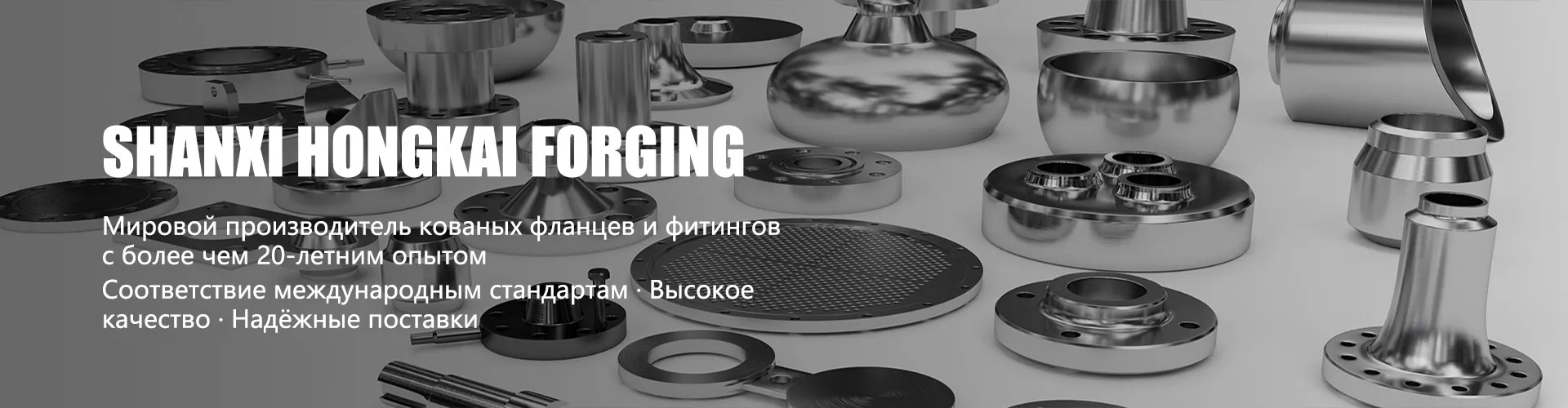
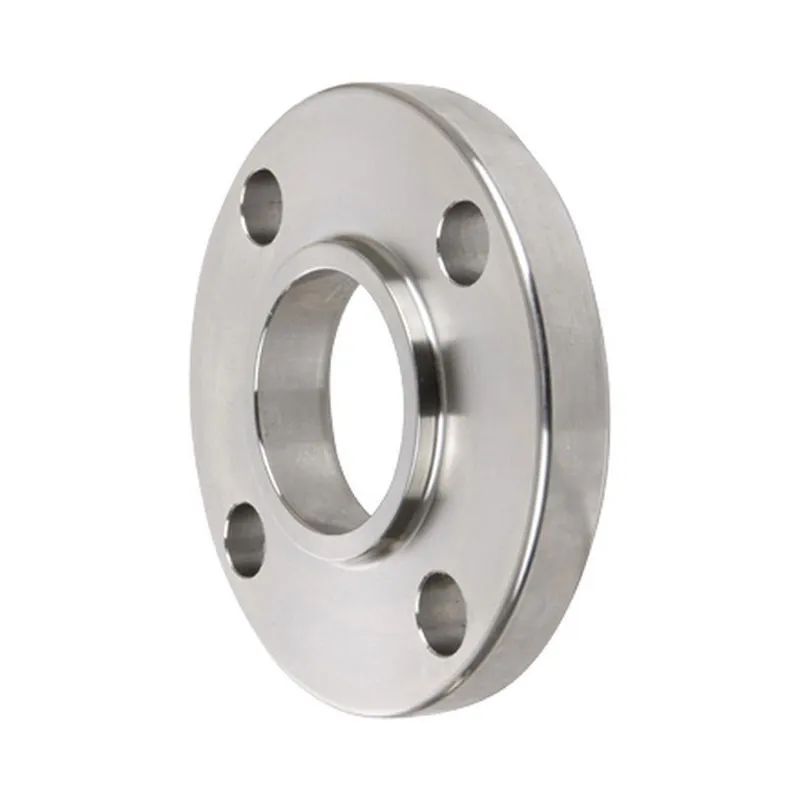
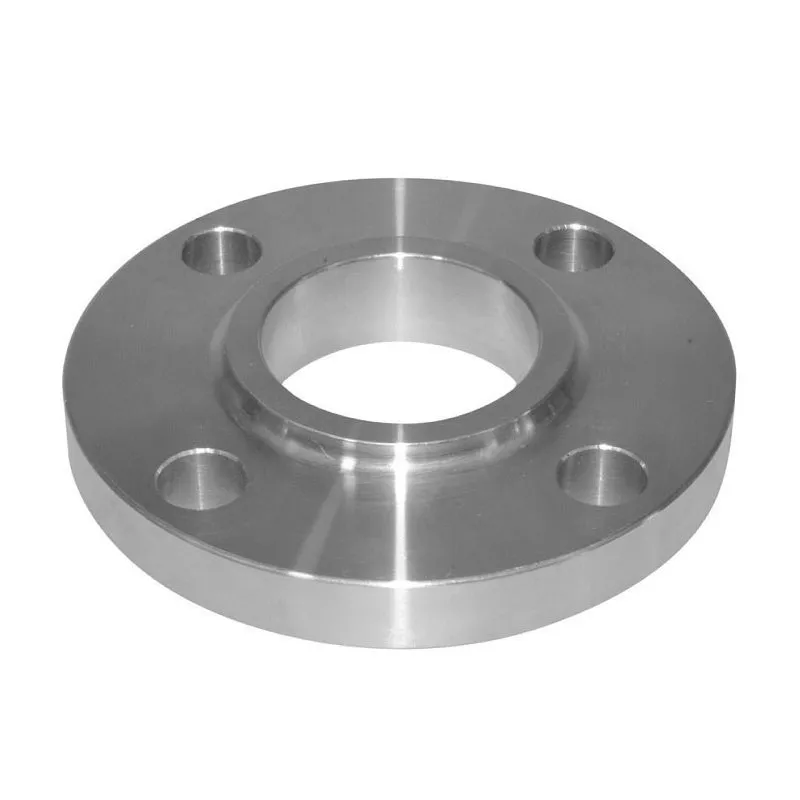
flange 250 sizes
When you are looking for “flange 250 sizes?”, you often think that everything is simple: you found a GOST or ASME table, and you’re done. But in practice, it is with this conditional passage that a lot of nuances arise that are not always spelled out in reference books. Many, especially at the start, fall into the trap of thinking that DN250? - this is the outer diameter or that all flanges for this size are interchangeable. I've seen people order a flange according to one standard, but connect it to equipment differently - resulting in a gap or mismatch of the holes for the studs. So what are the ?dimensions? - these are not just numbers, but a whole turnkey story.
Basic standards and pitfalls
Let's take, for example, the most popular option - a steel butt weld flange for DN250. If we talk about GOST (aka series 2, which replaced the old GOST 12821-80), then the outer diameter D will be 355 mm, and the diameter of the bolt circle D1 will be 320 mm. Number of holes - 12, for M20 bolts. It would seem, take it and put it on. But here’s the trick: if you have equipment with flanges according to ASME B16.5 Class 150, then with the same NPS 10 (this is an analogue of DN250), the outer diameter is already 362 mm, and the diameter of the bolt circle is 330.2 mm, and there are 12 holes, but for bolts? inches. The difference is in millimeters, but if you connect blindly, it won’t work.
That is why in our work, the first thing we always did was to specify not just the “250 flange”, but the full specification: standard, nominal pressure, design of the sealing surface. Often customers sent a request with just one line “Du250 flange”, and then correspondence began to find out the details. This was especially true for repairs of old equipment, where flanges could have been installed according to Soviet specifications, which can no longer be found in current catalogs.
I had a case at one petrochemical site: it was necessary to replace a flange on a line. According to the documents, it was listed as “flange 250 GOST 12821-80”. They brought a modern analogue in accordance with GOST 33259. But it turned out that the old version according to 12821 had a slightly different bushing thickness and taper, and problems with alignment arose during installation. I had to urgently look for a manufacturer who could make an exact copy using old drawings. That's when I paid attention to the company Shanxi Hongkai Forging LLC. (their website ishttps://www.hkflange.ru). They just declare the possibility of production according to outdated and non-standard drawings, which in such situations is a salvation.
Material and pressure are inextricably linked with dimensions
The 250 flange dimensions are not geometry for geometry's sake. It all comes down to pressure and environment. The same DN250 on PN10 (PN10) and PN100 (PN100) will have different disk thickness, hub dimensions and, possibly, even the number of bolts. For low pressures, flat flanges (GOST 12820) are sometimes used, which are thinner and easier to install. But for high pressures or temperature expansions, a butt weld is required (GOST 12821 or 33259), because it has a conical bushing that better redistributes the load.
The material also makes adjustments. If the flange is made of St20 (ordinary carbon steel), then the dimensions according to the table are one thing. And if from 09G2S or even from stainless steel 12Х18Н10Т, then due to other mechanical properties (strength, ductility) the thicknesses can be recalculated, especially for non-standard conditions. I remember a project where a DN250 titanium alloy flange was required for an aggressive environment. So, its dimensions, especially thickness, were calculated individually, because the standard tables for carbon steel were not suitable here. A manufacturer that is able to work with such calculations and different materials is already at a serious level.
By the way, about the manufacturers. When you need guaranteedflange 250 sizesand exact compliance with the material, I often look towards proven suppliers with a full cycle. The same LLC ?Shanxi Hongkai Forging? positions itself as a manufacturer of forged flanges and forgings, and forging is known to produce better metal structure compared to casting or cutting from sheet metal. For responsible nodes this is critical. Their range includes butt-welded, flat and loose flanges, and in the range up to DN4000, so DN250 is quite an ordinary size for them.
Installation nuances that tables are silent about
In the size tables you will not find, for example, recommendations for tightening. And for the 250 flange, especially for high pressure, this is a whole science. Uneven tightening of those 12 M20 bolts can lead to misalignment and leakage. We have always used a torque wrench and a "crisscross" tightening pattern. Another point is the condition of the sealing surface. Execution B (tenon-groove) or E (protrusion-groove) for DN250 requires special care when joining so as not to damage the protrusion.
I had a sad experience installing a steam pipeline. The Du250 Ru25 flanges were new, according to GOST. They installed it, tested it, and it seems to be holding. But after reaching operating temperature (about 300°C), a leak began around the perimeter. We took it apart and it turned out that the butt-welded flanges were stuck to the pipe under great stress, and additional deformation occurred when heated. I had to cut it, maintain precise alignment when re-welding, and control angular deformations. After that, I always pay attention not only to the dimensions of the flange itself, but also to the recommendations for welding it, which the manufacturer sometimes gives.
Here, again, it is useful when the manufacturer not only sells the product, but can provide technical support. Judging by the descriptionhttps://www.hkflange.ru, they work according to international standards (GOST, ASME, EN, DIN) and manufacture welded ring and non-standard products according to drawings. This means that they probably have engineers who can advise on the installation of their products, including for size 250.
When is ?standard? 250 becomes non-standard
Often the request is ?flange 250 sizes? leads to the need for a non-standard solution. For example, you need a DN250 flange, but with an unusual arrangement of holes - to bypass the existing structure. Or it is necessary to increase the thickness of the disk to compensate for corrosion, but maintain all other connecting dimensions for joining with standard fittings. This is already work according to the customer’s drawings.
We once reconstructed an old boiler room. There were valves with DN250 flanges according to some long-forgotten standard, and it was not economically viable to change all the fittings. I had to look for someone who would make adapter flanges. It is in such cases that the ability to produce non-standard products is important. On the website of Shanxi Hongkai Forging Ltd. It is expressly stated that they make non-standard products according to customer drawings. For an engineer at the site, such information is a hint that you can contact them with an extraordinary task.
Another point is large diameters. DN250 is not the limit, but it is already quite a lot. When such flanges are manufactured by forging (rather than cutting from sheet metal), better quality metal is ensured around the edges of the holes and in the hub area. If a manufacturer, like the company mentioned, is located in one of the main centers of the forging industry in China, then, most likely, it has the appropriate equipment for high-quality forging of workpieces for subsequent machining to preciseflange 250 sizes.
Choosing a supplier: what besides sizes?
So, we seem to have sorted out the dimensions of the 250 flange. But when it comes to ordering, tables are just the beginning. Consistency of quality is important. The batch of flanges must be uniform: so that all 12 holes in each product are exactly in place, so that there are no deviations in the hardness of the material. We once received a batch where the diameter of the holes for the bolts on several flanges was half a millimeter smaller - we had to drill them on site, wasting time.
Therefore, now I always look at what standards and quality management systems the manufacturer declares. The ability to manufacture to ASME or EN indicates familiarity with stringent international requirements. The mentioned manufacturer is ?Shanxi Hongkai Forging Co.,Ltd. declares compliance with precisely these standards, which is an important criterion for many responsible procurements.
As a result, returning to the request “flange 250 sizes?”. The point is not to quickly find the numbers. The point is to understand what system this flange is for, under what conditions it will work, and choose a product that not only has the geometry according to the table, but is also manufactured with an understanding of these conditions. Sometimes it is better to spend time clarifying details with the supplier’s engineer than to heroically fix a leak on the installed line. Experience suggests that the reliability of a node often depends on such seemingly trifles.
Correspondingproducts
Related Products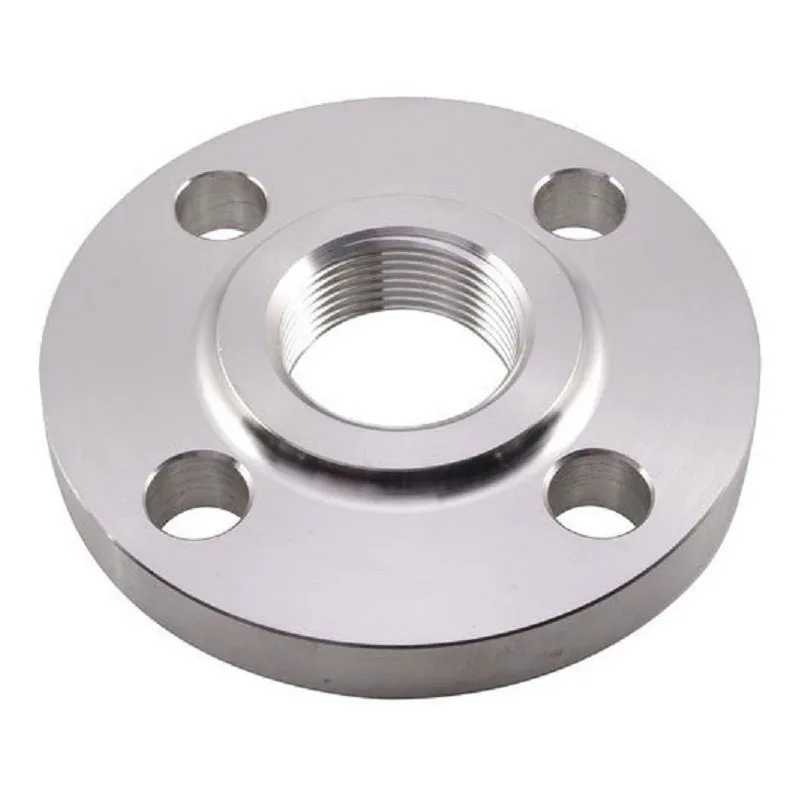
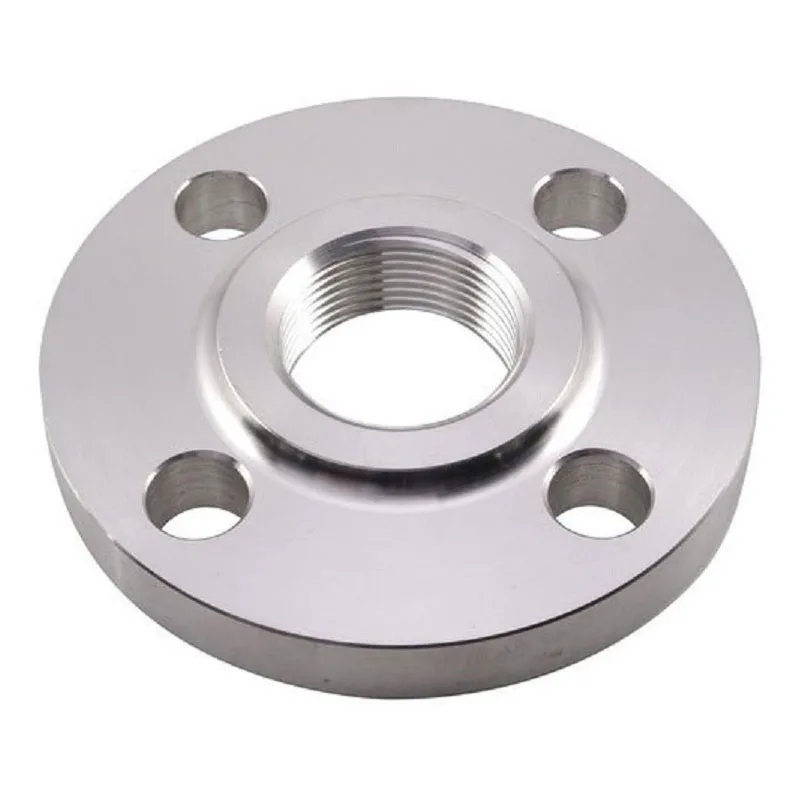
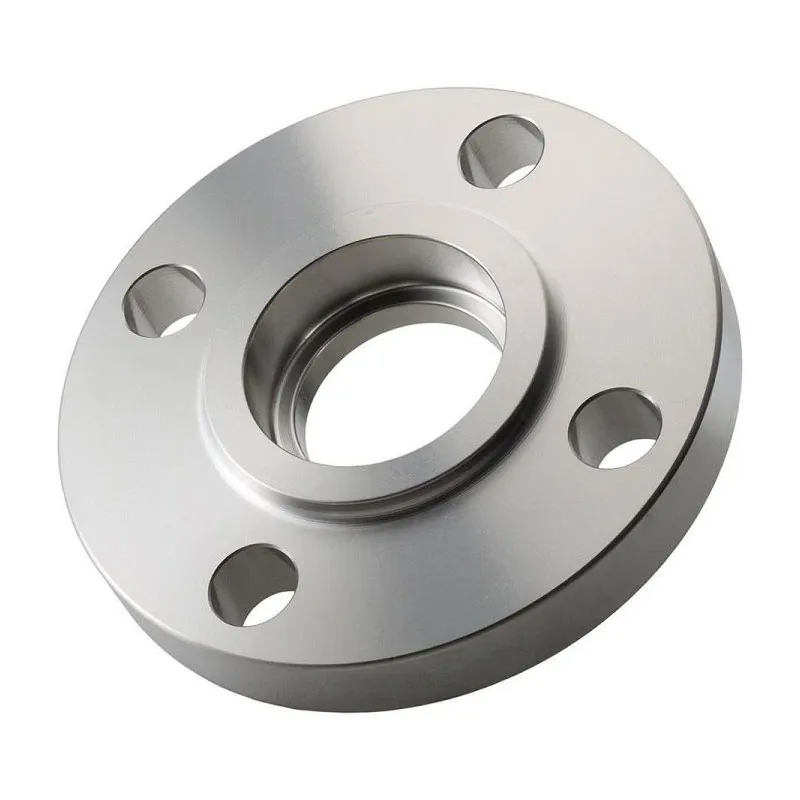
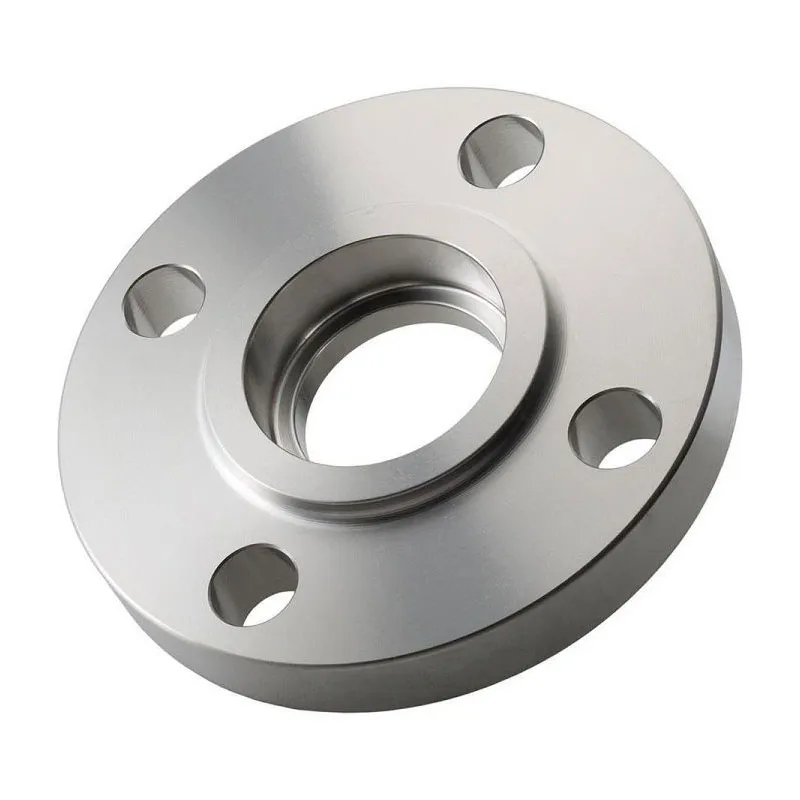
Best Sellingproducts
Best Selling Products-
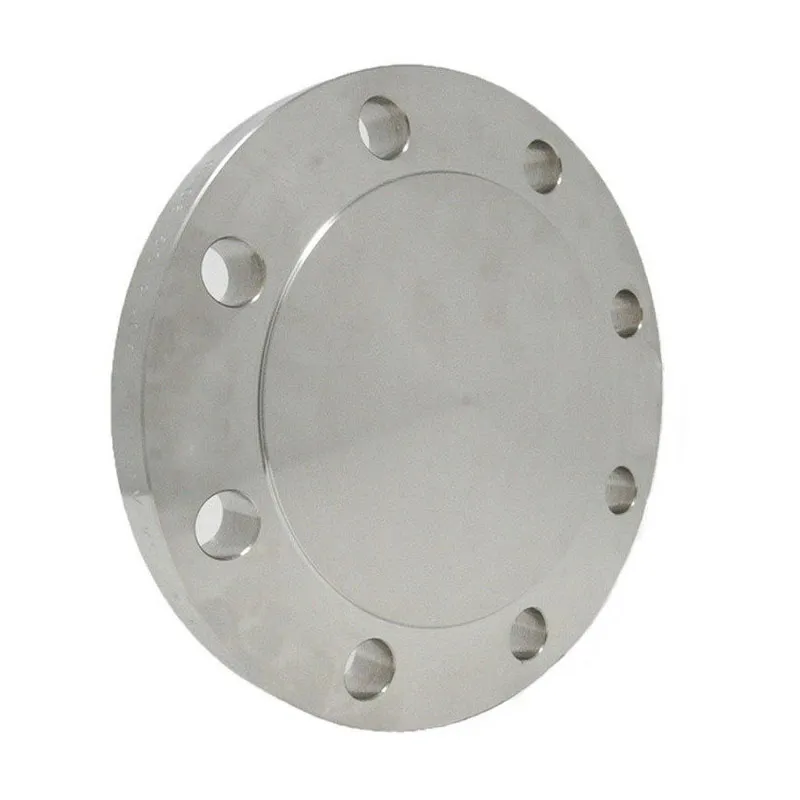 Blind flanges Class 150
 -
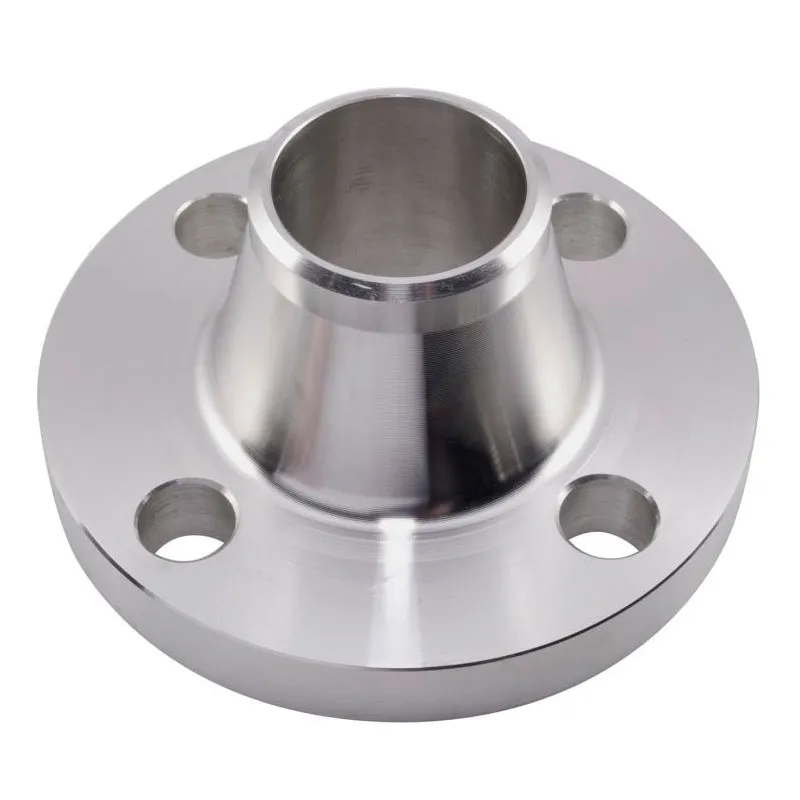 UNI 2281 Butt weld flanges PN10
 -
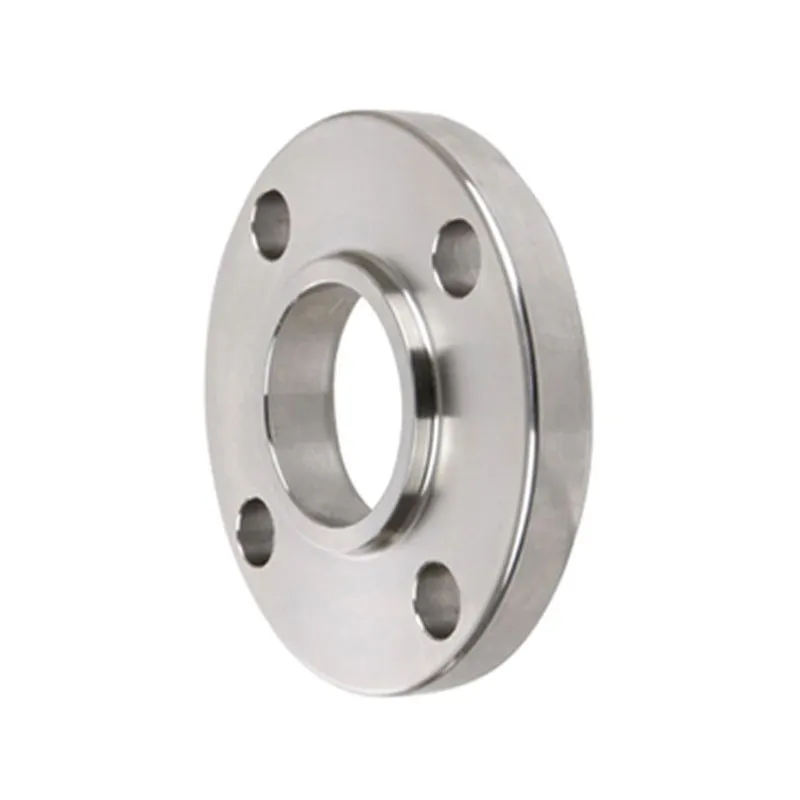 ANSI B16.5 Lap-on flanges Class 300
 -
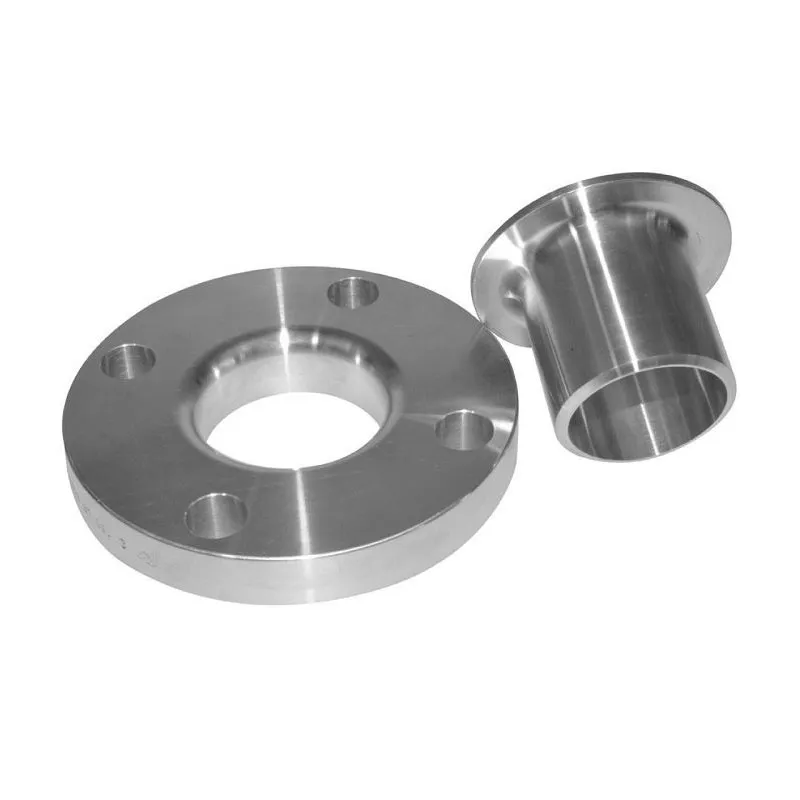 ANSI B16.5 Loose Ring Flanges Class 2500
 -
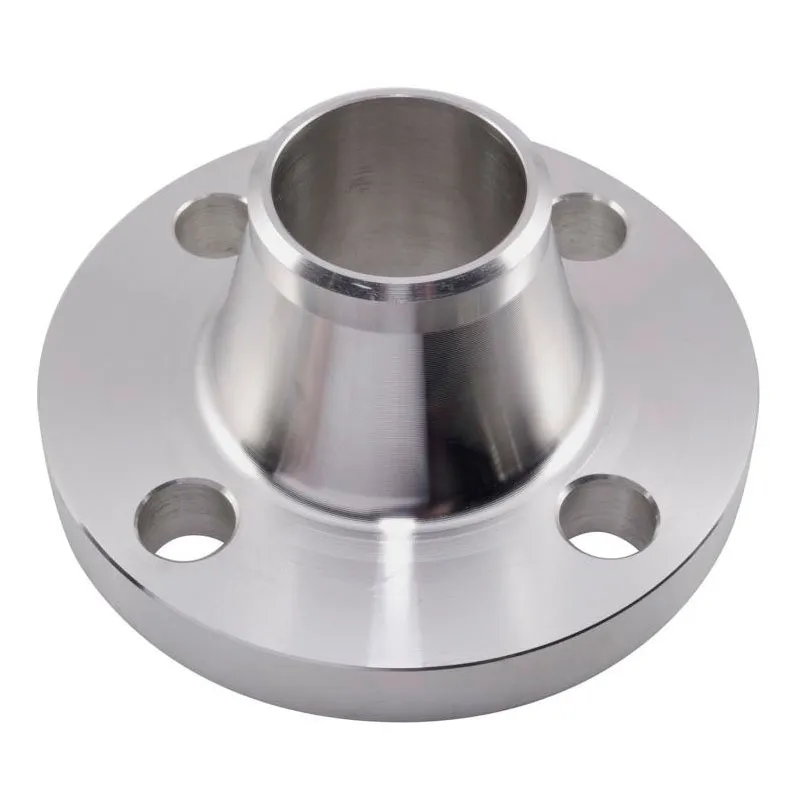 DIN Butt weld flanges PN10
 -
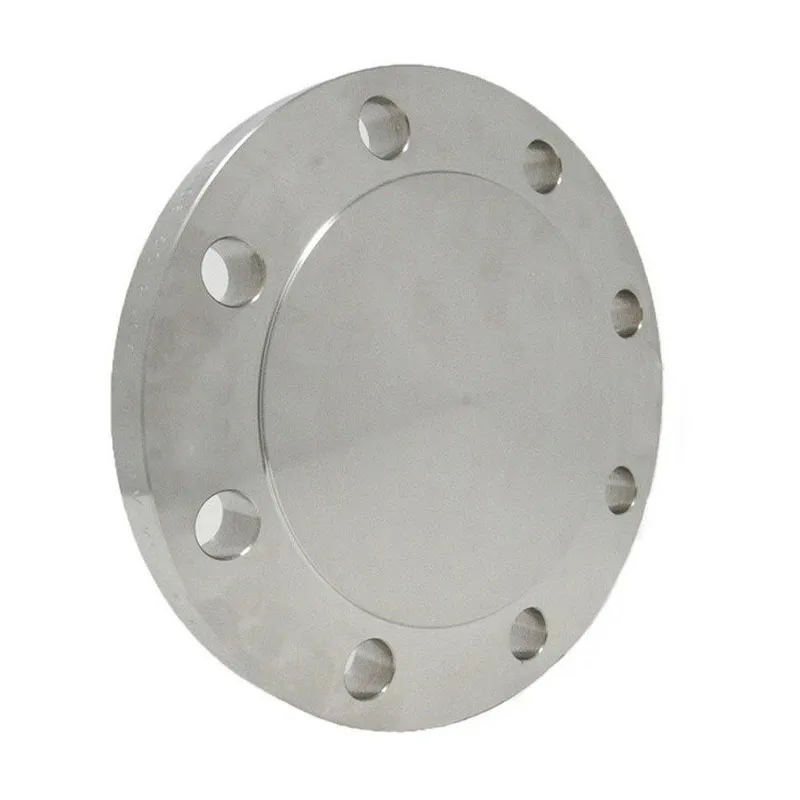 EN 1092-1 Blind flanges Type 05, PN10
 -
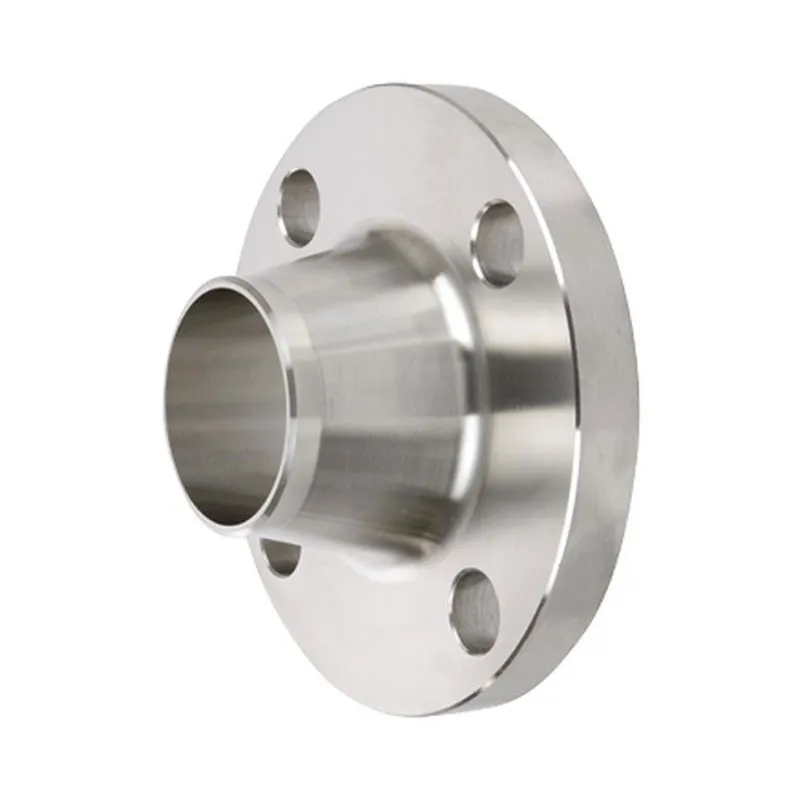 Ser.A Butt Weld Flanges Class 400
 -
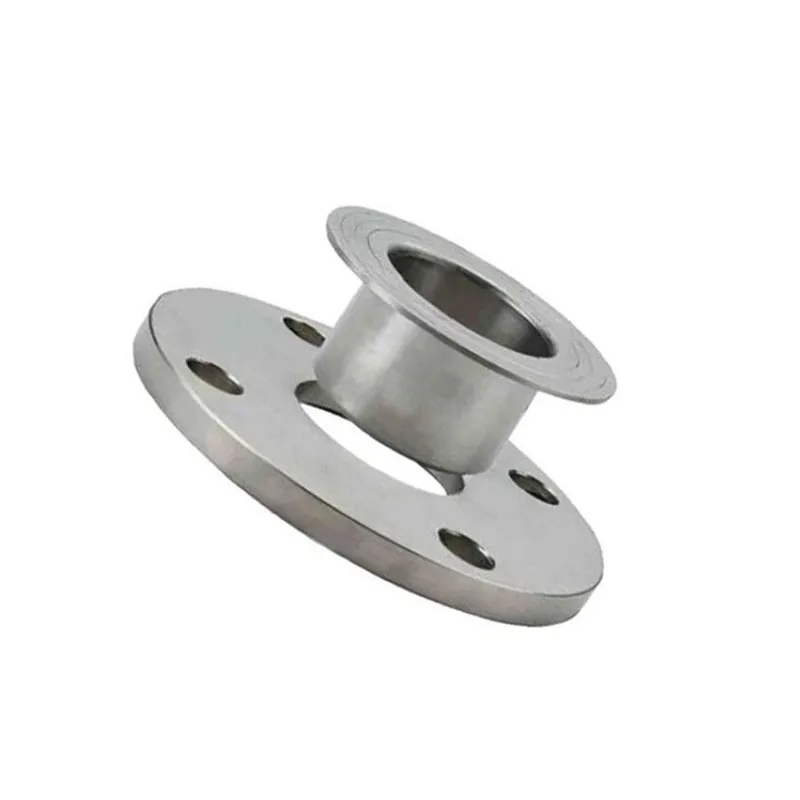 Free ring flanges Class 400
 -
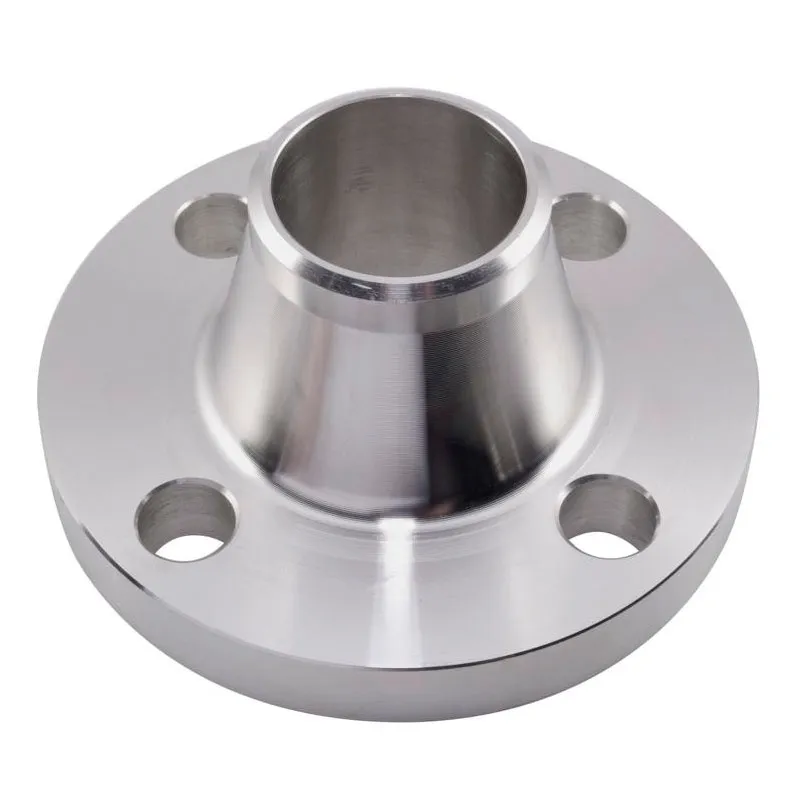 Butt weld flanges Class 900
 -
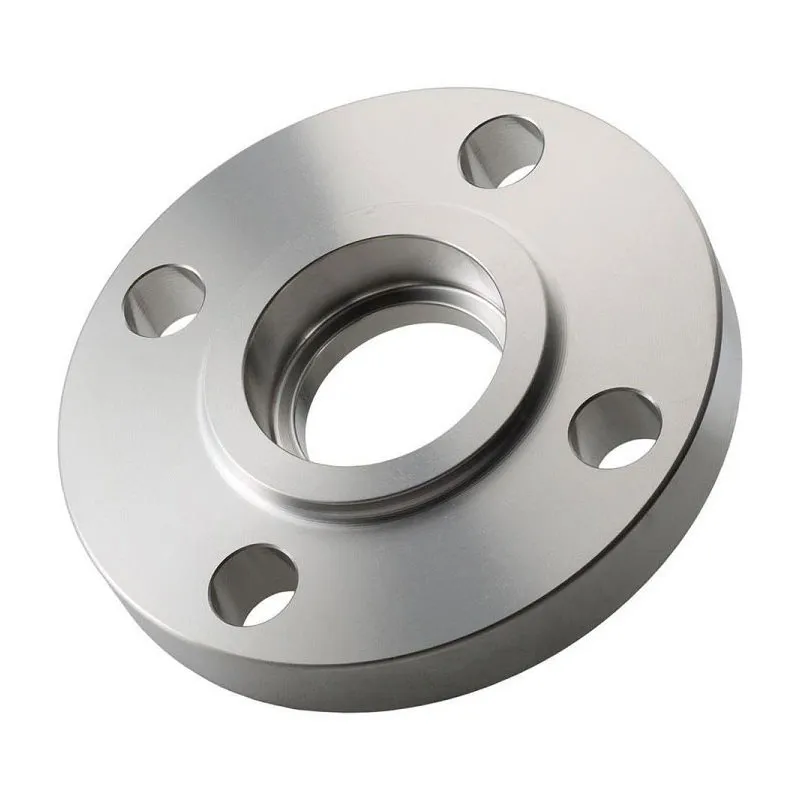 Flanges for socket welding
 -
 DIN 2501 Overlay flanges PN16
 -
 ANSI B16.5 Lap-on flanges Class 1500