
-
-
Phone
+86-13623462298



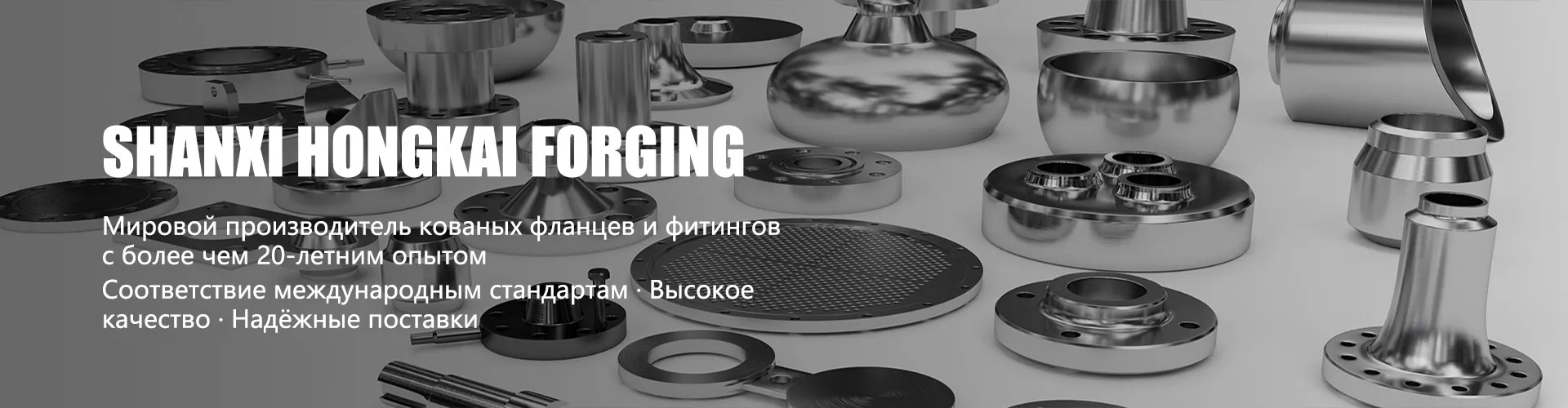
welded steel flanges weight
Here is a search query that is constantly heard: “steel welded flanges, weight?”. It would seem that it would be simpler - I opened the table, found the standard size, and wrote off the number. But anyone who has actually been involved in procurement, installation or design knows that there are a lot of pitfalls here. A common mistake is to take the weight from GOST or ASME as an absolute truth, without taking into account the manufacturer’s tolerances, the specific grade of steel, or even the method of sealing the packaging for sea transportation. As a result, the calculation of loads on supports goes wrong, logistics is surprised by the actual tonnage, and the estimate is bursting at the seams. Let's look at it without gloss, with what is visible in the workshop and warehouse.
Weight in table vs. actual weight - where does the difference come from?
Let's take, for example, the most popularwelded steel flangeDN150 PN16. According to GOST (which, by the way, is harmonized with EN 1092-1), its theoretical mass is something like 14.5 kg. But when we receive a shipment from a trusted supplier, likeShanxi Hongkai Forging Co.,Ltd, and we begin selective weighing, the numbers float. Not critical, but 14.3–14.7 kg is normal. Why? Firstly, the standard itself allows certain deviations in weight, especially for forged products, where we are talking about plus allowances for machining. Secondly, the density of steel. The tables often use the average value, but if the flange is made of steel 20 or, say, 09G2S, the density is slightly different. For a conventional pipeline, this is a trifle, but for an offshore platform, where every kilogram is counted, it is already significant.
I remember the case with an order for a chemical installation near Ufa. The designers provided a specification with weights according to ASME B16.5. We ordered flanges. When the car arrived, the loader was stubborn - he said the car doesn’t pull along its axles, it weighs more. We started checking. It turned out that the manufacturer, following the customer’s drawing, made a slightly more massive hub connection for increased fatigue strength, plus the material was not A105, but its analogue with slight alloying. As a result, each flange became heavier. for 300-400 grams. For a batch of 500 pieces, this is already an extra 150-200 kg. It’s good that we realized it in time and adjusted the layout of the transport.
Hence the conclusion: the table weight is a guideline, not a dogma. You should always check with the manufacturer exactly what technical process and what specific grade of steel the product is made from, and request passports with actual parameters. This is especially true for non-standard sizes or work in aggressive environments, where we are talking about special alloys.
Forging versus casting and rolling: how technology affects weight and reliability
There is often confusion here. Many people think thatsteel weld flange— it’s a flange in Africa too. But the manufacturing method radically changes its internal structure, and therefore its strength-to-weight ratio. Cast flanges, especially of large diameters (say, from DN700), may have thicker sections as a reserve. due to casting stresses and porosity, which increases mass. Rolled rings are a good option, but for particularly critical applications where anisotropy of properties (equal strength in all directions) is required, forging is preferable.
For example, on the websitehkflange.rucompaniesShanxi Hongkai Forging Co.,Ltdit is explicitly stated that they specialize in forged flanges. These are not just nice words. Forging (especially stamping or free forging on a press) compacts the metal, refines the grain, and makes it possible to obtain a fibrous structure that follows the contours of the product. In practice, this means that to achieve the same pressure parameters (PN16, PN40), a forged flange can have a slightly more optimized, and therefore sometimes less massive, shape than a cast one, without loss of strength. But even here there are some nuances: when forging for a complex profile, sometimes significant allowances remain, which are then removed on a lathe. The final weight of the finished product may be even less than calculated due to the removed metal.
We were somehow working on an order forbutt weld flangesto ASME B16.5 Class 300 in 316L stainless steel for cryogenic applications. The customer initially required the minimum possible weight due to vibration restrictions. We considered both rolling and forging. We settled on forged blanks from Hunkai. Their technologist then explained that for these conditions they forge within a narrow temperature range to avoid the formation of delta ferrite, which degrades toughness at low temperatures. As a result, after machining, we received flanges that were 7-8% lighter in weight than analogues from another supplier who worked with casting, while fully complying with all impact bending tests. So much for “just weight”.
DN4000 and other giants: weight logistics
When it comes to sizes like DN2000, DN3000 or even DN4000 that it claimsShanxi Hongkai Forging Co.,Ltd, the conversation about weight moves from a technical plane to a purely practical, almost everyday one. Table weight of thissteel weld flangecan carry several tons. And this is where the fun begins.
The first is loading and unloading operations. Not every factory has a crane with the appropriate lifting capacity. The second is transportation. We need a low-loader trawl, coordination of the route, accounting for bridges and overpasses. Once we were faced with the fact that a DN3200 flange, which according to the documents should have weighed about 4.8 tons, arrived with a weight of 5.1 tons. The difference is not a defect, but a thicker layer of zinc coating (hot-dip galvanizing at the request of the customer for installation on the coast), plus a wooden transport package made of massive beams. These ?little things? They ate up the entire axle load reserve, so we had to urgently look for another carrier.
Third - installation. Lifting a multi-ton steel disk and accurately joining it with the shell of an apparatus or a pipe is not a task for the weak. And here, accurate knowledge of the real weight and center of gravity (and for a flange with a hub it is shifted) is critically important for choosing slings and rigging. Often, to install such giants, it is necessary to include in the estimate not just a truck crane, but a crane of a certain configuration and boom reach, which directly depends on that very figure in kilograms.
Non-standard and customer drawings: when tables are silent
But this is perhaps the most creative part of working with weights. When the client sends his own drawing with non-standard dimensions, holes for specific fasteners, a reinforced neck or an unusual configuration of the sealing surface. There are no ready-made tables here.Weight of steel weld flangein this case it becomes the result of engineering calculations and, often, compromises.
We worked with an order for flanges for connecting high-pressure hoses on a test bench. Pressure - cyclic, shock. The designers drew a flange with a massive shank and a non-standard arrangement of studs. The first calculation of the mass using the 3D model gave one figure. When in production (Hongkai, by the way, cope well with such tasks) we began to prepare the forging technical process, it turned out that to ensure impeccable quality of the metal in the transition zone from the hub to the disk, a larger size blank is needed. The actual weight of the workpiece increased by 15%. After machining, of course, the final product was closer to the design, but it was still a couple of percent heavier. We had to agree with the customer, explaining that this was not an overconsumption of metal, but a technological necessity for the resource.
In such situations, a good manufacturer does not just accept the drawing for work, but conducts a technological examination: is it possible to forge it without internal defects, how to optimize the process so as not to add extra weight and not raise the cost. The final weight in the specification is already the product of such a dialogue.
Conclusion: weight as an integral indicator
So where have we come to? Request ?welded steel flanges weight? - this is not a point, but the beginning of a chain of questions. Weight is not just a number for a price list. This is an indicator of technology (forging, casting, rolling), grade of material, strict adherence to the standard or originality of the drawing. This is a key parameter for a logistician, installer and estimator.
Therefore, my practical recommendation: when working with any supplier, be it a large plant likeShanxi Hongkai Forging Co.,Ltdor local workshop, always discuss weight in context. Check the weight according to which standard, for what grade of steel, and whether it includes coating. Request batch weighing records. For non-standard products, request weight calculations from the manufacturer based on the approved technical process. This will protect you from unpleasant surprises at the stage of loading, transportation and installation, and, ultimately, will allow you to be confident that behind the number in the invoice there is a real, calculated and high-quality product.
Correspondingproducts
Related Products
Best Sellingproducts
Best Selling Products-
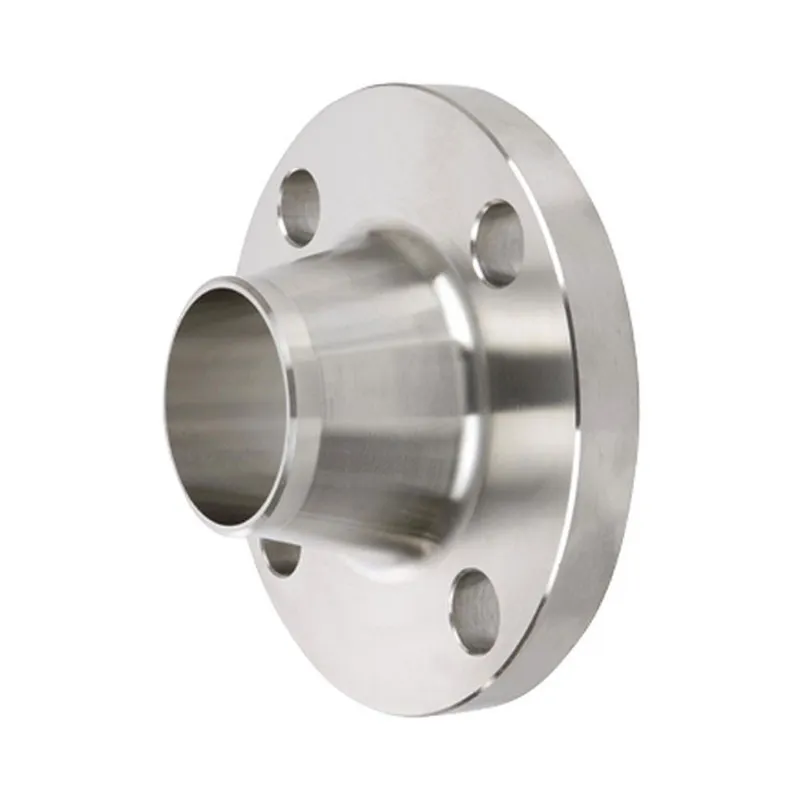 EN 1092-1 Butt weld flanges Type 11, PN25
 -
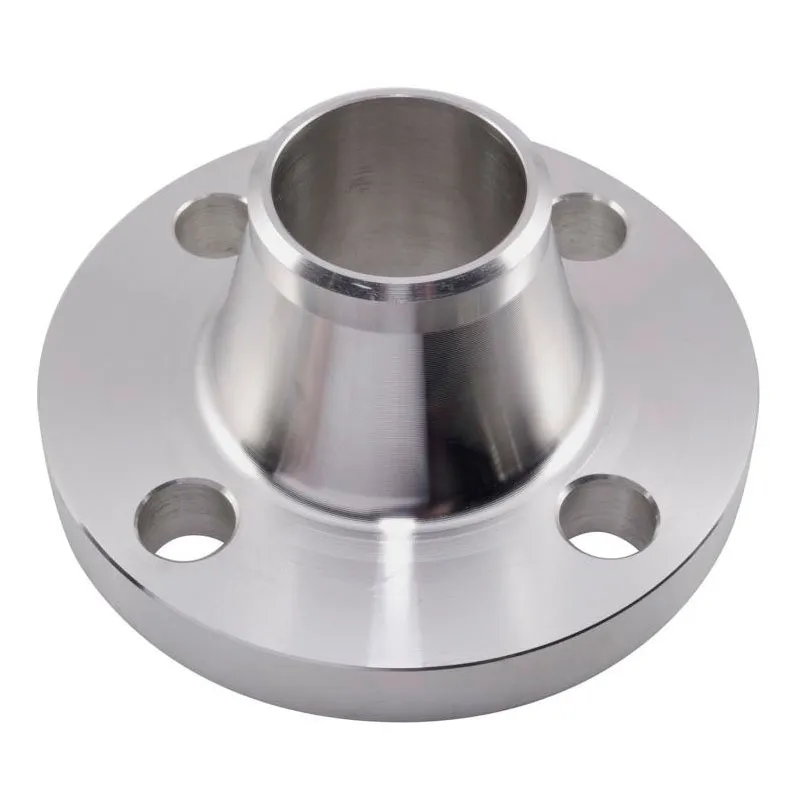 DIN Butt weld flanges PN10
 -
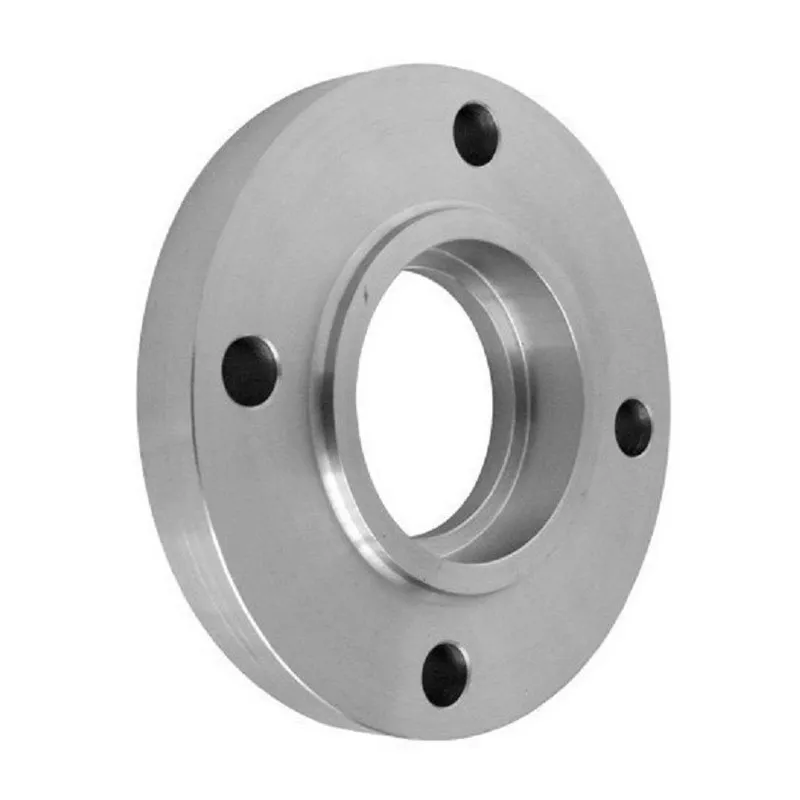 JIS 5K Socket Weld Flanges
 -
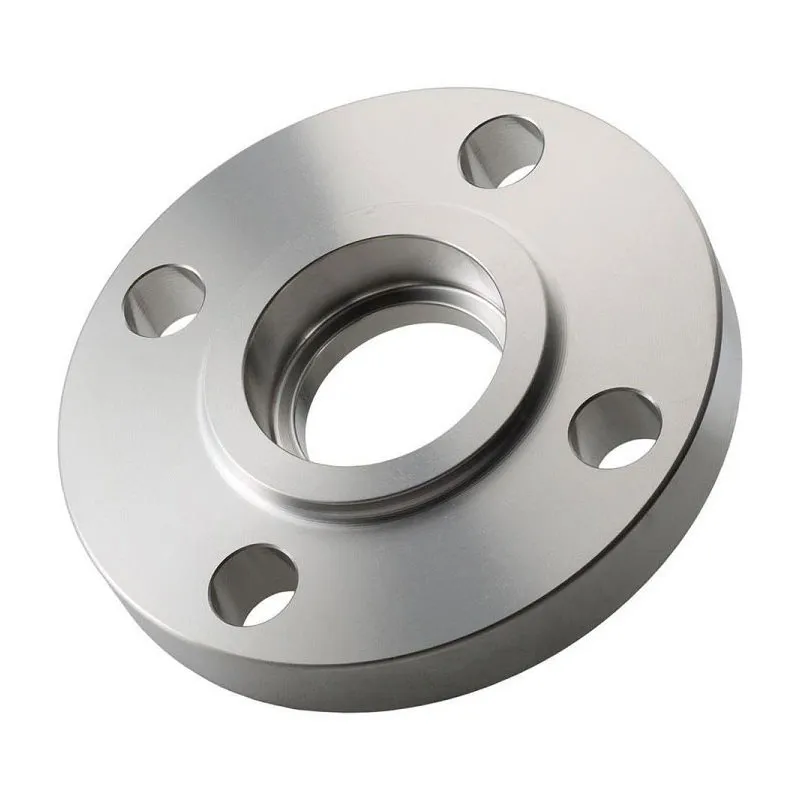 Flanges for socket welding
 -
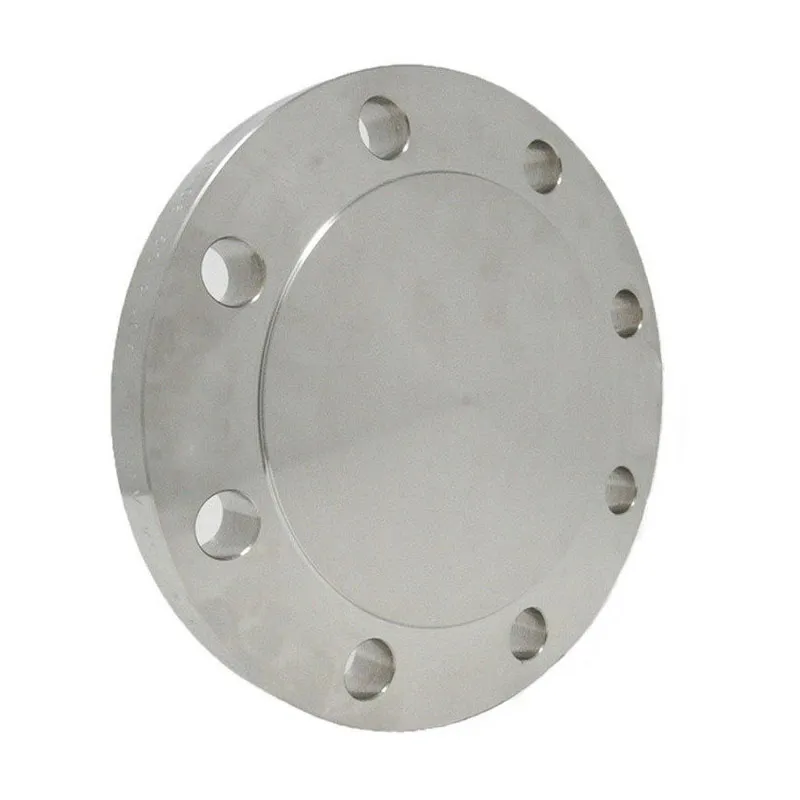 Blind flanges Class 150
 -
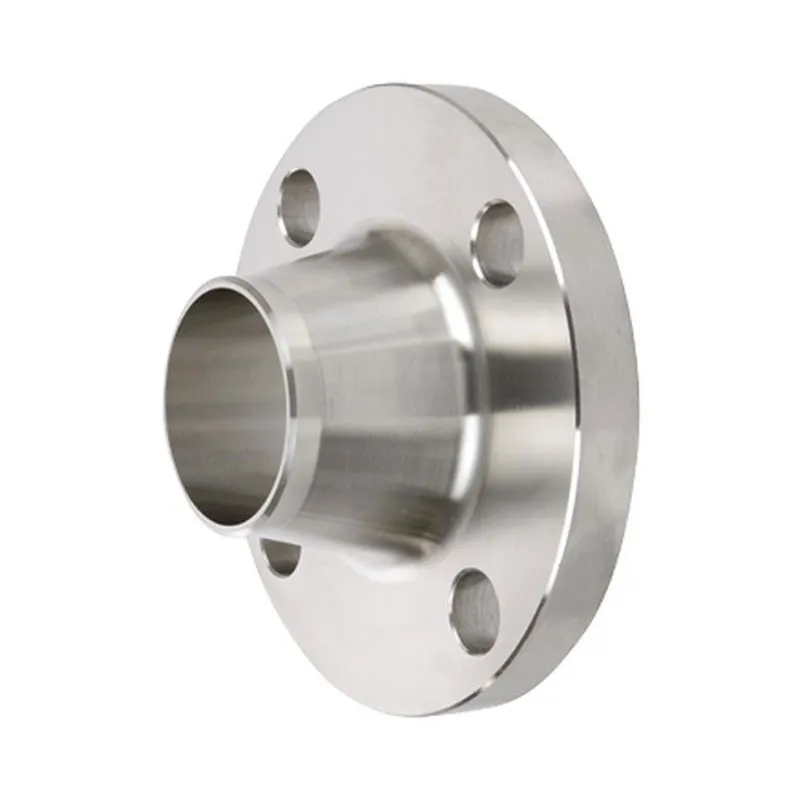 Ser.A Butt Weld Flanges Class 400
 -
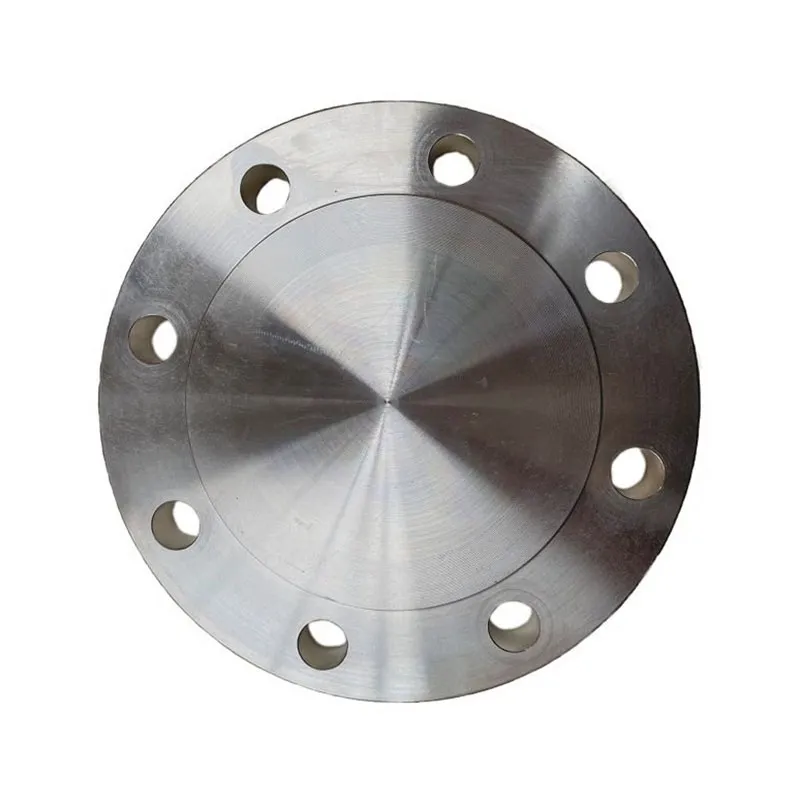 ASME B16.47 Ser.A Blind Flanges Class 400
 -
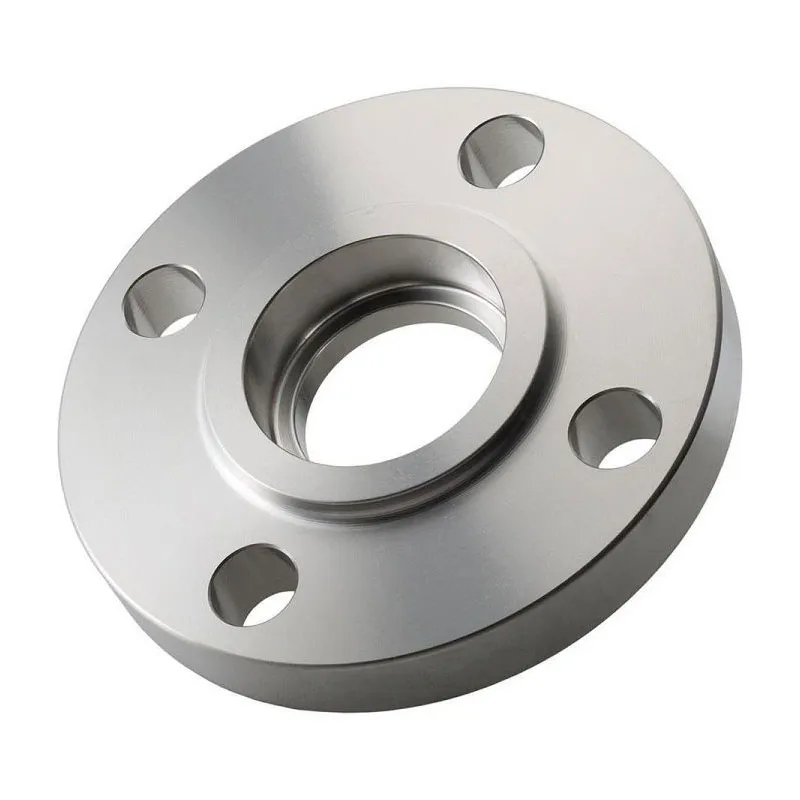 ANSI B16.5 Socket Weld Flanges Class 1500
 -
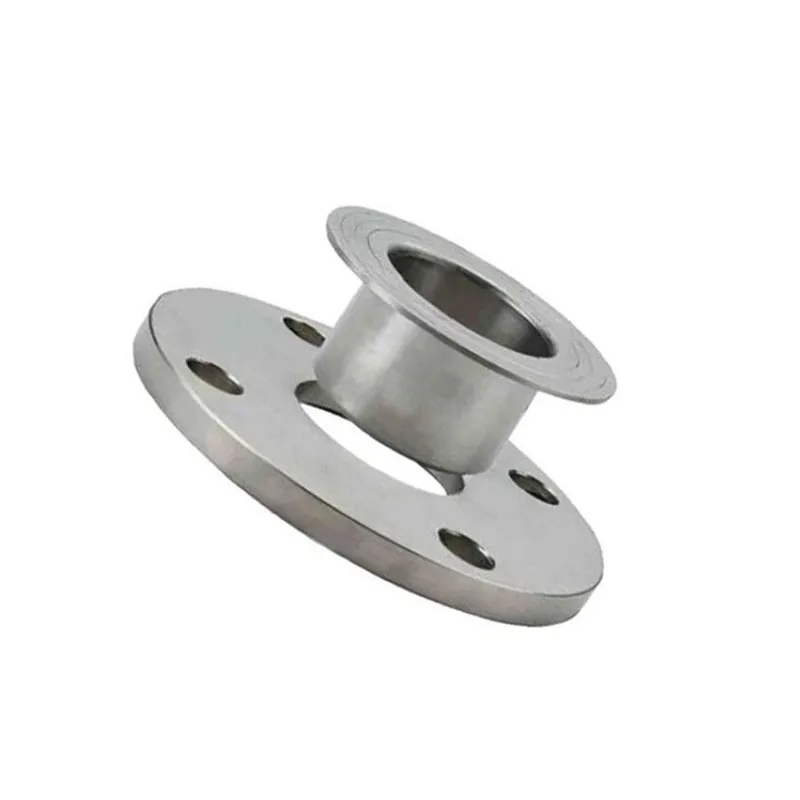 Free ring flanges Class 400
 -
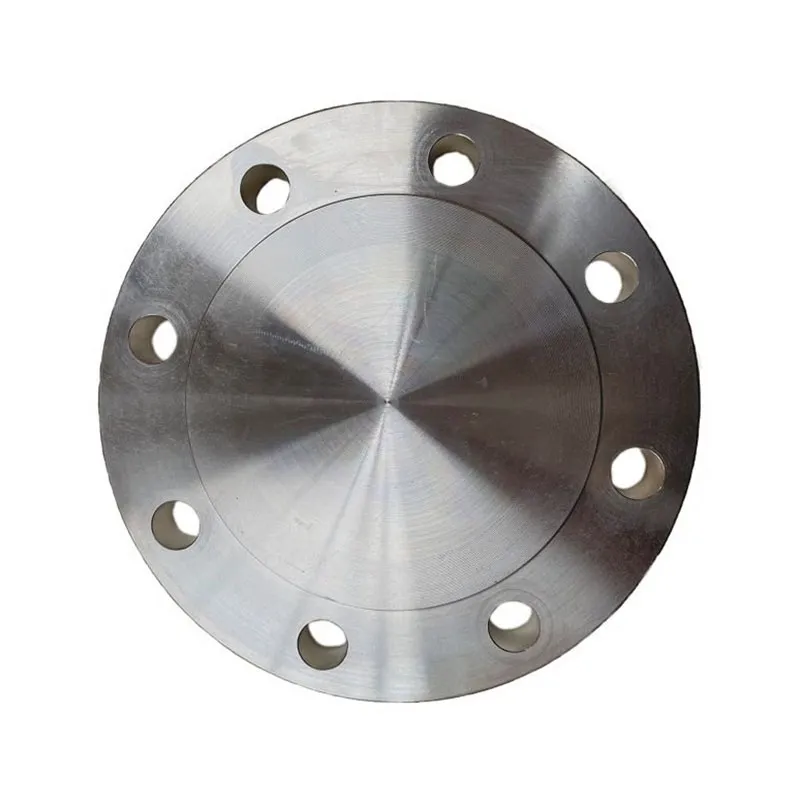 UNI 6092 Blind flanges PN10
 -
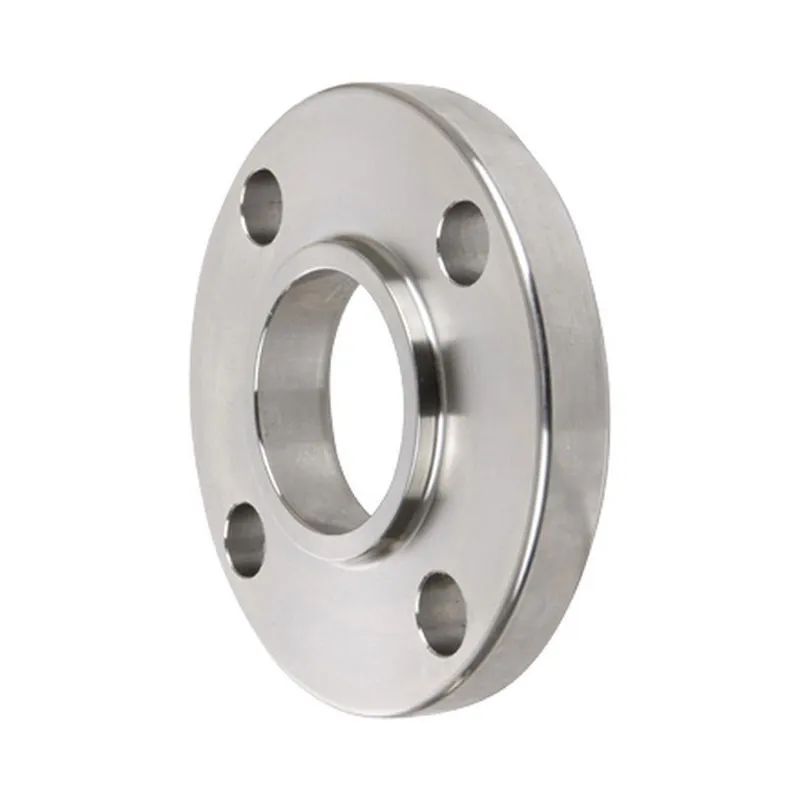 DIN 2501 Overlay flanges PN16
 -
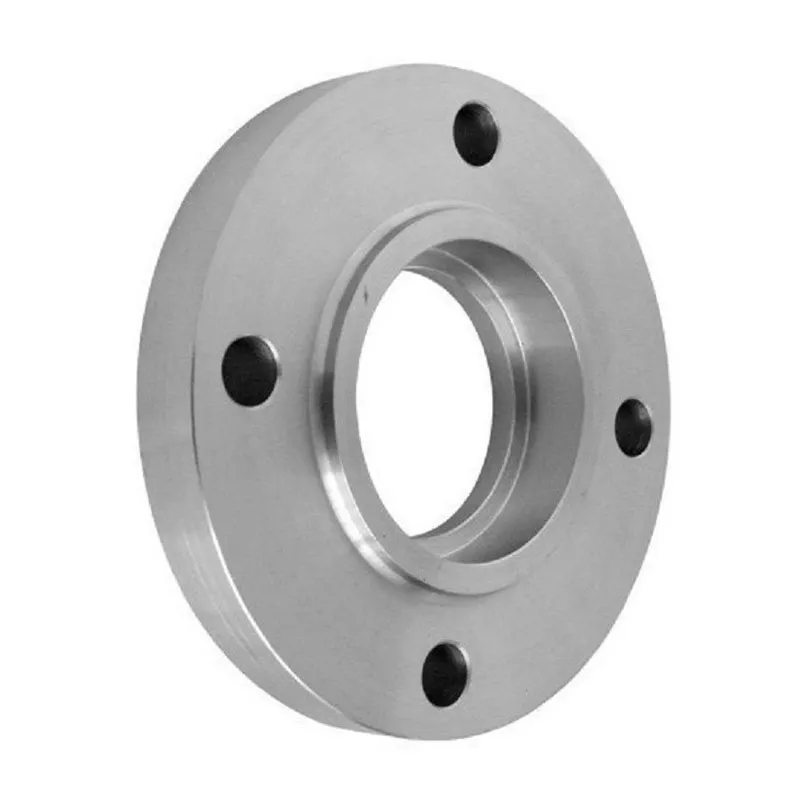 Socket Weld Flanges Class 300