
-
-
Phone
+86-13623462298



flange 3 8
When they say “3/8 flange”, many people immediately imagine something small, almost auxiliary. And therein lies the first mistake. In practice, especially when it comes to specific piping, measuring lines or compact heat exchangers, this size is far from a trifle. Problems with it can be as serious as with the DN300 flange. Is it often ordered separately? Not always. More often it comes complete with some kind of fittings or equipment, and this is where the fun begins.
Standards and ?invisible? differences
The main confusion begins with standards. Specify ?flange 3/8? - not enough. This is at least ASME B16.5, where it falls into classes 150, 300, and so on. But there are also DIN, EN, JIS. And if for a large diameter the difference in geometry, say, between ASME and DIN, is striking and difficult to miss, then here, at size 3/8, these differences can be almost microscopic, but fatal. A discrepancy with the radius of curvature, a slightly different location of the holes for the studs - and the gasket does not fit, or the tightening is uneven. I myself dealt with one incident at a small pumping installation, where a leak started precisely because of this “almost identical” thing. flange. They supposedly installed a DIN analogue instead of the required ASME. Visually - twins. In fact - a protocol of non-compliance.
Therefore, now for such “kids” We always require the supplier not just to indicate the standard, but to attach a sketch with critical dimensions. This is especially true for the thickness of the flange and the diameter of the hole circle. It would seem like a small thing. But this little thing is worth the downtime.
By the way, about suppliers. When I need guaranteed correct products that meet different standards, I often look towards trusted manufacturers who work exactly according to international standards. For example,Shanxi Hongkai Forging Co.,Ltd(their website ishkflange.ru). Their catalog clearly shows the division: here are products according to ASME, here according to EN, here according to GOST. For sizes like 3/8 this is critical. Their description as a manufacturer of forgings and forged flanges, working to a wide range of standards, is in this case not just advertising, but an indication of important competence. In the forging and press center where they come from, they usually understand well that even small forgings must be made exactly according to the drawing.
Material and pressure: why ?small? doesn't mean ?weak?
Another common misconception: since the flange is small, the material can be simpler, and it holds low pressure. This is dangerous logic. The 3/8 flange can be used in high pressure impulse lines where surges are significant. Or in aggressive environments. Here the material is everything.
Most often, of course, we use A105 or stainless steel like 304, 316. But we had experience with a production line that required a 3/8 flange made of Incolloy 825 alloy. Finding a supplier capable of high-quality forging such a small item from an expensive alloy was a separate quest. Many large factories simply shrugged it off - “non-serial, unprofitable?” I had to look for those who work with non-standard forgings according to drawings. It is precisely in such cases that specialized manufacturers come to the rescue, declaring the production of non-standard products according to customer sketches. These are not just words in advertising, they are often the only way out.
The pressure ratings for a 3/8 flange at ASME Class 300 are serious numbers. And if, conditionally, it is placed in line with flanges of a larger diameter, but of the same class, it will be the strongest link in the chain. The problem is usually not in itself, but in what is attached to it. A threaded fitting, for example, can become a weak point.
Installation and ?thin? places
The installation of 3/8 flanges has its own specifics. The keys need to be appropriate so as not to be “licked” edges. Tightening torque - it is easy to overdo it, especially when using torque wrenches that are not calibrated for low torques. I have seen how threads on studs were torn off precisely because of excessive zeal. It seems small - it needs to be tightened tighter. The result is replacement of the entire assembly.
You need to be especially careful with slip-on flanges of this size. The thin neck easily burns out during welding if the conditions are not maintained. It is better, in my opinion, to use weld necks for such diameters, even if the project initially assumed slip-on. The reliability of the connection is higher, and it is more convenient for the welder to work, with less risk of burning.
And yes, about the gaskets. You can't put just anything here. For 3/8, metal oval or octagonal spacers are often used rather than soft spiral wound ones. And they need to be selected in pairs with the flange, taking into account the standard and pressure. An incorrect gasket on such a small diameter is guaranteed to leak.
When there is no standard: non-standard solutions
It also happens that you need a 3/8 flange, but with a non-standard arrangement of holes, or with a transition to a different thread, or from an exotic material. This is where the real work begins. Drawing, technical specifications, search for a manufacturer willing to take on a small but complex batch.
In the context of a search, information that the company is likeShanxi Hongkai Forging Co.,Ltdmanufactures non-standard products according to customer drawings in the range right up to DN4000, says a lot. If they can make large non-standard forgings, then with a small but technically complex order for a 3/8 flange made of special steel, they most likely will not have conceptual problems. It is important that all parameters are clearly stated in the technical specifications: material, mechanical properties, type of heat treatment, control. For critical applications, ultrasonic testing or x-ray testing of welded seams is mandatory, if it is a weld neck.
One of our successful cases is precisely related to such a non-standard 3/8 flange for an experimental installation. They made it from Duplex 2205, with a non-standard number of holes for studs (not 4, but 6) for more uniform pressing under vibration conditions. Then it worked without any complaints.
Choosing a supplier: do not chase cheapness
And the last thing I want to say. The 3/8 flange is an inexpensive product in itself, if we are talking about ordinary steel and the standard. The temptation to buy the cheapest option is great. But this is where savings can backfire. Cheap flanges are often made not by forging, but by cutting from a sheet or even casting. For small diameters and low pressures, it may work. But for something more serious, no. Microcracks, heterogeneity of structure, deviations in size.
A forged flange, even such a small one, has much better mechanical properties due to the compaction of the metal structure. Therefore, in the specifications for critical objects, we always write “forged?” (forged). And we are looking for suppliers who specialize specifically in forging, like the same company from the website hkflange.ru, which is directly listed as a manufacturer of forged flanges. This is not a random detail in the description, this is the essence of their technology.
In the end, what do we have? Seemingly simple detail -flange 3/8— turns out to be a full-fledged unit with its own rules for selection, installation and control. Approaching it carelessly means introducing risk into the system in advance. And in our work, no one needs unnecessary risks. Tested in practice, sometimes through bitter experience. So now even to the “little things”? I pay full attention to the specifications.
Correspondingproducts
Related Products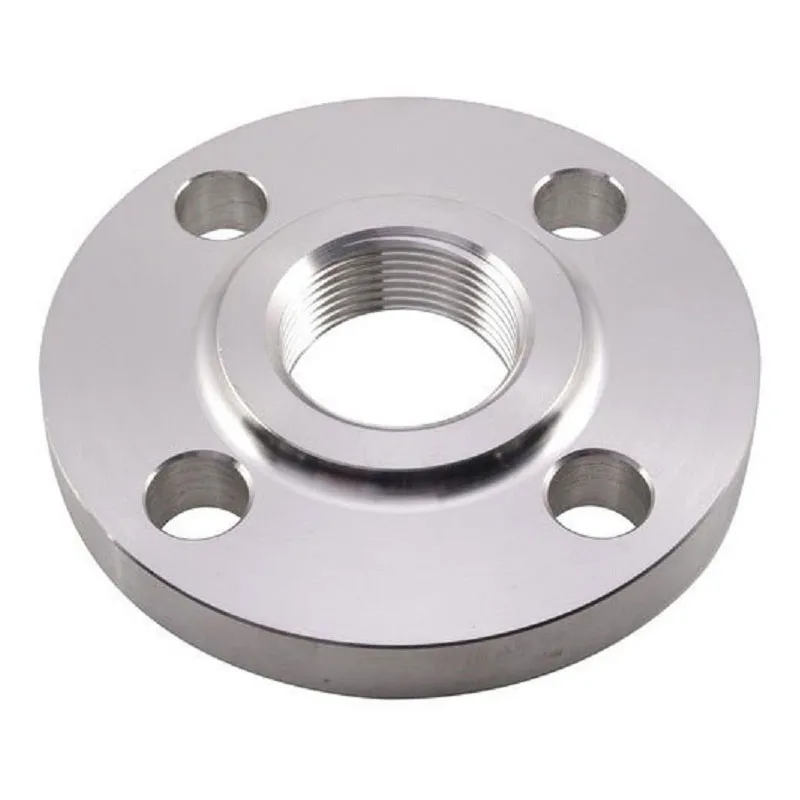
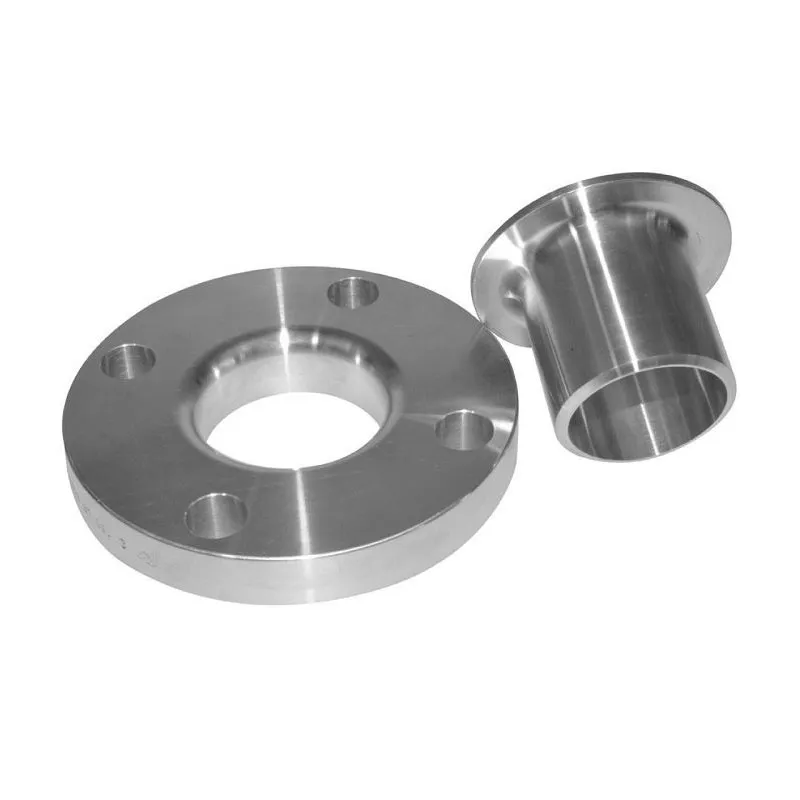
Best Sellingproducts
Best Selling Products-
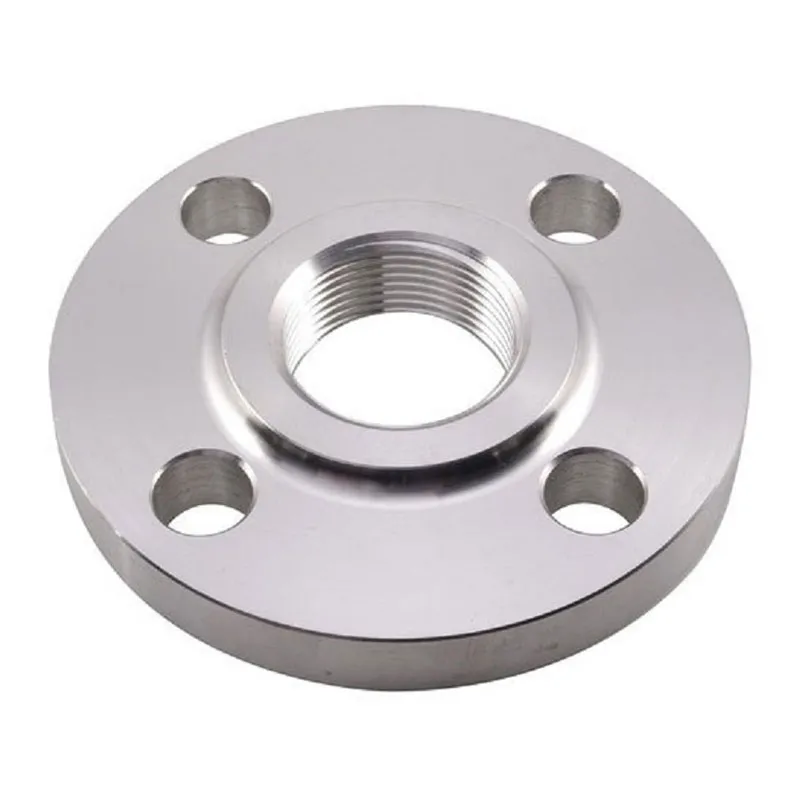 JIS 10K Overlay flanges
 -
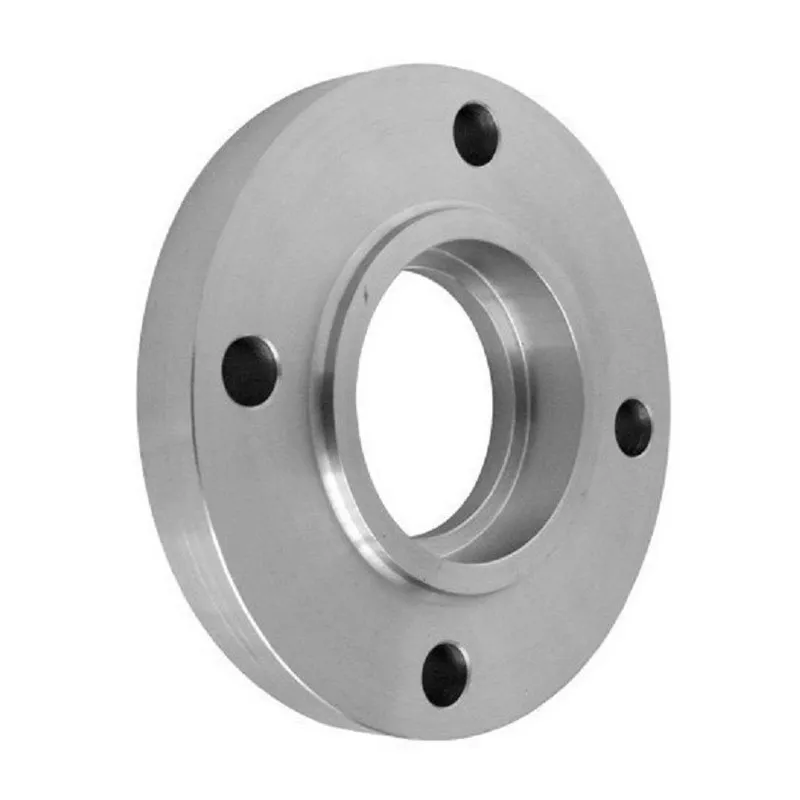 JIS 5K Socket Weld Flanges
 -
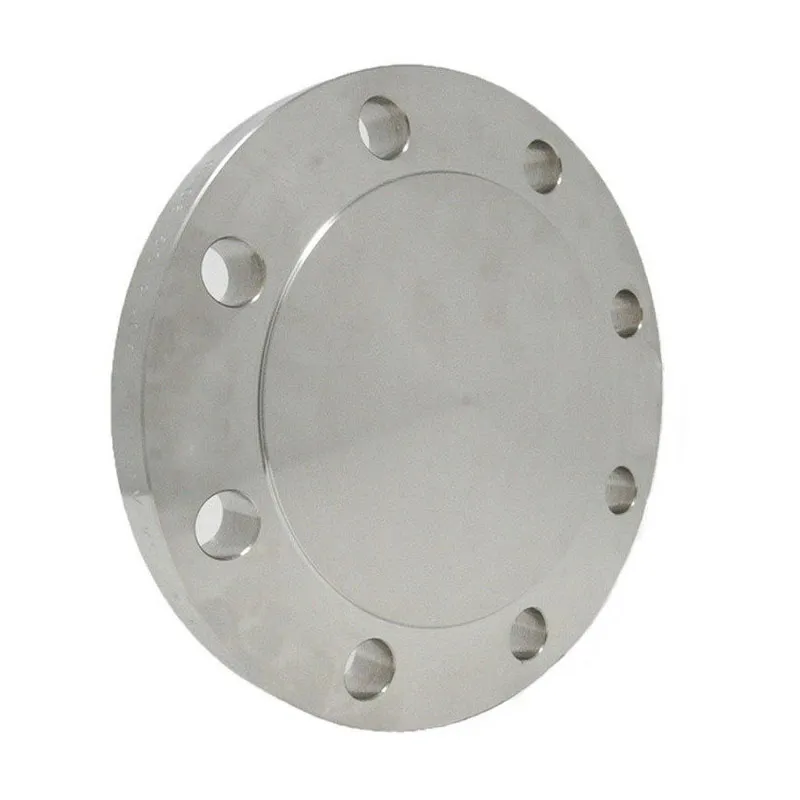 Blind flanges Class 150
 -
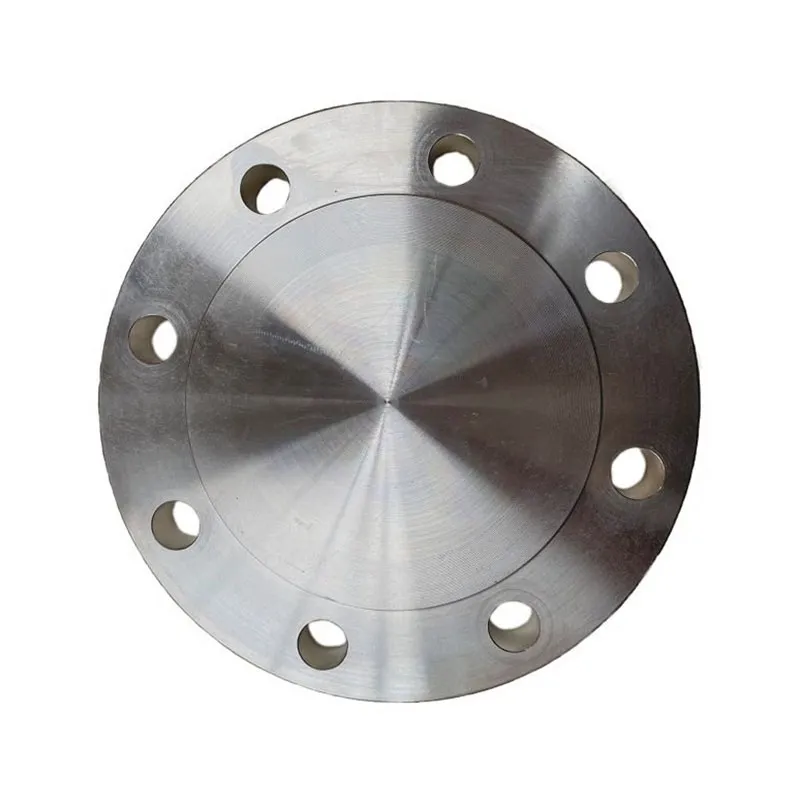 UNI 6092 Blind flanges PN10
 -
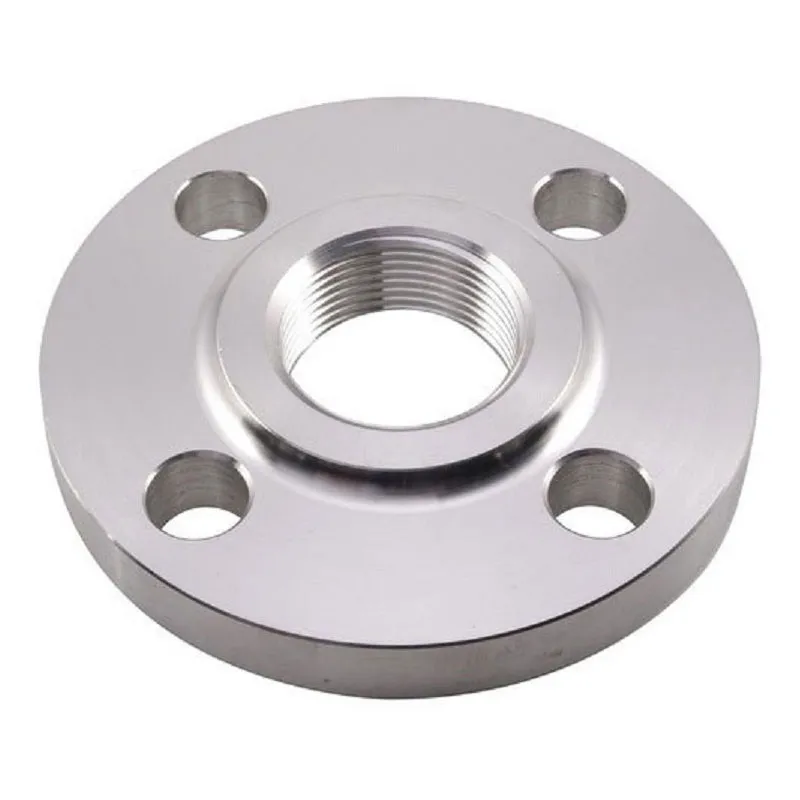 DIN 2565 Threaded flanges PN6
 -
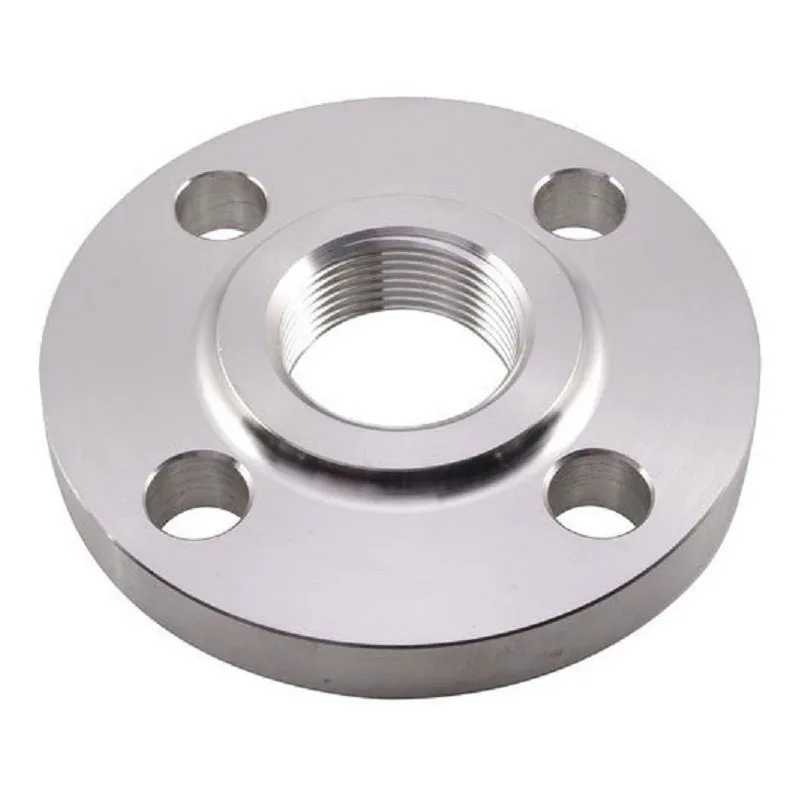 ANSI B16.5 Threaded Flanges Class 600
 -
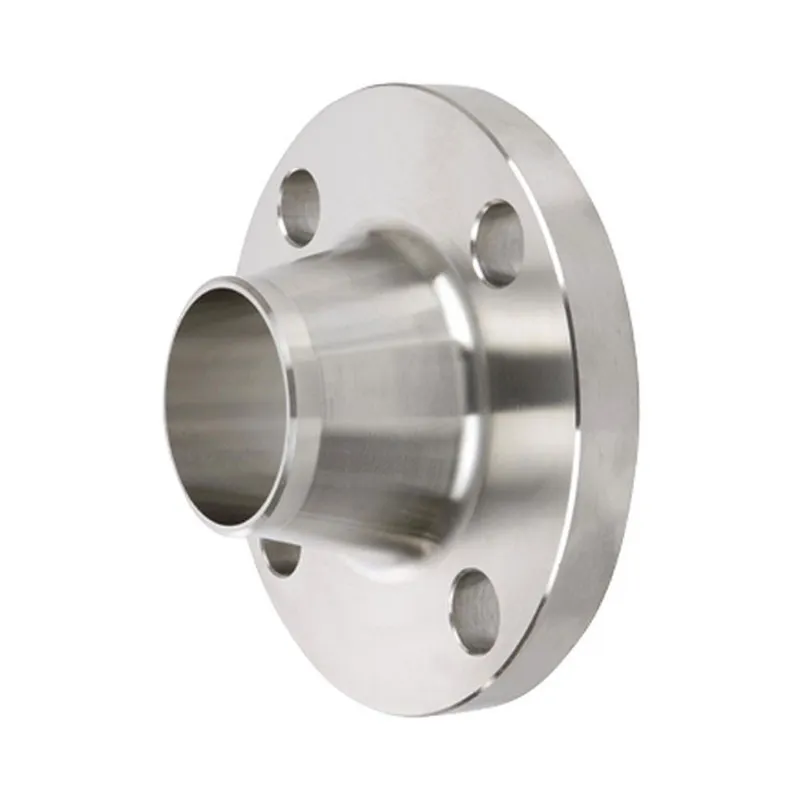 EN 1092-1 Butt weld flanges Type 11, PN25
 -
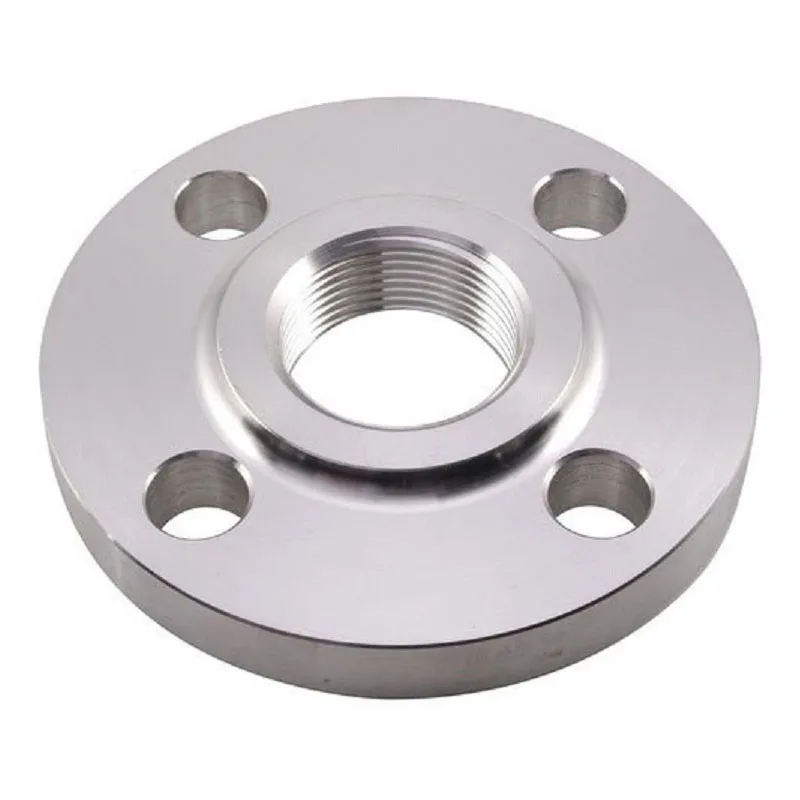 DIN 2566 Threaded flanges PN16
 -
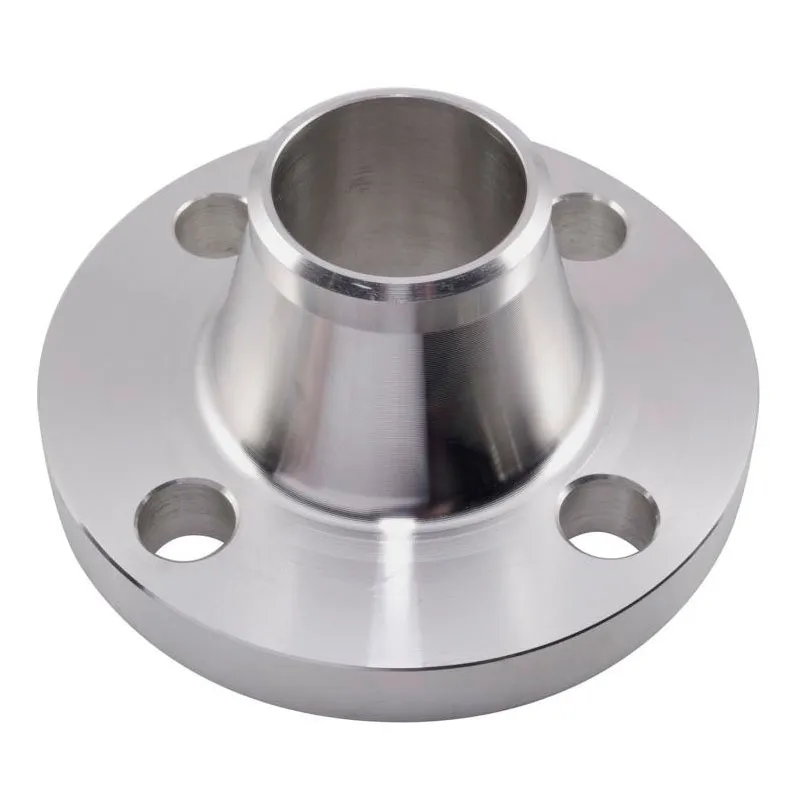 DIN Butt weld flanges PN10
 -
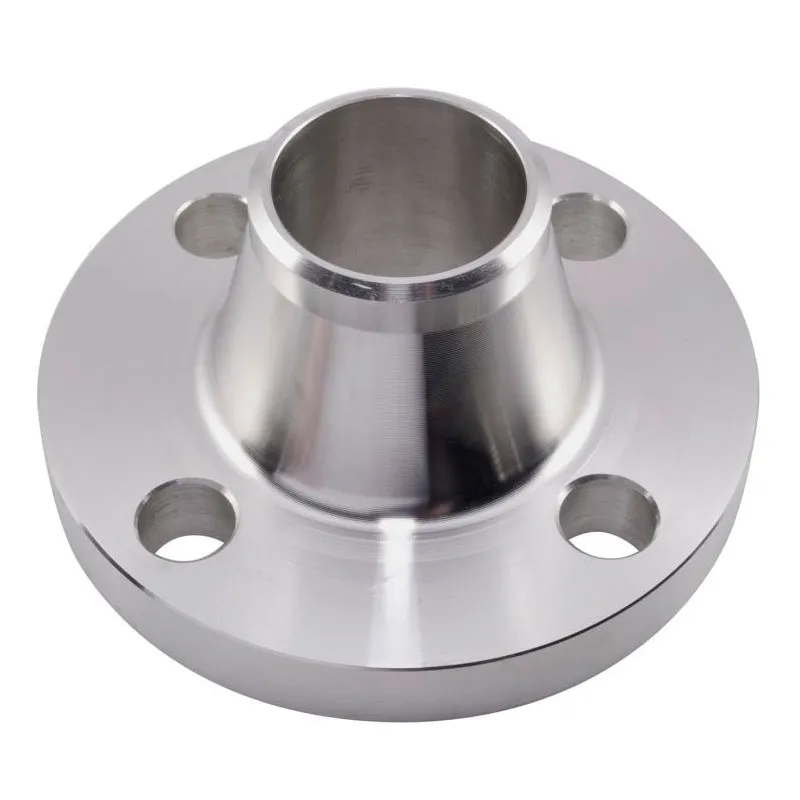 UNI 2281 Butt weld flanges PN10
 -
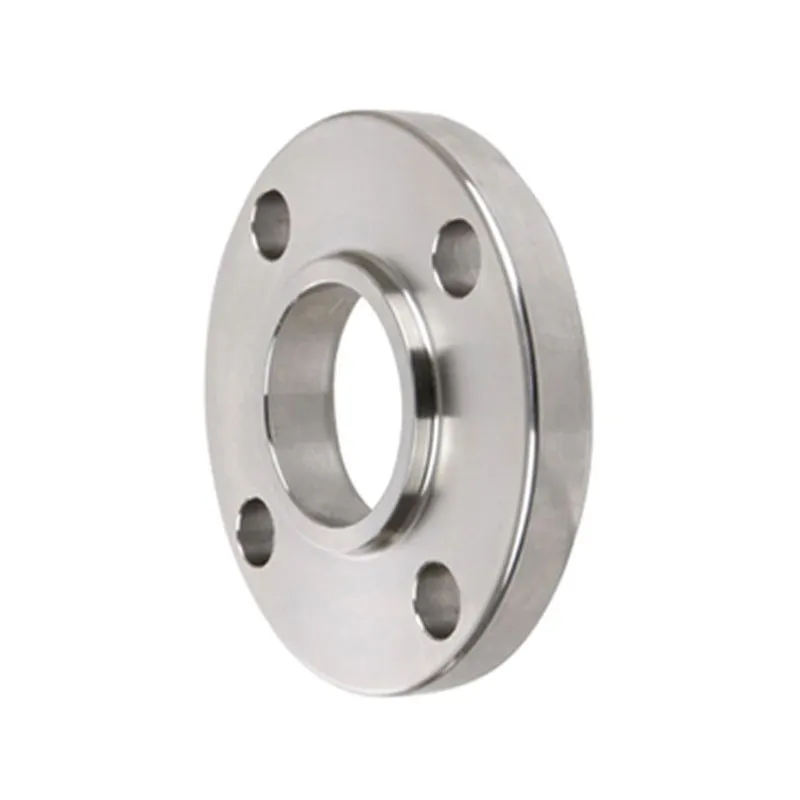 ANSI B16.5 Lap-on flanges Class 300
 -
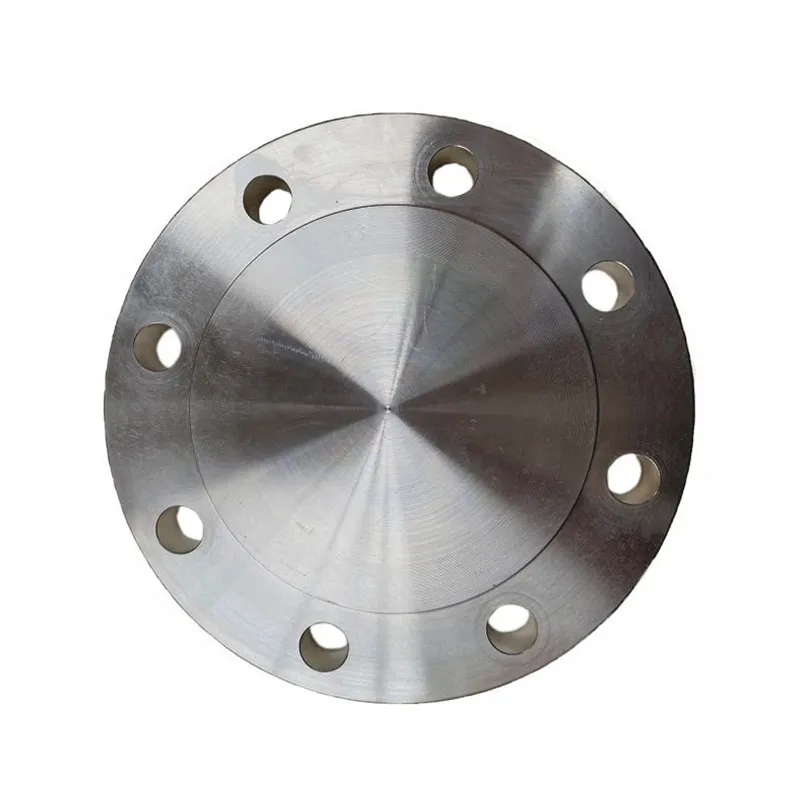 DIN 2527 Blind flanges PN10