
-
-
Phone
+86-13623462298



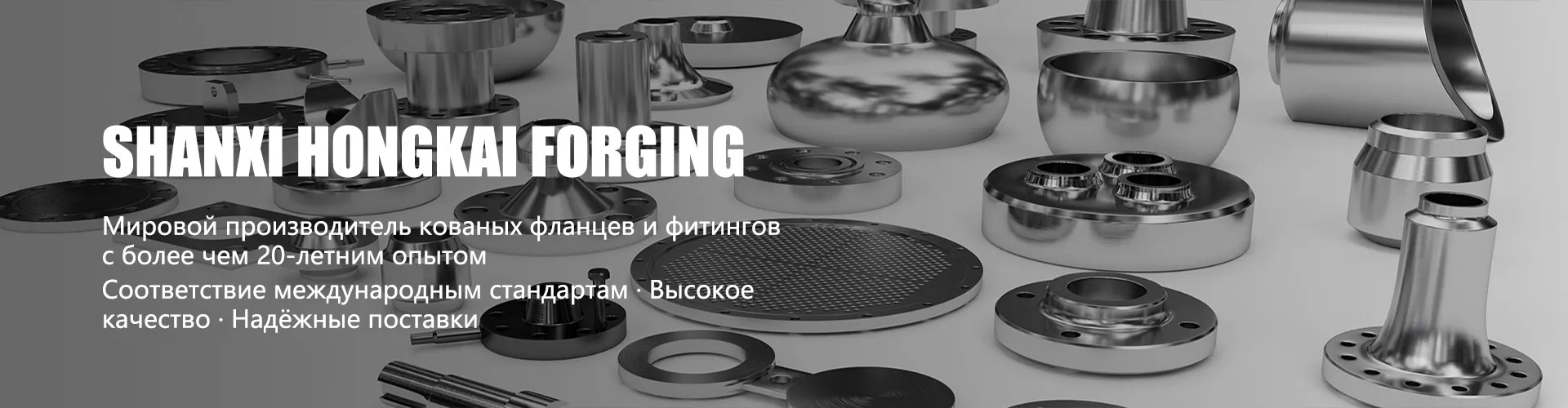
flanges 16 MPa
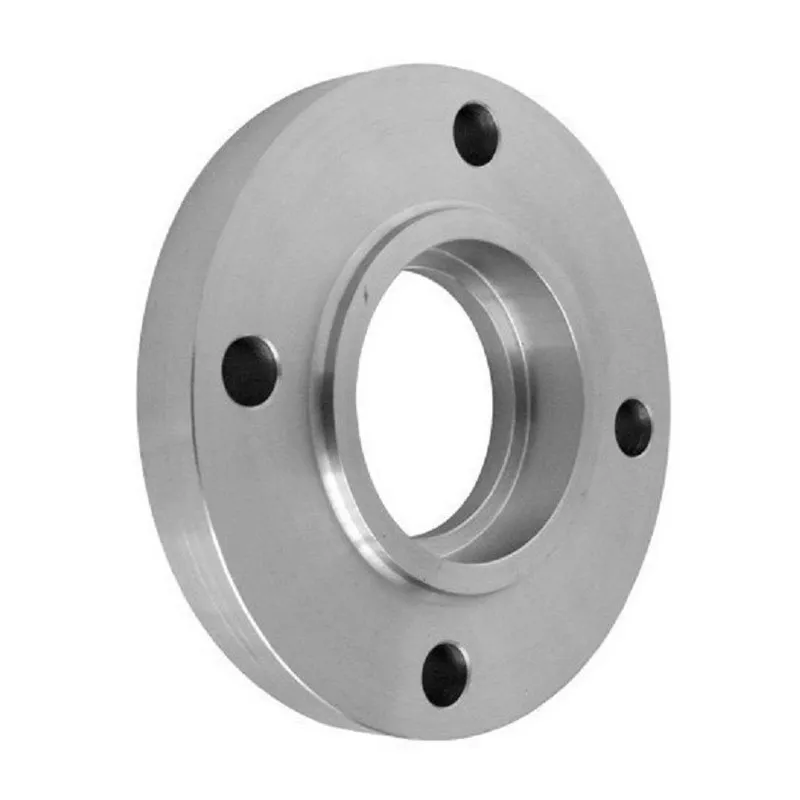
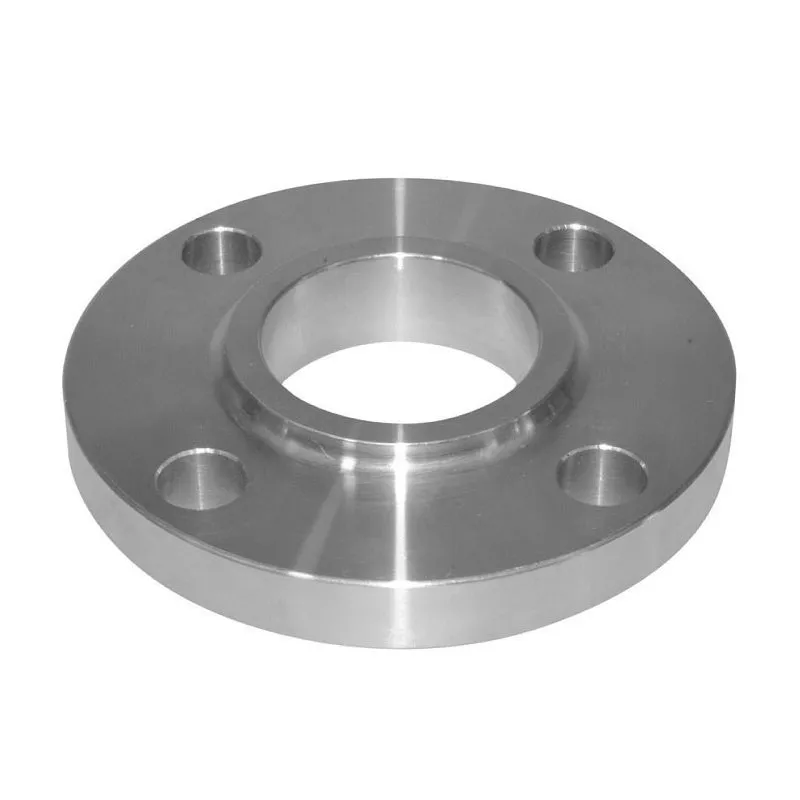
When they say “16 MPa flanges,” many immediately imagine something monumental, thick-walled, almost for a nuclear reactor. In fact, this is a fairly common operating pressure for many industrial pipelines, from chemistry to heat and power. The main confusion often arises with the material and type of seal. Not every flange marked at 16 MPa will behave the same on a real line, especially under temperature cycles. This is what I would like to speculate on, based on personal experience and the mistakes that I had to step on.
Where do they live? flanges for 160 atmospheres and what is expected from them
If we take our post-Soviet realities, then a pressure of 16 MPa (or the same 160 kgf/cm2) is often in main lines, high-power boiler plants, sections of production lines in production, where the working medium is not just water, but maybe steam or aggressive chemicals. The key here is not just to withstand the pressure, but to do it at a high temperature, say 300-400°C. And this is where the fun begins.
The material of the flange body is sacred. Steel 20 or 09G2S for such parameters is already yesterday, if not the day before yesterday. We need alloy steels, such as 15Х5М or 12Х18Н10Т. I remember a case when flanges from 09G2S were installed as a replacement, arguing that “it passes pressure according to GOST.” It passed, but at the very first thermal start, when the line reached operating temperatures of 350°C, it began to flow along the mirror. The reason is the different coefficient of thermal expansion between the flange and the welded fitting made of alloy steel. The joint “led?”.
Therefore forflanges 16 MPaI always look first at steel grade and heat treatment. It’s good if the manufacturer provides not only a certificate of conformity, but also mechanical testing and ultrasonic testing reports. By the way, about the manufacturers. Lately we have often been working with products fromShanxi Hongkai Forging Co.,Ltd. On their websitehkflange.ruit is indicated that they specialize specifically in forged flanges, and forging for high pressures is a more predictable metal structure compared to casting or even welded structures.
Flange types and pitfalls of standards
For 16 MPa, butt-welded (collar) flanges are most often used. Flat ones for such a load are rare, except for small diameters. But there is a nuance here too. A standard is a standard, but the geometry of the sealing surface is a separate religion. GOST (aka EN 1092-1) Type 11, ASME B16.5 Class 900 - everything seems to be for the same pressure. But the microgeometry of the surface (grinding, spiral pitch) may differ. If you install a flange with a tongue-and-groove seal. (Tongue and Groove) from one manufacturer paired with a “spike” from another - you can get a leaky joint even when tightened to the correct torque.
One of the practical problems is the compatibility of old parks and new fittings. It happened that on an existing pipeline with Soviet flanges according to GOST 12820-80 it was necessary to cut in a new section with modern fittings for EN. The nominal pressure seems to be the same - 16 MPa. But the number of holes for the studs, their diameter and the diameter of the circle may not match. You have to use adapter plates, which adds potential leakage points. This is the case when ?standardization? exists in dozens of options.
CompanyShanxi Hongkai Forging Co.,Ltd, judging by their nomenclature, understands this. In the description on their websitehkflange.ruit is expressly stated that they operate in accordance with GOST, ASME, EN, DIN and other standards. For an engineer on site, this is critically important - to be able to order a flange not just for 16 MPa, but for a specific, already existing connection standard, in order to avoid costly alterations.
Tightening torque and “human factor”
The most perfect part can be damaged by improper installation. This is an axiom with high pressure flanges. Tightening by eye? or a torque wrench without calibration - a direct path to an accident. For 16 MPa, a hydraulic tensioner or at least a torque wrench with precise torque is usually required. But here, too, not everything is simple.
The tightening torque shown in the table is for clean, dry threads and new gaskets. What if the work is carried out in winter, outside? The threads were lubricated with ordinary grease instead of a special paste with molybdenum disulfide - the friction coefficient has changed, and the real force on the stud will no longer be the same. The result is either undertightening and leaking, or overtightening and creep of the stud metal when heated. I saw how on the hotline, after stopping, the studs were simply unscrewed by hand - they were overtightened and “floated”.
Therefore, now for critical components we always require tightening maps from contractors - indicating the sequence, torques for each pass and brand of lubricant. This is not bureaucracy, this is a necessity. And the quality of the flange itself, the precision of processing of the supporting surface for the nut, directly affects the uniformity of load distribution across the studs.
Gaskets are the weak link of the system
You can install the perfect flange, tighten it according to science, but install the wrong gasket - and everything is in vain. For 16 MPa, general-purpose paronite is already a risk. You need metal finned gaskets (spiral-wound), or all-metal rings with an oval or octagonal cross-section (Ring Joint type). The choice depends on the environment.
Here people often make mistakes with the width and thickness of the gasket. The gasket is too wide for thisflange 16 MPawill require enormous tightening force to create the required specific pressure on the sealing surface. Too narrow may be ?crushed? into the groove or malfunction. Once I came across the fact that for flanges according to ASME B16.20 they installed a spiral-wound gasket, but with sealing rings not made of Inconel, but of ordinary stainless steel. In an environment with hydrogen sulfide, this ring corroded within six months and began to leak.
A good flange manufacturer can often recommend the type of gasket, and sometimes supply it as a set. Judging by the assortmentShanxi Hongkai Forging Co.,Ltd, which includes both blind flanges and weld ring flanges, they are clearly faced with different sealing designs and are likely to be able to provide technically sound advice on this matter.
Non-standard situations and production according to drawings
An engineer's life is rarely limited by standard sizes. Either you need a 16 MPa flange, but with an eccentric hole, or with additional channels for purging, or a transition between two different standards. This is where it is tested how flexible the manufacturer is.
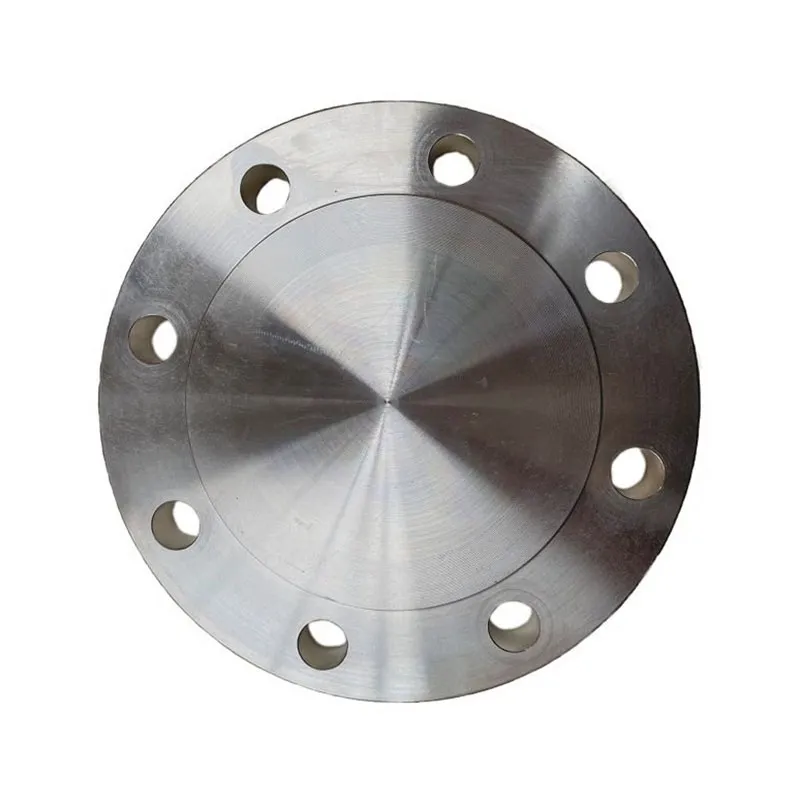
Manufacturing according to customer drawings is aerobatics. It is important not just to forge and process a part, but to understand its function. Once we ordered a blank flange (blind flange) of 16 MPa for testing, but with the holes for sensors required by the specifications. The drawing was made and sent. The part arrived - the geometry is ideal, but... the sensors were supposed to be screwed into threaded holes, but they were made smooth for welding. I had to redo it. Moral: the technical specifications must be verified with the manufacturer for each item.
On the websitehkflange.rucompaniesShanxi Hongkai Forging Co.,LtdIt is expressly stated that they manufacture non-standard products according to customer drawings. For high pressure projects this is often the only option. The main thing is to ensure a close dialogue between your technologist and the manufacturing plant engineer, so that all the nuances, such as the direction of fibers during forging or the method of controlling welds (if the ring flange has them), are discussed onshore.
Instead of a conclusion: it’s not the pressure that matters, but the working conditions
So, back to the beginning.Flanges 16 MPa- this is not just a number in the specification. This is a whole set of requirements: material resistant to temperature and environment; seal type and geometry; quality workmanship, excluding internal defects; and, finally, competent installation with the correct equipment.
Choosing a supplier in such matters is 50% of success. We need not just a seller, but a manufacturer with a serious forging base, its own quality control department, capable of working according to different standards and delving into the customer’s tasks. Like for exampleShanxi Hongkai Forging Co.,Ltd, positioning itself as one of the main manufacturers in the forging industry in China. Their declared range up to DN4000 speaks about the capabilities of the equipment.
As a result, the reliability of a flange connection at high parameters is always a story about the details. About the same pin that was tightened with the wrong key, about the same gasket that was saved, about the same standard that was not paid attention to when ordering. And the experience here is basically a collection of solved (and sometimes not so solved) problems, which form that very professional instinct when you look at a knot and understand where the weak point may be.
Correspondingproducts
Related Products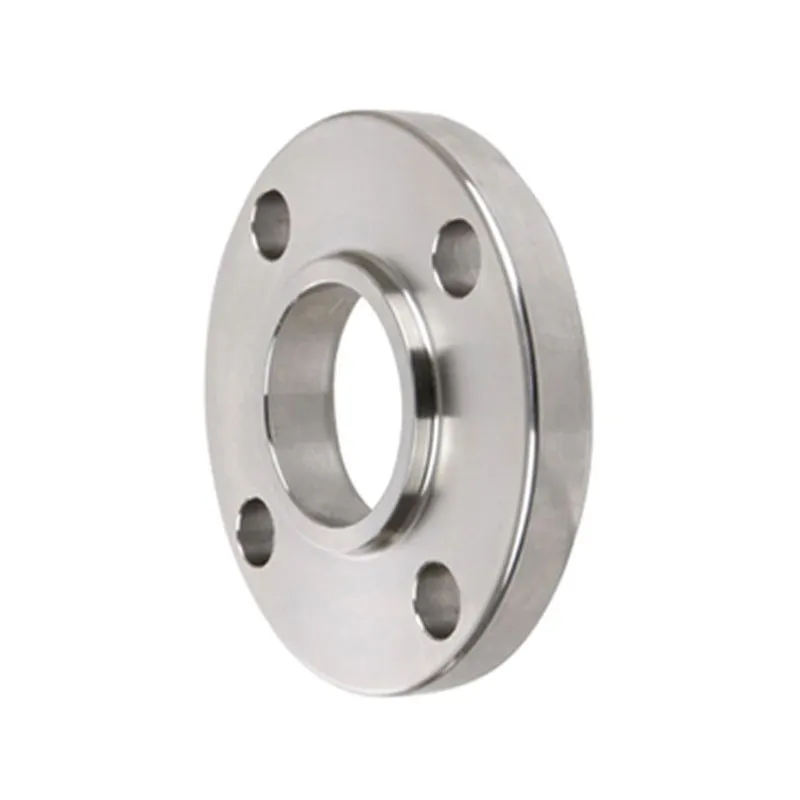
Best Sellingproducts
Best Selling Products-
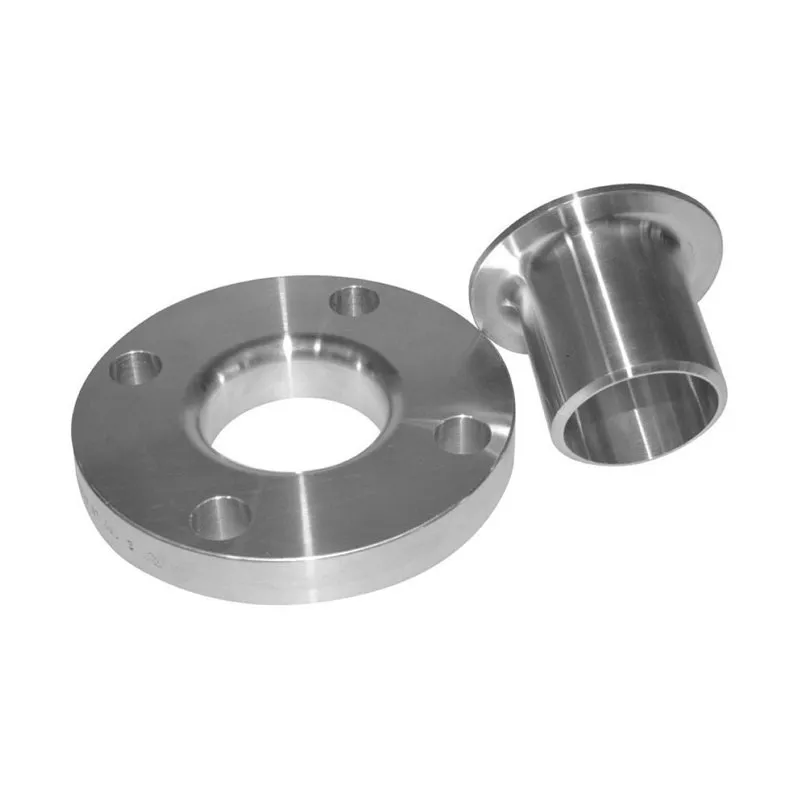 Free ring flanges Class 150
 -
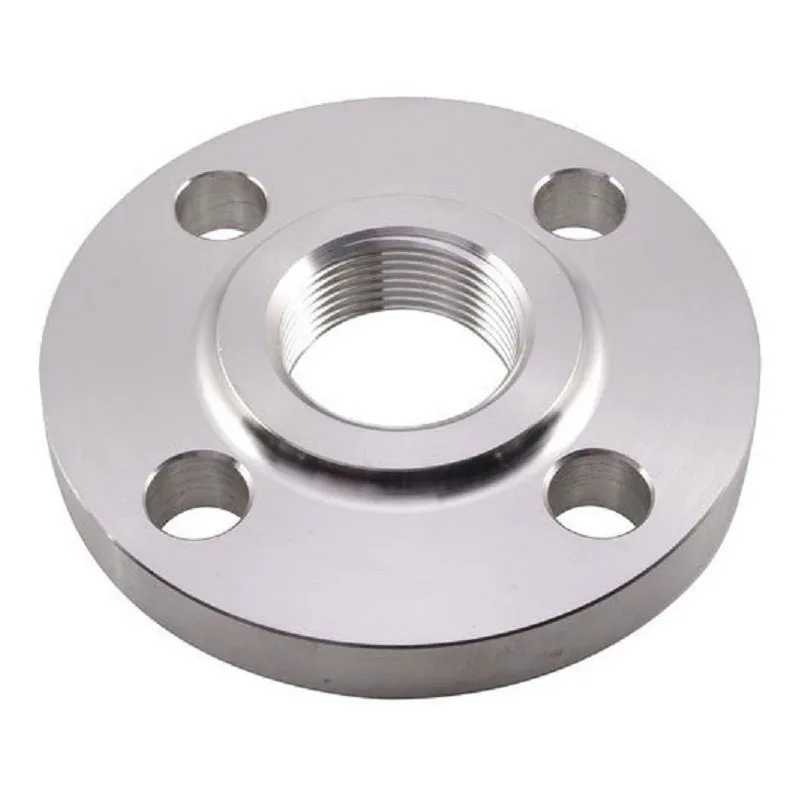
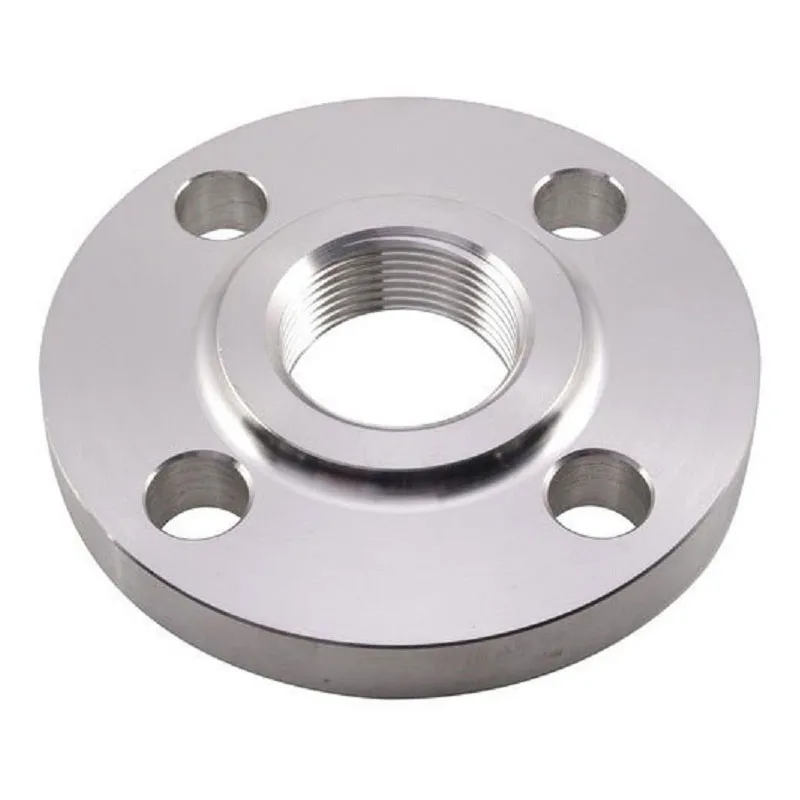 EN 1092-1 Threaded flanges Type 15, PN16
 -
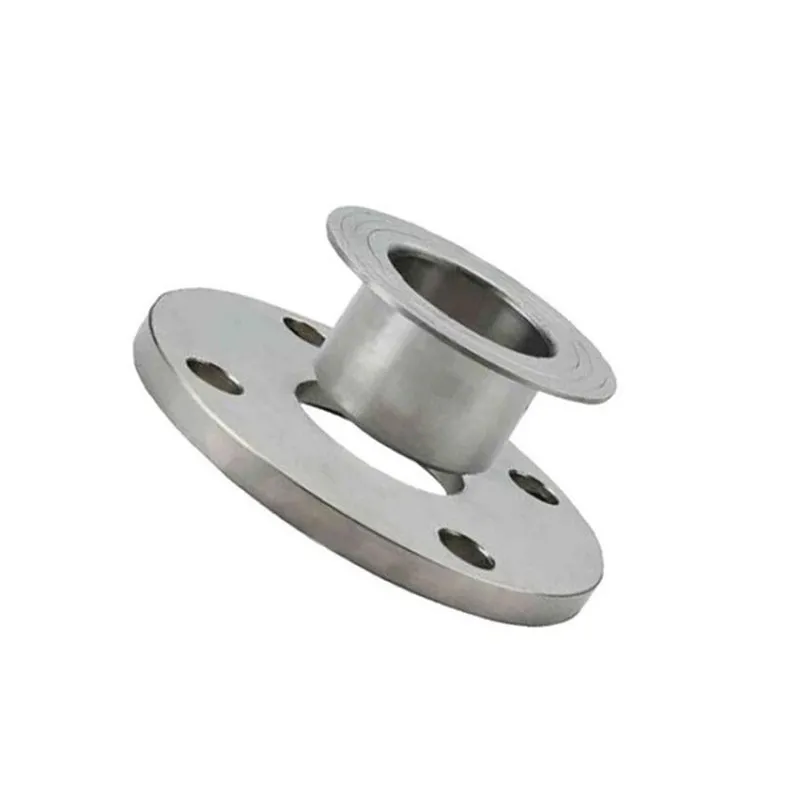 JIS 10K Loose Ring Flanges
 -
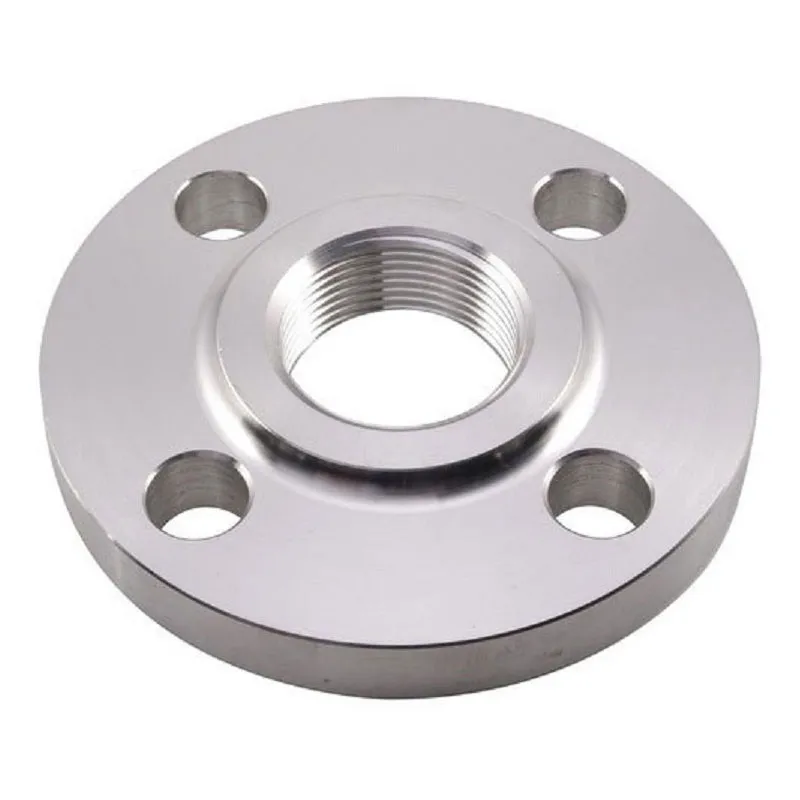 DIN 2565 Threaded flanges PN6
 -
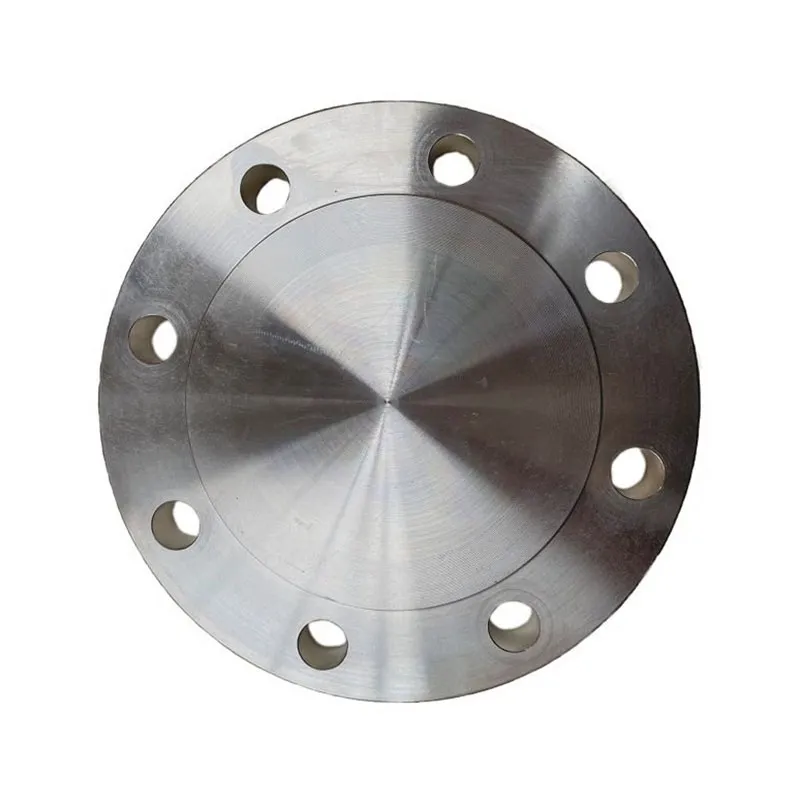 UNI 6092 Blind flanges PN10
 -
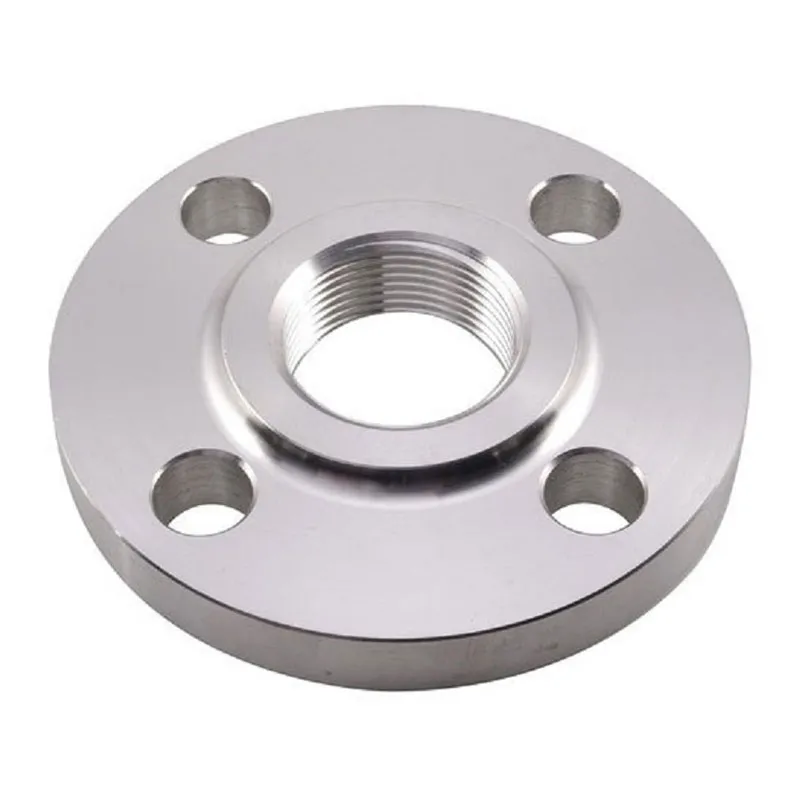 JIS 10K Overlay flanges
 -
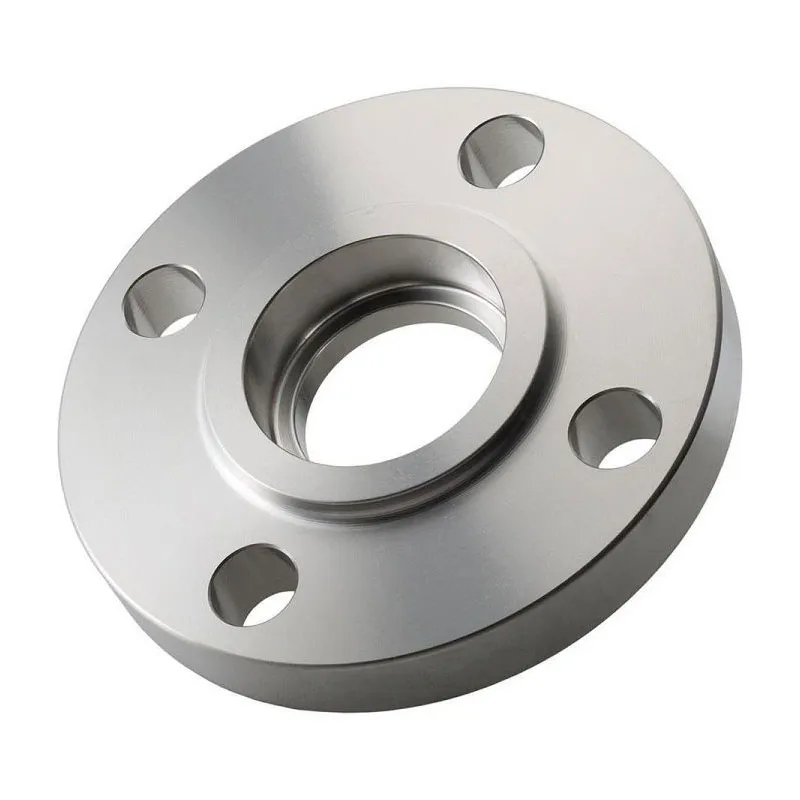 ANSI B16.5 Socket Weld Flanges Class 1500
 -
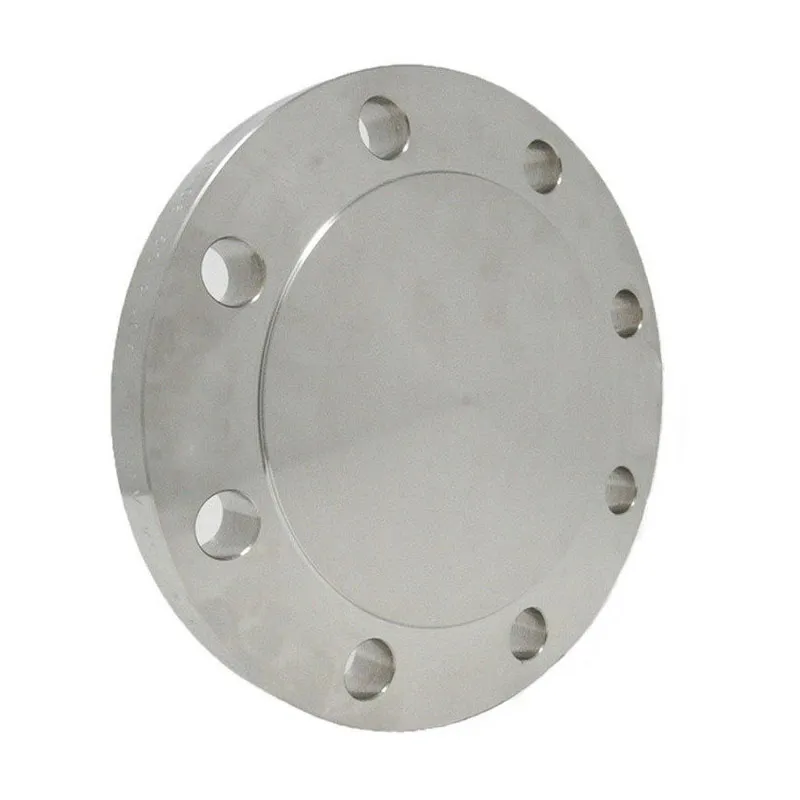 AWWA Blind Flanges Class D (Tables 1, 2, 3)
 -
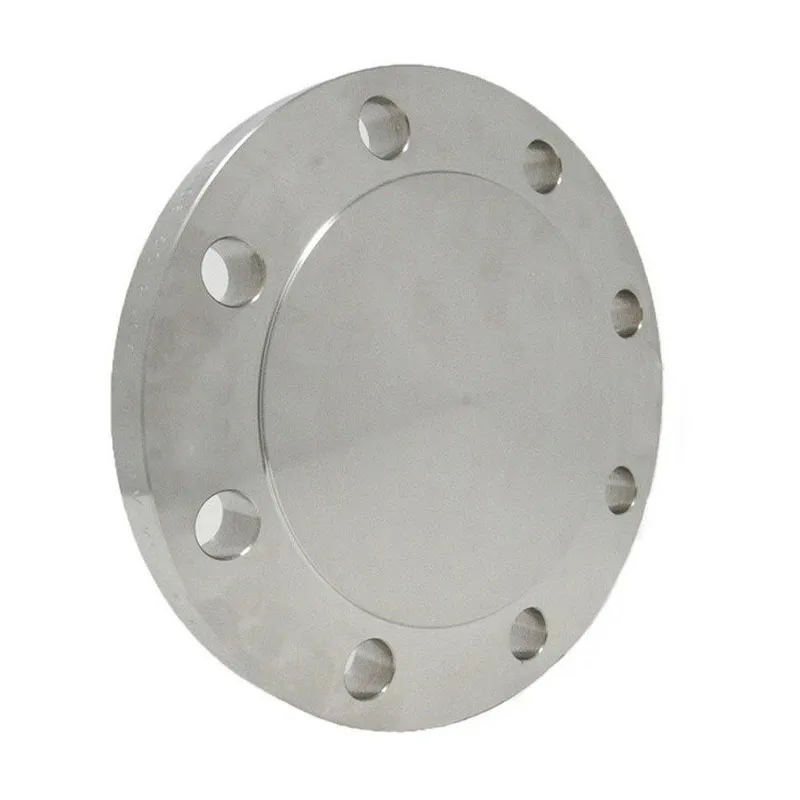 EN 1092-1 Blind flanges Type 05, PN10
 -
 Butt weld flanges Class 150
 -
 Socket Weld Flanges Class 300
 -
 DIN 2527 Blind flanges PN10