
-
-
Phone
+86-13623462298




flange 65 10
When you see the request “flange 65 10?”, the first thing that comes to mind is that a person is looking for a specific standard size, most likely according to GOST or maybe ASME B16.5. But here's the rub: these two numbers on their own don't tell you much. 65 is, of course, the conditional passage of the control system, and 10 is the pressure, control panel. But which flange exactly? Butt weld, flat, loose? Material? Design of the sealing surface? Without this, it’s just a bunch of numbers. This often happens, especially when the request is from those who are just getting acquainted with the topic or are making a specification based on old, not always complete documentation. I immediately remember the case when they brought us a cutting from an old project with exactly this marking - “Flange 65-10”. And when they started to clarify, it turned out that they needed a flat welded one in accordance with GOST 12820-80, but made of steel 09G2S, and not St3, as originally assumed. The difference in price and, most importantly, in application is colossal. Therefore, I’ll say right away: if you want to avoid problems, these two numbers are just the beginning of the conversation.
Let's get to the bottom of it: what's behind the size?
So, DU65, RU10. Working medium - water, steam, oil? Temperature? For a nominal pressure of 10 kgf/cm2 at temperatures up to 200°C, steel 20 is also suitable. But if we are talking about a more aggressive environment or low temperatures, other grades are already needed, the same 09G2S or even 12Х18Н10Т. This is where many people make the mistake of thinking that since the pressure is the same, then the flange is the same everywhere. No, the material dictates the conditions of use. By the way, according to the standard, for RU10 the thickness of the connecting lip for a butt-welded flange (GOST 12821-80) will be one, and for a flat one (GOST 12820-80) it will be different. And the weight, accordingly, is different. This affects both logistics and installation.
Executions are also often confused. For DU65, the most common is version 1 or 2 (smooth sealing surface or with a protrusion). But if the connection is made with imported fittings, execution according to ASME - RF (Raised Face) may be required. We once supplied a batchflanges 65 10specifically for imported valves, and had to be made according to the customer’s drawings, combining GOST and ASME parameters. This is about the question of “standardness?” standard products.
Another nuance is the quality of processing. You can make a flange to all sizes, but if there are marks left on the sealing surface from processing or the perpendicularity of the end to the axis of the hole is not maintained, there will be distortion and leakage when tightening. This is especially critical forflanges 65 10on steam lines. We checked it more than once: visually it seemed normal, but during pressure testing there was a fistula. Therefore, in production we always look not only at the dimensions of the calipers, but also at the surface quality and runout. This is already from an area of practice that is not in reference books.
Production view: from blank to finished product
Speaking of production, I’ll take our practice as an example. BShanxi Hongkai Forging Co.,LtdThis size is one of the most popular in the DN15–DN4000 line. The technology depends on the type. For a forged butt-weld flange DU65, forging on a press is most often carried out, followed by machining. The key here is forging, and not stamping from a sheet or cutting from a slab. Why? In a forging, the metal fibers follow the contour of the part, which gives better mechanical properties, especially under cyclic loads. For RU10 this may not be so critical, but for the reliability of the system as a whole it is important.
On the websitehkflange.ruwe indicate that we work according to GOST, ASME, EN, DIN. So, for ?flange 65 10? according to GOST 12821-80 and according to ASME B16.5 Class 150 - the geometry will be different. Not much, but the diameters of the bolt holes, their number, the diameter of the circle - everything is different. Previously, it happened that clients sent a request simply “65-10”, and then it turned out that they needed the American standard for the existing fittings. Now we always clarify. Actually, that’s why the company has established production according to different standards - to meet such needs, and not to say “we don’t do that?”
Interesting point about control. It would seem small in size. But each flange, especially from a batch for critical facilities, undergoes hardness testing, ultrasonic testing (if necessary), and measurement of all sizes. For DU65 we often do random inspections, but if there was a customer specification with stricter requirements, then we check each one. I remember there was a supply for a petrochemical plant, so they required a certificate with the results of mechanical tests for each steel melt. There were more papers than flanges themselves. But that's right.
Errors and pitfalls in application
Now about what goes wrong at the facilities. The most common mistake is a mismatch between the flange material and the attached equipment. They install a flange from St3, and weld a pipe from 09G2S to it without a transition insert. For cold water, it may pass, but for something serious, a crack along the weld seam is guaranteed. Or, even worse, they putflange 65 10carbon into the line, where the chemically active medium will then go. After six months - corrosion and leaking.
The second problem is installation. If the studs were overtightened, the threads were torn off or the flange was misaligned, which would disrupt the alignment. If you don't tighten it enough, it will leak. The tightening torque for DU65 RU10 is not an abstract value; it must be observed using a torque wrench. I’ve seen many times how installers tighten things up “from the heart.” with a gas wrench, and then they wonder why the gasket was squeezed out after the first hydrotest.
And third - buying the “cheapest” one. The market is flooded with handicraft products, where the geometry is “plus or minus bast shoes,” the material is unknown, and there is no marking. We took this “flange 65 10”, installed it, the system works. Not working yet. And when an incident occurs, it turns out that an “unreliable flange” is to blame. Although the culprit, of course, is the attempt to save money on a critical element. We are inShanxi Hongkai Forging Co.,LtdWe encounter this when clients come to us after bad experiences with other suppliers. You have to not just sell, but explain what the difference is.
Non-standard situations and individual solutions
It happens that the standardflange 65 10doesn't fit. For example, you need a non-standard material for special conditions - high temperature or cryogenics. Or an unusual design is required - with an additional hole for drainage, with a changed thickness, with a welded-on sealing ring made of a different metal. For us, as a manufacturer who also makes forgings according to customer drawings, this is common practice.
One memorable case: a DU65 RU10 flange was needed, but with a plate thickness increased to 40 mm (butt-welded), because according to calculations, it was affected not only by internal pressure, but also by a significant bending moment from the attached heavy equipment. The standard one does not provide for this. We made a forging according to an individual drawing, calculated it, forged it, and processed it. The key was the supply of materials provided by forging.
Or another example - adapter flanges. Let's say you need to connect a pipe according to GOST with fittings according to DIN. For DN65 (this is approximately DN65) and PN10 (analogous to RU10) you need an adapter flange, where on one side the dimensions and design are according to GOST, on the other - according to DIN. This is also not a problem if the manufacturer has experience and a fleet of equipment for such machining. On our website in the products section it is stated that we manufacture non-standard products according to drawings - this is not written for beauty, but precisely from such practice.
Instead of a conclusion: what to look for when choosing
So what's the end result with this ?flange 65 10?? Numbers are the starting point. Next you need to understand: 1) Type of flange (butt weld, flat, etc.). 2) Material (steel 20, 09G2S, 12Х18Н10Т, etc.) depending on the environment. 3) Standard and design of the sealing surface (GOST 1-6, ASME RF, FF). 4) Workmanship (forging vs. cutting, processing).
If you are looking for a reliable supplier, then you should look not only at the price, but also at the production capabilities. For example,Shanxi Hongkai Forging Co.,Ltd, as a manufacturer from a large forging center, provides forged flanges, which already indicates the level of the product. Availability of certificates and compliance with standards is a must have.
In general, the request is ?flange 65 10? opens up a whole layer of technical nuances. Approach ?as long as it matches the diameter? doesn't work here. We need details, we need clarifications, we need a dialogue with a manufacturer who understands what we are talking about, and not just selling hardware. Because there are no small things in pipeline fittings, especially when it comes to pressure, even 10 atmospheres.
Correspondingproducts
Related Products

Best Sellingproducts
Best Selling Products-
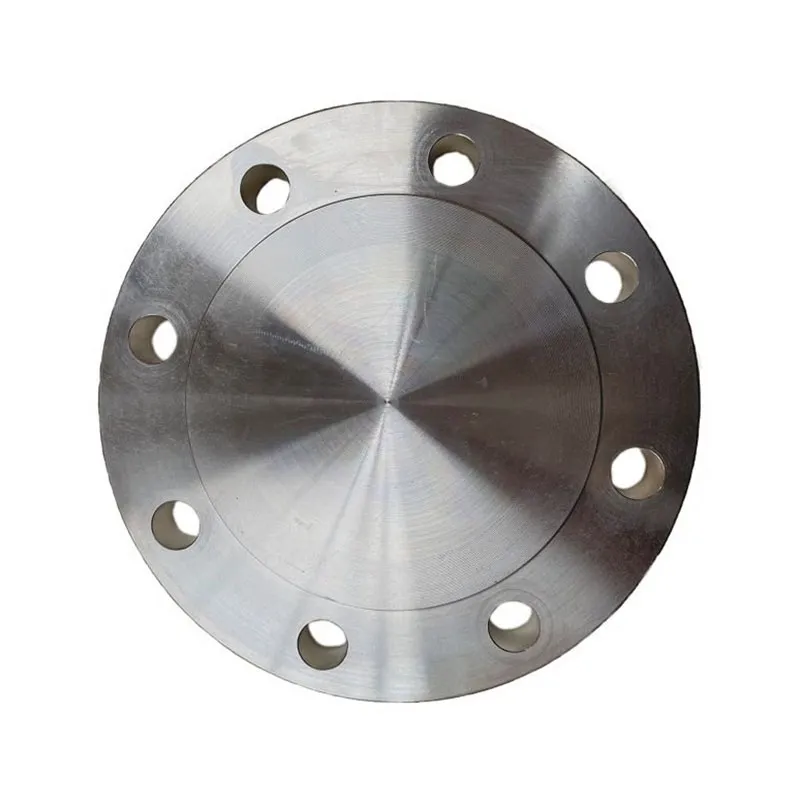 ASME B16.47 Ser.A Blind Flanges Class 400
 -
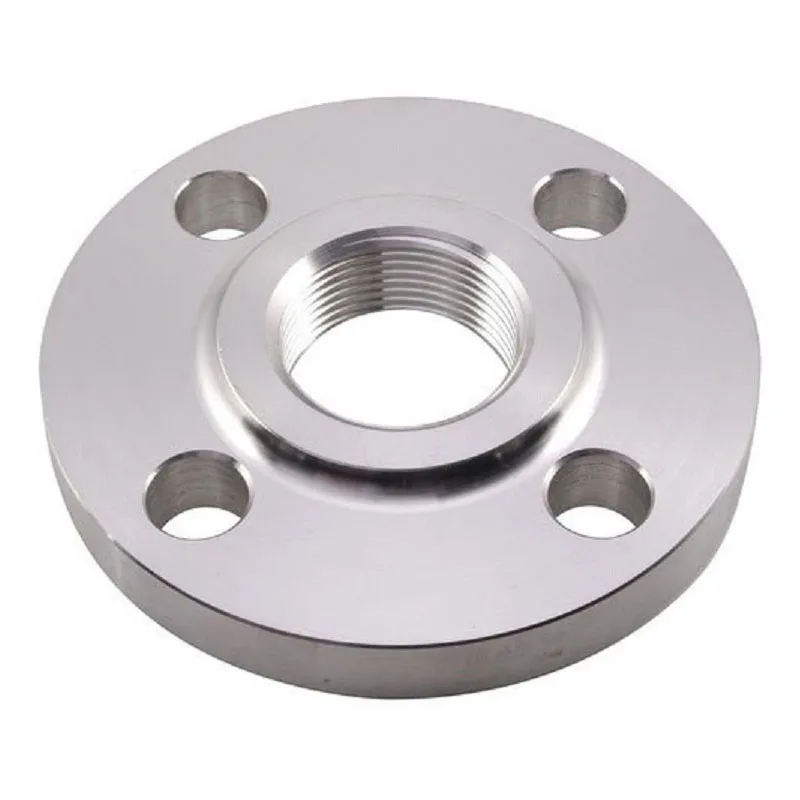 DIN 2566 Threaded flanges PN16
 -
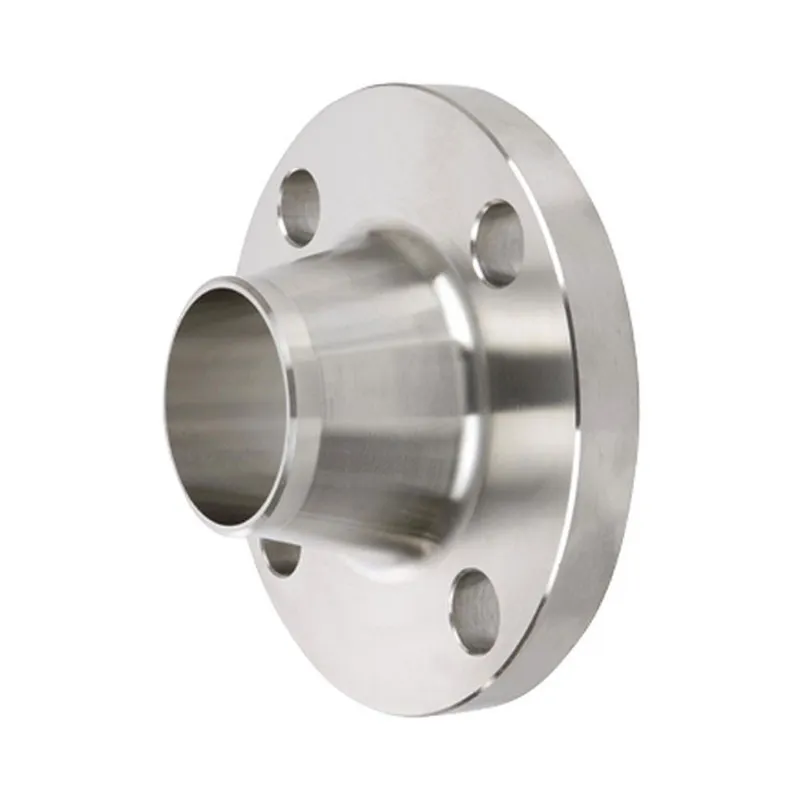 EN 1092-1 Butt weld flanges Type 11, PN25
 -
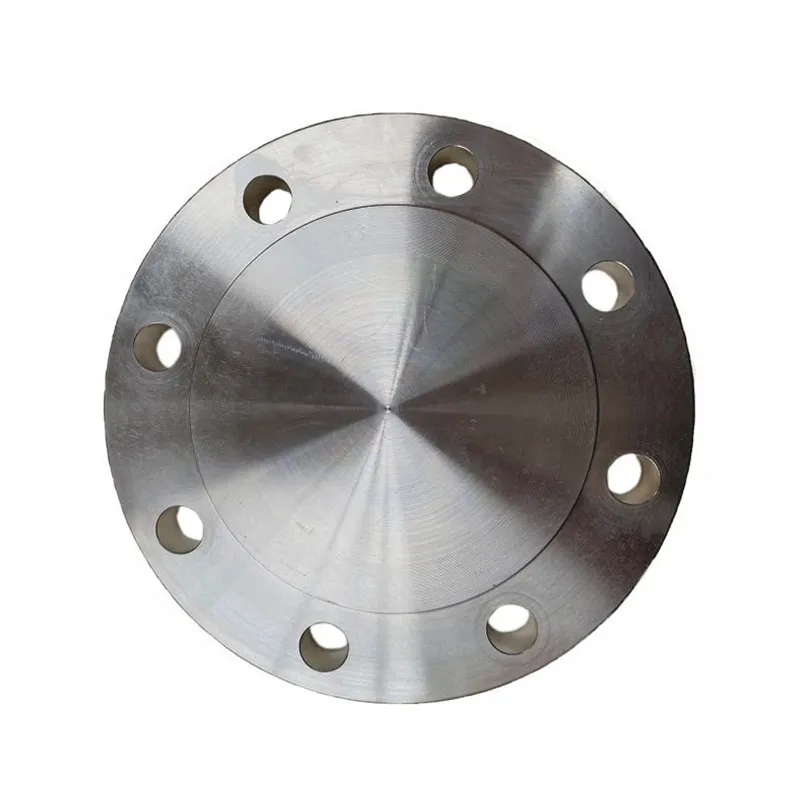 DIN 2527 Blind flanges PN10
 -
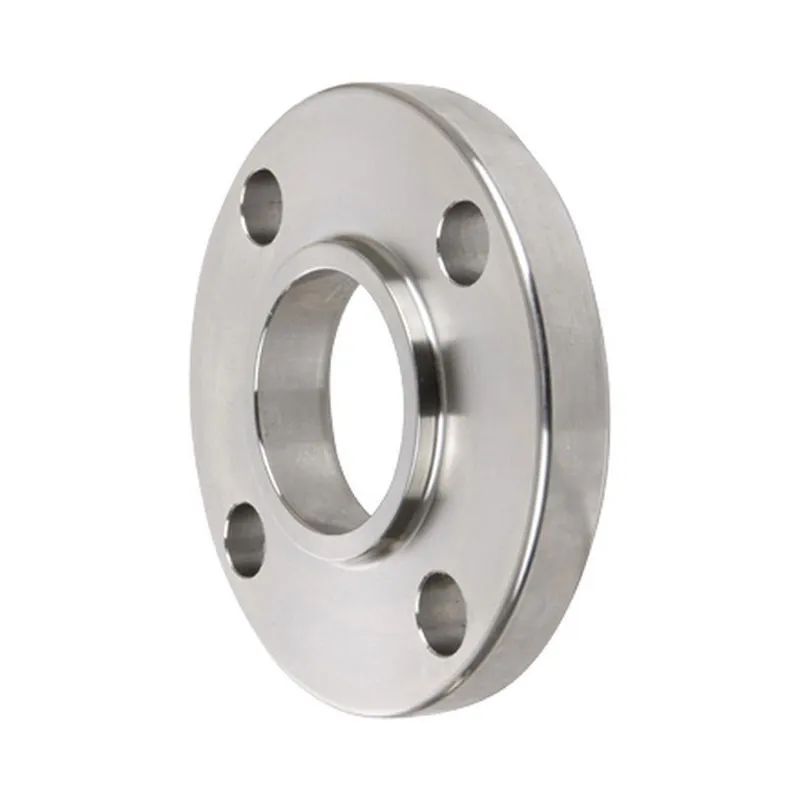 DIN 2501 Overlay flanges PN16
 -
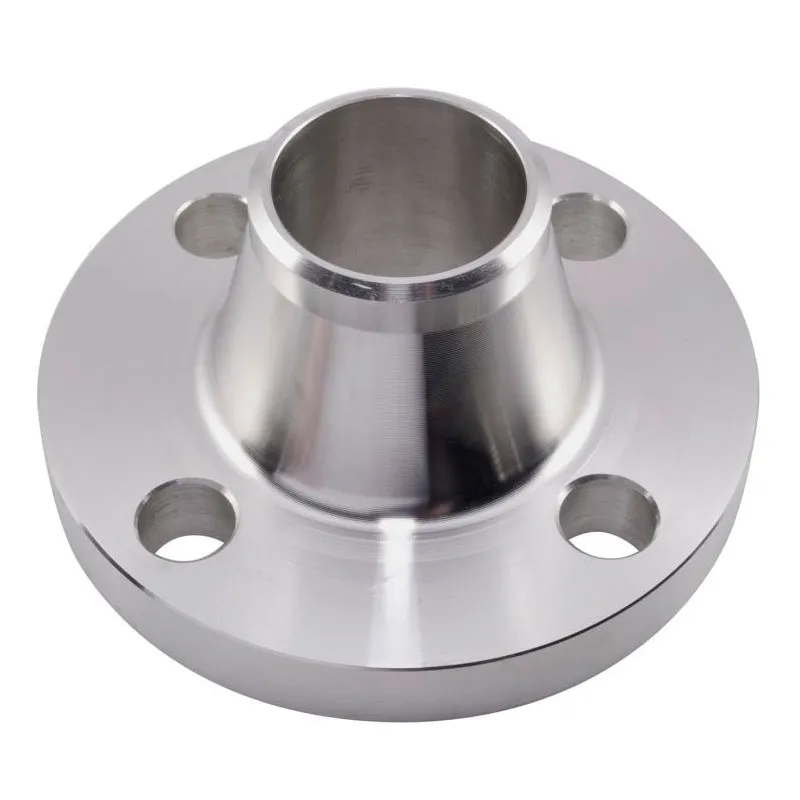 UNI 2281 Butt weld flanges PN10
 -
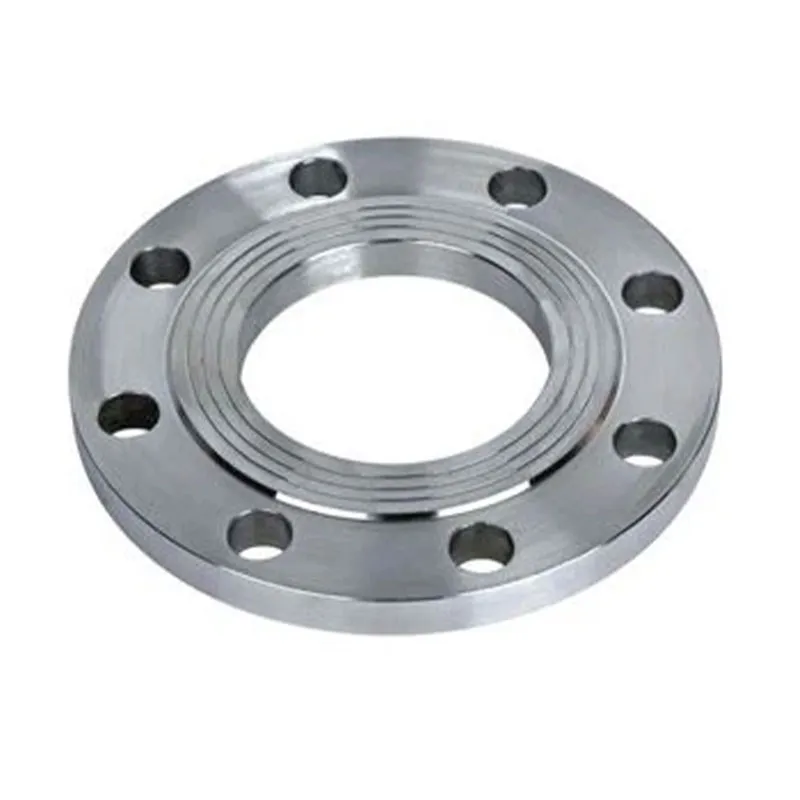 Butt weld flanges Class 150
 -
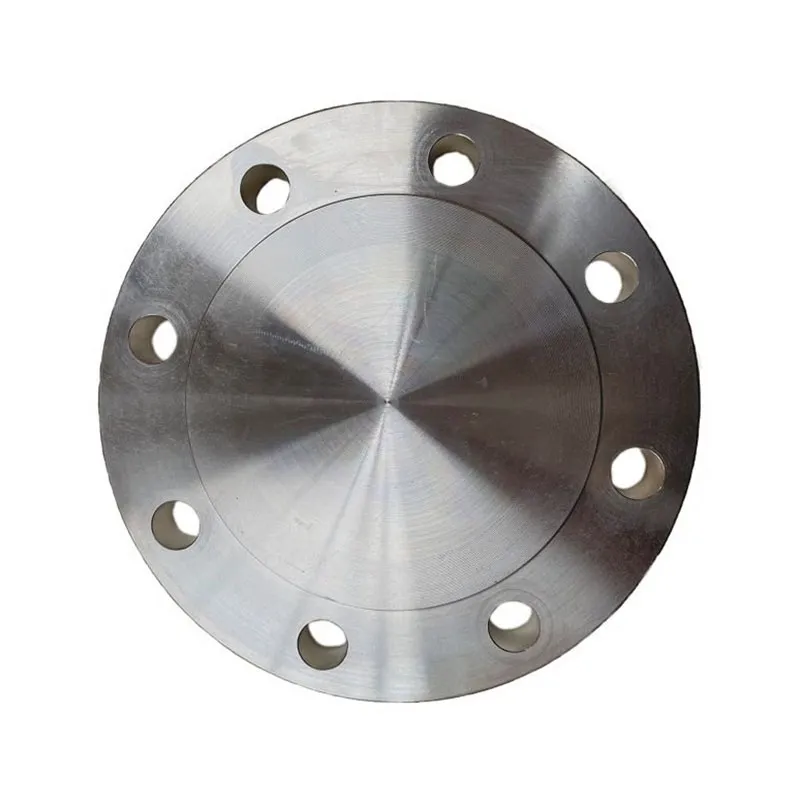 UNI 6092 Blind flanges PN10
 -
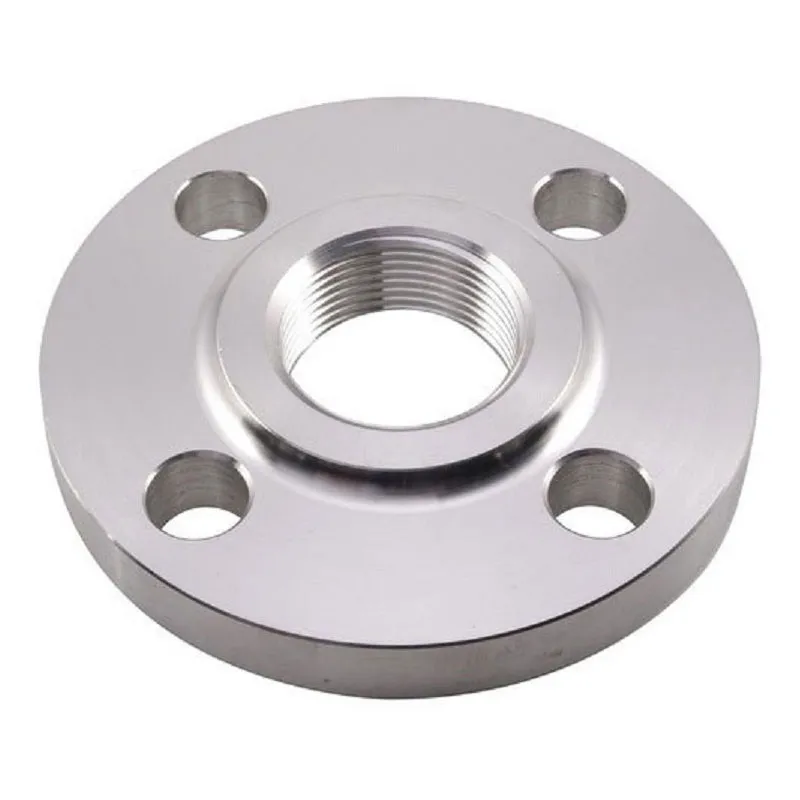 DIN 2565 Threaded flanges PN6
 -
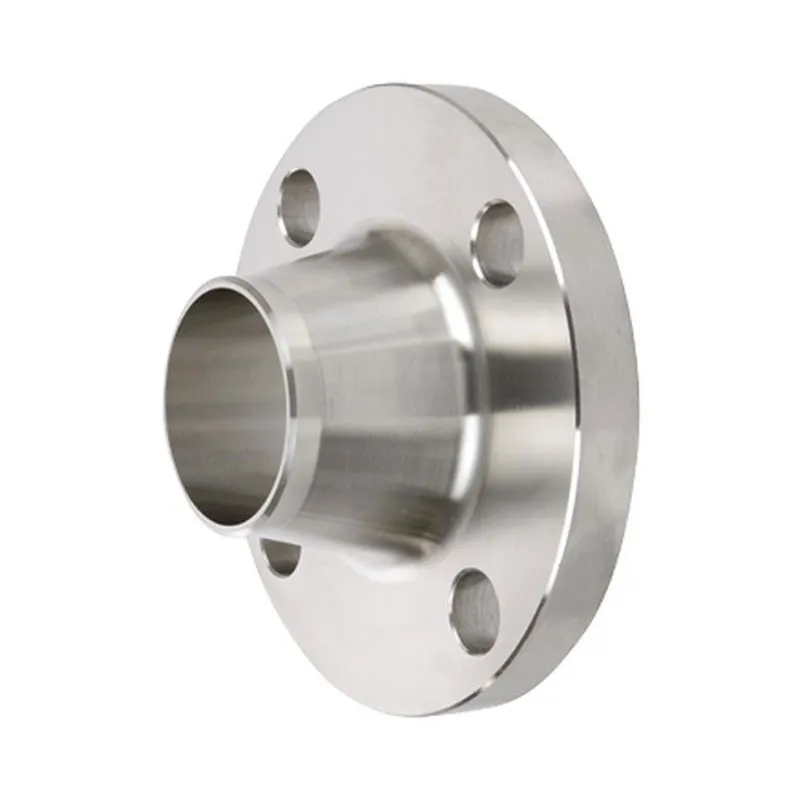 Ser.A Butt Weld Flanges Class 400
 -
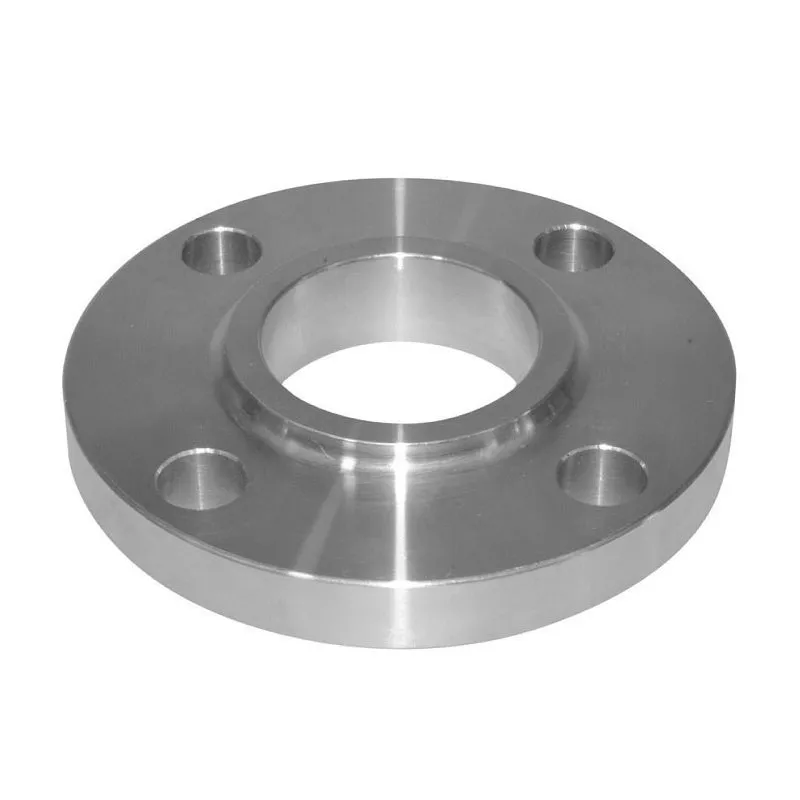 ANSI B16.5 Lap-on flanges Class 1500
 -
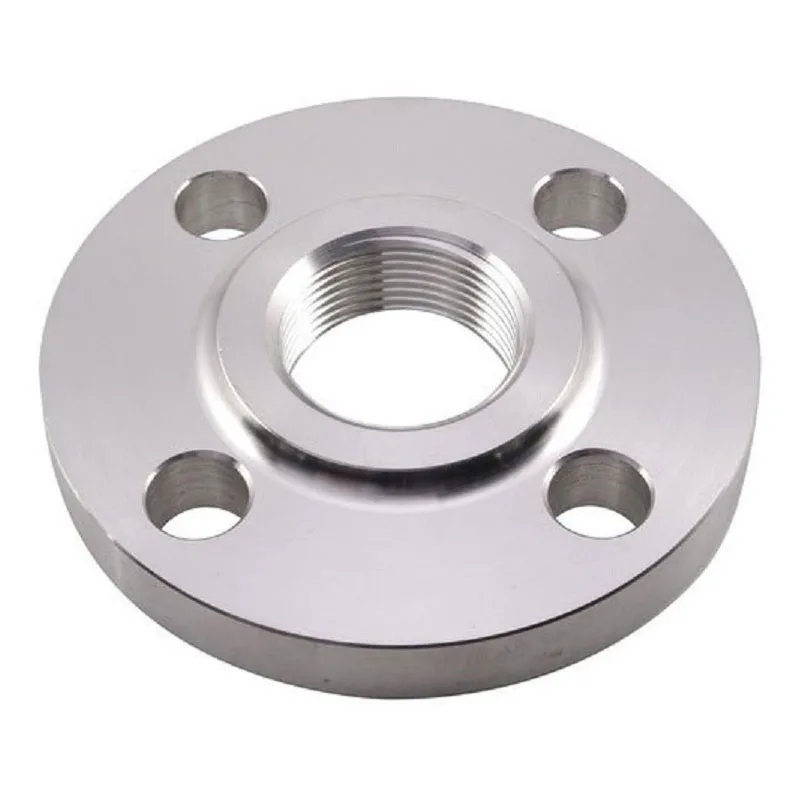 JIS 10K Threaded Flanges