
-
-
Phone
+86-13623462298



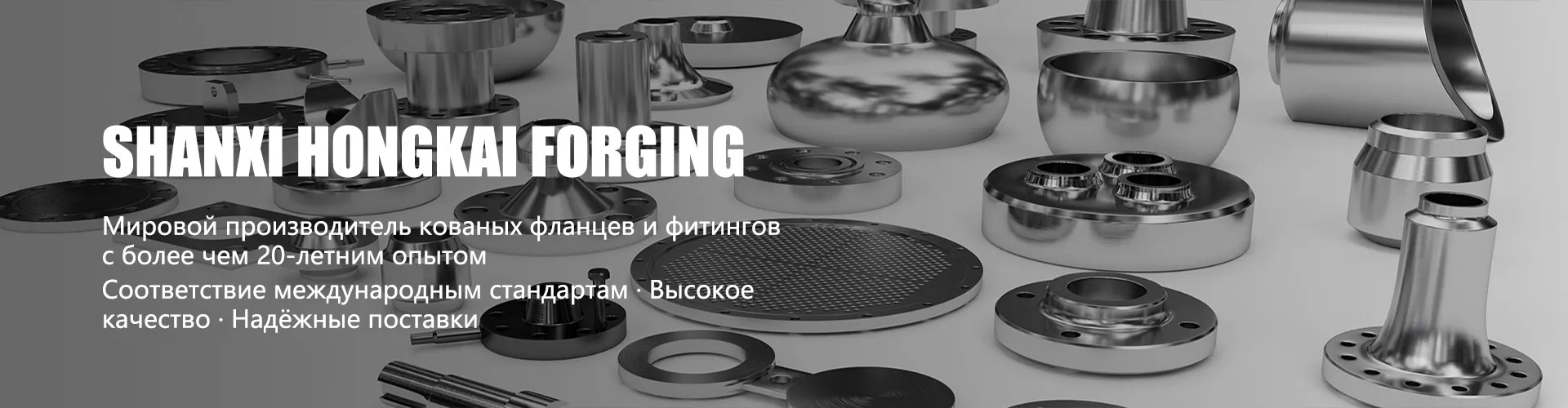
flange DN 125
When you hear “DN 125 flange”, everything seems simple: standard size, what’s there to think about. But it is precisely in this apparent simplicity that the main mistake lies. Many, especially at the purchasing stage, believe that the main thing is the diameter itself, and the material, design, type of seal are already details. In practice, it is precisely these “details” determine whether the unit will stand for years or will begin to leak in six months. By itself, DN 125 is only a conditional diameter, and the actual outer diameter of the flange, thickness, number and location of holes for the studs is already a matter of standard. And this is where the fun begins, because GOST, ASME B16.5 and EN 1092-1 are often completely different parts that do not mechanically fit together, even if the nominal size is the same. I have more than once encountered a situation where a shipment arrived at the warehouse, seemingly according to the drawing, but during installation it turned out that the radius of the neck of the butt-welded flange did not correspond to the pipe, or the thickness of the plate was less than the calculated one. And that’s it, a stopper, a search for those to blame, an urgent reorder. Therefore, for me the key word when working withflange DN 125- this is not a size, but a complete package of technical conditions.
Standards and pitfalls
Let's take, for example, the most common request - a flange according to GOST (old 12820-80). For DN 125 there are several pressure versions: 1.0; 1.6; 2.5 MPa. The difference in geometry is colossal. For Ru 1.6 the outer diameter will be 280 mm, and for Ru 2.5 it will be 295 mm. The centering protrusion, the diameter of the bolt circle - everything changes. If the specification simply states “flange DN 125 GOST”, this is a red flag. It is imperative to find out exactly what pressure, what design of the sealing surface (say, version B with a protrusion or E with a groove). Once we delivered a batch to a facility where, according to the design, there was an American pipe, but with the indication “analogue to GOST”. They installed it, tested it, and it seems to be holding. And when starting up in thermal cycling mode, they developed a leak. It turned out that the material according to GOST did not quite correlate in terms of linear expansion coefficient with the neighboring section according to ASME. A trifle, but it led to downtime.
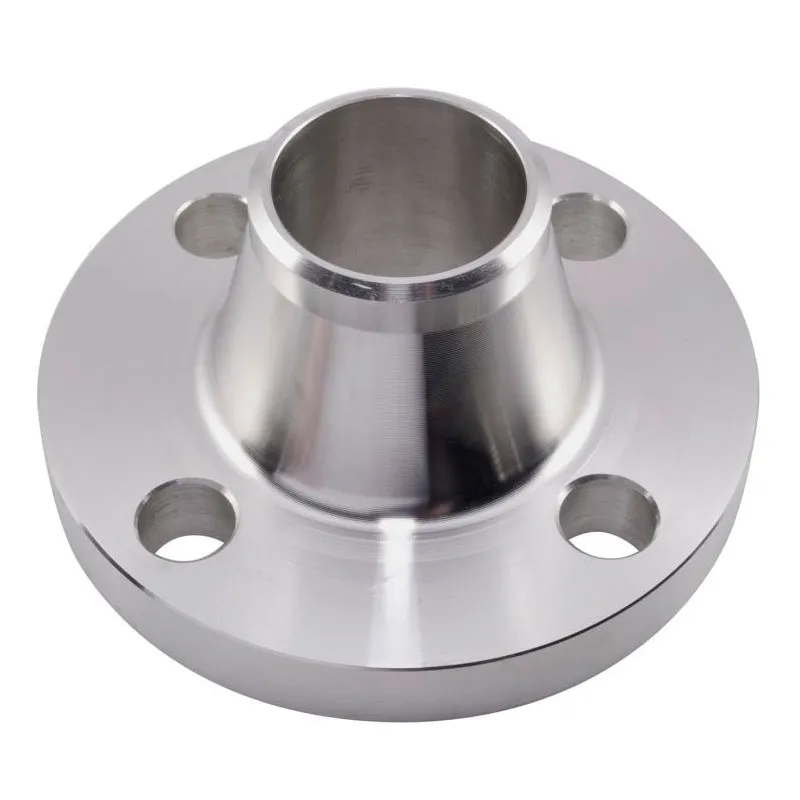
As for the material, not everything is clear here either. Steel 20, 09G2S, 12Х18Н10Т - this is a classic. But for DN 125, which is often used for critical lines - steam, aggressive media - saving on material comes at a cost. I have seen flanges made of steel 3, which seem to have passed ultrasonic testing, but after six months of operation in conditions of constant vibration (pumping units), microcracks appeared in the transition area from the bushing to the plate. We had to change the entire line. Therefore, now we always request the environment, temperature, operating mode. Sometimes it is more logical to offer not flat, butbutt weld flange(collar), especially for high pressures and temperatures - it has better stress distribution.
And one more nuance that many people miss is the quality of processing of the sealing surface. Roughness Ra is not just a characteristic on paper. For soft gaskets (paronite, fluoroplastic) one roughness is needed, for metal ribbed gaskets or lenses - another. It happened that we received flanges with ideal geometry, but the surface seemed to be polished “into a mirror”. On the one hand, it’s beautiful, but for paronitis it’s bad - the gasket can “float”. We had to modify it ourselves with a scraper to create the necessary micro-relief for adhesion.
Experience with suppliers and non-standard situations
When looking for a reliable manufacturer for serial and non-standard orders, you often come across the same thing: factories love large batches, but for small-scale or piece production they either jack up the price or are outright slapdash. The situation changed when they started working with Chinese manufacturers who specialize in forging. Not by casting, but by forging - this is important for mechanical properties. One of these isShanxi Hongkai Forging Co.,Ltd. On their websitehkflange.ruit is clear that the profile is narrow: forged flanges and forgings. This is a good sign. Specialization usually means a deeper understanding of the process. They work in accordance with GOST, ASME, DIN, which is critical for us, since projects are different.
I remember I needed it urgentlyflange DN 125made of steel 13HFA for low temperatures. There were no standard ones in stock. We went there. It was important not just to make the product, but to ensure the correct heat treatment mode (normalization) to relieve stress after forging and ensure impact strength. Their technical documentation clearly outlined the process, including controls at each stage. We received parts with a full package of certificates, including the results of mechanical tests and ultrasonic testing. They worked like a glove at the site. Since then, for critical applications I have been considering them as one of the options, especially when you need not just an assortment, but a comprehensive solution for the task.
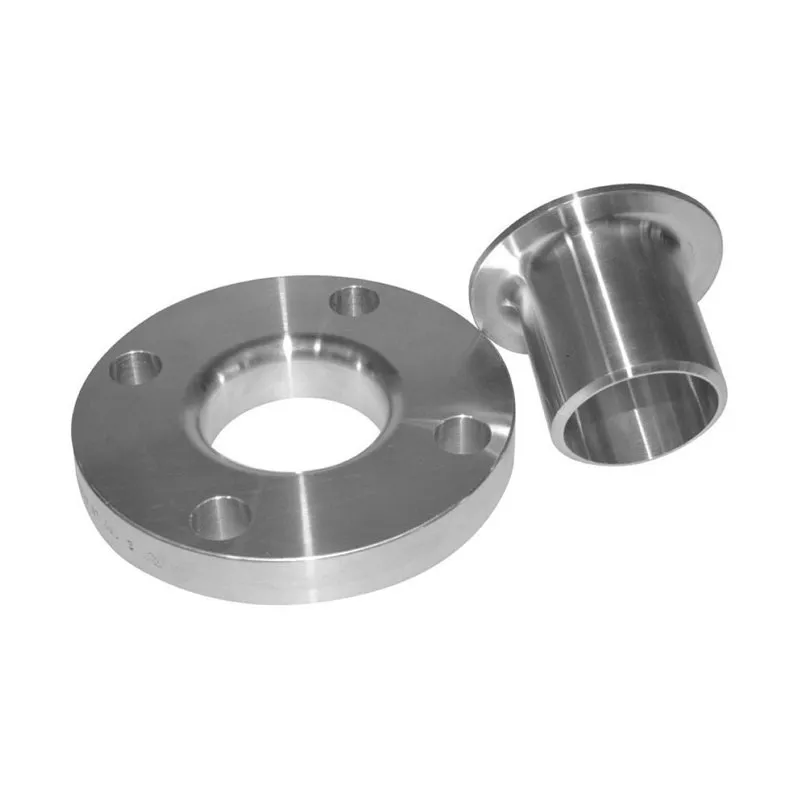
But you cannot let down your guard even with such suppliers. Once we ordered a batch of loose flanges (slip-on) DN 125 with a welded ring in accordance with GOST 12822-80. The drawings were approved. When we received it, visually everything was fine. But during the control assembly with the rings, it was discovered that the gap between the inner diameter of the free flange and the outer diameter of the ring in some specimens exceeded the permissible 2-3 mm. This is critical for alignment. It turned out that there was a slight difference in tolerances in the batch when processing two different components. I had to do selective measuring and sorting. The supplier acknowledged the problem and replaced the defect. Conclusion: no matter what the trusted manufacturer, incoming inspection, especially for loose flanges, is sacred. It is necessary to check not only each part, but also their connections.
Installation subtleties that are not in books
In theory, installing a flange connection means tightening the bolts crosswise to a certain torque. In practice, two problems often arise with DN 125. The first is accessibility. On a tight piping of a pump or heat exchanger, you won’t always be able to use a 36 or 41 wrench (depending on the standard). You have to use ratchet sockets or hydraulic tensioners. If you do not provide for this at the stage of designing the location of the nodes, installation turns into torture.
The second is the tightening sequence. For flanges with 8 studs (as is often the case with DN 125 according to GOST on RU 1.6) there are their own diagrams. But if the flange, say, is welded to a thick-walled apparatus, and the mating part is welded to a relatively thin pipe, uneven heating during welding can cause distortion. Once we did not see such a distortion, we tightened it according to the diagram, pressed it - there was no leak. And when the line warmed up to operating temperatures of 300°C, due to different thermal expansion, the distortion intensified, and the gasket was squeezed out. I had to stop it, cool it, cut off the seams and weld it with strict control of alignment. Now, if there is the slightest doubt, we always use a laser centering machine. Yes, it takes time, but it pays off in the absence of emergency stops.
And one more thing about gaskets. For DN 125, PON paronite is often taken by default. But if the medium is hydrocarbons with an admixture of hydrogen sulfide, paronite can be destroyed. Here you need graphite or a spiral wound gasket. But they also have a subtlety: for a spiral-wound gasket, the sealing surface of the flange must have a groove (tongue-groove type). If you have flanges with a smooth surface, this gasket will not work. You have to either change the flanges (which is expensive) or look for a different type of gasket. This is exactly the case when a decision on components needs to be made in conjunction, and not separately.
When you need non-standard
It happens that the standardflange DN 125doesn't fit. For example, it is necessary to shift the bolt holes relative to the standard markings in order to mate with old equipment, or to make the plate thicker to compensate for the increased bending moment. Here we already work with the manufacturer at the level of technical consultations. It is in such cases that the site is usefulhkflange.rufromShanxi Hongkai Forging Co.,Ltd, where manufacturing according to customer drawings is stated. It is important not just to upload a drawing, but to explain the working conditions. We once ordered a flange with a reinforced collar for welding to a thin-walled coil in order to distribute the load. They sent me a 3D model and stress calculations from their engineer - this inspires confidence.
Another example of a non-standard is an adapter flange from DN 125 to another standard, say, from GOST to ASME. It's not just two plates welded together. It is necessary to correctly calculate the thickness so that different expansion coefficients and operating pressures do not create a point of increased stress. Here, without competent calculation of strength, there is no way. It’s better when the manufacturer can provide such a calculation, and not just do it “as shown”.
And, of course, control. For non-standard products, we always specify in the technical specifications 100% control of geometry, ultrasonic inspection of welds (if any) and hardness. Acceptance - according to the act with all protocols attached. Yes, this increases the price of the product and increases the term, but then you don’t have to blush in front of the customer. Experience has shown that saving at the manufacturing and control stage means guaranteed to overpay at the installation and commissioning stage, at best. At worst, you get an accident.
Final Considerations
So, back to the beginning.Flange DN 125is not just a position in the specification. This is a unit that requires a comprehensive look: standard, material, workmanship, mating parts and operating conditions. You cannot select it in isolation from the rest of the system. The most expensive flange from the most famous manufacturer may not work if the nuances of installation or the properties of the environment are not taken into account.
For serial purchases, it is now, of course, easier - there are proven channels and warehouses. But even so, I always personally look at the first part from the batch, check key dimensions with a caliper, and look at the quality of the surface. This is a habit that has saved me more than once. And for complex, non-standard or critical tasks, it makes sense to look for a highly specialized manufacturer who is ready to dive into the task, and not just sell the part from a warehouse. Like the sameShanxi Hongkai Forging Co.,Ltd, which positions itself as a manufacturer of forged flanges and forgings. In their case, one can see a focus on the technical part, and not just on commerce.
In general, my main advice is to never treat flanges as simple hardware. There is a whole story behind each such detail: from the choice of steel grade and forging technology to the moment the last bolt is tightened on site. And only by understanding this complete chain can you be sure that the connection will be tight and durable. Everything else is a lottery, which is better not to play in our industry.
Correspondingproducts
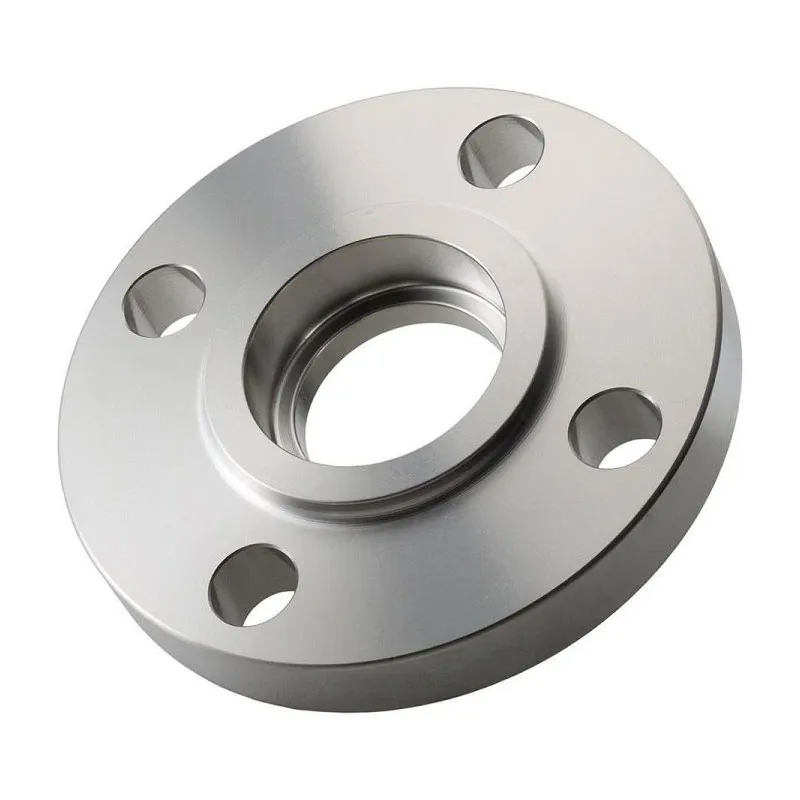
Related Products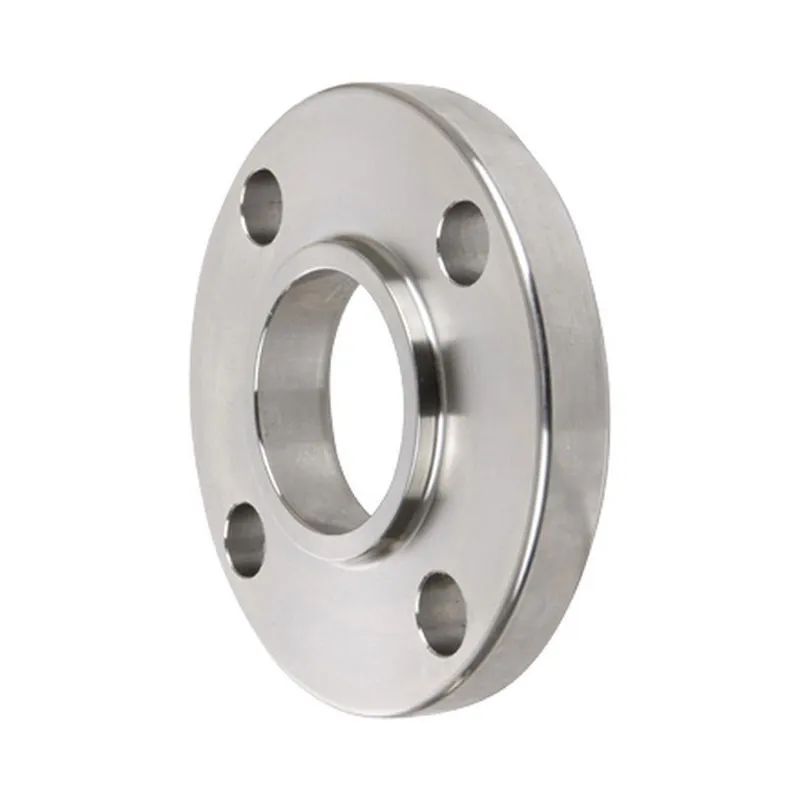
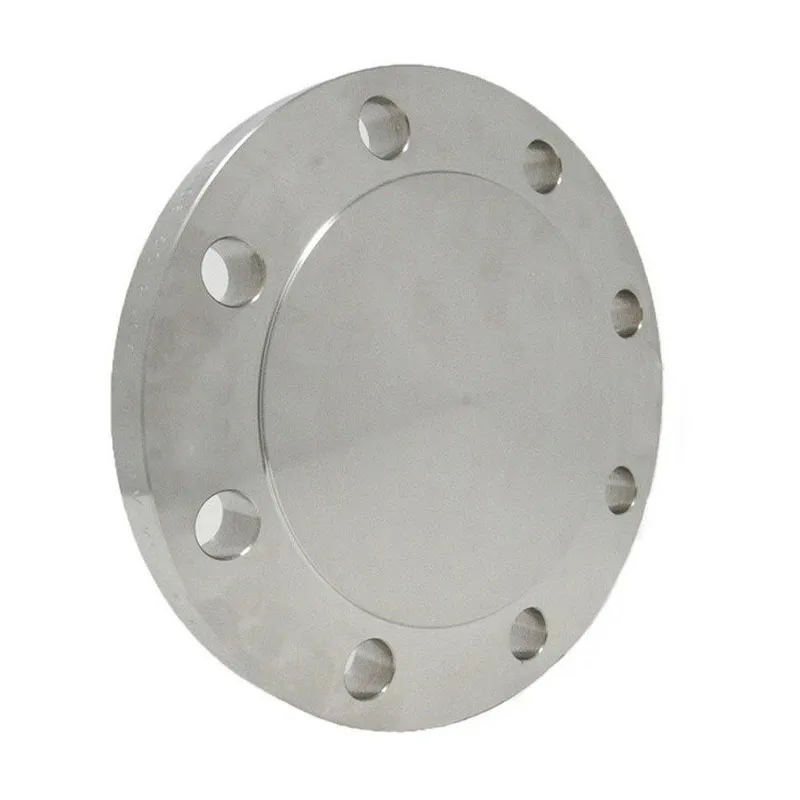
Best Sellingproducts
Best Selling Products-
 EN 1092-1 Threaded flanges Type 15, PN16
 -
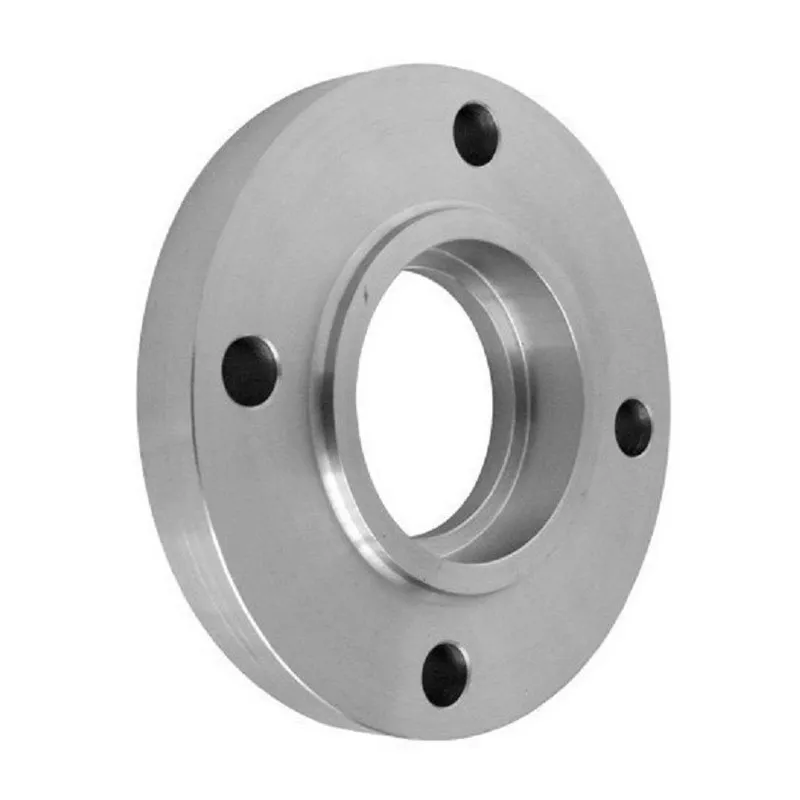 JIS 5K Socket Weld Flanges
 -
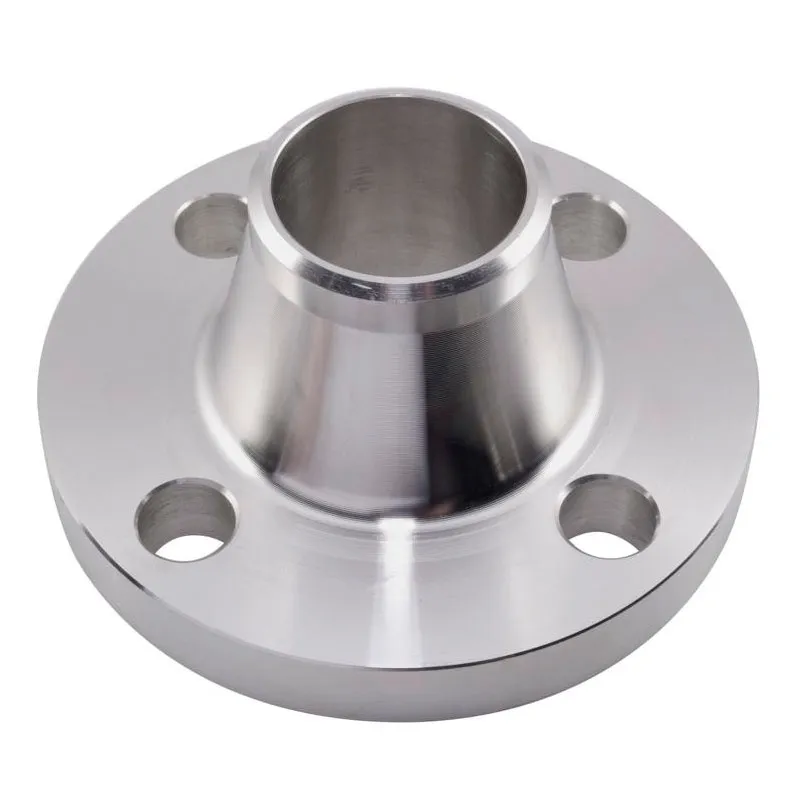 Butt weld flanges Class 900
 -
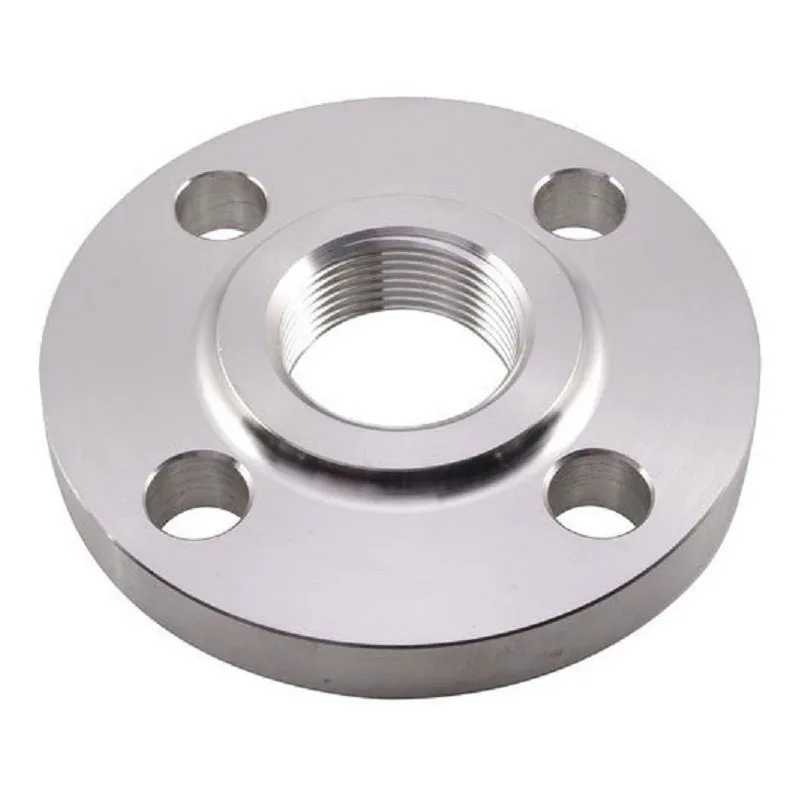 ANSI B16.5 Threaded Flanges Class 600
 -
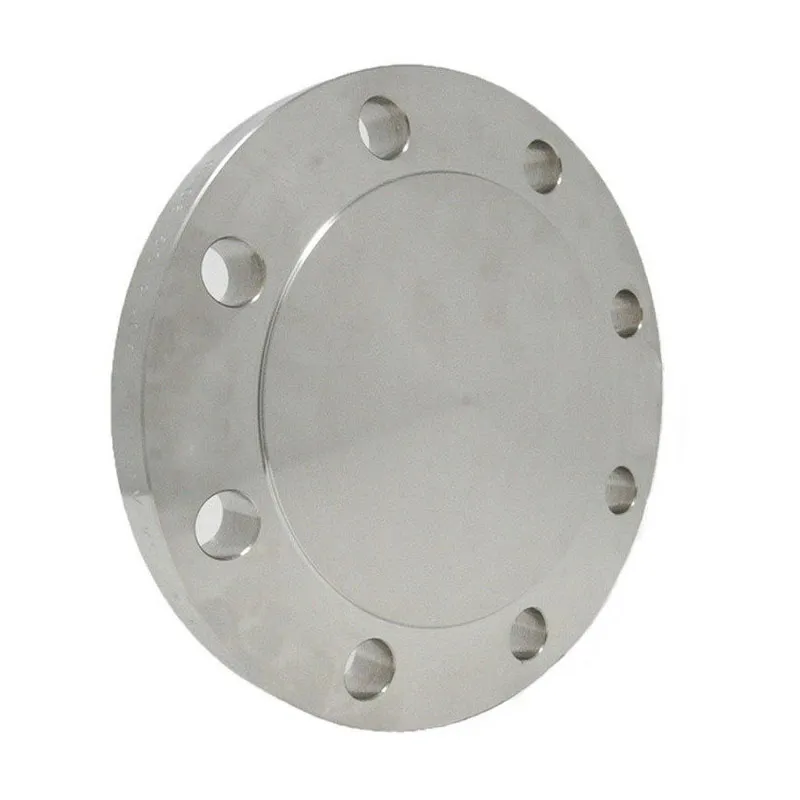 AWWA Blind Flanges Class D (Tables 1, 2, 3)
 -
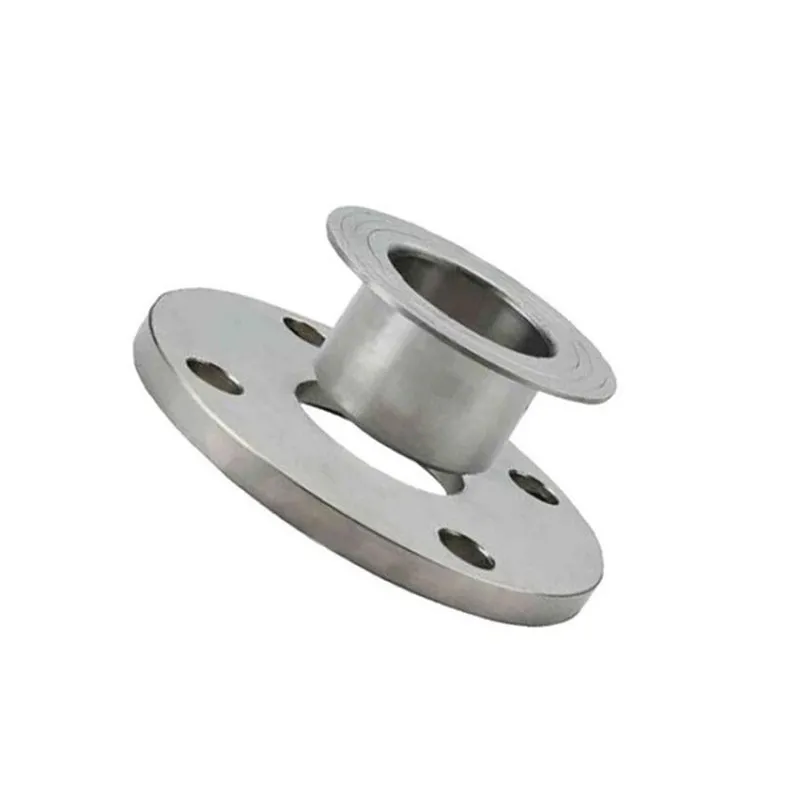 JIS 10K Loose Ring Flanges
 -
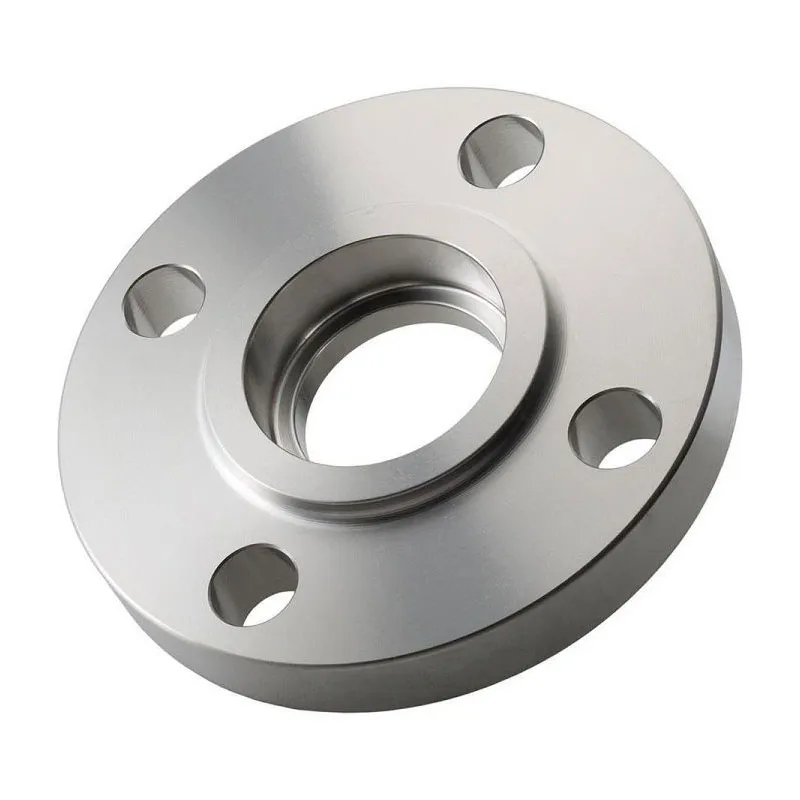 ANSI B16.5 Socket Weld Flanges Class 1500
 -
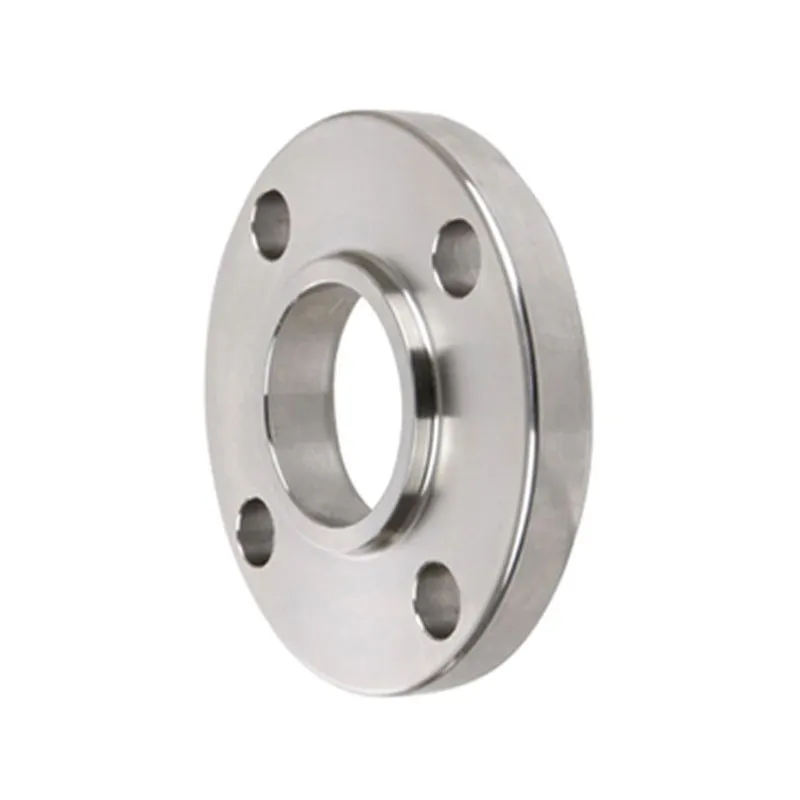 ANSI B16.5 Lap-on flanges Class 300
 -
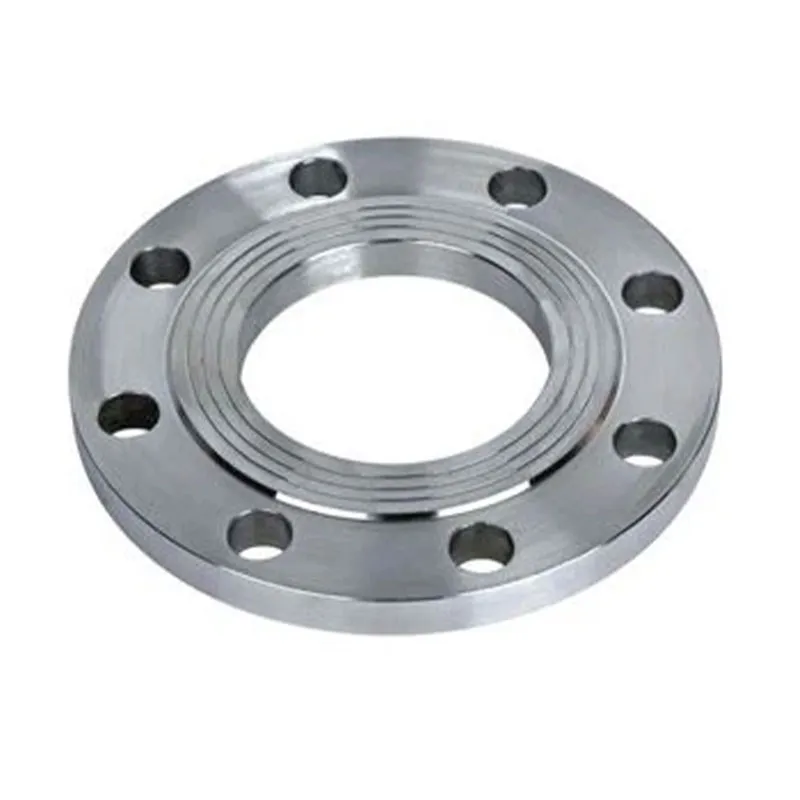 Butt weld flanges Class 150
 -
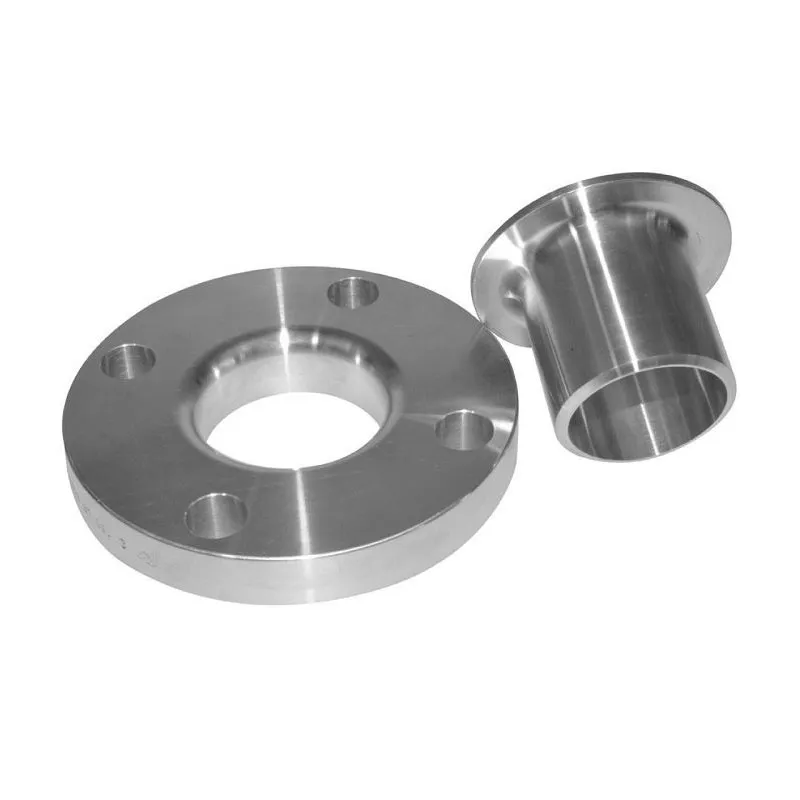 ANSI B16.5 Loose Ring Flanges Class 2500
 -
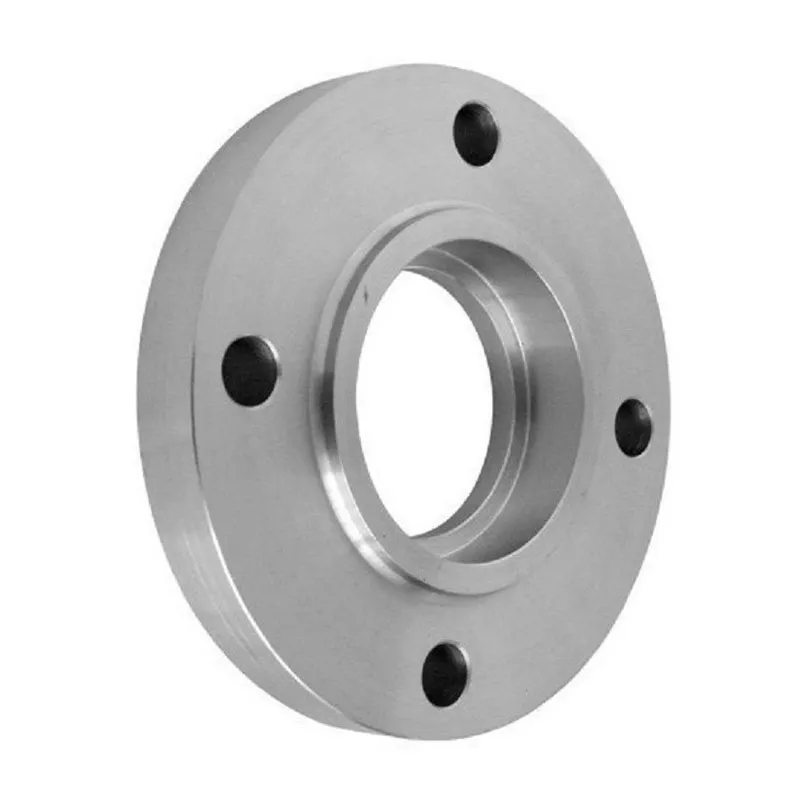 Socket Weld Flanges Class 300
 -
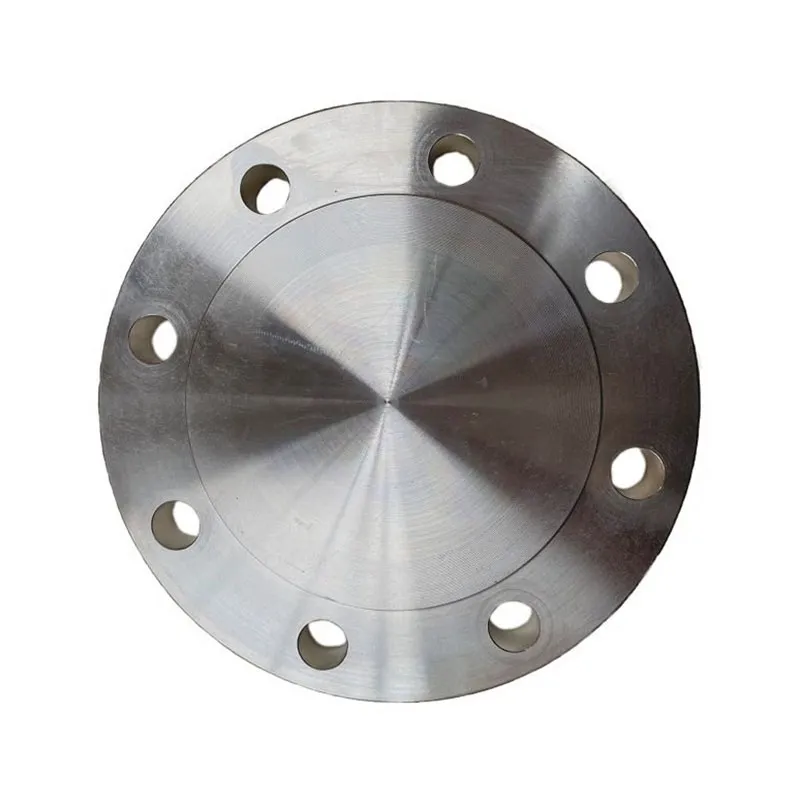 ASME B16.47 Ser.A Blind Flanges Class 400