
-
-
Phone
+86-13623462298



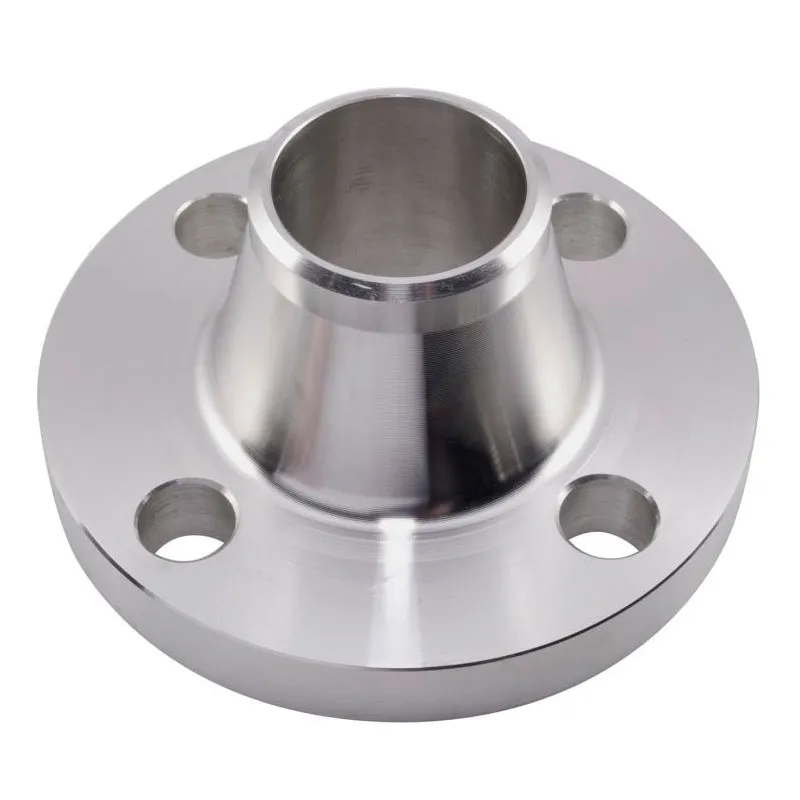
flange 65 16 01
These numbers - 65 16 01 - are often typed into searches, and many people think that this is some special, almost unique type of flange. In fact, marketing aside, this is a standard designation that immediately evokes specific associations for an experienced welder or mechanic. 65 is most likely a conditional pass, DU. 16 - pressure, RU. And 01... This is where there are hiccups. In some catalogs this is the surface design, in others it is the type of steel or even the version of the drawing. When we purchased a batch for repairs at one of the oil refineries near Perm, it was precisely because of this ?01? Almost installed flanges with an inappropriate seal. It turned out that the supplier interpreted this as version 1 according to GOST 12815-80 (protrusion-recess), and our technical specifications meant flat design. The difference is a few millimeters in height, and as a result there is a risk of leakage. I had to urgently look for a replacement.
Breaking down the numbers piece by piece
Let's go in order. Flange 65 16. This is a classic for medium pressure pipelines. DN65 is a common size, often used for piping pumps, valves, and connecting devices. Ru16 is 1.6 MPa, a working pressure that covers the lion's share of technological lines that are not high-pressure. The material that most often fits these parameters is st20 or 09g2s. But if the designation contains this same ?01?, you need to look at the accompanying documentation. This may be an indication ofsealing surface design. In that unfortunate case for Perm, we ended up using flanges with a flat surface (version 1).
Does it happen that ?01? - this is the material code according to the plant’s internal classifier. For example, some Russian manufacturers have ?01? - This is carbon steel. Others have the first standard design. Hence the main mistake: to assume that the designation is universal. It should always be checked against the passport or catalog of a specific manufacturer. I always ask technologists to send not just a catalog number, but a sketch or a clear indication of the standard.
And here's another moment. Often they simply search for ?flange 65 16 01? without reference to the standard. And this could be GOST or ASME B16.5. And these are completely different products! Bolt threads, diameters, thickness - everything is different. ASME is usually on imported equipment. We had a case with a compressor from Germany - we had to install an adapter flange, because "relatives" ASME Class 150 did not match the holes with our GOST ones. We lost a week making adapters.
Experience working with different suppliers
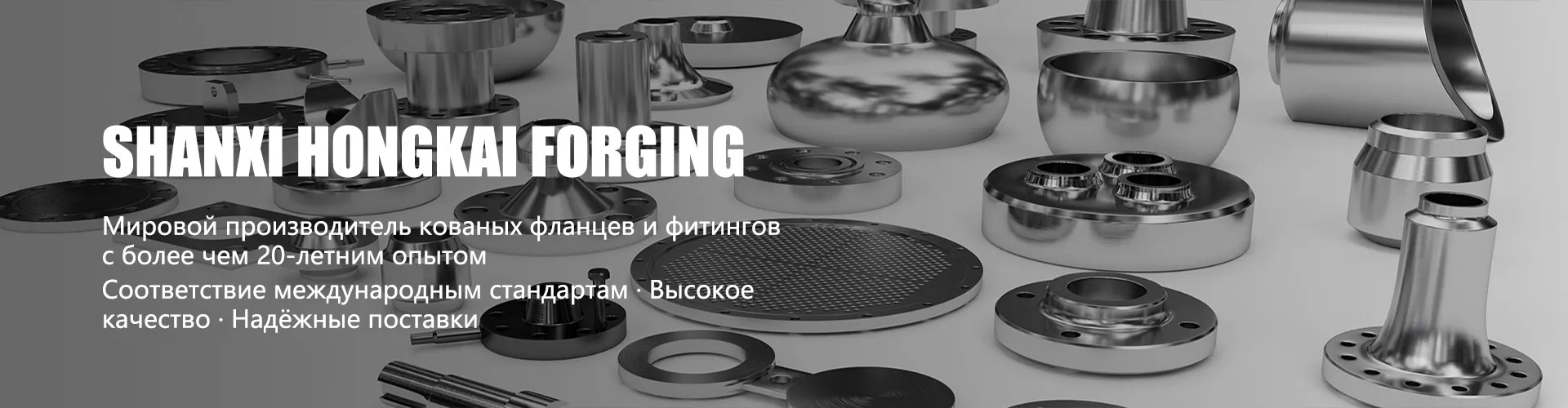
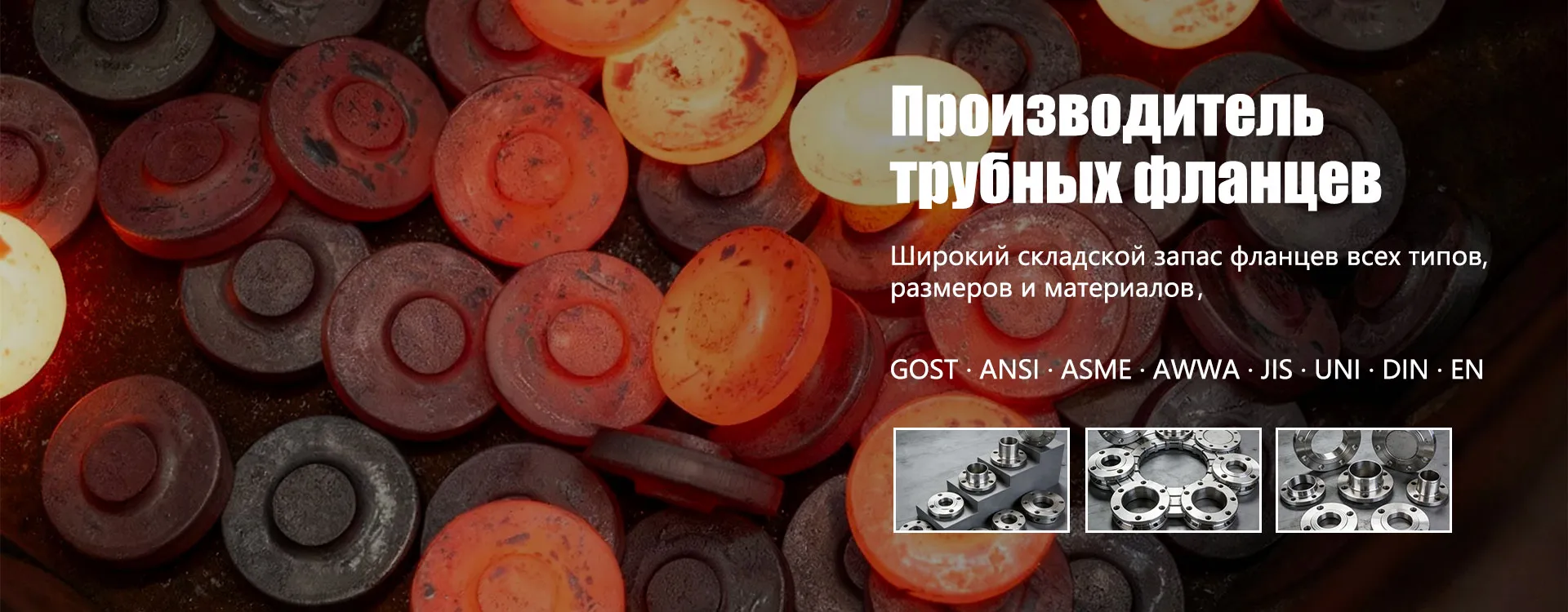
Previously, we often bought from local factories, but in recent years we are increasingly paying attention to Chinese manufacturers. Not to those who trade on wheels, but to serious factories with their own forging and pressing production. The quality has started to level out a lot. For example, I look at the websiteShanxi Hongkai Forging Co.,Ltd(https://www.hkflange.ru). Their description clearly states that they are a manufacturer of forged flanges, and not just a trading company. This is important. Forging gives a better metal structure, especially for critical components.
What I like about their approach is that they immediately work according to standards: GOST, ASME, DIN. That is, if I need the sameflange 65 16, but according to ASME, they will make it exactly the same, and not “roughly similar?”. And their size range is up to DN4000, which indicates the capabilities of the equipment. For large projects this is critical. Once we ordered non-standard flanges from them for a heat exchanger according to our drawings. The material was 12x18n10t. They did it without any problems, with a full package of certificates, including ultrasonic testing. Everything arrived on time.
But even with Chinese supplies there are some problems. Once we took a batch of DU100 Ru25 flanges from another supplier. Externally - perfect. And during installation it turned out that the holes for the studs were drilled with a slight offset. Not critical, by a couple of millimeters, but it was painful to assemble - the studs fit in tightly, so I had to countersink. Apparently, the equipment on the machine was not checked in time. Since then, for critical lines we require selective size control before shipment. Large manufacturers, such as the mentioned Hongkai, usually provide this without question.
Installation nuances and typical mistakes
Let's say the flange is correct, the material is suitable. The most common installation mistake is incorrect tightening. For DN65 Ru16, 8 M16 studs are usually installed. You need to tighten it crosswise, with a torque wrench, to a certain torque. Often teams save time and work hard? impact wrench. The result is misalignment, uneven load on the gasket, and after six months of operation - traces of leakage along the lower part.
Another point is the condition of the sealing surfaces. Even newflangemay have minor nicks or scratches from transportation. Before installation, I always recommend sanding the surface with fine sandpaper to remove any burrs. And be sure to clean it from oil and dust. I saw how a paronite gasket was placed on a surface covered with preservative grease. During pressure testing, everything, of course, began to leak.
And don’t forget about thermal expansion. For steam lines or hot process streams, flange and stud material must be considered. If the flange is made of steel 20 and the studs are made of 35 steel, the expansion coefficients are different. When warming up, depressurization may occur. Therefore, for temperatures above 200°C it is already necessary to look towards alloy steels and more careful calculation of the package.
When to order a custom solution
It happens that the standard flange 65 16 01 is not suitable. For example, you need an offset or non-round hole, a non-standard thickness due to increased vibration loads, or welding to a shell with a non-standard wall thickness is required. This is where manufacturers who work according to customer drawings come to the rescue. Like the sameShanxi Hongkai Forging Co.,Ltd, which positions the production of non-standard products as one of its services.
We had a project to modernize an old coal preparation line. There was a cast iron valve body to which a new steel pipeline had to be attached. The flanges were non-standard, with a large outer diameter, but with a seat for the old cast-iron union nut. We found a factory that made us several pieces using forging followed by machining. It was important to forge it, and not cut it from a sheet, to ensure strength. They did it, delivered it, everything came together.
When ordering a non-standard product, the most important thing is the most detailed drawing. It is necessary to indicate not only all dimensions and tolerances, but also the grade of material, type of surface treatment (for example, roughness Ra for compaction), heat treatment requirements (annealing, normalization), if necessary. And be sure to indicate the standards that you need to focus on (for example, GOST 12815 for basic parameters). The more detailed the technical specifications, the fewer questions the manufacturer will have and the more accurate the result will be.
Instead of a conclusion: a short checklist
So, if you come across a specification withflange 65 16 01, don’t rush to just search using these numbers in the online store. Specify: 1) Full standard (GOST, ASME, etc.). 2) What does the last digit mean (design, material). 3) Steel grade (weldability and application depend on this). 4) Is certification required (for example, for hazardous industries).
For critical applications, it is better to work directly with manufacturers, especially those who have a full cycle from forging to processing. This gives control over the quality of the original workpiece. Sites like hkflange.ru are useful precisely because you can see there - this is a factory, not a reseller. You can request technological maps, certificates for materials, test reports.
In general, the numbers are just a starting point. Behind them there is always a specific technical history, operating conditions and a lot of nuances that determine whether the connection will last for years or will leak at the most inopportune moment. The experience lies precisely in seeing behind the dry designation a living part in the pipeline, with all its future loads and environment.
Correspondingproducts
Related Products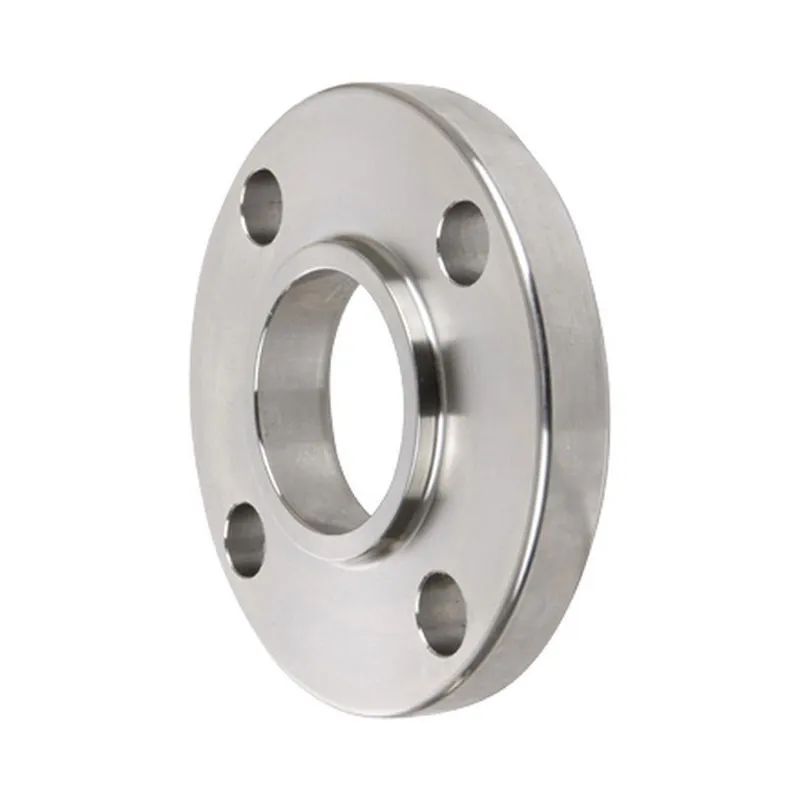
Best Sellingproducts
Best Selling Products-
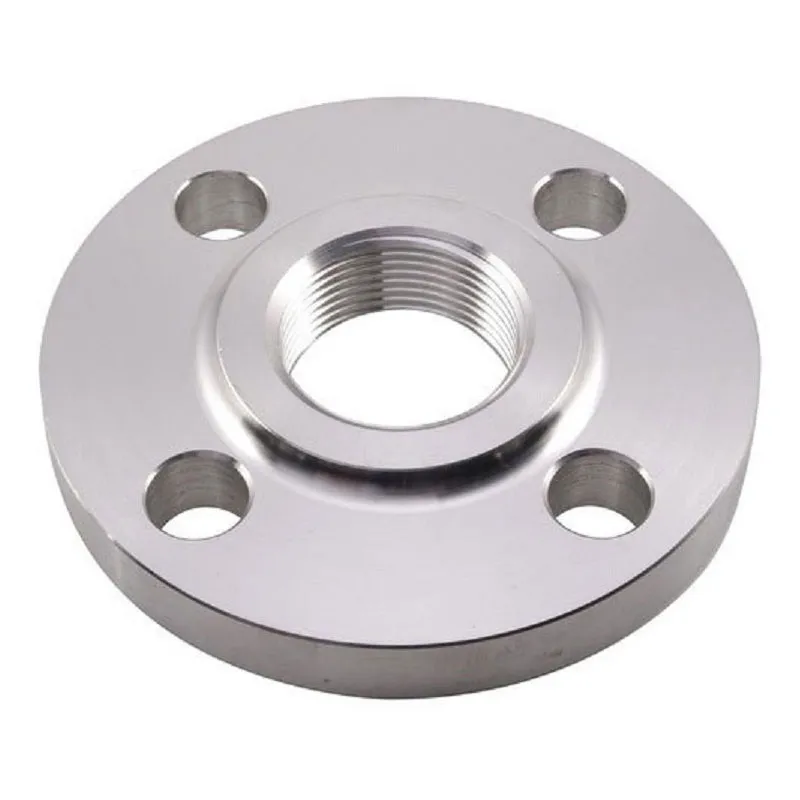 DIN 2565 Threaded flanges PN6
 -
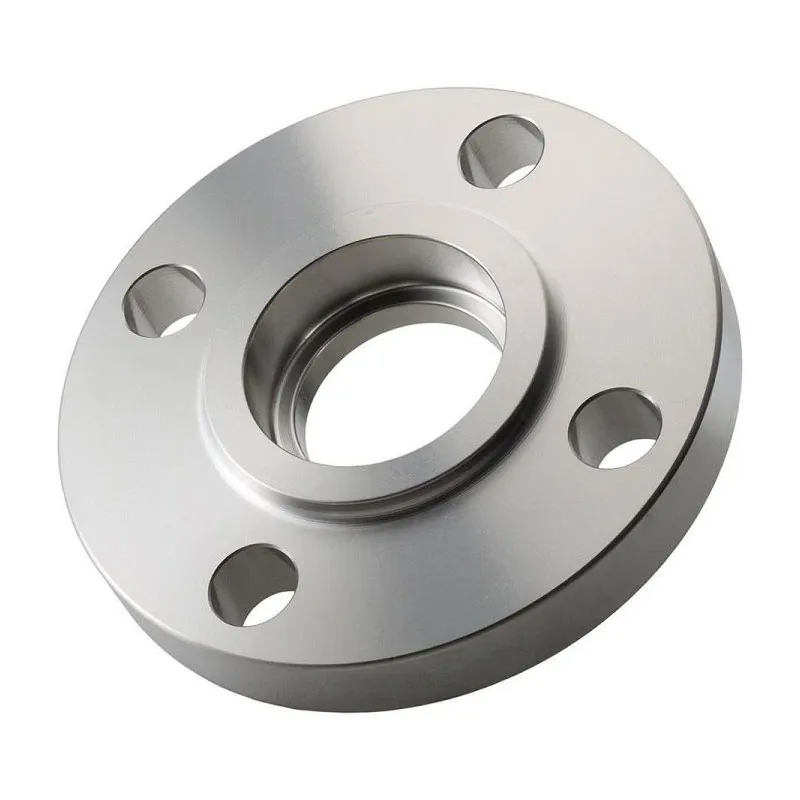 ANSI B16.5 Socket Weld Flanges Class 150
 -
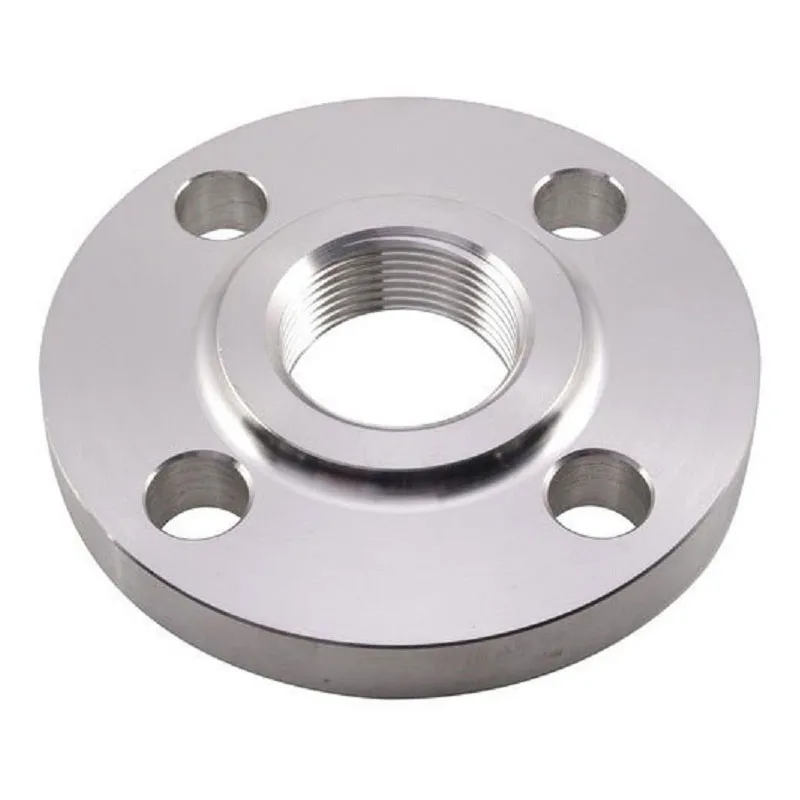 EN 1092-1 Threaded flanges Type 15, PN16
 -
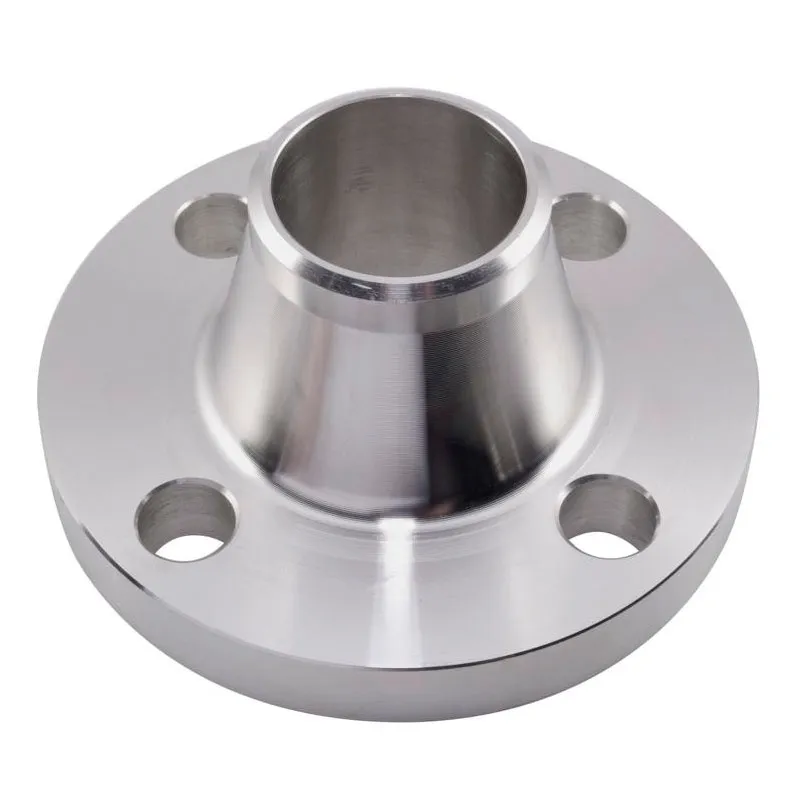 Butt weld flanges Class 900
 -
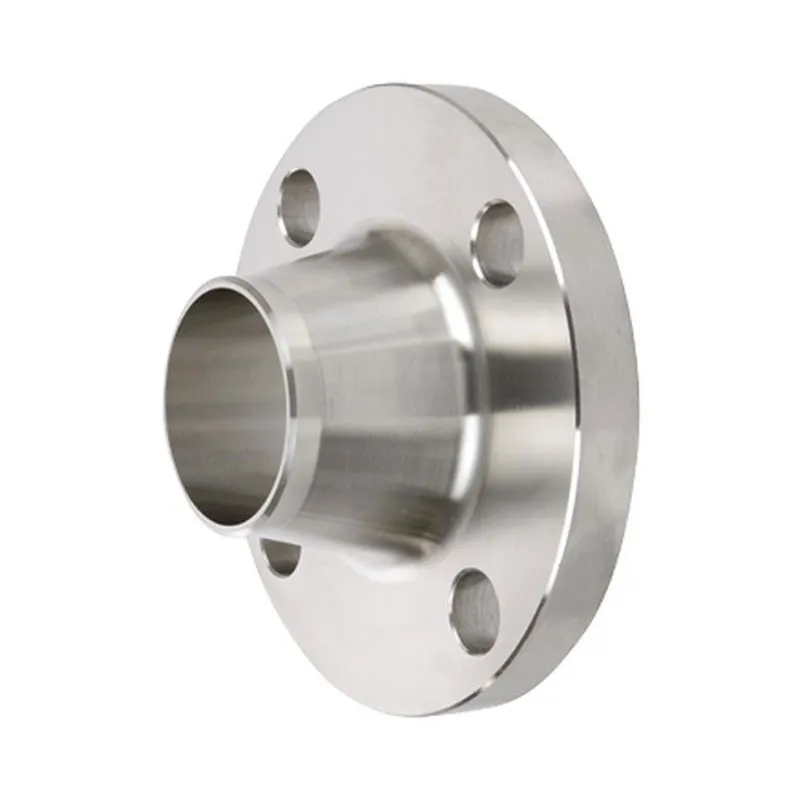 Ser.A Butt Weld Flanges Class 400
 -
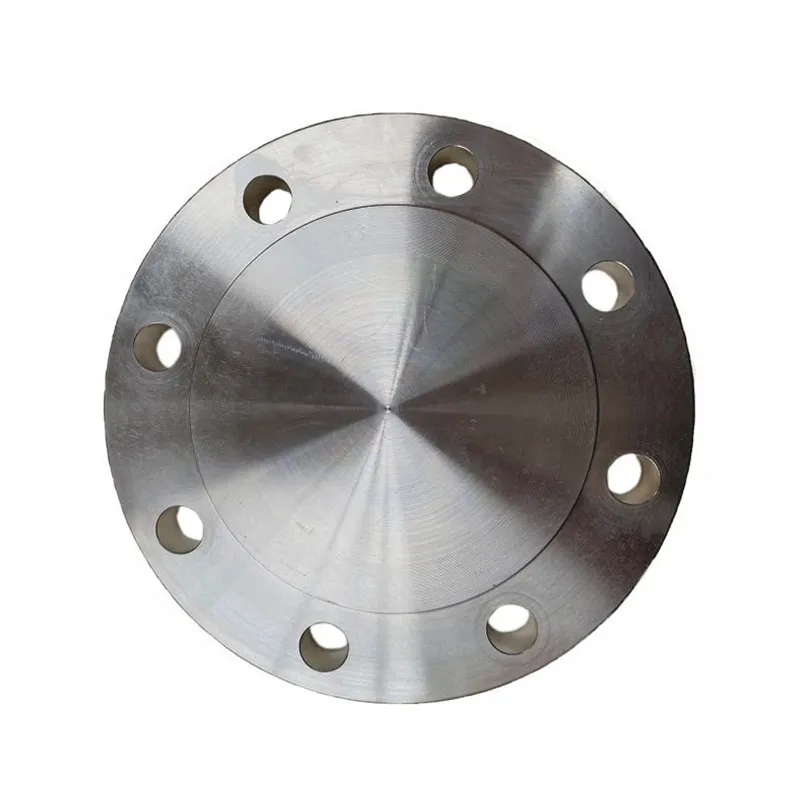 DIN 2527 Blind flanges PN10
 -
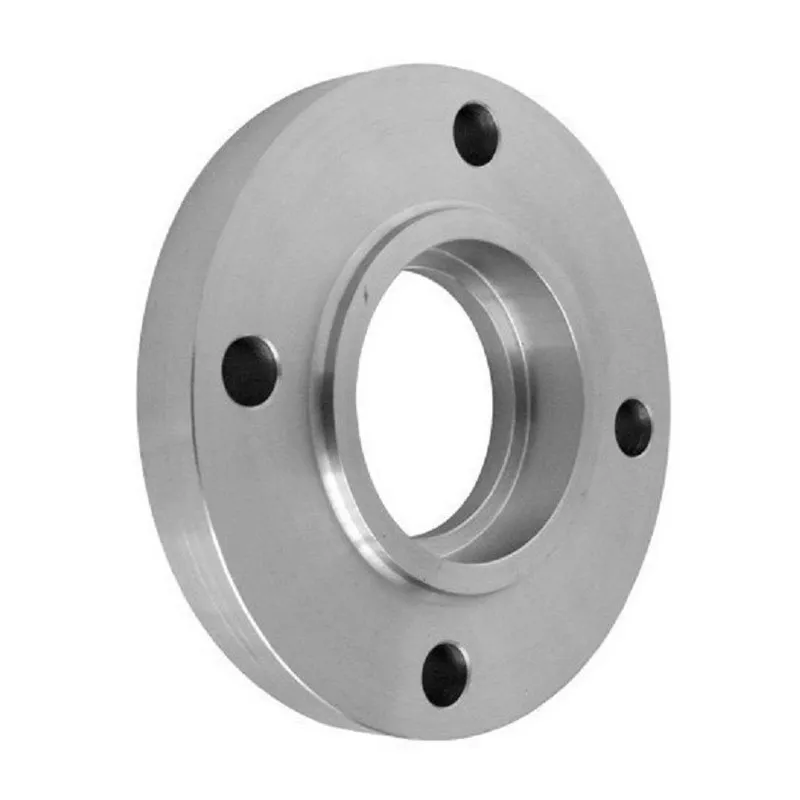 JIS 5K Socket Weld Flanges
 -
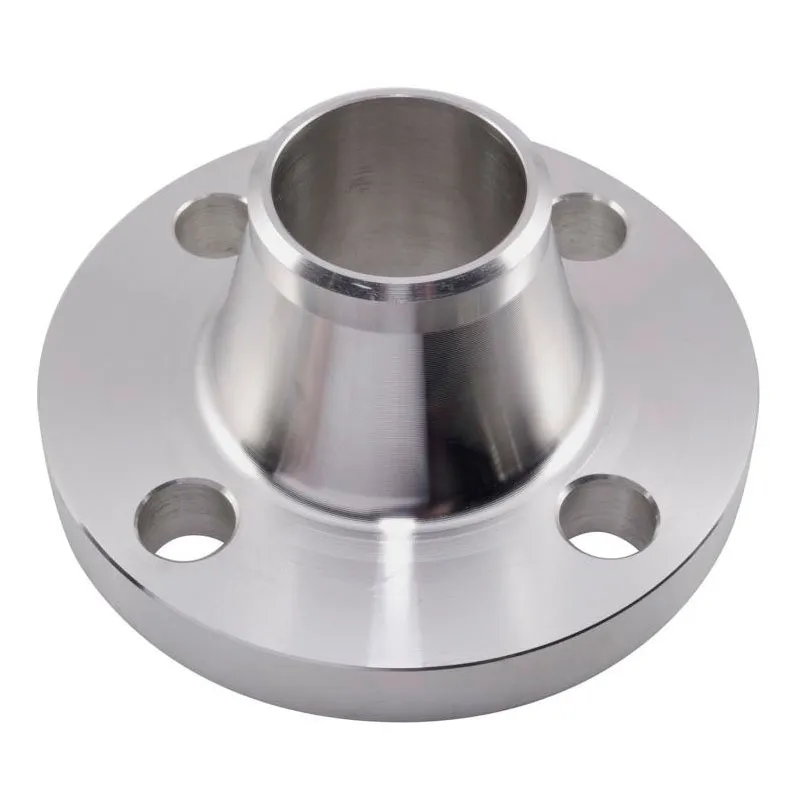 DIN Butt weld flanges PN10
 -
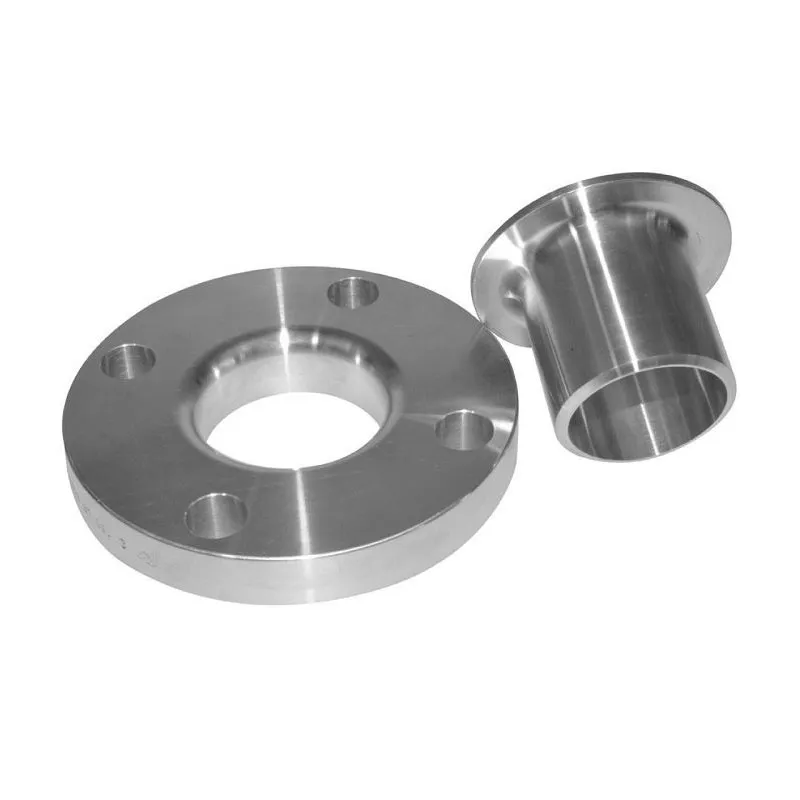 ANSI B16.5 Loose Ring Flanges Class 2500
 -
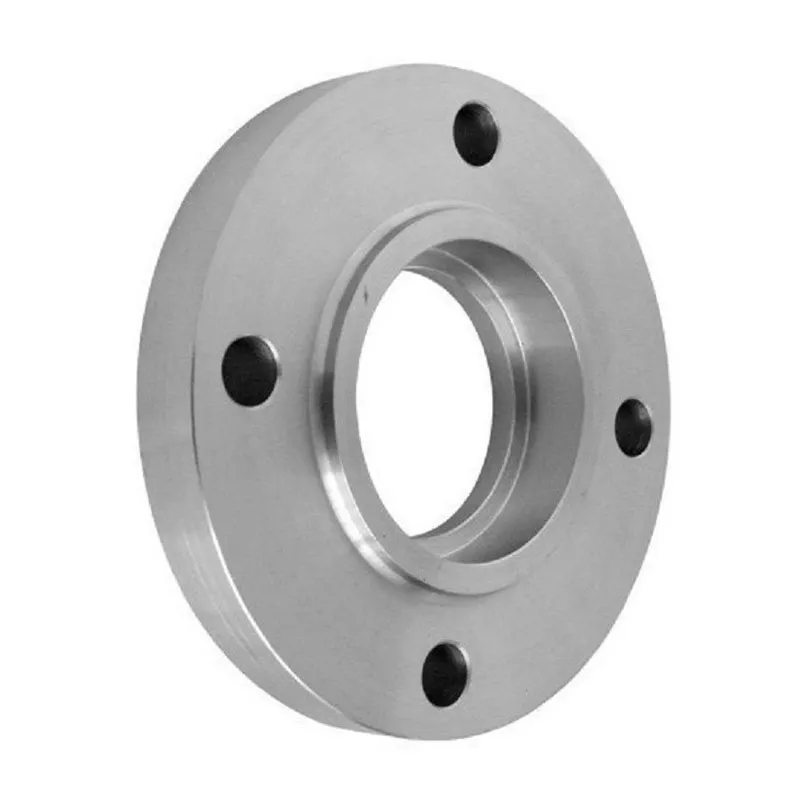 Socket Weld Flanges Class 300
 -
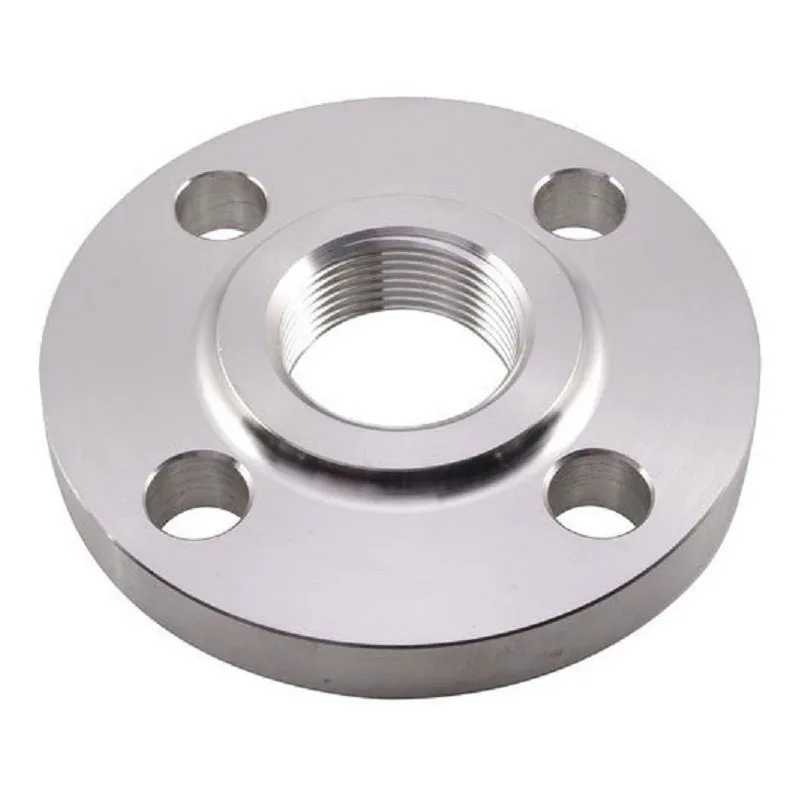 ANSI B16.5 Threaded Flanges Class 600
 -
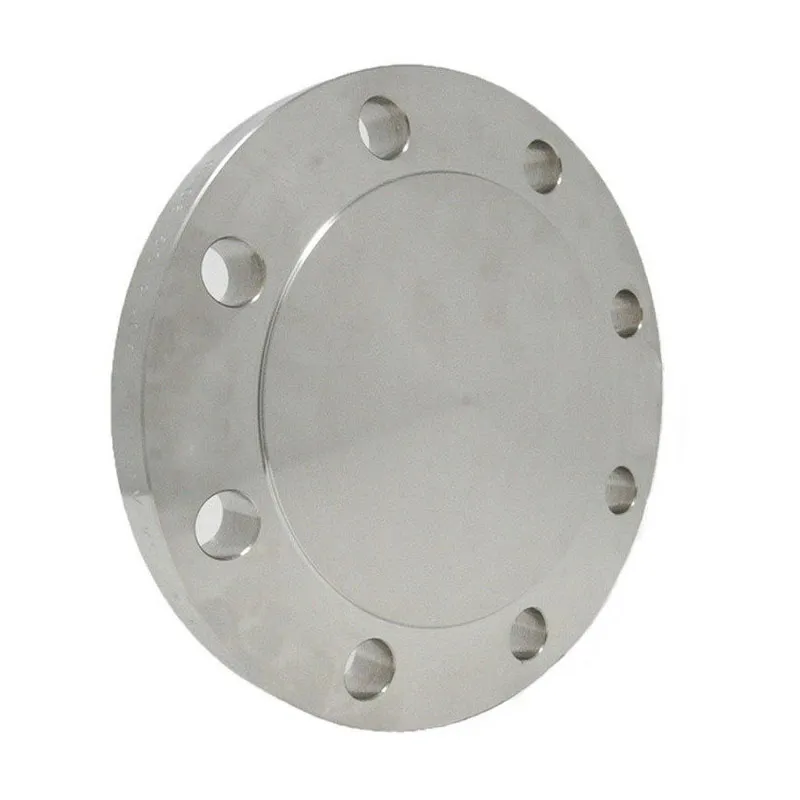 AWWA Blind Flanges Class D (Tables 1, 2, 3)