
-
-
Phone
+86-13623462298



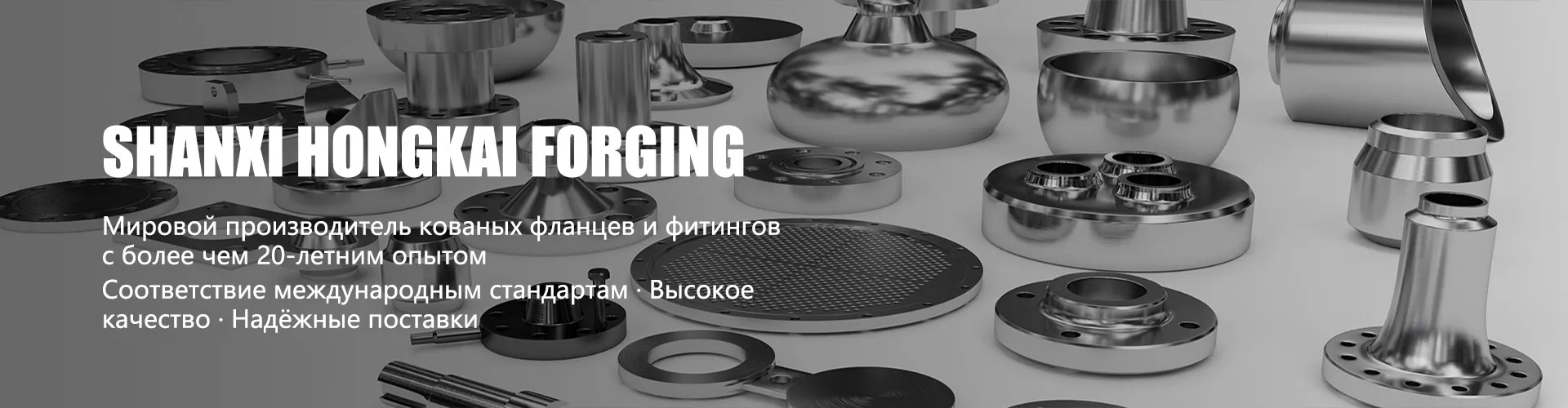
flange 80 weight
I often see requests like “flange 80 weight?”. I understand that people want to quickly get a figure for calculation, but there is a trap here. I got burned by this myself many years ago. Weight is not a constant, but a derivative of the mass of other parameters. If you simply take the first value you come across from the table, you can make a big mistake in selecting fasteners or in calculating the load on the supports. Especially when it comes to forged steel flanges, where even within the same nominal diameter and pressure, the material, type of execution, standard - everything changes the picture. Yes and ?80? — is it DN80, or is it something else? We need to clarify right away.
Why is the flange weight 80? - question without context
Let’s say a request came in: “We need a flange for 80, weight for a commercial offer?”. The first thing that comes to mind is which one exactly? Flat welded (PF), collar welded (VF), free on a welded ring? For a PF according to GOST 12820-80, the weight of one flange on PN16 will be the same, but for a VF according to GOST 12821-80 for the same pressure it will be different, and the difference can be one and a half to two times. And we have not yet delved into the differences between GOST and ASME B16.5, where for Class 150 the geometry is different.
What about the material? Steel 20, 09G2S, 12Х18Н10Т? The density is different, but the main thing is that the thickness of the welded end and the dimensions of the hub at the collar flange for different pressure classes change dramatically. For stainless steel, by the way, sometimes slightly different tolerances are made, which also affects the weight. Once, for a project, we supplied a batch of flanges from 09G2S, calculating the weight according to standard tables for steel 20. Loading turned out to be easier, the logisticians were worried, they thought it was understaffed. I had to figure it out - the difference in the density of the materials provided the very “missing” one. a ton
And the most insidious thing -flange 80according to the old Soviet designation, it could mean a conditional diameter of DN80, which corresponds to DN80. But in some old drawings or in conversations with installers you can also hear about an “80 mm flange?” - and this may already be the outer diameter of the pipe. Confusion results in delivery of the wrong product. Therefore, now in our work we always require full marking: type, DN, PN/Rating, material, standard. Only then can you accurately tell the weight. On the websiteShanxi Hongkai Forging Co.,Ltd (https://www.hkflange.ru), for example, product cards always indicate the approximate weight for each standard size, but with the caveat - “given for such and such an alloy, please specify?”. This is an honest approach.
From practice: when the weight figure is critical
Several years ago we worked on installing a section of a high-pressure main. They were used thereforged flangesDN80, but on PN100. The thickness and dimensions are serious. Engineers made calculations of dynamic loads, vibration, and the mass of the flange pair was one of the key parameters for choosing supports and brackets. We then provided data on products, and if we had given the average weight for PN16, the consequences would have been dire. Fortunately, the production company we collaborated with (like Hunkai) always has access to complete drawings and you can request accurate weight data taking into account all tolerances.
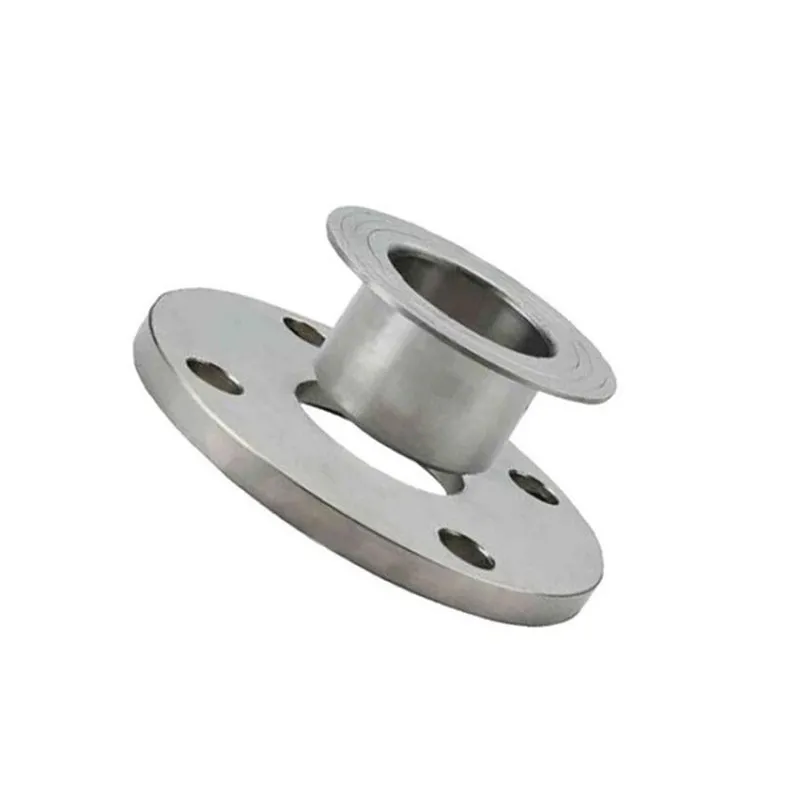
Another case from the field of logistics. Order for a large batch of loose flanges on a welded ring for the repair of heating mains. It was necessary to calculate the carrying capacity of the machine. If you take the weight simply as “flange 80”, you can be mistaken, because in such a pair the weight of the ring and the flange itself is calculated separately, and the total mass is greater than that of a solid flat flange. Not taken into account - overload. I had to ask the manufacturer, includingShanxi Hongkai Forging Co.,Ltd, full specification with breakdown. They promptly sent a PDF with drawings and tables of weights for each position - it is clear that people encounter this all the time and understand the importance.
Here's a negative example. A colleague from another company, in order to quickly make a commercial offer, took the weight of the DN80 PN16 flange from an open table on the Internet and included it in the estimate. But the customer actually needed flanges according to ASME B16.5 Class 300. The difference in weight and, accordingly, in the cost of the metal turned out to be significant. The offer turned out to be uncompetitive, and their reputation was tarnished - the client decided that they were incompetent in the details. It's a small thing, but it has an impact.
Production perspective: what does mass depend on?
When I visit production sites myself, for example, studying the capabilities of suppliers likemanufacturer of forged flanges and forgingsfrom Shanxi, I pay attention to the process. Forging, unlike casting or cutting from sheet metal, gives a denser and more reliable metal structure, but also allows you to create shapes that are more optimal from a mechanical point of view. This means that to achieve the same strength, a forged flange can sometimes have slightly different geometric parameters (for example, a slightly thinner disk, but a more massive hub), which changes its weight compared to a stamped counterpart.
Technological tolerances are a separate topic. According to the GOST or ASME standard, there is a tolerance range for disk thickness and diameters. A conscientious manufacturer, striving for maximum product life, often works in the upper part of the tolerance range for critical sections. This is insignificant, by a percentage, but it increases the mass. Conversely, a low-quality flange may be lighter, but at the expense of a reduced working cross-section. Therefore, weight is also an indirect indicator of quality. If a DN80 product is noticeably lighter than those from trusted suppliers, this is a reason to be wary.
Forging undernon-standard products according to customer drawings- there's a story here. There was a project with a non-standard adapter flange from DN80 to DN100 with offset holes. It was difficult to calculate the weight theoretically. The manufacturer (in that contract we worked with Chinese partners familiar with Hongkai) after developing the technological map, sent a 3D model and the calculated weight of the forging before and after machining. This is aerobatics. Then, during shipment, the actual weight of the batch almost coincided with the calculated one - the precise work of the engineers is visible.
Interaction with the supplier: how to request data correctly
Based on all this, I developed a simple algorithm for myself and my team. When requesting weight, we are never limited to dry “flange 80 weight”. In the technical request we indicate: 1) Type of flange (for example, Vorotnikovy according to GOST 12821-80). 2) Nominal diameter (DN80). 3) Nominal pressure (PN16, PN40, or Class 150, 300). 4) Material grade (St20, 09G2S, A105, F304). 5) Standard (GOST, ASME, DIN). 6) If necessary, design (for example, with a tongue and groove).
Such a request immediately shows the supplier that you understand, and it will be difficult to deal with you. Serious companies such asShanxi Hongkai Forging Co.,Ltd, which work according toGOST, ASME, EN, DINand manufacture products in the rangeDN15–DN4000, appreciate this approach. They understand that they are dealing with a professional and answer in more detail, often including not only weight, but also drawings and certificates, which speeds up all further work.
If you need a quick assessment for a preliminary calculation, then weight tables are always publicly available on the websites of normal manufacturers. But I always look to see if there are notes there. If it is indicated “Reference weight, for St20?” - this is a good sign. If a figure is given without explanation, I treat it with caution. On the same hkflange.ru in the section with products, for example, for butt weld flanges, the data is given indicating the standard and pressure, which already removes a lot of questions.
Summary: Weight as a starting point, not an answer
So, going back to the original query “flange 80 weight?”. This is not a question, but the beginning of a dialogue. The number you get is not a magic constant, but the result of many engineering decisions: choice of standard, pressure, material, manufacturing technology. It is important for related calculations, logistics, and cost, but taking it in isolation is risky.
It is much more important to understand which flange is needed for your task, and then weight will become one of many understandable and predictable parameters. Experience, including working with international suppliers of forgings, shows that attention to such “little things” like accurate weight distinguishes a quality project from a potentially problematic one.
Therefore, my advice: formulate your request to the supplier as completely as possible. And if you see in response detailing, a willingness to clarify, references to standards - as the company from Shanxi apparently does - this is a sure sign that you are on the right track and will get exactly what you need, with the right weight and, most importantly, with the necessary characteristics for reliable operation of the unit.
Correspondingproducts
Related Products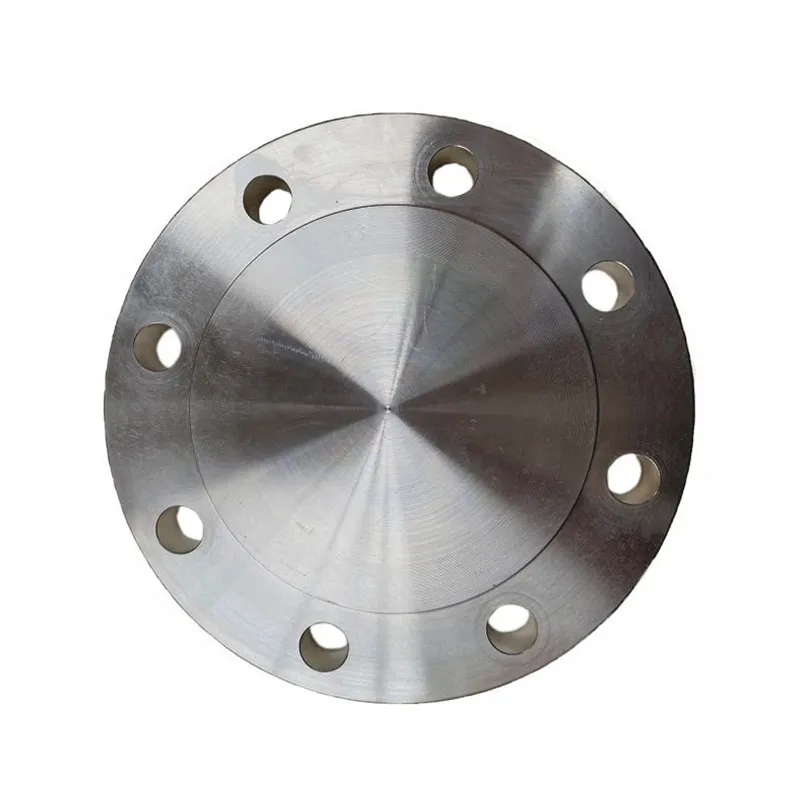
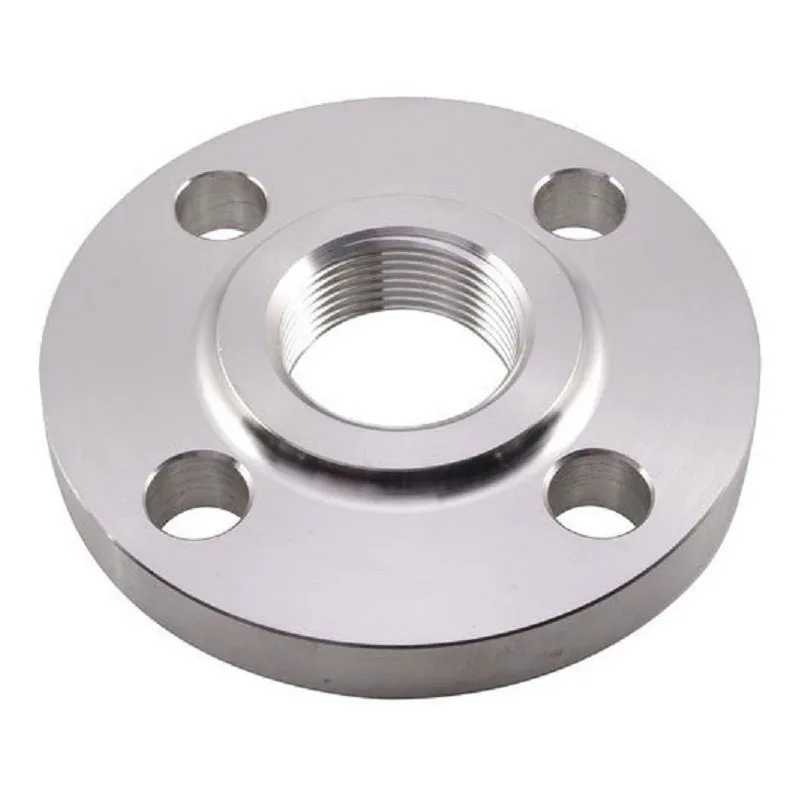
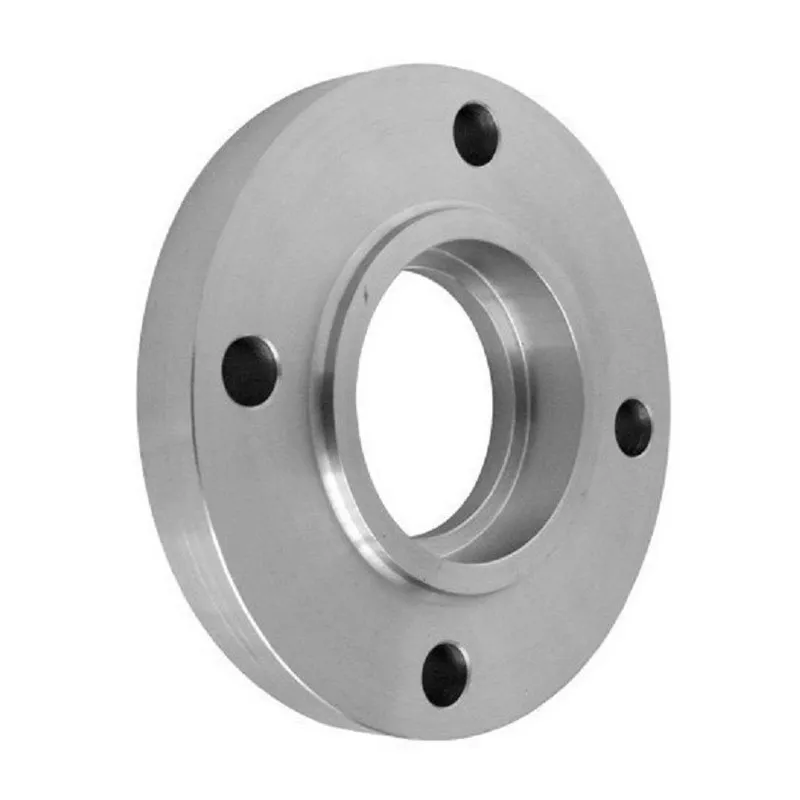
Best Sellingproducts
Best Selling Products-
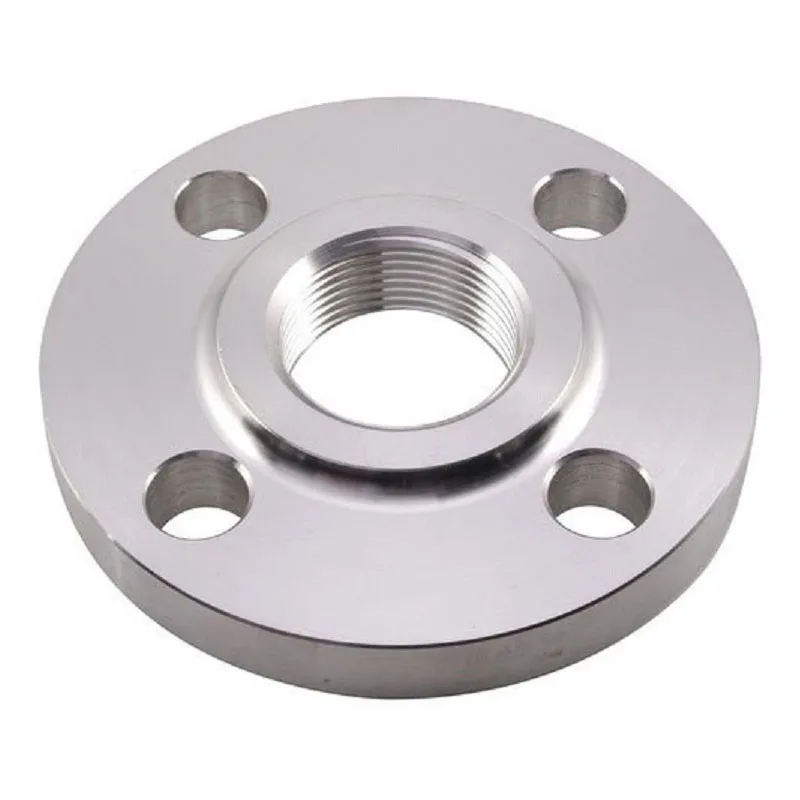 DIN 2566 Threaded flanges PN16
 -
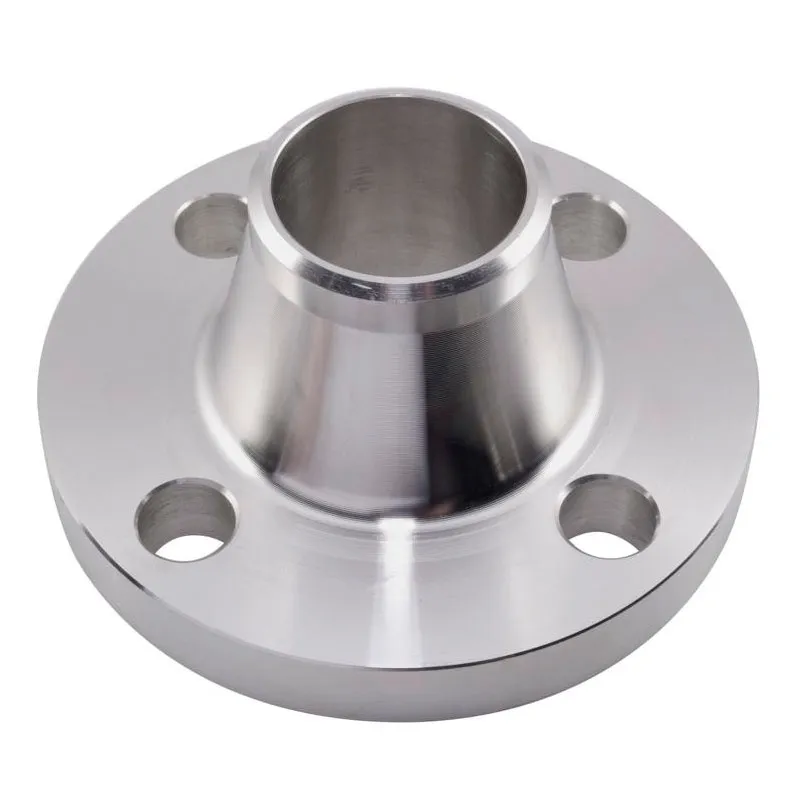 Butt weld flanges Class 900
 -
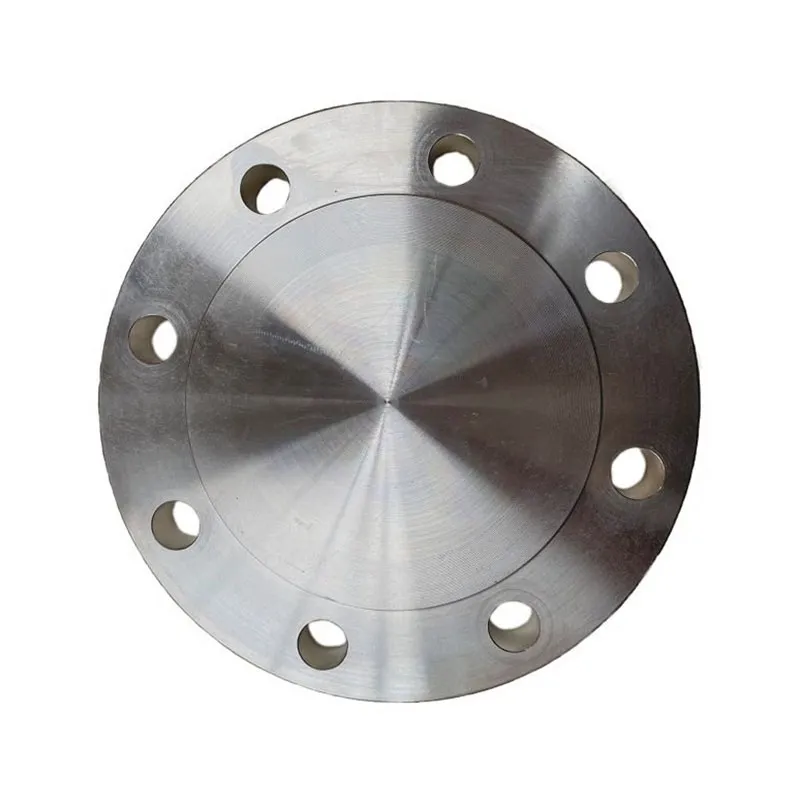 UNI 6092 Blind flanges PN10
 -
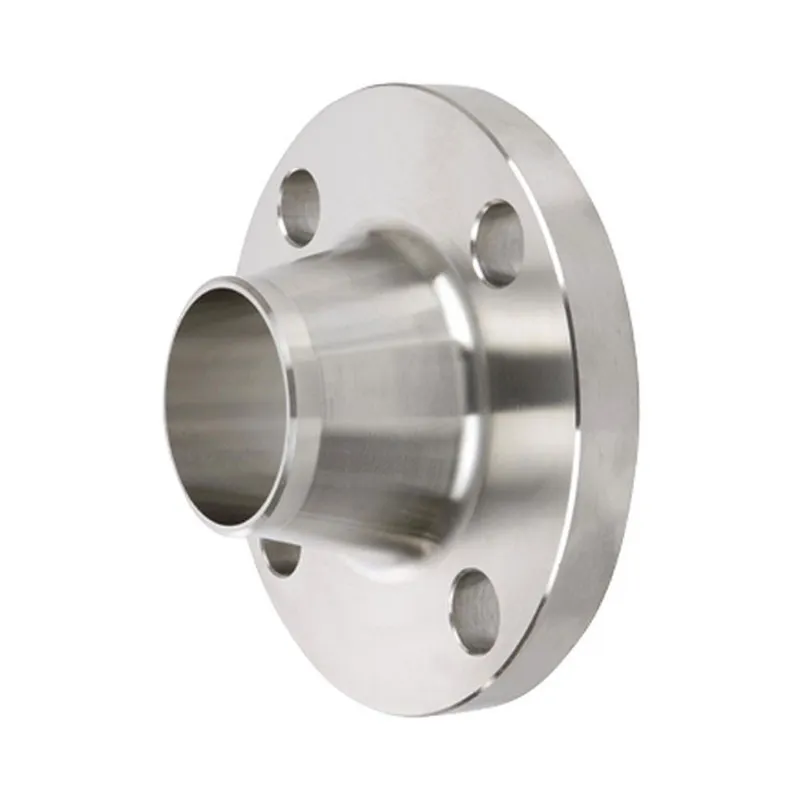 EN 1092-1 Butt weld flanges Type 11, PN25
 -
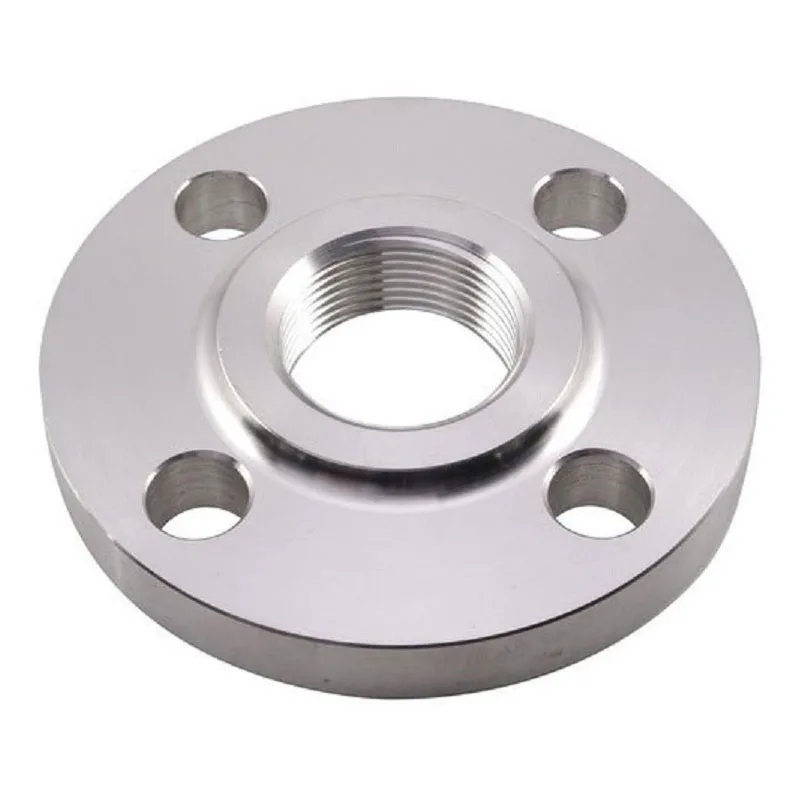 JIS 10K Threaded Flanges
 -
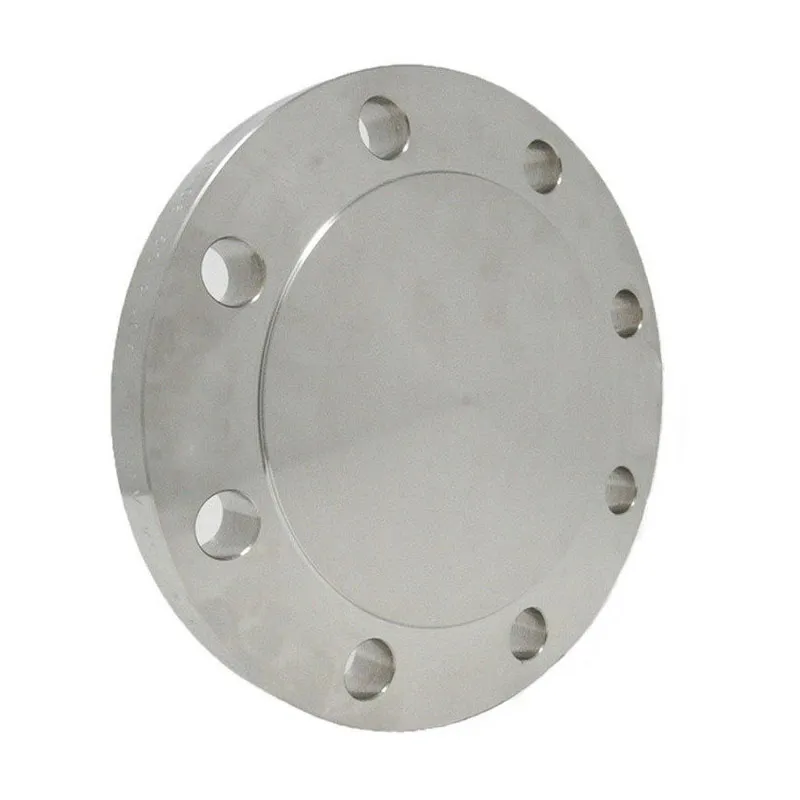 AWWA Blind Flanges Class D (Tables 1, 2, 3)
 -
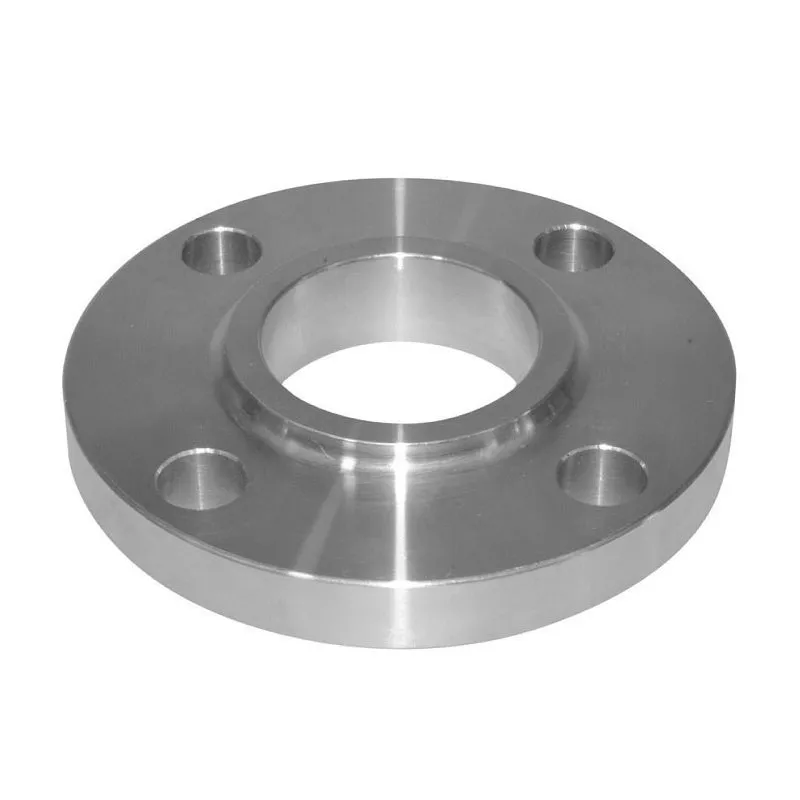 ANSI B16.5 Lap-on flanges Class 1500
 -
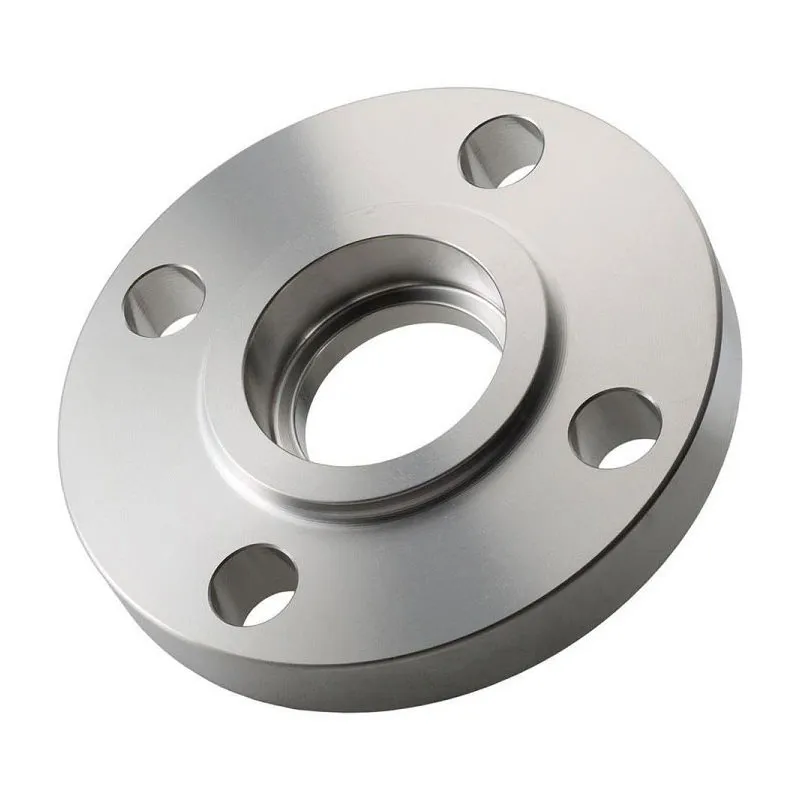 Flanges for socket welding
 -
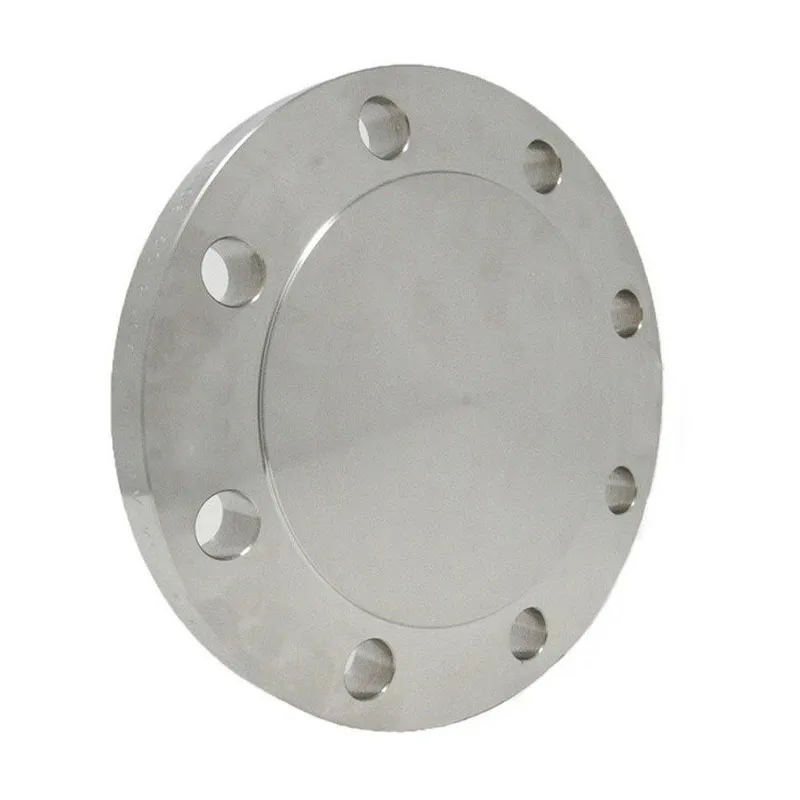 EN 1092-1 Blind flanges Type 05, PN10
 -
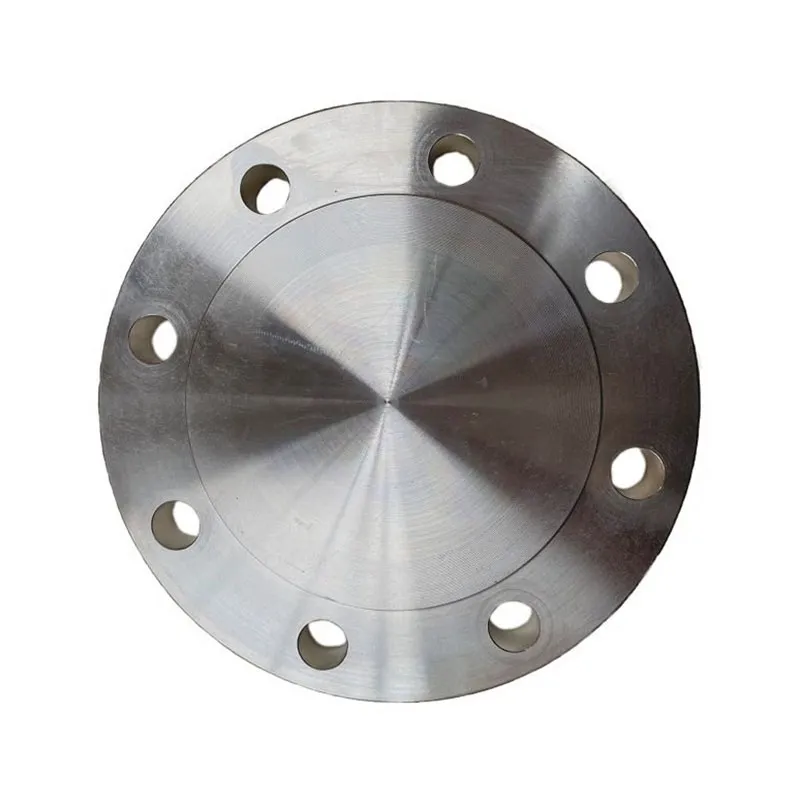 ASME B16.47 Ser.A Blind Flanges Class 400
 -
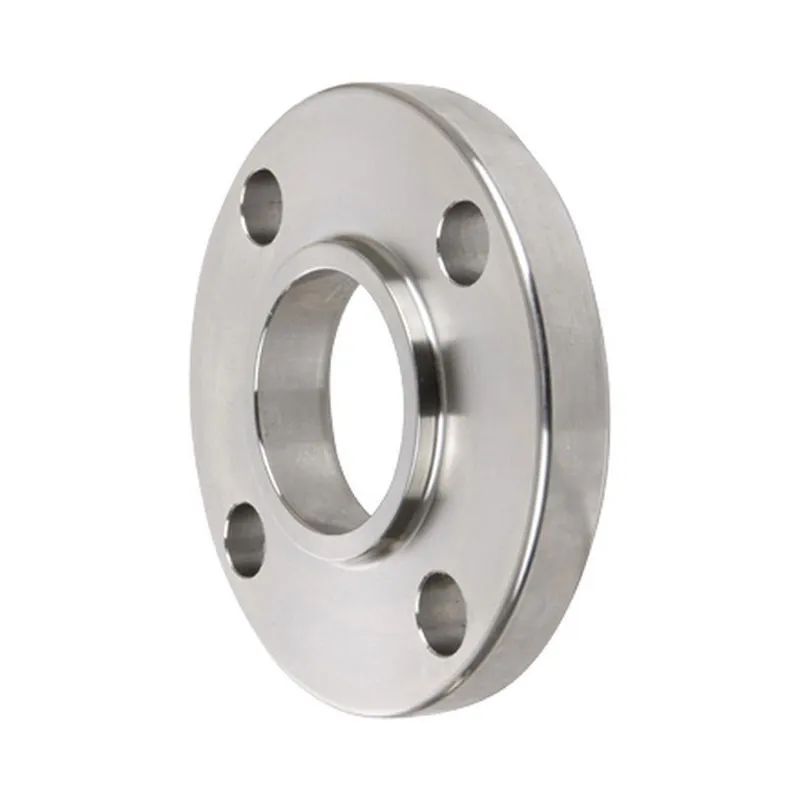 DIN 2501 Overlay flanges PN16
 -
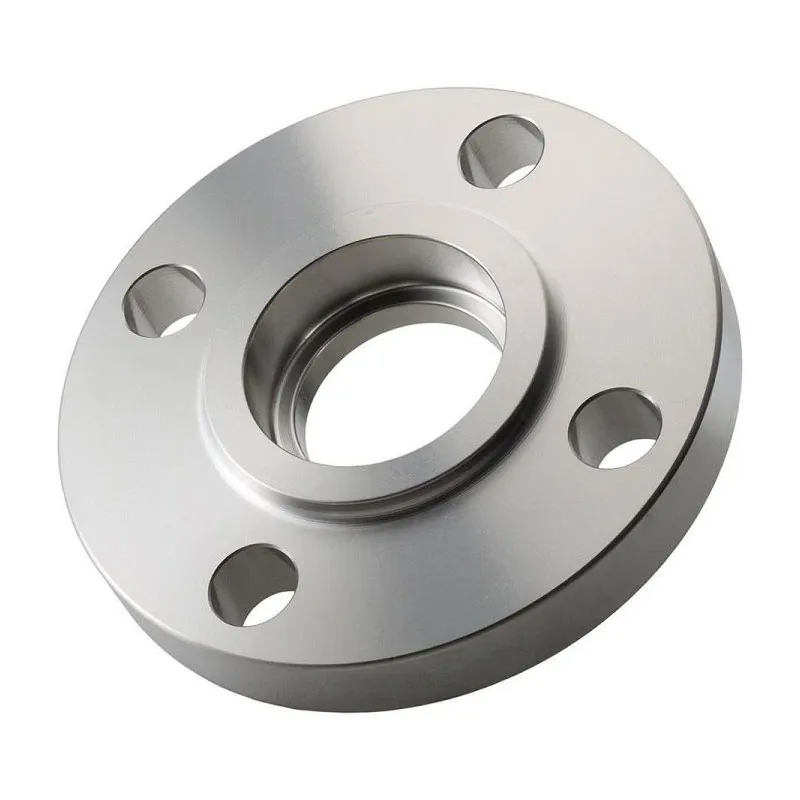 ANSI B16.5 Socket Weld Flanges Class 150