
-
-
Phone
+86-13623462298



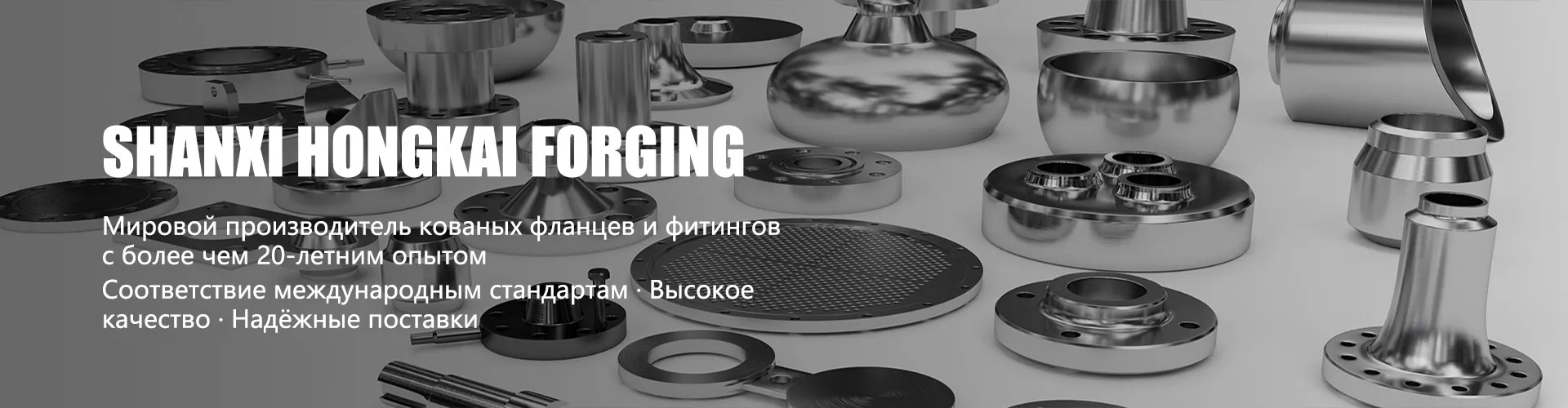
steel flanges type 01
When you hear “steel flanges type 01”, the first thing that comes to mind is probably some kind of basic, almost ordinary, assortment. Many people think so, especially those who are just starting to work with pipeline fittings. But in practice, this often leads to errors in selection, because this seemingly simple formulation can hide a whole range of designs, and not all of them are interchangeable. I myself have encountered situations where the customer, having seen simply “type 01” in the specification, believed that any product with such a code would be suitable, and then during installation problems with fit or pressure emerged.
Let's get to the bottom of things: not just numbers
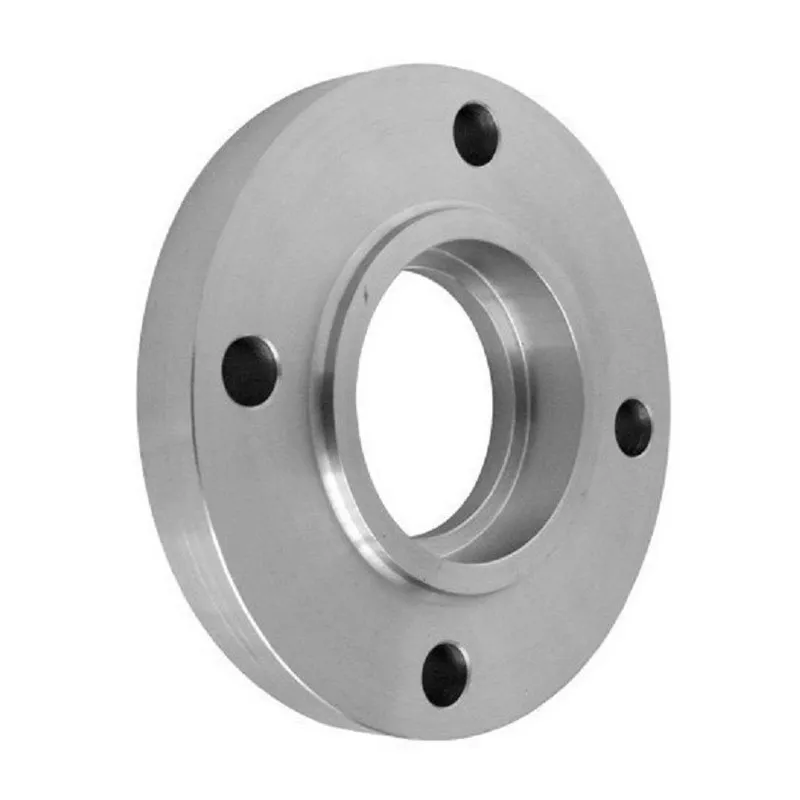
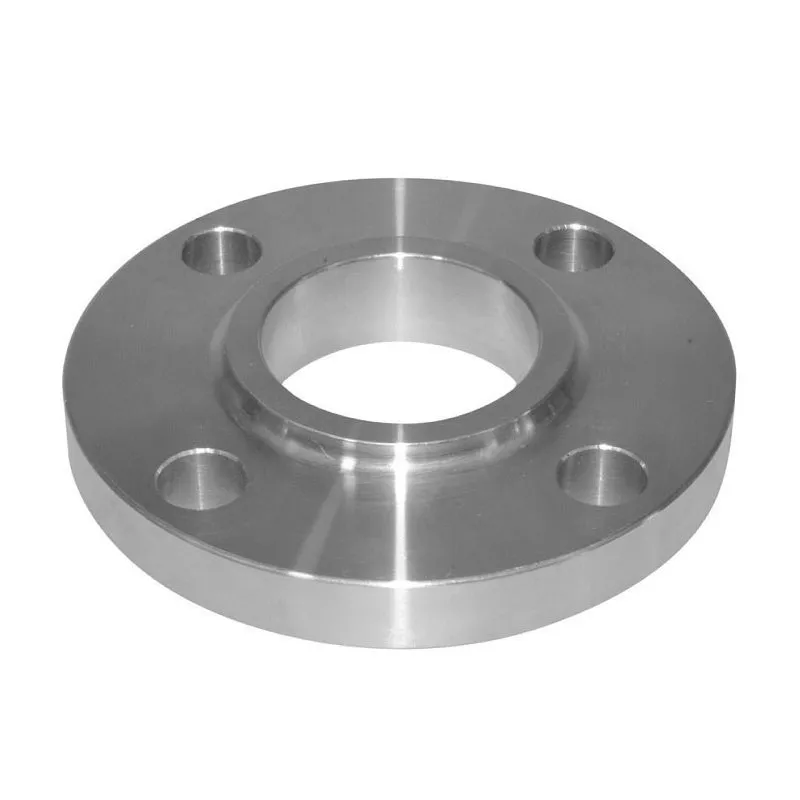
If we put aside formalities, thensteel flanges type 01- this is, as a rule, a reference to a certain constructive form, often associated with domestic standards or their interpretations. In my understanding, this is usually a flat welded flange, but with certain, clearly defined geometric parameters: thickness, diameter, number and location of holes for studs. The key word is “definite”. You cannot take any flat flange and call it type 01. Let’s say, according to the old GOST 12820-80, a flat flange could be classified in this category, but now, with the transition to updated standards and taking into account imported analogues, everything has become more complicated.
I remember a project about five years ago, which featured thesesteel flanges type 01. The technical specifications were drawn up according to old patterns, and without thinking twice, we purchased a batch according to the current GOST. It would seem that everything is the same. But when docking with German-made equipment, a gap of a couple of millimeters in thickness appeared. Trifle? No matter how it is. We had to urgently order gaskets of a special configuration, which delayed commissioning. Conclusion: type 01 is not an abstraction, but a specific dimensional grid, and it must be checked not by name, but by drawing or current standard to which this type refers.
That is why now, when I receive a request forsteel flanges type 01, first of all, I’ll clarify: “By what standard?” Do you have a sketch or full designation??. It often turns out that this means execution according to GOST (these are steel flat welded flanges) for certain nominal pressures. But there may also be a link to ASME B16.5 Class 150, if we are talking about an export project. The confusion arises because ?type 01? - This is often an internal, factory or project cipher that needs to be decrypted.
Purchasing practices and reliable suppliers
In search of quality products, especially for critical facilities, I looked through many manufacturers. It is important that the plant does not just stamp metal, but understands what environments and pressures the valves are intended for. One of the resources that often appears in the professional environment and that is worth paying attention to is the websiteShanxi Hongkai Forging Co.,Ltd (https://www.hkflange.ru). This is not an advertisement, but a statement of fact based on the experience of colleagues. The company positions itself as a manufacturer of forged flanges and forgings in one of the key forging centers in China, which already indicates a serious technological background.
Why is this important to our question? Becausesteel flanges type 01, especially for high parameters, must have a homogeneous metal structure. Casting may be inferior to forging here. On the websiteShanxi Hongkai Forging Co.,Ltdit is indicated that they work according to international standards (GOST, ASME, EN, DIN and others), and their size range is up to DN4000. This means that they are, in principle, able to fill the need for such a product, but, I repeat, only if there are clear technical specifications. Personally, I would not order from them, simply writing in the request “flanges type 01?”. You need to attach a drawing or indicate the standard by which the product should be manufactured, otherwise you may not get exactly what you need.
When working with such manufacturers, you always ask to provide certificates for materials and test reports. It’s a good sign when a plant is ready to manufacture products according to customer drawings - this is precisely about non-standard products, which are often hidden behind the general name “type 01”. The mentioned company, judging by the description, offers such an opportunity, which is valuable.
Typical installation and operation errors
Let's say the flange is correct, the standard is met, the material is steel of the required grade. It would seem, what could go wrong? But most of the problems withsteel flanges type 01occurs during the installation stage. The most common mistake is uneven tightening of the studs. I saw how installers tighten the fasteners with an “asterisk”, but simply in a circle. As a result, distortions are created, the alignment of the holes is disrupted, and a leak appears under pressure. And a flat weld flange, which is often the 01 type, is especially sensitive to misalignment because it does not have a protruding skirt, like a butt weld, which partially compensates for inaccuracies.
Another nuance is surface preparation. Before installing the gasket, the contact surfaces of the flanges must be cleaned of scale, paint, and traces of corrosion. This is often neglected, especially in construction conditions, where everything is done quickly. The result is a leaky connection, which then has to be rebuilt, wasting time and resources. I remember an incident on the heating main: they delivered a batchsteel flanges type 01, we did a pressure test and it seems to be holding. And after starting the hot coolant, “sweating” began. precisely because of micro-irregularities on the surface that were not cleaned.
And, of course, the choice of gasket. For flat flanges, soft gaskets (paronite, fluoroplastic) are often used. But if the environment is aggressive or the temperature is high, another material is needed. Failure to match the gasket material to the operating conditions is a direct road to an accident. Therefore, indicating in the documentationsteel flanges type 01, it is necessary to regulate both the type of gasket and the tightening torque for the studs.
When ?type 01? - is this non-standard?
An interesting paradox: sometimes under this generally standard designation an individual product is hidden. It happens that designers, when developing a specification for a unique apparatus or pipeline, take as a basis the geometry of a standard flange (the same flat welded one), but make changes - add holes for sensors, change the thickness due to special loads, use non-standard material due to the corrosive environment. And in the final document this hybrid is still called “steel flange type 01”, because this is the case in their internal coding system.
In such cases, working with a manufacturer who specializes in forgings and custom products becomes critical. You need to not just buy it off the shelf, but make it. This is where the experience of companies likeShanxi Hongkai Forging Co.,Ltd, which declare production according to customer drawings. It is important to provide them not just with a sketch, but with a full-fledged technical request indicating the steel grade, mechanical properties, operating conditions (pressure, temperature, environment), testing requirements (ultrasonic testing, x-ray). Only then can you be sure that the received product, even if it appears in the documents assteel flange type 01, will perform its function.
I myself participated in ordering such “non-standard standard” ones. flanges for chemical production. The material was special - steel with a high molybdenum content. The geometry is basically the same as a flat flange, but with an additional groove for an O-ring. In our correspondence and documents it appeared like this - ?Flange Type 01, Spanish. HM?. The supplier we worked with (not the one mentioned above, but another, also Asian) first sent a standard carbon steel product. I had to return it, explain it, waste time. Lesson: Even when working with proven channels, the detail of the requirements cannot be omitted for a second.
Instead of a conclusion: thinking out loud
So what is it in the endsteel flanges type 01? This is not a specific product that can be found in the catalog under one number. Rather, it is the language spoken by technologists, designers and suppliers. Language that requires decoding. For one it is a flat flange according to GOST on Ru10, for another it is a similar product according to DIN PN16, for the third it is a unique forging with special properties.
The main practical conclusion that I have made for myself over the years of work is: never stop at the first line of the specification. You need to dig deeper, find out the root of this designation, require drawings or links to current standards. And, of course, choose a manufacturer who is able to not only read the code, but also ask clarifying questions. Because in our area there are no trifles, butsteel flange type 01- this is exactly the detail on which the reliability of the entire system often depends. I think that's where I started, and that's where I'm coming back to. Everything revolves around specifics and understanding the essence, and not just labels.
Correspondingproducts
Related Products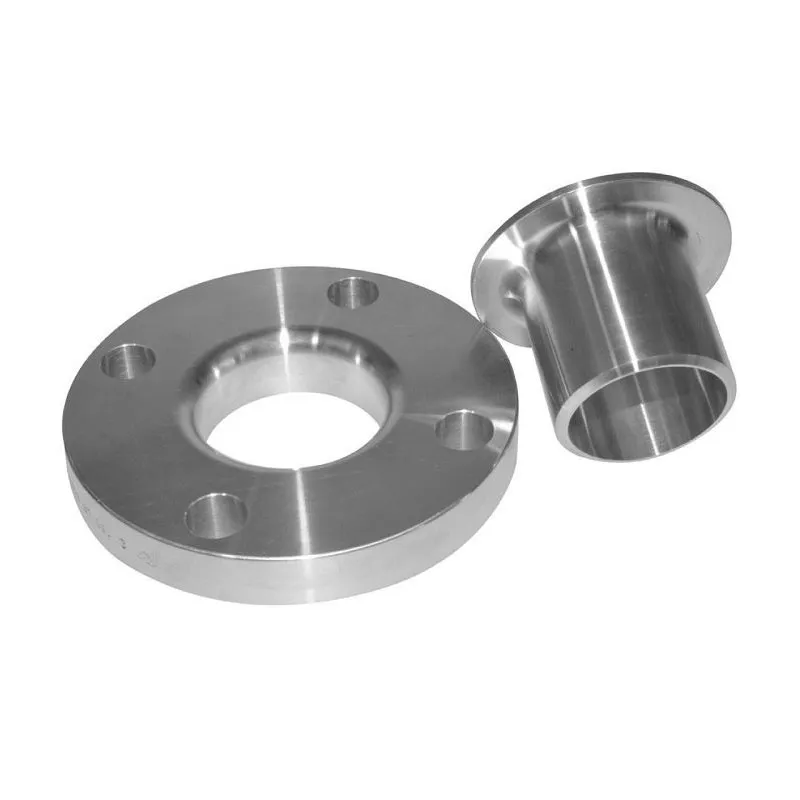
Best Sellingproducts
Best Selling Products-
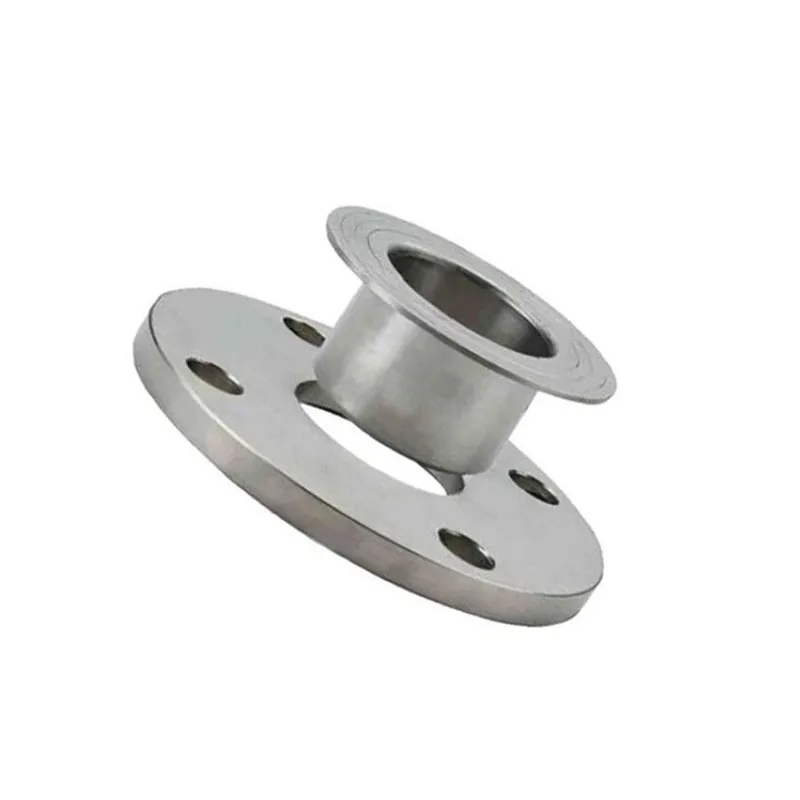 Free ring flanges Class 400
 -
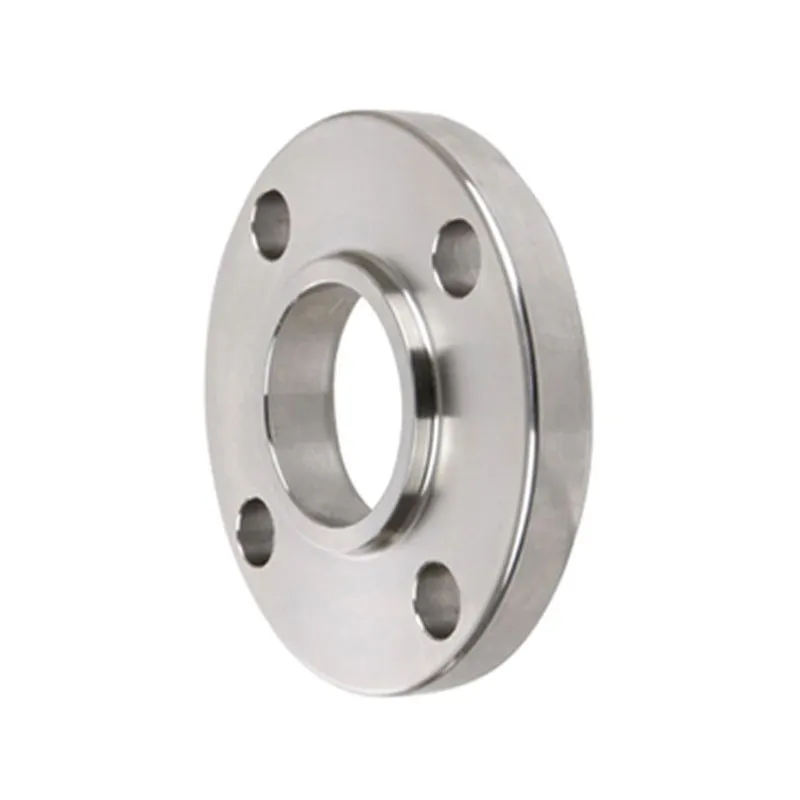 ANSI B16.5 Lap-on flanges Class 300
 -
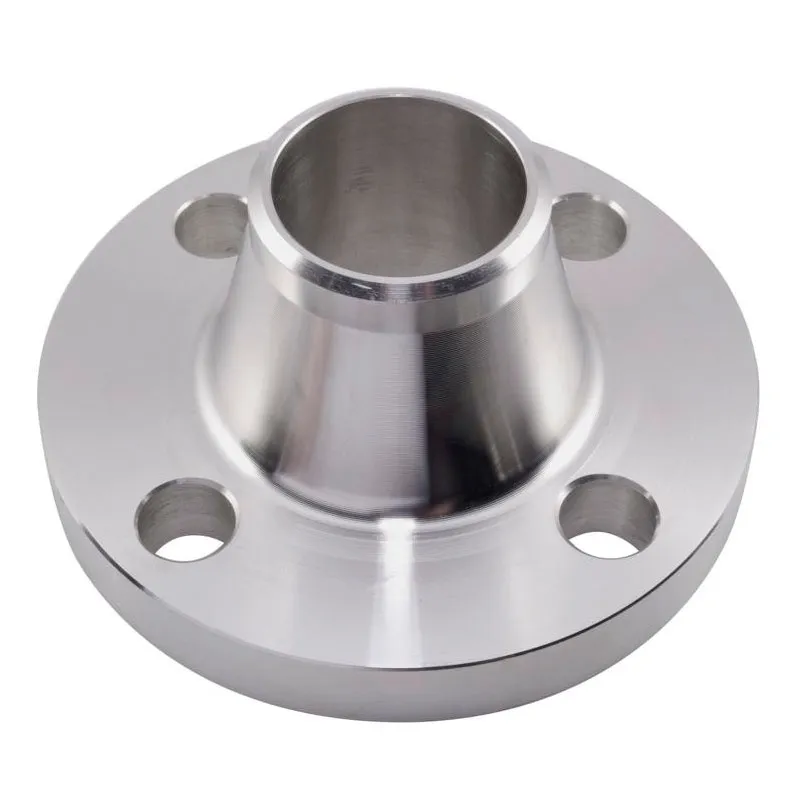 Butt weld flanges Class 900
 -
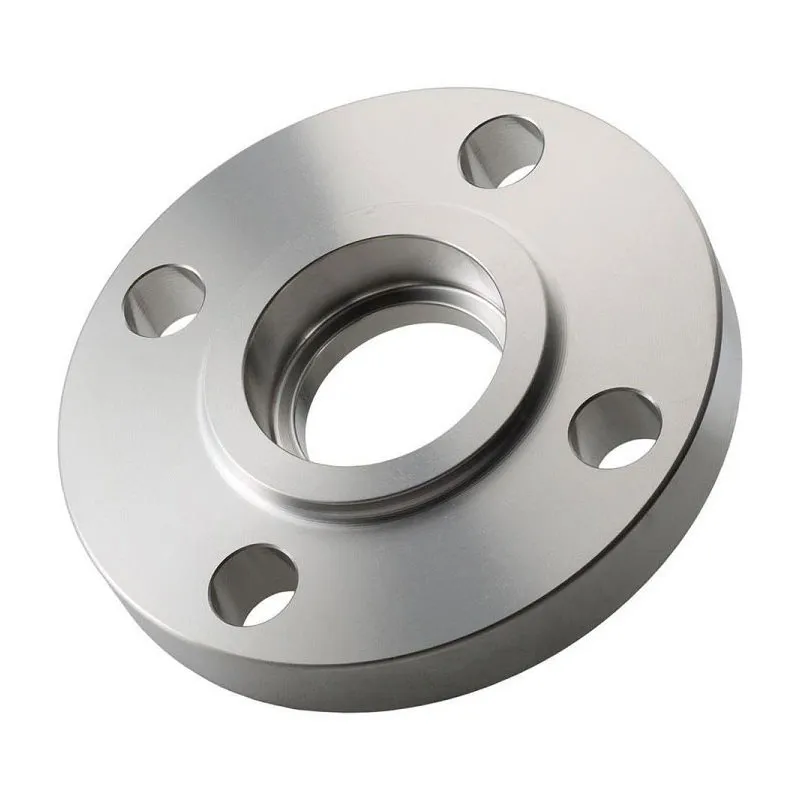
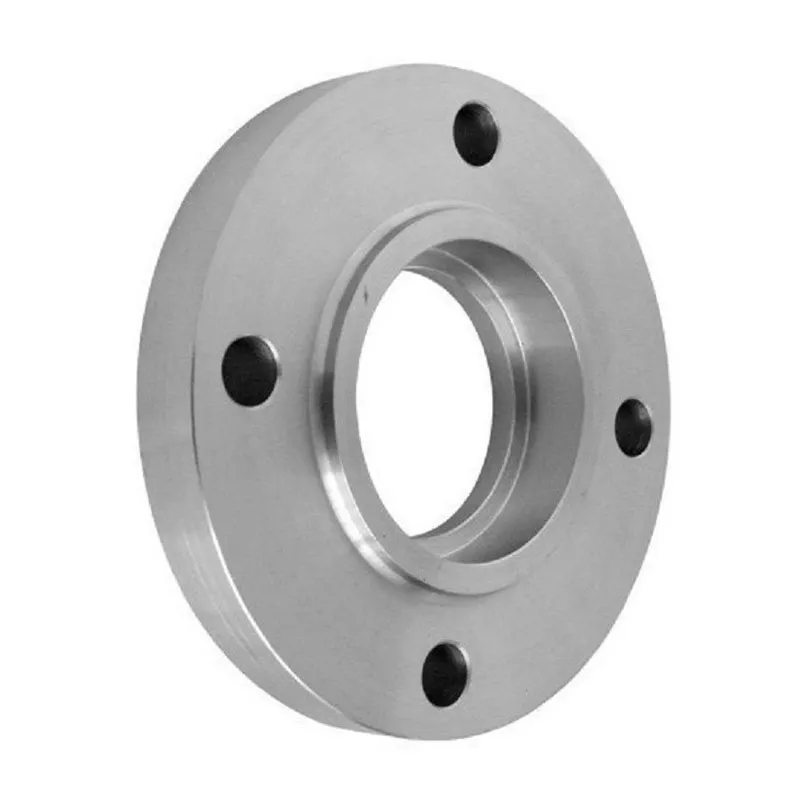 Socket Weld Flanges Class 300
 -
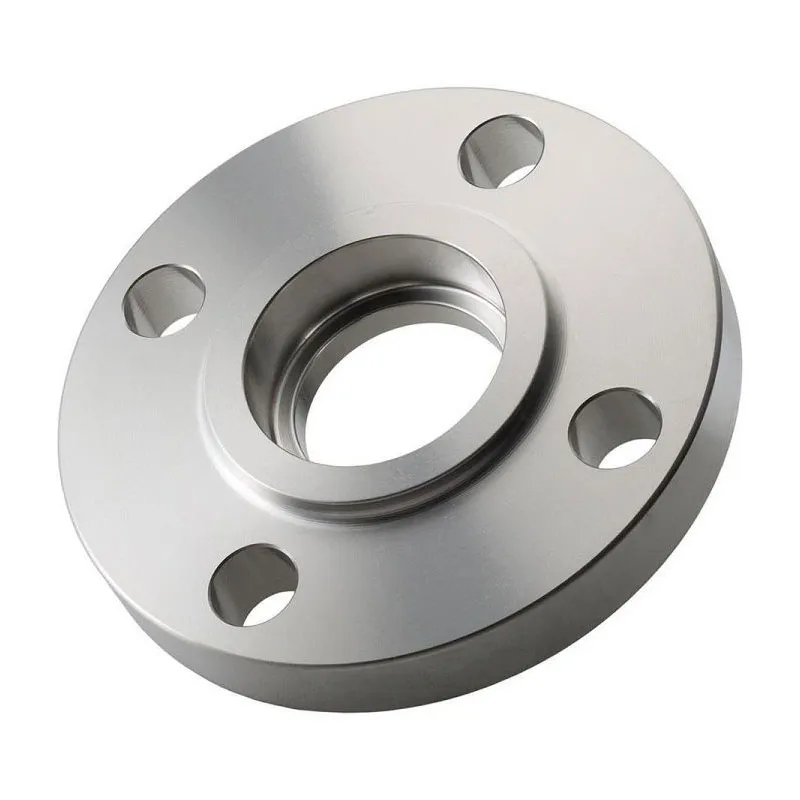 ANSI B16.5 Socket Weld Flanges Class 1500
 -
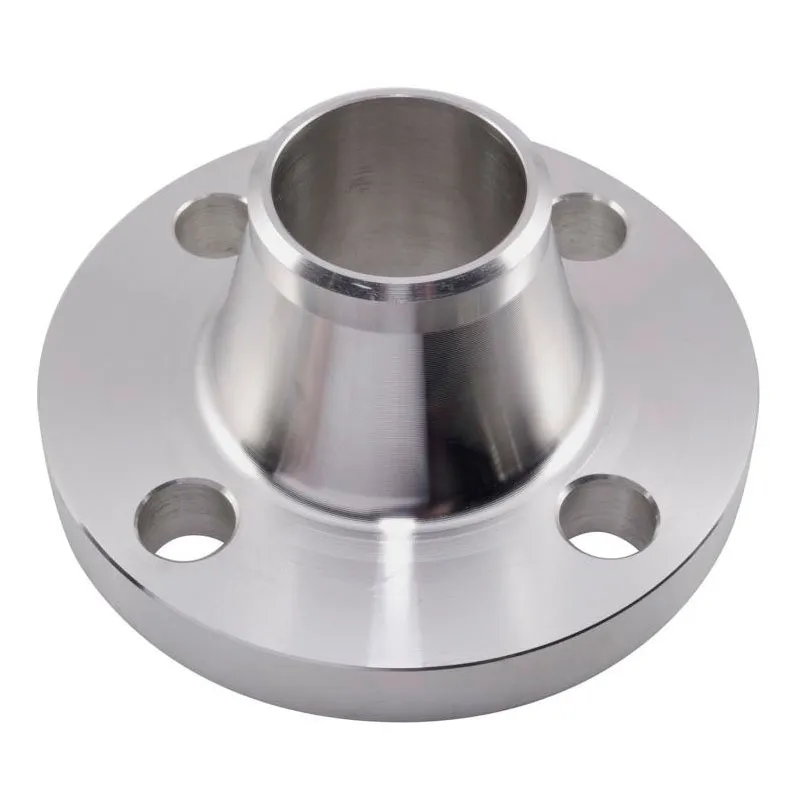 DIN Butt weld flanges PN10
 -
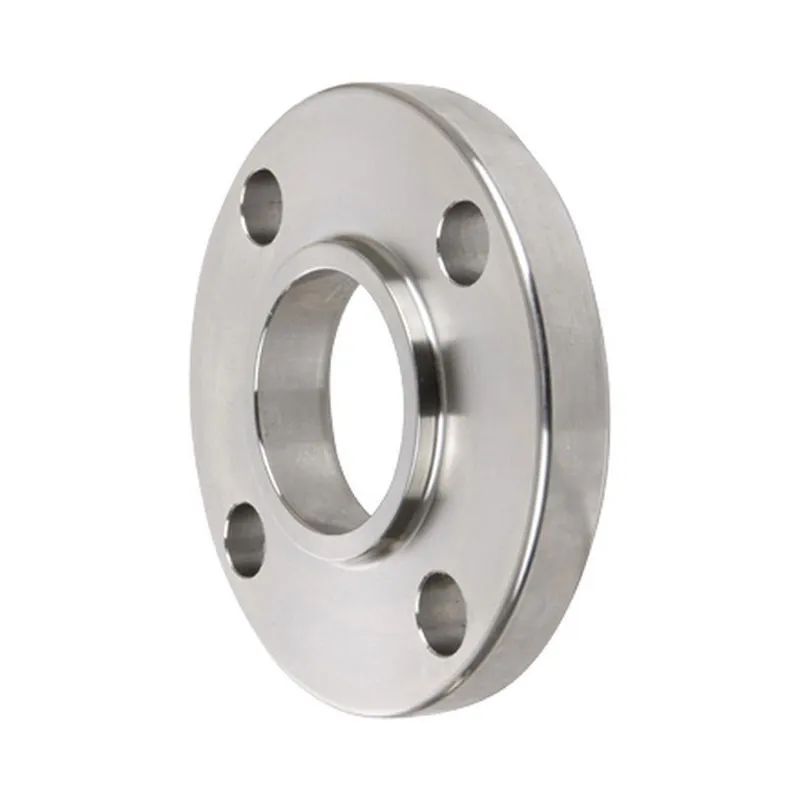 DIN 2501 Overlay flanges PN16
 -
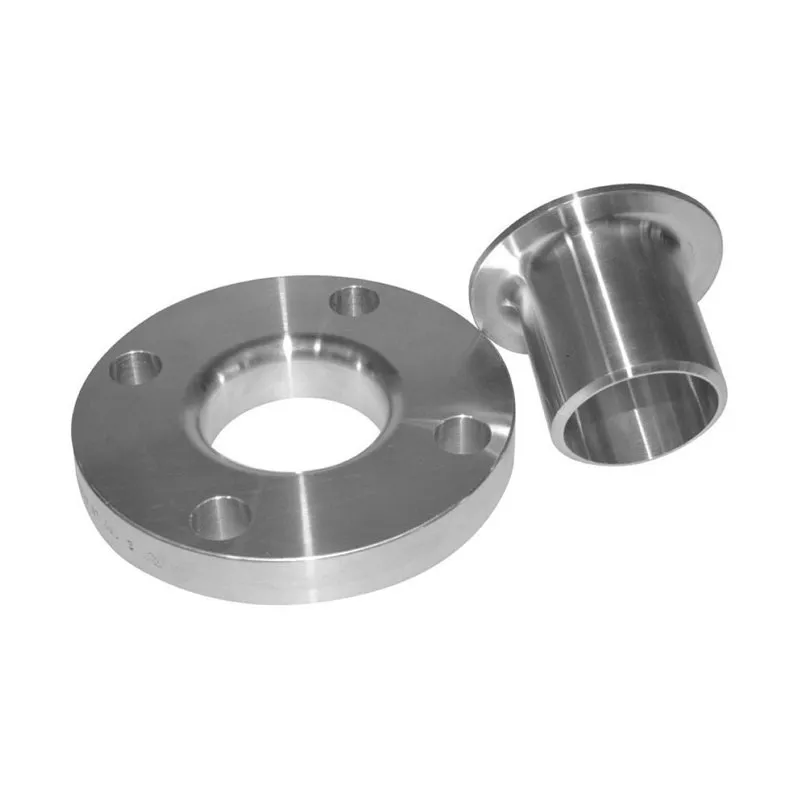 Free ring flanges Class 150
 -
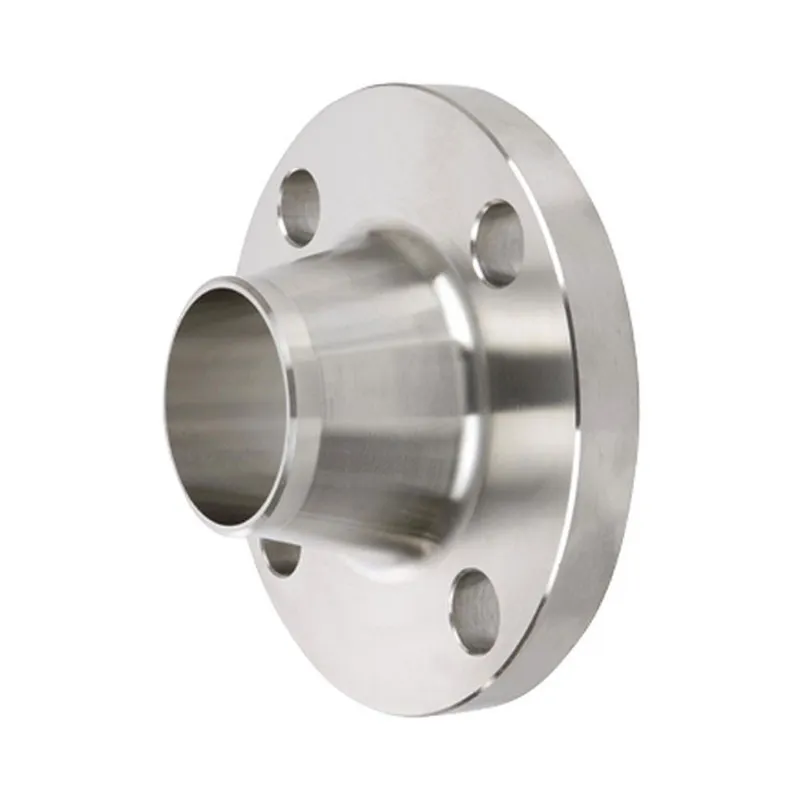 EN 1092-1 Butt weld flanges Type 11, PN25
 -
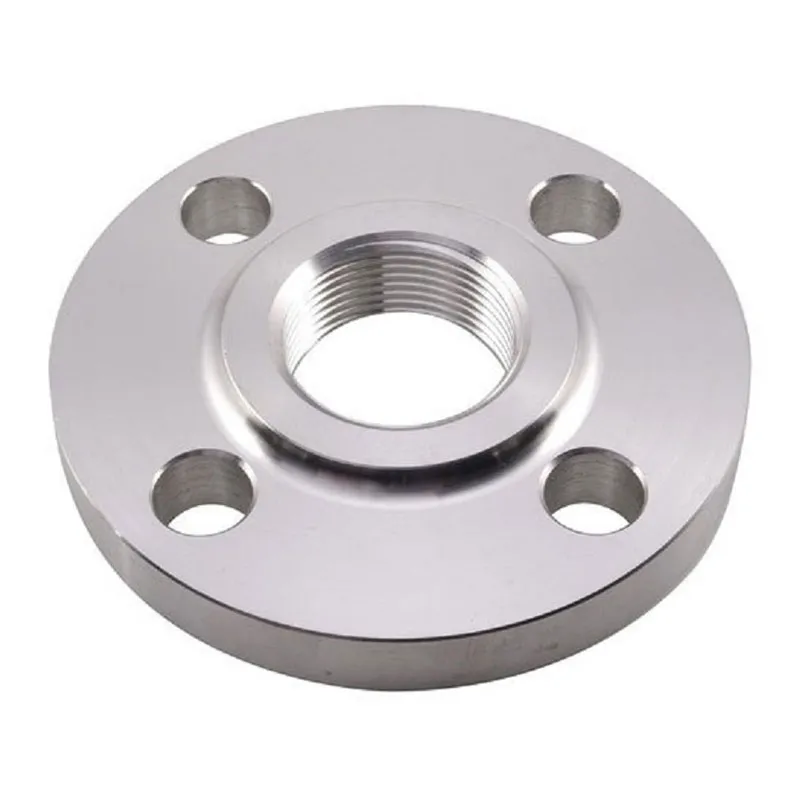 JIS 10K Overlay flanges
 -
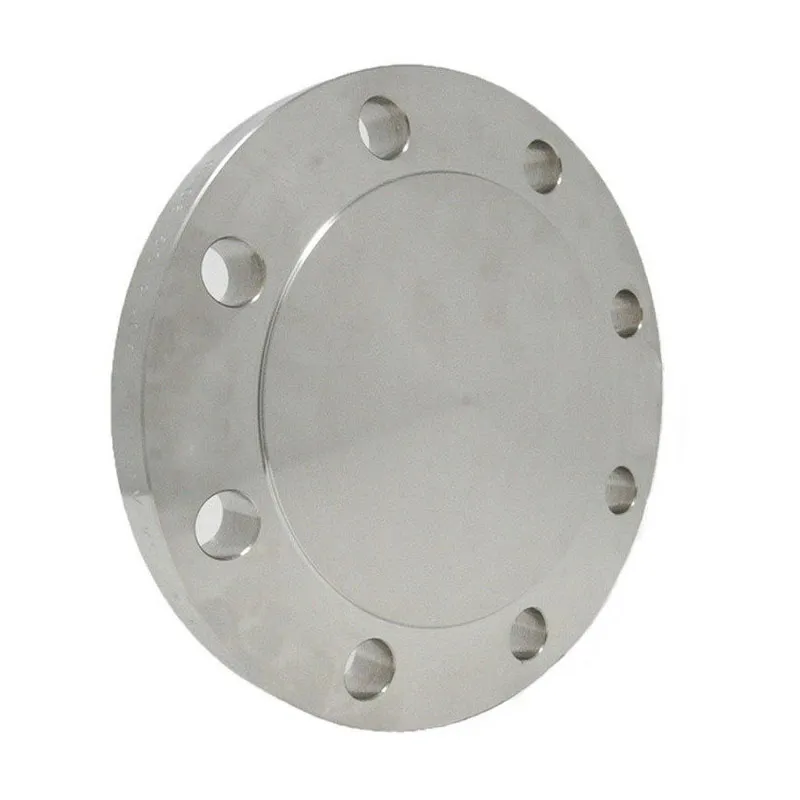
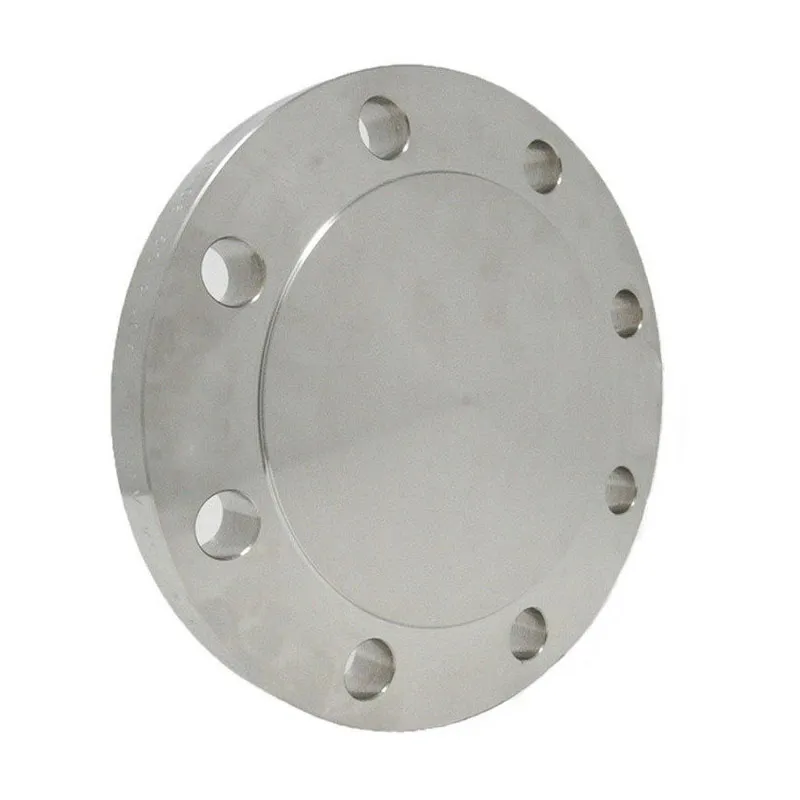 Blind flanges Class 150
 -
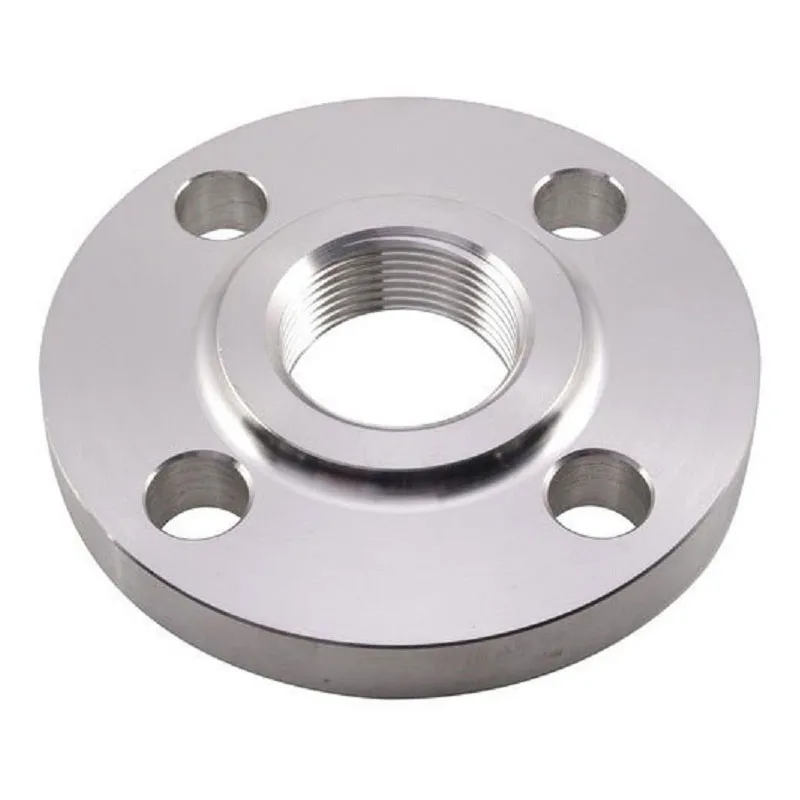 EN 1092-1 Threaded flanges Type 15, PN16