
-
-
Phone
+86-13623462298



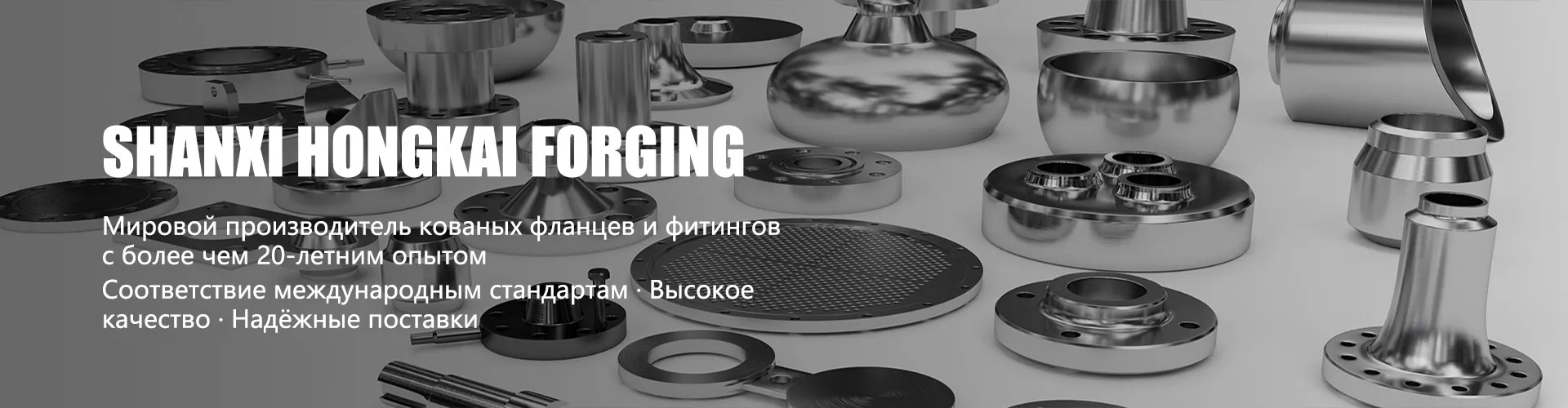
flange d150
When they talk about the d150 flange, many people immediately think about the standard size and brush it off as saying that it’s nothing complicated. But it is precisely in this apparent simplicity that the main mistake lies. Over the years of working with pipeline fittings, I have become convinced that DN150 is one of the most “problematic” ones. and popular sizes. Why? Because it is at the junction: it is no longer a small diameter, where everything is more or less predictable, but also not a large one, where special attention is paid to the mass and thickness of the wall. This is where the nuances begin regarding material, pressure, type of seal. And if you take the first flange you come across, you can easily miss.
Experience and standards: where it’s thin, it breaks
When working with suppliers, I always look at their understanding of standards. For example, a Chinese manufacturerShanxi Hongkai Forging Co.,Ltd. Their websitehkflange.rupositions them as a manufacturer of forged flanges and forgings. The description states compliance with GOST, ASME, EN. This is important. Forflange d150according to GOST (this is an analogue of EN 1092-1), forging is critical, not casting, especially for critical pipelines. Cast flanges on this diameter sometimes "lead" During heat treatment, hidden shells appear.
Once there was an incident during the installation of a production line. We ordered flanges DN150 PN40 according to EN. When they arrived, everything seemed to be clean according to the documents. But when pressurized at 50 bar, they began to leak along the plane. The reason is micro-irregularities on the seal surface, plus the material turned out to be softer than stated. Apparently, we came across a product with a deviation in chemical composition. After this, I always require batch-specific mechanical test reports rather than general certificates. Manufacturer seems to beShanxi Hongkai Forging Co.,Ltd, which emphasizes forging, is in a more advantageous position here - the metal structure of the forging is denser.
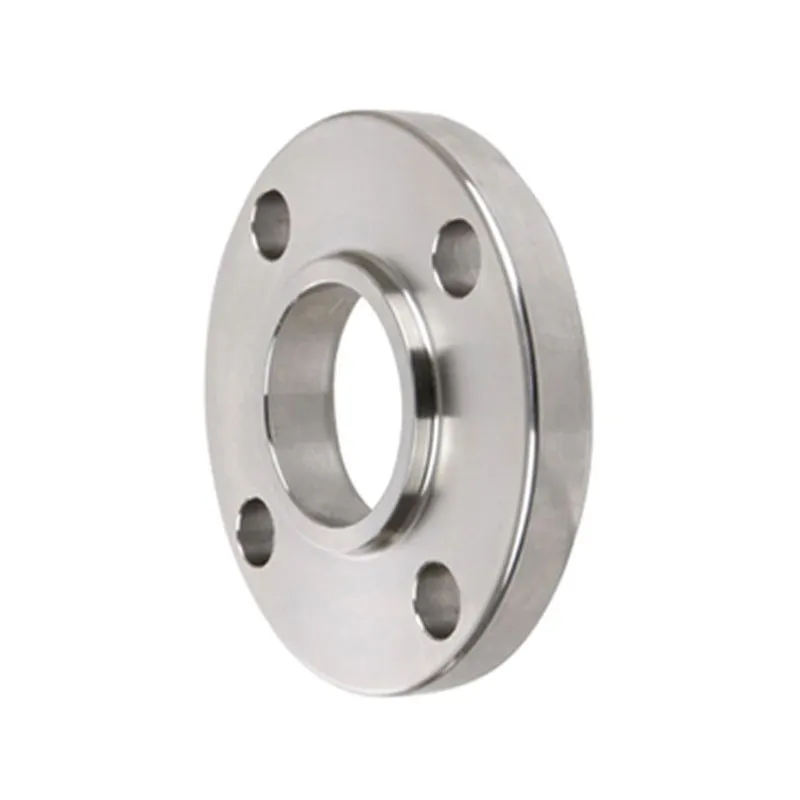
And one more thing about standards. The D150 often requires a transition between different systems. Let's say the pipe is according to ASME B36.10, and the equipment with connections is according to DIN. Here you need not just a flange, but a transition one. Or option withflange d150under a welded ring (loose flange) - it is often used to facilitate installation, but the pressure must be accurately calculated, because the ring and the flange itself are, in fact, two elements, and their alignment must be perfect.
Material and its hidden problems
For 150mm diameter the choice of material is not simply “carbon steel”. Let's say St.37 (analogous to St3sp) or 20. For water, low pressure steam - it will do. But if the environment contains even trace amounts of hydrogen sulfide or chlorides, corrosion cracking begins even at low temperatures. There was a project for food production, it would seem there was no aggressiveness. But cleaning solutions with chlorine were used. Six months later on severalflange d150from steel 20, the finest cracks appeared in the heat-affected zone of the weld. I had to change it to stainless steel 12Х18Н10Т (AISI 304).
Therefore, now, when looking at the range of manufacturers, I always pay attention to the nomenclature. On the same sitehkflange.rua wide range is indicated - from DN15 to DN4000. This speaks volumes about the capabilities of the equipment. But for me, the key thing is the presence of forged flanges from different grades of steel. For D150, the forging provides a guarantee against segregation (inhomogeneity of composition), which can appear in the cast version at this size.
And about heat treatment. After forging, the flange must be properly annealed to relieve stress. Sometimes you see products where this stage is either skipped or done “for show”. It’s easy to check - by the color of tarnish and hardness. Once we received a batch where part of the flanges crumbled when trying to drill holes for sensors - they overheated.
Installation and practical pitfalls
In theory, installing a DN150 flange connection is a matter of two welders and a pair of wrenches. In practice there are continuous pitfalls. The first is welding. A weld neck flange is the most reliable for this diameter. But it is important that the end of the flange and the pipe are strictly perpendicular. The slightest misalignment and the seal will not be airtight. People often save money by using a flat flange. For D150 and low pressure - acceptable. But if there is vibration or thermal expansion, such a connection will quickly weaken.
Second - bolts. Forflange d150PN16 number of bolts - usually 8 pieces. But their strength class is a different story. We once installed flanges with class 4.6 bolts because we had them on hand. And the working pressure was on the border for PN16. As a result, during temperature changes, the bolts pulled and the connection “breathed.” I had to switch to class 8.8. Now I always check the tables according to ASME B16.5 or GOST 33259.
And the third thing is compaction. A spiral wound gasket for the D150 is a good choice. But it needs to be selected correctly based on the filler (graphite, Teflon) and the size of the seat on the flange. An error of a millimeter - and the gasket either does not hold, or is squeezed inward, blocking the flow.
Non-standard situations and adaptation
Often customers send drawings with non-standard designs. Forflange d150this may be a non-standard arrangement of holes for the studs (not along the circumference, but offset), or an additional relief on the surface for special gaskets, or an increased thickness of the skirt to compensate for the high bending moment. Here, working with a manufacturer who is ready to make to order is priceless.
In the descriptionShanxi Hongkai Forging Co.,Ltdit is just stated that they manufacture non-standard products according to drawings. This is an important option. I remember a project where it was necessary to integrate a DN150 flange connection into an old apparatus frame. The connecting holes did not match any standard row. I had to make an adapter flange with two different hole circles. They made it according to our sketch, but we had to closely communicate with their technologist about the location of the stiffeners so that warping would not occur during welding.
In such cases, there is always a temptation to save money and modify the standard flange in the workshop. But this is risky: thermal cutting or welding can change the properties of the material in the critical zone. It’s better and more reliable to order the product from scratch? from a proven blacksmith shop.
Choosing a supplier: not only price
When looking for flanges, the first thing that catches your eye is the price. But for a diameter of 150 mm, the difference of 10-15% is often due not to the greed of the seller, but to technology. A cheap flange can be made from a steel substitute (for example, instead of 20 - an unknown brand), with simplified heat treatment, and with uncontrolled precision of surface treatment.
That's why I always study how the manufacturer positions itself. If, howShanxi Hongkai Forging Co.,Ltd, declares itself as one of the main centers of the forging industry and places an emphasis on forging - this is already a plus. This means that they most likely have a powerful press and control over the heating of the workpiece. Forflange d150this is important to obtain a uniform fine-grained structure.
Another point is the availability of a complete package of documents. Especially for imports. Certificate of conformity, product passport, test reports (chemistry, mechanics, ultrasonic testing or x-ray upon request). There was a sad experience when the documents were ?shared? to the workshop, not to the party. Questions arose during customs clearance, additional examinations had to be ordered, and the project stalled.
As a result, choosing a DN150 flange is always a balance between cost, delivery time and quality guarantee. And this balance is built not on big words, but on details: on what machine the surface for the gasket is processed, what electrode is used to weld the shank (if it is a weld neck), how the products are packaged for transportation (so that there are no nicks on critical surfaces). It is these seemingly little things that distinguish a simple product from a reliable pipeline element that will last for decades without problems.
Correspondingproducts
Related Products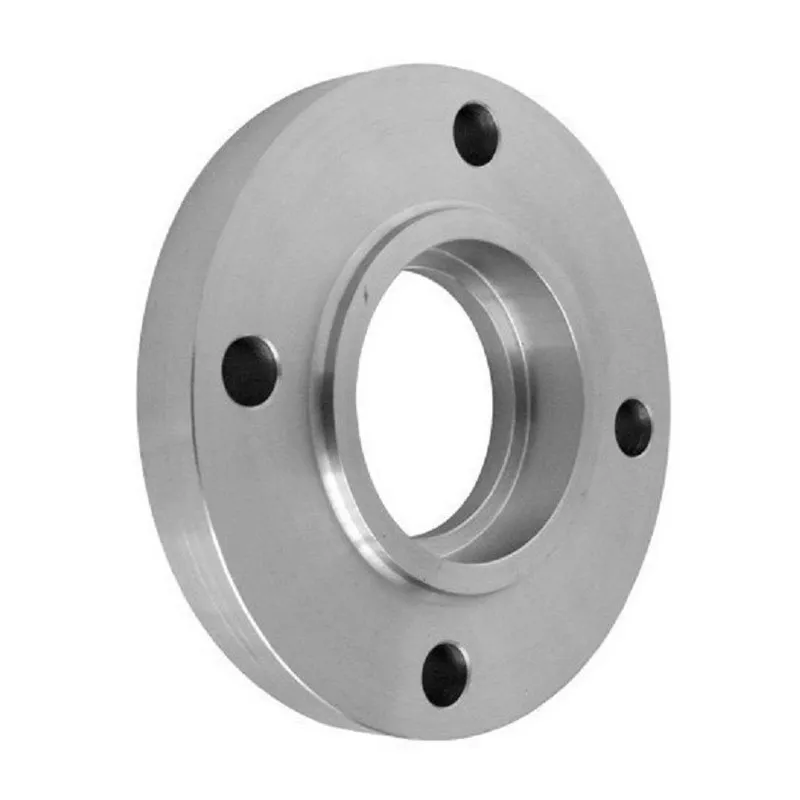
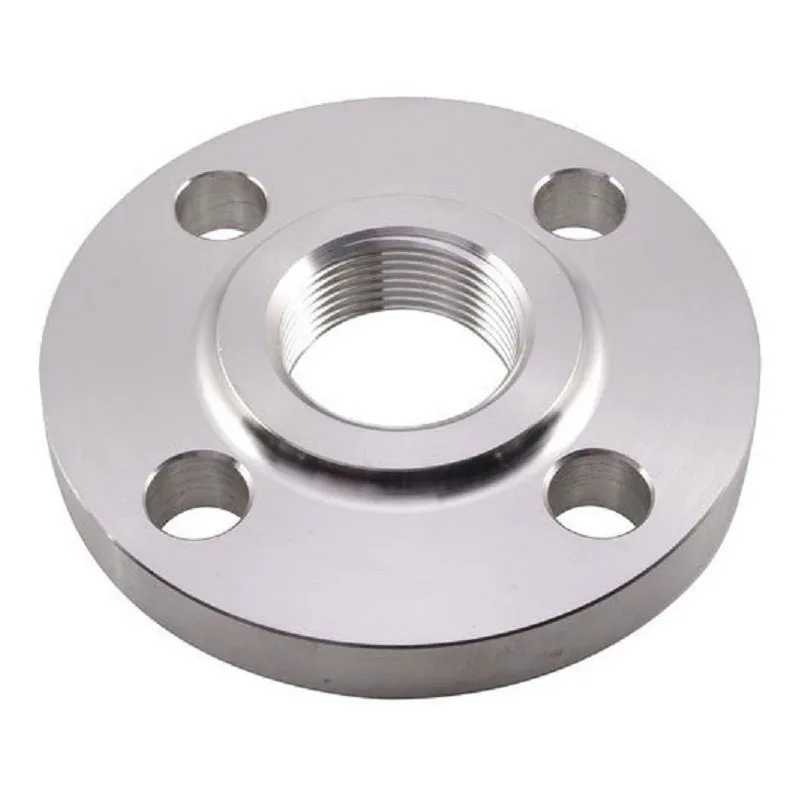
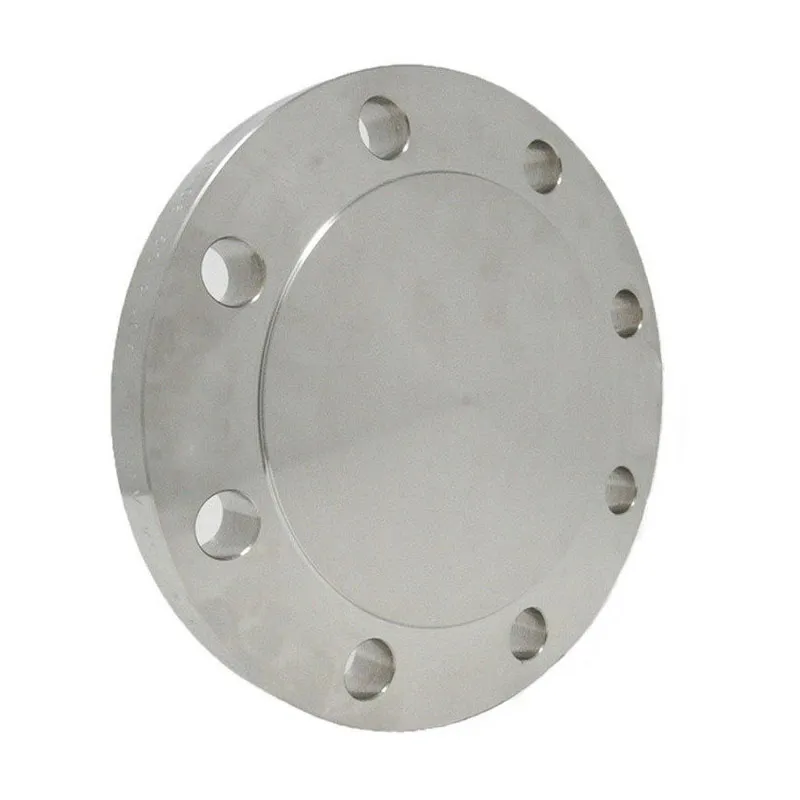
Best Sellingproducts
Best Selling Products-
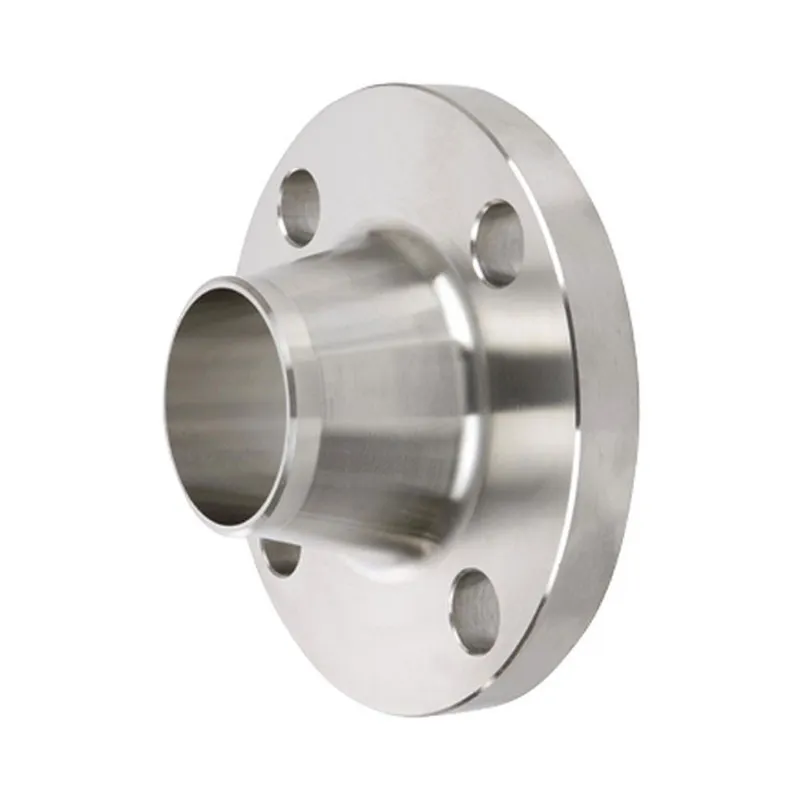 EN 1092-1 Butt weld flanges Type 11, PN25
 -
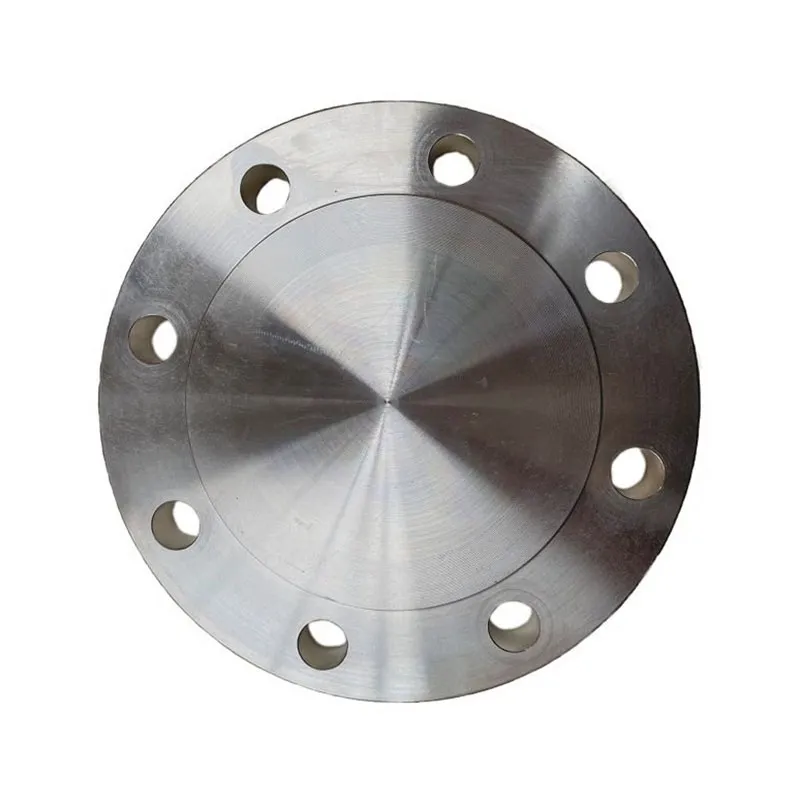 ASME B16.47 Ser.A Blind Flanges Class 400
 -
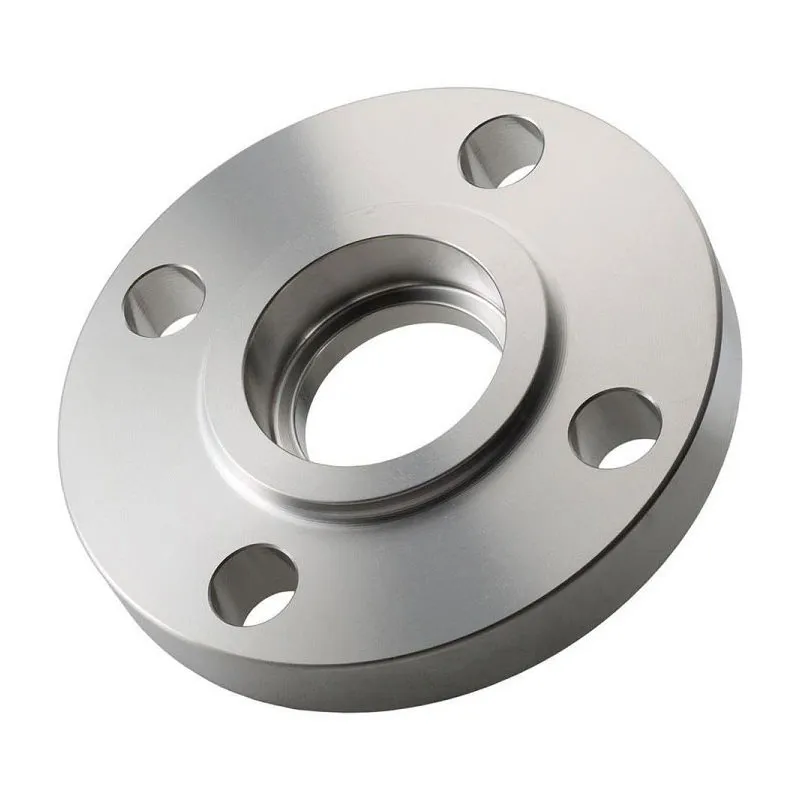 Flanges for socket welding
 -
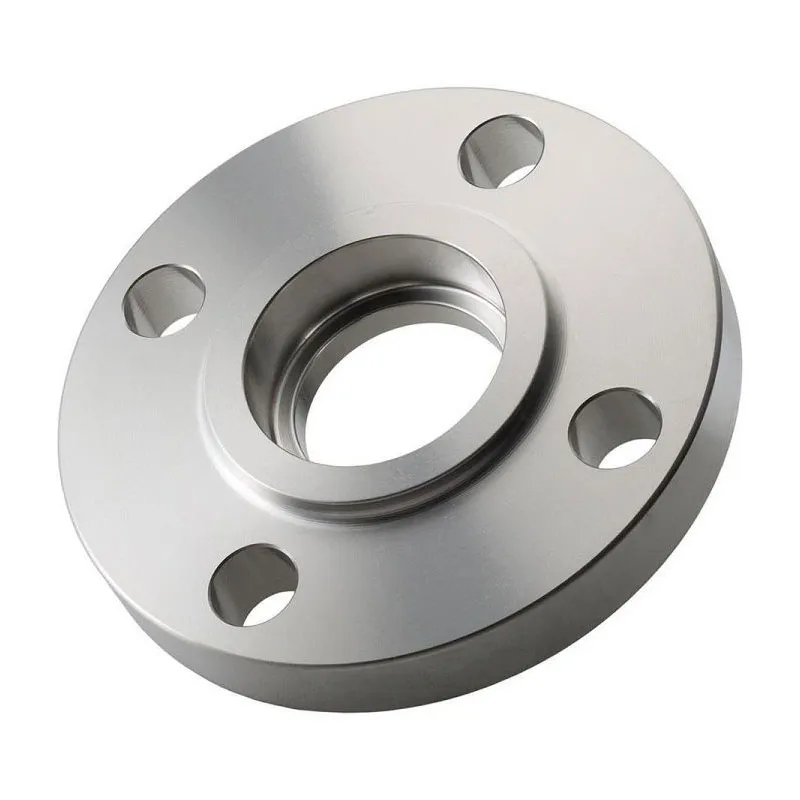 ANSI B16.5 Socket Weld Flanges Class 1500
 -
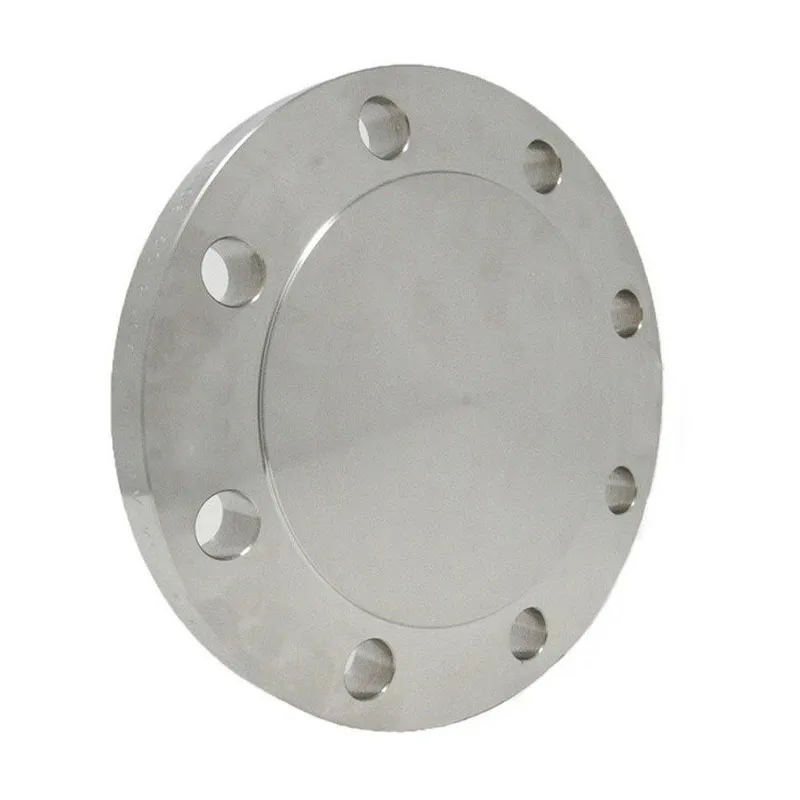 EN 1092-1 Blind flanges Type 05, PN10
 -
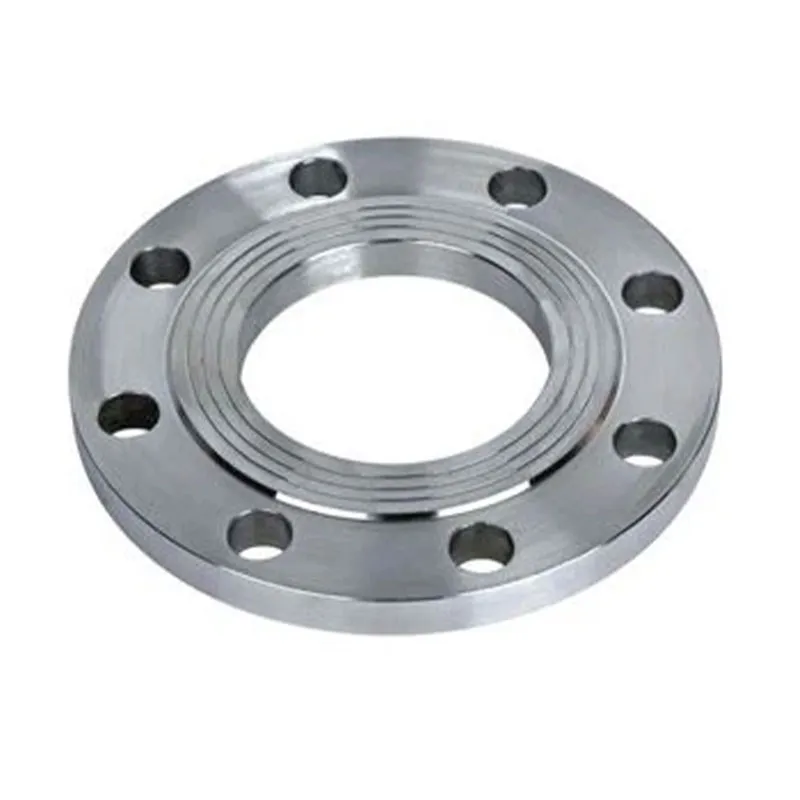 Butt weld flanges Class 150
 -
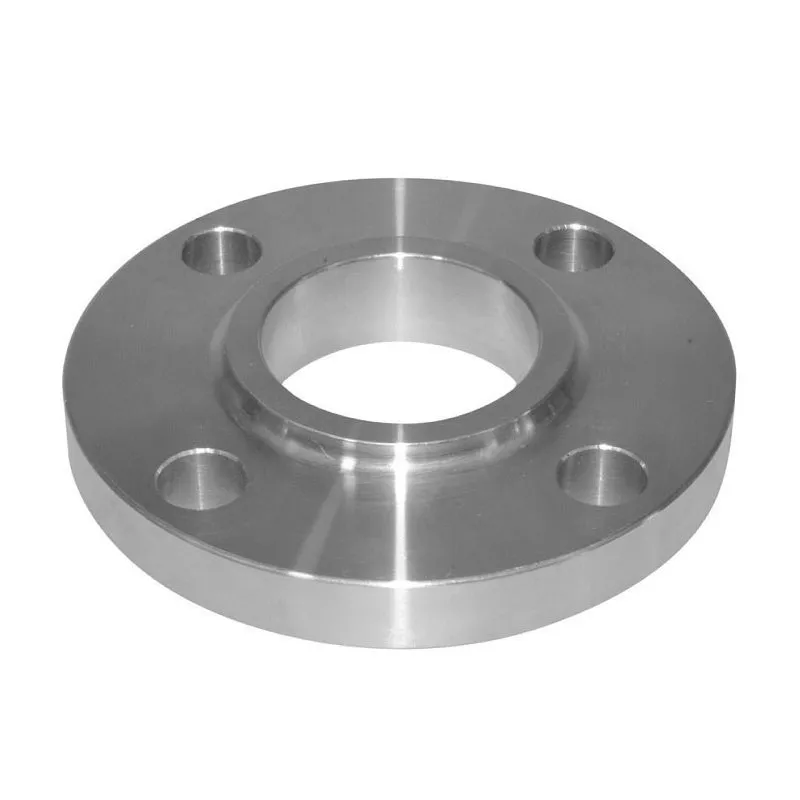 ANSI B16.5 Lap-on flanges Class 1500
 -
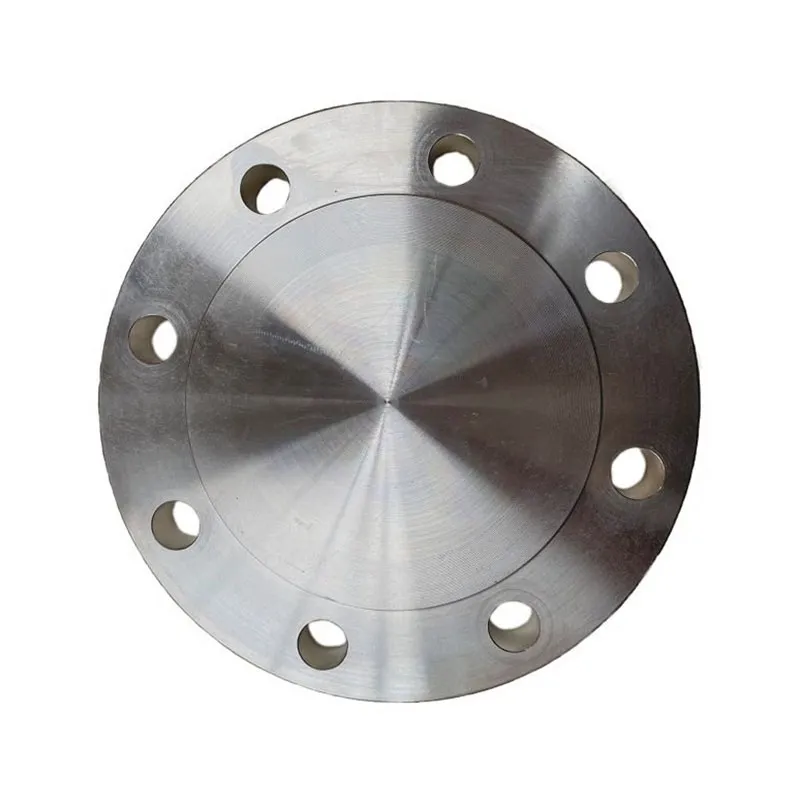 UNI 6092 Blind flanges PN10
 -
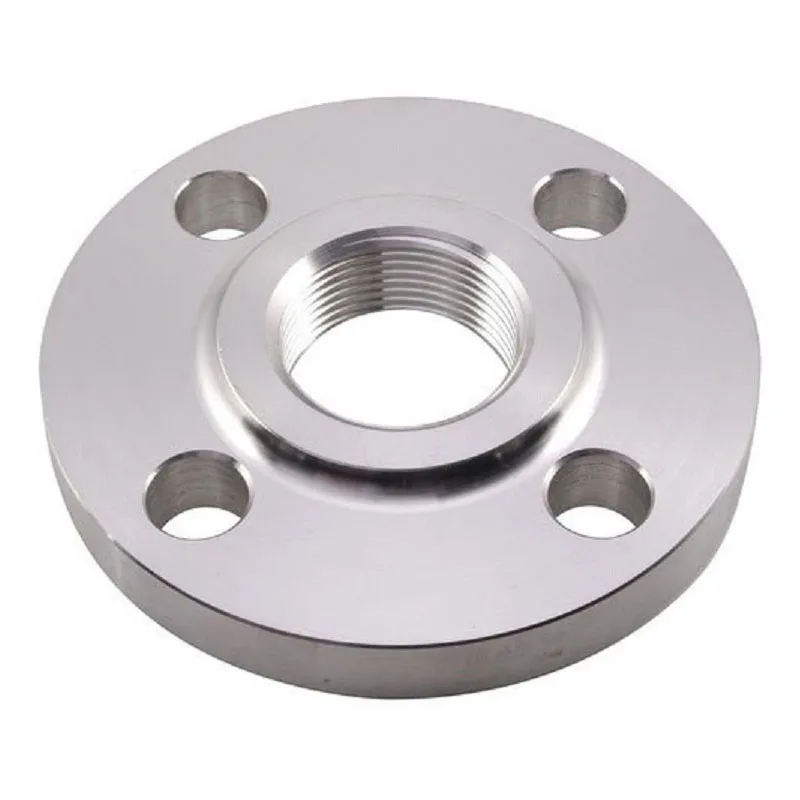 DIN 2566 Threaded flanges PN16
 -
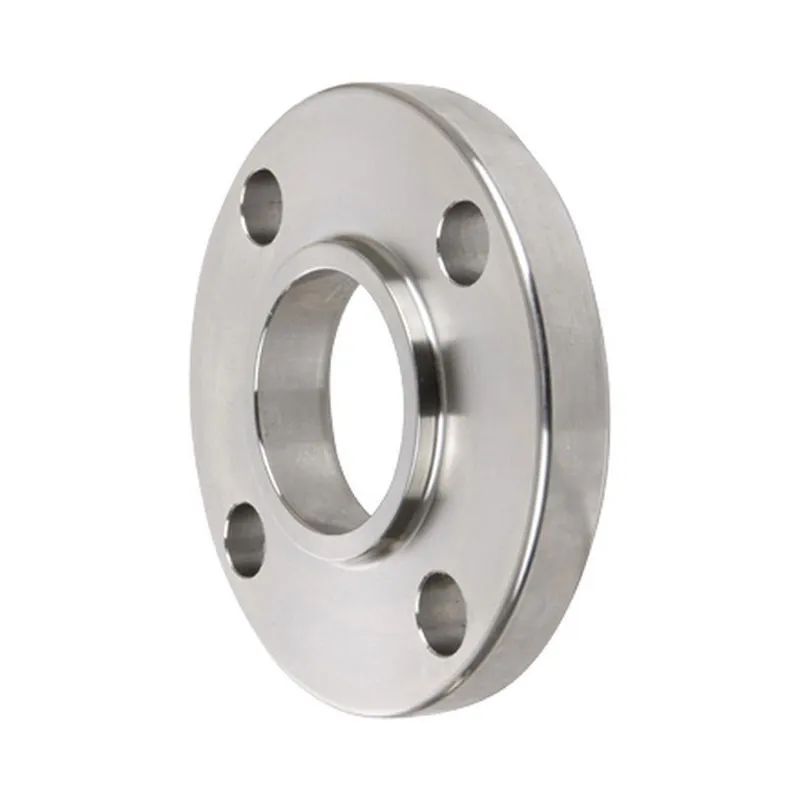 DIN 2501 Overlay flanges PN16
 -
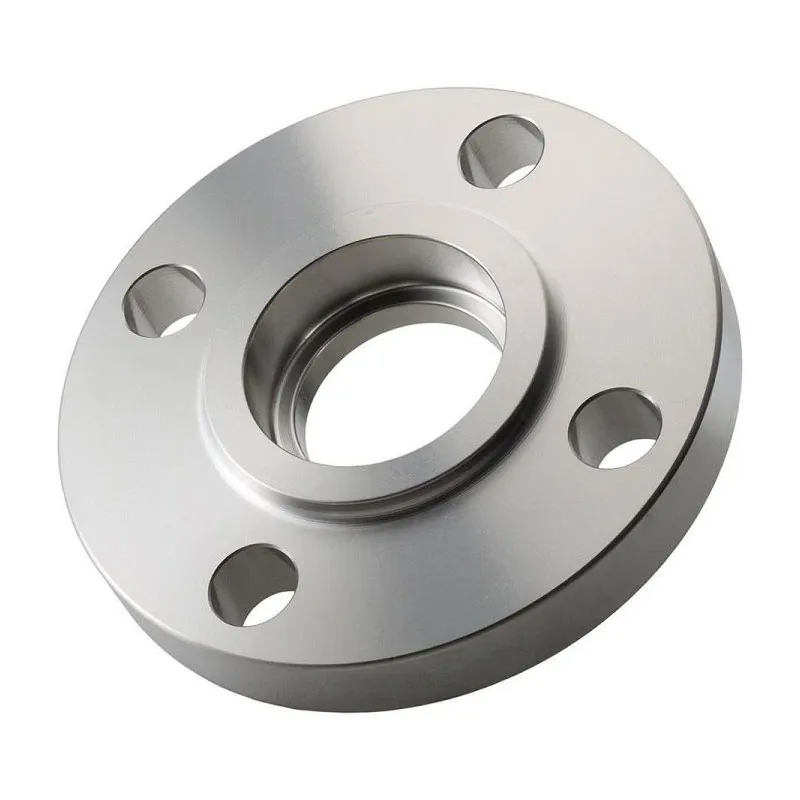 ANSI B16.5 Socket Weld Flanges Class 150
 -
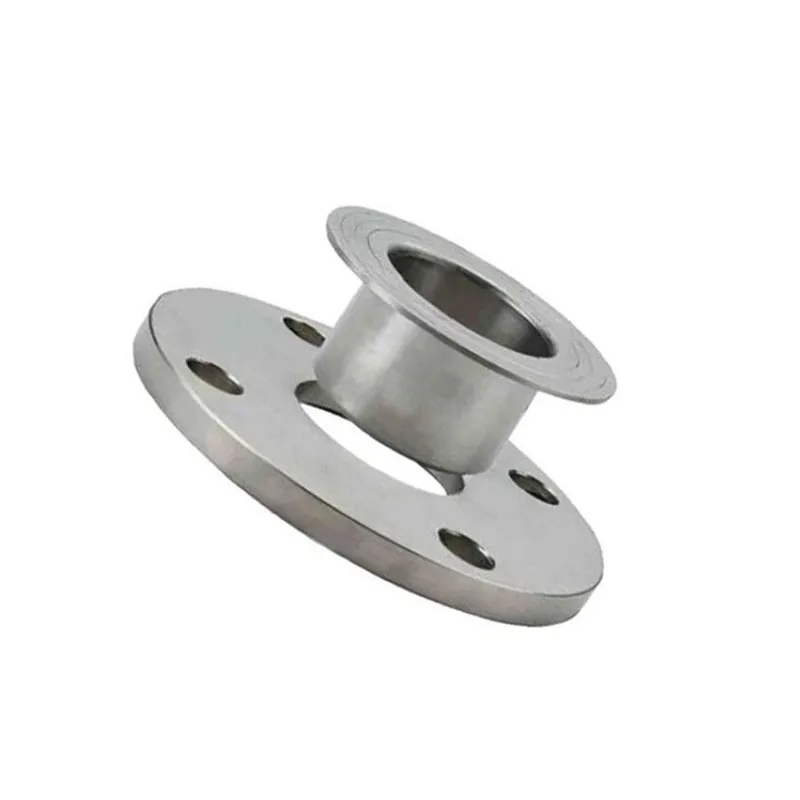 Free ring flanges Class 400