
-
-
Phone
+86-13623462298



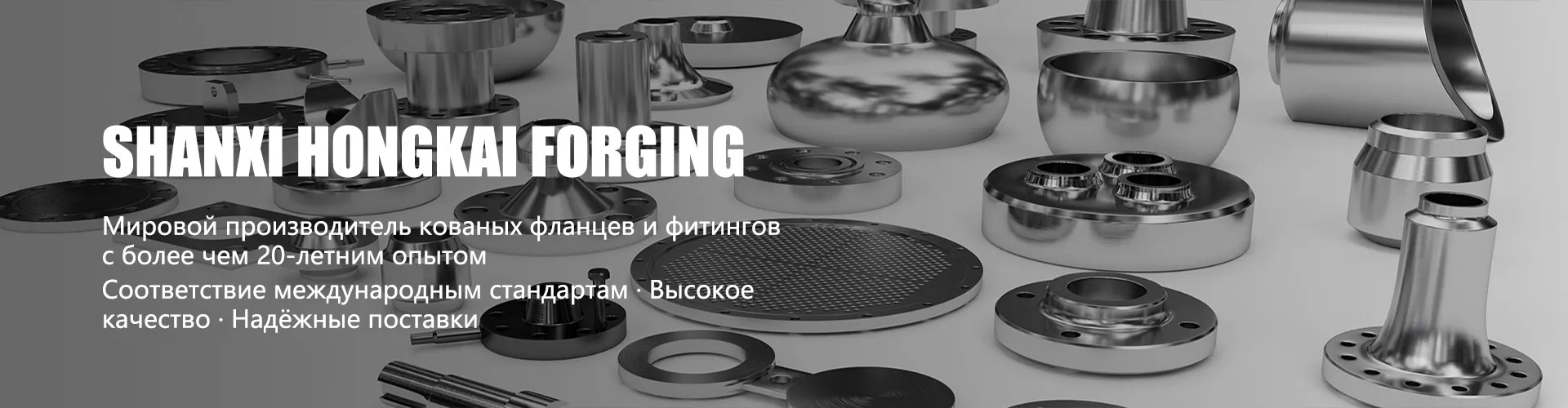
welded steel flange 25
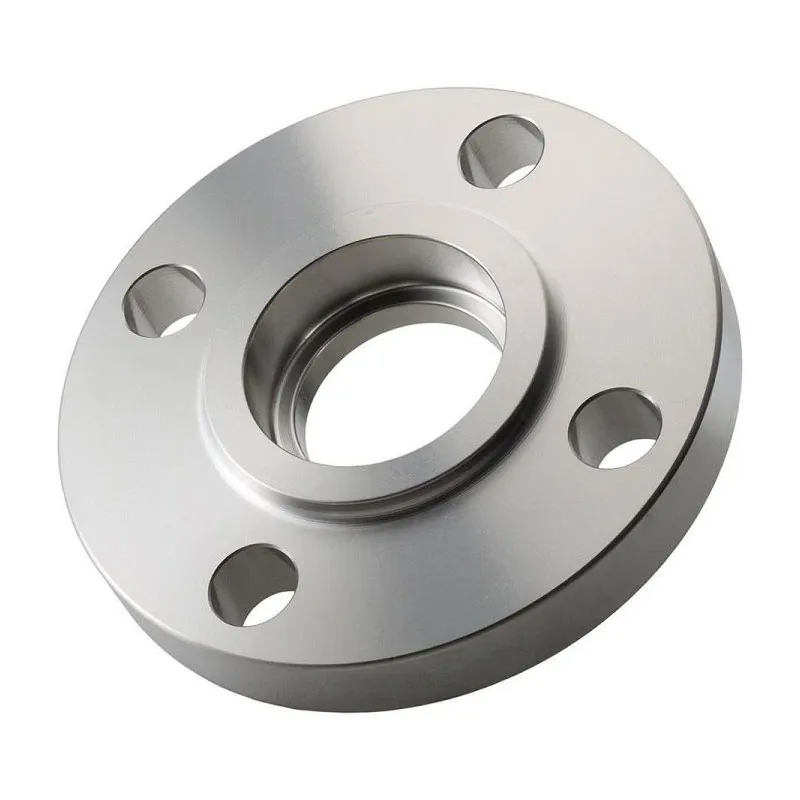
When you see the request “welded steel flange 25?”, the first thing that comes to a beginner’s mind is just a flange for DN 25. But in practice, especially when working with critical pipelines, this number hides a whole layer of nuances: what kind of welded flange? Butt joint (GOST, also an analogue of ASME B16.5)? Or flat welded (GOST)? Or maybe we are talking about a loose flange on a welded ring? What's the pressure? Ru 10, 16, 25? Or are we talking about ASME class 150, 300? Material - St20, 09G2S, 12Х18Н10Т? This is where misunderstandings usually begin between the customer, who wants “just a 25 flange,” and the manufacturer, who sees the drawing or technical specifications. I myself have encountered more than once when the application comes with “flange 25”, but in fact it was neededsteel butt weld flangeon Ru 16 from steel 20 for a steam pipeline according to the working drawing. The difference in price, timing and, most importantly, applicability is colossal.
Why DN 25 is often more than it seems
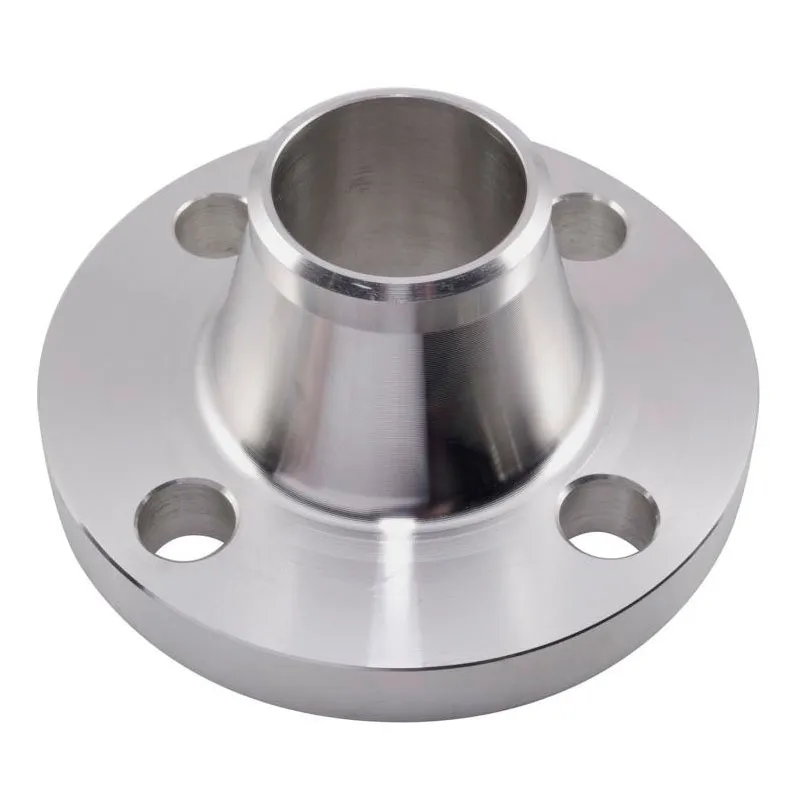
Let’s take, for example, the most popular option -steel butt weld flangeon DN 25. It would seem a standard part. But even here there are pitfalls. The thickness of the connecting protrusion (collar), height, bolt diameters - everything must strictly comply with the standard. The slightest deviation in geometry, especially in bevel angles for welding, leads to installation problems. I know firsthand cases when flanges from different suppliers, both seemingly according to GOST, did not fit together along the bolt holes or along the sealing plane. The culprit is outdated or worn-out equipment from some manufacturers, where tolerances “float”. Therefore, now when choosing a supplier, I first of all look at control of the geometry of the finished product, and not just at material certificates.
By the way, about materials. For nominal pressure Ru 16, steel 20 is often used. But if the pipeline will operate at low temperatures, say, in the north, steel 09G2S is already needed. And for aggressive environments - stainless steel. And this is where many people make a mistake, thinking thatweld flange 25from ?stainless? - it’s just an analogue of steel from another metal. In fact, the forging and heat treatment technology for stainless steels is different, and the price, accordingly, differs significantly. Once I had an unpleasant experience with ordering a batch of 12Х18Н10Т flanges from a plant that specialized in carbon steels. The flanges seemed to be made, but after welding microcracks appeared in the heat-affected zone. I had to figure it out - it turned out that the problem was in the heat treatment mode after forging. Since then, I have been looking for highly specialized manufacturers for special steels.
In this context, it is worth mentioning the companyShanxi Hongkai Forging Co.,Ltd (https://www.hkflange.ru). This is not just another supplier from China. They are based in one of the forging centers, which is critical for forged flanges. Forging, as opposed to stamping or cutting from sheet metal, produces better mechanical structure in the metal, especially for critical applications. On their website you can see that they work in accordance with GOST, ASME, EN - this immediately indicates an orientation towards the international market and, what is important for us, towards the post-Soviet space. For the samewelded steel flange 25they will most likely offer the forged option, which is a default advantage for many projects.
Flat weld vs Butt weld: the eternal debate and practice of choice
Let's go back to type. A flat weld flange on DN 25 is a completely different story. It is most often used for low pressures (Ru 6, Ru 10), for connecting fittings to tanks or on auxiliary pipelines. It is structurally simpler, cheaper to manufacture, but requires careful welding in two planes. Its main disadvantage is the concentration of stress in the welding zone. In my practice, there was a case on a water pipeline, where DN 25 had PN 10 flat flanges. After several years of operation, a thin crack appeared in one of them along the perimeter of the weld to the pipe. Not critical, but needed replacement. Since then, for anything more or less important, I insist on end-to-end flanges, especially if there are vibrations or temperature changes.
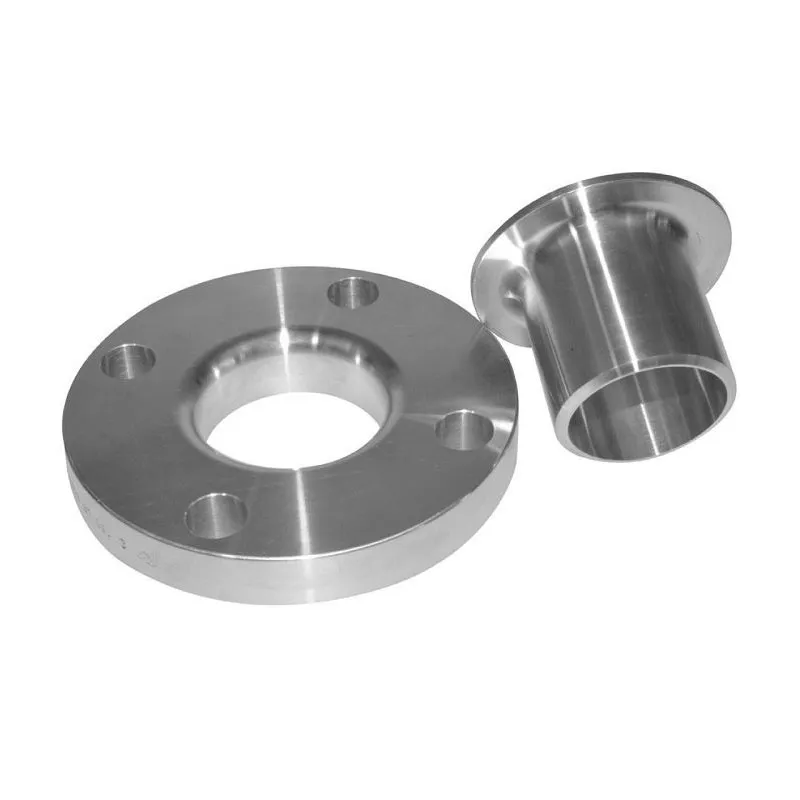
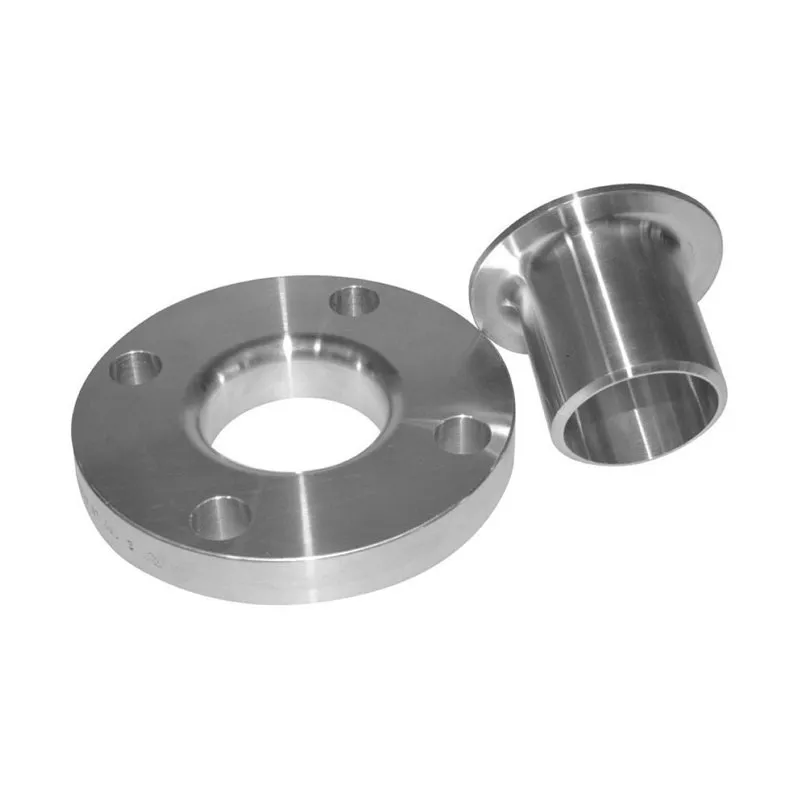
But a loose flange on a welded ring for DN 25 is already exotic. It is used when frequent dismantling is required for inspection or cleaning, and the back side of the flange is not accessible for mounting bolts. For example, in heat exchange equipment. But the cost of the set (ring + flange itself) is already much higher. And here the geometric accuracy of the mating of the ring and flange is a key point. If they didn't sit down? tight, there will be a leak.
As for the sizes, thenShanxi Hongkai Forging Co.,Ltdthe nomenclature states a range right up to DN 4000, but for ourflange 25this, of course, is not so important. More importantly, they also make non-standard products according to drawings. Sometimes it happens that a standard flange is not suitable due to a non-standard distance between the holes or a special design of the sealing surface (for example, tongue-and-groove). The ability to work with customer drawings is a big plus for the manufacturer.
About standards and actual drawings
When working with flanges, you constantly deal with different standards systems. We have historically strong GOST standards (12815-80 is outdated, but still found in old projects). In new projects, especially with foreign participation, ASME B16.5 (classes 150, 300, etc.) or EN 1092-1 are often found. The DN 25 flange according to ASME B16.5 Class 150 is not a direct replacement for the PN 16 flange according to GOST. The dimensions and, more importantly, the tolerances differ. That's why the phrase ?make according to ASME? without indicating the pressure class - the path to nowhere.
A manufacturer who declares work according to GOST, ASME, EN, DIN, asShanxi Hongkai Forging Co.,Ltd, usually has clear technological maps and equipment for each standard. This means what to make for themwelded steel flangeon DN 25 according to GOST on Ru 16 - this is a proven operation. But it is always worth clarifying and sending exactly the drawing or standard that is required for the project. It is better to spend time on clarification than to redo the batch later.
Personally, I always ask for a sketch or 3D model of the flange to be checked before going into production, especially for custom designs. And here it is important that the manufacturer’s manager reacts to such requests in a technically savvy manner, and not just nods.
Price, quality and logistics: a view from the workshop
Pricing for such a seemingly simple product asweld flange 25, depends on many factors: the price of steel (especially relevant recently), manufacturing method (hot forging, stamping), batch size, type of heat treatment, quality control. A cheap flange is almost always a lottery. Savings can be in material (substitution of steel grade), in the absence of heat treatment (which leads to residual stresses) or in finishing machining (the roughness of the seal surface does not meet the standard).
When choosing between a domestic manufacturer and, say, a Chinese one, howShanxi Hongkai Forging Co.,Ltd, the key question often becomes not so much the price, but the stability of quality and the ability to meet deadlines. A large forging manufacturer from China working for export usually has streamlined processes. Their advantage is a large fleet of modern forging and pressing equipment, which allows them to provide the required geometry and structure of the metal. The downside is logistics and customs clearance, which adds time to the overall delivery time.
For urgent, small shipments, it is sometimes more profitable to buy from a local warehouse, even more expensive. But for a large project that requires hundreds or thousands of flanges of different sizes, including our modest DN 25, working with a direct manufacturer, even a foreign one, often turns out to be optimal based on a combination of factors.
Instead of a conclusion: thinking out loud
So the next time you order a “25 steel weld flange”, stop for a minute. Check the design documentation. What exactly is required there? Full conditional marking is ideal. If it is not there, restore it according to the assembly drawing. Check with the manufacturer exactly how they will make it, from what material, what heat treatment is provided. Ask for photos of finished products from similar orders. This is not paranoia, this is normal practice. Because there are no small things in pipeline fittings. Even for such a seemingly simple element.
And yes, if you see that the manufacturer is like the sameShanxi Hongkai Forging, openly indicates both GOST and ASME on the website, and the ability to work from drawings is a good sign. So they most likely understand the difference between ?just a flange? and a part that must work reliably in a specific system. And this, ultimately, is the most important thing.
Correspondingproducts
Related Products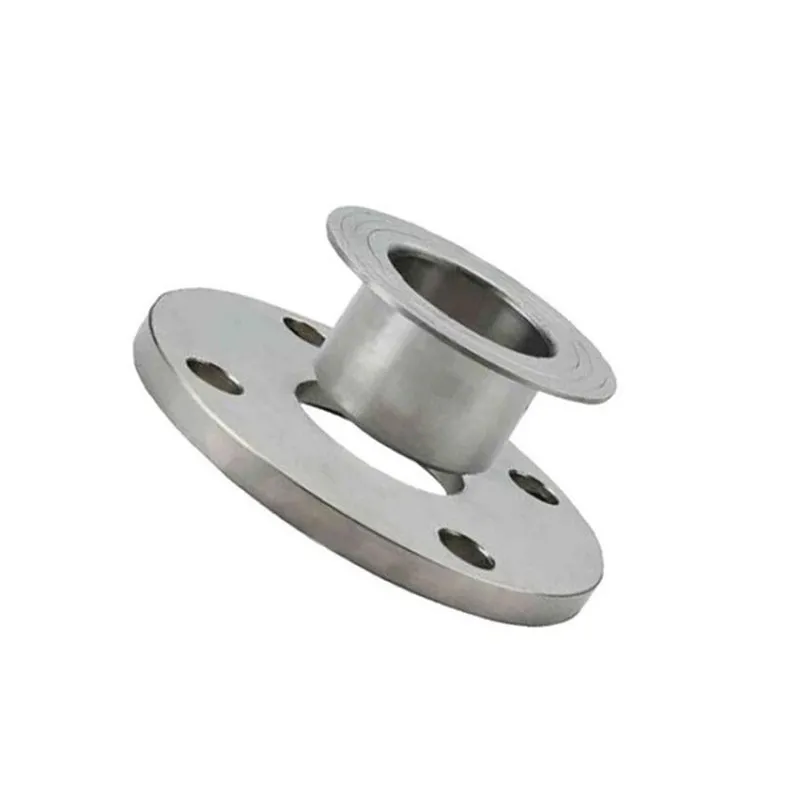
Best Sellingproducts
Best Selling Products-
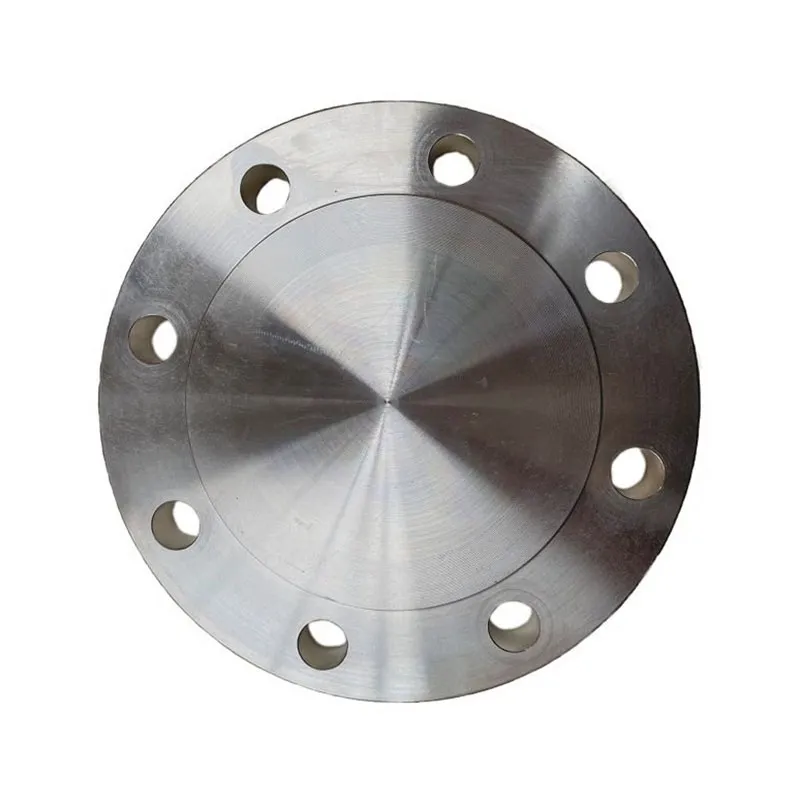 ASME B16.47 Ser.A Blind Flanges Class 400
 -
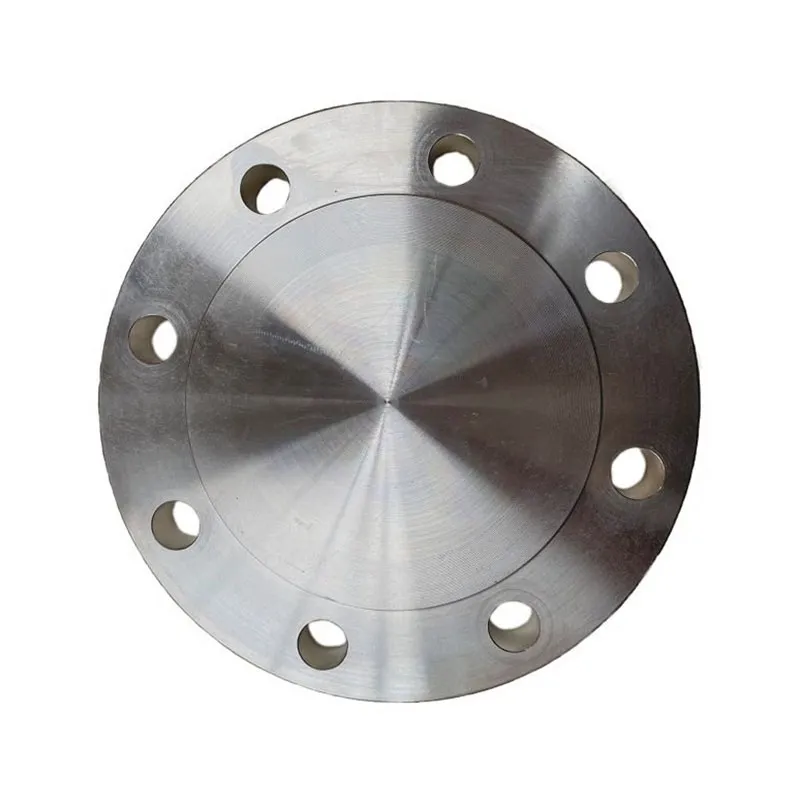 UNI 6092 Blind flanges PN10
 -
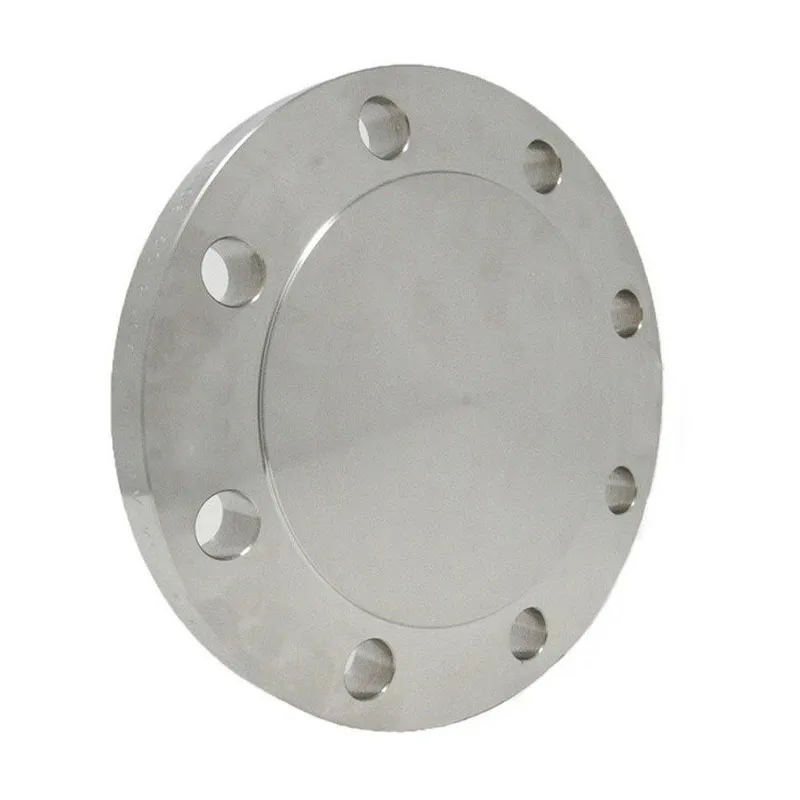 EN 1092-1 Blind flanges Type 05, PN10
 -
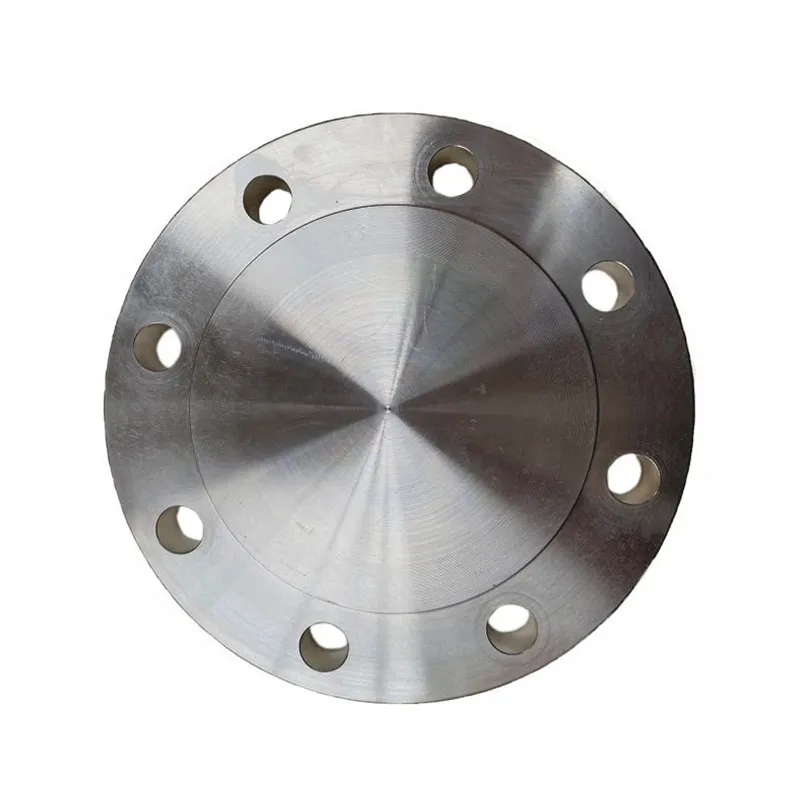 DIN 2527 Blind flanges PN10
 -
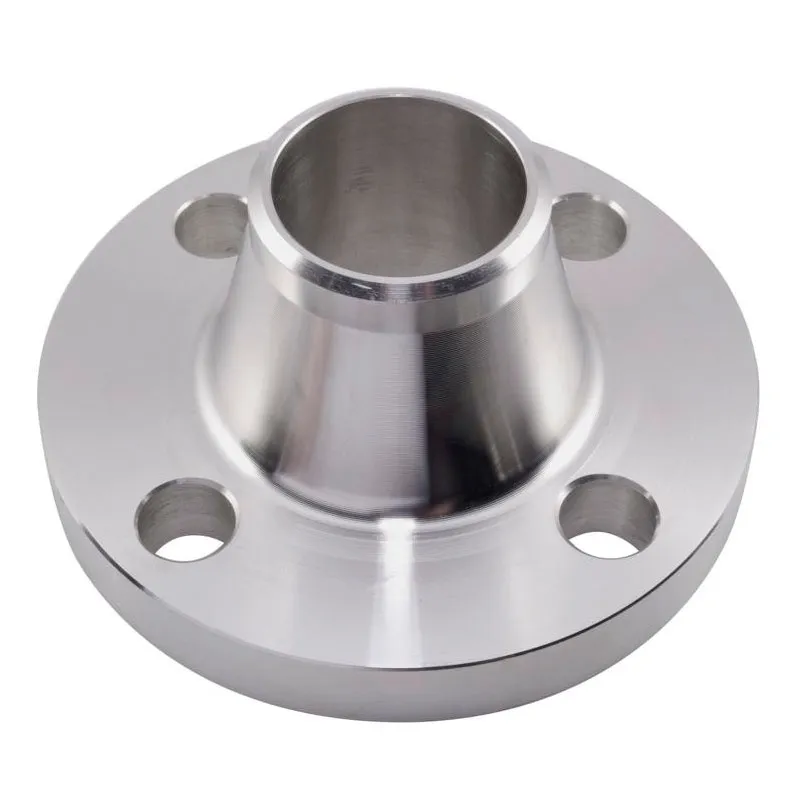 Butt weld flanges Class 900
 -
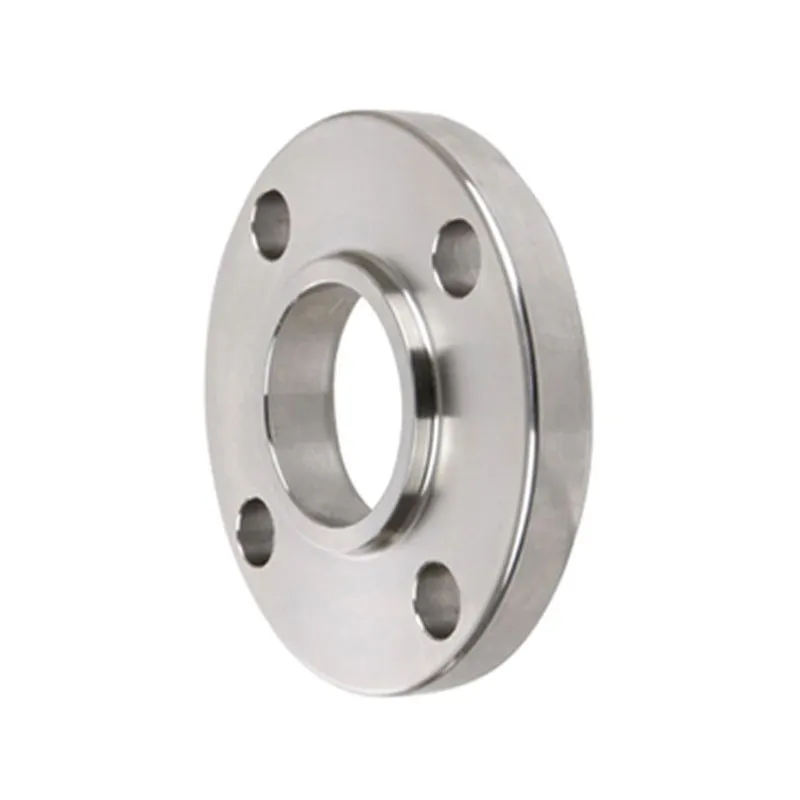 ANSI B16.5 Lap-on flanges Class 300
 -
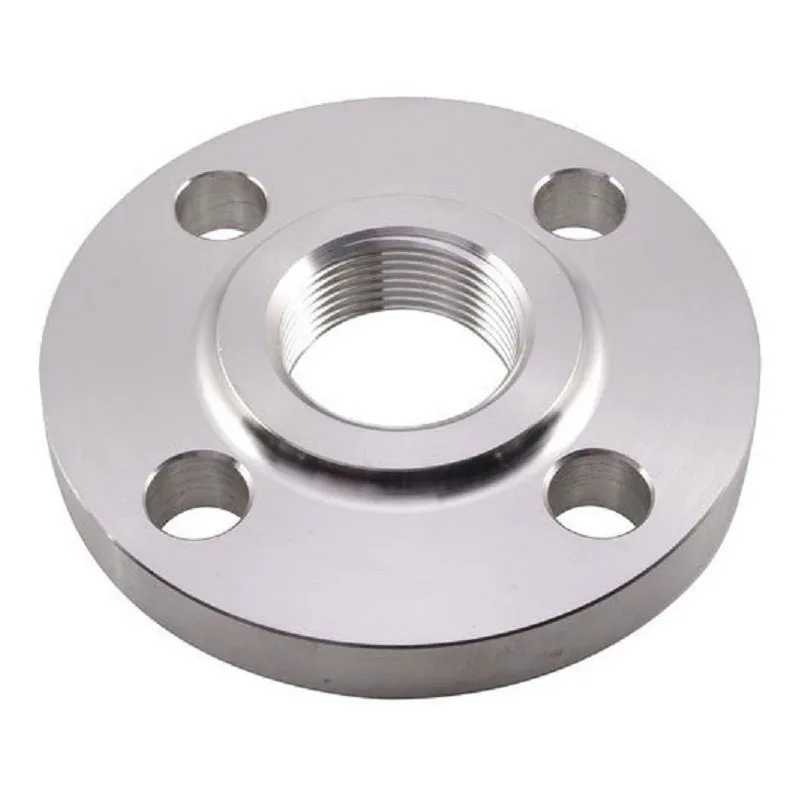 ANSI B16.5 Threaded Flanges Class 600
 -
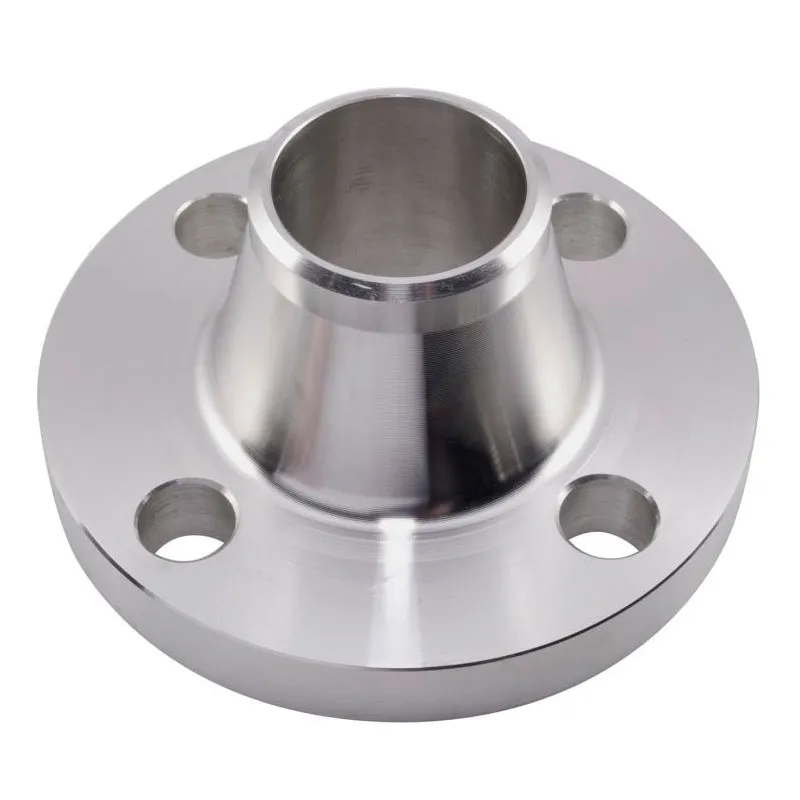 UNI 2281 Butt weld flanges PN10
 -
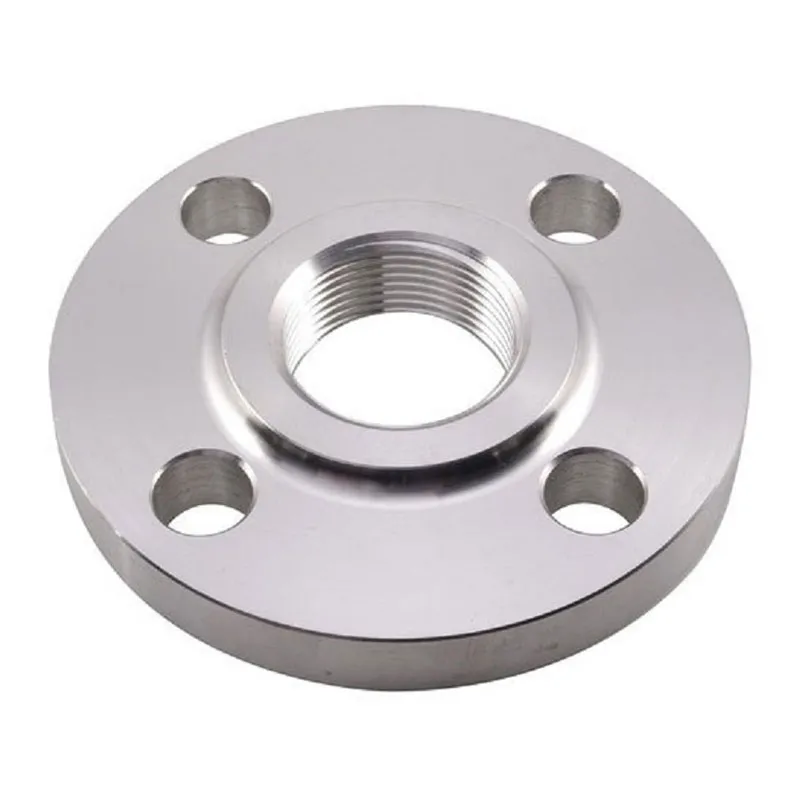 JIS 10K Overlay flanges
 -
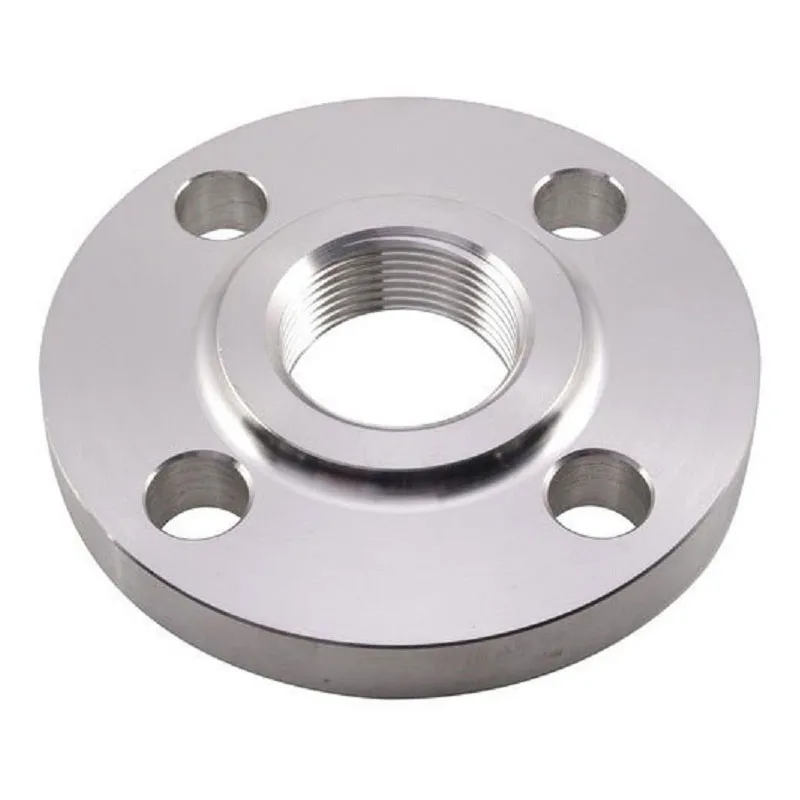 EN 1092-1 Threaded flanges Type 15, PN16
 -
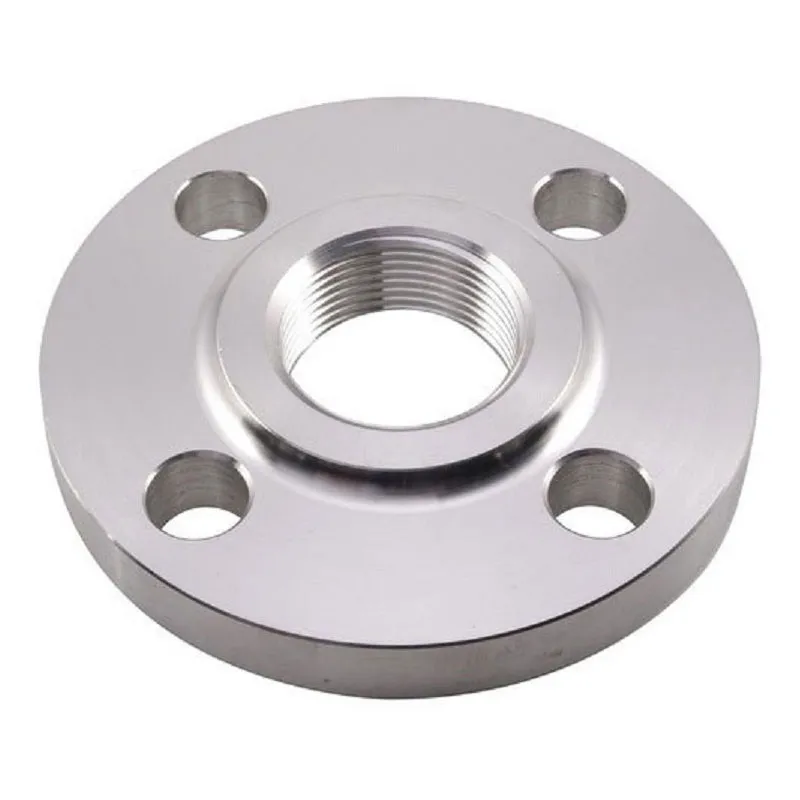 DIN 2565 Threaded flanges PN6
 -
 ANSI B16.5 Socket Weld Flanges Class 150