
-
-
Phone
+86-13623462298



flanges for wells
When people talk about flanges for wells, many people immediately think of something space-age or super-specific for an oil industry. In fact, if you dig deeper, this is often just a conversation about connecting to devices with jackets or heat exchangers, where access to the inside is needed - that very “hole?”. But here’s the catch: not every standard flange will fit here, and this is a common mistake during initial selection. I encountered it myself when at a facility they tried to install a regular butt weld on the reactor jacket - then the tightness was tormented.
Why isn't it just a hole with a flange?
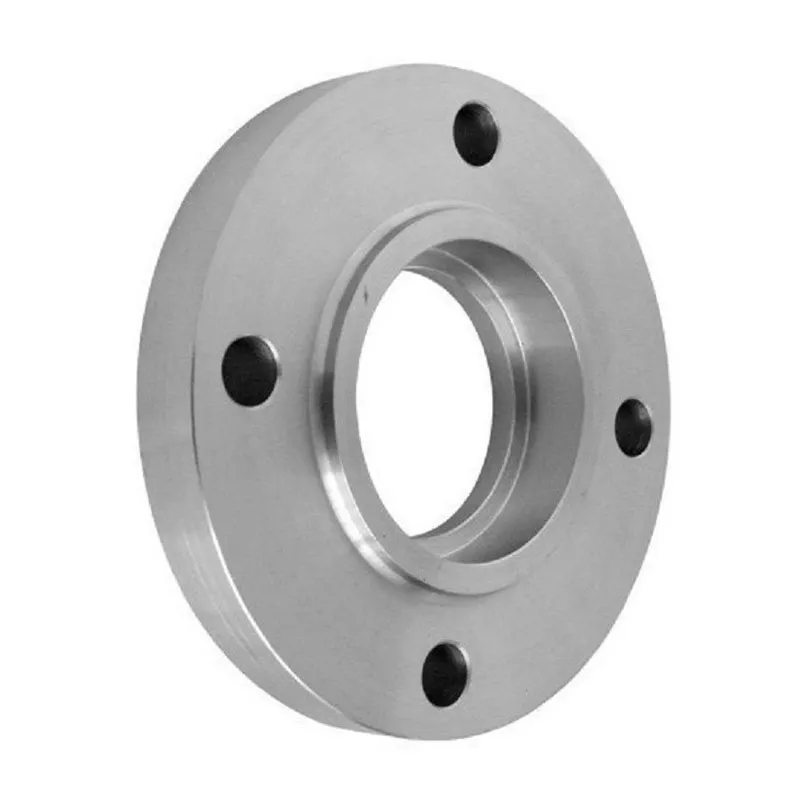
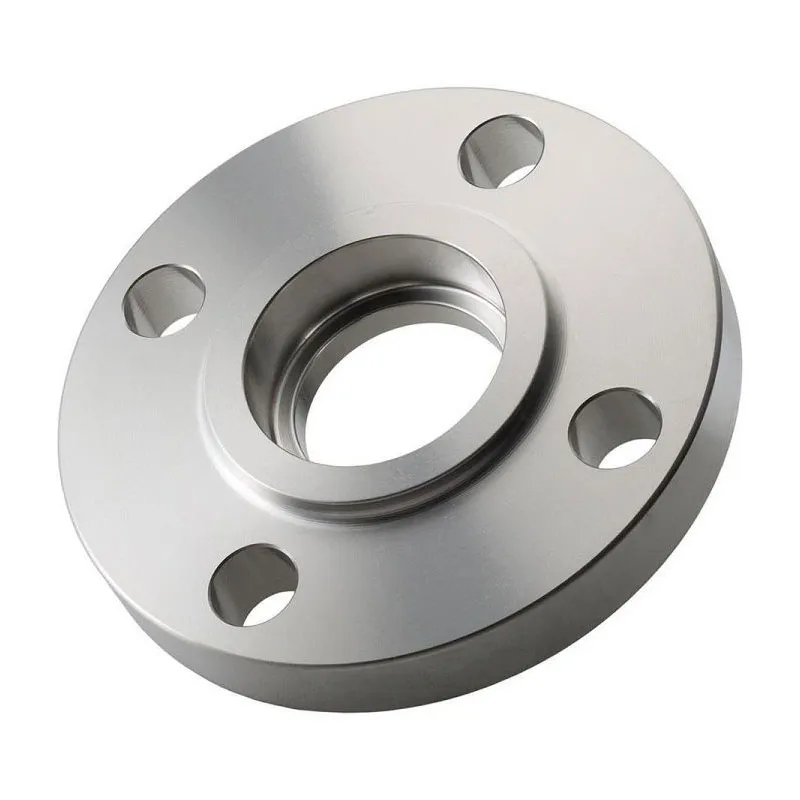
It's important to understand the context here.Well flanges- these are, in fact, often flanges for a welded ring (loose ring) or special plugs with a flange connection. They are needed to close technological openings in vessels and boilers, where fittings or sensors can later be installed. The key is to provide a detachable connection that will withstand the pressure and environment, but still allow it to be removed for maintenance.
In our workshop, for example, for a chemical plant in Tatarstan they made just such things according to the customer’s drawings. Material - 09G2S, environment - aggressive. And here a nuance emerged: the ring and the flange itself must be perfectly matched, otherwise leaks will appear during thermal cycling. I have seen more than once how acceptance was delayed due to micron gaps.
By the way, about standards. They often follow GOST 12822-80 or ASME B16.5, but there are also deviations for holes - for example, when you need an offset arrangement of holes for studs so as not to interfere with internal devices. This is exactly the area whereflanges for wellsmove into the category of non-standard products. There are few ready-made solutions; most often work is based on a sketch.
Experience with Chinese suppliers and where are the pitfalls?
Previously, many tried to order something similar in China, but it was cheaper. But we were faced with the fact that the metal was not right or the heat treatment was lame. Especially for critical objects. The situation is better now, but the choice of supplier is critical. For example, I know a companyShanxi Hongkai Forging Co.,Ltd (https://www.hkflange.ru). They are just a manufacturer of forged flanges and forgings, and in one of the main centers of the forging industry in China. It is important that they work according to international standards - GOST, ASME, EN. For holes this is a plus, because often the project requires ASME or DIN compliance.
We once took from them a test batch of loose flanges with rings for holes for testing on a bench. The size was DN300, pressure 40 atm. However, I had to install my own studs - their complete ones were not suitable for the strength class. But the ring itself and the flange fit well, the marks on the end were of high quality. This, by the way, is often overlooked - the condition of the surface under the gasket. If there are risks, but not the right ones, or the roughness is not the same, the gasket will “float”.
Their range of sizes up to DN4000 allows you to close almost any hole, but for large diameters you already need calculations for bending - simply installing a flange according to the pressure standard may not be enough. Here you can’t do without calculations, and it’s good if the manufacturer can provide calculation certificates or at least data on the mechanical properties after forging.
Practical rake: installation and what the technical specifications are silent about
Let's say the flange for the hole is perfectly made. But installation... It is often trusted to installers who are accustomed to ordinary pipe flanges. But here there may be a different tightening sequence, especially if the hole is located on a curved surface of the body. There was a case at a thermal power plant - they put flanges on the boiler drum, tightened them with an “asterisk”, but unevenly, because access was only on one side. The result is misalignment and leakage at the first increase in pressure.
Another point - gaskets. For holes, especially in aggressive environments, spiral-wound or metal oval sections are often used. And they need the correct geometry of the nests. If the flange is made on the knee? or with a deviation according to the drawing, the gasket will not work. I had to finish it by hand scraping - the pleasure was below average.
And yes, don’t forget about temperature expansion. If the device body andflanges for wellsmade of different materials (say, the body is steel 20, and the flange is 12Х18Н10Т), then the heating coefficients are different. This may cause the connection to become unloaded. Therefore, for high-temperature environments it is better that the materials are matched, or special compensating gaskets are installed.
When the standard does not save: non-standard solutions and their cost
Often the customer comes with a drawing where the hole is not round, but oval, or with several holes for communications in one flange. This is where the real work begins. Standardflanges for wellsabsolutely not suitable. You need to design and forge almost from scratch. The same Hunkai Forging (https://www.hkflange.ru) the nomenclature specifically states non-standard products according to customer drawings. This is useful, but the time and price immediately increase.
I remember a project for a nitric acid plant. There was a hole with a flange, which at the same time served as a support for the internal coil. They counted not only on pressure, but also on vibration. They made reinforced ribs on the back side of the flange (from the apparatus side), which is not provided for by the standards at all. Manufactured by forging followed by machining. It was important to maintain the impact strength of the metal after all operations - control samples were made.
In such cases, working with a manufacturer that has its own forging and press production, and not just machining of blanks, is a big advantage. Because forging gives better mechanical properties compared to cutting from sheet metal. Especially for dynamic loads. Shanxi Hongkai Forging LLC is positioned as a manufacturer of forged flanges and forgings, which is important for responsible non-standard solutions.
Conclusions that are not in textbooks
So, what's the bottom line aboutflanges for wells? This is not a separate class of flanges, but rather a functional purpose. The main problems are the correct selection of the type (usually loose with a ring or special plugs), taking into account the actual installation and operating conditions (temperature, access for tightening, environment), and most importantly, quality control of manufacturing, especially with non-standard designs.
Working with trusted manufacturers who can provide a full set of documents on materials and processing saves nerves at the stage of handing over the object. Chinese companies, like the mentioned Shanxi Hongkai Forging LLC, are now quite capable of completing such tasks, especially if they specialize in forgings and work according to international standards. But you cannot trust blindly - you always need input control, at least selective.
And lastly: never skimp on calculations. If the hole is large or the conditions are harsh, invest in a strength calculation from specialists. Cheaper than later patching up an accident or stopping production due to a leak in a seemingly minor connection. The well flange is often a small but critical detail.
Correspondingproducts
Related Products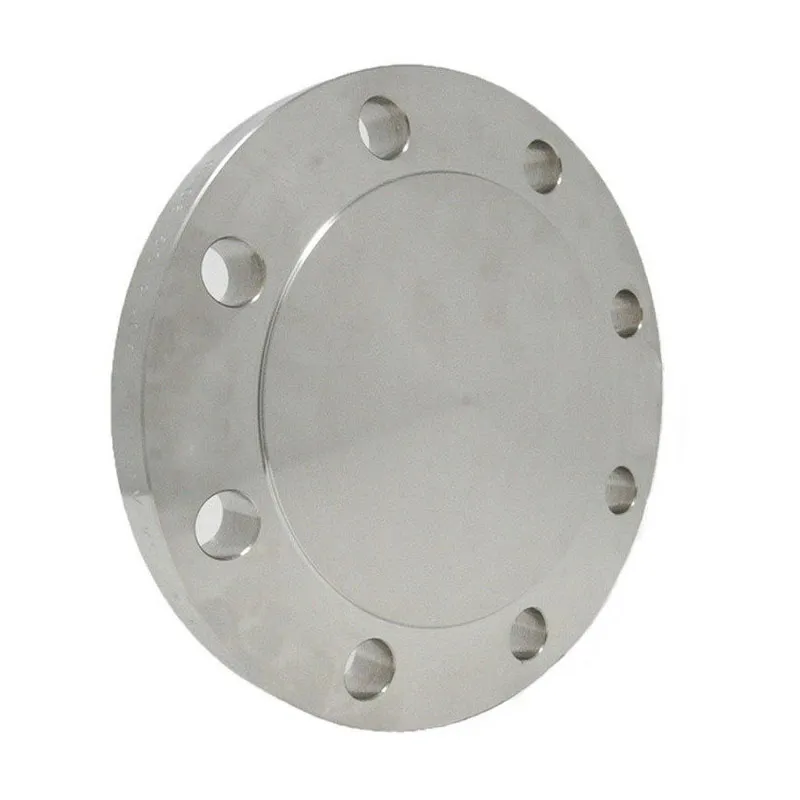
Best Sellingproducts
Best Selling Products-
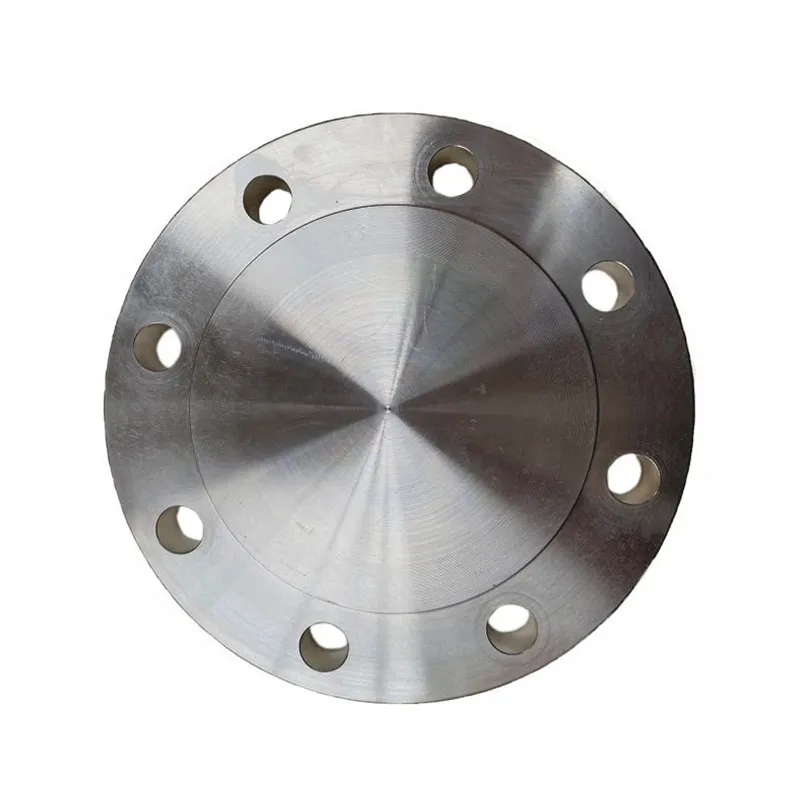 DIN 2527 Blind flanges PN10
 -
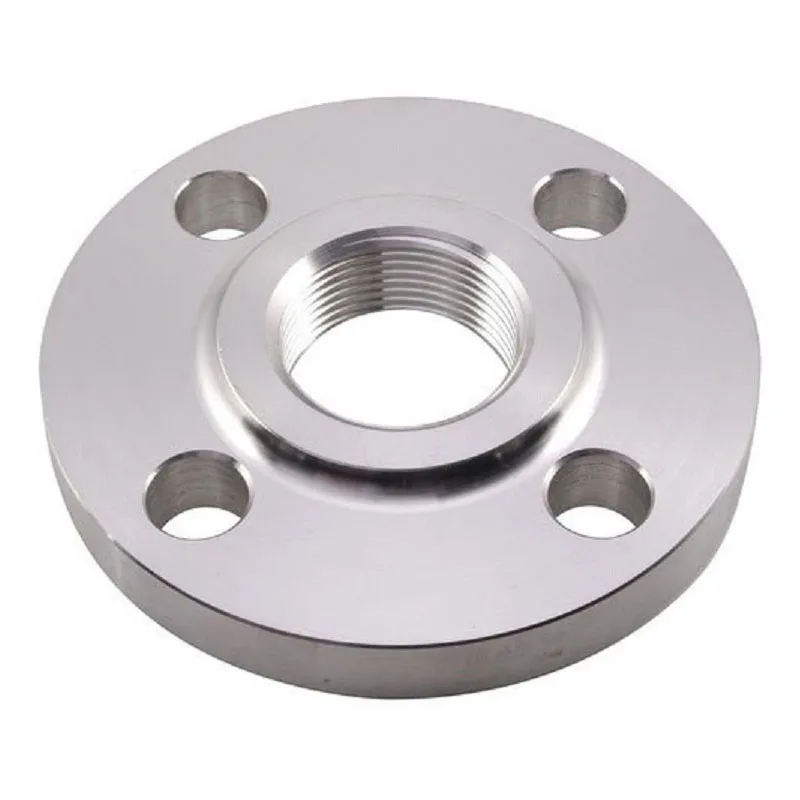 DIN 2566 Threaded flanges PN16
 -
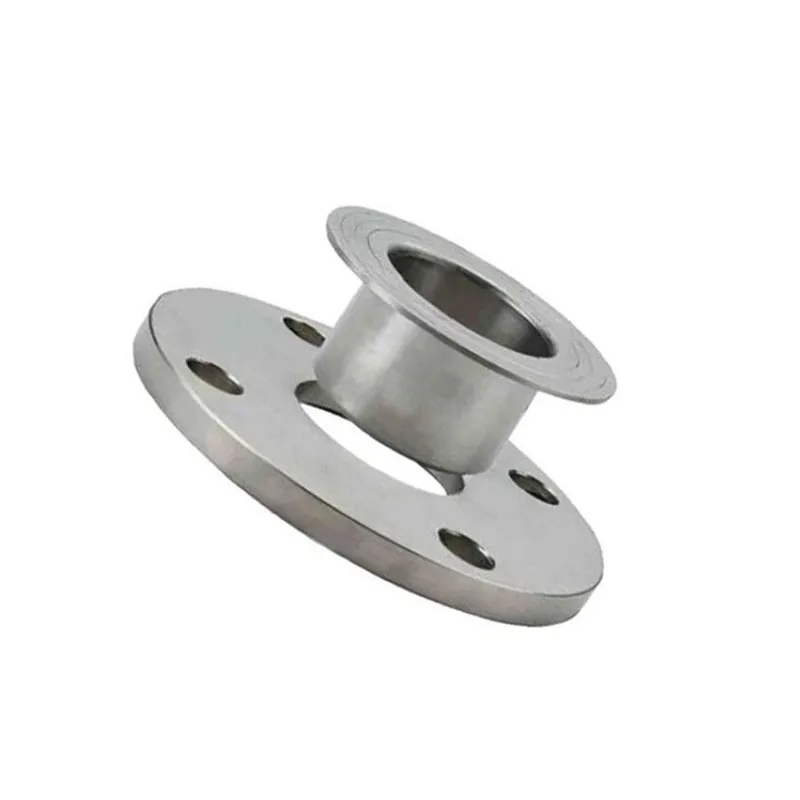 Free ring flanges Class 400
 -
 JIS 10K Loose Ring Flanges
 -
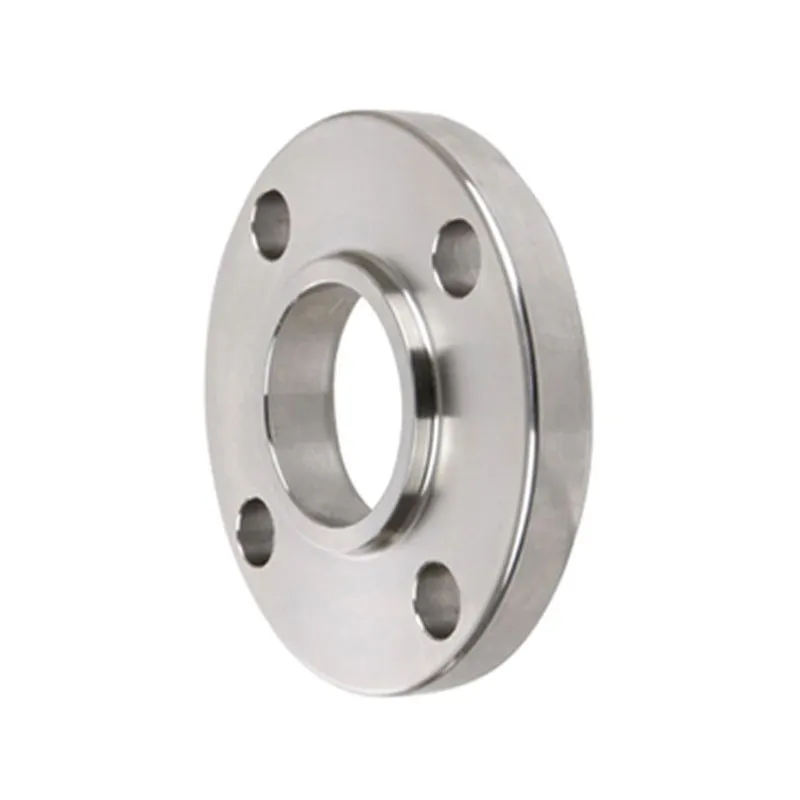 ANSI B16.5 Lap-on flanges Class 300
 -
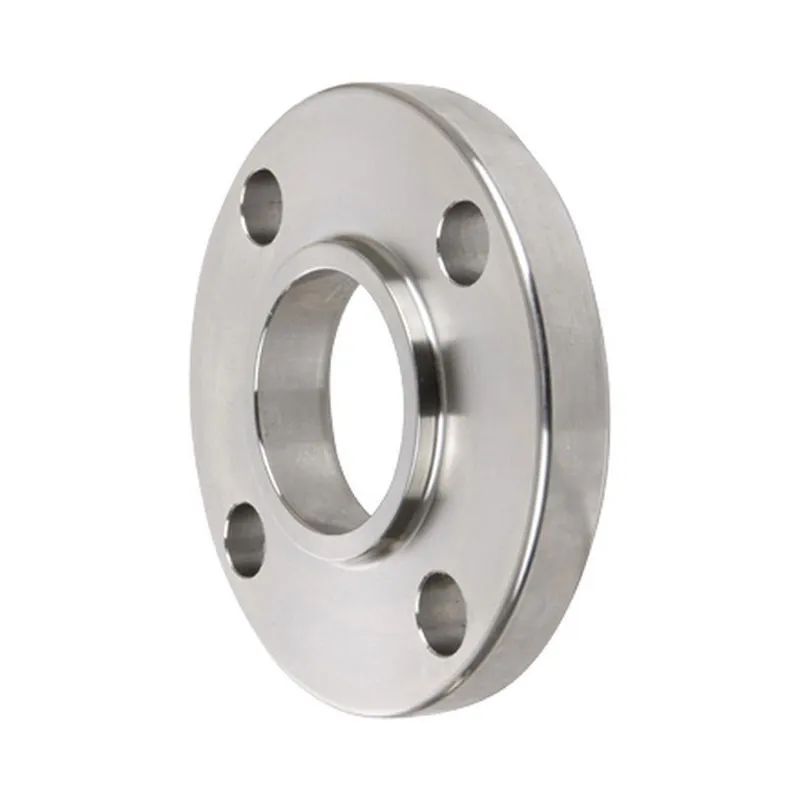 DIN 2501 Overlay flanges PN16
 -
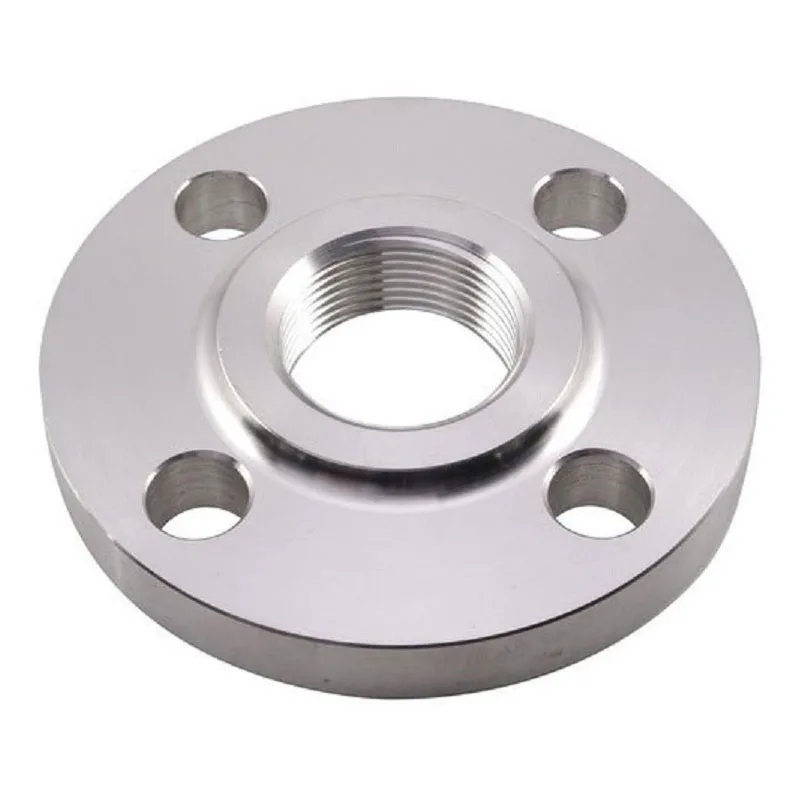 JIS 10K Threaded Flanges
 -
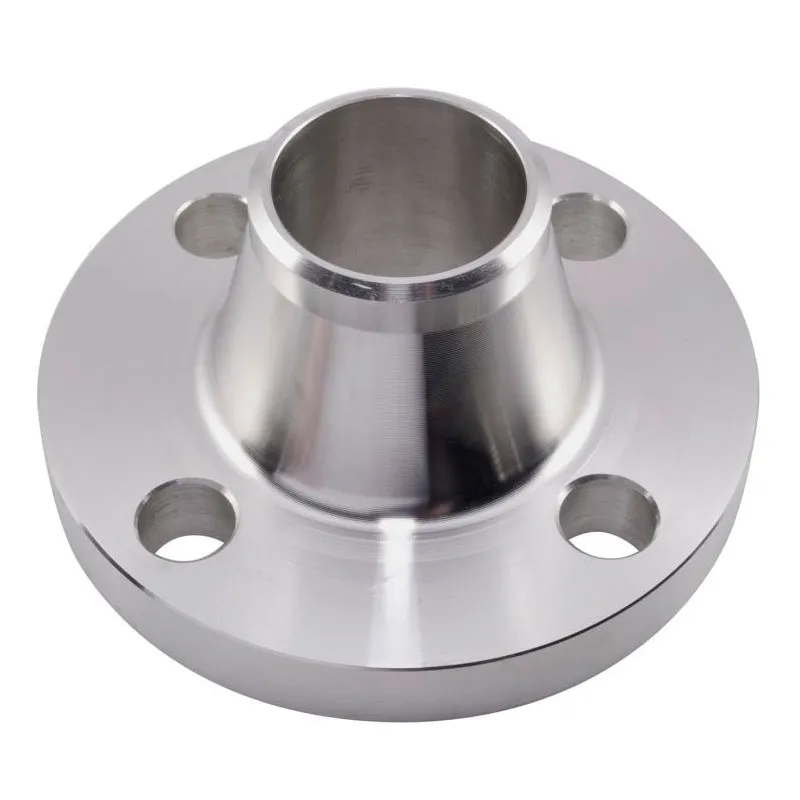 UNI 2281 Butt weld flanges PN10
 -
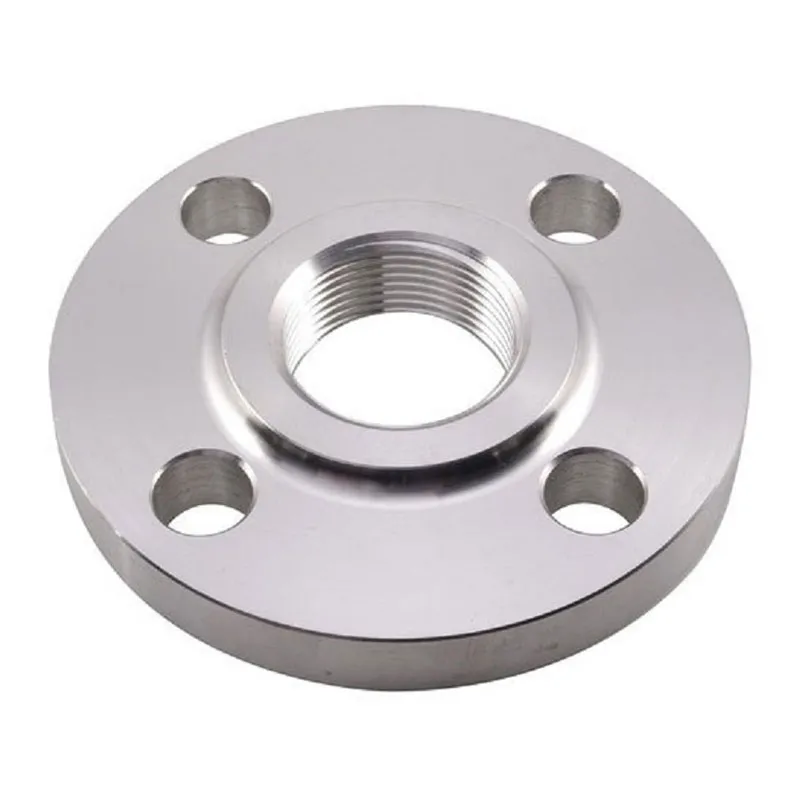 JIS 10K Overlay flanges
 -
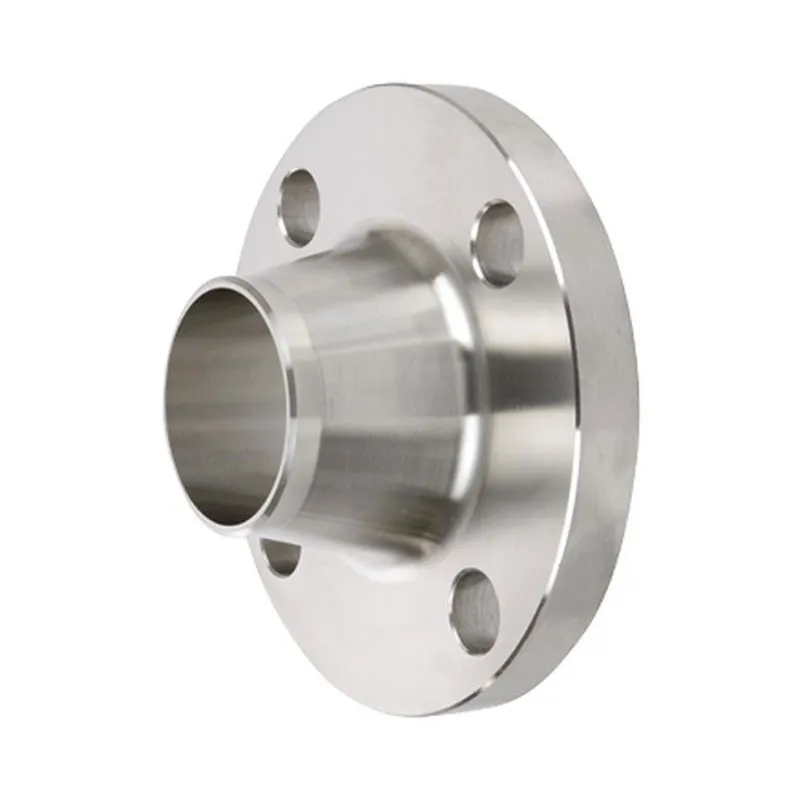 Ser.A Butt Weld Flanges Class 400
 -
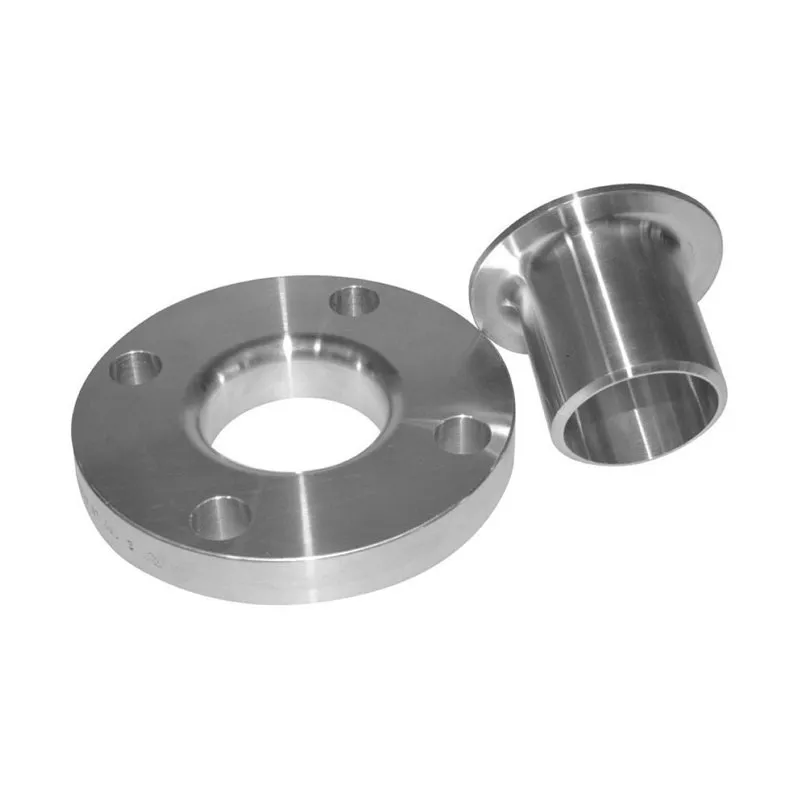 Free ring flanges Class 150
 -
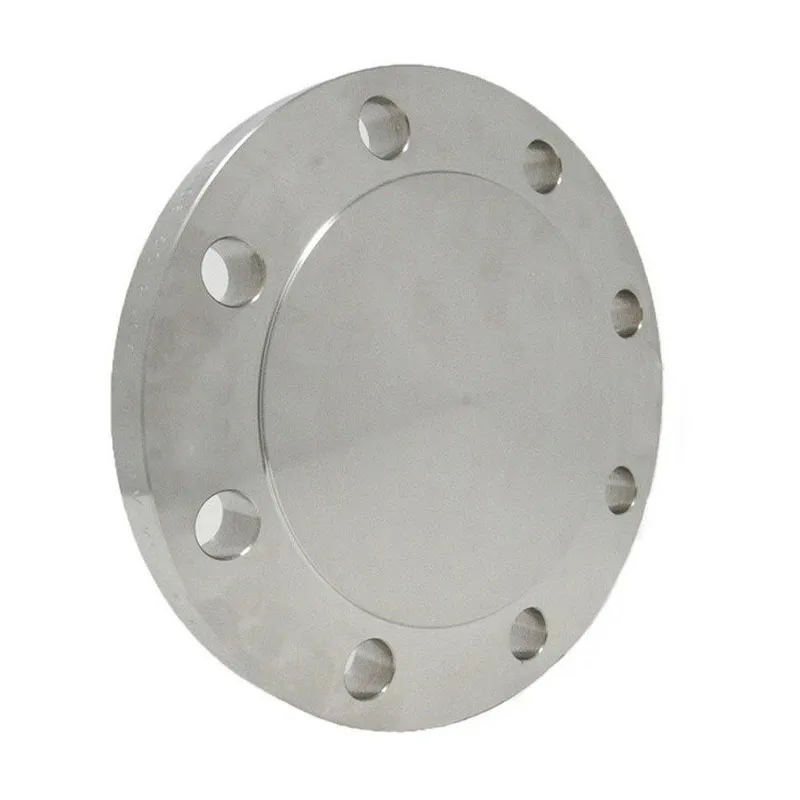 EN 1092-1 Blind flanges Type 05, PN10
Relatedsearch
Related Search- calculation of the tightness of a flange connection
- flange steel weld joint
- flange design according to GOST 33259 2015
- ASME Class 900 Flanges
- insulating flange connection DN80
- repair of flange connections
- compression flange connection 63x2
- welded flange connections
- flange type 11 GOST 33259 2015
- steel flanges DN50 RU16