
-
-
Phone
+86-13623462298



welded steel flange 65
When “steel welded flange 65” appears in an application or drawing, many, especially those new to procurement, think that it is simply about the diameter. They immediately go into the tables, look for DN65, and everything seems to be clear. But in practice, this entry is just the tip of the iceberg. The number 65 is a conditional pass, but behind it there is a whole set of parameters that determine whether this part will become a reliable unit or a source of constant problems. The most common mistake is neglect of the type of performance and working pressure. You can take a flat welded flange on PN6, and in the system the pressure is up to 16 atmospheres, and even with temperature jumps. Or, on the contrary, install end-to-end on PN40, where PN16 is sufficient, overpaying for metal and complicating installation. I have encountered more than once when “what was according to the specification” was delivered to the site, and then it turned out that the holes for the studs did not coincide with the mating part or the thickness of the disk was too small for the design loads. Therefore for me ?flange 65? - this is always the start for clarifying questions: according to what standard? What's the pressure? What environment? What type of connection? Without this, even starting a conversation is pointless.
Standards and pitfalls
Let’s say the order came with GOST instructions (the good old GOST 12820-80 and 12821-80 are now collected in this). Forwelded steel flange 65According to this standard, there are several designs for sealing surfaces: smooth, protrusion-recess, tongue-groove, for a lens gasket, for an oval gasket. The choice here is not a matter of taste, but a strict necessity. For steam systems where there is a risk of leaks, there is often a protrusion-recess design. And if the environment is aggressive or expensive, a tenon and groove may be required to minimize losses. I remember one project at a chemical plant, where, due to cost savings, they installed flanges with a smooth surface instead of tongue-and-groove for a slightly aggressive environment. Six months later, background emissions began, and the line had to be stopped and all pairs of flanges replaced. The losses far outweighed the savings.
And there is also a nuance with foreign standards. Let's say ASME B16.5. For 2.5 inches (this is approximately DN65) there are its own dimensions, its own system of pressure classes (Class 150, 300, etc.). And the most insidious thing is sometimes a discrepancy in installation dimensions with GOST standards. There was a story when an imported pump with flanges according to ASME was brought in for modernization, and they tried to attach a domestic pipeline with flanges according to GOST to it. The threaded holes did not line up by just a couple of millimeters. I had to urgently look for adapter flanges or order non-standard ones. Now I always demand a complete package of standards for all elements of the system.
It is in situations like this that you begin to appreciate suppliers who work with the full range of regulations. For example, on the websiteShanxi Hongkai Forging Co.,Ltd (https://www.hkflange.ru) it is directly stated that production is carried out in accordance with GOST, ASME, EN, DIN and others. For an engineer, this is not just a line in the “About the company” section, but a real risk reduction. Knowing what the manufacturer likeShanxi Hongkai Forging Co.,Ltd- one of the largest in the forging industry in China, it is capable of manufacturing products according to different standards, it is possible to create specifications more flexibly, especially for facilities with international equipment.
Material and forging: why isn't it just ?steel?
?Steel? is also a deceptively broad concept. For a flange with a 65th diameter, St20, 09G2S, 12Х18Н10Т, and a dozen other brands can be used. The choice depends on the medium: water, steam, oil, alkali, acid. Temperature is the second key factor. For regular cold water, carbon steel is suitable. And for a hot coolant pipeline, say, up to 400°C, you already need an alloy, for example, 15X5M. An error in the material leads to corrosion, creep, and embrittlement.
Here I always focus on the manufacturing method. Stamped flanges are one thing, but forged flanges represent a completely different level of reliability. Forging, especially like the same oneShanxi Hongkai Forging Co.,Ltd, improves the internal structure of the metal, makes it fibrous and homogeneous, eliminates casting defects. For critical facilities where resource and safety are important, I always insist on forged flanges. Yes, they are more expensive, but their resistance to cyclic loads (heating-cooling, vibration) is incomparably higher. I remember that at the thermal power plant, after replacing stamped flanges with forged ones on the same lines, the number of braces on the connections decreased significantly.
Another practical point is the availability of material for repairs. It happens that you installed a system made of 12Х18Н10Т stainless steel, but after a couple of years you need to install one additional flange. And if the supplier only works with carbon steel, problems begin. Therefore, for me, an indicator is a wide range of materials. On the same website hkflange.ru it is clear that the range includes both standard and non-standard products according to drawings, and the range of sizes goes up to DN4000. This suggests that almost any material can be made to order, which is critically important for complex projects.
Installation and common mistakes
Let's say a flangesteel welded 65of the right standard and from the right steel in our hands. The fun begins at the construction site. The first and main mistake is incorrect alignment before welding. The flange must be strictly perpendicular to the axis of the pipe. If there is a misalignment, then when tightening the studs, bending moments are created, the gasket is compressed unevenly, and leakage is guaranteed. I always require using a square and checking in two planes.
The second mistake is ignoring the preparation of the pipe end and chamfer. The end must be cut evenly and cleaned of scale. For butt flanges (which, by the way, are the main product range of many manufacturers, including the mentioned company), proper cutting of the edge for the weld is necessary. If the chamfer is removed crookedly or insufficiently, the penetration will be incomplete and a stress raiser will appear. Such a seam may not burst immediately, but after several load cycles.
Third - puff. To tighten? From the heart? a wrench is the path to broken studs or a deformed flange. You need a torque wrench with a torque calculated specifically for this diameter, pressure and type of gasket. And you need to tighten it crosswise, like a wheel on a car, gradually increasing the torque in several passes. I saw how, after hydrotesting, the flange pairs “led” precisely because of the rough tightening in a circle. I had to loosen and tighten everything again.
Non-standard situations and solutions
Not everything fits into the standards tables. Sometimes you need itwelded steel flange 65, but with a non-standard arrangement of holes, or increased disk thickness to compensate for special loads, or from an exotic alloy. This is where the flexibility of the manufacturer is tested. Working according to customer drawings is aerobatics.
We had a project involving the installation of equipment in a cramped well. The standard flange did not allow access with a wrench to tighten the lower studs. It was necessary to develop a drawing of a flange with an offset arrangement of holes so that the nuts would be in an accessible area. We made a request to several factories, and those who are really focused on individual solutions, like a forging manufacturerShanxi Hongkai Forging Co.,Ltd, responded and completed the order. Others simply ignored or asked for extreme deadlines and prices.
Another case is a flange connection in an area with high vibration from operating pumps. The standard flanges held up, but the gaskets quickly failed. The solution was to increase the rigidity of the flange itself - they ordered a batch with an increased thickness of the neck (for butt joints) and the disk by 30%. The vibration resistance of the connection has increased sharply. This is to the question that sometimes you need to step back from the catalog and think in applied categories.
It is the ability to solve such non-standard tasks, along with work according to international standards, as indicated in the company description on their website, that makes the supplier a partner, and not just a hardware seller. When you know that for DN65 (or for any other size from the huge range of DN15–DN4000) they can do exactly what you need according to your unique drawing, it removes a lot of headaches at the design and installation stage.
Instead of a conclusion: thinking out loud
So, back to the beginning. ?Welded steel flange 65? - this is not a spare part, this is a task. The task of selection, coordination, installation. This is a story about attention to detail, of which there are dozens: from the grade of steel and type of seal to the tightening torque of the studs. Experience comes precisely through mistakes and their correction. Through misaligned holes, leaking gaskets and warped discs.
Now, looking at such a seemingly simple detail, I see not just a ring with holes. I see the standard, the material, the manufacturing technology (and here forging, in my opinion, is beyond competition for critical applications), the potential for customization and, ultimately, the reliability of the entire assembly for years to come. And I understand that the right choice is a supplier who understands all this diversity, as, judging by the description,Shanxi Hongkai Forging Co.,Ltd, is already half the success. The rest is the work of the engineer and installer. But without high-quality and correct hardware? even their skill may be useless.
Correspondingproducts
Related Products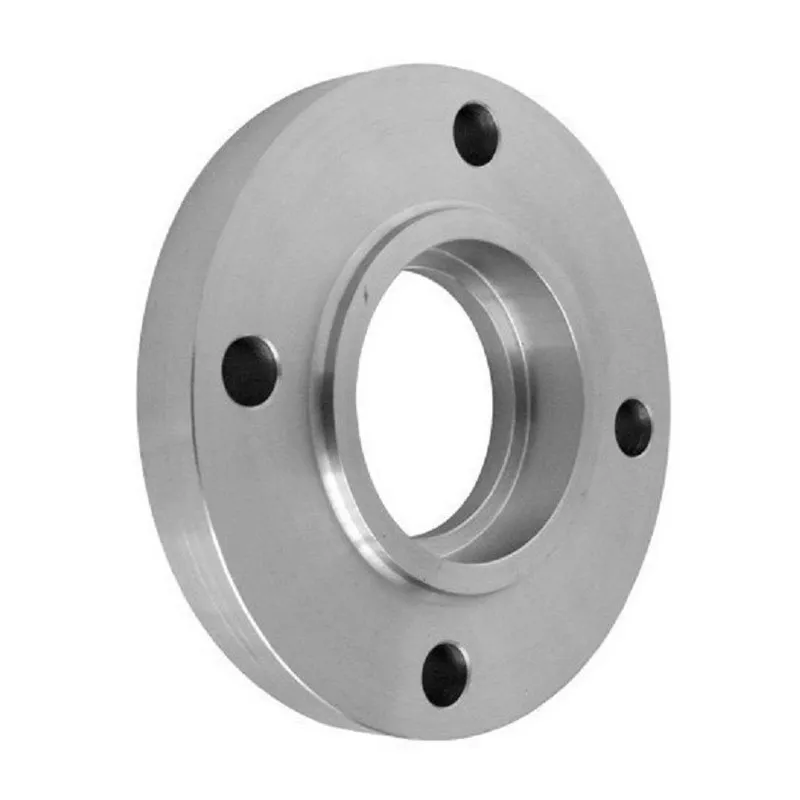
Best Sellingproducts
Best Selling Products-
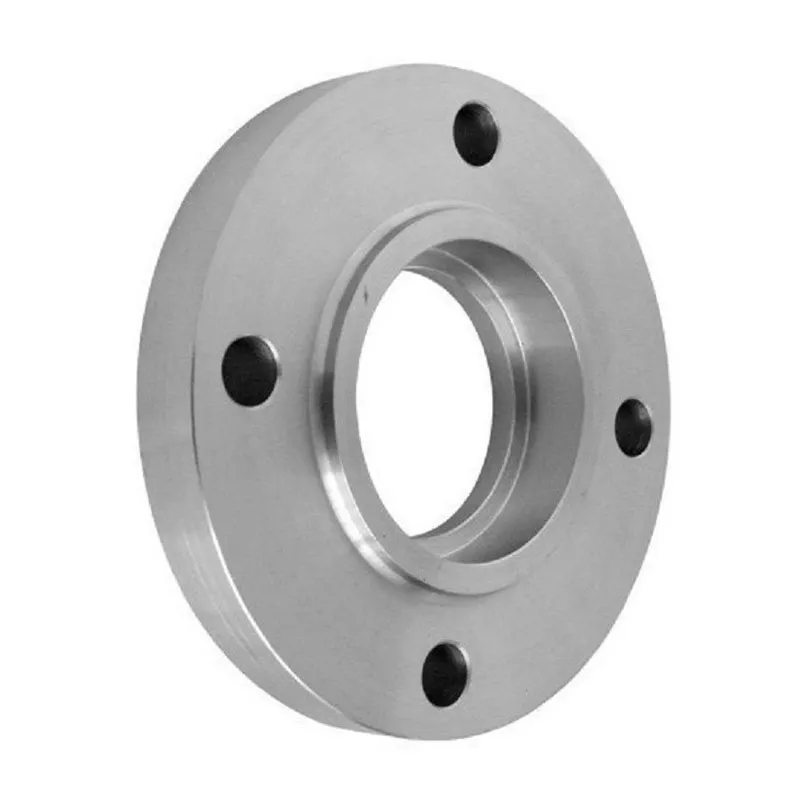 Socket Weld Flanges Class 300
 -
 ANSI B16.5 Lap-on flanges Class 1500
 -
 JIS 10K Threaded Flanges
 -
 Ser.A Butt Weld Flanges Class 400
 -
 ANSI B16.5 Lap-on flanges Class 300
 -
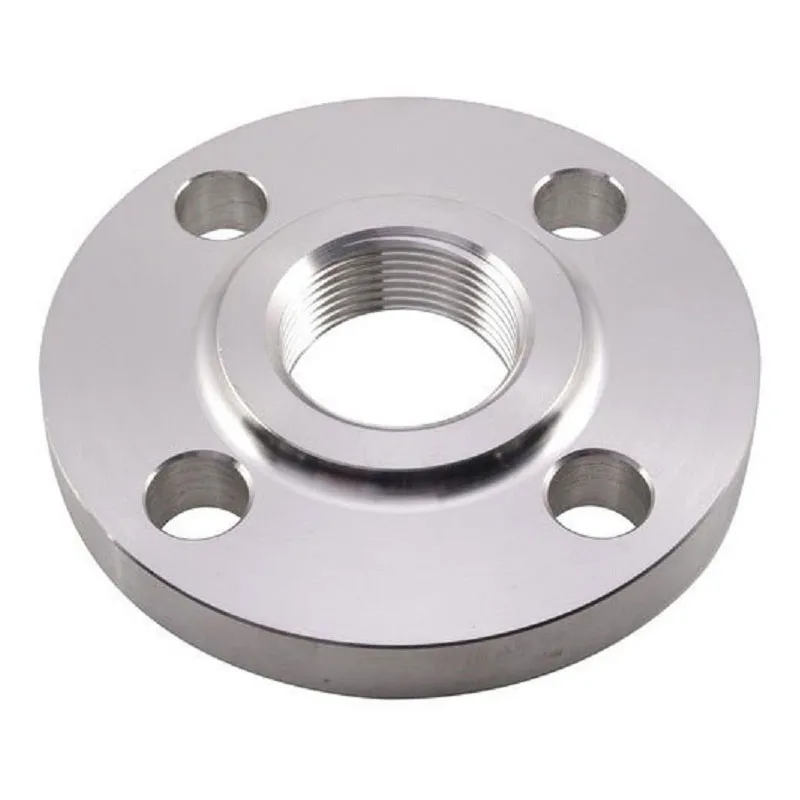 EN 1092-1 Threaded flanges Type 15, PN16
 -
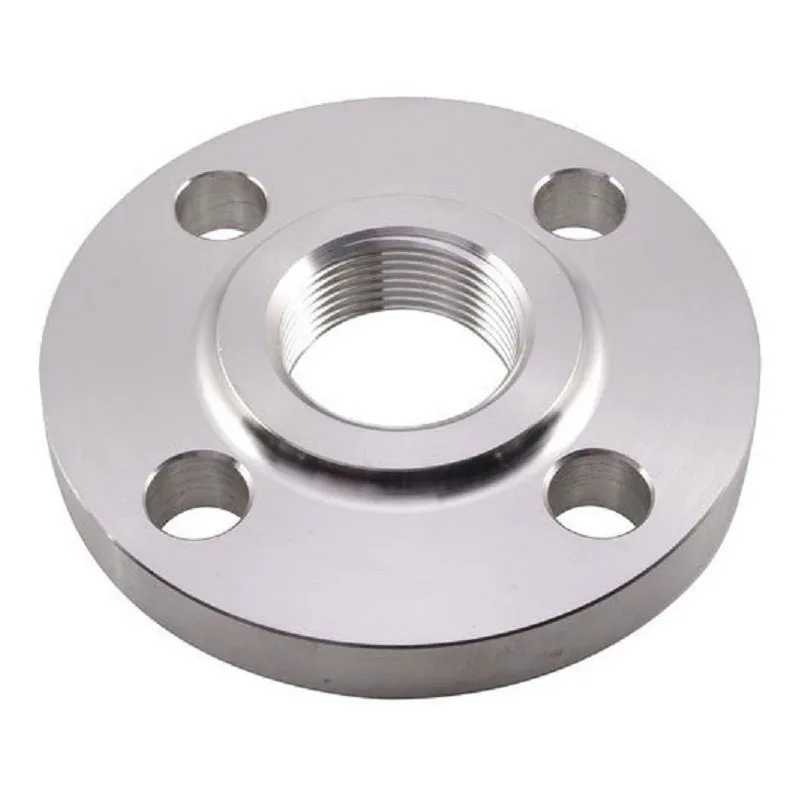 ANSI B16.5 Threaded Flanges Class 600
 -
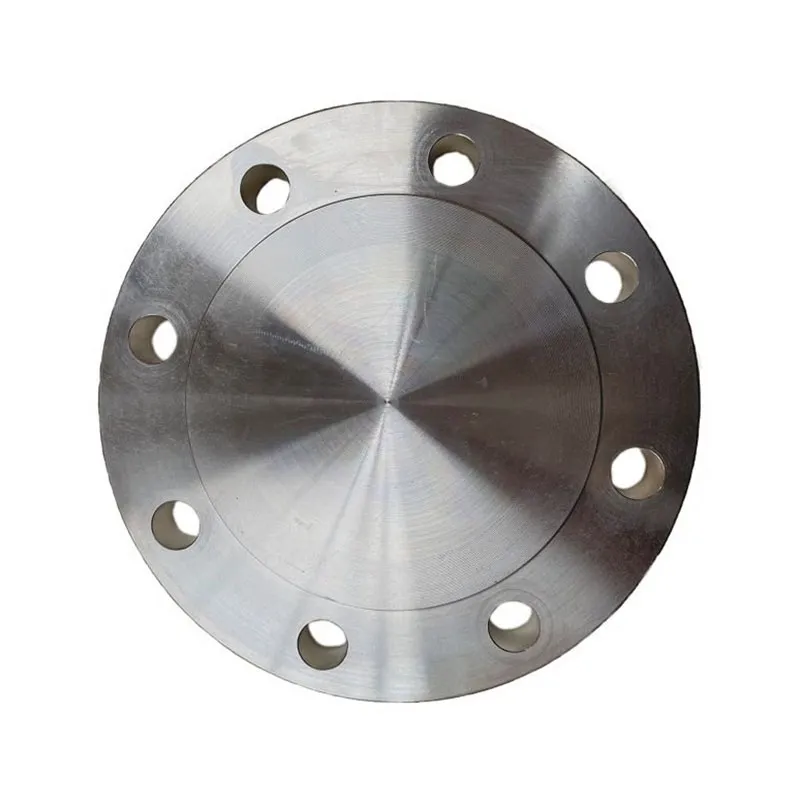 ASME B16.47 Ser.A Blind Flanges Class 400
 -
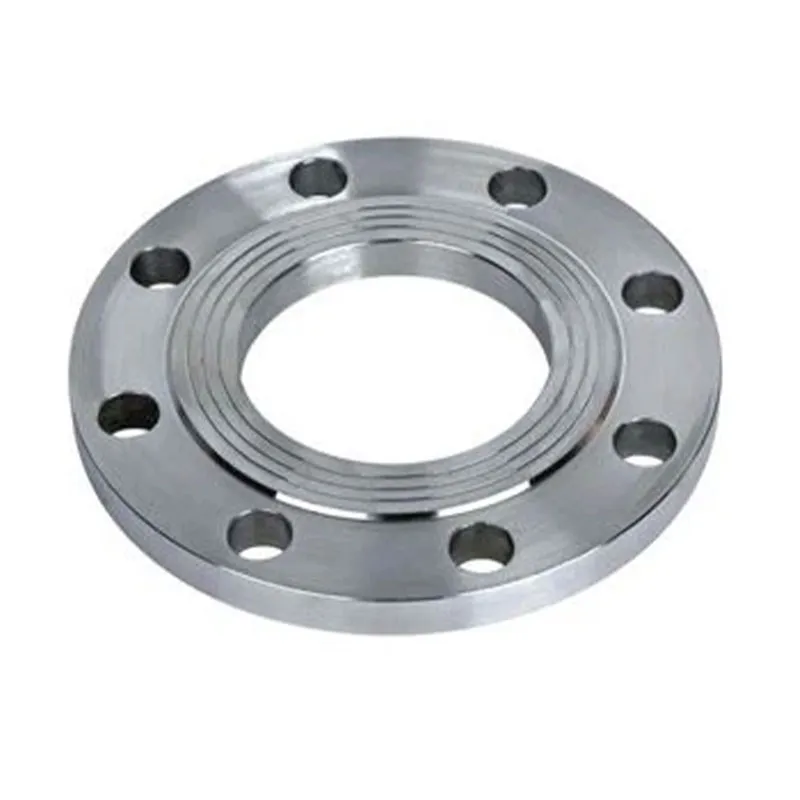 Butt weld flanges Class 150
 -
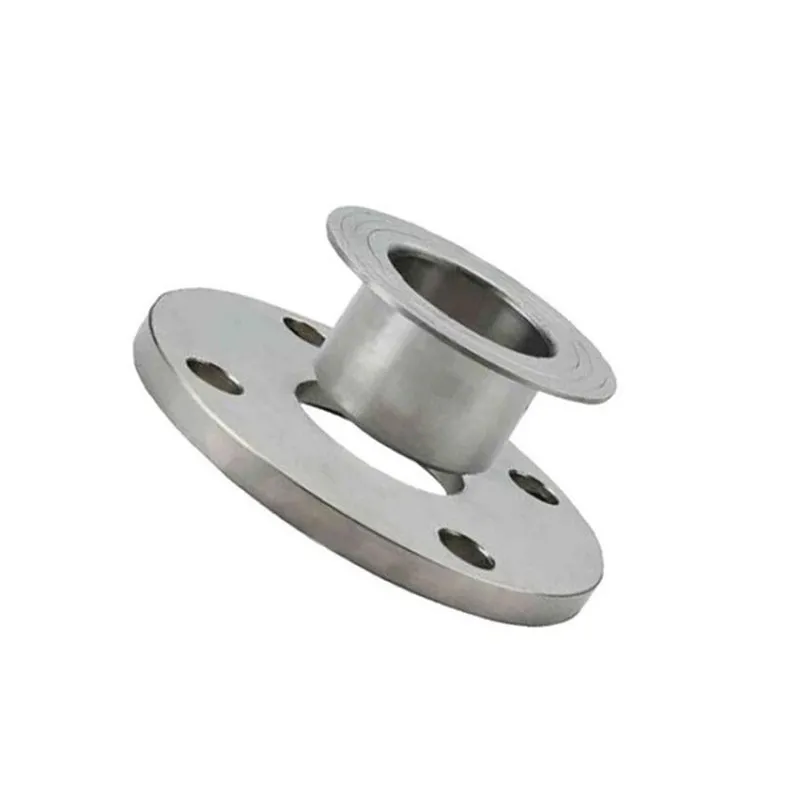 JIS 10K Loose Ring Flanges
 -
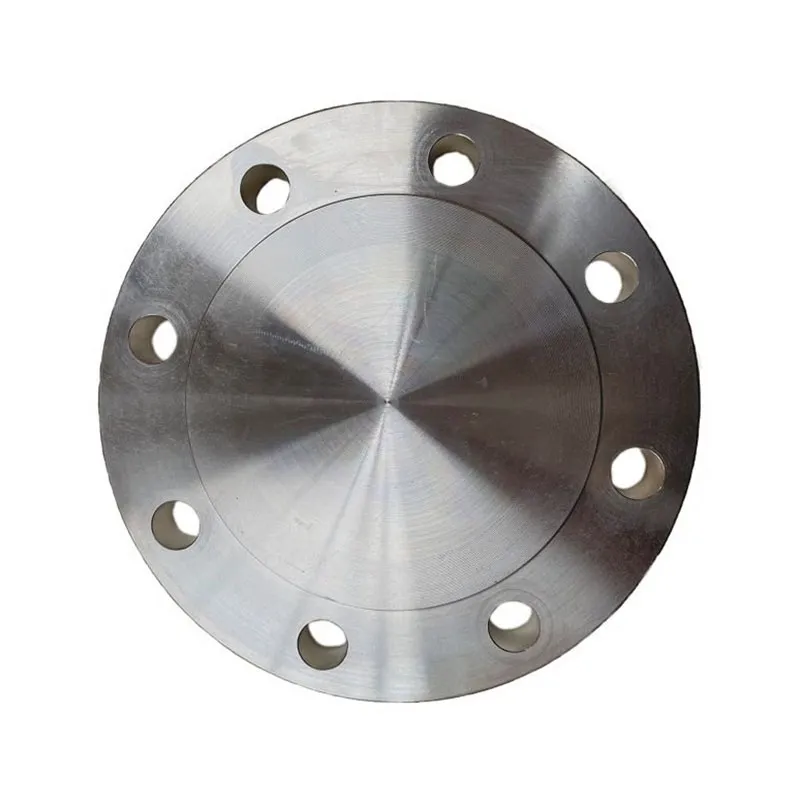 UNI 6092 Blind flanges PN10
 -
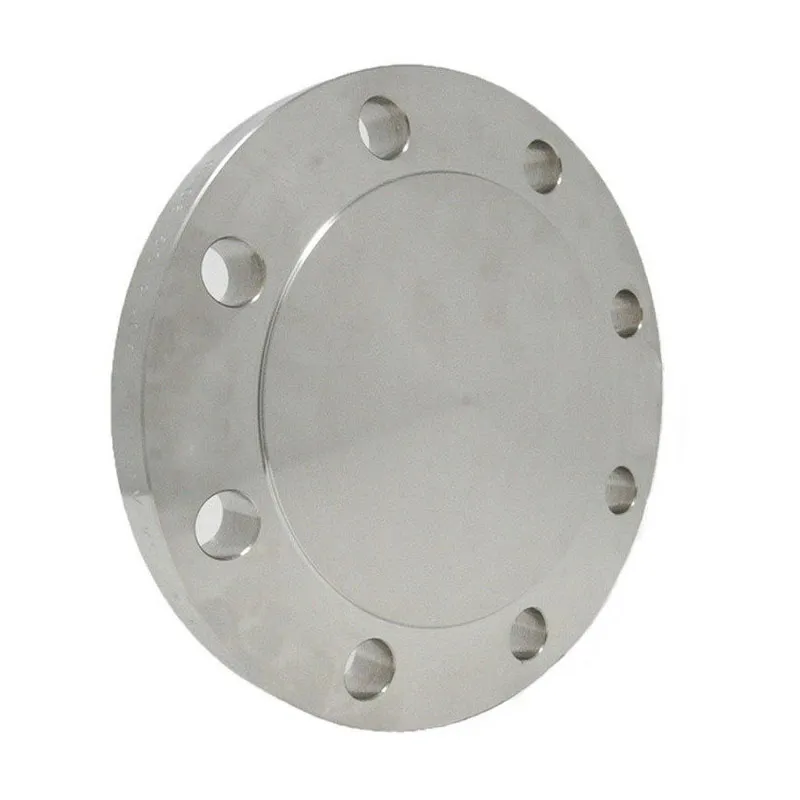 AWWA Blind Flanges Class D (Tables 1, 2, 3)