
-
-
Phone
+86-13623462298



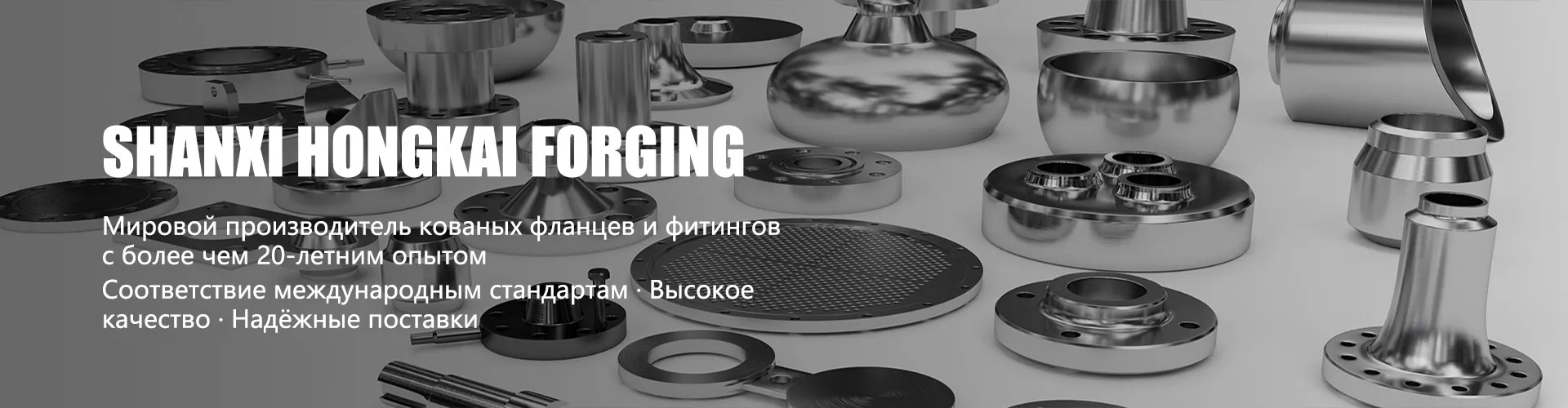
flanges RU 40
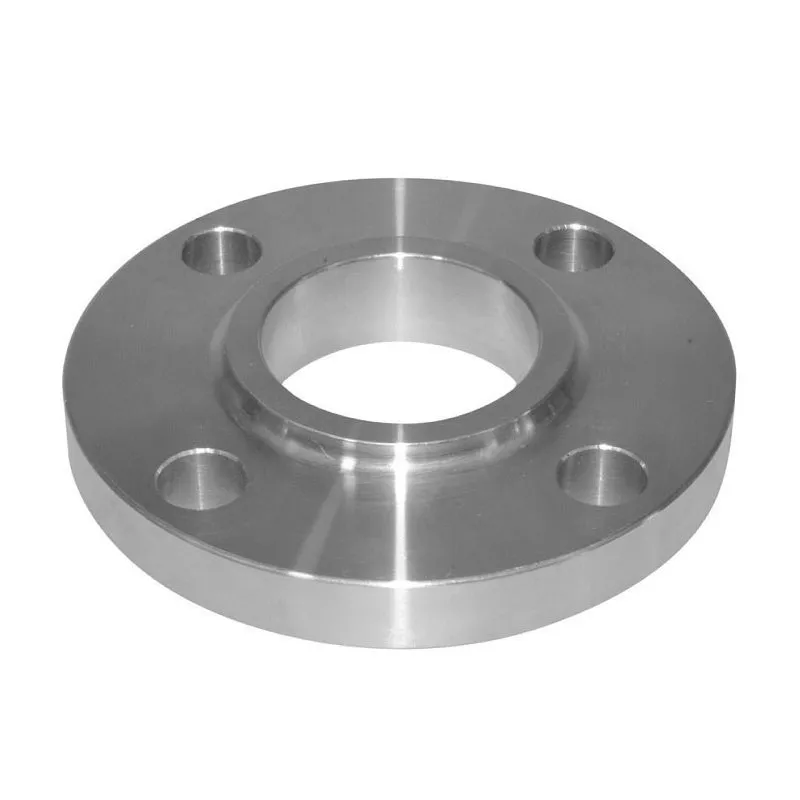
When you hear “RU 40 flanges”, the first thing that comes to mind is pressure, 40 kgf/cm2. But if you dig deeper, in real work with pipelines everything is not so simple. Many people, especially those who are just starting to purchase equipment, think that since this same Ru is specified, the flange will definitely hold up. But in practice, leaks and breakdowns happen, and often it is not the calculation that is to blame, but precisely the lack of understanding of what is hidden behind these numbers. I went through this myself when ten years ago I ordered the first large batch for a facility near Ufa. Then I realized thatflanges RU 40- this is not just a marking, but a whole story with the material, heat treatment and, critically, with the quality of the forging itself.
Why Ru 40 is not only about pressure
Take, for example, temperature conditions. GOST 12815-80, of course, gives tables, but when the pipe operates not at 20 degrees, but at +350 or -40, the behavior of the metal changes. The nominal pressure drops, and what was designed for Ru 40 under normal conditions may not be able to withstand. I once observed how, at a thermal power plant, after six months of operation, cracks appeared along the radius of the neck of the butt-welded flanges. The reason is that the material, ordinary 20 steel, was not suitable for constant thermal cycles. I had to change it to 09G2S with normalization. So it turns out that the number is ?40? - This is more of a starting point for a dialogue with the manufacturer, rather than a ready-made answer.
Or geometry. It would seem that all dimensions are according to the drawing. But if the slope of the neck is made with deviation, or the thickness of the disk is not uniform, a misalignment occurs when tightening the bolts. The stresses are distributed unevenly, and the gasket cannot seal the joint. This is especially true for large diameters, from DN500 and above. Here we are talking not so much about the Ru standard, but about production culture and control at each stage. I have seen forgings where the workpiece was incorrectly upset under the press, and the metal fibers went wrong - such a flange will behave unpredictably under load.
Therefore, now, when we discuss a project, we always clarify the environment, temperature schedule, and cyclic loads. And only then do we look at the markings. It often turns out that for reliability we need a margin, and we choose a flange that formally corresponds to PN 40 from a higher grade of steel or with additional heat treatment. This is, of course, more expensive, but cheaper than stopping the facility for unscheduled repairs. By the way, Chinese manufacturers, who have been in the field for a long time, have this in order. The same guys fromShanxi Hongkai Forging Co.,Ltd(their website ishttps://www.hkflange.ru) technical specifications always ask for complete working conditions. Not just “flange DN150 Ru 40”, but the environment, temperature, installation diagram. This is a sign of a serious approach.
Experience with non-standard sizes and custom forgings
Standard sizes are good, but life often throws up tasks where you need something outside the ranks. I remember a project with a unique heat exchanger, where a DN2200 flange was needed for Ru 40. The standard does not provide for this, only production according to the customer’s drawings. This is where the most interesting part began: strength calculations, choice of reinforcement scheme, because with such diameters even the own weight of the structure creates a bending moment. We worked with the design bureau, and as a result, a version with a massive annular stiffener on the outer contour was born.
The production was ordered justShanxi Hongkai Forging Co.,Ltd. They position themselves as a manufacturer of forged flanges and forgings in one of the main centers of the forging industry in China, and what is important is that they make products according to GOST, ASME, EN, as well as to individual drawings. For our case this was key. It was important not just to forge the workpiece, but to ensure the correct structure of the metal throughout the entire cross-section, especially in the transition zone from the disk to the neck. They provided a forging flow chart and a heat treatment diagram for stress relief annealing. The forging itself was carried out under a hydraulic press rather than free forging, which gave a more dense and uniform structure.
But even here there were some surprises. Upon acceptance, ultrasonic testing revealed a small area with heterogeneity in the area of the mounting holes. Not critical for the stated pressure, but we insisted on revision. The manufacturer complied without any problems and carried out local heating and forging of the area. This, by the way, is a good indicator: if the plant is ready to correct shortcomings and not argue, it means they can do business in the future. As a result, the flange has worked for five years without any complaints. This experience shows that forflanges RU 40large or non-standard sizes, not only the standard itself is critically important, but also the technological capabilities of the manufacturer and its readiness for dialogue.
Materials: from St20 to 12Х18Н10Т and everything in between
A common mistake is saving on material. For water or steam at low temperatures up to 200°C, carbon steel, for example St20 or its analogues, is often sufficient. But if there are at least traces of aggressive components in the environment, or the temperature fluctuates, you need to look towards alloy steels. For example, 09G2S for low temperatures or 12Х18Н10Т for corrosive environments. And here we return again to PN 40 - for stainless steels this pressure is not the limit, they can be used for higher nominal pressures, but they are often used precisely because of the environment, and not because of the load.
There was a case at a chemical plant where, according to the specification, flanges were made of St3sp5. The environment is slightly aggressive, but with periodic washings with alkali. A year later, corrosion began along the edges of the flange surfaces and cavities appeared. I had to urgently change it to flanges made of steel 20X13. Yes, they are more expensive, but their service life has increased significantly. Now, when selecting, we always ask the technologists for the full chemical composition of the transported medium, including washing solutions. This seems like a small thing, but it saves you from big problems.
Manufacturers that serve international markets usually have a wide range of materials. The same website hkflange.ru shows that the company works according to GOST, ASME, EN, DIN, which implies the use of both Russian and foreign steel grades. This is convenient when the project requires, for example, a flange according to ASME B16.5 made of material SA-105 (analogous to our St20) or SA-182 F316L (analogous to 03Х17Н14М2). Forflanges RU 40This versatility is a big plus, because it allows you to choose the optimal solution in terms of price and properties without being tied to one standard.
Editing and how it's often forgotten
You can have a perfect flange, but if you install it incorrectly, all your work will be in vain. Main mistakes: uneven tightening of bolts, incorrect laying, dirt on the mirror. From my own experience, I will say that for diameters from DN300 and above you need to use a torque wrench with calibration and a star tightening pattern. Not in a circle, but crosswise, in several passes, with a gradual increase in torque. Otherwise, distortion is inevitable.
Another nuance is the condition of the bolts and studs. They also need to be selected for pressure and temperature. For Ru 40 at elevated temperatures, ordinary bolts of strength class 4.6 can “float” and the tightening torque will weaken. You need at least 8.8, or even 10.9. And be sure to lubricate the threads and under the head so that the friction moment is predictable. Once, due to rusty studs, they were unable to achieve a tight seal on a DN600 flange connection—the thread simply broke off when tightening. We had to urgently look for a replacement and shut down the site.
And, of course, gaskets. For Ru 40, paronite or metal (galvanized steel, stainless steel) are often used, depending on the temperature. It is important that the gasket is the correct size—not protruding into the pipe, creating turbulence, and not too far from the bolt holes. The only thing that helps here is strict adherence to the drawing and control before installation. Sometimes it is easier and cheaper to spend an extra hour checking and preparing than to later disassemble the connection and change the seal.
Instead of a conclusion: what to look for today when ordering
So, to summarize, a flange marked PN 40 is not a product off the shelf, but a product that requires attention to detail. The first is the operating conditions: pressure, temperature, environment, cycling. The second is the material and its condition (forging, heat treatment). Third - geometry and quality control (ultrasonic testing, hardness control). And fourth is the competence of the manufacturer.
Now there are many offers on the market, but for critical objects I would advise working with factories that have experience in forging production, and do not just sell metal products. Like for exampleShanxi Hongkai Forging Co.,Ltd. From their description it is clear that they are a manufacturer of forged flanges and forgings, working with a range of sizes from DN15 right up to DN4000 and according to different standards. This indicates serious capacity and, most likely, a normal technological process. For Ru 40, especially in non-standard designs or large diameters, this is important.
Ultimately, a reliable pipeline is a chain of reliable elements. And the flange, even one as seemingly simple as on Ru 40, plays a key role in this chain. You shouldn’t skimp on it, but there’s also no point in overpaying for redundant features. The main thing is a clear technical specification, a dialogue with the manufacturer and an understanding that you are not just buying a piece of hardware with holes, but a unit on which the operation of the entire system depends. That's it, without pathos and big words, but based on what I saw and worked with myself.
Correspondingproducts
Related Products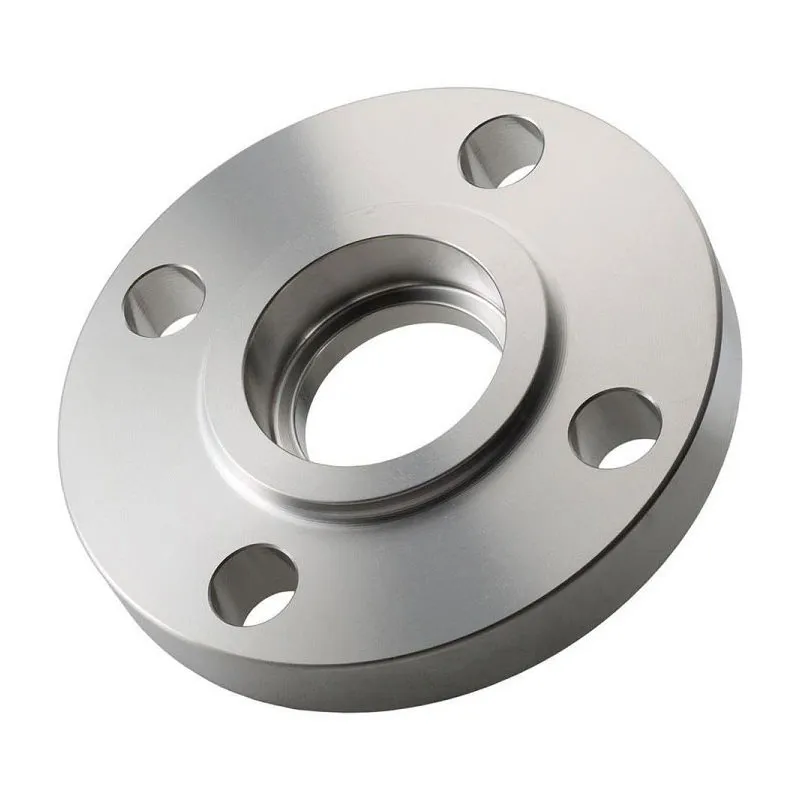
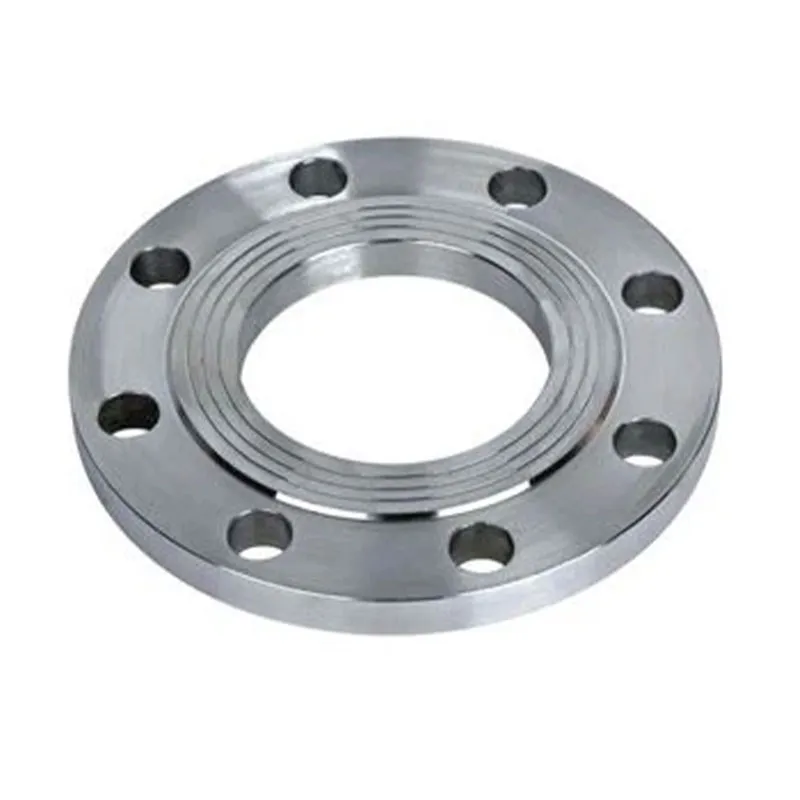
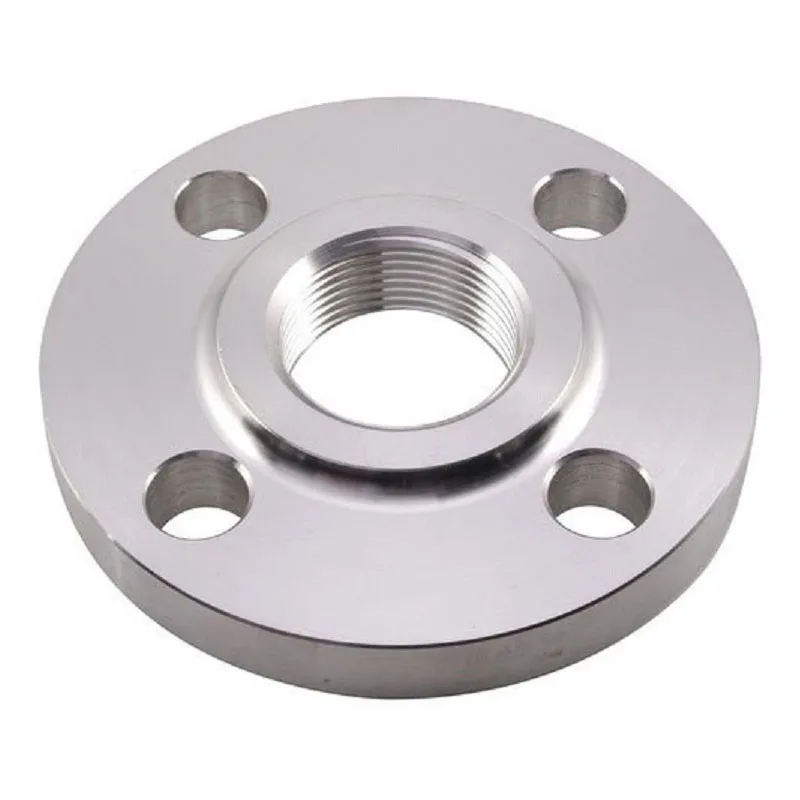
Best Sellingproducts
Best Selling Products-
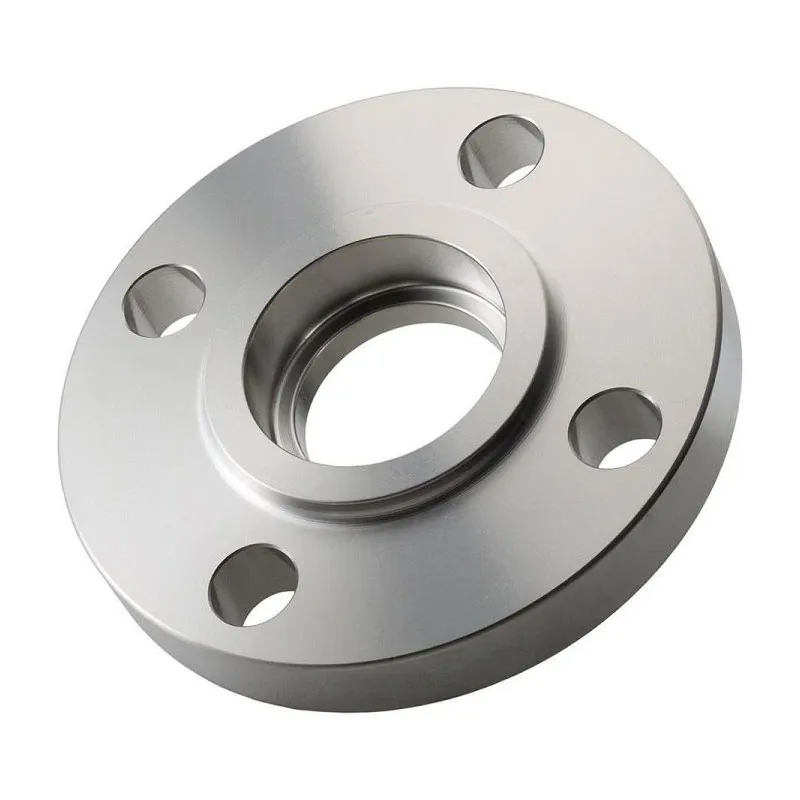 ANSI B16.5 Socket Weld Flanges Class 150
 -
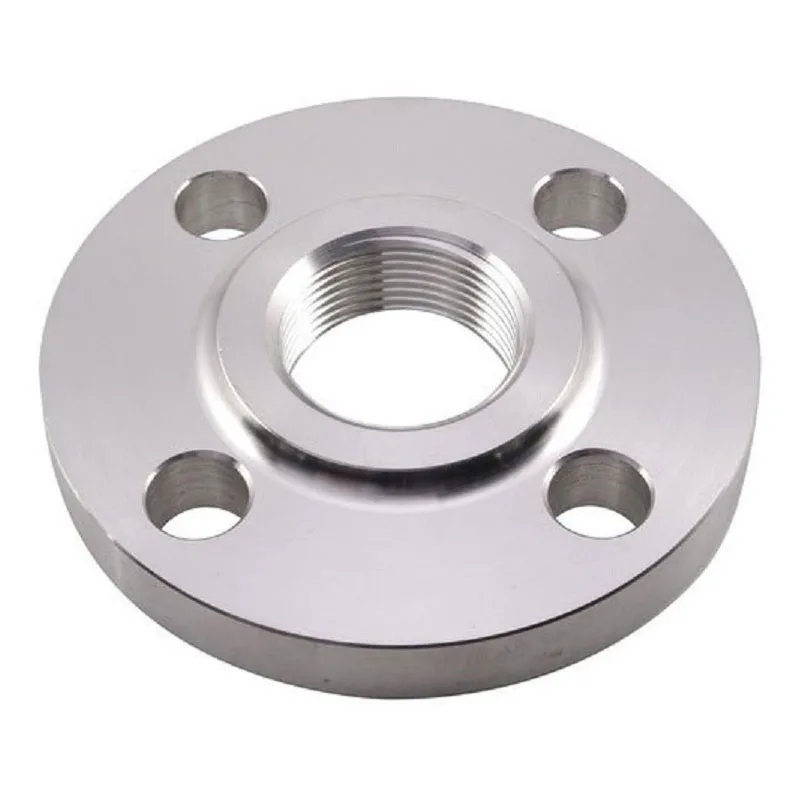 JIS 10K Threaded Flanges
 -
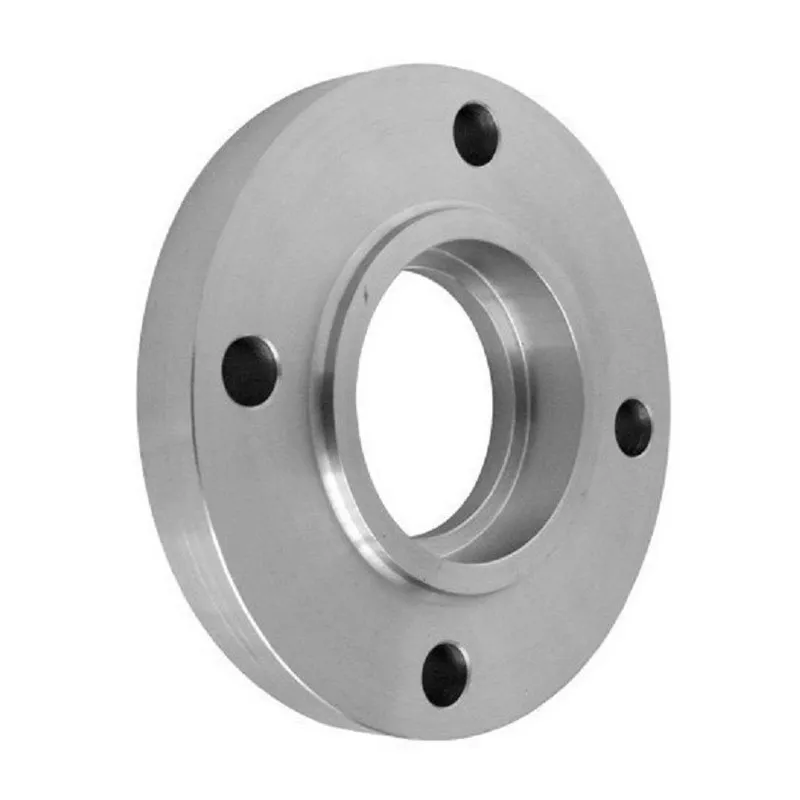 JIS 5K Socket Weld Flanges
 -
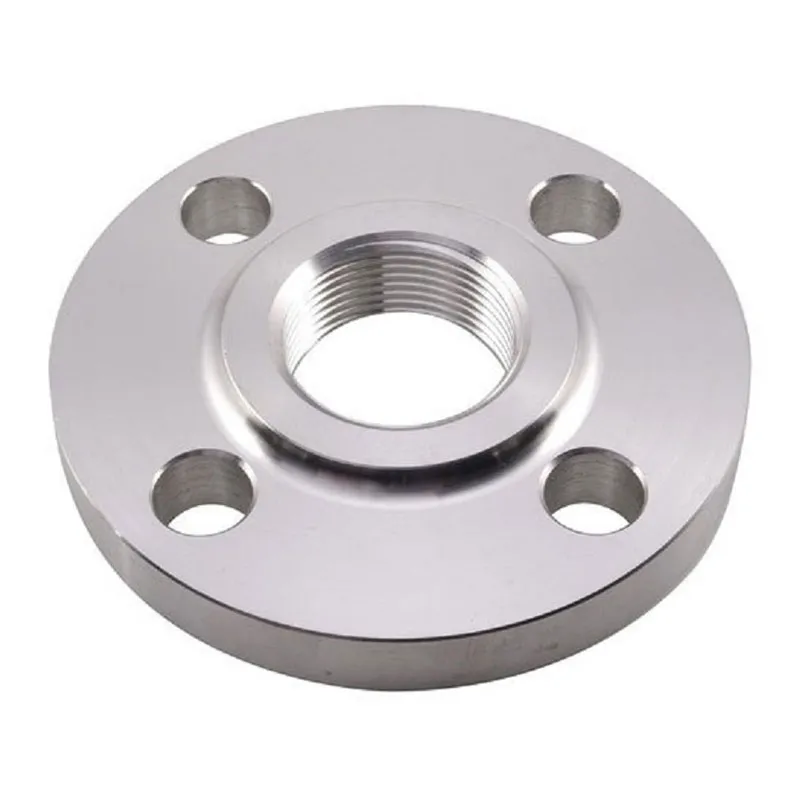 JIS 10K Overlay flanges
 -
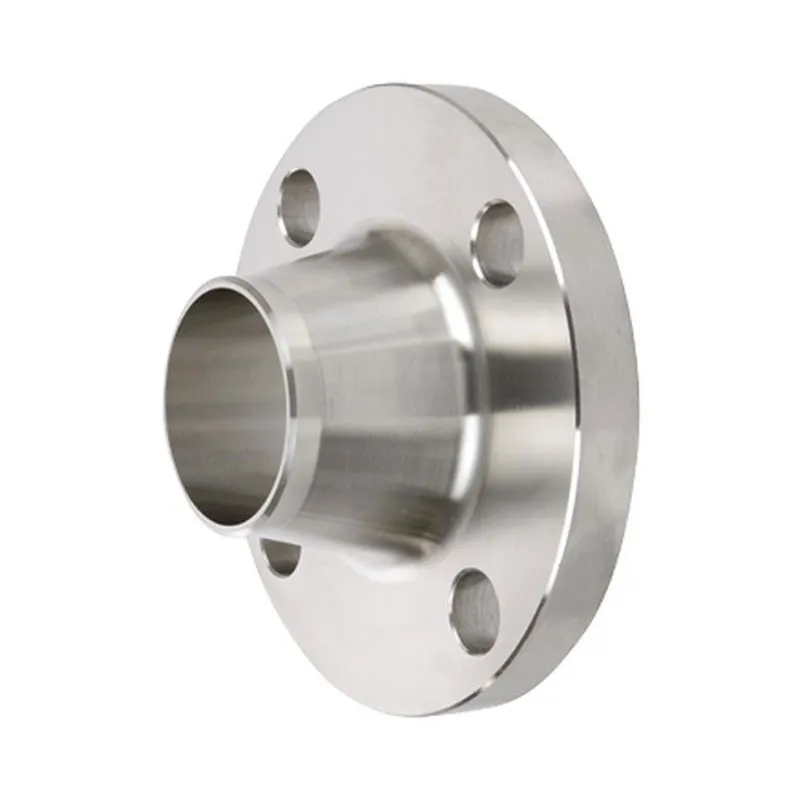 Ser.A Butt Weld Flanges Class 400
 -
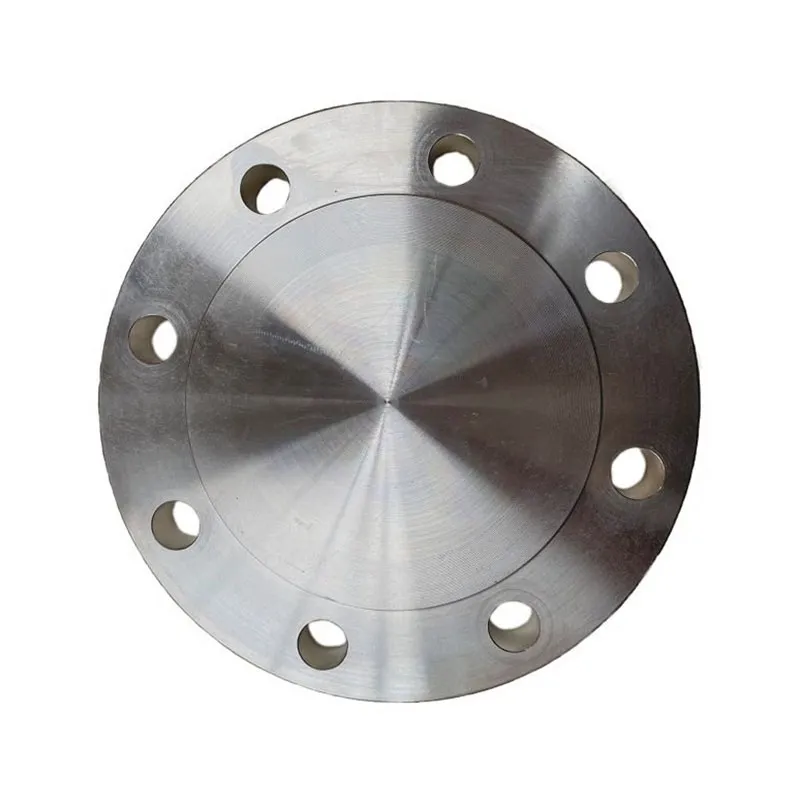 UNI 6092 Blind flanges PN10
 -
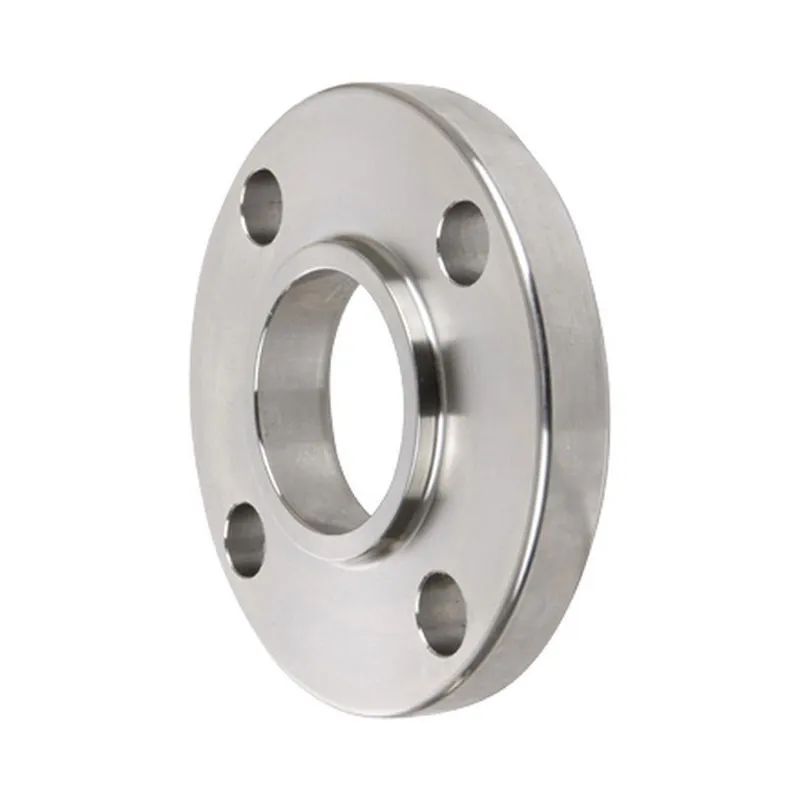 DIN 2501 Overlay flanges PN16
 -
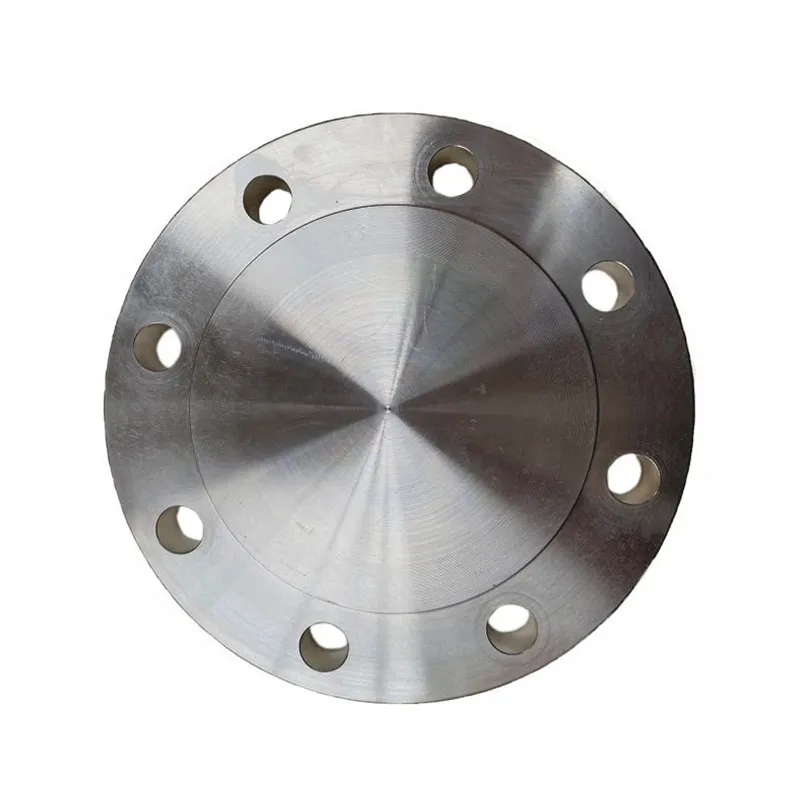 DIN 2527 Blind flanges PN10
 -
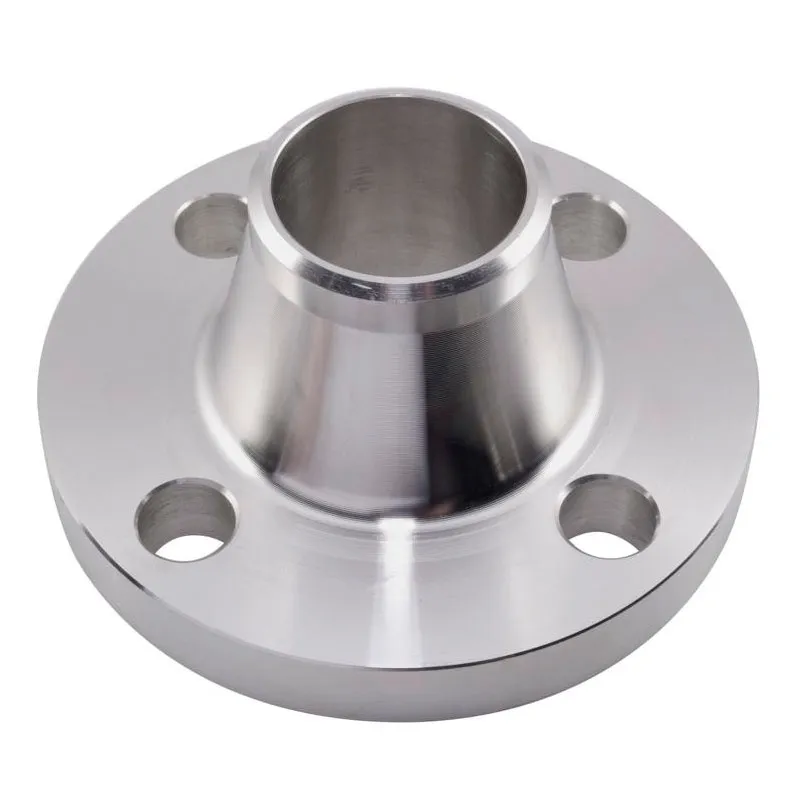 Butt weld flanges Class 900
 -
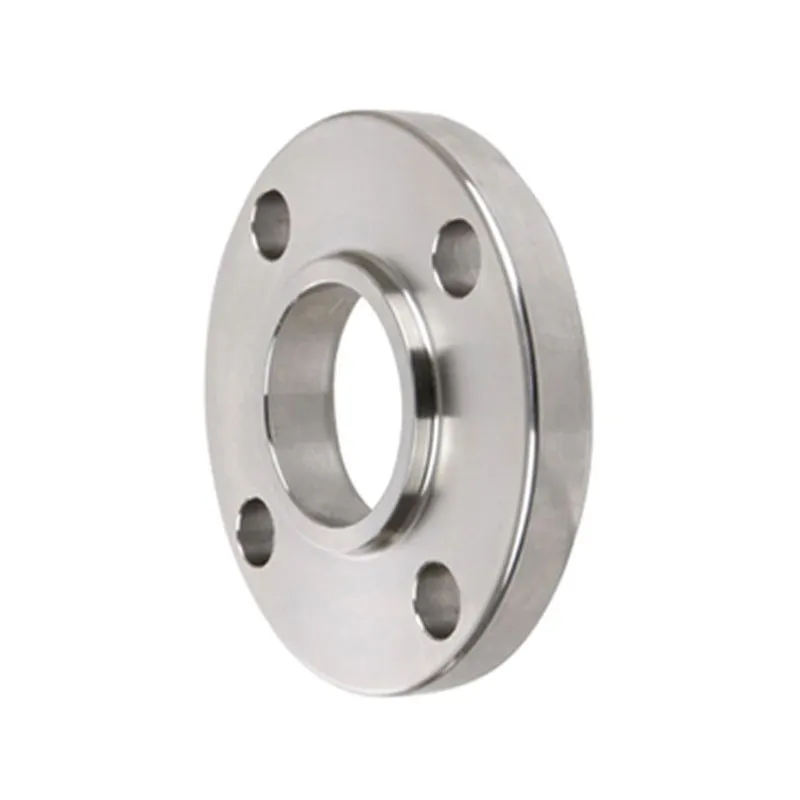 ANSI B16.5 Lap-on flanges Class 300
 -
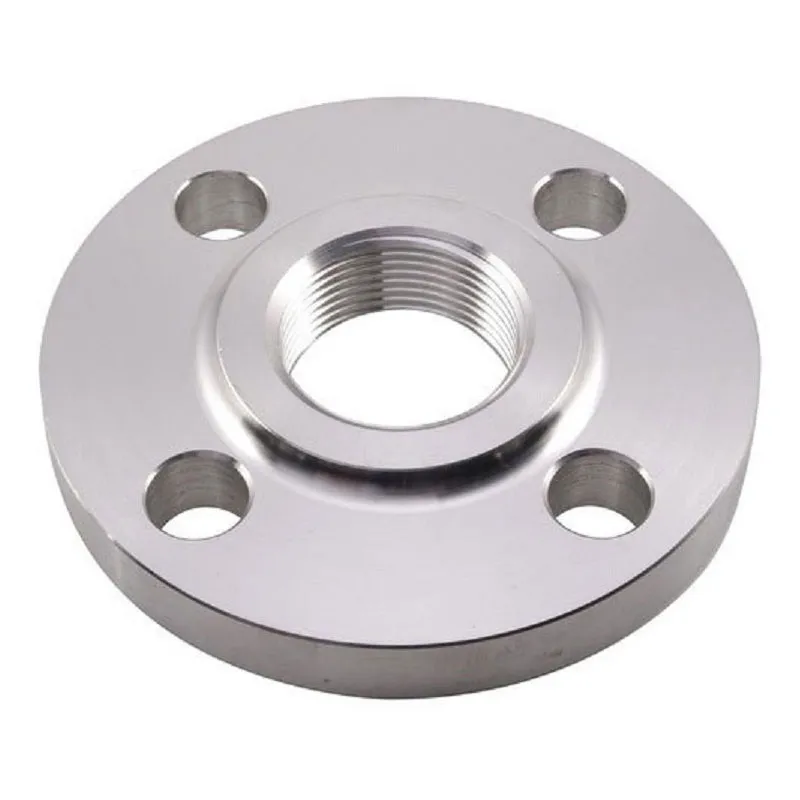 DIN 2565 Threaded flanges PN6
 -
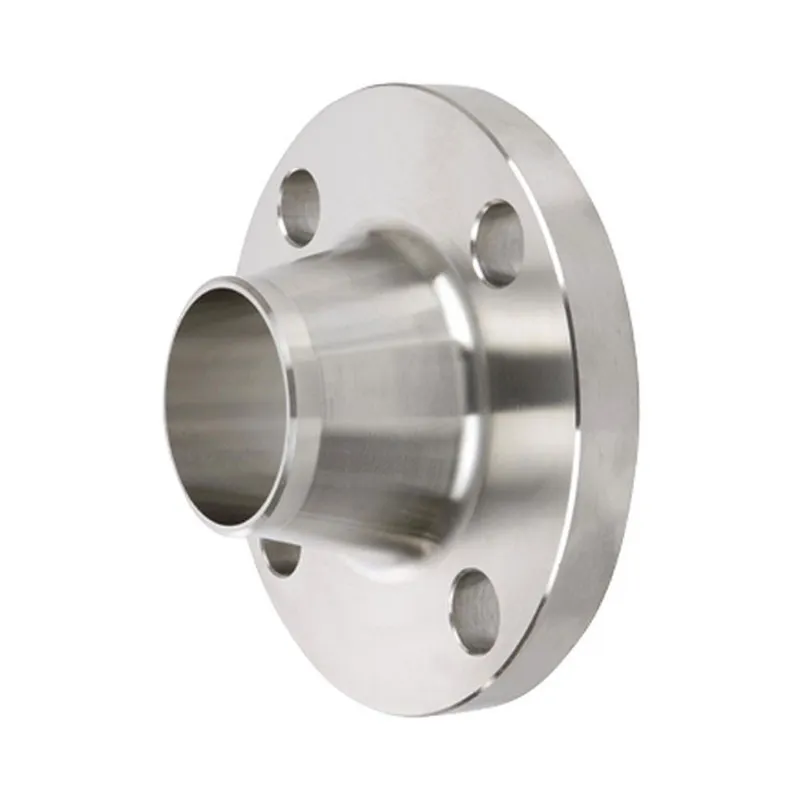 EN 1092-1 Butt weld flanges Type 11, PN25